Kunst, Leben, Musik, Leben, Film, Leben, Theater, Leben ... Digitales beim @derSPIEGEL
Joined September 2009
- Tweets 12,997
- Following 1,452
- Followers 656
- Likes 22,325
1,745 Photos and videos
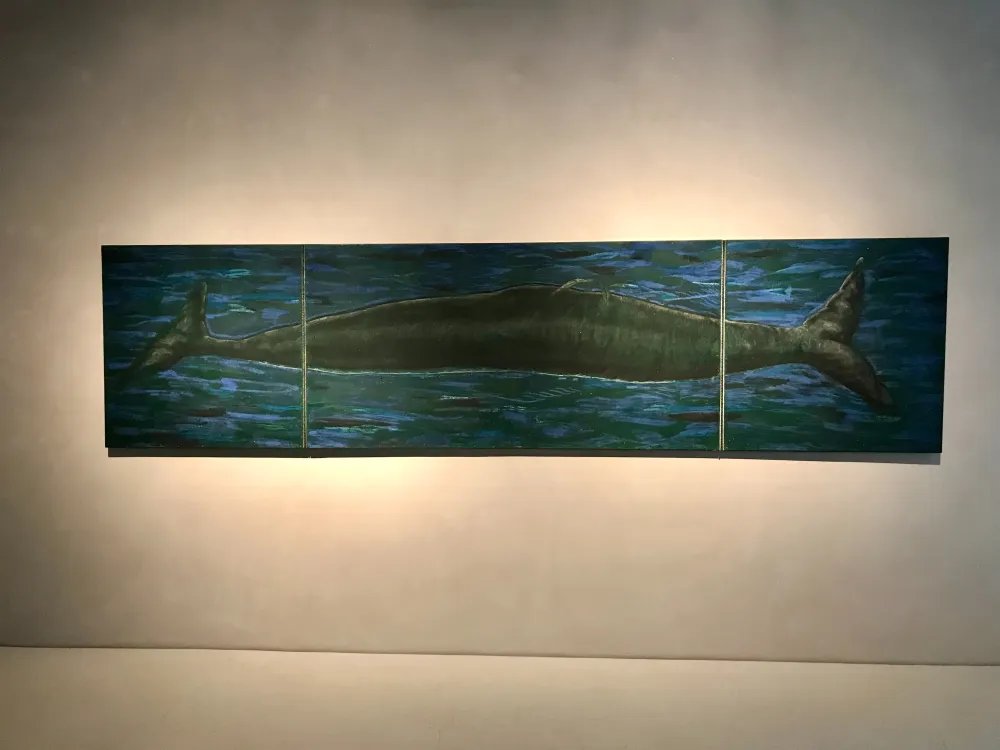
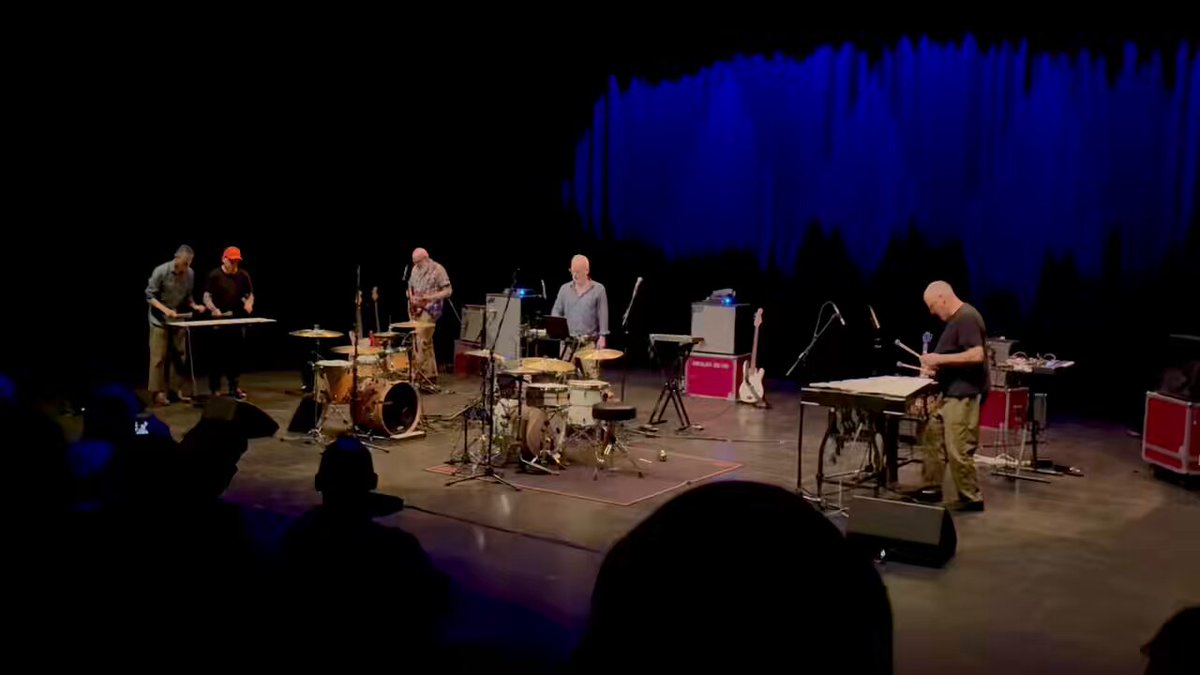
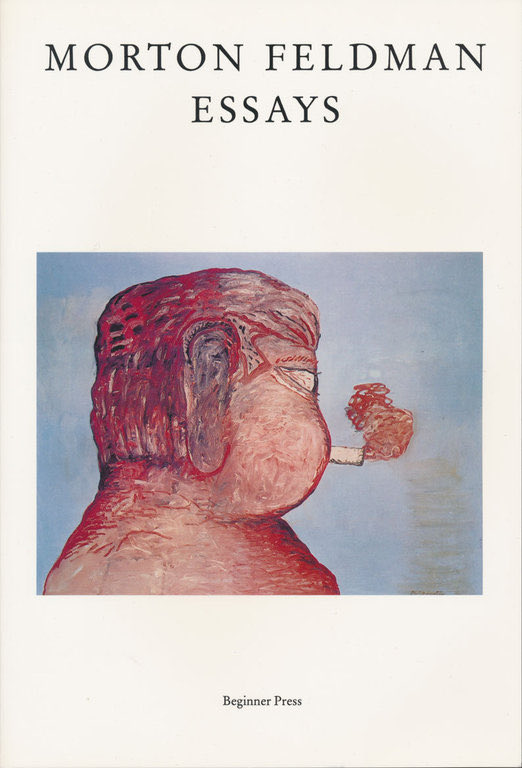
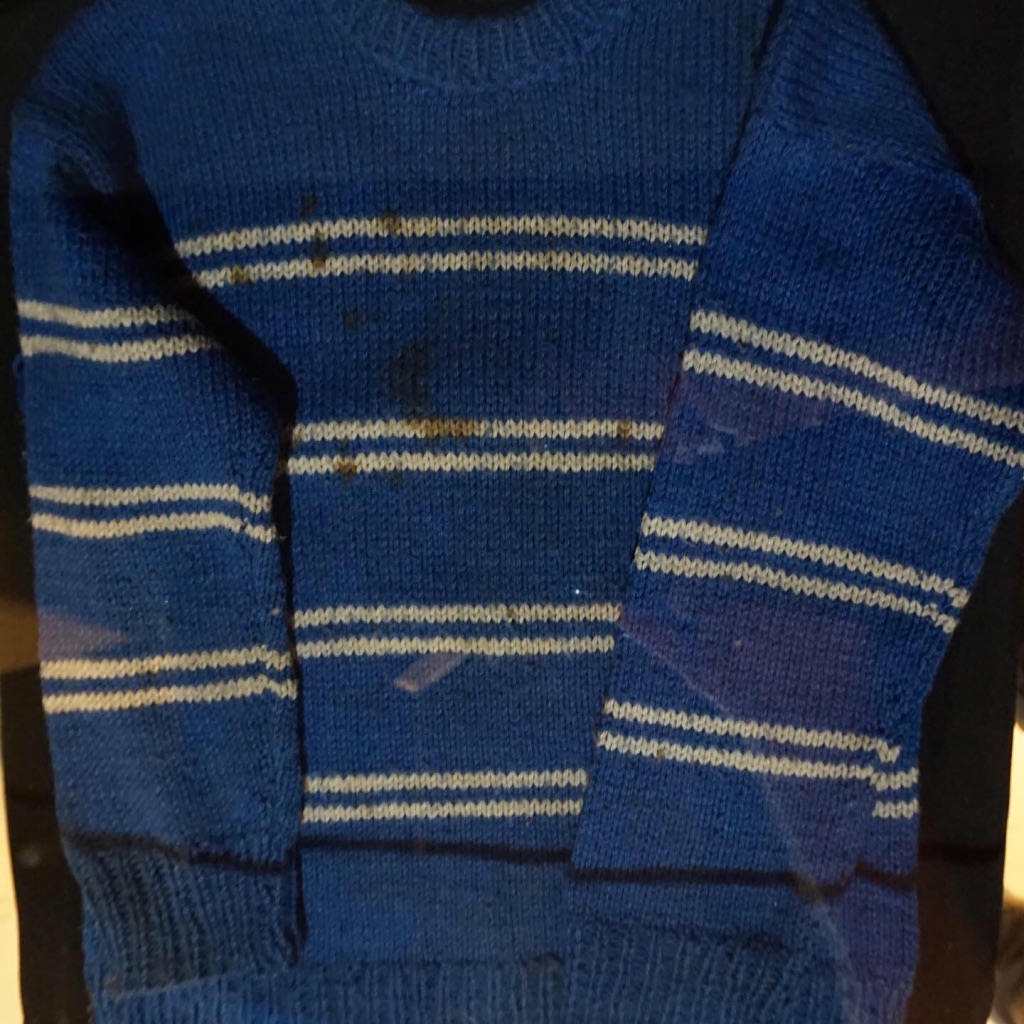





Ich frage mich, ob im #Gegenwartscheck, Workwear bereits thematisiert wurde? Instagram schlägt mir schon länger sozialistisch anmutende Kleidungsstile vor und auch das offizielle #DFB Outfit weckt bei mir sozialistische Assoziationen. @larsweisbrod @IjomaMangold
1
2
1,021

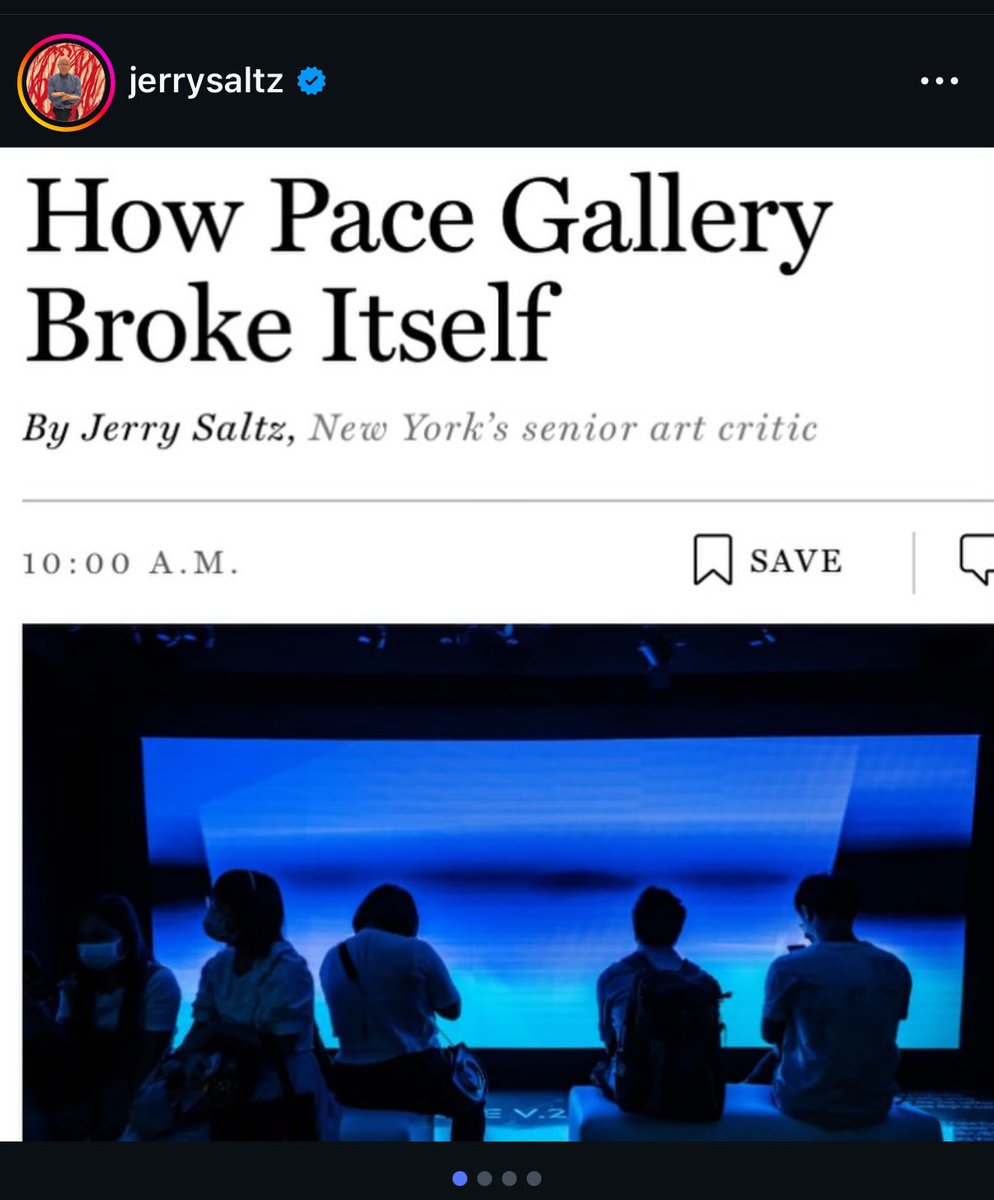
Some points on @jerrysaltz latest post.
1. Over the past 35 years, many major galleries have shifted from discovering artists and emerging art forms to actively constructing artists’ careers and market positions. In this model, the artist increasingly becomes the product rather than the artwork itself. Among a growing number of collectors, that narrative is gradually losing credibility.
2. The traditional mechanisms of exclusivity are also being challenged. Invitations to private openings and VIP previews once created a genuine sense of access and distinction. Today, artists communicate directly with audiences through social media, while visitors regularly share images from pre-opening events online. Moments that were once exclusive have become instantly public.
3. Unlike the twentieth century, contemporary art is no longer organized around a small number of dominant movements with relatively clear aesthetic criteria. Movements such as Impressionism, Cubism, Minimalism, Fluxus, Arte Povera, Land Art, or Conceptual Art gave artists, critics, galleries, and collectors a shared framework through which artistic quality and significance could be discussed.
Today, the field is highly fragmented. While many interesting tendencies and communities exist, there are no real apparent movements that carry the same cultural authority (except for a small emerging underground digital art scene). As a result, both artists and the public often struggle to evaluate claims of quality made by galleries. Without broader movements or shared criteria, it becomes increasingly difficult to understand why one artist should be considered more important than another. This weakens the role of galleries as cultural gatekeepers and arbiters of artistic value.
As a result of these shifts, many younger collectors increasingly prefer artist-run exhibitions and direct relationships with artists rather than relationships mediated through galleries.
If the traditional role of major galleries is to build credibility around artists, they now face competition from a new source of credibility: the audiences artists cultivate themselves. Views, engagement, followers, and online communities have become alternative forms of cultural validation that operate independently of traditional gallery structures.
As a result, big galleries like @PaceGallery increasingly have to justify what unique value they bring to the cultural conversation.
12
18
99
7,458
Michael Seiwert @savejazz.bsky.social retweeted

Jun 12
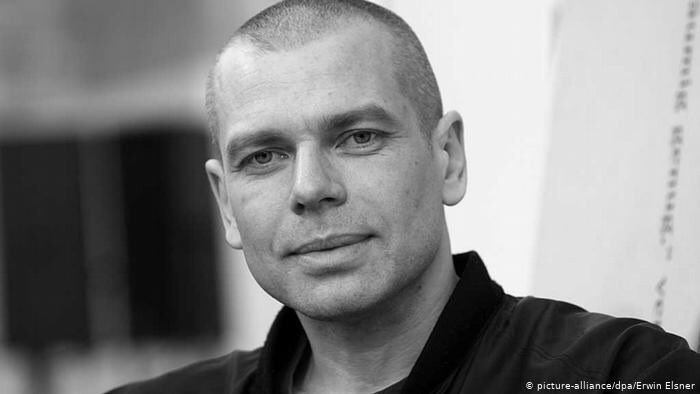
„Immer die gleichen drei Dinge, die mir den Stecker ziehen:
Die Freundlichkeit der Welt, die Schönheit der Natur, kleine Kinder.“
Wolfgang Herrndorf,
geboren am 12. Juni 1965 in Hamburg.
19
78
589
22,948
What Alina says👇
Jun 8

This book means the world to me.
12
Michael Seiwert @savejazz.bsky.social retweeted

Jun 6
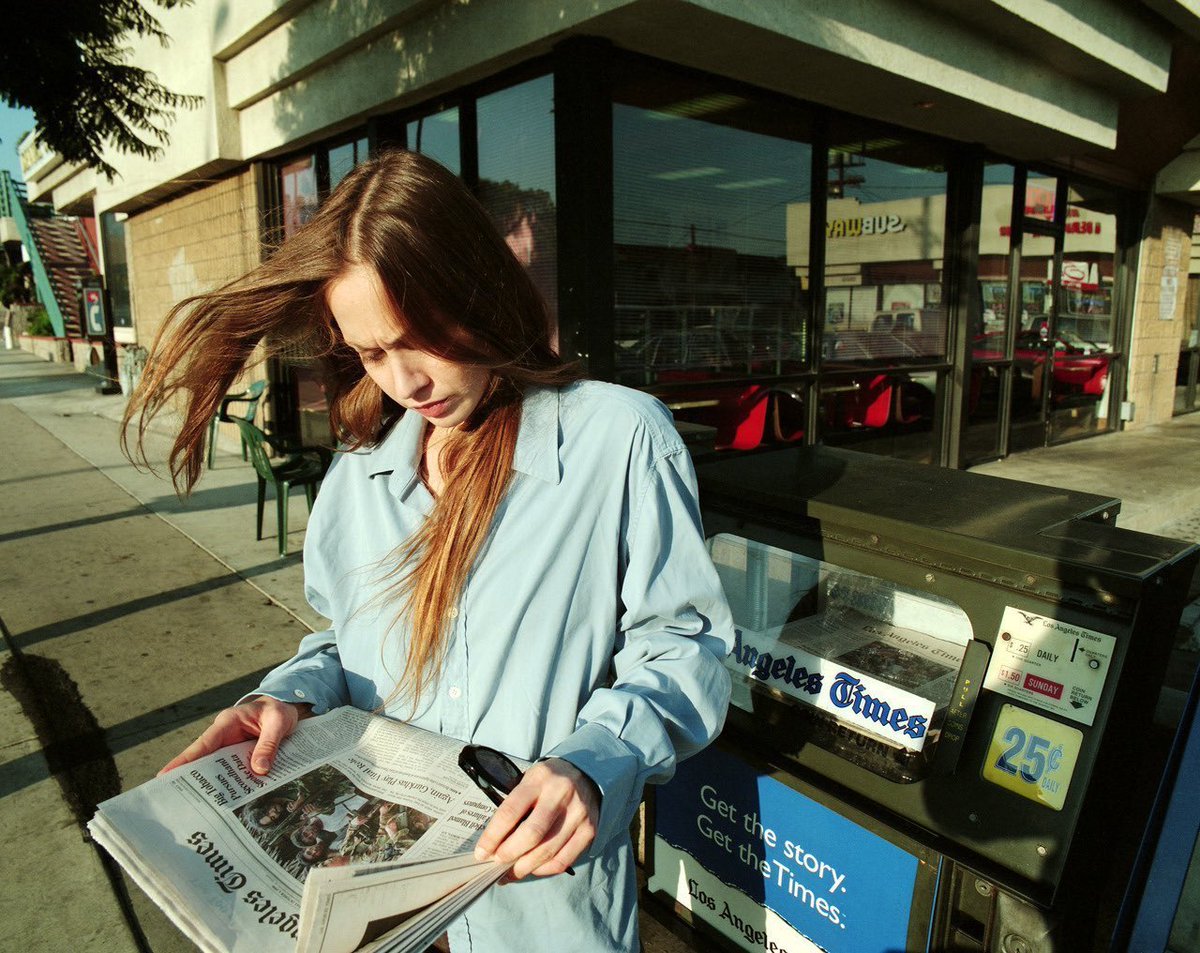
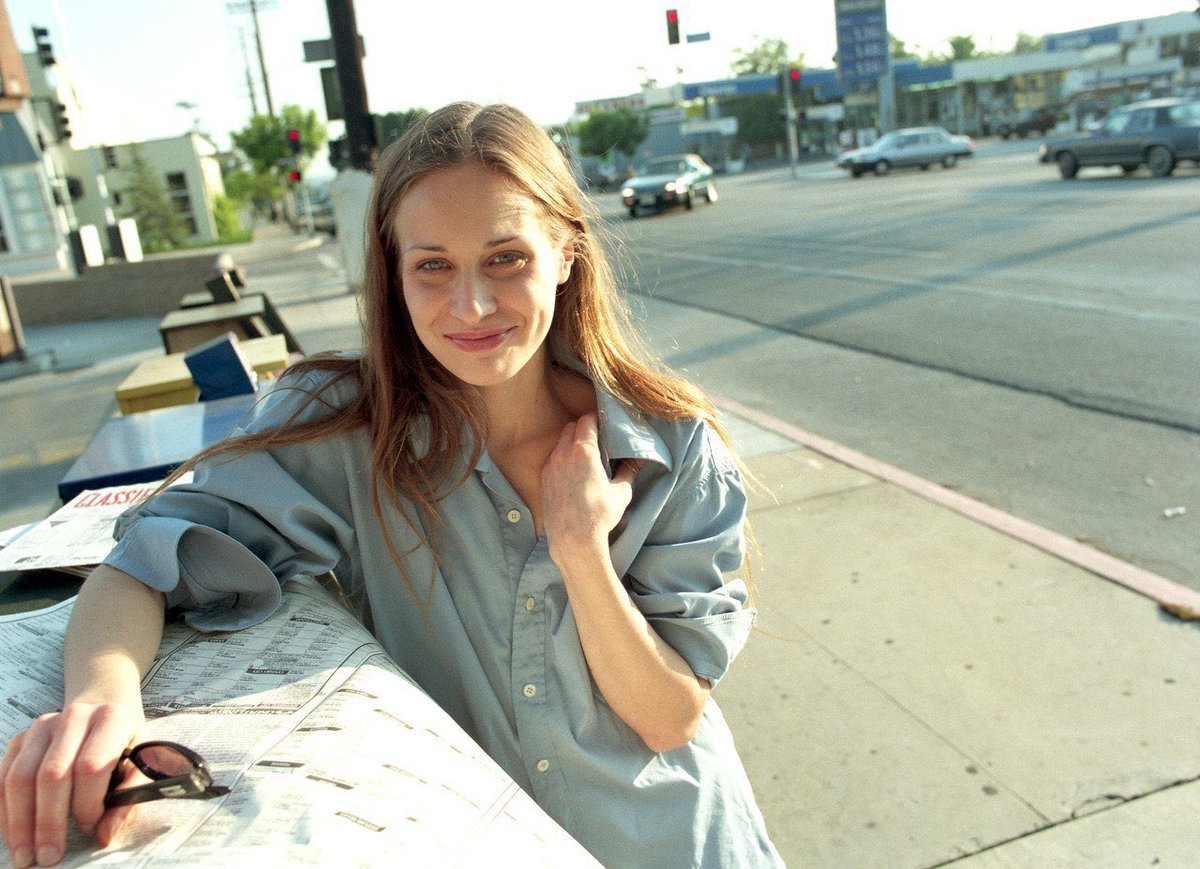
fiona apple photographed by jin ohashi, 1999
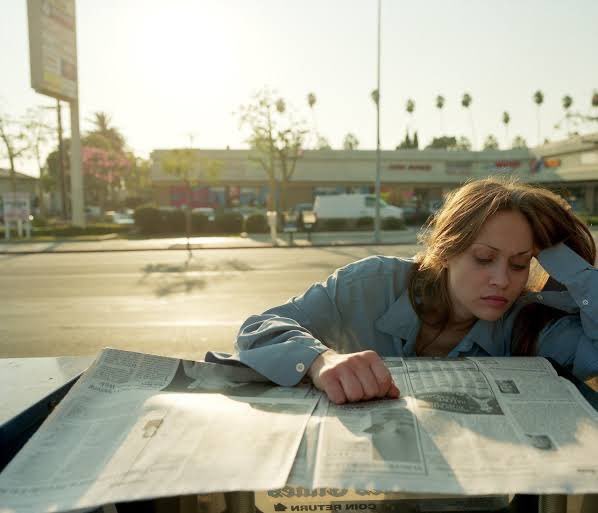
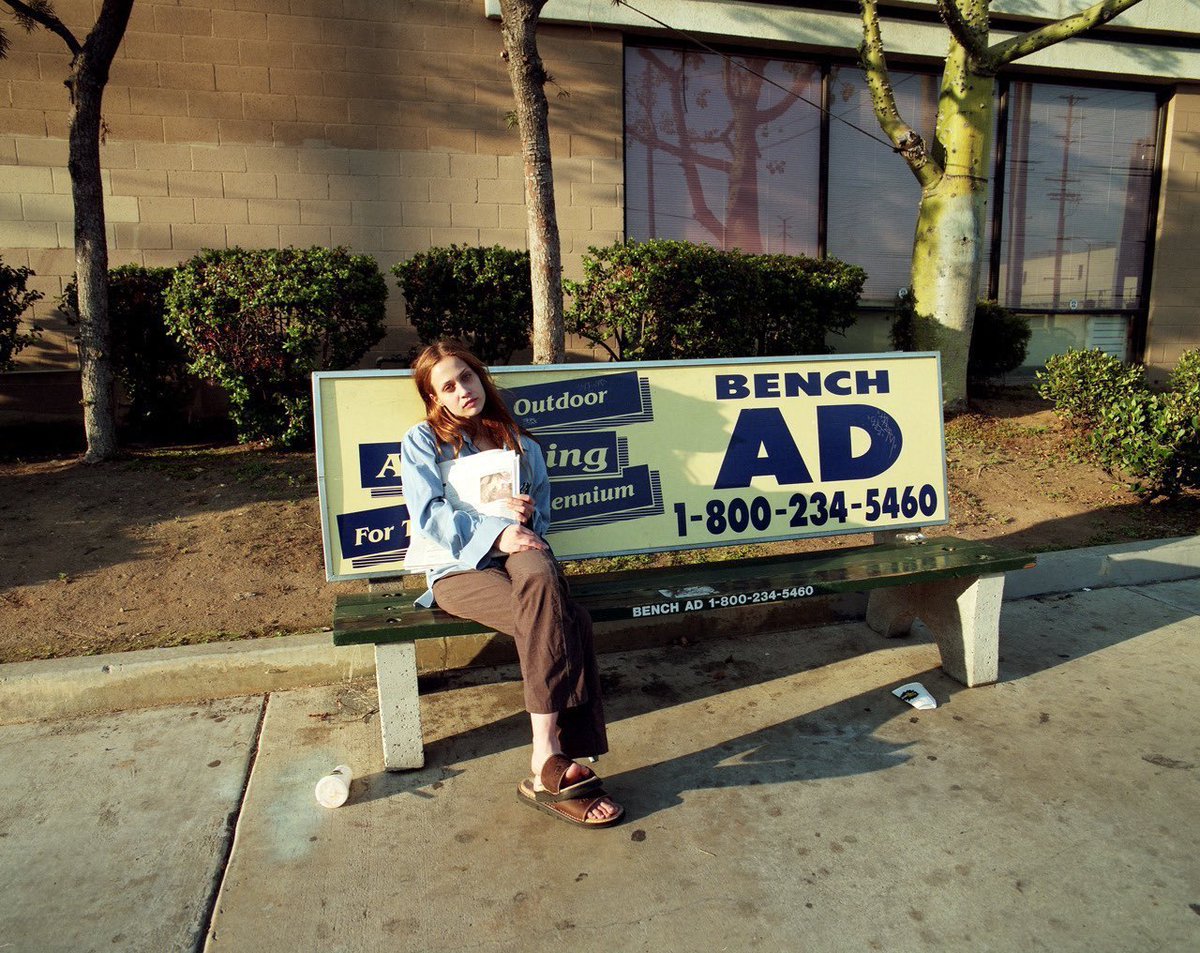
7
747
4,542
116,363
Michael Seiwert @savejazz.bsky.social retweeted

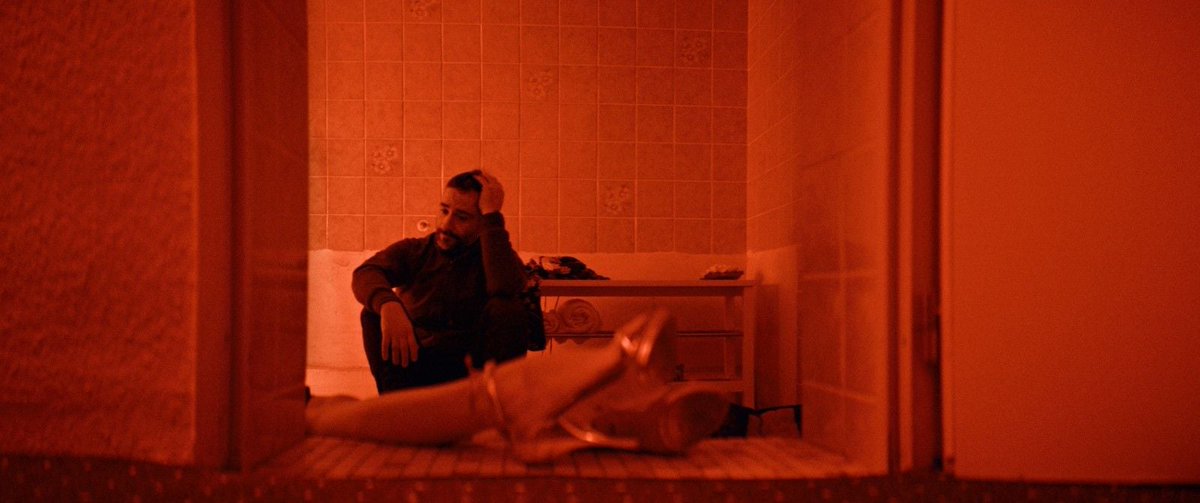
Es herrscht eine erfrischende Unklarheit, ob das hier Genre ist oder irgendwas aus der Nähe der Berliner Schule. Robert Wagner über Denis Moschitto,s und Daniel Rakete Siegels "Schock", den es neu in der Arte-Mediathek gibt: critic.de/film/schock-17970/
1
1
3
156
Michael Seiwert @savejazz.bsky.social retweeted

May 31
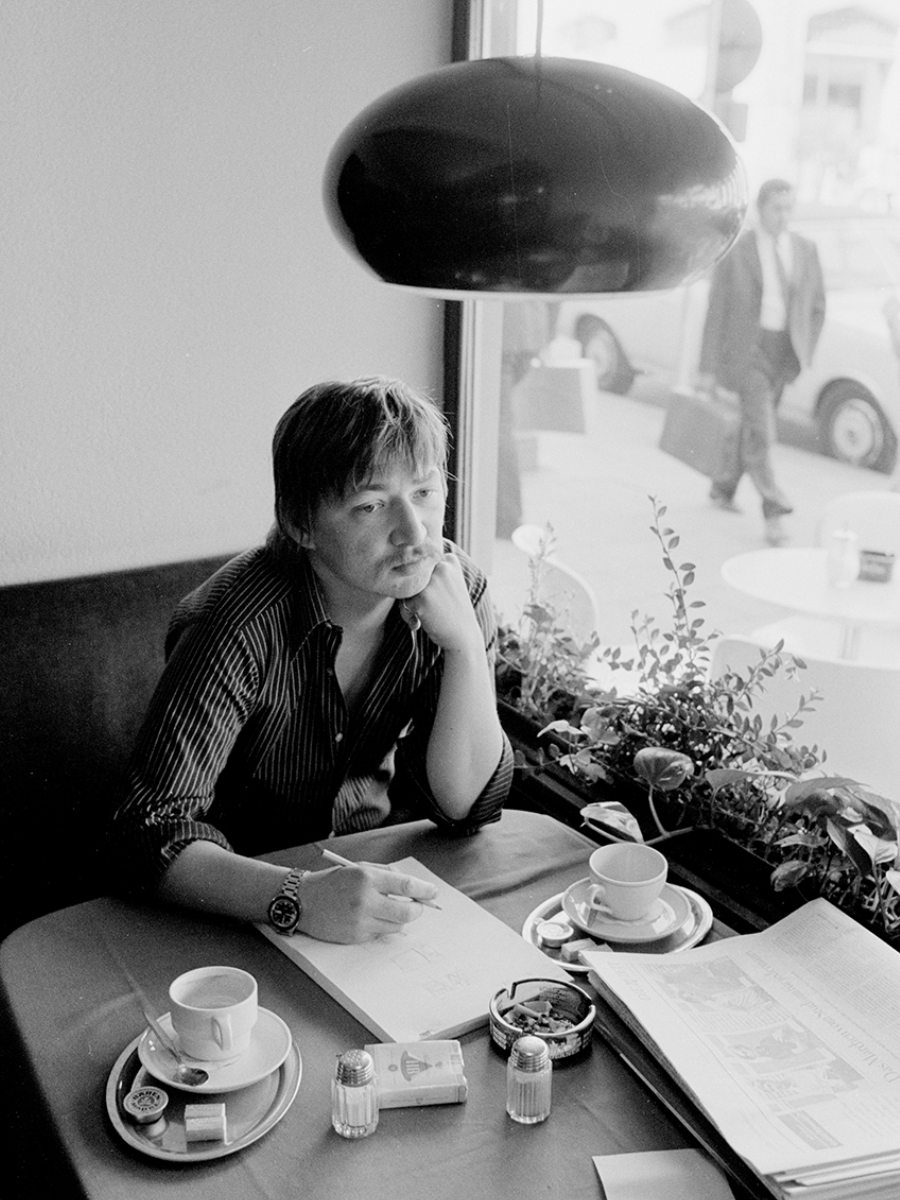
"Wo Schrecken ist, da ist der Mensch ganz klein."
(Sie geht zur Bar, macht zwei Drinks, bringt einen davon Petra.)
Valerie in: Die bitteren Tränen der Petra von Kant, 1971
Rainer Werner Fassbinder 🔥
* 31. Mai 1945
Fassbinder im Café
München, 1970
Foto: Michael Friedel
1
5
63
578
Michael Seiwert @savejazz.bsky.social retweeted

May 30
Revisit our latest #PaceLive conversation between Andrew Durbin, Elisabeth Sussman, Alex Da Corte, and Lynn Zelevansky in celebration of the opening of "Paul Thek: Dream of Vanishing" at #PaceNewYork.
Watch the full talk: hubs.la/Q04jpLSr0
1
2
11
780
Michael Seiwert @savejazz.bsky.social retweeted

May 28
The three-time Booker Prize finalist Deborah Levy discusses her newest book “My Year in Paris With Gertrude Stein: A Fiction” (@fsgbooks, 2026), with editor Chaya Schechner.
bit.ly/4dOXasK
2
8
551
Michael Seiwert @savejazz.bsky.social retweeted

May 28
Etty Hillesum wurde von den Nazis ermordet, ihre Tagebücher wurden posthum ein Weltbestseller. Nun erzählt die Arte-Serie »Etty« das Leben dieser Jahrhundertfigur. trib.al/tq8wQcU
1
5
14
2,429
Michael Seiwert @savejazz.bsky.social retweeted

31 Dec 2023
My wishes for the planet in 2024: No killing. No killing. Don't kill anyone, anywhere, for any reason. –S.R.
53
1,015
4,308
282,015
Michael Seiwert @savejazz.bsky.social retweeted

May 25
We must, then, avoid the “Babel syndrome,” namely the idolatry of profit that sacrifices the weak, a uniformity that neutralizes differences, and the pretense that a single language — even a digital one — can translate everything, including the mystery of the person, into data and performance. This is the risk of dehumanization: building a future that excludes God and reduces the other to a means.
110
2,586
10,645
361,954
Michael Seiwert @savejazz.bsky.social retweeted

May 24
Vor knapp einem Monat starb der Konzeptkünstler Timm Ulrichs. Schon zu Lebzeiten hatte er sein Grabmal in einem Wald bei Kassel gestaltet, wo er nun beigesetzt wurde. Er ruht mit den Füßen nach oben – was seiner Karriere eine letzte Pointe gibt
monopol-magazin.de/kopfueber…
2
7
236
Michael Seiwert @savejazz.bsky.social retweeted

May 23
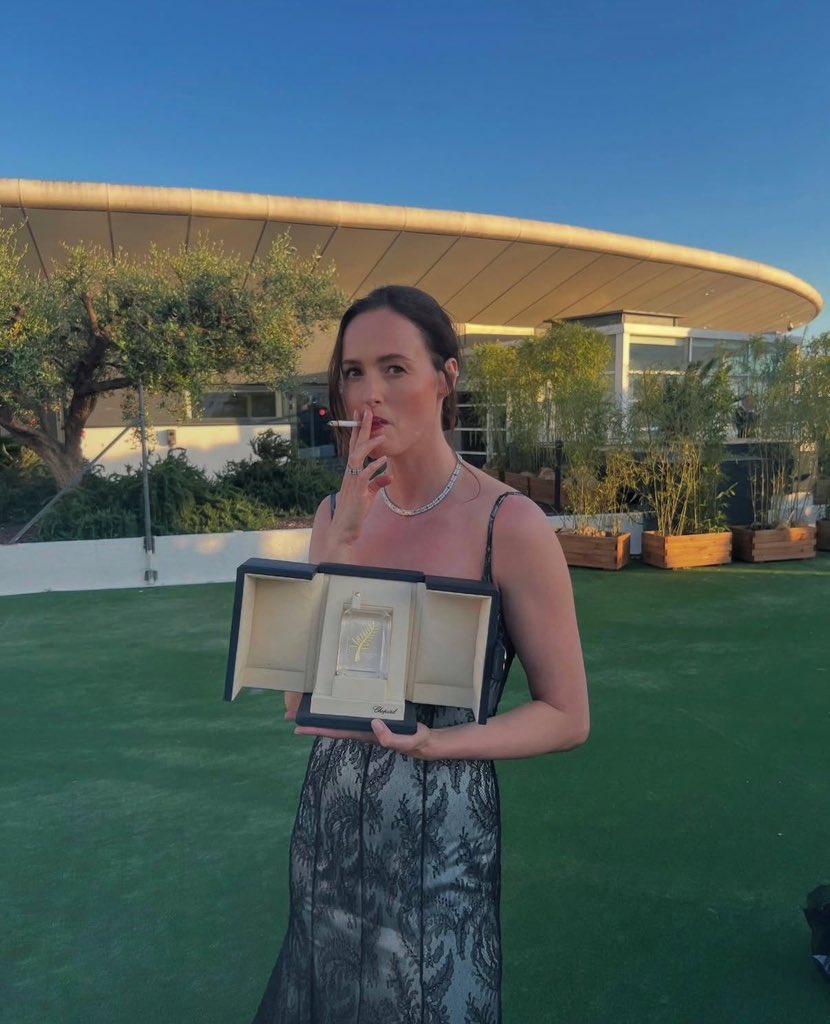
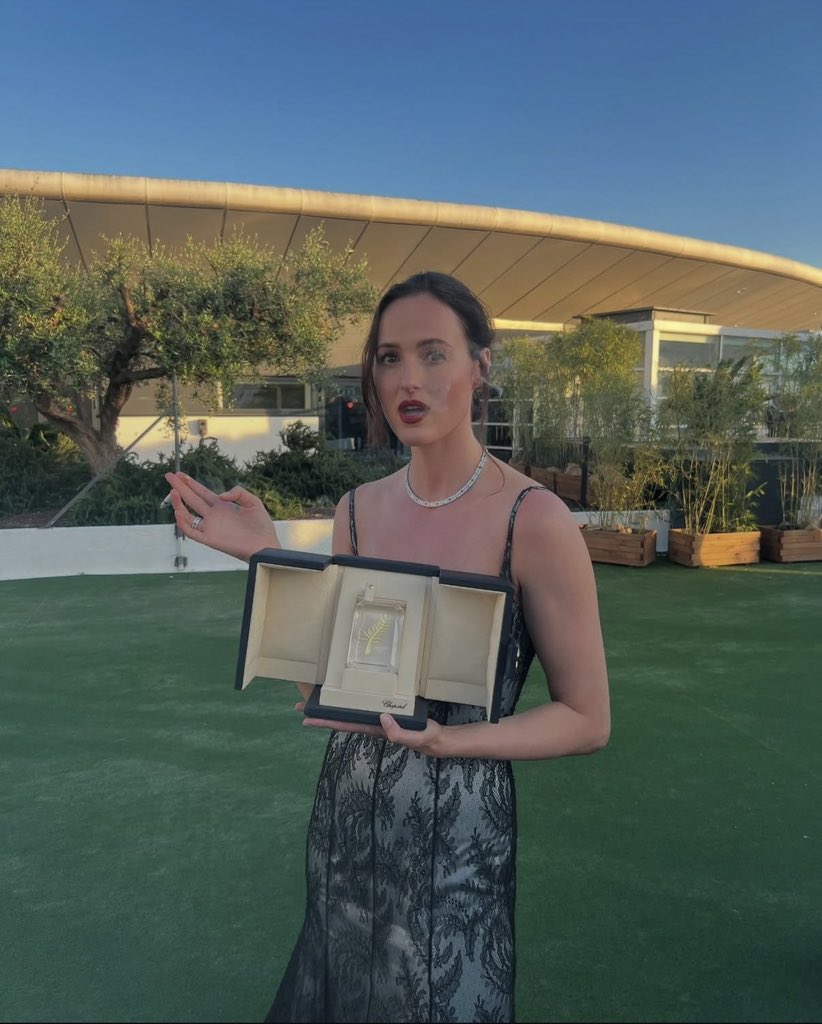
Renate Reinsve’s Cannes history:
• 2021 - ‘THE WORST PERSON IN THE WORLD’ (Best Actress Winner)
• 2024 - ‘ARMAND’ (Camera d’Or)
• 2025 - ‘SENTIMENTAL VALUE’ (Grand Prix)
• 2026 - ‘FJORD’ (Palme d’Or)
103
4,252
40,149
1,417,048
Michael Seiwert @savejazz.bsky.social retweeted
May 20
Menschen aus Westeuropa sollen während der Belagerung von Sarajevo dafür bezahlt haben, auf Zivilisten zu schießen. Österreichs Justiz geht nun zwei Fällen nach. trib.al/YHPIJkR
2
8
18
2,536
Michael Seiwert @savejazz.bsky.social retweeted

May 19
The Philadelphia Orchestra paired Tyshawn Sorey’s “For Marilyn Crispell” with Bruckner’s Third Symphony, an unusual bill that flattered both composers. nyti.ms/4wx8eTX
1
3
2,154
Michael Seiwert @savejazz.bsky.social retweeted

May 19
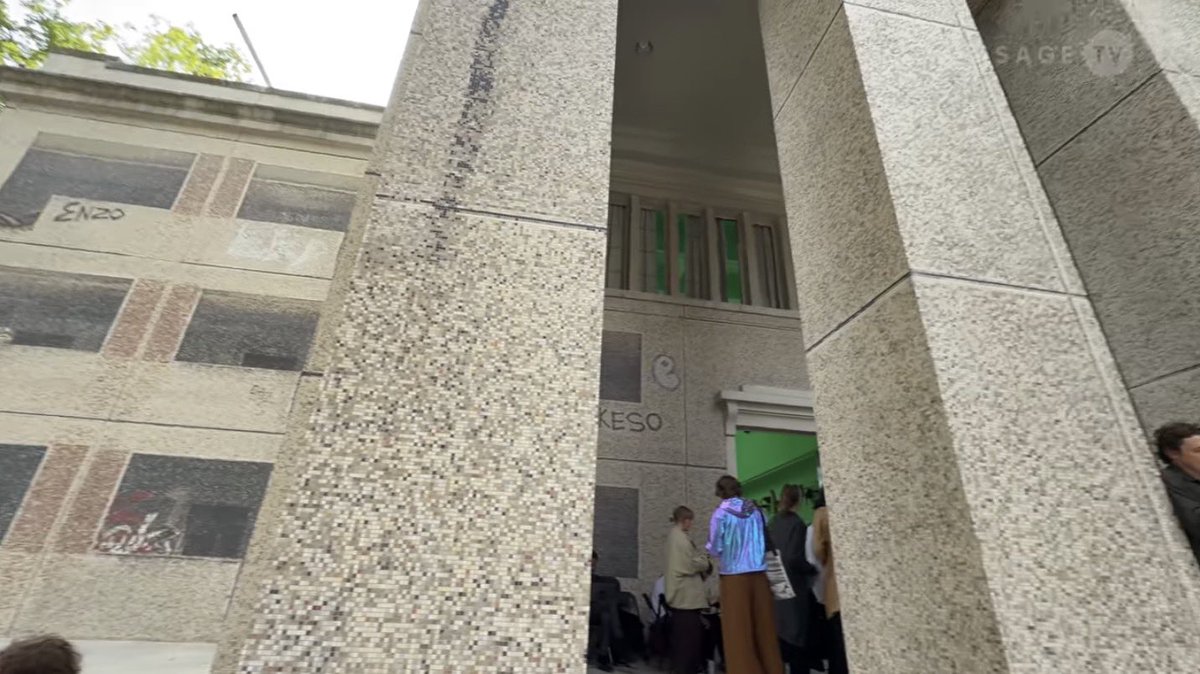
This is Germany’s pavilion at the 61st Venice Biennale. The exhibition is titled “Ruin”, the exhibiting artists are Sung Tieu and Henrike Naumann. Via @vernissagetv vernissage.tv/2026/05/19/rui…
2
7
202




Michael Seiwert @savejazz.bsky.social retweeted

May 17
Als Wissenschaftler habe ich oft unbequeme Wahrheiten aufgedeckt. Bei meiner eigenen Familie habe ich lange gezögert. Über meine Mutter, das Phänomen der »willentlichen Unwissenheit« und Onkel Hans, General der Waffen-SS. spiegel.de/panorama/national…
7
5
17
6,572
RT @blnensemble: Streaming Tipp: die @ZDF Doku "AIDS - In Zeiten der Liebe" erzählt die wahre Geschichte eines Paares in der DDR - Dirk Naw…
1
3