Joined May 2013
- Tweets 58,660
- Following 2,363
- Followers 1,147
- Likes 164,152
137 Photos and videos

S. Ola Babalola retweeted

Q: Why is it so easy to criticise and have a plan till you get into government? 🤔
A: Because outside govt, you see the problem in straight lines. Inside government, you meet the maze.
From outside, failure often looks like a lack of will, competence, courage, or integrity. Sometimes it is. But inside government, plans meet weak institutions, inherited liabilities, vested interests, procurement rules, courts, legislators, budget limits, security realities, civil service inertia, and the politics of timing.
Culture happens, stories begin and self-preservation agendas find life.
The easiest sentence in public life is: “They should just fix it.” The harder truth is that the state is not one person with one button. It is a network of laws, interests, fears, incentives, sabotage, capacity gaps, and consequences.
Still, complexity is not an excuse for failure. Government exists to organise complexity into results. The real test of leadership is whether a plan survives contact with reality, adapts without losing its moral centre, and delivers relief citizens can feel.
So, I have learnt to appreciate progress, momentum and incremental gains..... not the eldorado version.
Yet, criticism keeps power honest, but getting results for desired governance requires more than criticism. It requires getting involved, sequencing, coalition-building, courage, competence, communication, and the humility to accept that the problem was deeper than the slogan.
The code is to win by knowing when to lose, win or compromise.
On a scale we can all relate wirh, we should for example know that the wedding, of which we priotise expenses with, is just an event, while the marriage remains the institution of priority. Even within this family arrangement, optimising value reflects similar challenges.😔 You can read this in a way you get the message.
Be ye circumspect.....
4
78
75
3,937
S. Ola Babalola retweeted

Breaking News
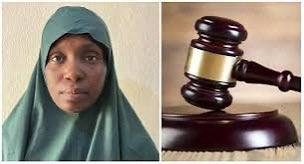
Terrorism Trial: Katsina Court Sentences Arms Courier Hauwa'u Mukhtar To Death By Hanging
A Federal High Court in Katsina State has sentenced another female arms courier to death by hanging after the D
DSS successfully prosecuted her for conspiracy to commit terrorism and aiding and abetting terrorism.
The convict, Hauwa'u Mukhtar, was arrested by the DSS on September 16, 2023, at Jibia Motor Park, Katsina State, while attempting to transport 438 rounds of 7.62mm ammunition to one Ado, a notorious bandit kingpin operating within Dunburum Forest, Zamfara State.
73
195
455
35,786
S. Ola Babalola retweeted

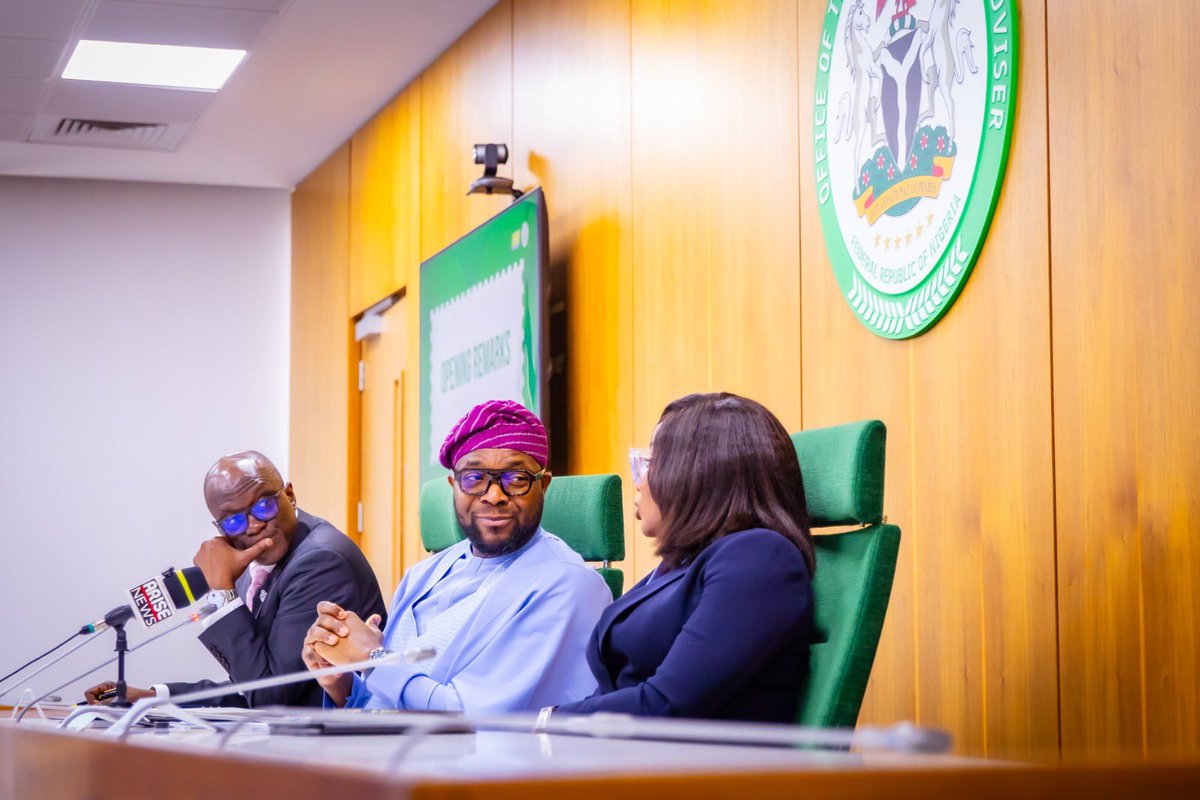
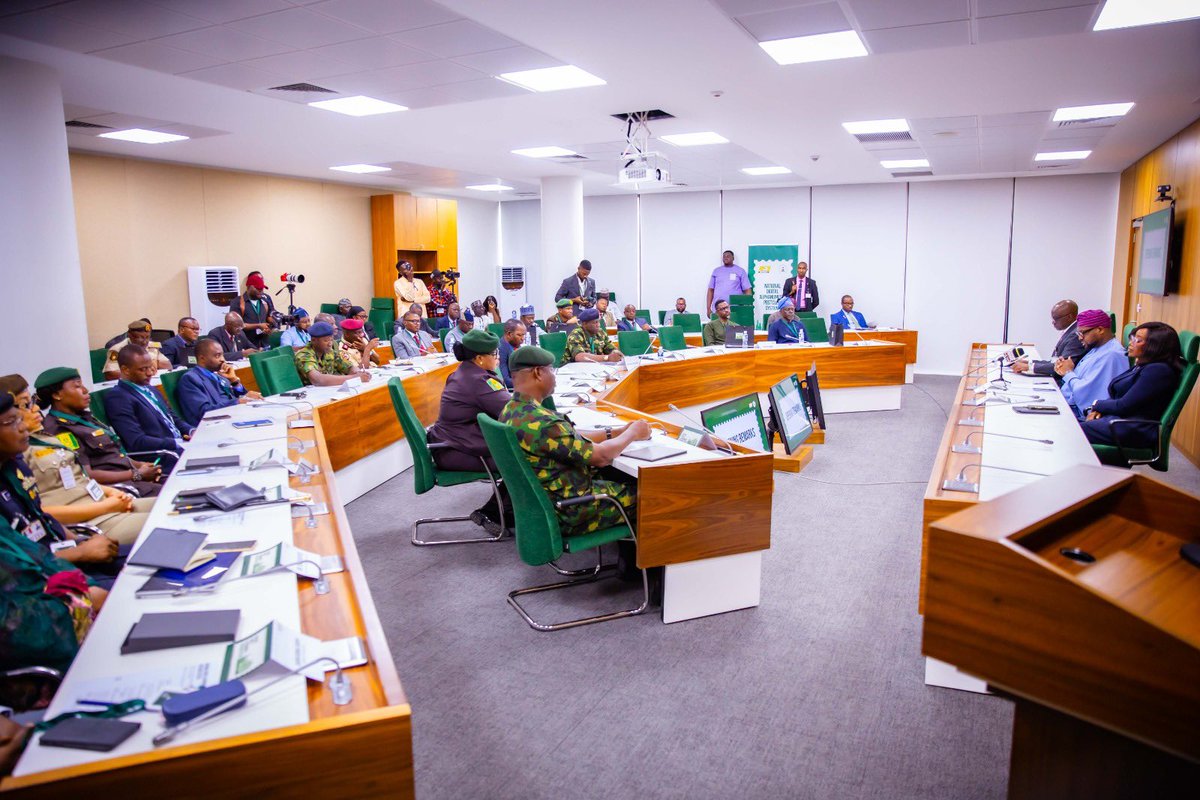
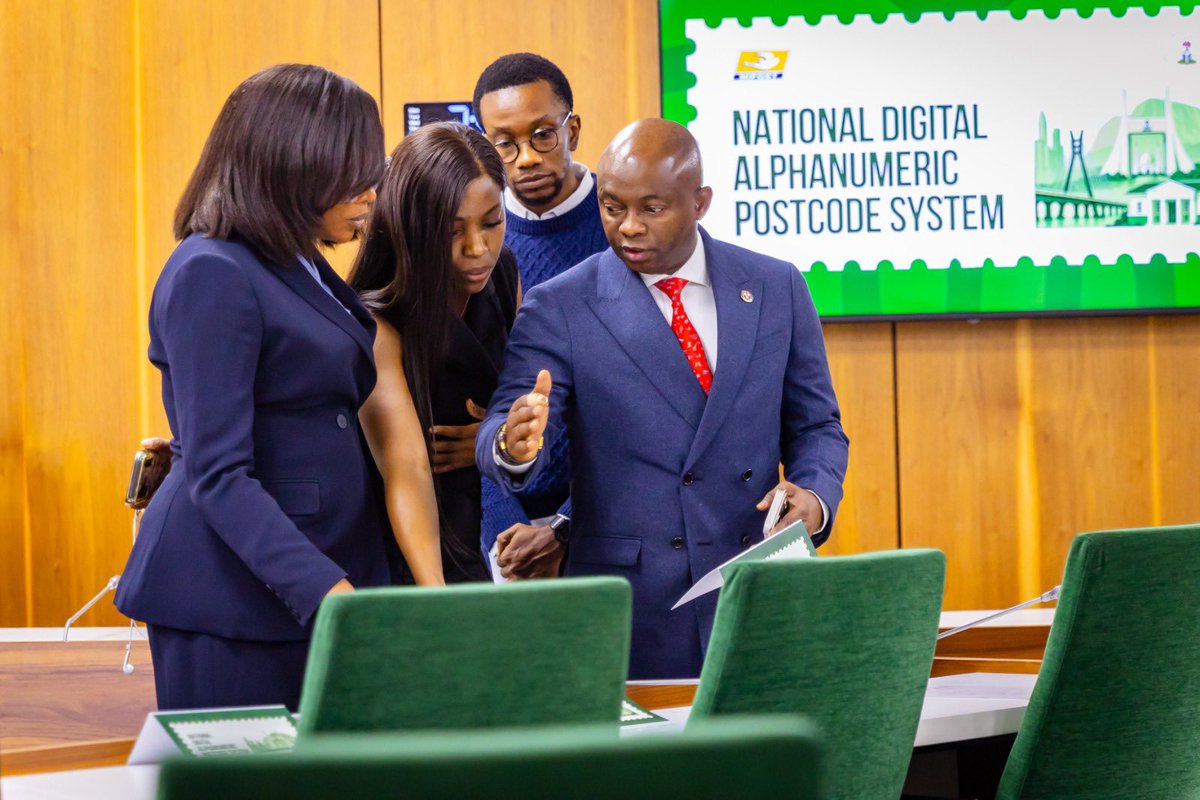
The National Digital Alphanumeric Postcode System will stand alongside Project BRIDGE, our 90,000km fibre infrastructure programme; NUCAP, which will connect over 20 million Nigerians through 3,700 telecommunications towers; the Nigeria Data Exchange; and our efforts to strengthen Nigeria’s AI ecosystem as one of the top five among many defining legacy initiatives of this administration that we have worked on over the last three years.
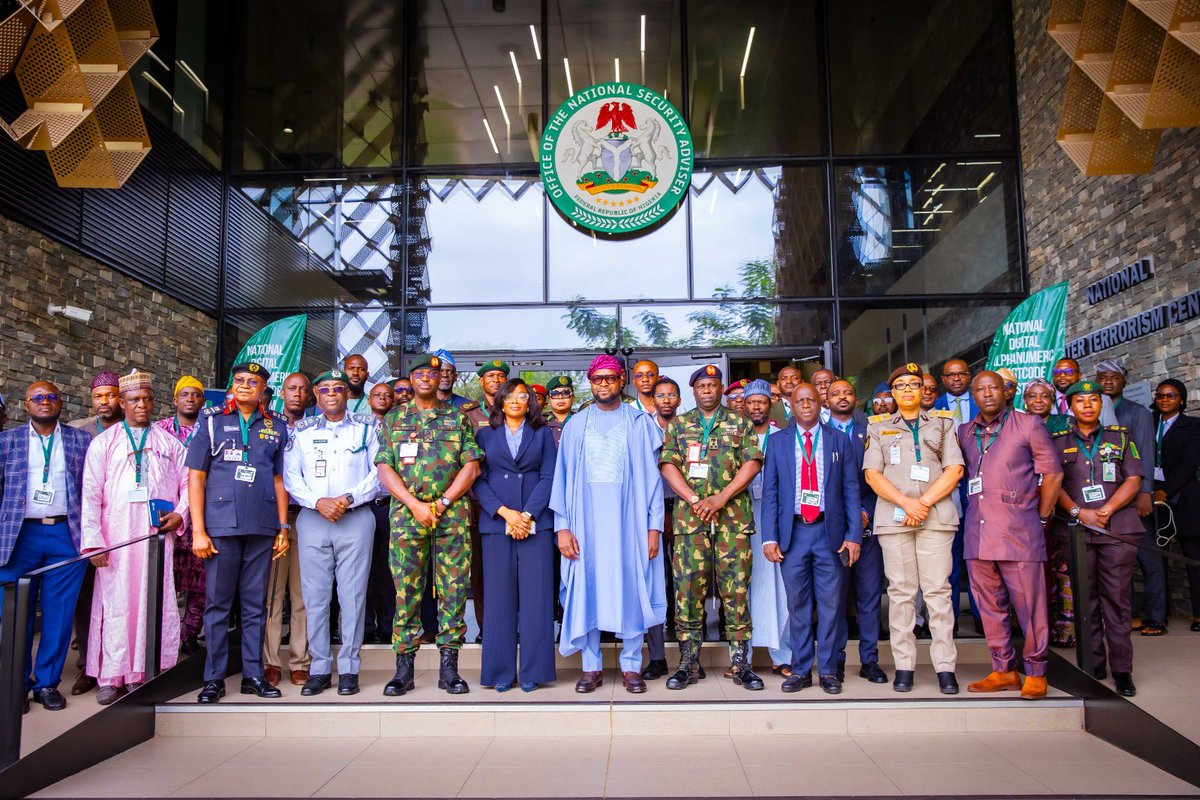
That is why I was pleased to join the Postmaster General/CEO of @NipostNgn, @tola_odeyemi, and stakeholders from across our security agencies for a workshop focused on the practical application of the digital postcode as a critical layer for security coordination and emergency response across Nigeria.
The Postcode System will assign every location in the country a unique, machine-readable, and geographically anchored digital address. Beyond improving mail delivery, it will strengthen emergency response, enhance national security operations, improve address verification, support more efficient logistics and e-commerce, and enable more effective delivery of public services.
As we continue to build the digital foundations of our economy, it is important that every person, business, and location can be accurately identified and connected within a modern digital ecosystem. We will continue engaging other stakeholder groups over the coming months, and I look forward to the official launch of the postcode system in October and to seeing the transformative impact it will have across our economy and society.
#NigerianExcellence
9
66
166
7,664
S. Ola Babalola retweeted
GAS will lead Nigeria’s industrialization and I am here for all of it !!!!
28
133
589
11,834
S. Ola Babalola retweeted

The new CBN Guidelines directing Banks to localise storage of payment data eliceted funny negative responses from Nigerians...
First off, there are pros ( Benefits) and cons ( Costs) but people should also understand the value in the pros, which is more important.👇👇
1) Data sovereignty
2) Catalyse and attract investment ( including FDI) in Tier 4 Data Centers...if likes of IBM, Microsoft, Amazon can build data centers in places like Kenya...then they should do same here in Naija 🇳🇬
3) Reduce Forex demand pressure
4) Employment generation in IT
4) IT sector deepening
Etc.
If Telcos can build Telecom infrastructure to serve the market, MICROSOFT, AWS AND IBM can do same. ...
But My question is, why are most Nigerians always focusing on the GLASS HALF EMPTY for every new changes?
It isvworrisome because people tend to mouth " change" without understanding what change exactly?
KUDOS TO CBN. You know what you are doing. One Regulatory Guideline... more than 5 potential significant outcomes🇳🇬🇳🇬🙌🙌👍👍

4
4
19
762

Can PBAT & @nassnigeria do the same thing against Kidnapping, Banditry & Boko Haram.
Tighten the sentencing system guidelines for our courts.
16
S. Ola Babalola retweeted

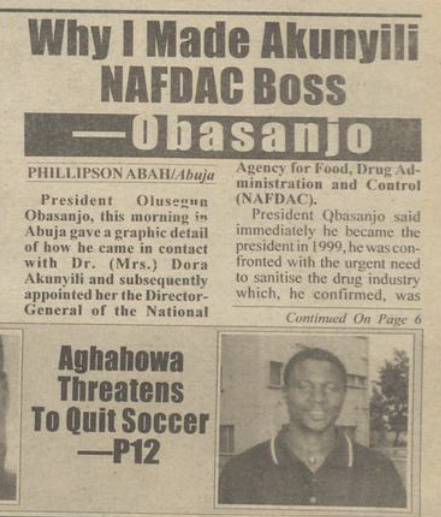
This is the story of how President Olusegun Obasanjo decided to appoint Dr Dora Akunyili as the director-general of NAFDAC.
"One day, a friend of mine came and told me the story of a woman who was working with PTF and that she travelled to London for a medical check-up. After the check-up, she told her doctors to return the balance of her bill to her organisation.
"The doctors asked her if she was mad. They told her that other Nigerians who were there for medical check-up always asked them to inflate bills and then return the excess to their accounts. But the woman insisted that the balance must be returned.
"I asked that friend of mine, is the woman still alive? Let me see her CV. After going through her CV and I saw that she was qualified for the kind of job I wanted to give her, I then invited her."
Source: P.M. News, 2003
2
61
131
36,493
S. Ola Babalola retweeted

For those who foolishly convince themselves that every criticism of Peter Obi is proof of his relevance, they fundamentally misunderstand the issue. Peter Obi is not constantly criticized because he is indispensable to Nigeria's political future; he is criticized because he repeatedly says and does things that attract legitimate criticism.
Politics is not a sanctuary from scrutiny. Anyone seeking to lead over 200 million people must be prepared to face tough questions, intense examination, and public accountability. No politician deserves endless applause, and no presidential aspirant should be placed on a pedestal beyond criticism.
One of the primary reasons Peter Obi continues to attract criticism is his reckless relationship with facts. Time and again, he makes claims that collapse under the weight of verification. His recent story about spending days at the University of Southern California with a faculty supposedly dominated by ex-convicts including a dean who allegedly spent 28 years in prison and a registrar who also served a lengthy jail term was exposed as false amongst several others. When a man seeking the highest office in the country repeatedly circulates questionable stories and unverified claims, criticism is not persecution; it is a necessary response.
Beyond that, Peter Obi has perfected the art of complaining without convincing solutions.
He is quick to identify problems, quick to blame others and quick to paint gloomy pictures, yet consistently struggles to present comprehensive, practical and realistic alternatives.
Anybody can diagnose problems; leadership is measured by the ability to solve them. Endless lamentation is not a development agenda.
What is even more troubling is the obsession with negativity that defines much of his political messaging. No matter the progress recorded, no matter the achievements delivered, no matter the improvements made, everything must be dismissed, ridiculed, or deliberately ignored. Every success becomes a failure in his narrative. Every effort becomes worthless. Every development must be blackened to sustain a predetermined political storyline.
Peter Obi's politics often gives the impression of a man who believes that because he failed, everyone else must fail as well. Rather than inspiring hope, encouraging confidence, or presenting superior alternatives, he appears more invested in forecasting doom, exaggerating setbacks, and undermining achievements. His political capital is built less on solutions and more on pessimism.
Equally disturbing is the conduct of many of his supporters, whose devotion frequently resembles fanaticism rather than rational political engagement. A significant number seem incapable of separating facts from emotions or objective analysis from blind loyalty. Any criticism, no matter how valid, is automatically branded an attack. Any inconvenient fact is rejected. Any opposing viewpoint is demonized. For many of them, political loyalty has replaced critical thinking.
The reality is straightforward: Peter Obi is criticized because his statements, conduct,inconsistencies and political approach invite criticism. He is not a victim of scrutiny; he is a beneficiary of the same democratic accountability that every public figure faces.
If Peter Obi wants to lead Nigeria, he must learn to defend his claims with facts, answer difficult questions without excuses, and subject himself to the same standards he demands of others.
Leadership is not about perpetual complaints, endless blame or cultivating a personality cult. It is about competence, credibility, responsibility and results.
No politician is above accountability, and Peter Obi deserves no special exemption from it.
#hallelujah
87
49
93
10,208
S. Ola Babalola retweeted

In 1999, a 16-year-old girl from Enugu, Nigeria won a green card lottery with her mother and moved to the United States.
27 years later, she painted the Obamas. The green card lottery. Think about that.
Her name is Njideka Akunyili Crosby.
Her mother, Dora Akunyili, was a professor of pharmacology who would later become one of Nigeria's most celebrated public servants, the woman who went to war against counterfeit drugs as NAFDAC Director General.
But in the late 1990s, Dora was just a mother who wanted her children to have options.
She entered the US Diversity Immigrant Visa Program.
The lottery.
She won.
In 1999, 16-year-old Njideka packed her things. Said goodbye to Enugu, to Lagos, to the life she'd always known.
She moved to America with her sister Ijeoma.
She took a gap year.
Studied for her SATs.
Took American history classes.
Then returned to Nigeria for National Youth Service.
Then came back to the US to start again.
She took her first oil painting class at a community college in Philadelphia.
Her teacher Jeff Reed saw something. He pushed her to apply to Swarthmore College.
She got in.
She studied biology and art.
She met a Texan named Justin Crosby and eventually married him.
She went to Yale for her MFA.
She built a career that redefined contemporary art.
And on June 14, 2026, 27 years after that green card lottery win, she stood in Chicago and watched Barack and Michelle Obama see their faces in her painting for the very first time.
A lottery ticket. A Philadelphia community college. The Obama Presidential Center.
Nigeria does not produce ordinary people.
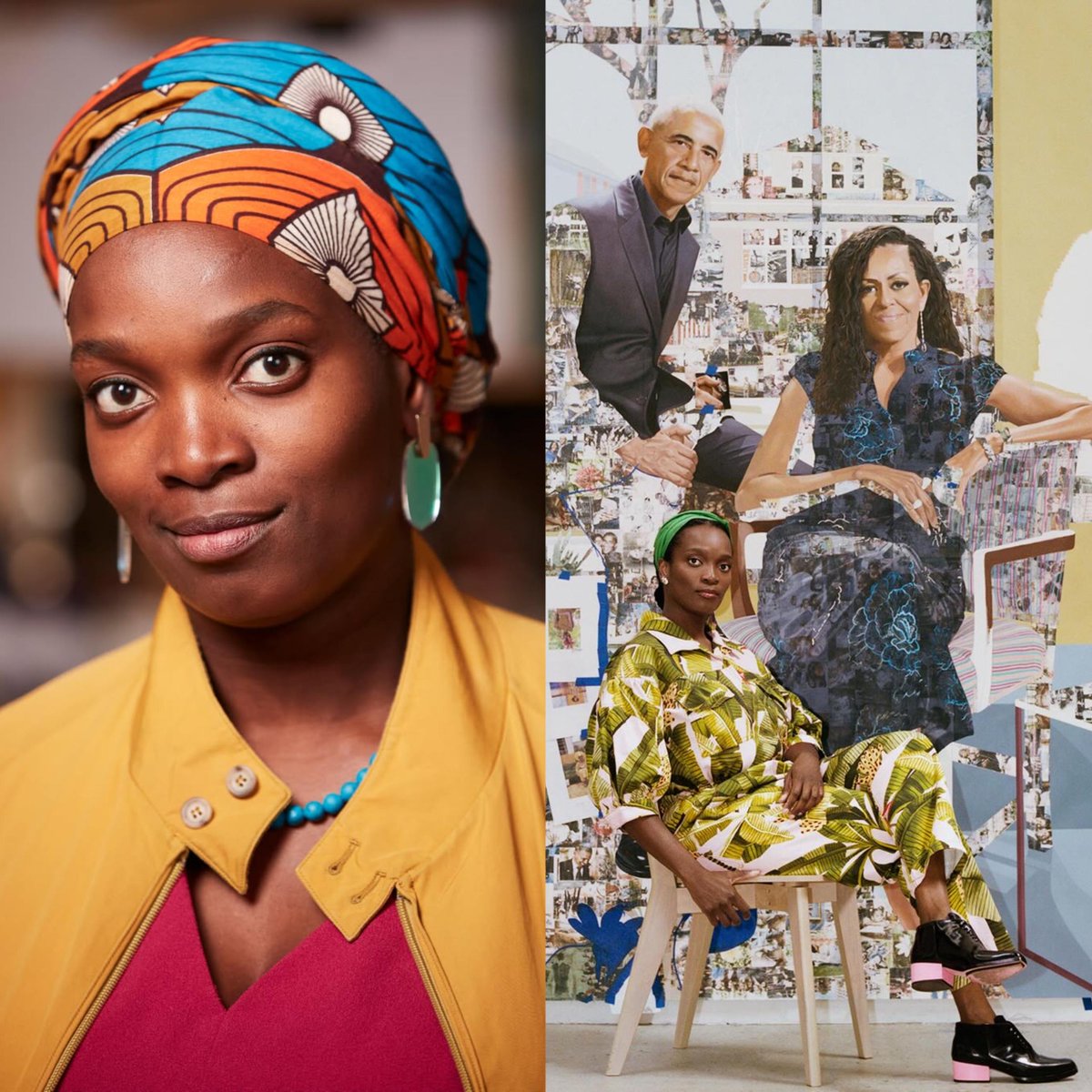
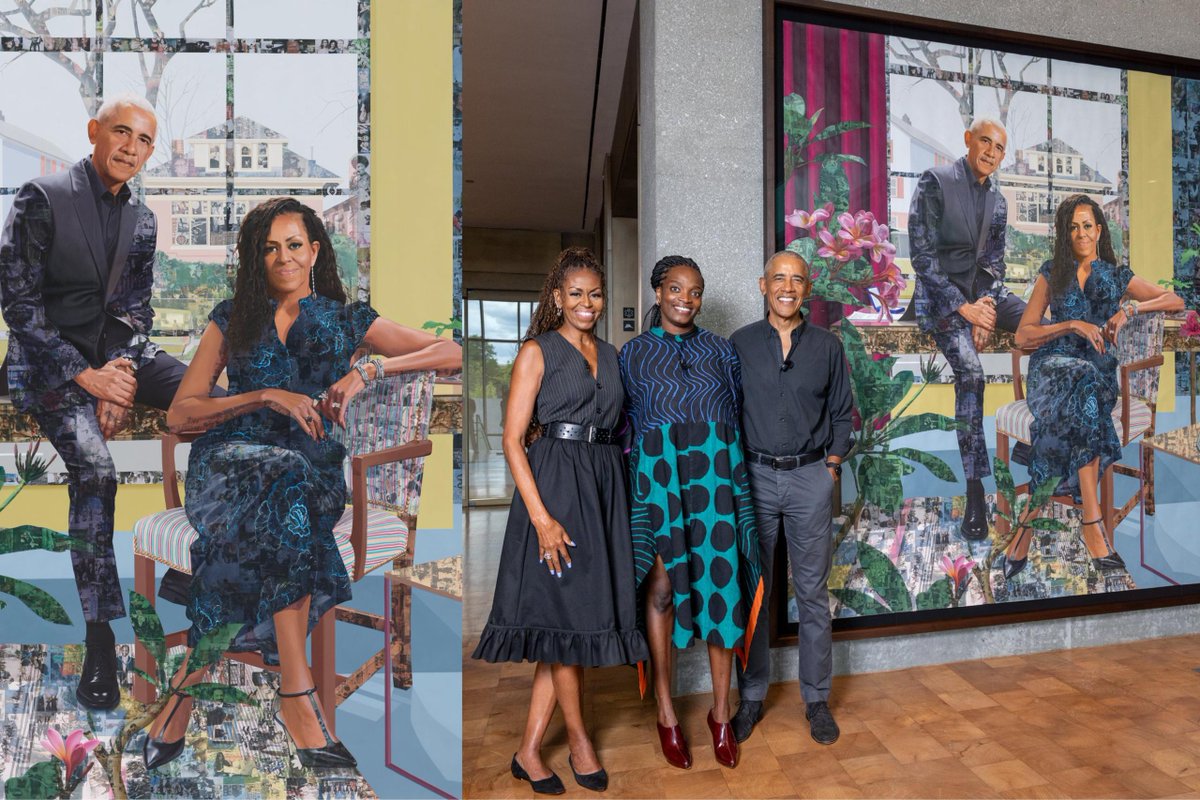
32
347
1,866
81,195
S. Ola Babalola retweeted

Jun 15
'Yoruba Tax' in 1978 when British Superstar, Eddy Grant did this Yoruba song "Wipe Mo ni fe re' in his album.
Jun 15

Yoruba is also tonal language with every word ending in viral sounds. Some dialects are spoken as if you are singing. That is why it has always been a preferred choice for singing by most people - even those who are not Yorubas.
Christy Essien was not Yoruba but her biggest musical legacy is a Yoruba song 'Seun Rere'.
It is a musical language with a family of drums, including one that mimics the language's tonality.
What you call Yoruba tax is a blessing from God to the Yorubas & those who are ready to partake of it.
2
39
129
4,886
S. Ola Babalola retweeted

It was great joining Njideka Akunyili Crosby — a gifted Nigerian-born, Los Angeles-based artist — to unveil our first portrait together. This piece reflects so many chapters of Michelle and my story, and we’re thrilled that it will be on display in the Hope and Change lobby at the Obama Presidential Center starting this Juneteenth.
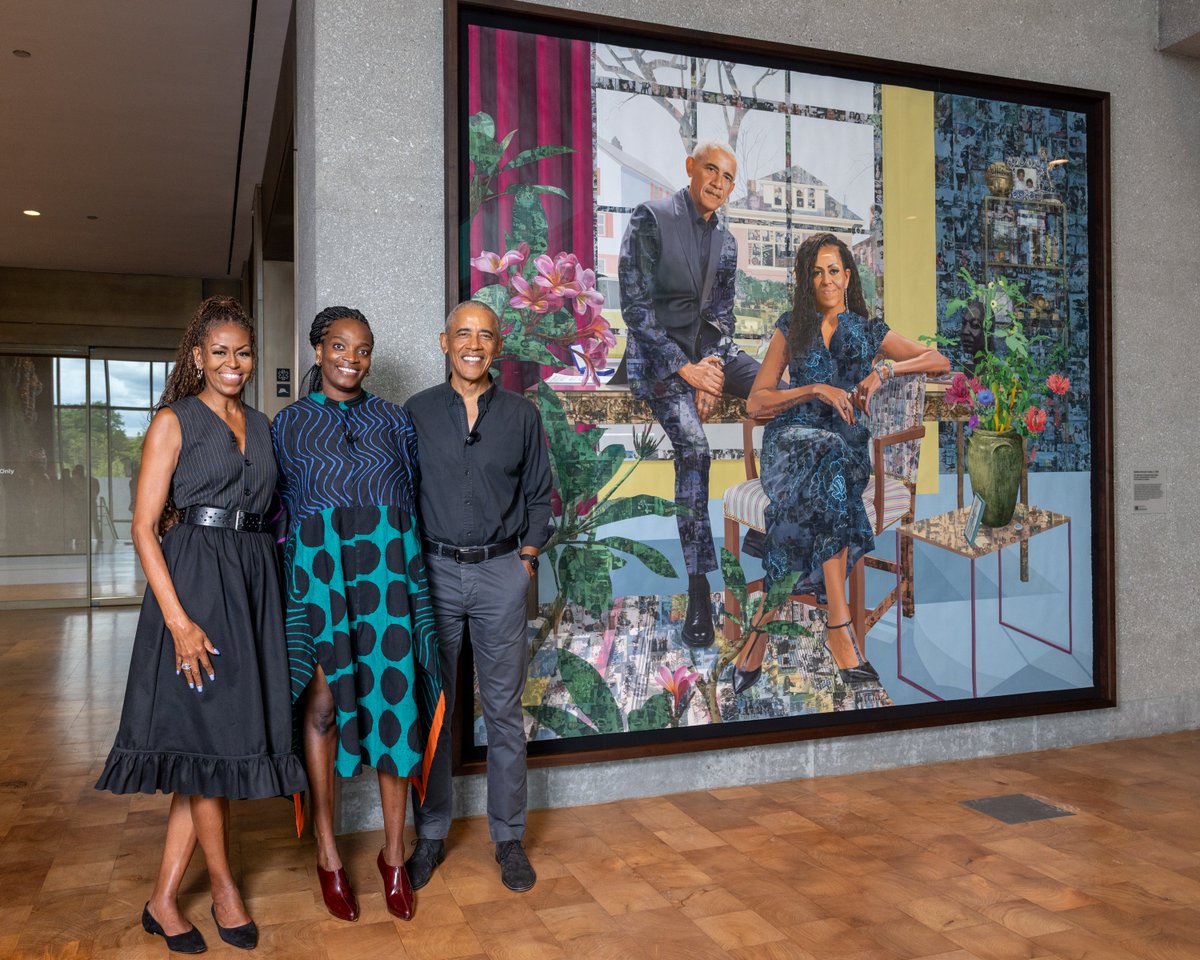
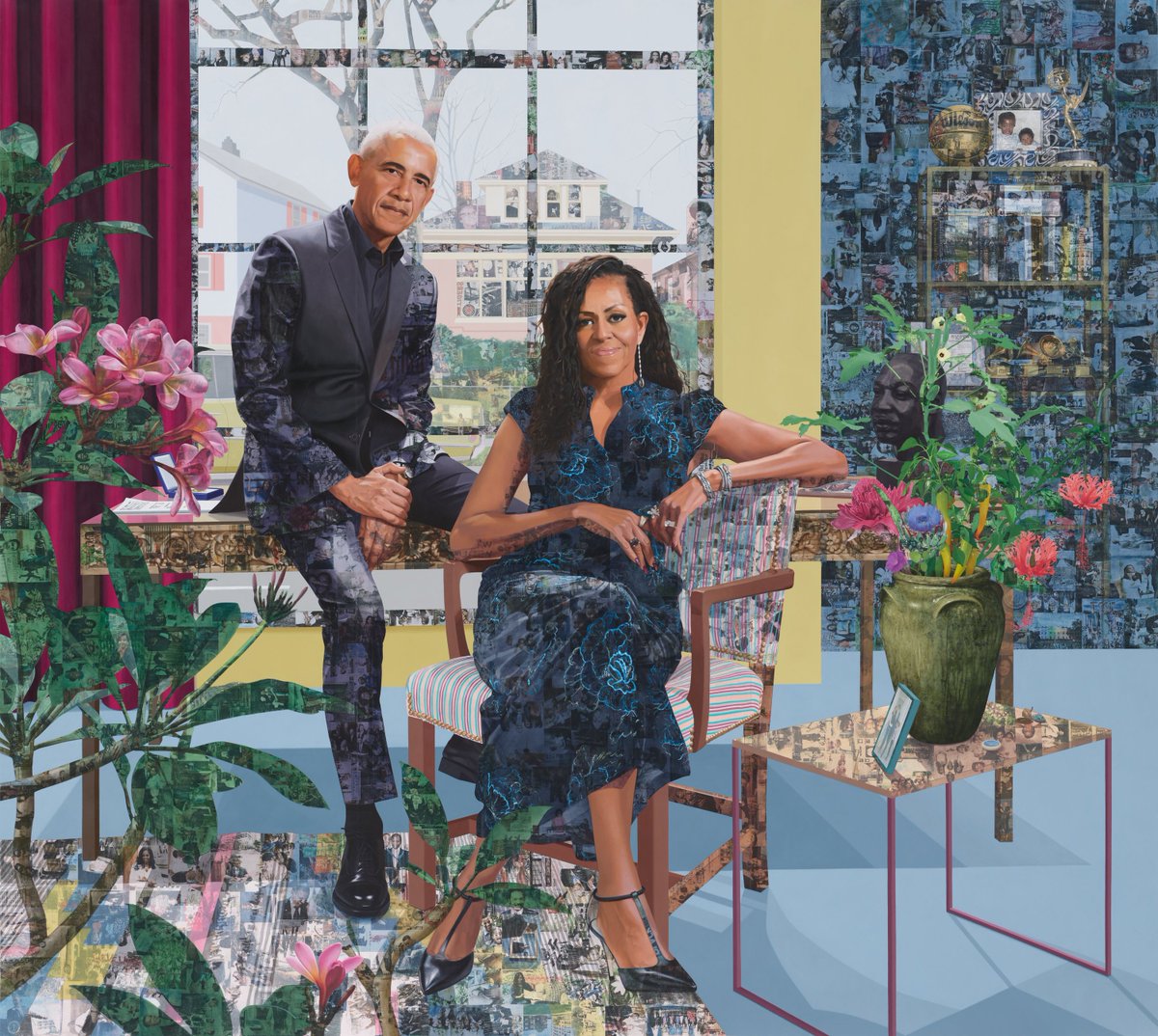
6,626
23,162
224,110
13,854,494
S. Ola Babalola retweeted

Jun 15
somebody find him for me so we can help him get back on his feet

A cab driver was left speechless and can no longer make a living after Knicks fans destroyed his car 💔💔
926
20,422
197,944
7,507,391
S. Ola Babalola retweeted

Jun 15
Change the name to Seyi Tinubu and see National uproar with people even demanding for revolution.
Jun 15

BREAKING NEWS: Kano NDC gov candidate picks Kwankwaso’s son as running mate
43
367
1,209
63,980
S. Ola Babalola retweeted

THIS IS WHY I STARTED. .
I am a product of a grassroots coach. Someone who showed up for me with no resources, no recognition, just pure belief that I could become something great.
And I did. By God’s grace, I play for @PSG_Feminines and I captain the Super Falcons of Nigeria.
But as my career grew, I started to notice something that broke my heart.
The coaches doing this work every single day across Nigeria on grassroots pitches, in communities, with barely any resources, no one is investing in them.
No certificate. No formal training. No support. Just passion. Just love for the game.
So I made a decision.
I started the Rasheedat Ajibade Foundation NIS Coaching Education Scholarship because I believe that if you invest in the coach, you invest in every single player they will ever coach for the rest of their career and for the rest of their lives.
Behind every great Nigerian athlete is a coach who believed in them first.
Let us invest in those coaches.
If you believe what I believe that Nigerian sport changes from the ground up, not the top down, share this. Invest in this. Be a part of this.
#RasheedatAjibade #RasheedatAjibadeFoundation #NISScholarship #GrassrootsFootball #NigerianFootball #SuperFalcons #PSG #CoachDevelopment #SportsEducation #NigerianSport #AfricanFootball #WomenInSport #GrassrootsCoach #InvestInCoaches #9jaFootball #ChangeTheGame
108
1,141
3,312
77,937
S. Ola Babalola retweeted

Jun 15
Barack and I were so honored to have @AkunyiliCrosby create our portrait for the Obama Presidential Center. Her artistic brilliance shines through — and the way she infused such life and joy into the piece is truly extraordinary. We love it, and we think everyone who visits the Center will too!
3,076
10,424
54,913
1,522,619
S. Ola Babalola retweeted

Jun 15
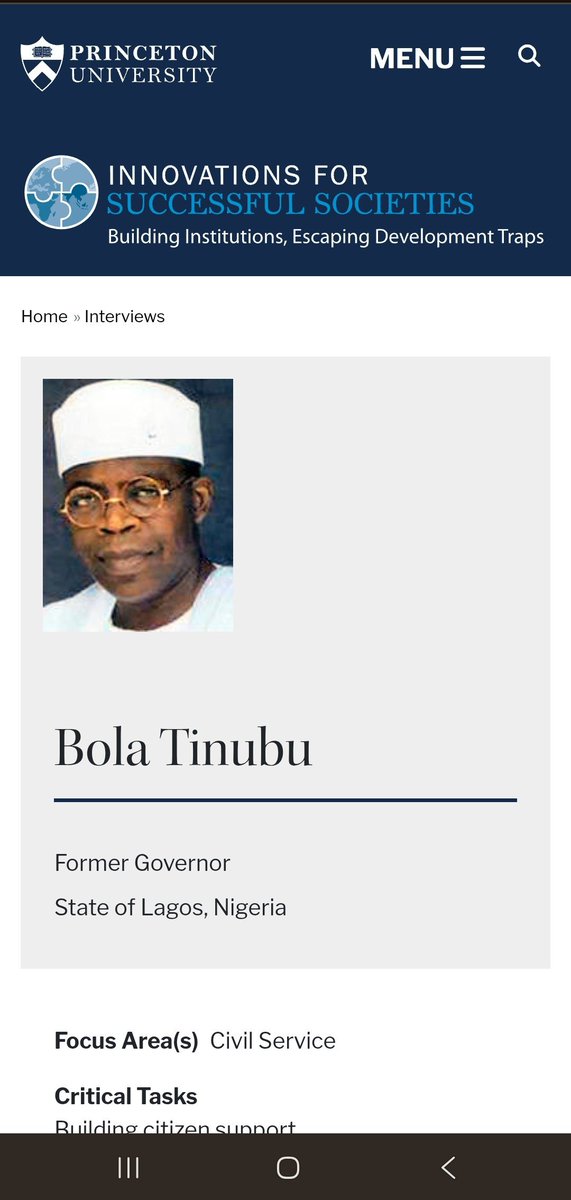
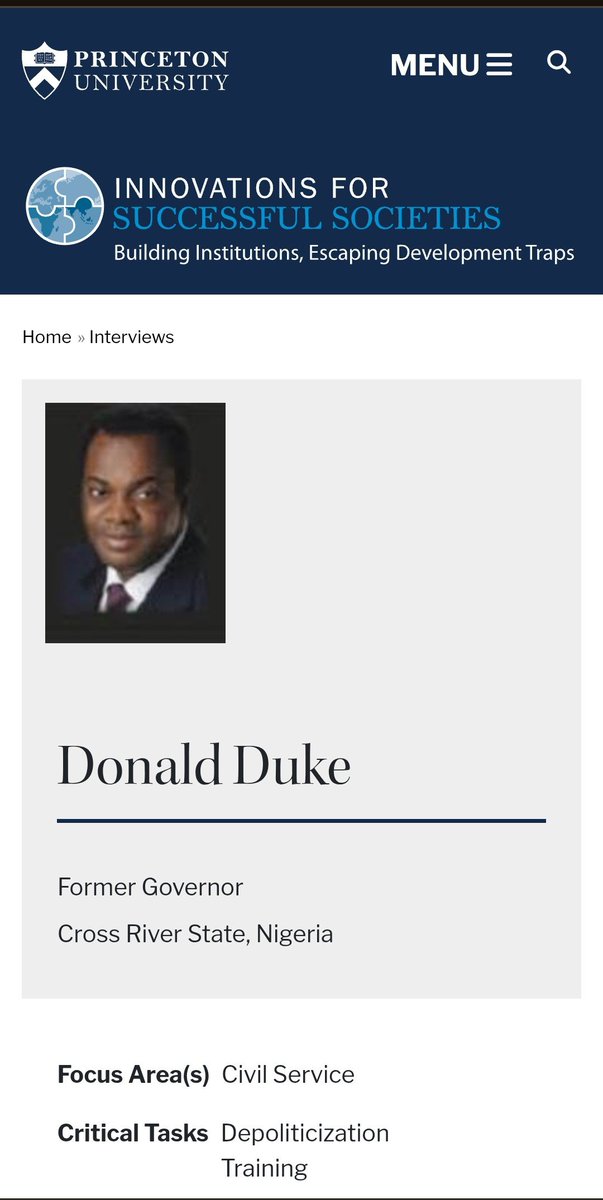
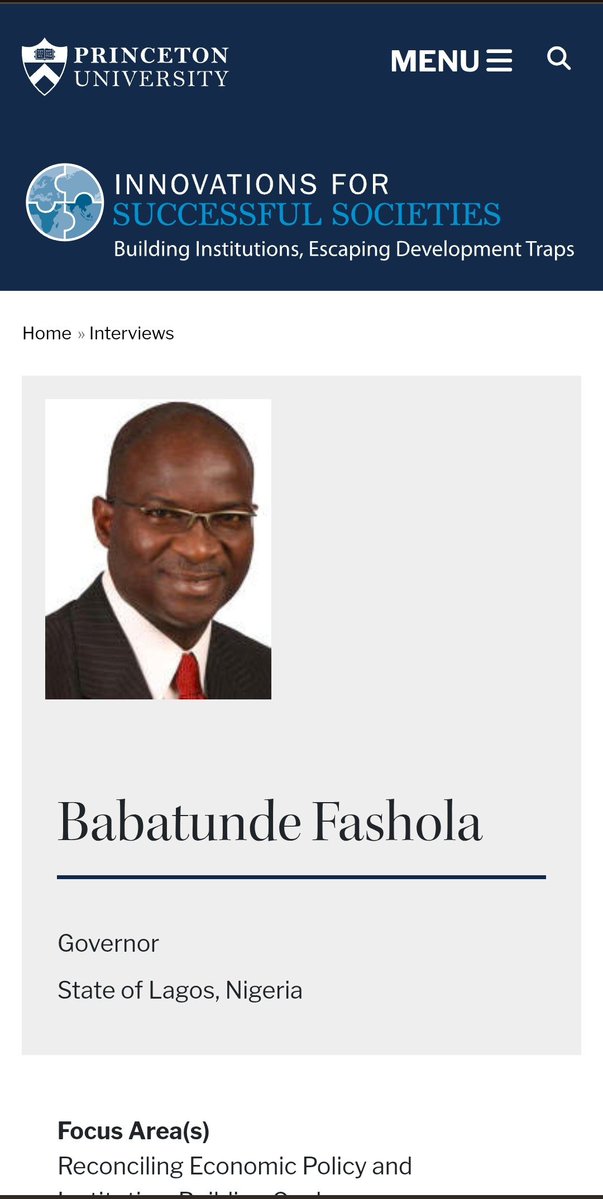
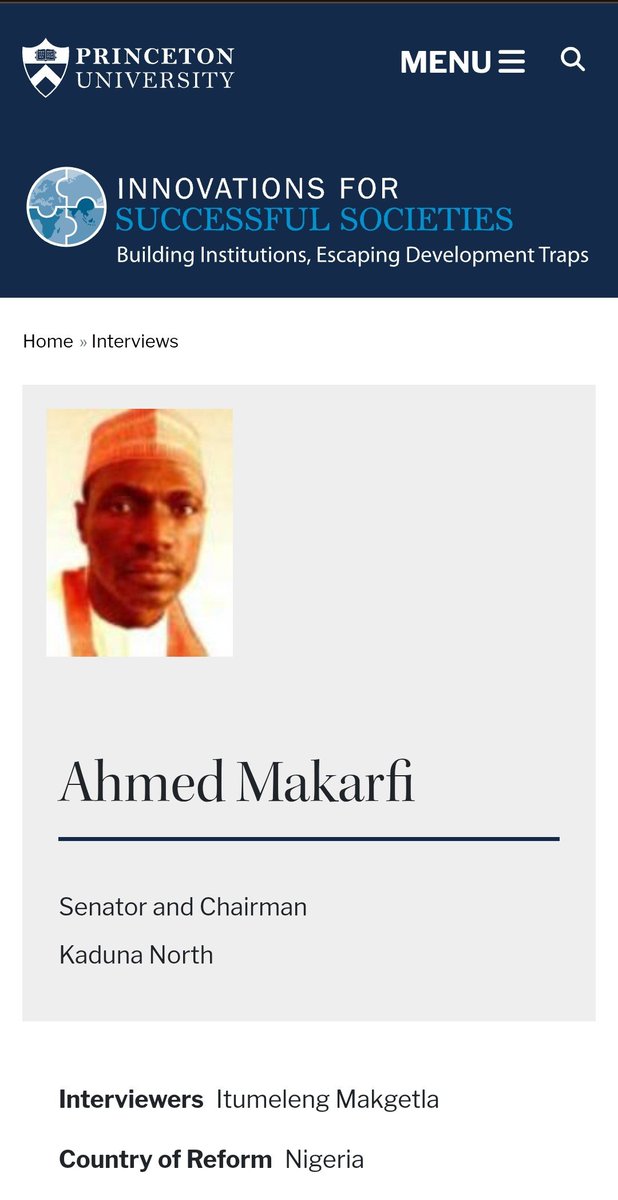
Princeton University’s Innovations for Successful Societies (ISS) program used to track and curate transformational leadership at the subnational level in Nigeria.
4 Nigerian transformative leaders were featured. Bola Tinubu, Donald Duke, Babatunde Fashola and Ahmed Makarfi.
Donald Duke was far ahead of his time. He saw Tinapa, Obudu ranch, clean and green Calabar, and civil service reforms.
Bola Ahmed Tinubu saw the Free trade zone, Eko Atlantic, Tax and institutional reforms, Judicial reforms, civil service digitization.
Obi had nothing in his mind apart from saving money in his bank, and investing state funds in a family beer business. Nothing transformative up till this day can be linked to him.
33
413
781
38,358
S. Ola Babalola retweeted

Did anyone else read dictionaries and encyclopedias for fun as a kid or am I just weird?
2,436
7,958
42,299
908,559
S. Ola Babalola retweeted

Thank you to the thousands of City workers who kept New York running throughout the Knicks’ Finals run as well last night after yesterday’s celebrations.
To the members of the NYPD, FDNY, EMS, DSNY, DOT, and every City worker who showed up, did their job, and helped keep New Yorkers safe: I cannot thank you enough. Whether you were responding to emergencies, staffing events, directing traffic, cleaning our streets, or working behind the scenes in ways most people never see, your dedication made this historic moment possible for millions of New Yorkers.
By the time many of us woke up this morning, the city was ready for another day because of your work. I join millions of your fellow New Yorkers in saying thank you.
974
5,753
97,130
1,199,762
S. Ola Babalola retweeted

Jun 14
Dawg after Jalen Brunson did Wemby like this I knew the Knicks were gonna win 😭😭
484
1,995
36,119
1,972,954
S. Ola Babalola retweeted

Reflecting on an incredible start to his tournament. Checking in with @balogun.
#USMNT x @LaColombeCoffee
32
54
889
62,014