
Professor of Computer Science, Pace Univ, NY. Researcher on (symbolic) AI, Mobile, Fashion Tech, Global Soft Eng. Serial Entrepreneur. Lived on 4 continents
Joined December 2007
- Tweets 2,318
- Following 1,350
- Followers 642
- Likes 792
266 Photos and videos








Yann LeCun says LLMs are strongest in domains where language itself is the substrate of reasoning, like math and code
They can solve problems, prove theorems, and write programs — but they are not creative mathematicians, software architects, or computer scientists
"their role is to help humans build"
151
460
3,341
346,849
Christelle Scharff, PhD retweeted

Apr 20
BREAKING: Vibe-coding platform Lovable reportedly suffered a breach that exposed users’ AI chat histories, source code, & database credentials.
570
895
8,299
2,059,801
Christelle Scharff, PhD retweeted

Apr 13
As AI agents accelerate coding, what is the future of software engineering? Some trends are clear, such as the Product Management Bottleneck, referring to the idea that we are more constrained by deciding what to build rather than the actual building. But many implications, like AI’s impact on the job market, how software teams will be organized, and more, are still being sorted out.
The theme of our AI Developer Conference on April 28-29 in San Francisco is The Future of Software Engineering. I look forward to speaking about this topic there, hearing from other speakers on this theme, and chatting with attendees about it. We’re shaping the future, and I hope you will join me there!
It is currently trendy in some technology and policy circles to forecast massive job losses due to AI. Even if they have not yet materialized, these losses certainly must be just over the horizon! I have a contrarian view that the AI jobpocalypse — the notion that AI will lead to massive unemployment, perhaps even rioting in the streets — won’t be nearly as bad as dire forecasts by pundits, especially pundits who are trying to paint a picture of how powerful their AI technology is.
Among professions, AI is accelerating software engineering most, given the rise of coding agents. According to a new report by Citadel Research, software engineering job postings are rising rapidly. So if software engineering is a harbinger of the impact AI will have on other professions, this expansion of software engineering jobs is encouraging.
Yes, fresh college graduates are having a hard time finding jobs. And yes, there have been layoffs that CEOs have attributed to AI, even if a large fraction of this was “AI washing,” where businesses choose to attribute layoffs to AI, even though AI has not changed their internal operations much yet. And yes, there is a subset of job roles, such as call center operator, that are more heavily impacted. Many people are feeling significant job insecurity, and I feel for everyone struggling with employment, whether or not the cause is AI-related. And many other factors, such as over-hiring during the pandemic and high interest rates, have contributed to the slowdown in the labor market, and the notion that AI is leading to unemployment is oversimplified.
In software engineering, I see a lot of exciting work ahead to adapt our workflows. It is already clear that: (i) As AI makes coding easier, a lot more people will be doing it. (ii) Writing code by hand and even reading (generated) code is not that important, because we can ask an LLM about the code and operate at a higher level than the raw syntax (although how high we can or should go is rapidly changing). (iii) There will be a lot more custom applications, because now it’s economical to write software for smaller and smaller audiences. (iv) Deciding what to build, more than the actual building, is becoming a bottleneck. (v) The cost of paying down technical debt is decreasing (since AI can refactor for you).
At the same time, there are also a lot of open questions for our profession, such as:
- In the future, what will be the key skills of a senior software engineer? And for junior levels, what should be the new Computer Science curriculum?
- If everyone can build features, what skills, strategies, or resources create competitive advantage for individuals and for businesses?
- What are the new building blocks (libraries, SDKs, etc.) of software? How do we organize coding agents to create software?
- What should a software team look like? For example, how many engineers, product managers, designers, and so on. What tooling do we need to manage their workflow?
- How do AI agents change the workflow of machine learning engineers and data scientists? For example, how can we use agents to accelerate exploring data, identifying hypotheses, and testing them?
I’m excited to explore these and other questions about the future of software engineering at AI Dev. I expect this to be an exciting event. Please join us!
[Original text: The Batch newsletter.]
ai-dev.deeplearning.ai/
151
163
888
115,183
Christelle Scharff, PhD retweeted

Mar 20
When the latest AI systems can't do something, there's a category of people who will immediately say, "well humans can't do it either!" - Then they stop saying it when AI improves a bit.
Been hearing it for 4 years, "humans can't reason either", "humans can't adapt to a task they haven't been prepared for", "humans can't follow instructions", "humans also suffer from hallucinations", etc. Until 2025 I was frequently told "humans can't do ARC 1 tasks either" (in reality any normally smart human would do >95% on ARC 1 if properly incentivized). Now that AI saturates ARC 1 they've completely stopped saying this.
24 Oct 2022

In general I've been sensing a new current deep learning maximalists recently, going from "our models can definitely reason" to "well our models can't reason, but neither can humans!"
83
27
355
47,326
Christelle Scharff, PhD retweeted

Mar 17
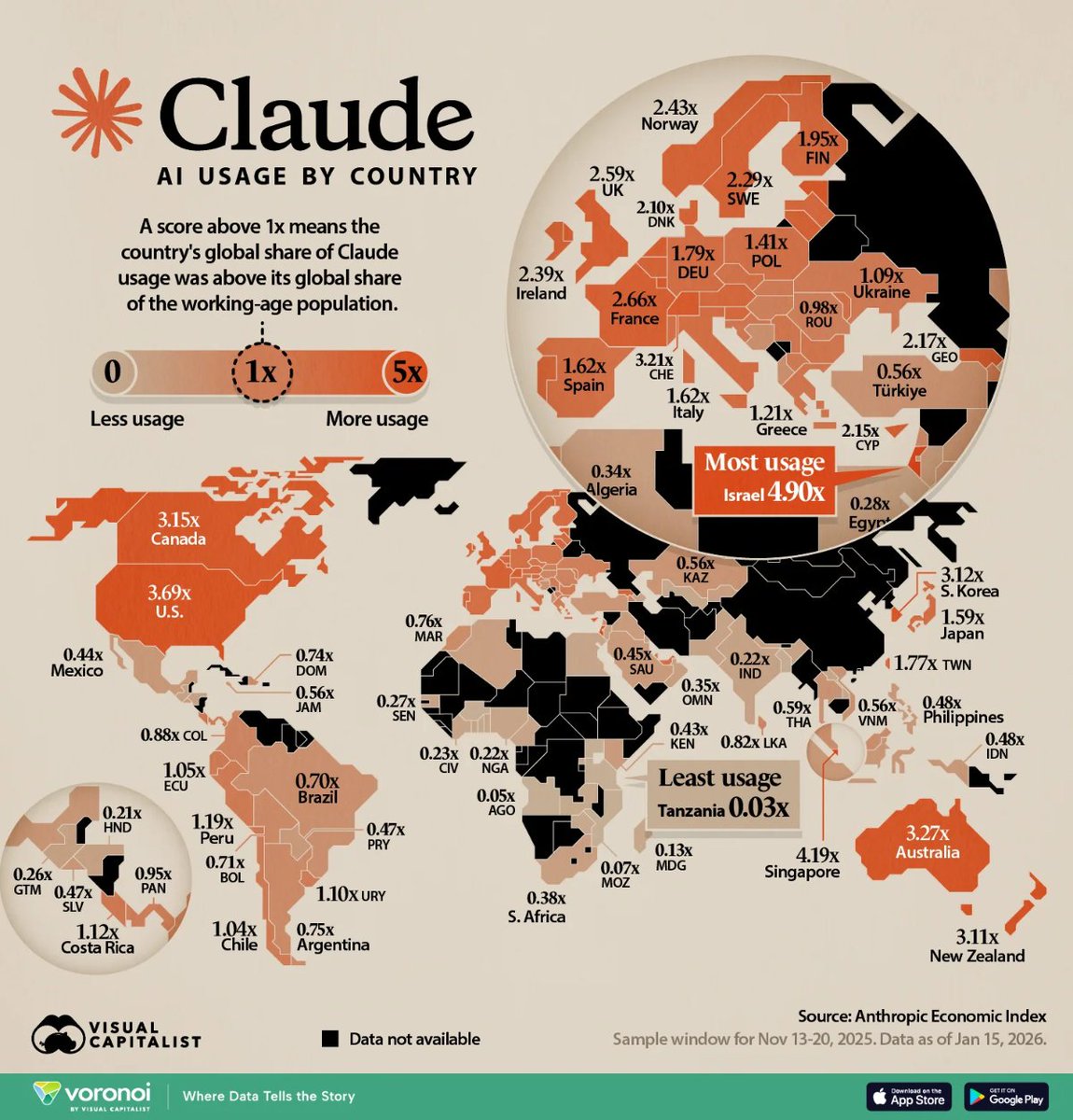
Mapped: Which Countries Use Claude AI the Most
8
41
311
45,949
Christelle Scharff, PhD retweeted
Mar 14
The time to learn how to think for yourself was before genAI, if you missed your chance, good luck
138
87
1,287
89,407
Christelle Scharff, PhD retweeted
Feb 21
The best way to use AI is an interface to information that lets you deepen and improve your own knowledge and mental models. The worst way to use AI is as a crutch to outsource and forsake your own cognition
102
240
1,998
89,767
Christelle Scharff, PhD retweeted

Feb 23
9:09pm: Another 2"/hr rate at the NWS NY office from 8pm-9pm. We have also begun receiving reports of over 6" of snow in parts of central and eastern LI.
10
58
324
46,716

Dario Amodei just said the quiet part out loud:
The real AI moats aren't in chatbots. They're in medicine and the physical world.
Anyone can wrap a model in a pretty UI. Very few can navigate FDA trials, biological complexity, and regulatory mazes.
The biggest AI companies won't be the ones building addictive apps. They'll be the ones quietly extending human life.
This is why Anthropic is betting on Claude in healthcare. Why DeepMind spun off Isomorphic Labs. Why every major lab has a "biology" team now.
The consumer AI race is a feature war. The real race is understanding protein structures and functions, drug discovery, and cellular mechanisms.
Winner takes decades. Not months.
82
232
1,429
172,431
Christelle Scharff, PhD retweeted

Feb 6
Friday Snow Ops Update:
We have now melted more than 230,000,000 pounds of snow - that's like a football field-full, piled more than 100 feet high.
And we are not stopping. These piles at Orchard Beach are about 15-20 feet high. (We bring snow from neighborhoods TO the melters. Melters don’t go to the snow.)
We are continuing with collection, too. Trash and compost should be picked up on the day it’s scheduled; recycling may be about a day behind. City residents put out 24,000,000 pounds of waste a day – we are working to do it all.
And we are monitoring the weather that's heading our way.

ALT An overhead photograph of the Orchard Beach snow melting operation, including multiple melters, snow moving vehicles and very large piles of snow.
35
24
228
18,983
Christelle Scharff, PhD retweeted

Jan 23
📁 Andrew Ng, AI researcher and global reference, says technical founders see further into the future than pure business profiles.
In his teams, coding is a requirement for marketing, recruiting and finance. The best performers do not work manually, they write code, automate workflows and use AI at a high level.
His conclusion is blunt, there will be no place for professionals who cannot program with AI.
17
62
470
18,882
Christelle Scharff, PhD retweeted

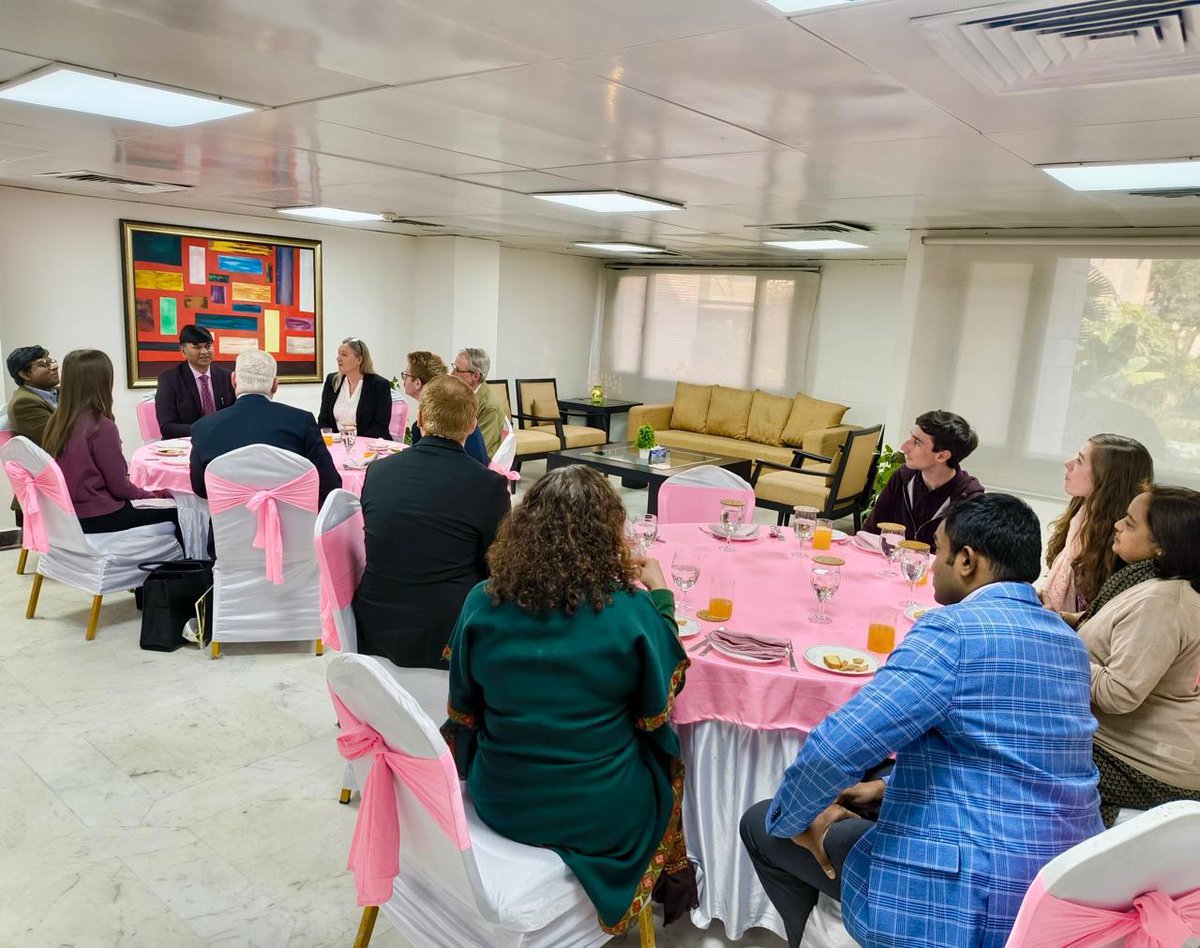
The meeting at SSIFS gave them opportunity to understand how the institution is not only contributing as a centre of excellence for diplomatic training for Indian diplomats but also for foreign diplomats from over 100 countries every year.

1
5
439
Christelle Scharff, PhD retweeted
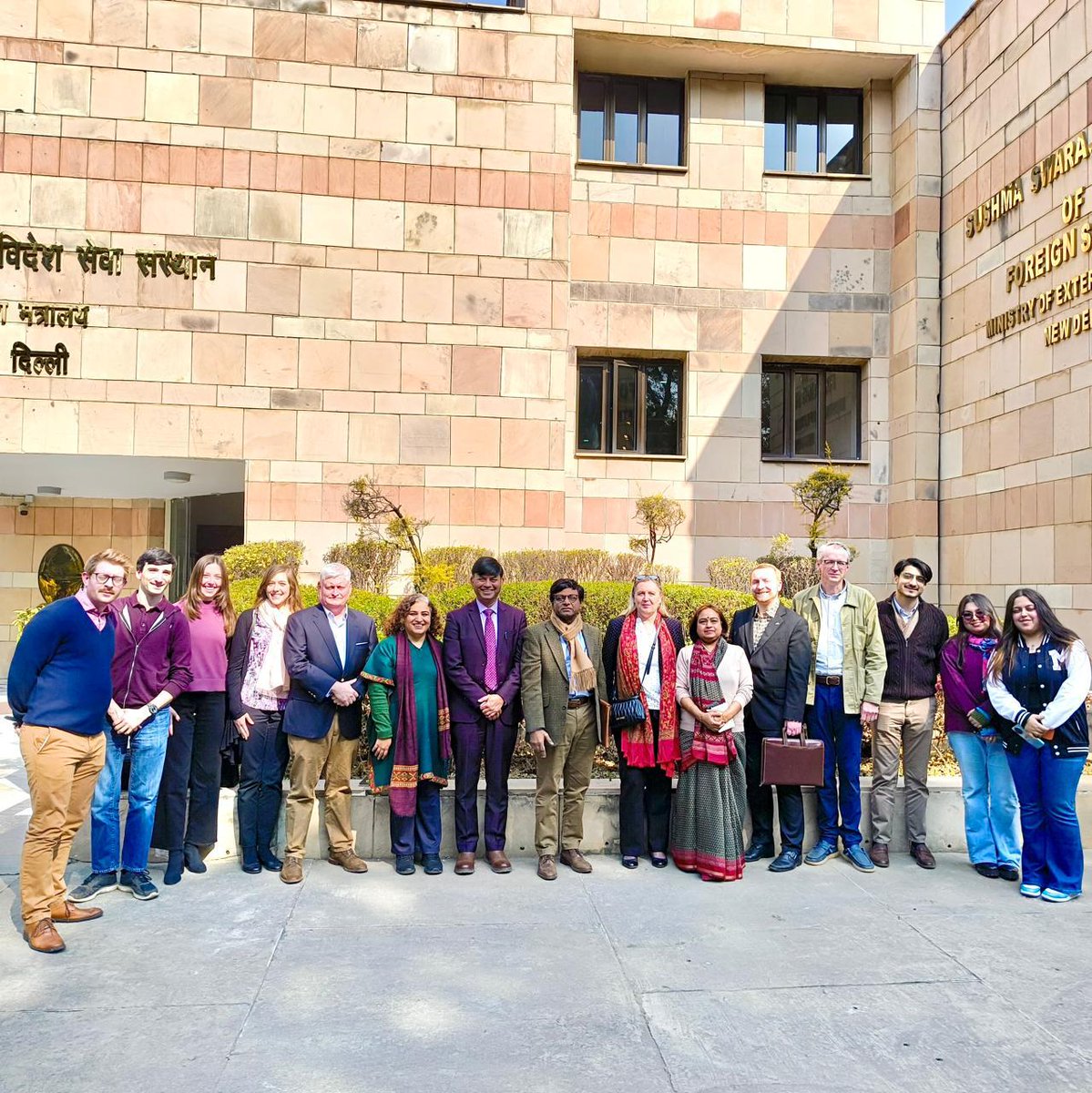
Ten Distinguished Research Fellows from Motwani Jadeja Fellowship Program led by Amb Mohan Kumar were hosted for a working lunch at SSIFS by Amb Raj Srivastava, Dean, SSIFS as part of their four-week Residency at Jindal Global University to learn about India.
1
4
15
711
Christelle Scharff, PhD retweeted
13 Aug 2025
GenAI isn't just a technology; it's an informational pollutant—a pervasive cognitive smog that touches and corrupts every aspect of the Internet. It's not just a productivity tool; it's a kind of digital acid rain, silently eroding the value of all information.
Every image is no longer a glimpse of reality, but a potential vector for synthetic deception. Every article is no longer a unique voice, but a soulless permutation of data, a hollow echo in the digital chamber. This isn't just content creation; it's the flattening of the entire vibrant ecosystem of human expression, transforming a rich tapestry of ideas into a uniform, gray slurry of derivative, algorithmically optimized outputs.
This isn't just innovation; it's the systematic contamination of our data streams, a semantic sludge that clogs the channels of genuine communication and cheapens the value of human thought—leaving us to sift through a digital landfill for a single original idea.
446
963
6,451
679,407
Christelle Scharff, PhD retweeted

17 Jun 2025
I don't wanna say 'I told you so', but I told you so.
15 Jun 2025

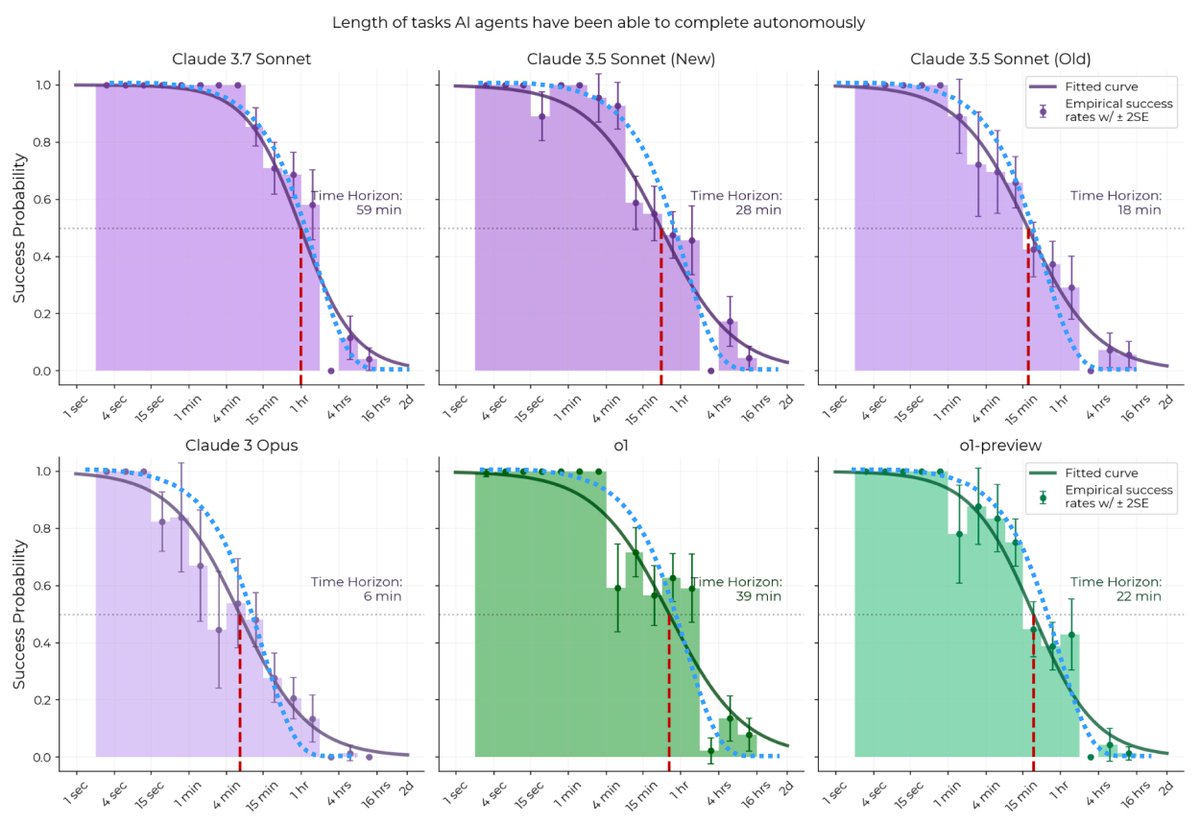
Why can AIs code for 1h but not 10h?
A simple explanation: if there's a 10% chance of error per 10min step (say), the success rate is:
1h: 53%
4h: 8%
10h: 0.002%
@tobyordoxford has tested this 'constant error rate' theory and shown it's a good fit for the data
chance of success declines exponentially
282
524
5,720
880,511
Christelle Scharff, PhD retweeted

18 Apr 2025
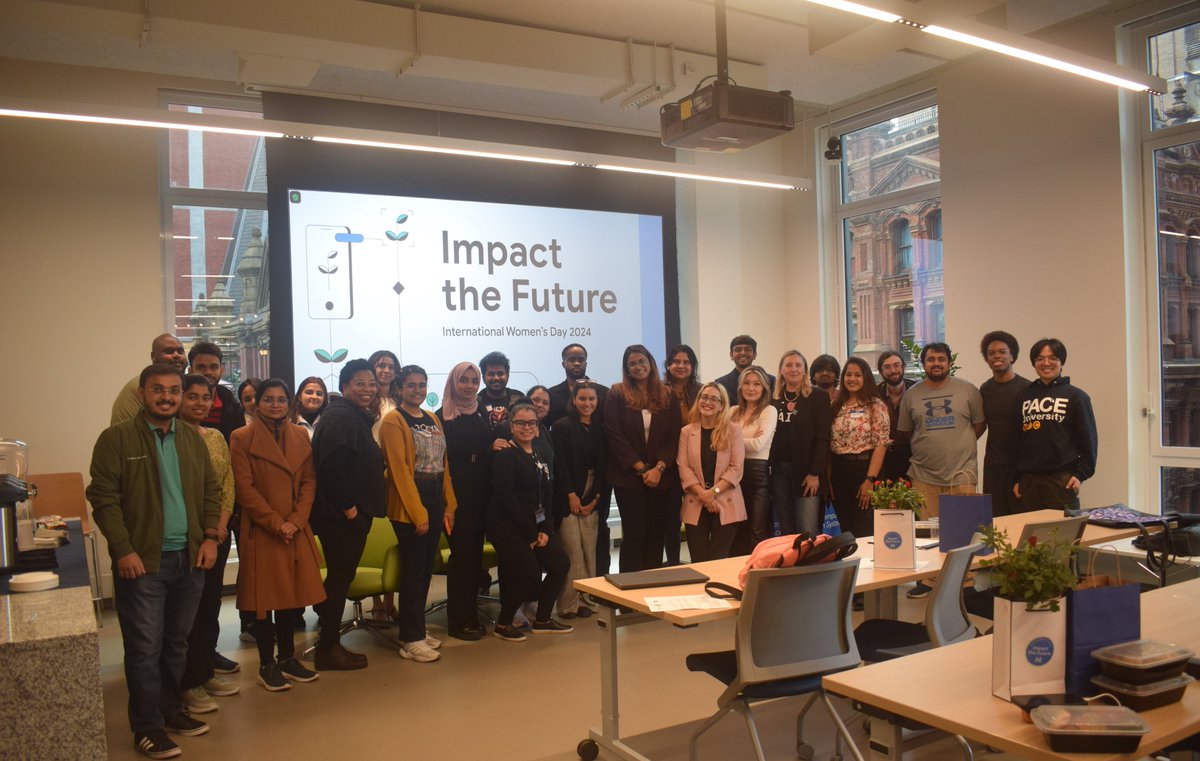
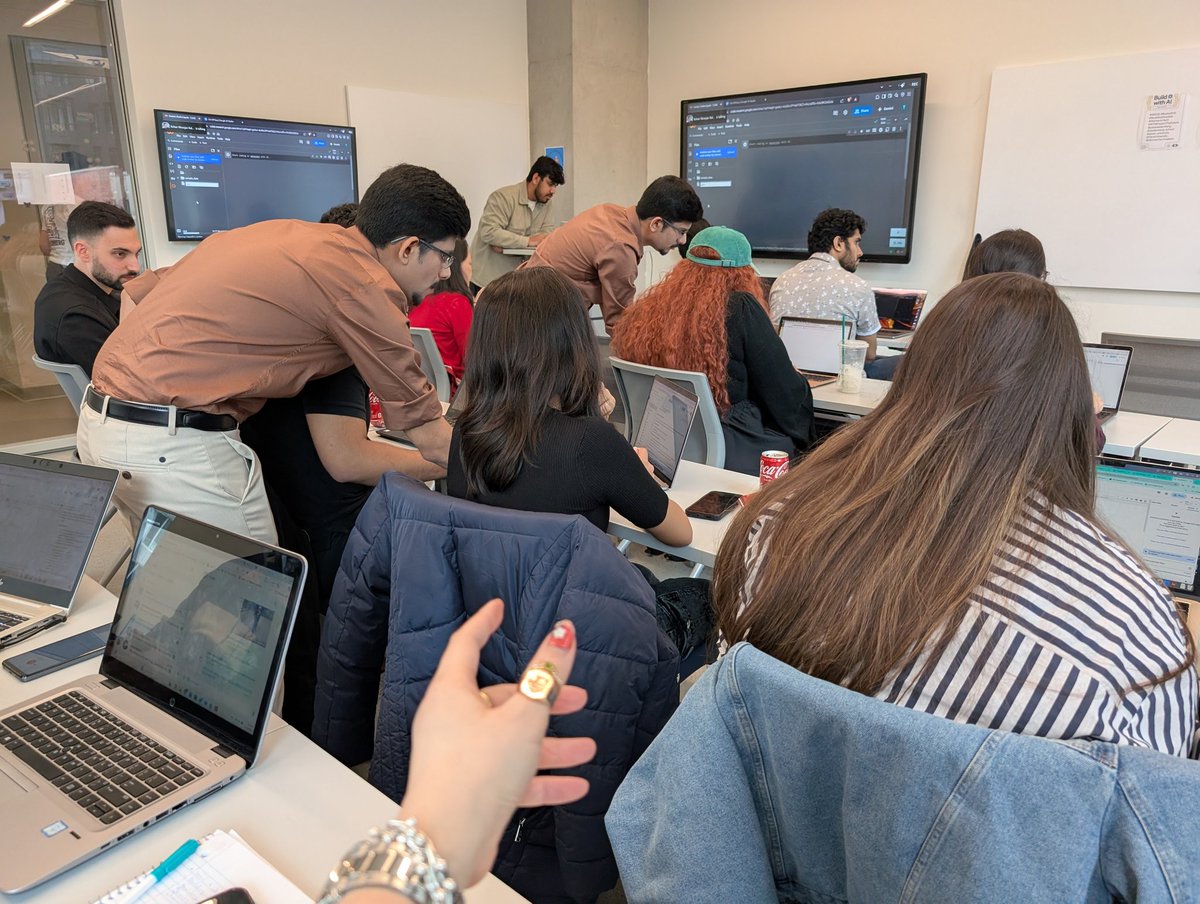
Build, build, build! 😀
Build With AI at Pace University today!
😀
#IWD25 #BuildwithAl
#RedefinePossible
#WomenInTech
#WTMImpactTheFuture
@Google
@gdg_nyc
@paceseidenberg
@seidenberg-school
@pace-university
@PaceUniversity
@WomenTechmaker
@scharffc
1
2
2
65
Christelle Scharff, PhD retweeted
18 Apr 2025
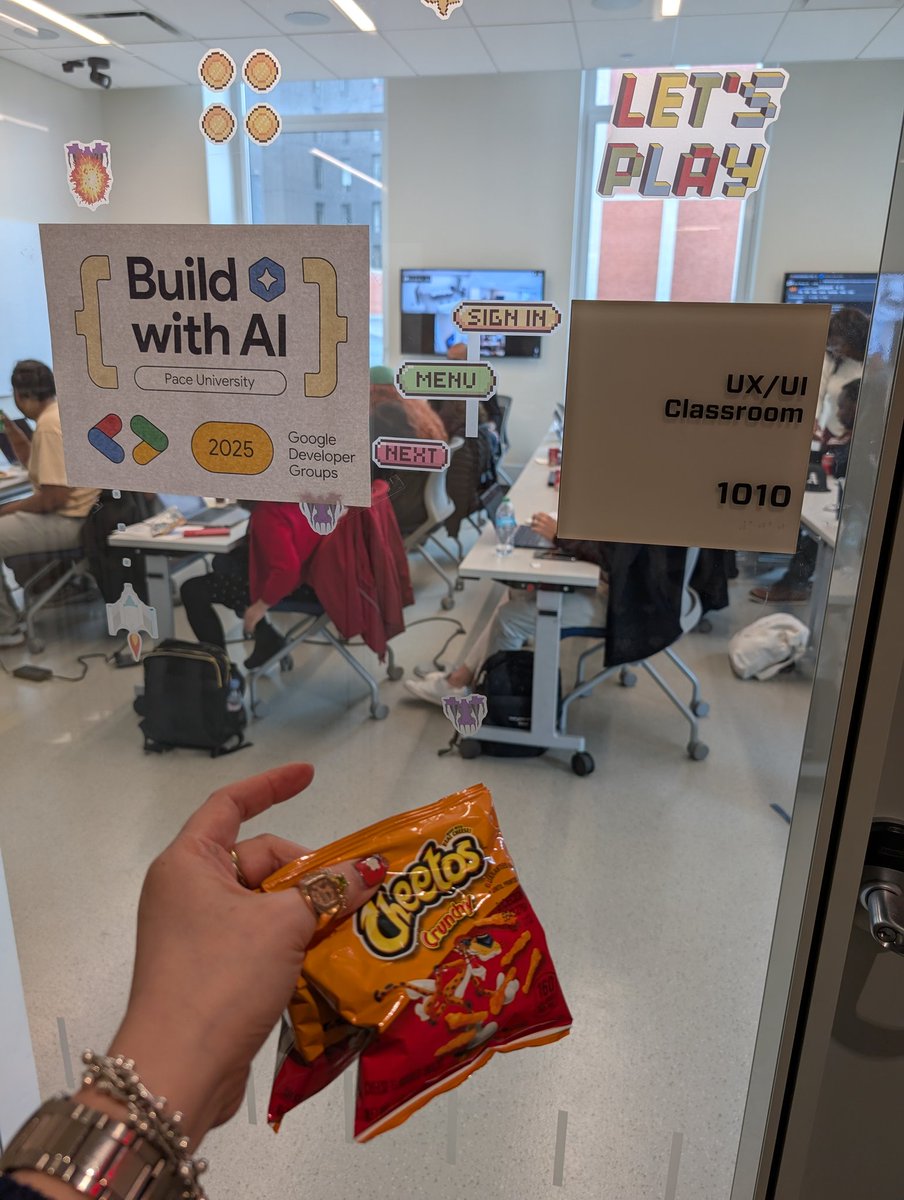
Super interested in hearing what people create -- Unfortunately, I can't join the competition next week.
@scharffc
#IWD25 #BuildwithAI
#WomenInTech
@Google
@gdg_nyc
@paceseidenberg
@seidenberg-school
@pace-university
@PaceUniversity
@WomenTechmakers
2
1
3
92
Christelle Scharff, PhD retweeted
18 Apr 2025
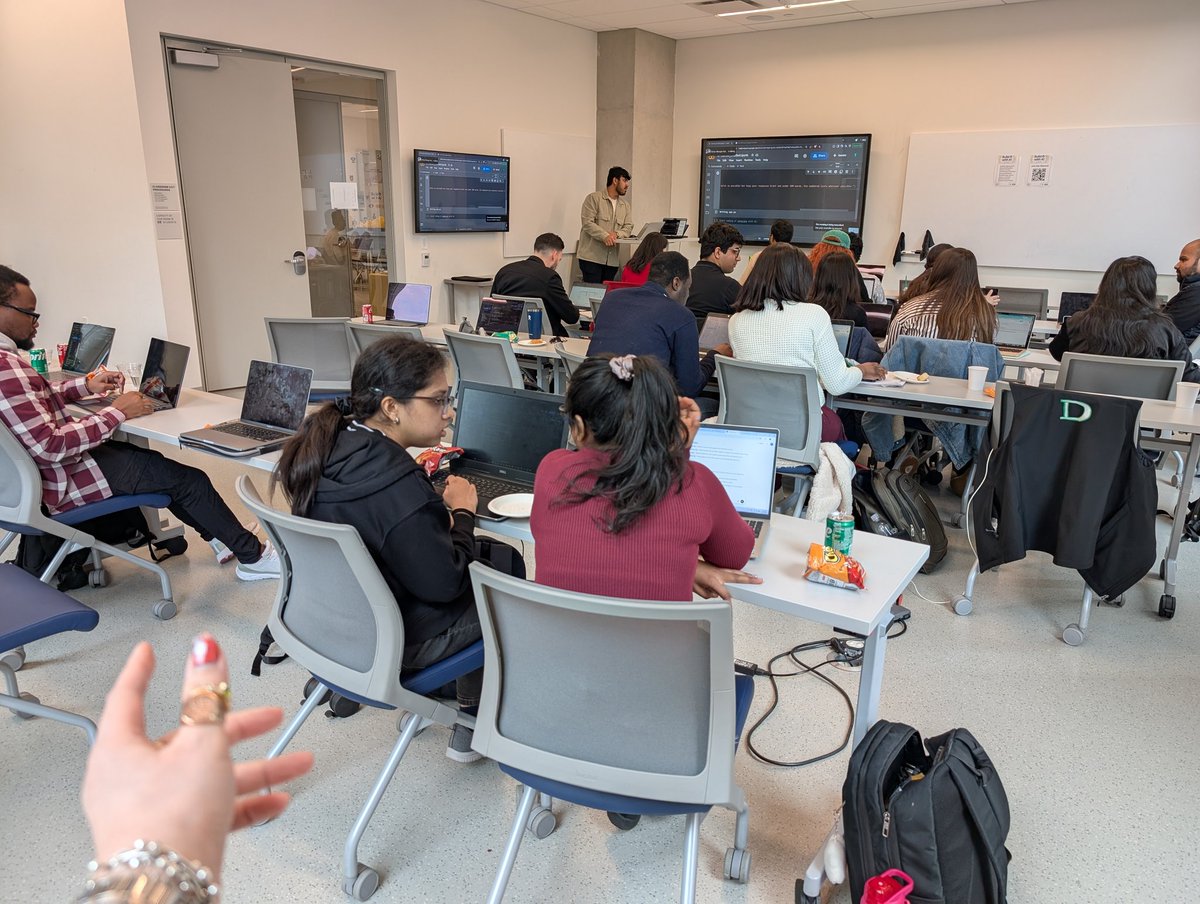
Full house for Build With AI today at Pace University! Many thanks to Dr. @scharffc for inviting me. 😀
#IWD25 #BuildwithAl
#RedefinePossible
#WomenInTech
#WTMImpactTheFuture
@Google
@gdg_nyc
@paceseidenberg
@seidenberg-school
@pace-university
@PaceUniversity
@WomenTechmakers
1
1
47
Christelle Scharff, PhD retweeted
13 Mar 2025
Some people today are discouraging others from learning programming on the grounds AI will automate it. This advice will be seen as some of the worst career advice ever given. I disagree with the Turing Award and Nobel prize winner who wrote, “It is far more likely that the programming occupation will become extinct [...] than that it will become all-powerful. More and more, computers will program themselves.” Statements discouraging people from learning to code are harmful!
In the 1960s, when programming moved from punchcards (where a programmer had to laboriously make holes in physical cards to write code character by character) to keyboards with terminals, programming became easier. And that made it a better time than before to begin programming. Yet it was in this era that Nobel laureate Herb Simon wrote the words quoted in the first paragraph. Today’s arguments not to learn to code continue to echo his comment.
As coding becomes easier, more people should code, not fewer!
Over the past few decades, as programming has moved from assembly language to higher-level languages like C, from desktop to cloud, from raw text editors to IDEs to AI assisted coding where sometimes one barely even looks at the generated code (which some coders recently started to call vibe coding), it is getting easier with each step.
I wrote previously that I see tech-savvy people coordinating AI tools to move toward being 10x professionals — individuals who have 10 times the impact of the average person in their field. I am increasingly convinced that the best way for many people to accomplish this is not to be just consumers of AI applications, but to learn enough coding to use AI-assisted coding tools effectively.
One question I’m asked most often is what someone should do who is worried about job displacement by AI. My answer is: Learn about AI and take control of it, because one of the most important skills in the future will be the ability to tell a computer exactly what you want, so it can do that for you. Coding (or getting AI to code for you) is a great way to do that.
When I was working on the course Generative AI for Everyone and needed to generate AI artwork for the background images, I worked with a collaborator who had studied art history and knew the language of art. He prompted Midjourney with terminology based on the historical style, palette, artist inspiration and so on — using the language of art — to get the result he wanted. I didn’t know this language, and my paltry attempts at prompting could not deliver as effective a result.
Similarly, scientists, analysts, marketers, recruiters, and people of a wide range of professions who understand the language of software through their knowledge of coding can tell an LLM or an AI-enabled IDE what they want much more precisely, and get much better results. As these tools are continuing to make coding easier, this is the best time yet to learn to code, to learn the language of software, and learn to make computers do exactly what you want them to do.
[Original text: deeplearning.ai/the-batch/is… ]
514
2,779
11,908
2,133,996
Christelle Scharff, PhD retweeted

14 Mar 2025
Your thoughts about this
x.com/hamptonism/status/1900…
13 Mar 2025

Chief Al Scientist at Meta, Yann LeCun, believes we're never going to get to human level AI by text:
6
30
9,094