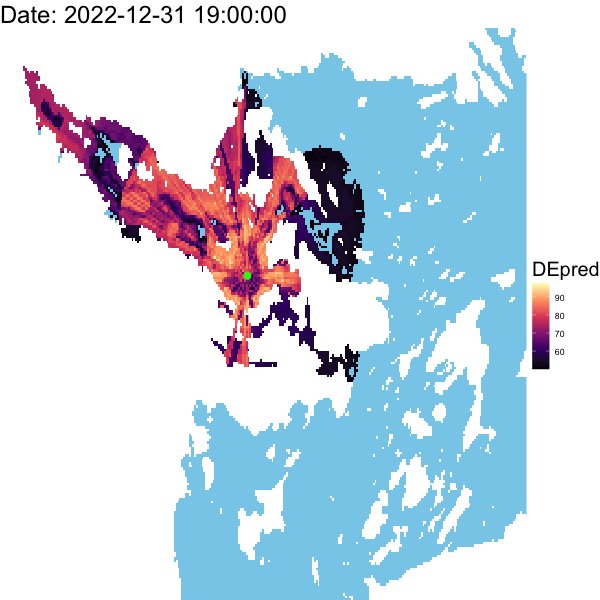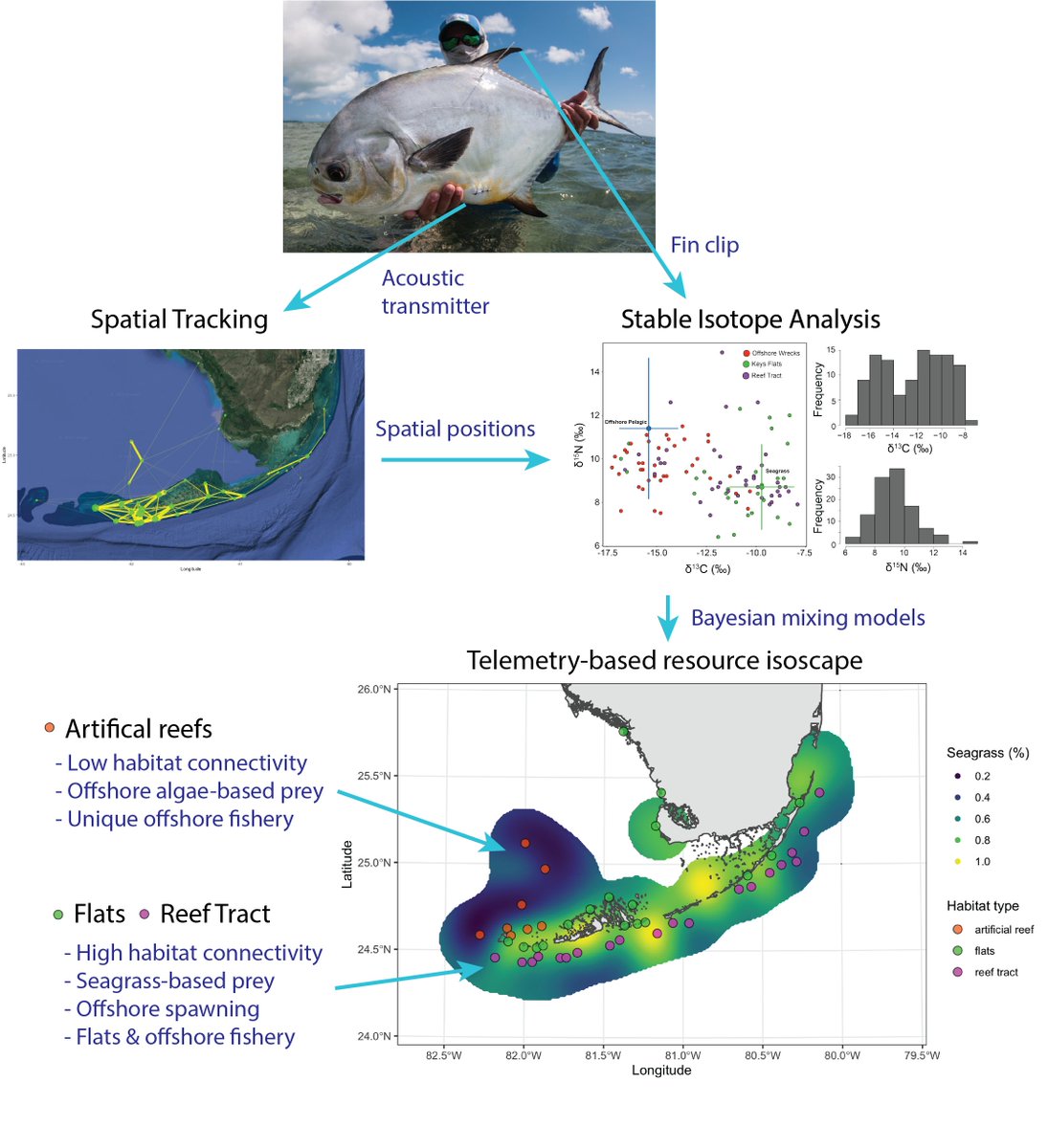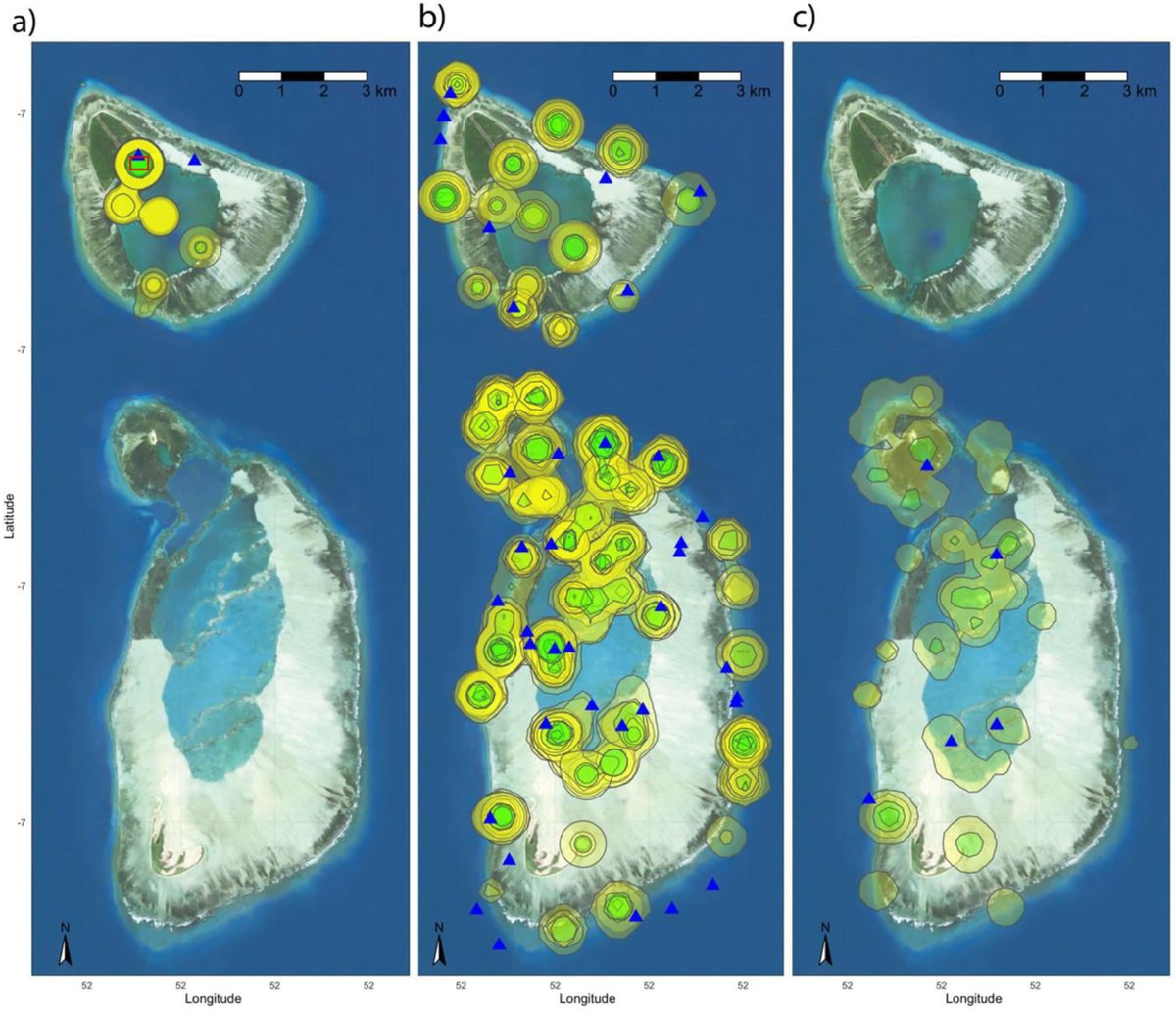
Spatial resource ecology is challenging to quantify in wild animals, especially marine fish. Our new @JAppliedEcology paper combines telemetry and isotopes to generate a resource isoscape to help inform habitat fisheries management in Florida Keys besjournals.onlinelibrary.wi…
Beyond the hook: do angler-fish interactions in a catch-and-release recreational fishery modify fish space use and catchability?
👥 @lucaspgriffin et al.
📚 University of South Florida, @KeepFishWet and other partners
➡️ ow.ly/UpZE50VifEe
ALT Map of home range estimates for giant trevally (Caranx ignobilis)
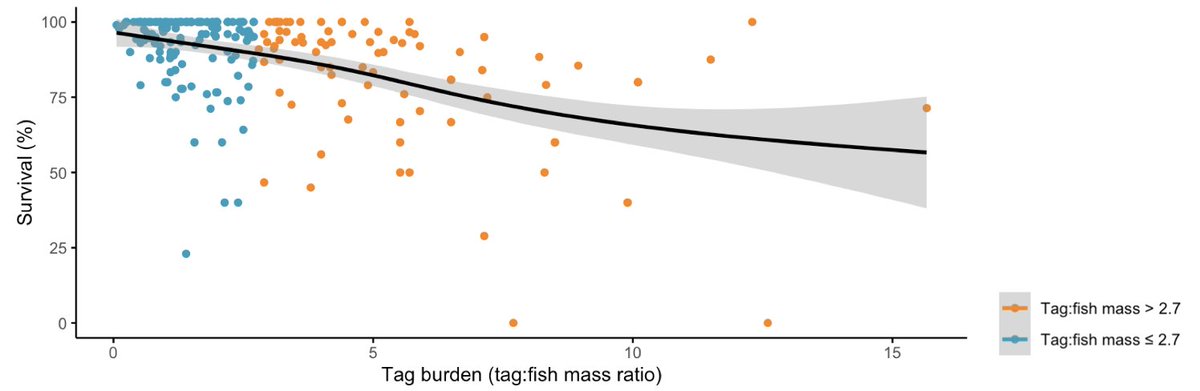
What are the effects of tagging on fishes?
Our review meta-analysis explores intracoelomic tagging effects in fishes. We summarize the existing literature and examine the 2% rule using evidence from a broad representation of all published studies.
Preprint link below 🧵
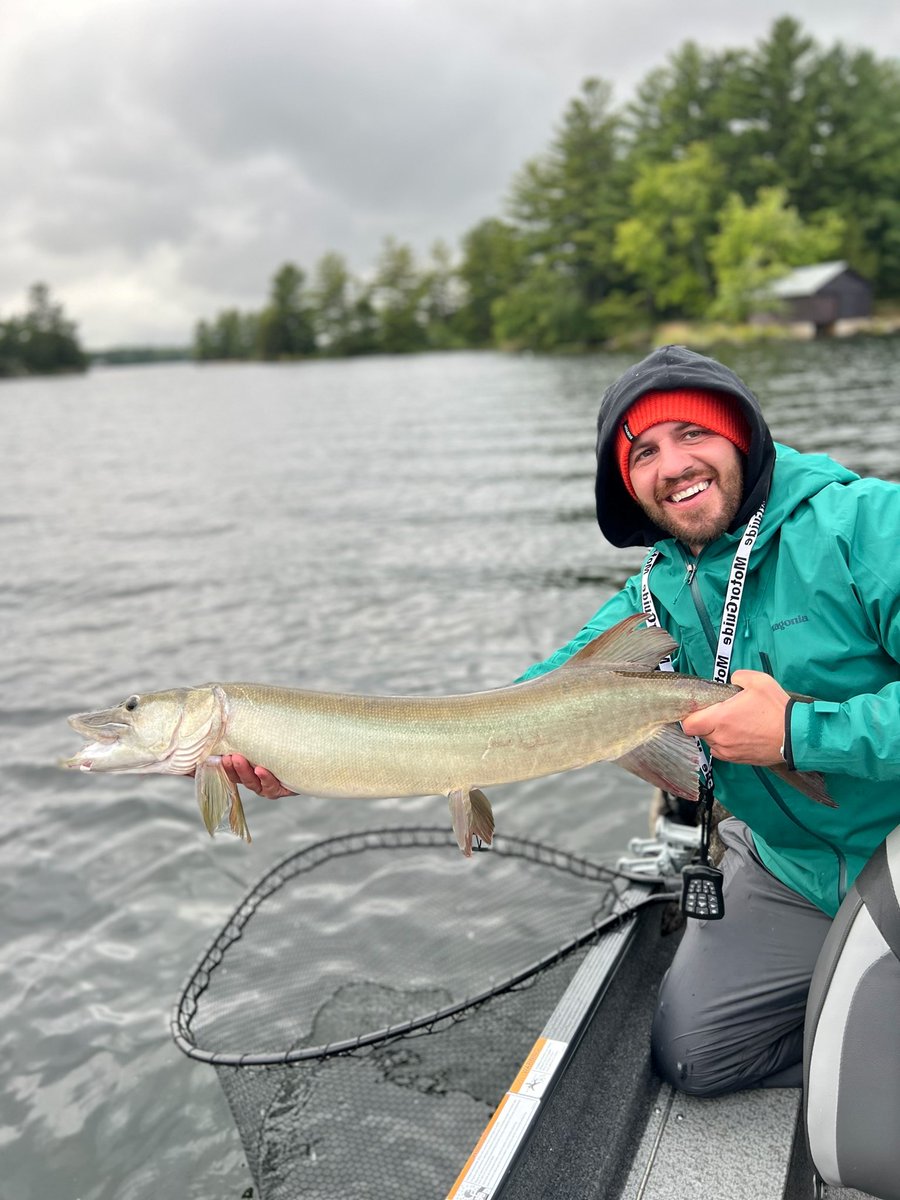
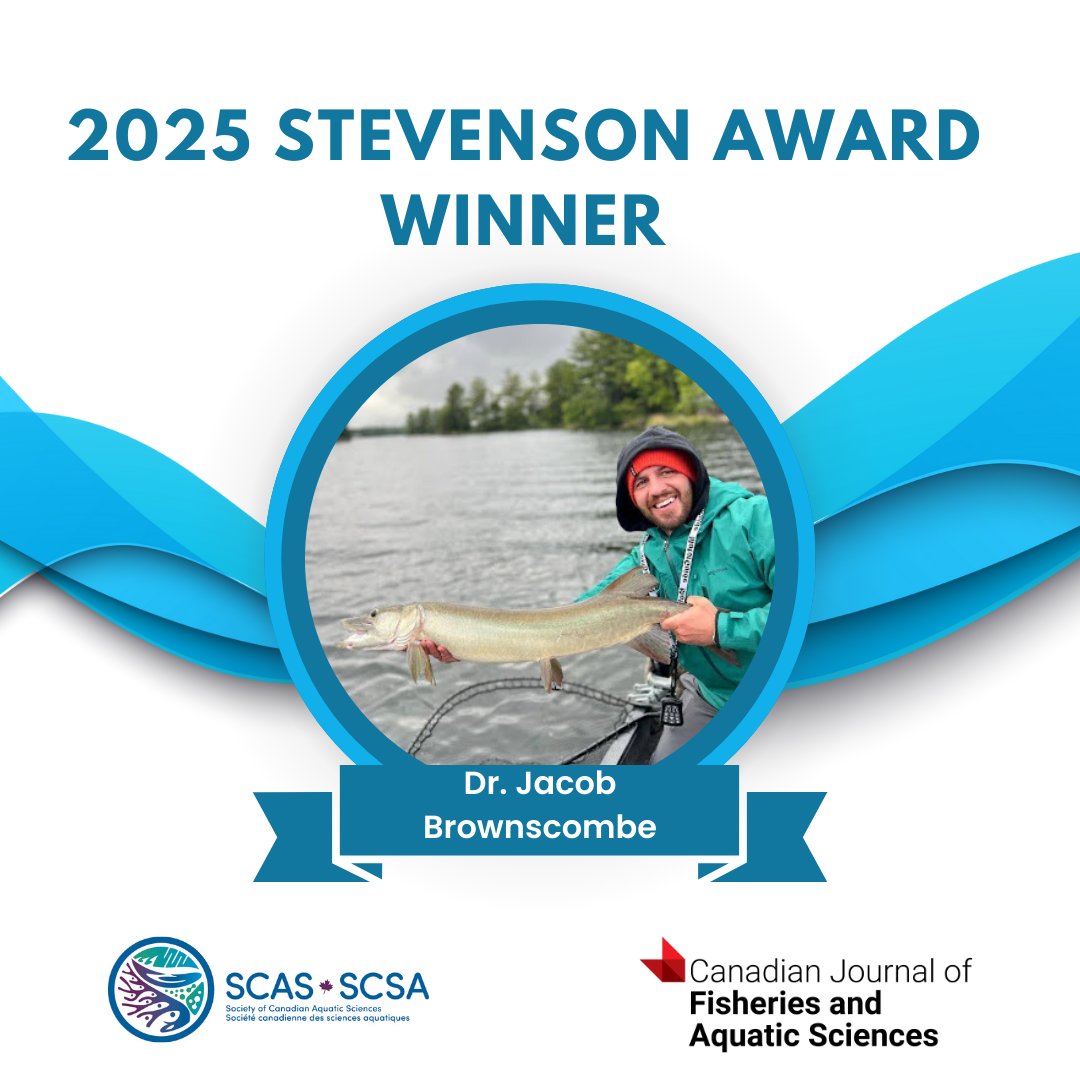
Dr. Jake Brownscombe, 2025 Stevenson Lectureship Award winner, is tackling aquatic ecology’s biggest challenges. Learn how his research is shaping conservation decisions in a new #CSPBlog post ▶️ ow.ly/Gf4050UPPkA@sci_angler@FishOceansCAN
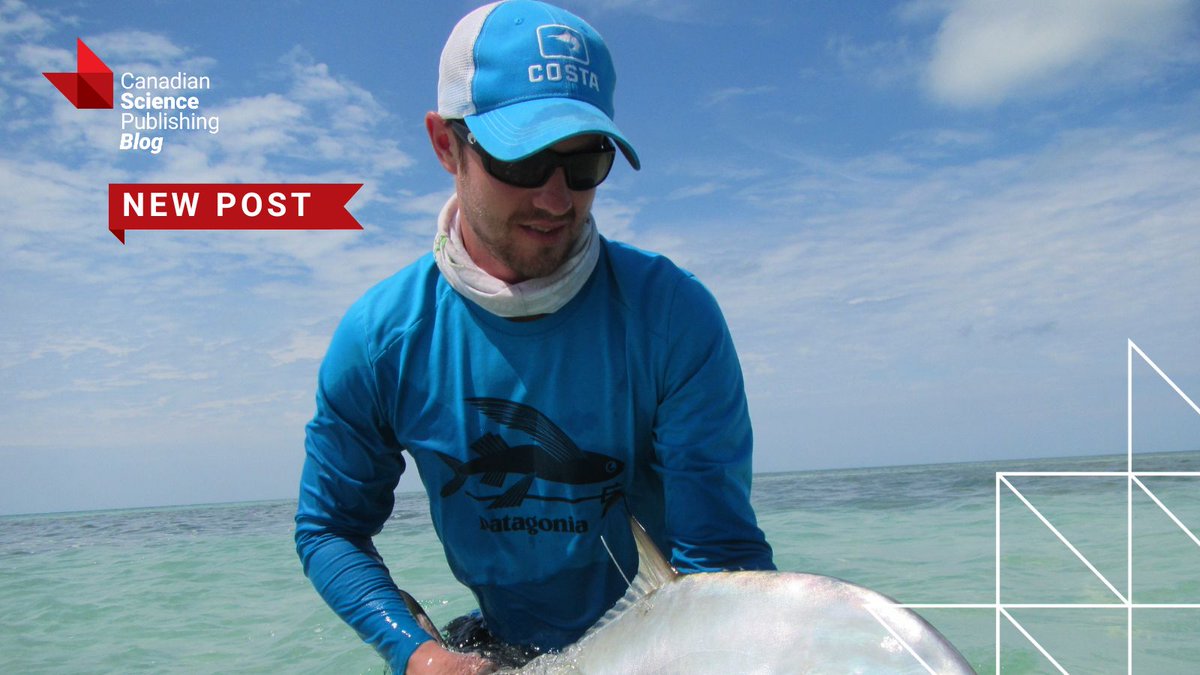
ALT A photo of Dr. Jacob Brownscombe, the 2025 Stevenson Lectureship Award winner with CSP logo. New Post banner.
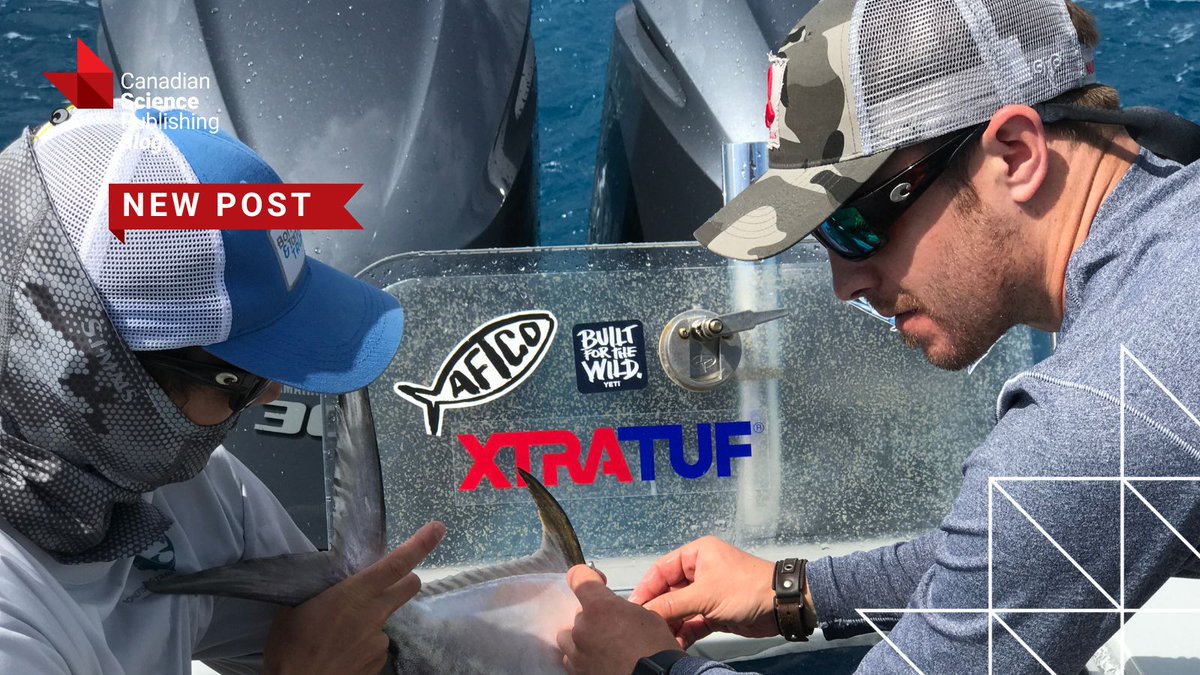
From shaping marine protected areas to leading environmental assessments, Dr. Jake Brownscombe is making an impact in aquatic science. Read about the 2025 Stevenson Lectureship Award winner’s groundbreaking work ▶️ ow.ly/sOCx50UPPmn@sci_angler@FishOceansCAN@scas_scsa
ALT A photo of Dr. Jacob Brownscombe, the 2025 Stevenson Lectureship Award winner with CSP logo. New Post banner.
Performance of an @Innovasea acoustic receiver at detecting fish over a year in Stoney Lake, Ontario. We're using this approach to refine fish position estimates and build fish habitat models @FishOceansCAN. Will share more @scas_scsa Stevenson Lecture @cdnsciencepub@cjfas
Tracking fish movements is just the start—could telemetry help protect fish habitats too? Dr. Jake Brownscombe, Stevenson Lectureship Award winner, discusses fish tracking and habitat management. Read more here ▶️ ow.ly/cYs750UPSbh
📸 cjfas-2021-0101 @sci_angler@scas_scsa
ALT Fig. 2. Conceptual diagram outlining how data from telemetry studies and other data sources may inform fish habitat science and management across multiple spatial and ecological scales. Information at the habitat and regional scales, at which telemetry studies are typically conducted, may generate useful metrics that can be synthesized and modeled to make predictions at broader ecological scales by generating models of fish habitat based on comprehensive and causal predictors, which are often measured using complimentary habitat sampling methods. Integrating species characteristics into these models may also enable predictions of habitat suitability across diverse species and ecosystem types. [Colour online.]
From shaping marine protected areas to leading environmental assessments, Dr. Jacob Brownscombe is making an impact in aquatic science. Read about the 2025 Stevenson Lectureship Award winner’s groundbreaking work ▶️ ow.ly/sj8r50UPKIK@sci_angler@FishOceansCAN
ALT A photo of Dr. Jacob Brownscombe, the 2025 Stevenson Lectureship Award winner with CSP logo. New Post banner.
Dr. Jacob Brownscombe, 2025 Stevenson Lectureship Award winner, is tackling ecology’s biggest challenges. Learn how his research is shaping conservation decisions in a new #CSPBlog post ▶️ ow.ly/sj8r50UPKIK@sci_angler@FishOceansCAN
ALT A photo of Dr. Jacob Brownscombe, the 2025 Stevenson Lectureship Award winner with CSP logo. New Post banner.
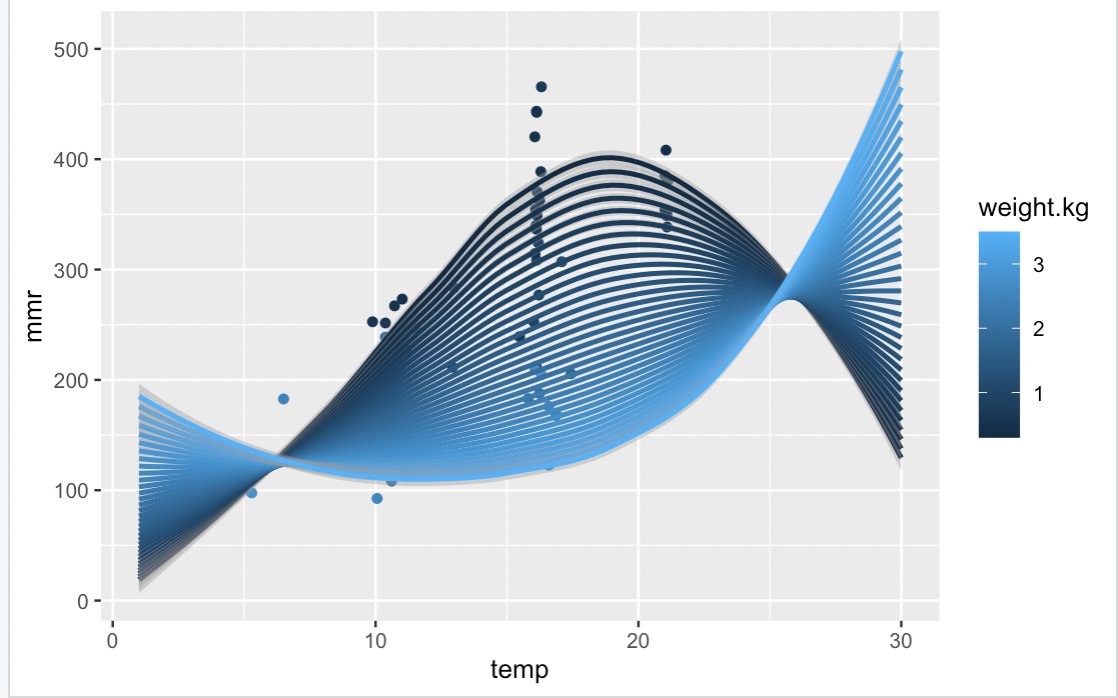
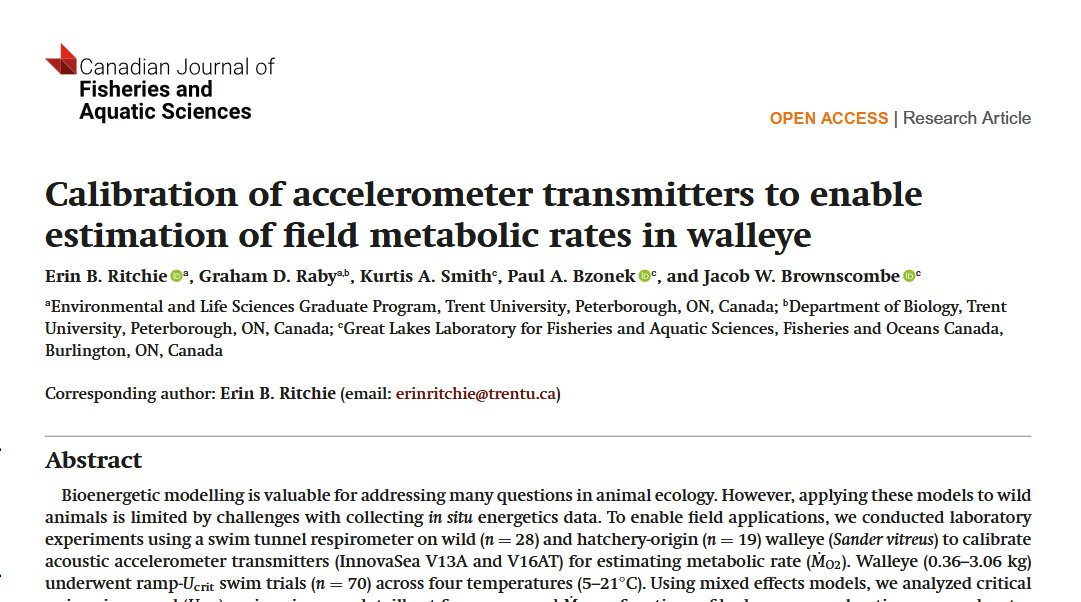
Now published open access in @cjfas. This one is for you nerds who like swim tunnel respirometry and accelerometer tags.
Led by @TrentUResearch MSc student @ErinRitchiee, work done at CCIW with @sci_angler from 2021-23.
Thanks to @LampreyControl for funding.
⭐ Researcher Highlight ⭐
Dr. Jacob Brownscombe (@sci_angler), Research Scientist at @FishOceansCAN, is shaping the future of freshwater science in the Great Lakes region. 🌊🐟
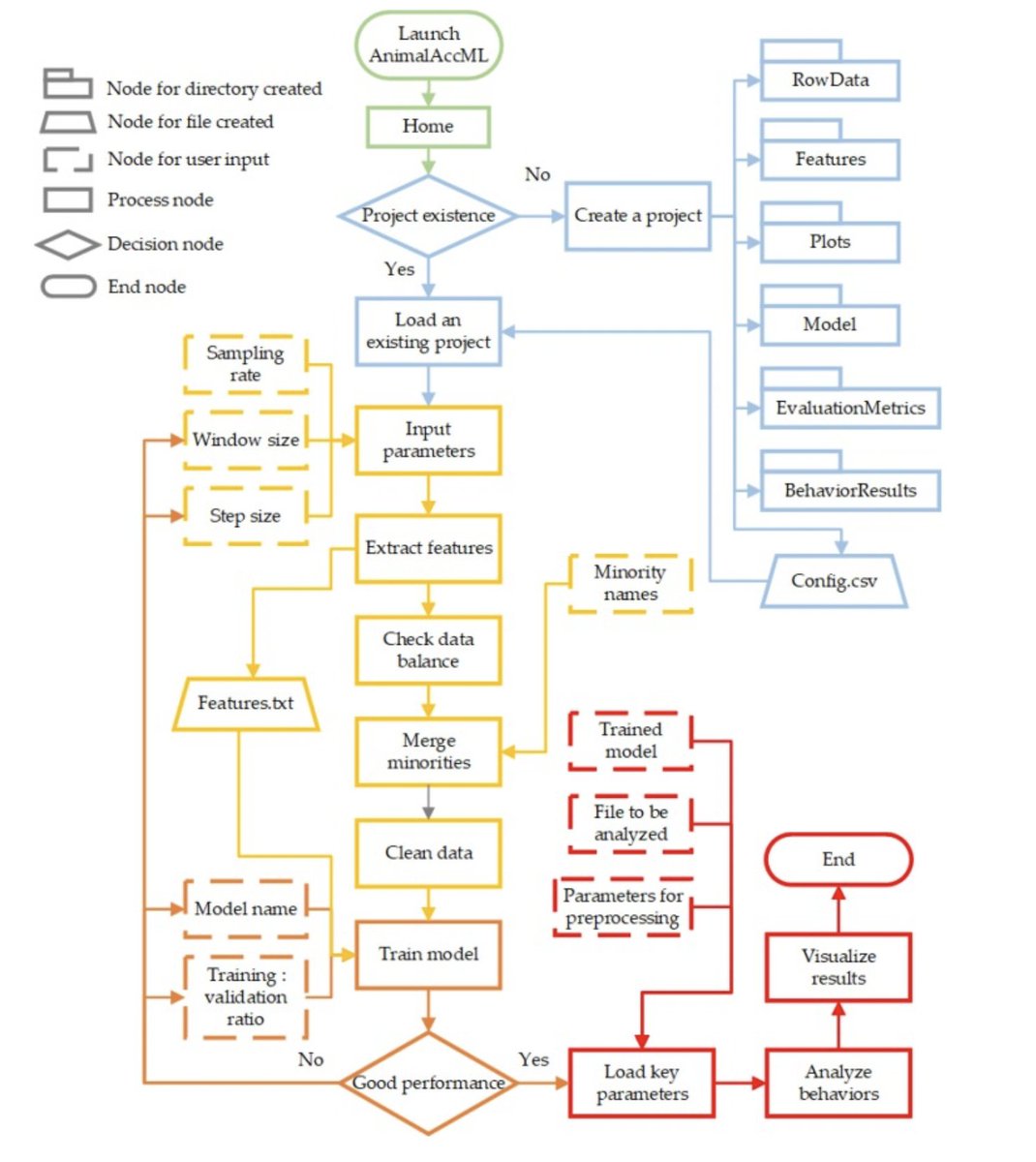
His research uses a unique blend of telemetry, accelerometry, and machine learning to model habitats for species like walleye, largemouth bass, and at-risk silver shiner. He recently received the 2025 Stevenson Lectureship Award for his creative early-career endeavors. Keep up the fantastic work! 🎉
#FishTracking#GreatLakes#EcosystemScience
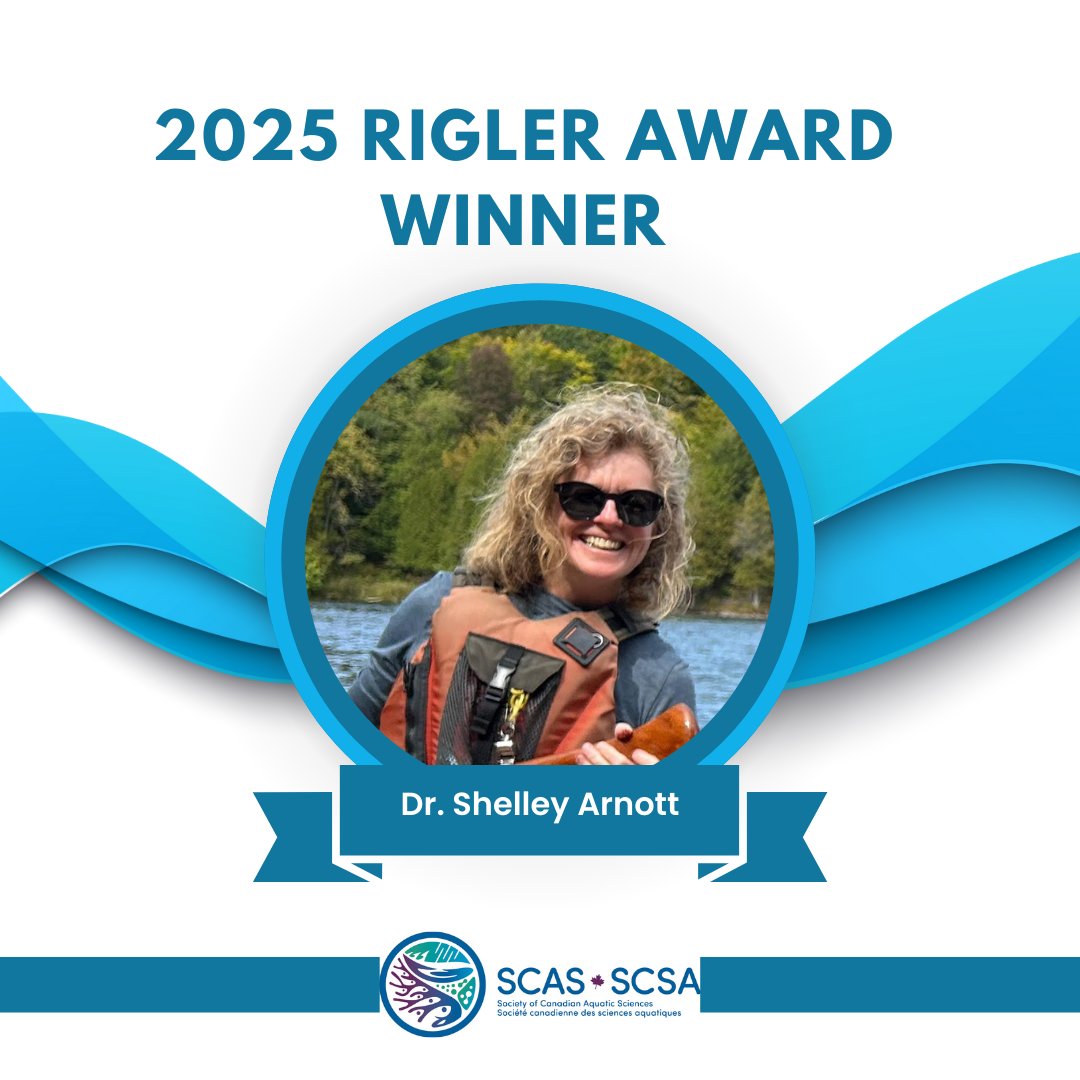
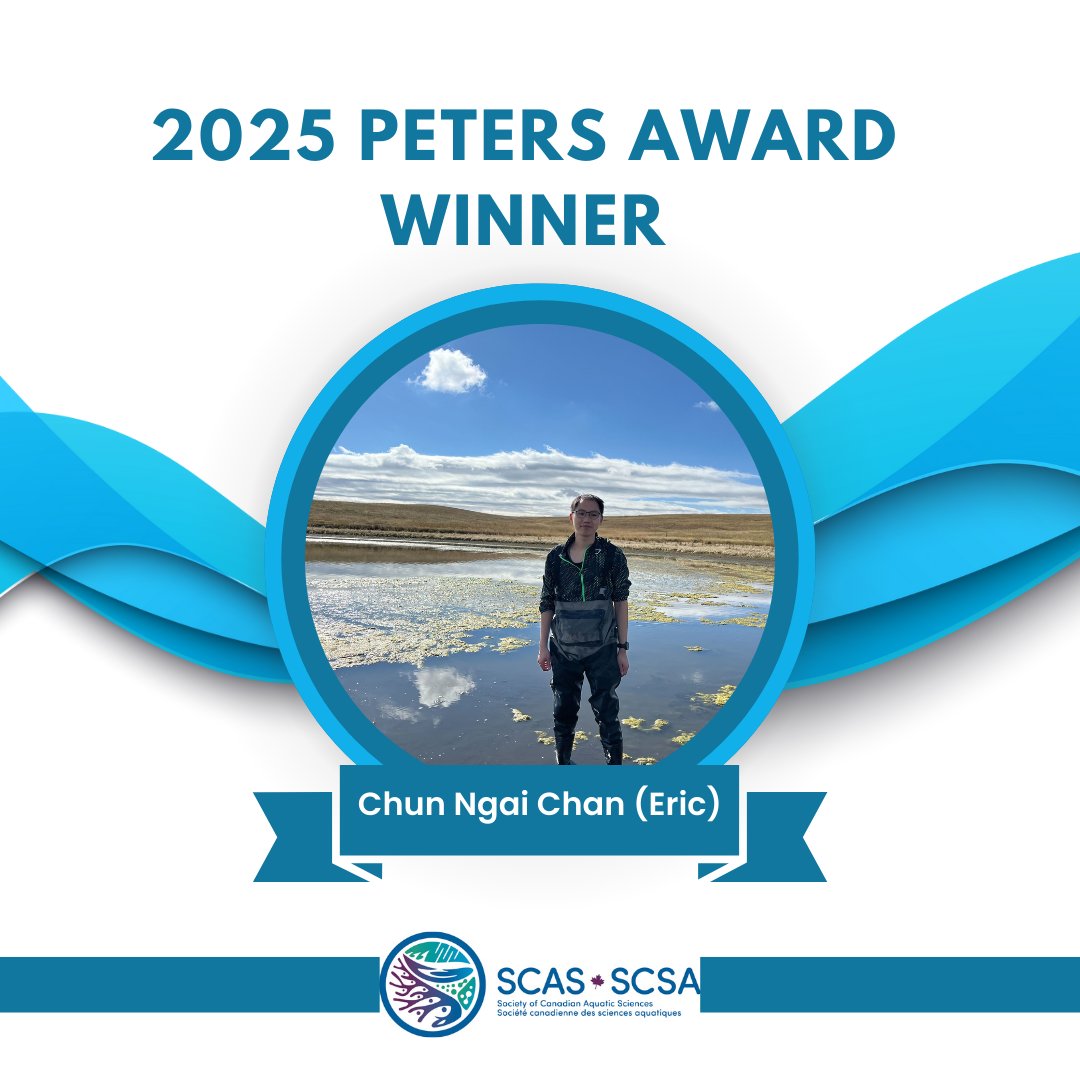
Congratulations to Peters Award Recipient Chun Ngai Chan (Eric), Stevenson Award Recipient Dr. Jacob Brownscombe, and Rigler Award Recipient Dr. Shelley Arnott! Read more about their accomplishments here: scas-scsa.ca/AWARDS
We have alewife in the lab at @FishOceansCAN Burlington. Took them ~ a week to get happy and eating. A big win in itself. Soon we’ll tag them with transmitters to assess survival, helping to guide future tracking of wild fish. Collab w @UWindsor@ONresources@LampreyControl
Super honoured to receive this award! Thanks @graham_raby for the nom, @lucaspgriffin@ErinRitchiee for support letters. And to everyone who has helped me along the way, too numerous to name.
Excited to do a keynote for this @scas_scsa in February. Topic TBD. See you there!
🎉 We are excited to announce that Dr. Jacob Brownscombe, Research Scientist at @FishOceansCAN, is the recipient of the 2025 Stevenson Lectureship Award!
@sci_angler’s research investigates fish habitat use in the Great Lakes region ow.ly/qom850TXkxW 🧵…
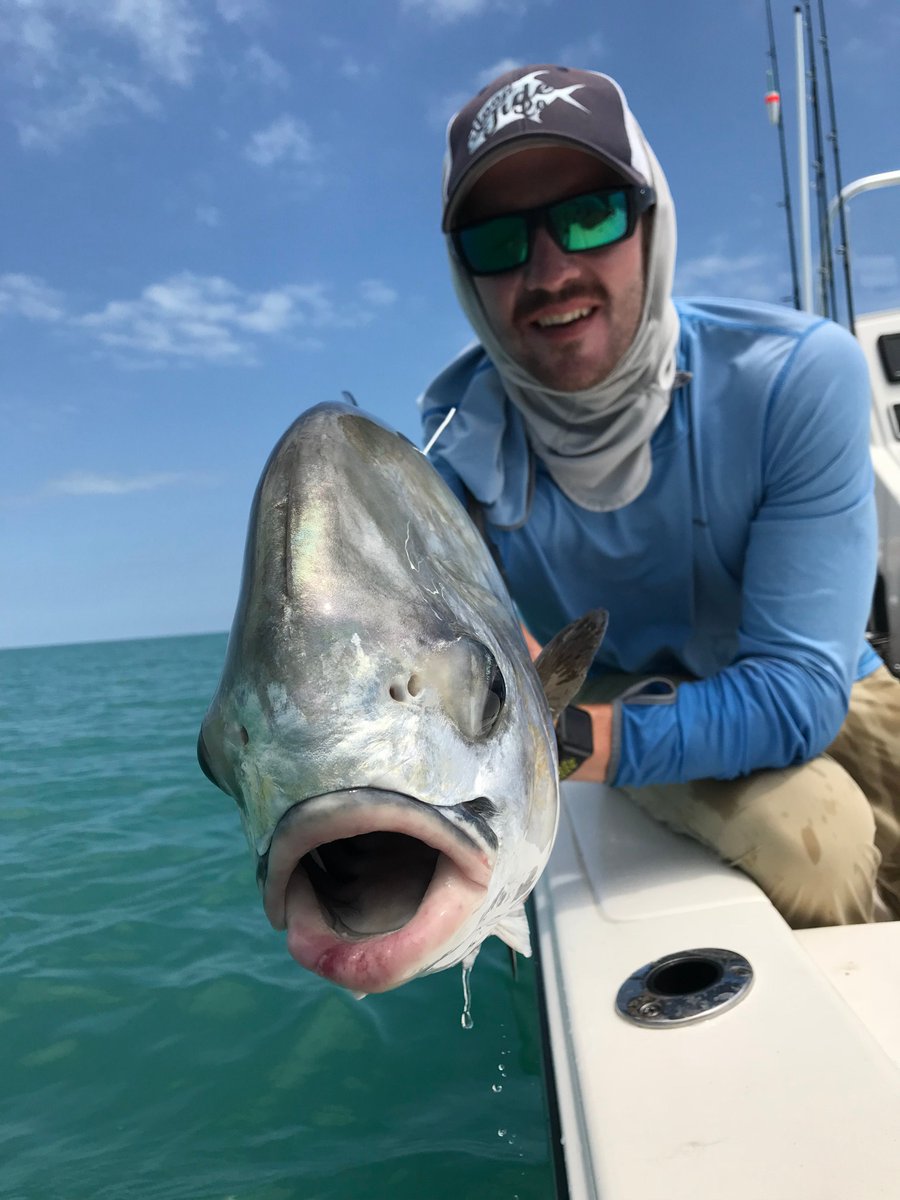
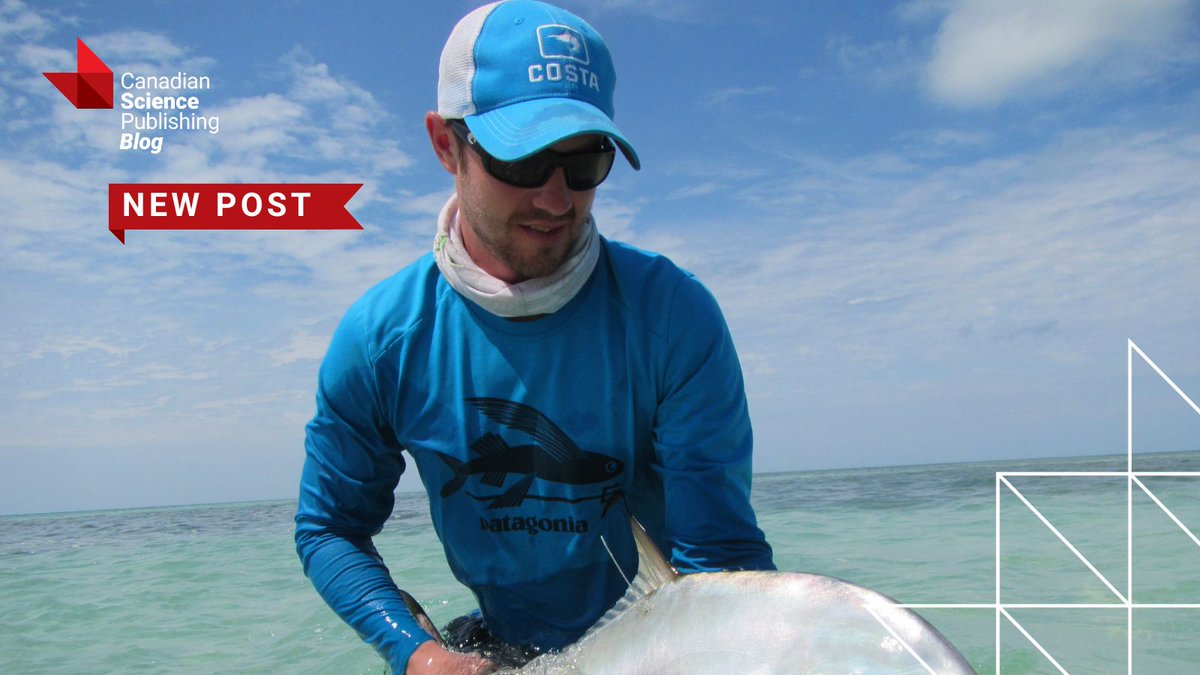
ALT A photo of Dr. Jake Brownscombe holding a permit (Trachinotus falcatus)
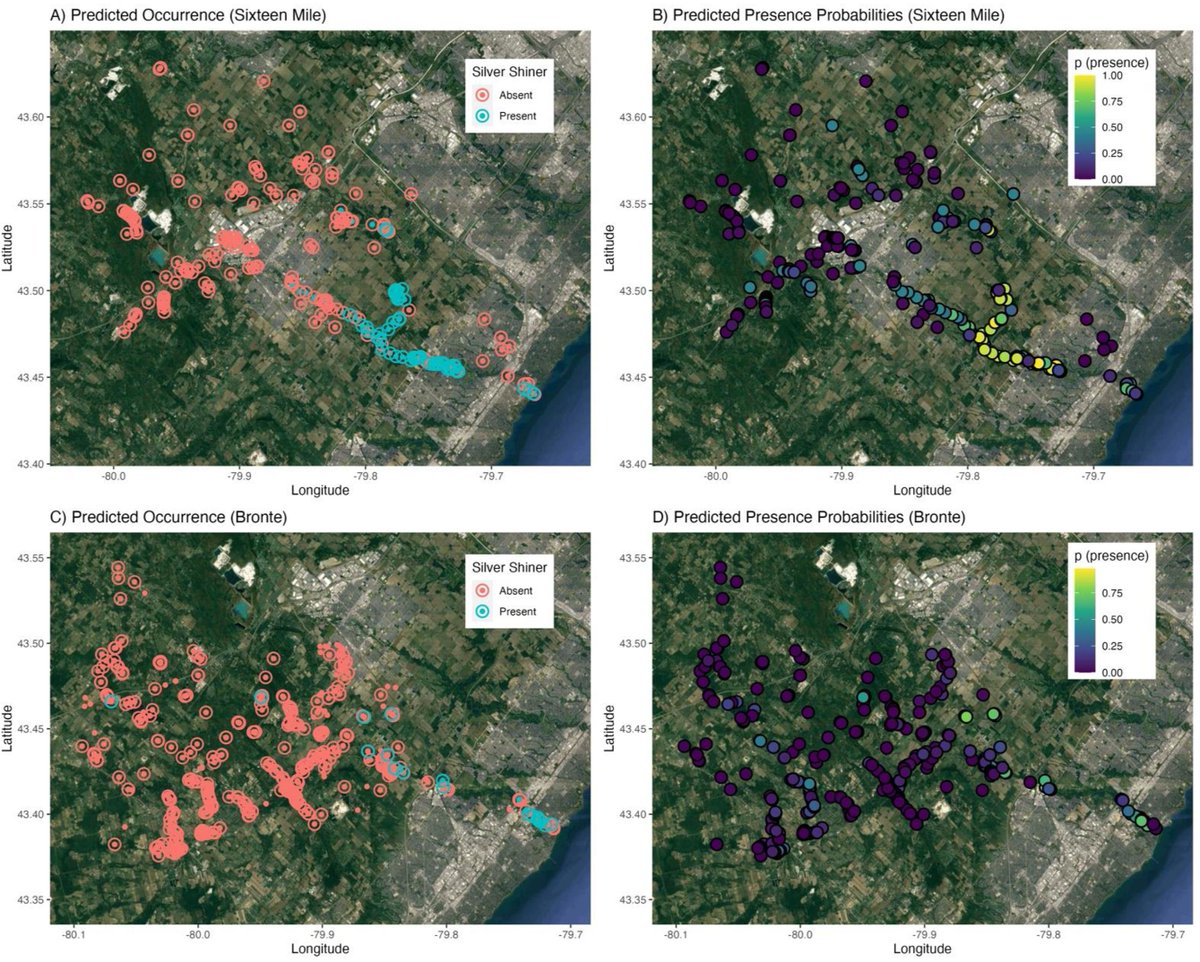
ALT Figure 5 shows four maps of the tributary habitats in a 2x2 grid. Scattered points of various colours show the predicted occurrence vs predicted probability of silver shiners across the habitats.