Engineering Prof. @UArizona, Faculty Athletics Representative @Big12Conference, Founder & Chief Scientist @scienceofsport_ #dostuffthatmatters
Joined November 2013
- Tweets 3,464
- Following 141
- Followers 940
- Likes 6,765
595 Photos and videos






Pinned Tweet

25 Mar 2021
Profile of Ricardo Valerdi @uarizona Distinguished Outreach Professor, 2020 youtu.be/z855hVPMmpI
2
Ricardo Valerdi retweeted

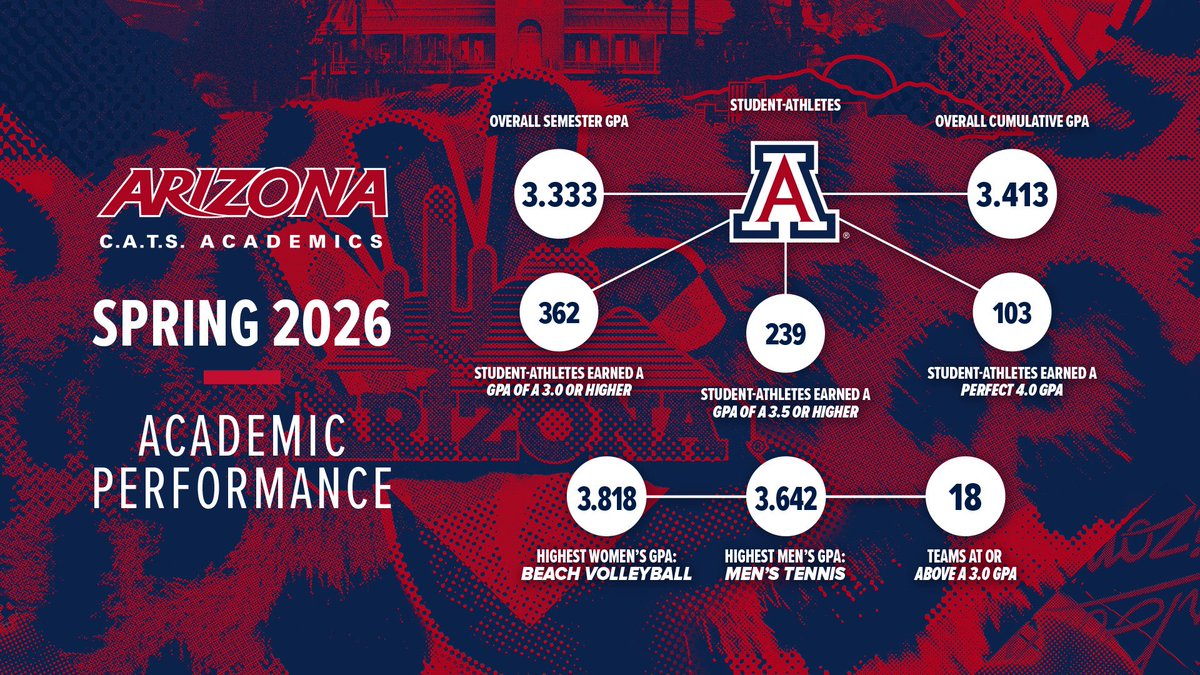
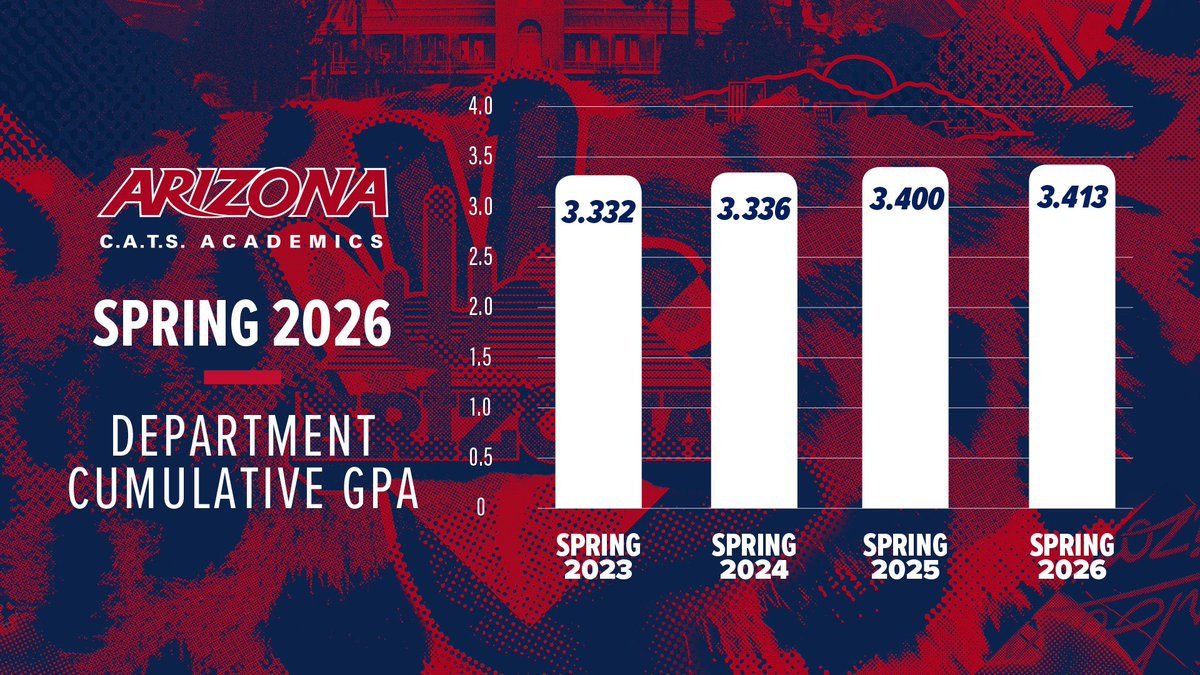
Hats off to our student-athletes! 📚
Balancing sport and academics at the highest level—Spring 2026 was one for the books. #BearDown #CATSAcademics
2
9
947
Ricardo Valerdi retweeted

Jun 11
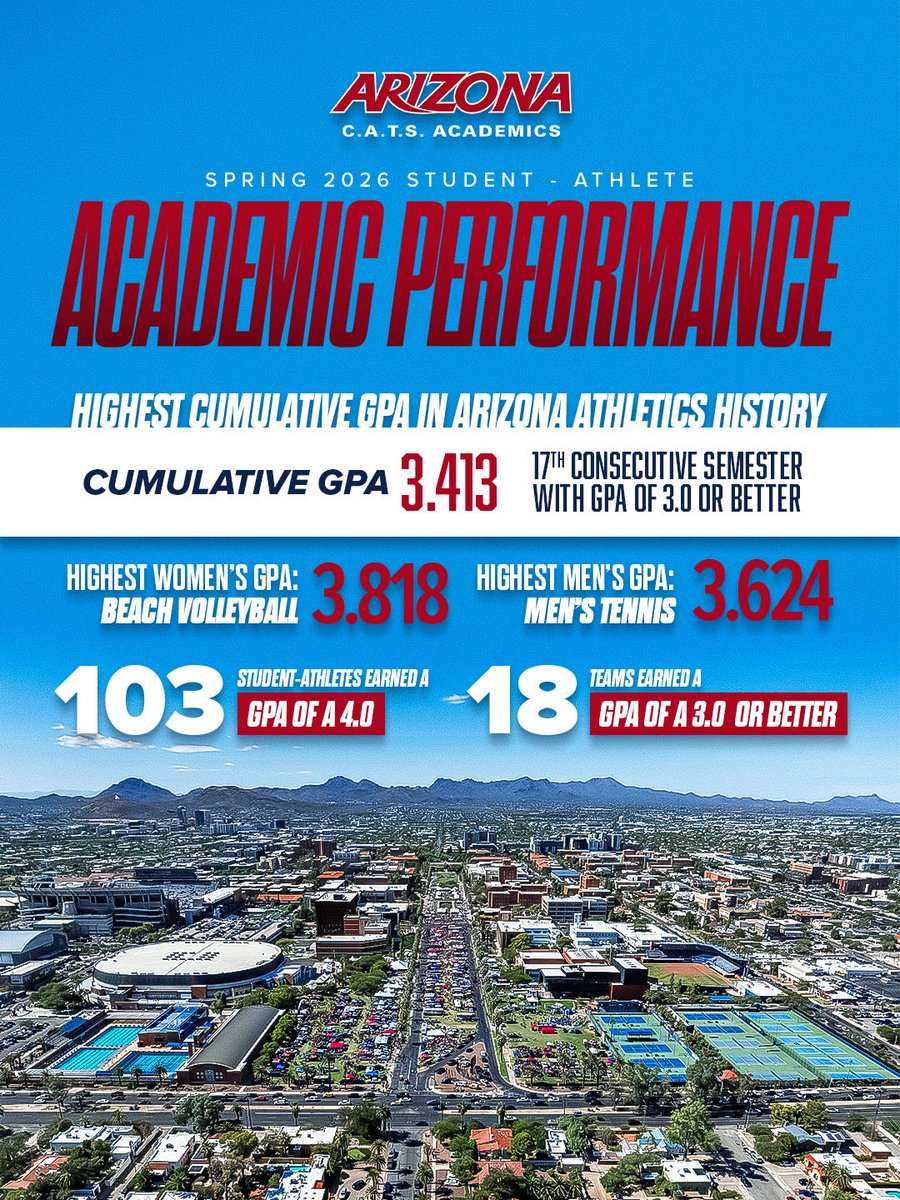
Another historic semester in the books!📚
Our student athletes earned a record-setting cumulative GPA of a 3.413 for the spring semester!
1
21
77
4,618
Ricardo Valerdi retweeted
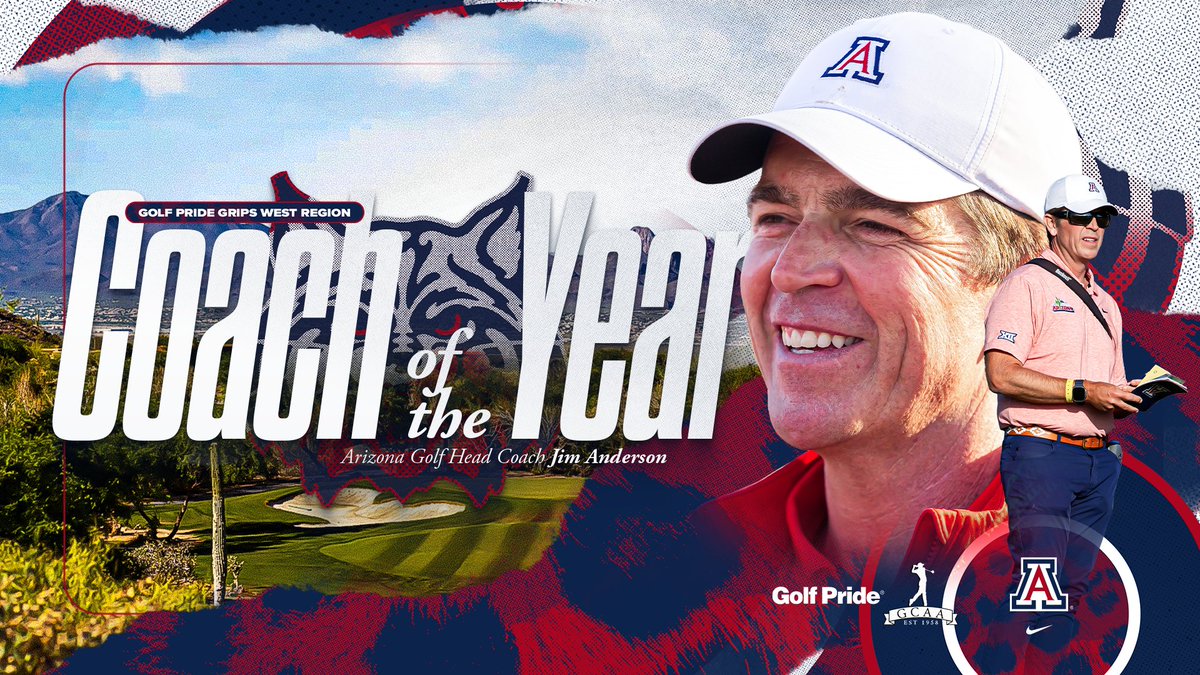
Congrats, @Anderson_Jimbo!
Named West Region Coach of the Year by @GolfCoachesAssn
35
193
11,744
Ricardo Valerdi retweeted

Apr 26
Wow! It’s incredible how much control they have! Messi’s best free-kick ever, with a gorgeous visualization of the Magnus effect!
12
38
488
26,290
Ricardo Valerdi retweeted

Apr 16
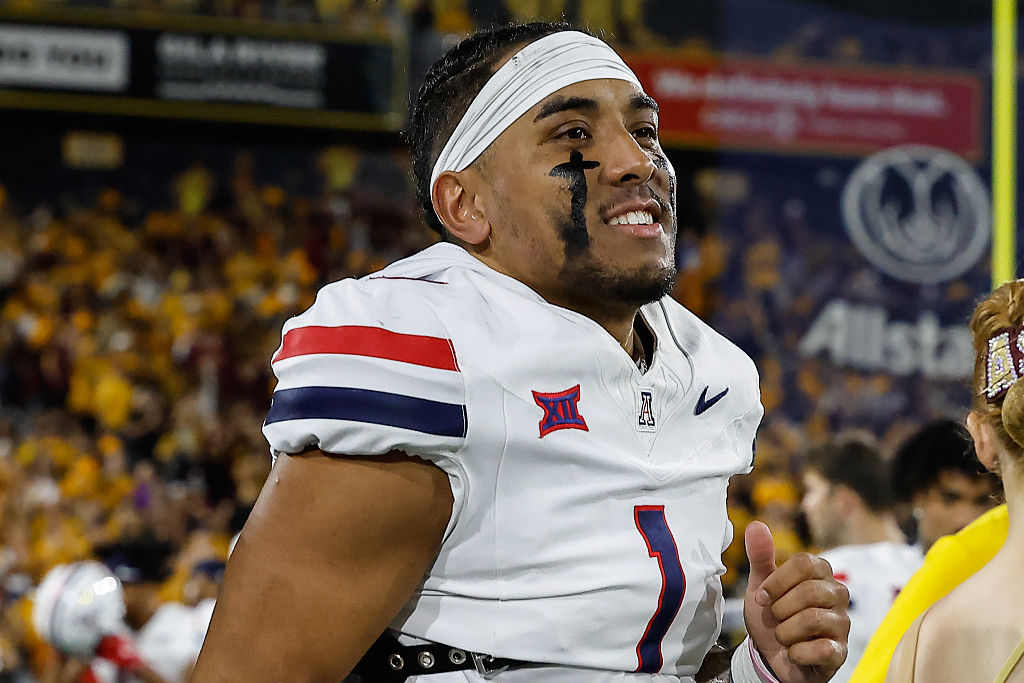
"I didn't come back for a 10-win season. I came back for it all." Arizona's Noah Fifita leads all college quarterbacks in TD passes. His story of sticking around in Tucson is an ode to permeance and building roots in a transient era. espn.com/college-football/st…
66
216
1,515
326,265
Ricardo Valerdi retweeted

Mar 30
At this point in time, there is no better job for Tommy Lloyd than @ArizonaMBB. If you don’t want to call the Wildcats a “blueblood,” that’s fine. But he’s not leaving for North Carolina or the other “blue bloods” that could open next year. Just spend a basketball weekend in Tucson to understand that.
196
197
1,867
391,339
Ricardo Valerdi retweeted

Mar 29
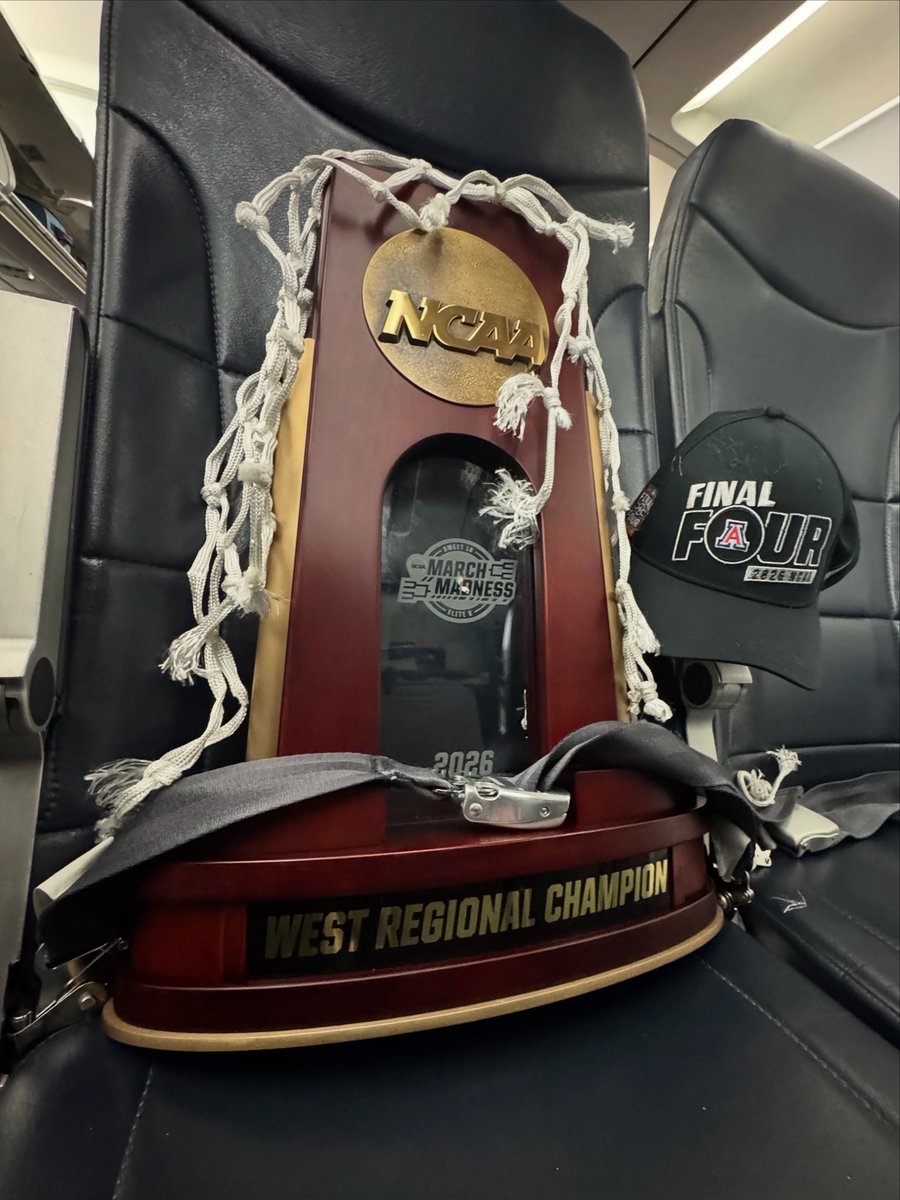
Next stop Tucson 🛫
16
347
4,039
63,177
Ricardo Valerdi retweeted

Mar 29
🐻 DOWN!!!! FINAL 4️⃣ BOUND @ArizonaMBB 🫡
366
1,708
14,877
1,052,688
Ricardo Valerdi retweeted

Mar 23
No Irish support staff were harmed in the running of these 40s 🫣☘️
#GoIrish☘️
44
170
2,083
281,326
Ricardo Valerdi retweeted
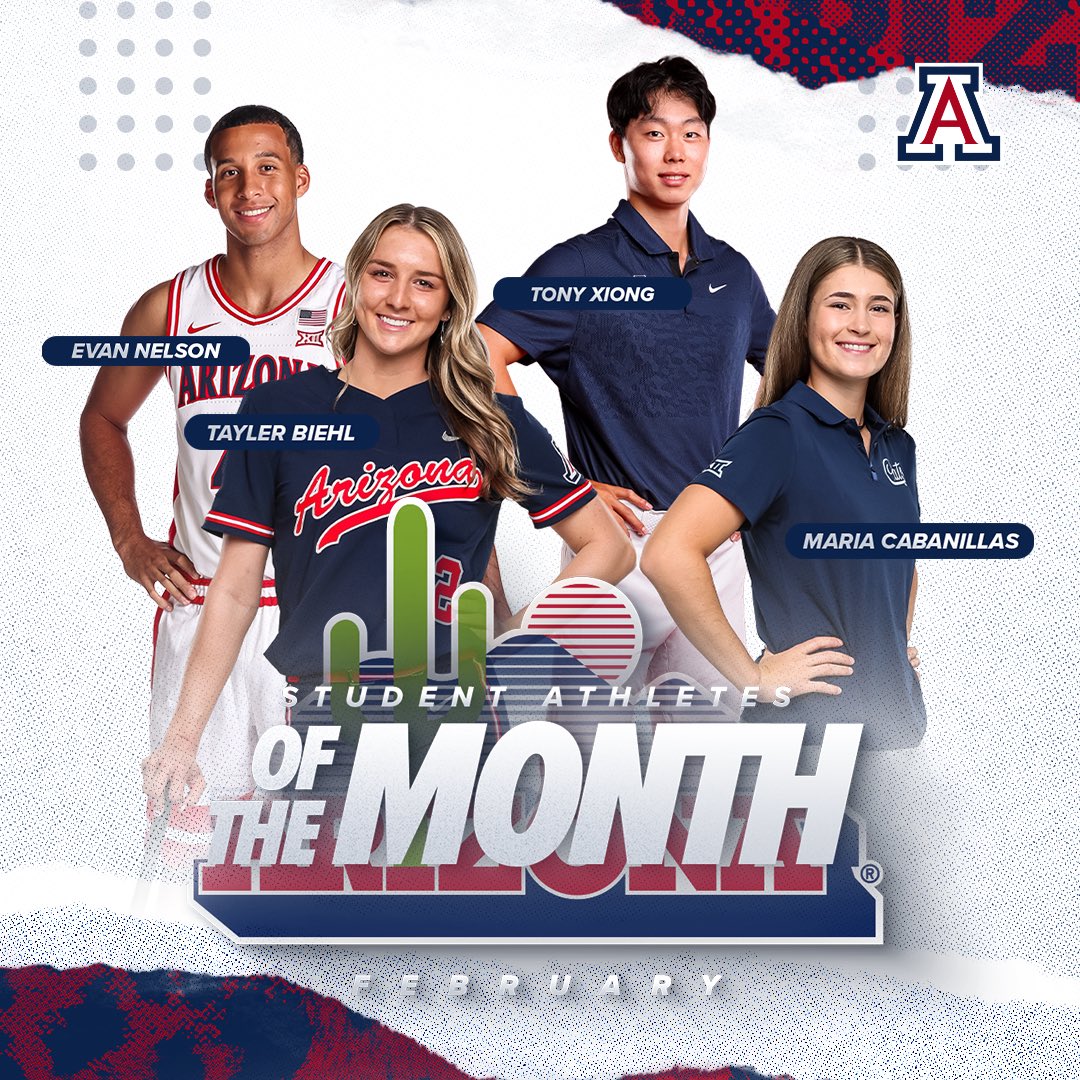
Congratulations to our February Student Athletes of the Month! Your commitment, resilience, and passion don’t go unnoticed — keep raising the bar! 💙🐻⬇️
Tayler Biehl @ArizonaSoftball
Tony Xiong @ArizonaMGolf
Maria Cabanillas @ArizonaWGolf
Evan Nelson @ArizonaMBB
1
3
151
Ricardo Valerdi retweeted

Mar 17
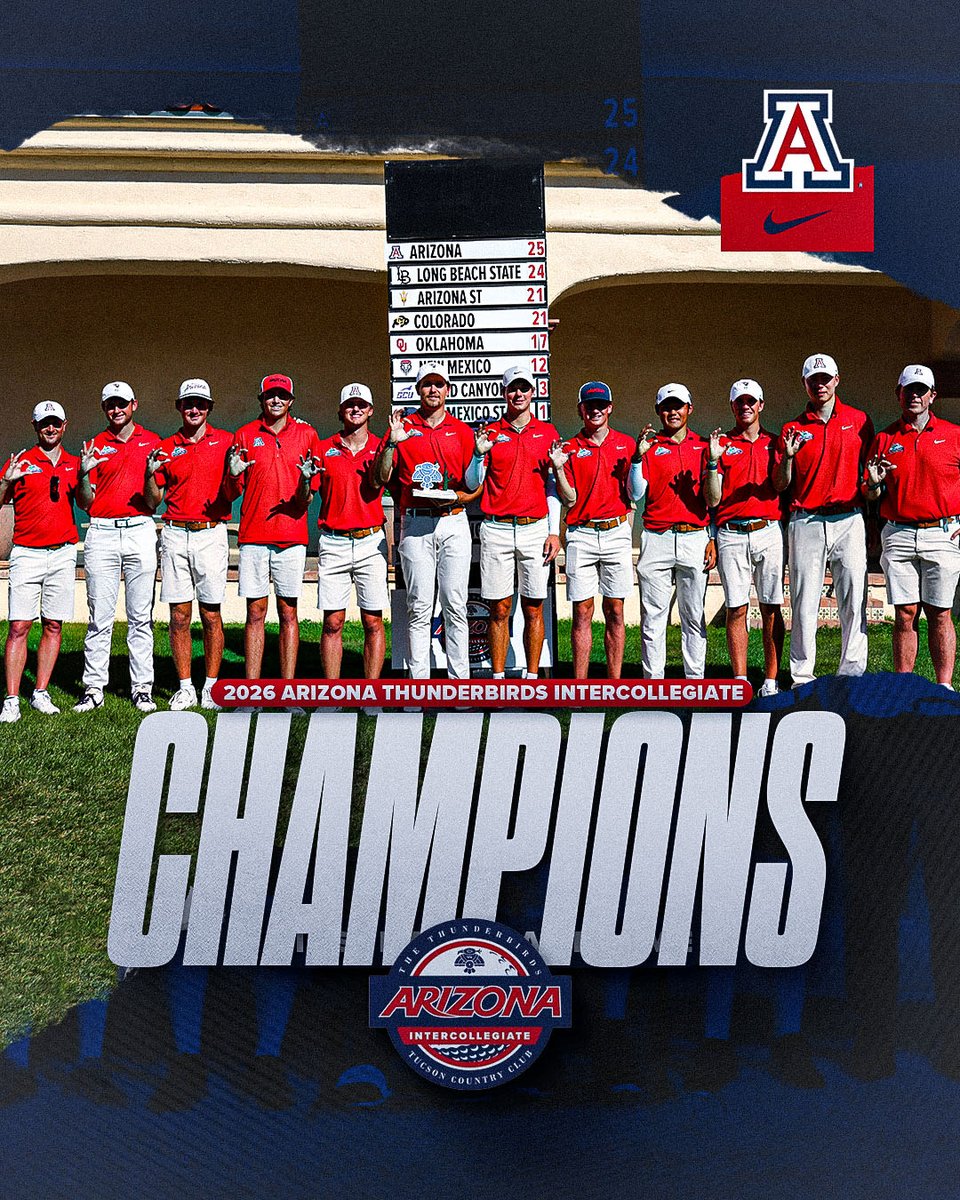
🏆CHAMPIONS🏆
Arizona defends their title at home to win the Arizona Thunderbirds Intercollegiate for the 8th time in the past nine years!
1
19
94
7,187
Ricardo Valerdi retweeted
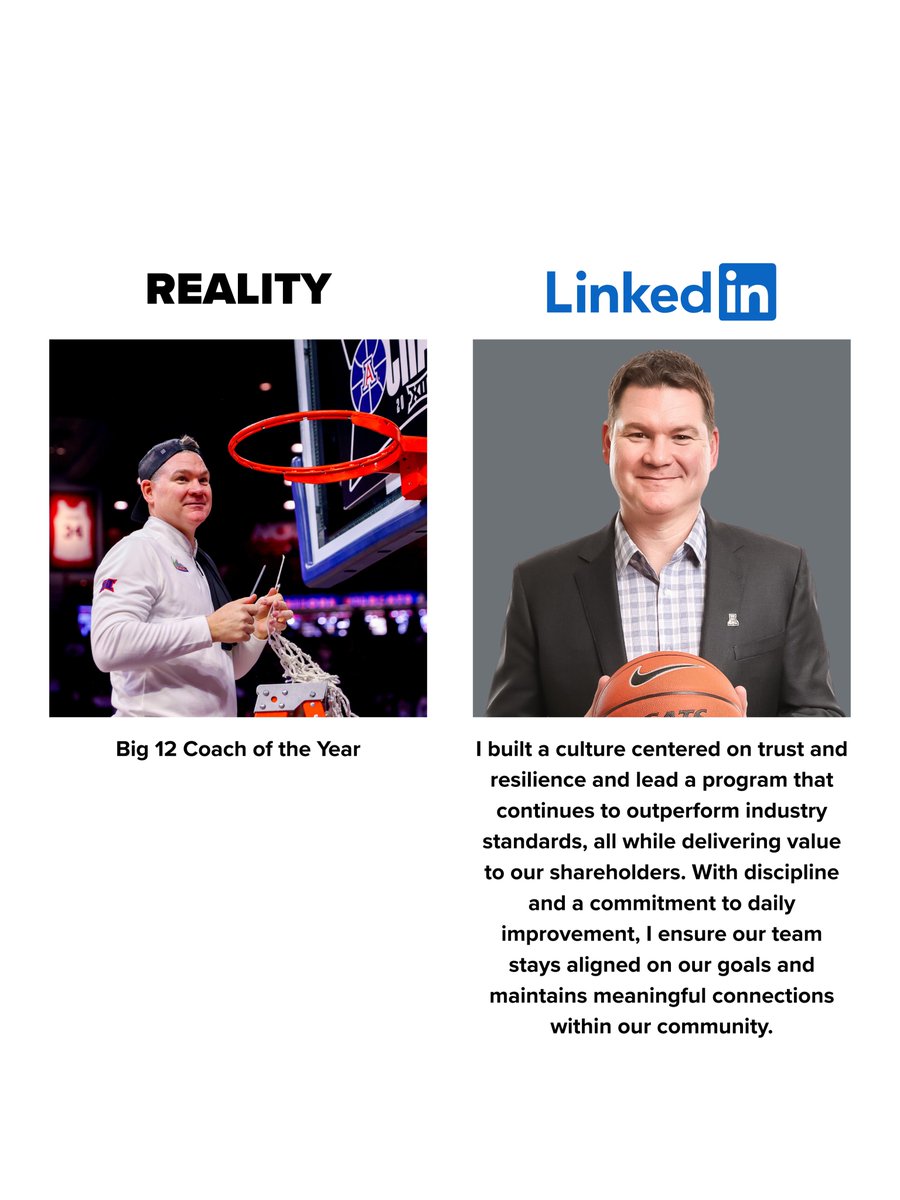
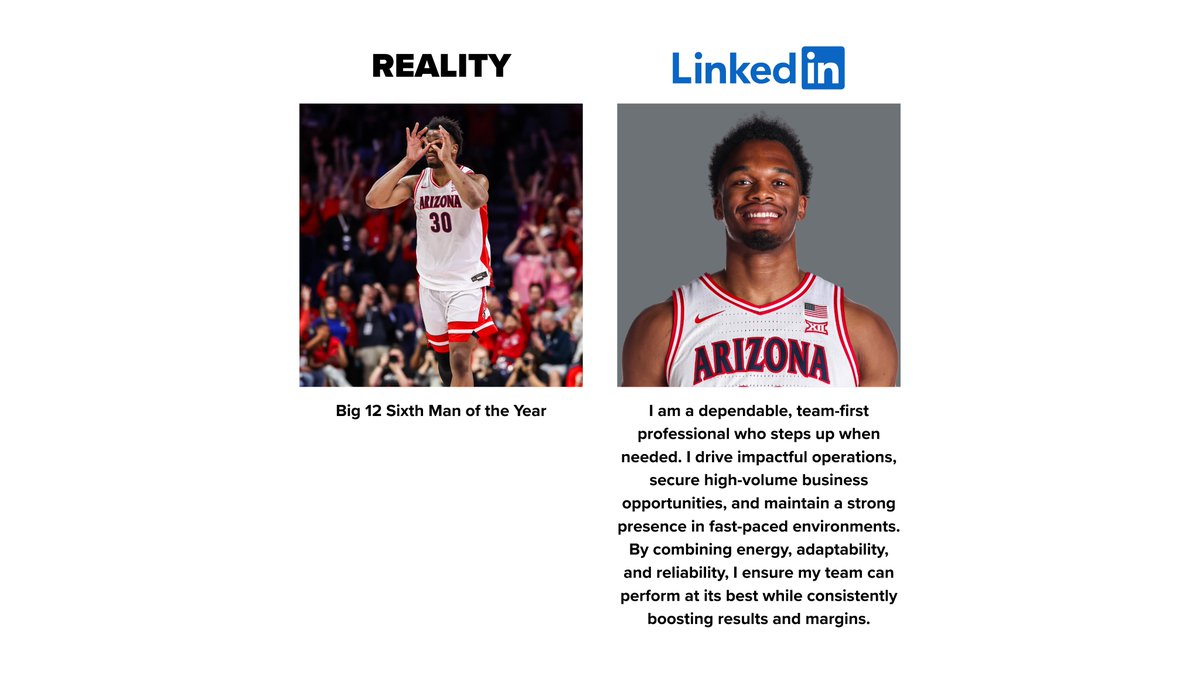
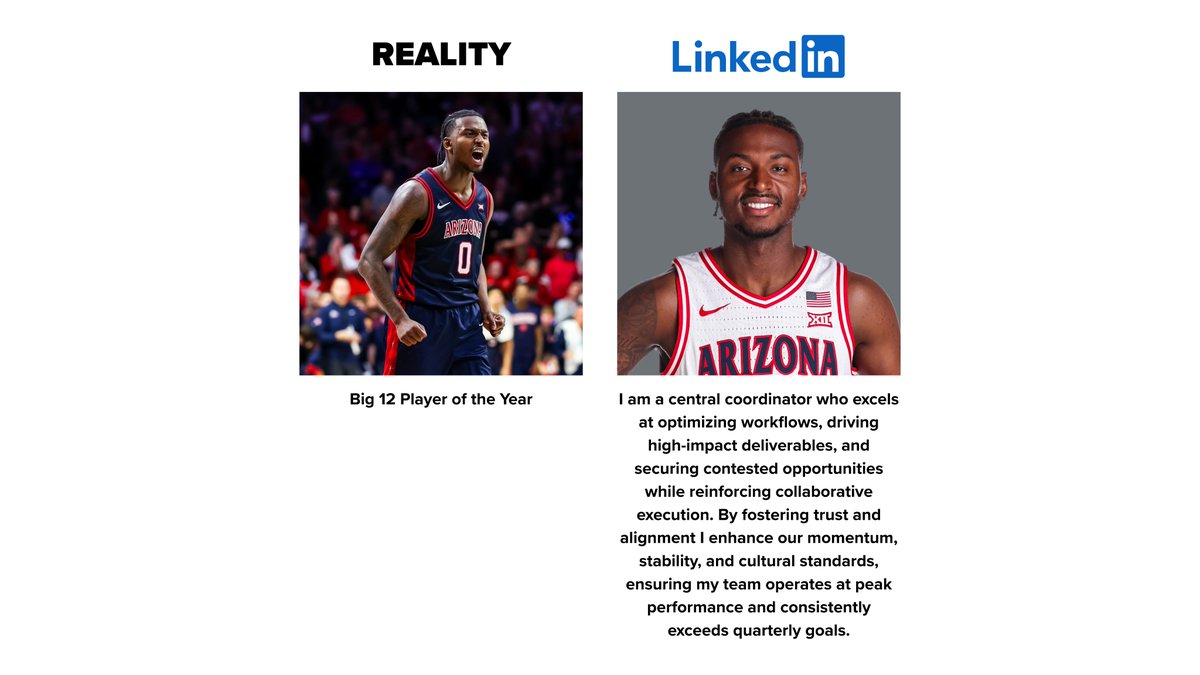
I just won a Big 12 Championship. Here’s what it taught me about B2B sales…
1
18
194
8,928
Ricardo Valerdi retweeted

Dad how good was Yadier Molina?
Dad:
45
339
4,096
356,039
Ricardo Valerdi retweeted

Feb 24
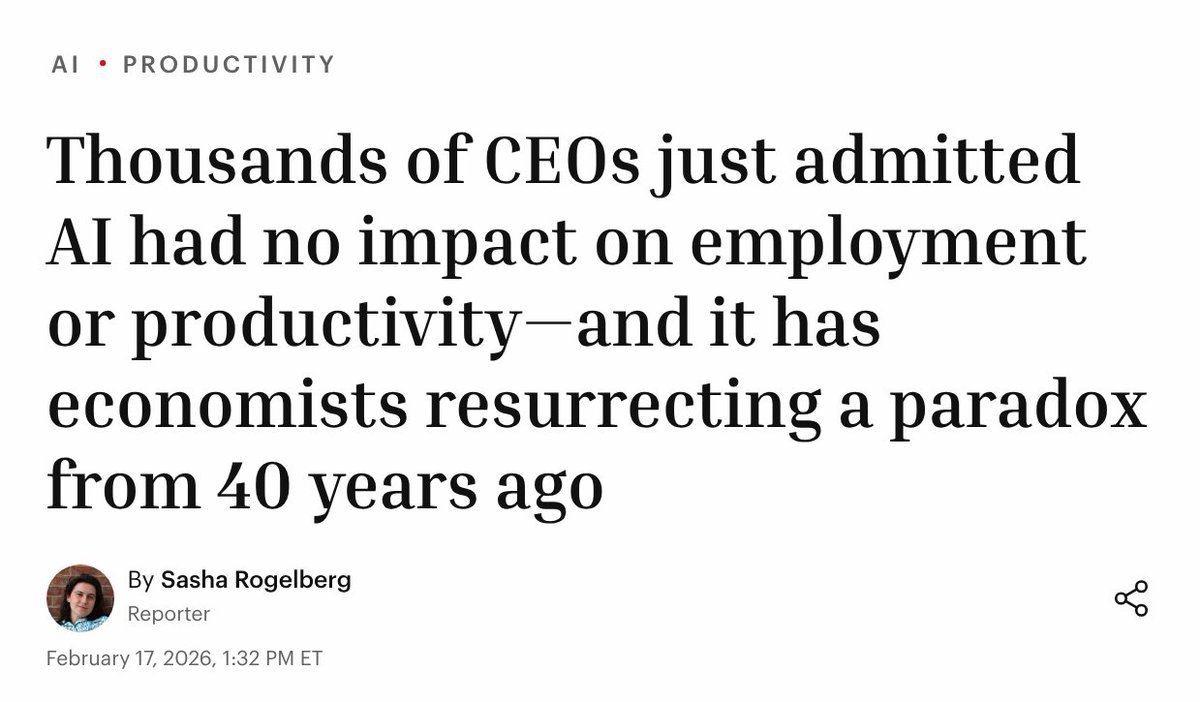
The National Bureau of Economic Research just surveyed 6,000 executives and the results are shocking.
90% of CEOs say AI had zero impact on productivity, yet corporate AI spending hit $250 billion in 2024.
Economists say a 40-year-old paradox explains exactly why this is happening ↓
In 1987, Nobel laureate Robert Solow wrote a famous line:
"You can see the computer age everywhere but in the productivity statistics."
Back then, companies poured billions into mainframes and PCs.
U.S. productivity growth actually slowed, dropping from 2.9% per year to just 1.1% despite massive IT investment.
Sound familiar?
Apollo's chief economist Torsten Slok is now echoing Solow directly, saying AI "is everywhere in the macroeconomic narrative" but "you don't see it in the data."
And just like the computer age before it, the gap between investment and results is widening.
But here's what makes this so puzzling ↓
At the micro level, AI works.
Controlled experiments show individual productivity jumps of 34–40%, especially for less experienced workers. Customer service reps, coders, and writers all show real gains in lab settings.
Yet when you zoom out to the firm level, 80–95% of AI pilots never successfully scale. And the research reveals exactly why:
• Top performers see only marginal gains, sometimes even slight quality declines
• 80% of time saved through AI gets reallocated to other tasks rather than boosting output
• Scaling requires new data infrastructure, process redesign, and worker training that most firms simply haven't committed to
• Most AI use remains shallow: drafting emails, summarizing docs, small time savings that barely register in company-wide metrics
Instead of replacing workers, AI is quietly redistributing what they spend their time on.
So is AI actually useless?
In the 1970s and 1980s, companies invested heavily in computers, but the productivity payoff only became visible in the 1990s once businesses completely redesigned their processes around the technology.
Some analysts believe AI is following the same pattern. Early investment drags productivity down before reorganization eventually pushes it up.
MIT economist Erik Brynjolfsson already points to early signs:
U.S. productivity growth recently hit roughly 2.7%, which may signal firms are finally moving from experimentation to extraction.
The takeaway?
AI hasn't failed.
The organizations using it have simply treated it as a surface-level tool rather than a reason to fundamentally rethink how work gets done.
That's why 90% of firms report zero impact.
Individual workers are getting faster, but the companies around them haven't changed enough for those gains to actually show up in the results.
The paradox won't solve itself.
The leaders who close the gap first will be the ones brave enough to rebuild their entire organization around AI.
—
Thanks for reading!
Enjoyed this post?
Follow @realBigBrainAI for more content like this.
49
198
727
63,658
Ricardo Valerdi retweeted
Feb 20
Happy Manager Appreciation Week to the best group of managers in the country!
1
15
186
6,393
Ricardo Valerdi retweeted

Embracing innovation. Elevating the game. This is A Different League.
The 2026 Phillips 66 Big 12 Men’s and Women’s Basketball Tournaments this March at the T-Mobile Center in Kansas City will mark the first time @asbglassfloor LED court technology will be used for official competition in the United States, representing a significant milestone in the modernization of college athletics.
127
328
2,637
940,425
Ricardo Valerdi retweeted

WE. ARE. SPEECHLESS.
10
151
1,509
142,691
Ricardo Valerdi retweeted
Jan 15
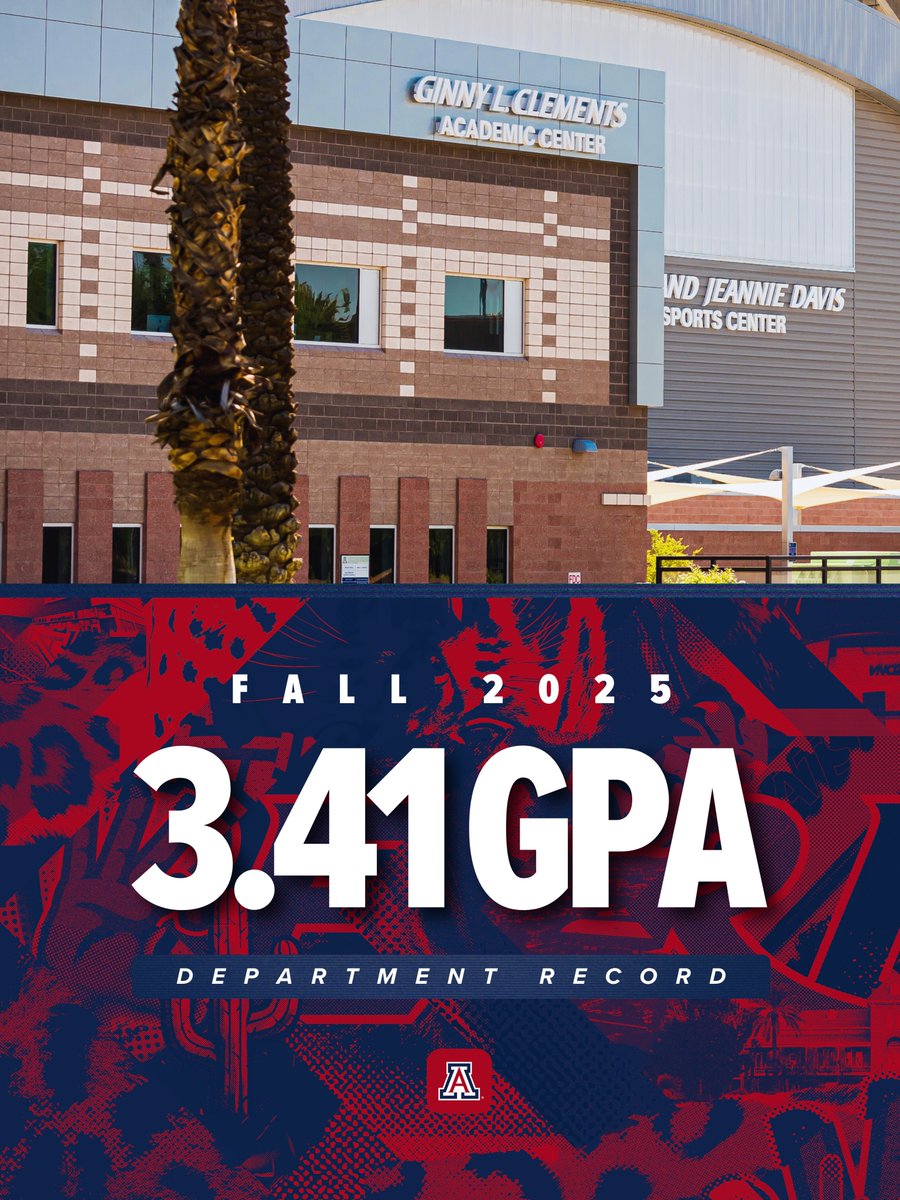
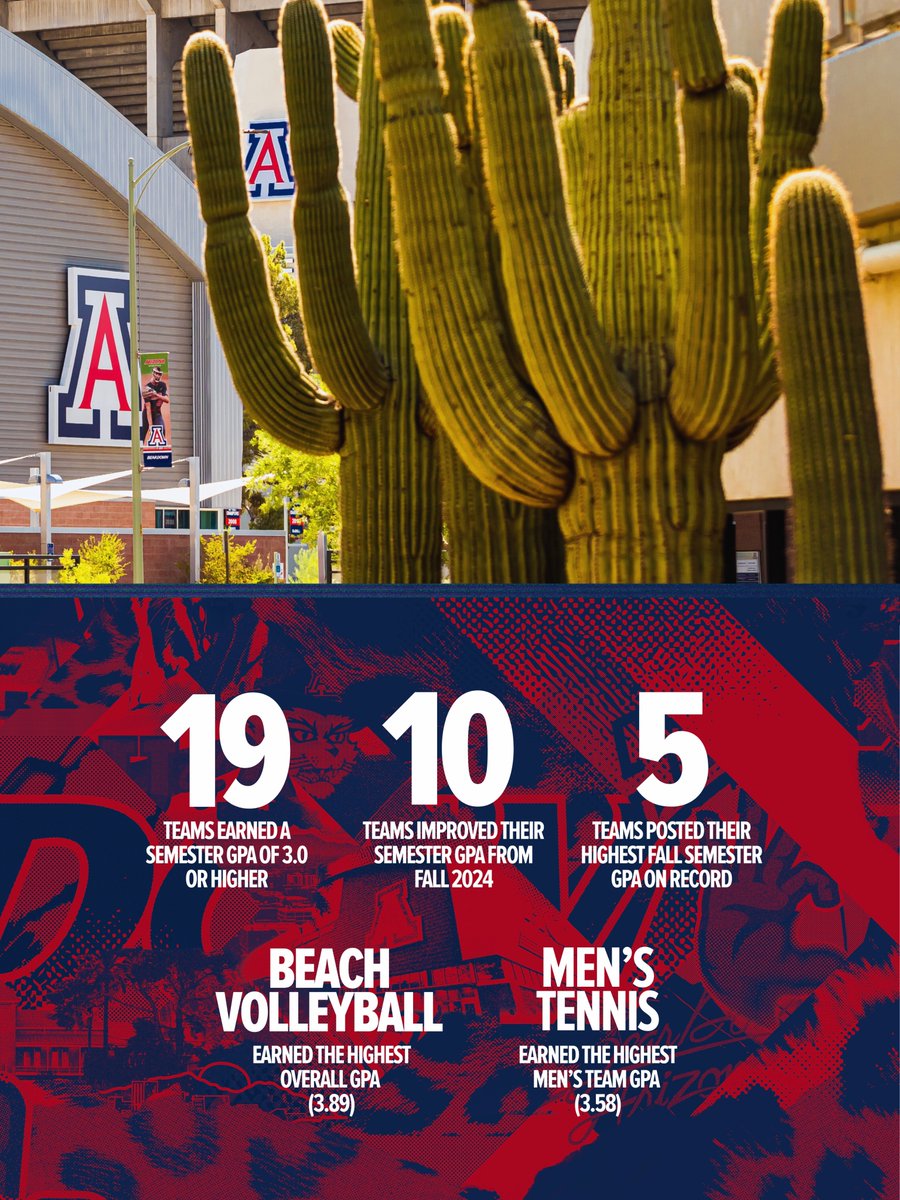
Academic excellence on full display 📚
Another record-setting semester is in the books as our Wildcats post a department-best 3.41 GPA!
📰 arizonawildcats.com/FallSeme…
1
11
106
6,507
Ricardo Valerdi retweeted

Jan 8
“The greatest motivator of all is your a** on the bench” - Bob Knight
65
855
5,194
385,596