
🎺✝️ Student of Scripture. Hermeneutics. Speaker of truth. Lover of Christ and the Ekklesia. Maranatha.
Joined September 2025
- Tweets 1,474
- Following 109
- Followers 79
- Likes 3,416
113 Photos and videos
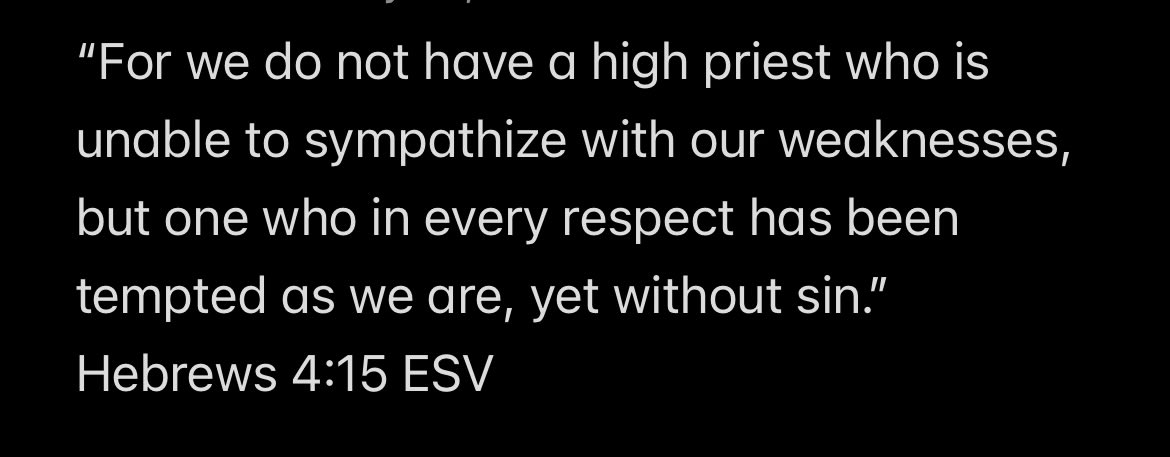
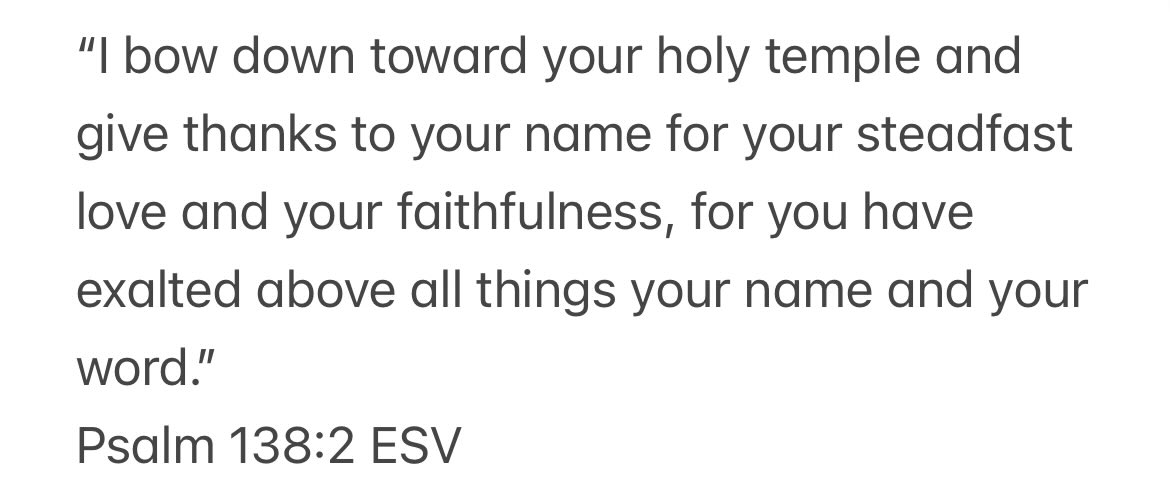
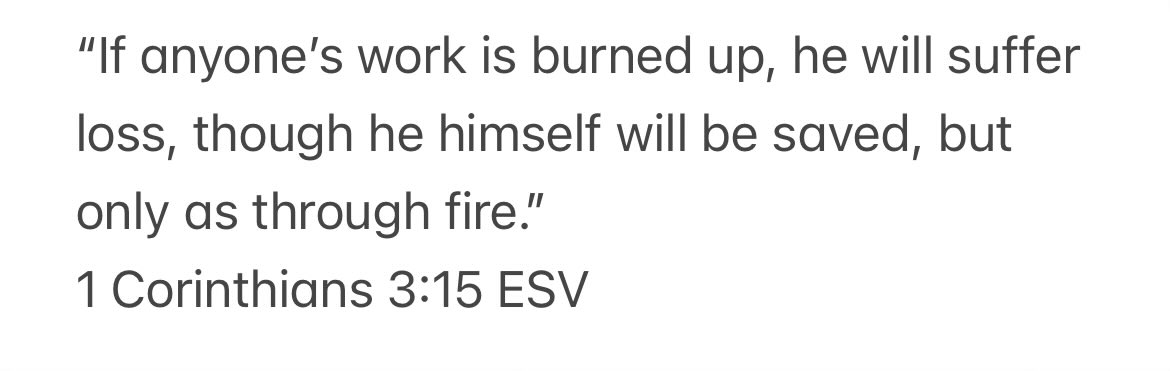
Scripture Speaks retweeted

One thing I know for sure about eschatology: the more we walk with God, the better our future will be.
One thing I know for sure about theology: the best way to love God is to obey Him.
There are many questions I cannot answer with certainty. I cannot tell you the exact sequence of end-time events. I cannot explain every theological mystery. Good people who love God have disagreed about those things for centuries.
But I know this:
If I become more humble, more patient, more honest, more faithful, more compassionate, and more obedient today, my life will be better tomorrow.
That is why I spend far more time thinking about how Scripture should change me than how it should help me win arguments.
Theological discussions have their place. Eschatology has its place. Doctrine matters.
But if my study never transforms my character, I have missed the point.
The question that confronts me every day is not:
"Can I explain every prophecy?"
The question is:
"Am I becoming the kind of person God wants me to be?"
Knowledge can fill the mind while leaving the heart untouched.
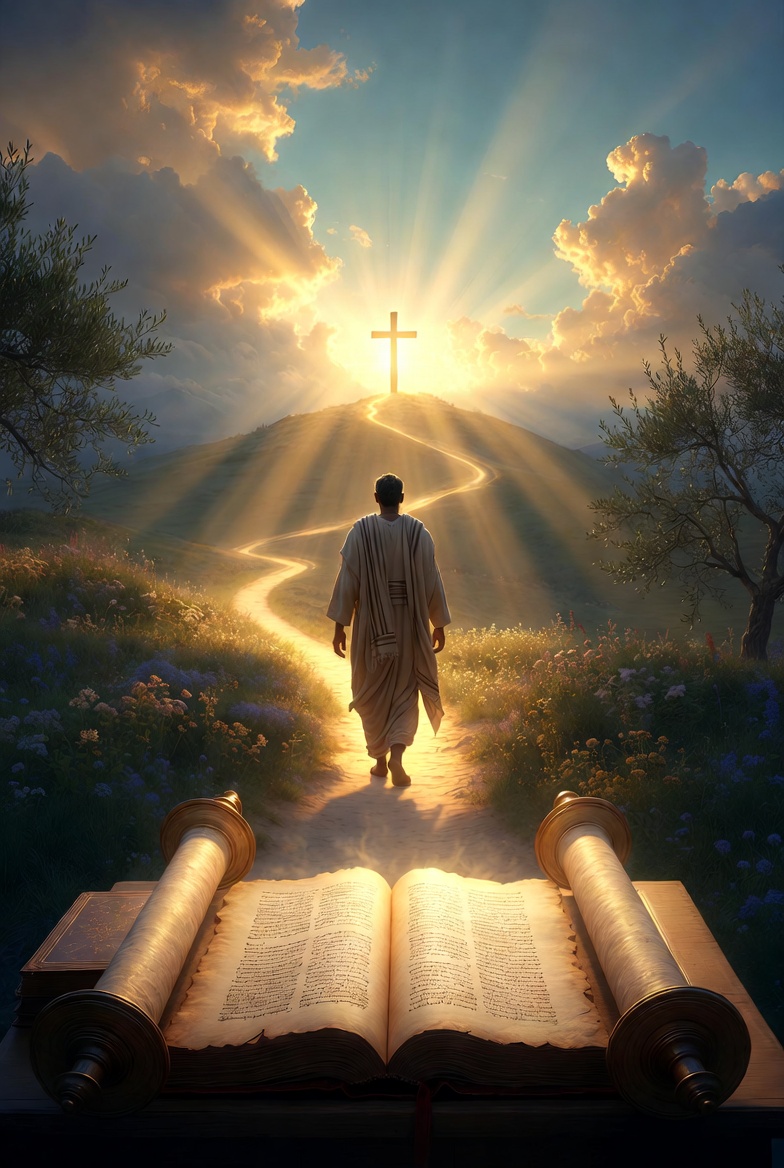
The goal of Scripture is not merely information. It is transformation.
That is why I am obsessed with the inner work of becoming a better servant of God. Because when all the debates are over, the life we have actually lived will matter far more than the arguments we won.
3
7
26
308
Scripture Speaks retweeted

Jun 16
As a Christian, how would you explain this: why did Jesus need to be baptized if He was without sin? Let’s discuss…
283
16
154
26,712
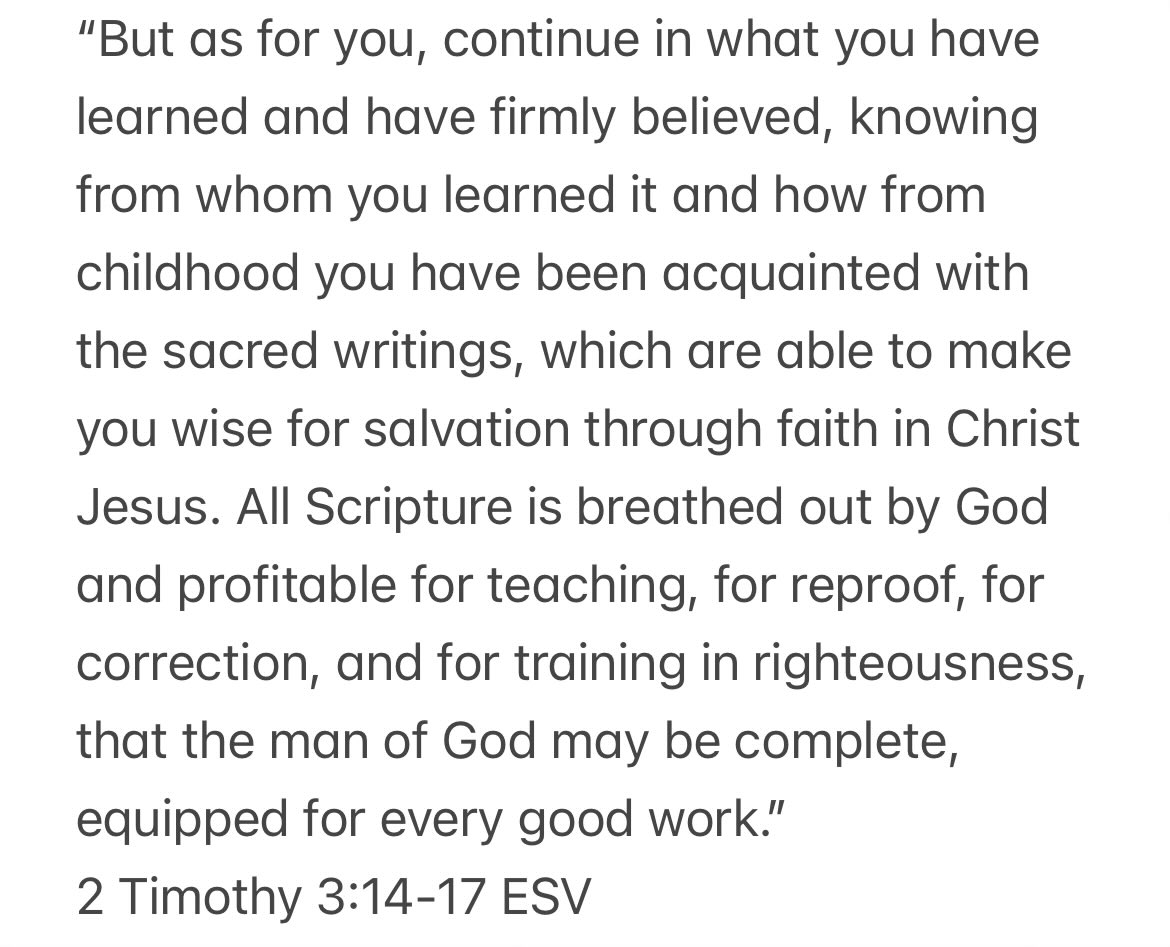
Correct me if I’m wrong but the Scripture that Timothy was reading since childhood would have been the Tanakh and maybe some apocryphal books (depending on your view), correct?
1
1
1
36
Is it controversial to say that Christians should be theologically curious? Meaning, we’re allowed to challenge our own systems and we’re allowed to explore the full theological terrain of Christian thought and we’re allowed to compare what we believe with Scripture….
3
3
116
I get the sense from some that exploration is dangerous and if they even begin to consider ideas that don’t fall within their strict theological borders, they’re falling into the hands of the devil.
39
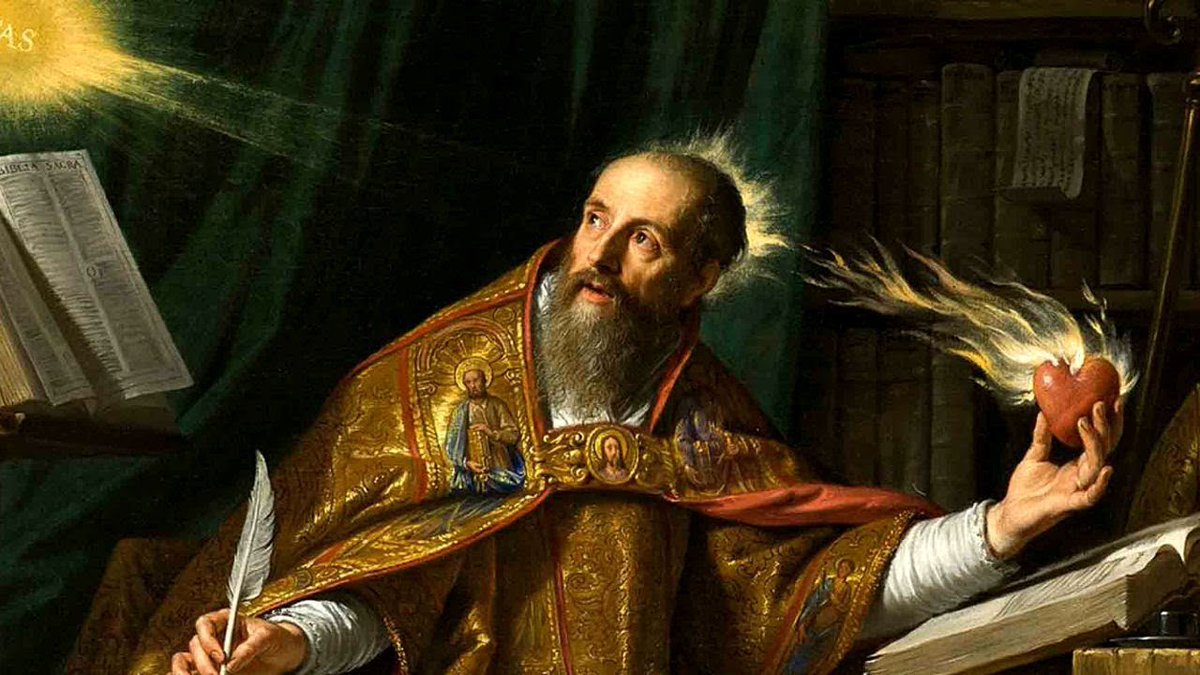
Having read City of God, I came away thinking, “Augustine was wonderful in some ways and not so wonderful (theologically) in other ways.”

Augustine of Hippo is the father of a LOT of bad doctrines. Seeds that grew into thorny vines of teaching and cultural corruption through the history of the Church.
But there is a lot we now understand about Augustine’s errors and for some reason we still cling to what he said….why?
He did not know Hebrew, he did not understand the ancient Near Eastern cultural context of the Old Testament writers, and he heavily filtered Jewish scriptures through Greek philosophy.
Because he was working with translations of translations, he missed the poetic wordplay, cultural idioms, and specific legal concepts native to ancient Judaism. Instead, he treated the Latin words with strict, hyper-literal grammatical logic, which ironically forced him to invent complex allegories to make sense of them.
If he had studied Hebrew and Jewish tradition, his theology would have looked vastly different.
Key point: it would have been more accurate.
Instead it is a mess of misunderstandings and fabricated interpretation. Which became:
Original Sin
Total Depravity
A Static God
Double Predestination
We all know what we‘re looking at.
*cough* TULIP *cough*
Augustine wasn’t evil. His motives were good.
He didn’t know what he didn’t know, and he did the best he could with what he had in front of him for his time and place.
But today we know better. We have linguistics, and archeology and cultural studies, and physics.
So why, for heaven’s sake, do so many teachers in the Church still gobble him up and cling to his presuppositions?
Mistakes, however nobel their birth, should not be replicated when discovered. They should be set aside and re-thought out.
I think it’s clear now. It’s time to pull the weeds of Augustine from the Garden of doctrines and reexamine the crop of teachings and systems infected by his conclusions.
Because, isn’t the Truth of God worth it?
And frankly, I think Augustine of Hippo would agree.
3
233

Jun 13
I may be stepping into battleground territory I will regret but I have to say one thing on the topic of asking the saints in heaven to pray for us.
A common argument often made by its proponents are that the saints are fully alive in heaven.
1/x
1
52
Jun 13
The fact of the matter is that once you place any limitations on communication with the saints you are conceding that the alive factor does not determine whether we can request the saints for help or not. Once you place guardrails you are conceding that there is a chasm….
5/x
1
32
Jun 13
Between the physically living and dead that needs to be respected. In some ways, you’re no different than the Protestant in this regard.
Maybe you feel like I misrepresented your position in this post. I’d be happy to hear from your
6/6
21
When considering the variety of God’s covenants, a recurring pattern is that the coming generations and offspring reap the benefits, not the immediate recipient. This demands patient endurance and absolutely frustrates our narcissistic tendency to make everything about ourselves.
1
2
66
I’ve become a bit obsessed with learning about David’s Tent recently. Any theologians you all would recommend on this subject?
1
84
Scripture Speaks retweeted

May 28
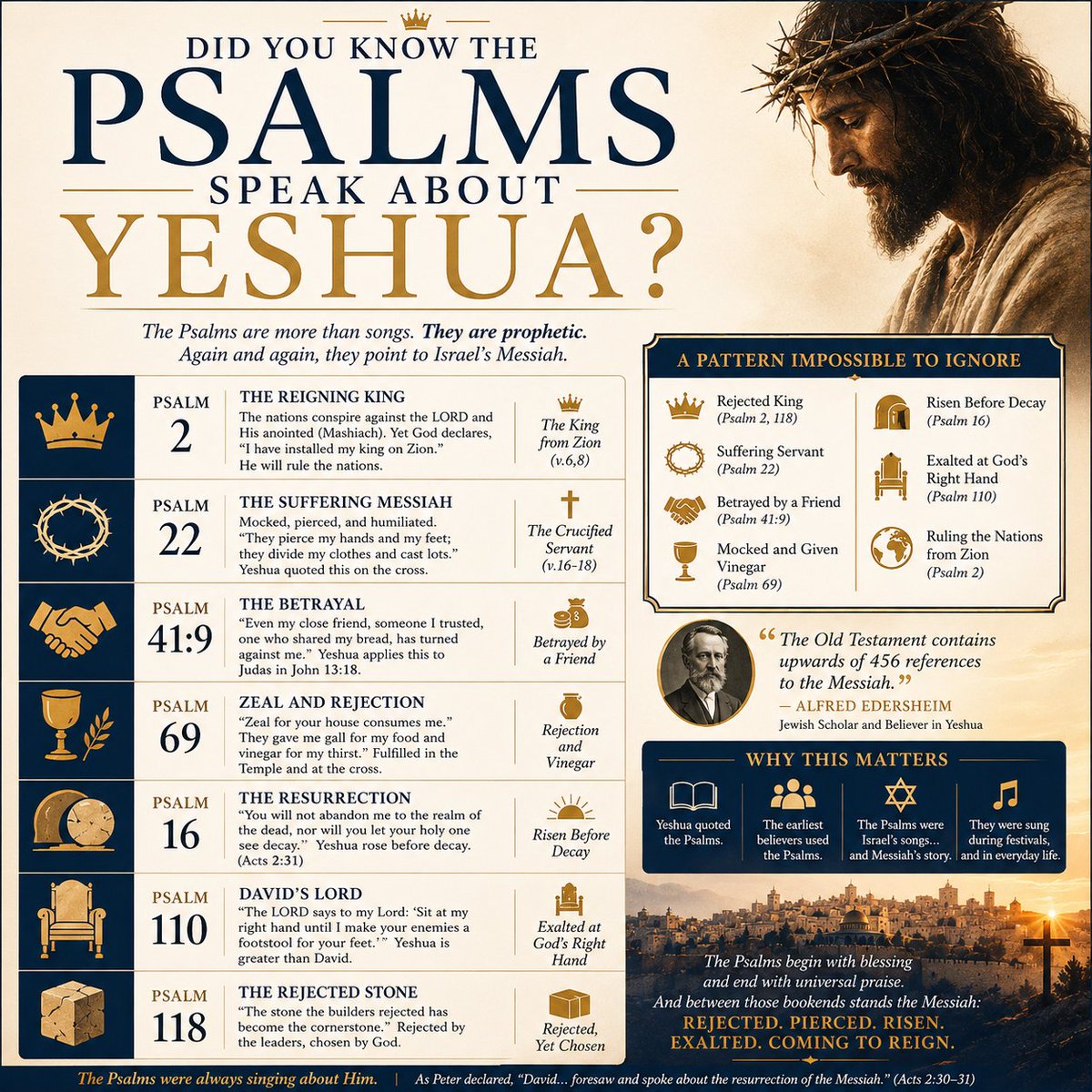
Did You Know the Psalms Speak About Yeshua?
Many people read the Psalms as poetry alone.
But the Psalms are also prophetic.
They do not merely describe David’s suffering, victories, prayers, and songs. Again and again, the Spirit points beyond David to Israel’s coming Messiah.
Yeshua is woven throughout the Psalms. Don't believe me? Keep reading...
❖ Psalm 2 — The Reigning King
“Why do the nations conspire and the peoples plot in vain?”
“The kings of the earth rise up… against the LORD and against his anointed.”
The Hebrew word for “anointed” is Mashiach.
Psalm 2 is a royal Davidic Psalm connected to the covenant promises of 2 Samuel 7. Yet its scope stretches far beyond David himself.
God declares:
“I have installed my king on Zion, my holy mountain.” (Psalm 2:6)
And then:
“I will make the nations your inheritance.” (Psalm 2:8)
David never ruled the nations.
Messiah will.
The world still rages against God’s King, but Scripture says the throne in Zion belongs to Him.
❖ Psalm 22 — The Suffering Messiah
“My God, my God, why have you forsaken me?”
Centuries before crucifixion was practiced in Israel, Psalm 22 described details astonishingly consistent with Yeshua’s suffering:
“All who see me mock me.”
“They pierce my hands and my feet.”
“They divide my clothes among them and cast lots for my garment.”
Mockery.
Public humiliation.
Pierced hands and feet.
Casting lots for garments.
Yeshua quoted Psalm 22 from the cross because He was fulfilling it.
David suffered deeply, but David was never pierced like this, nor did the nations later worship because of his suffering as Psalm 22 concludes:
“All the ends of the earth will remember and turn to the LORD.” (Psalm 22:27)
The Psalm ultimately points beyond David to Messiah.
❖ Psalm 41 — The Betrayal
“Even my close friend, someone I trusted, one who shared my bread, has turned against me.” (Psalm 41:9)
Yeshua directly applies this Psalm to Judas in John 13:18.
Again, the pattern exceeds David’s own experience and moves toward the greater Son of David.
❖ Psalm 69 — Zeal and Rejection
“Zeal for your house consumes me.”
This Psalm echoes powerfully when Yeshua cleanses the Temple.
His passion for the House of God was not random emotion.
It was Messianic fulfillment.
Psalm 69 also says:
“They put gall in my food and gave me vinegar for my thirst.” (Psalm 69:21)
Even details surrounding Messiah’s suffering appear in the Psalms.
❖ Psalm 16 — The Resurrection
“You will not abandon me to the realm of the dead, nor will you let your holy one see decay.”
Peter directly applies this Psalm to Yeshua in Acts 2.
David died.
David’s tomb was known.
David’s body saw decay.
But Messiah would rise.
The resurrection was not invented centuries later.
Its roots are already embedded in the Hebrew Scriptures.
❖ Psalm 110 — David’s Lord
“The LORD says to my lord: ‘Sit at my right hand until I make your enemies a footstool for your feet.’”
This is one of the most quoted Psalms in the New Testament.
Notice the distinction:
YHWH speaks to David’s “Lord.”
Yeshua challenged the religious leaders with this very Psalm:
“If then David calls him ‘Lord,’ how can he be his son?” (Matthew 22:45)
Messiah is not merely David’s descendant.
He is greater than David.
David was never seated at God’s right hand.
David was never worshiped by the nations.
David never ruled forever from Zion.
The Psalm pushes us toward a greater King.
❖ Psalm 118 — The Rejected Stone
“The stone the builders rejected has become the cornerstone.”
Rejected by the leaders.
Chosen by God.
Yeshua directly applied this Psalm to Himself.
The irony is staggering:
The builders rejected the very cornerstone God appointed.
❖ A Prophetic Pattern Impossible to Ignore
The Psalms describe a Messiah who would:
• Be rejected — Psalm 118
• Be betrayed by a close friend — Psalm 41
• Be mocked — Psalm 22
• Have pierced hands and feet — Psalm 22
• Be given vinegar — Psalm 69
• Rise before decay — Psalm 16
• Sit at God’s right hand — Psalm 110
• Rule the nations from Zion — Psalm 2
Individually, these are striking.
Together, they form a prophetic portrait.
❖ Alfred Edersheim Observed
Alfred Edersheim, a Jewish believer in Yeshua and renowned scholar of Jewish history and Second Temple Judaism, wrote extensively about how the Messianic hope of the Hebrew Scriptures converges in Yeshua.
He famously noted that the Old Testament contains “upwards of 456 references to the Messiah,” many flowing through the Psalms themselves.
Edersheim did not see belief in Yeshua as abandoning Jewish Scripture.
He saw it as its fulfillment.
❖ Why This Matters
The Psalms were precious to Yeshua Himself.
He quoted them on the cross.
He used them in debates.
The Hallel Psalms were sung during Passover.
The earliest Jewish believers constantly appealed to them when proclaiming Messiah.
David was not merely writing songs.
He was also speaking prophetically.
As Peter declared:
“David… foresaw and spoke about the resurrection of the Messiah.” (Acts 2:30–31)
The Psalms begin with blessing and end with universal praise.
And between those bookends stands the Messiah:
Rejected.
Pierced.
Risen.
Exalted.
Coming to reign from Zion.
The Psalms were always singing about Him.
26
88
216
3,790
Scripture Speaks retweeted

May 27
Most "protestants" are like "iM sOLa sCRiPToora," until it actually comes to following the Bible.
Then, all of the sudden, 1 Corinthians 12-14 can't be found anywhere in their Bibles.
1
2
1
162
May 26
What’s the best Scriptural argument for cessationism? I’ll be honest, I see no biblical basis for it. I view it as presuppositional.
3
3
318
Scripture Speaks retweeted

May 24
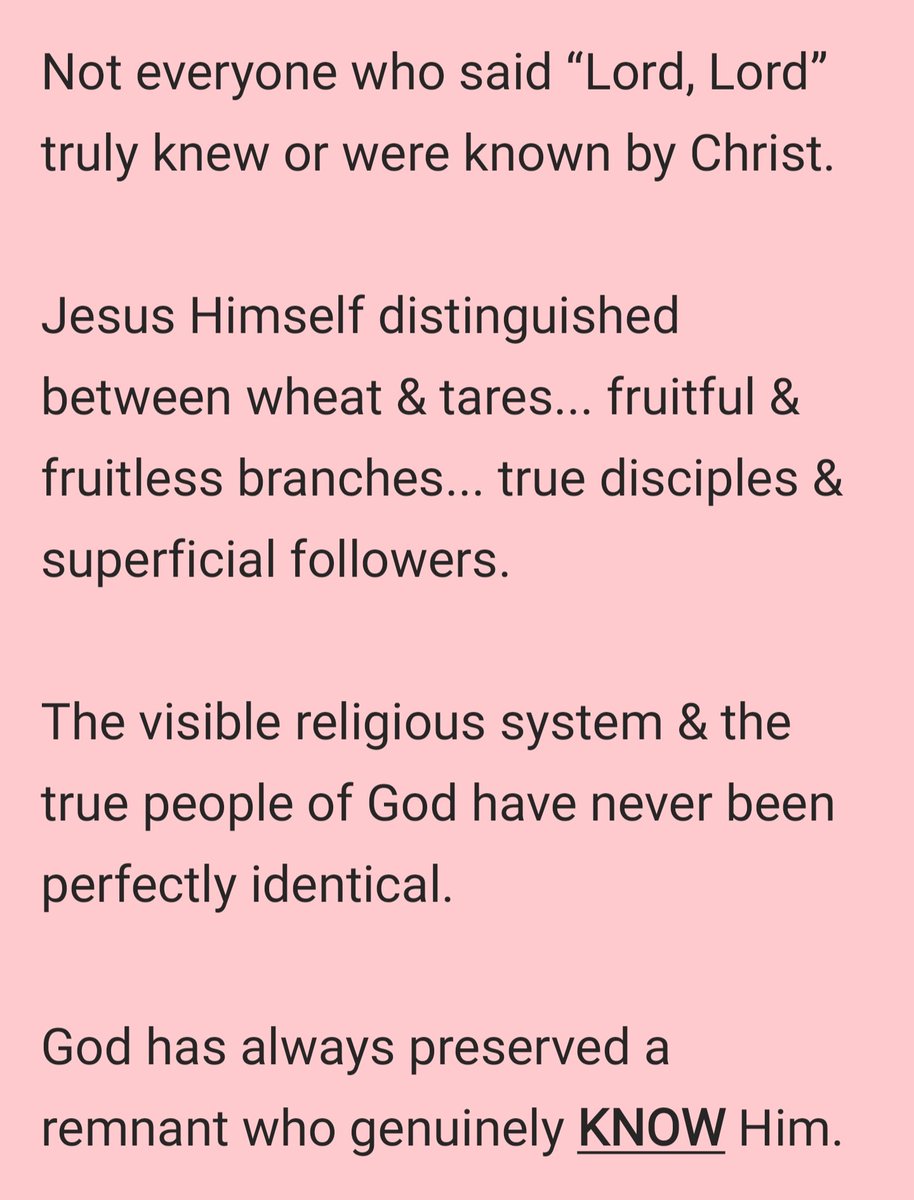
Scripture repeatedly shows a REMNANT principle.
In both Old & New Covenants, there has ALWAYS been a much larger visible body claiming covenant identity, while only a smaller remnant truly walked with God in faith, humility, obedience, & love.
Not all Israel was truly Israel.
2
2
8
1,230
May 26
When God exalts the name of Jesus in the New Testament, it’s in character with the way He exalts His name in the Old Testament. Christ, the Name and Word of God in the flesh, has been exalted above all names 🔥🔥
33