Joined January 2015
- Tweets 5,908
- Following 126
- Followers 716
- Likes 14,126
2 Photos and videos

Sa'adatu Bello retweeted

28 Oct 2024
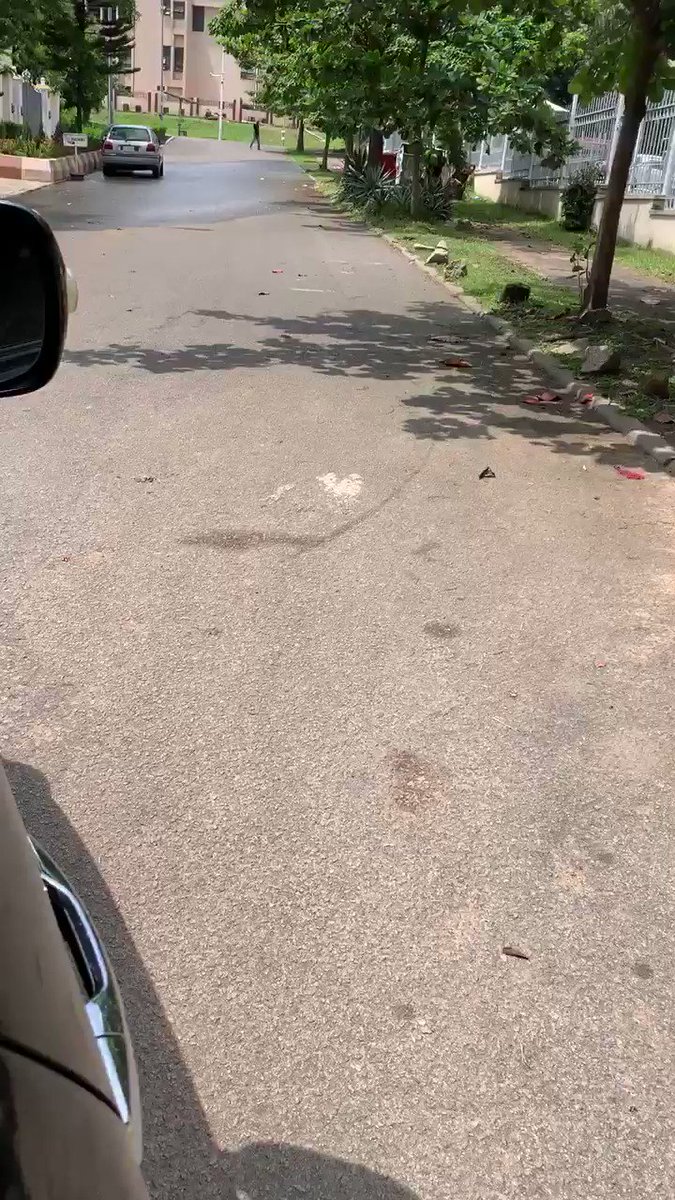
Bring back our light.. Bring back our light.. Bring back our light.. Bring back our light.. Bring back our light.. Bring back our light...
#Bringbackourlight Please use this # to further enforce all office holders regarding electricity to bring back our light in Arewa. 😭
111
449
592
50,233

3 Oct 2024
I just saw the new plane the president bought, it’s really big woo, damn!! In this economy? Kai!!
4
839
26 Sep 2024
We not only have to contend with the high price of everything, we have to also contend with fake products. I bought packs of swan water it was all fake. Seems standard org of Nigeria is asleep and we have no one to protect us. I don’t know where to buy anything now, God help us
2
4
773
Sa'adatu Bello retweeted

25 Sep 2024
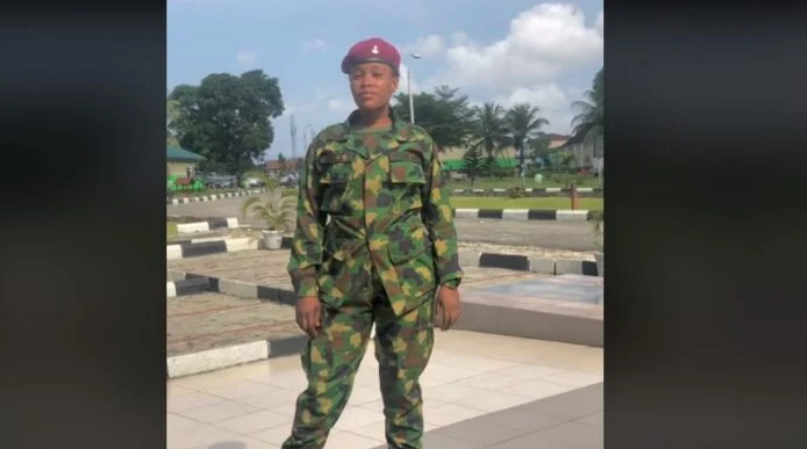
'Sexual harassment': Publish outcome of probe, discharged female soldier tells @HQNigerianArmy | TheCable thecable.ng/sexual-harassmen…
2
8
14
3,241
Sa'adatu Bello retweeted

9 Aug 2024
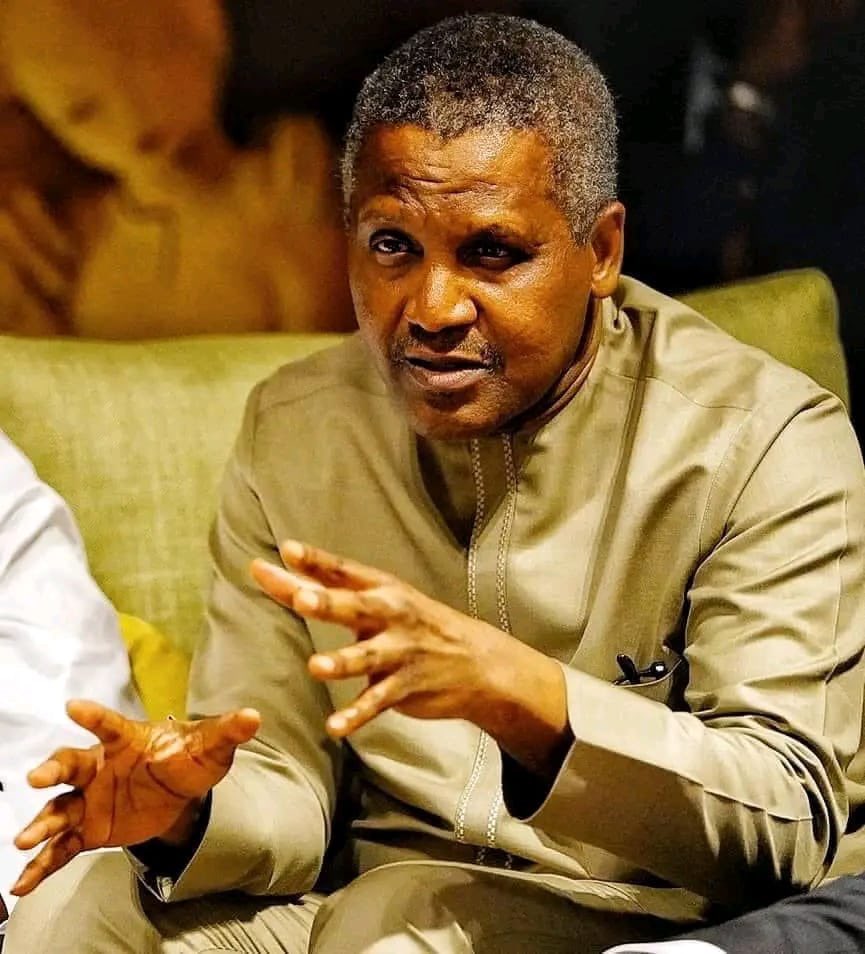
Dangote’s businesses aren’t in Lagos for security reasons; they are there because Lagos is the nation’s true commercial centre, home to the corporate headquarters of all major businesses in Nigeria. This status is due to the city’s historical interactions with the world, geographical advantage as a coastal city, and infrastructure, dating back to the arrival of Portuguese explorer Rui de Sequeira in the 15th century and continuing through its role as Nigeria’s first post-independence capital.
Reno Omokri's reasoning here is flawed because, ironically, Kano is one of the safest places to live and do business in Nigeria. It has long been a commercial hub for the nation and is home to a diverse demographic. Many foreign-owned businesses in Nigeria, particularly those owned by the Lebanese and Turks, operate from Kano. Unlike other parts of the North-West, Kano State is not overrun by bandits, nor is it experiencing the same wave of kidnappings.
Kano is no more prone to violence than Lagos. During the #EndSARS protests, which were hijacked by hoodlums, the resulting devastation was severe. But it wasn’t Kano hoodlums who set ablaze BRT buses, police stations, Nigeria’s oldest court, the Lagos governor’s family house, a local government secretariat, the Oba’s palace, or who looted shops and malls, including the head office of your organisation, TVC, and The Nation. It’s Lagos residents.
Hoodlums exist everywhere, sir, and will exploit any legitimate grievance or breakdown in law to wreak havoc, and so we need to learn to draw this line—that these hoodlums who hijacked protests, which are guaranteed by law, are not the ultimate reflection of their communities, state, religion, or ethnic group.
9 Aug 2024

RENO OMOKRI WROTE
“As a resident of Kano, the next time you complain about Dangote building his businesses in Lagos rather than Kano, think about your behaviour last week. If Dangote's $19.5 billion refinery had been in Kano, what do you think would have happened to
171
615
1,294
199,105
Sa'adatu Bello retweeted

8 Aug 2024
This isn’t footage from the 1948 Nakba, this is Khan Younis August 2024.
The world is watching a live-streamed genocide and is powerless to intervene because of the U.S Government..🇵🇸💔
730
6,577
11,362
321,819
Sa'adatu Bello retweeted

8 Aug 2024
It is only Africans who are told to forget what happened in the past and to get over it.
The Jews are told to never forget what happened in their past
Your comments on this ...
2,416
16,590
33,321
2,264,618
Sa'adatu Bello retweeted

4 Aug 2024
How many ordinary people understand macroeconomic theory? Politicians need to address people's most intense sentiments and help them to know what will be done to secure their lives tomorrow, not just years from now. People in survival mode can only think about how to survive today and tomorrow. They don't care about what will bring more revenue to the government purse where, in their eyes, it will only be hoarded by a certain class.
Give them some immediate relief. Allow them to exhale after prodding them a dozen times with a hot stake and then lecturing them like they are naughty children for shouting.
Kai. Why do I bother sef. This lot are at this very moment patting themselves on the back as we speak and cementing their own delusions of grandeur in the parallel universe.
4
27
39
2,121
Sa'adatu Bello retweeted
4 Aug 2024
Pres. Tinubu and aides, brace yourself. Your speaking above the level of the average Nigerian and not directly talking about the immediate steps to halt the most distressing realities s/he is facing will set this nation on fire once more. You had a chance to use some strategic emotional intelligence to calm the rage, and blew it once again.
5
34
79
6,244
Sa'adatu Bello retweeted

1 Aug 2024
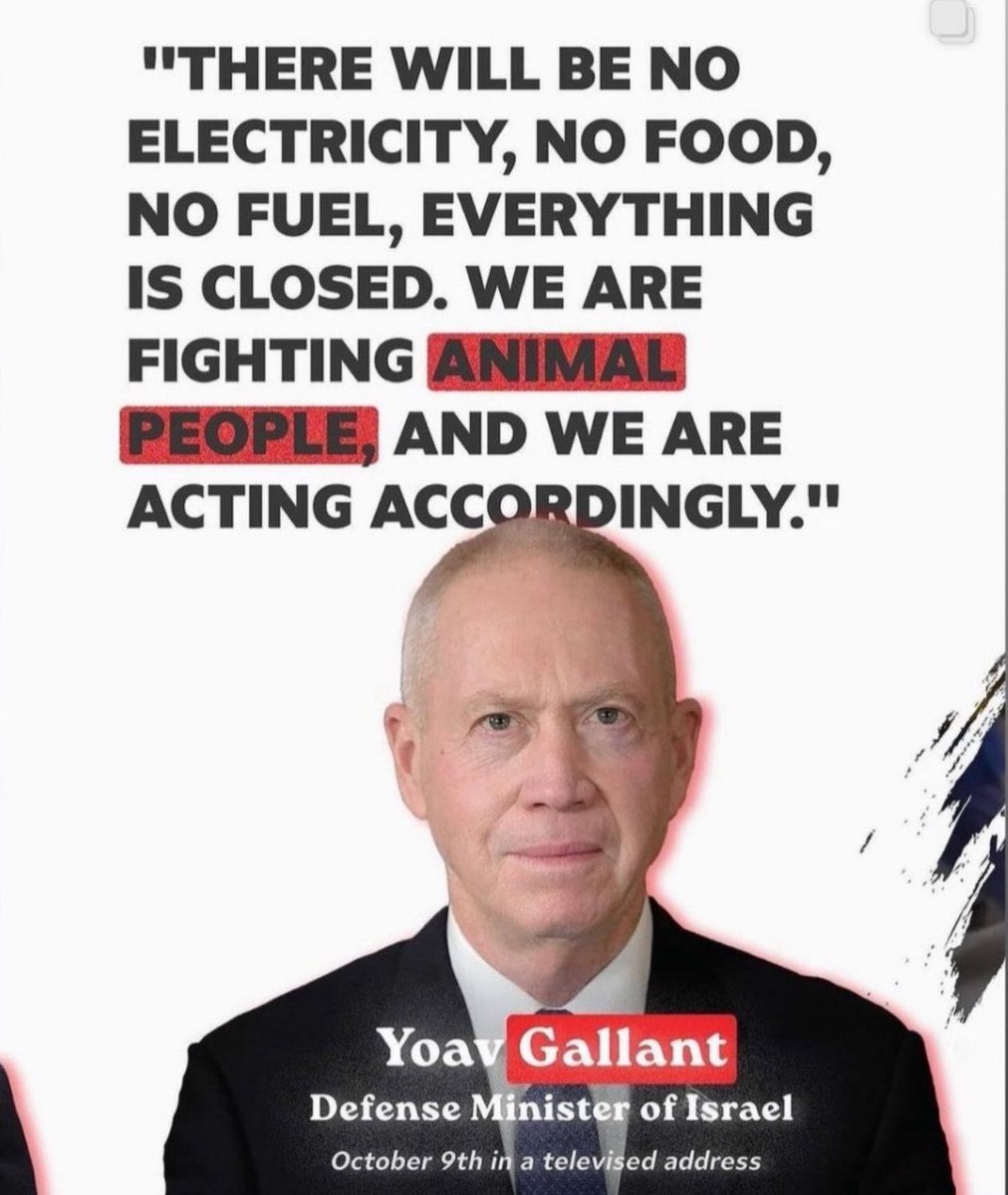
Never forget
1,194
7,776
13,508
296,015
Sa'adatu Bello retweeted

1 Aug 2024
JK Rowling slams Paris Olympics calling it a ‘Disgrace’ after a biological male beat a female in women’s boxing.
“A young female boxer has just had everything she’s worked and trained for snatched away because you allowed a male to get in the ring with her. You’re a disgrace, your ‘safeguarding’ is a joke and #Paris24 will be forever tarnished by the brutal injustice done to Carini.”
The Harry Potter authors comments came after Algerian boxer Imane Khelif, who is biologically male, beat Italian female boxer Angela Carini in 46 seconds.


10,757
69,253
411,181
34,059,717
Sa'adatu Bello retweeted

31 Jul 2024
RIP great warrior. Your courage was second to none. You were martyred for your cause and your people. History will be kind to you and God will avenge you.
1,410
896
3,961
310,334
Sa'adatu Bello retweeted

1 Aug 2024
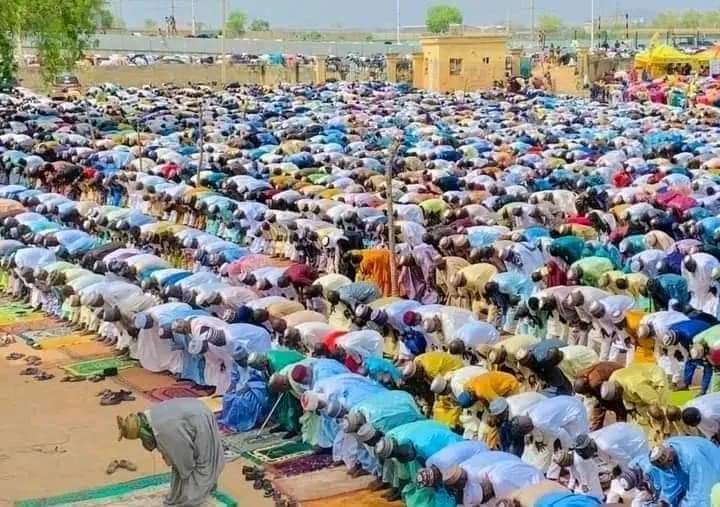
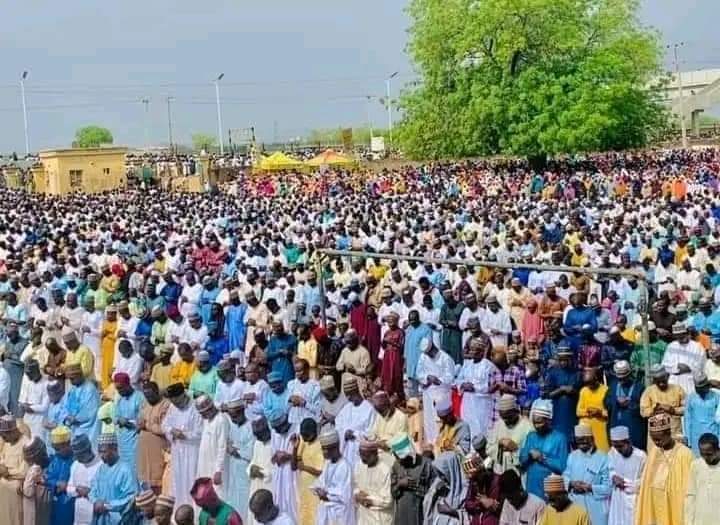
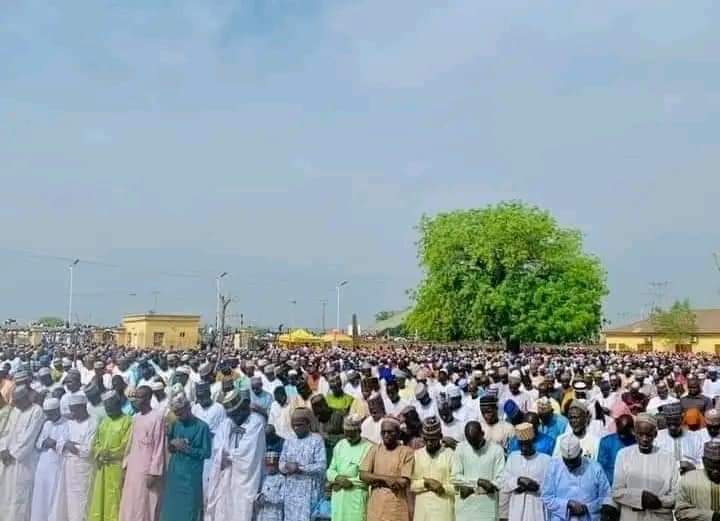
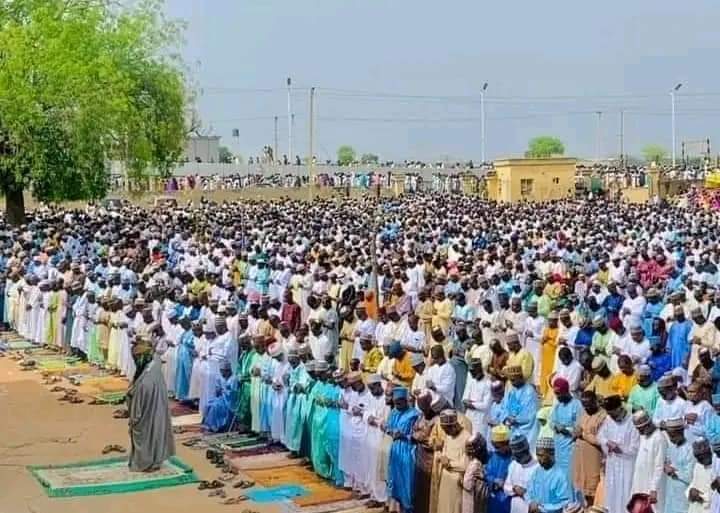
Instead of protesting, the Muslim community in Ardo Kola Local Government in Taraba State offered the Nafila prayers and prayed for relief from the current situation of the country.
May Almighty Allah accept their prayers.
2,874
1,877
10,713
890,027

Absolutely


47,157
273,753
1,735,020
225,164,867
Sa'adatu Bello retweeted

25 Jul 2024
Lady calls out actress Nancy Isime for ‘disrespecting’ her faith.
x.com/X_Dailly/status/181614…
3,323
1,070
5,977
879,891
Sa'adatu Bello retweeted

25 Jul 2024
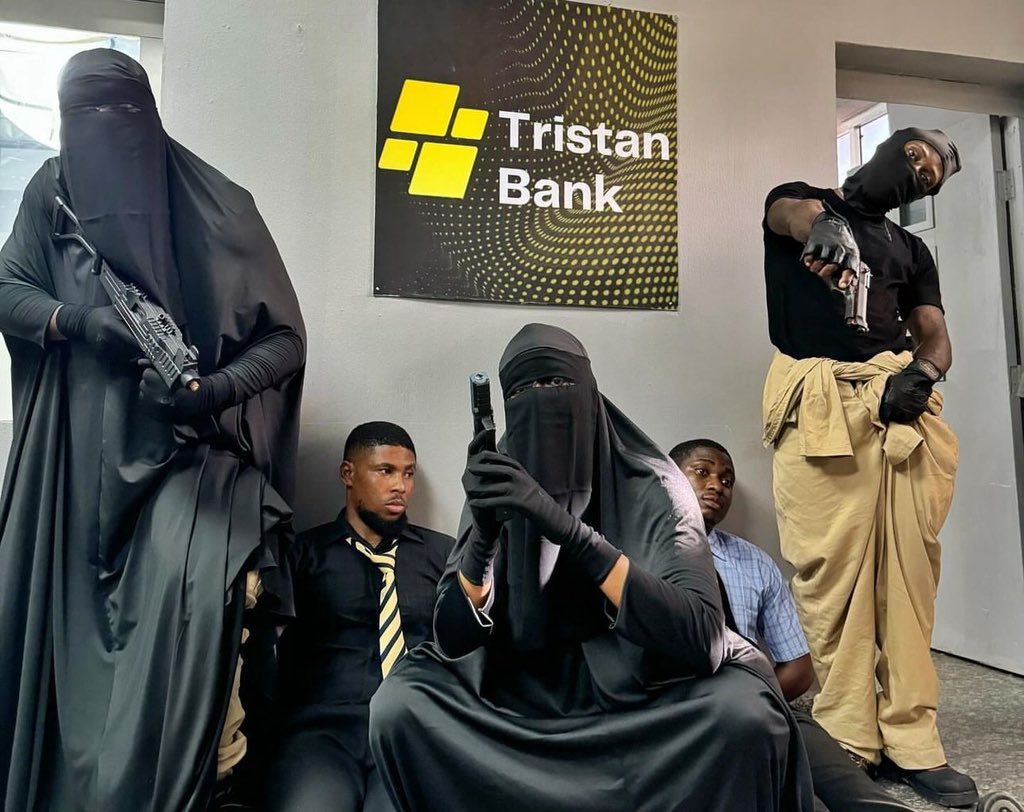
I join my brothers and sisters to strongly protest the use of the Hijab (Niqab) in an upcoming Nigerian movie produced by one Ms. Bolanle Ayo. The Hijab is an outfit deeply attributed to Muslim women that symbolizes respect, modesty, and religious devotion. And, I believe it should not be used as a mere costume in a movie, especially when the scenes it portrays are clearly associated with negative moral vices.
Using the Hijab in such scenes is a profound disrespect to our mothers, sisters, and daughters. This garment is a symbol of respect, and portraying it in a manner that suggests otherwise is offensive to those who wear it for religious purposes.
The producers of this movie should have considered alternative costumes, such as balaclavas or masks, for such scenes. For us, the Hijab (Niqab) is not worn by our women to hide their identity to commit crimes but to respect, follow, and abide by the teachings of our religion.
I join well-meaning Nigerians in calling on the producers of this movie to respect our religion and remove all the scenes where the Hijab is portrayed negatively. We also urge the National Film and Video Censors Board (@nfvcbng) to censor these hurtful scenes to protect the dignity of those who wear the Hijab.
We hope that our concerns will be addressed promptly and appropriately.
Cc:
@hanneymusawa, @alinuhu
Shaibu Husseini, PhD @igalaman
7,765
4,658
14,414
3,378,264
Sa'adatu Bello retweeted

4 Jul 2024
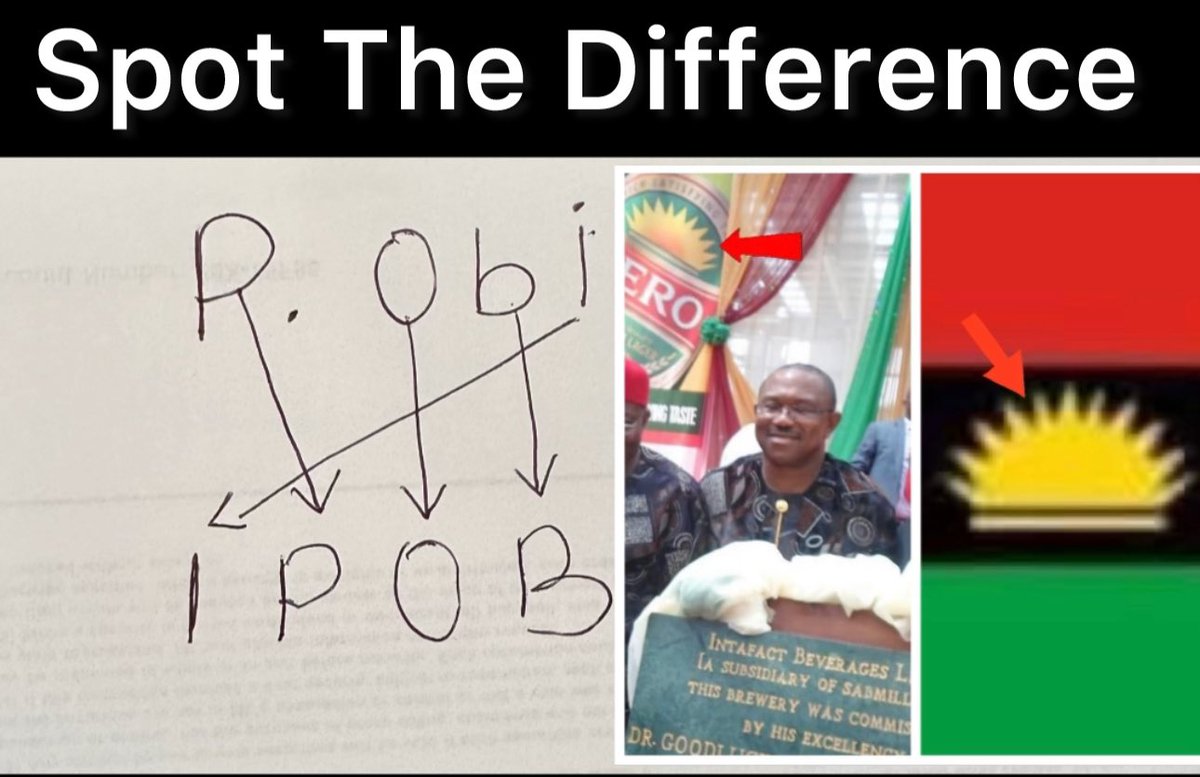
Because of this post, both IPOB and Obidients united to report my Facebook account. I almost lost my account today. They are afraid of this post. It may be taken down soon. If you believe in Nigeria and the Freedom of Information, please repost this here and on all your social media platforms, especially WhatsApp.
IPOB and Peter Obi cannot cyber-bullying me to suppress the truth!
#TableShaker
656
1,177
2,024
382,165
Sa'adatu Bello retweeted

2 Jul 2024
WE WILL NEVER FORGET
1,099
16,145
34,851
3,852,346
Sa'adatu Bello retweeted

27 May 2024
Israel has gone rogue
The ICJ ordered them to stop, and within 24 hours they dropped a record number of bombs
They need to be stopped, like this if you agree
185
413
4,123
126,038