Amateur Elections expert :) Passionate about Nigeria. Tech, Politics, E-commerce.
Joined March 2009
- Tweets 2,712
- Following 486
- Followers 421
- Likes 216
40 Photos and videos
Seth A retweeted

Rivers Politics:
On Thursday, 26 June 2025, they all agreed to work together. That understanding formed the basis of political calm at the time.
The question arose when the Governor formally defected to the APC on Tuesday, 9 December 2025: did he truly breach that agreement to work together by aligning more openly with the party of the President?
Gov. Sim Fubara working for the success of President Bola Tinubu should not have come as a surprise to the FCT minister, as Wike himself serves in Tinubu’s cabinet.
By all indications, the reason Wike and his loyalists suddenly shifted posture and revived impeachment threats against the governor was because Fubara joined APC.
What followed was even more signal. Supporters of President Tinubu were publicly cautioned to leave Rivers State alone.
Those who visited before FCT Minister Nyesom Wike publicly issued threats included the NSA, Mr Rabadu; Minister of Aviation Hon. Festus Keyamo; Mrs Nimi Wilson Jack; and the APC NWC, led by the National Secretary, @DrSRJ_.
What political calculation was disrupted by the governor’s defection, such that it reignited yet another impeachment move against both the governor and his deputy, for the third attempt, following two earlier failed plots?
The answer to this aforementioned question is what I believe President Bola Tinubu is gathering.
5
15
52
14,113


𝗣𝗿𝗲𝗽𝗮𝗿𝗲𝗱𝗻𝗲𝘀𝘀 𝗮𝗻𝗱 𝗢𝗽𝗽𝗼𝗿𝘁𝘂𝗻𝗶𝘁𝘆:
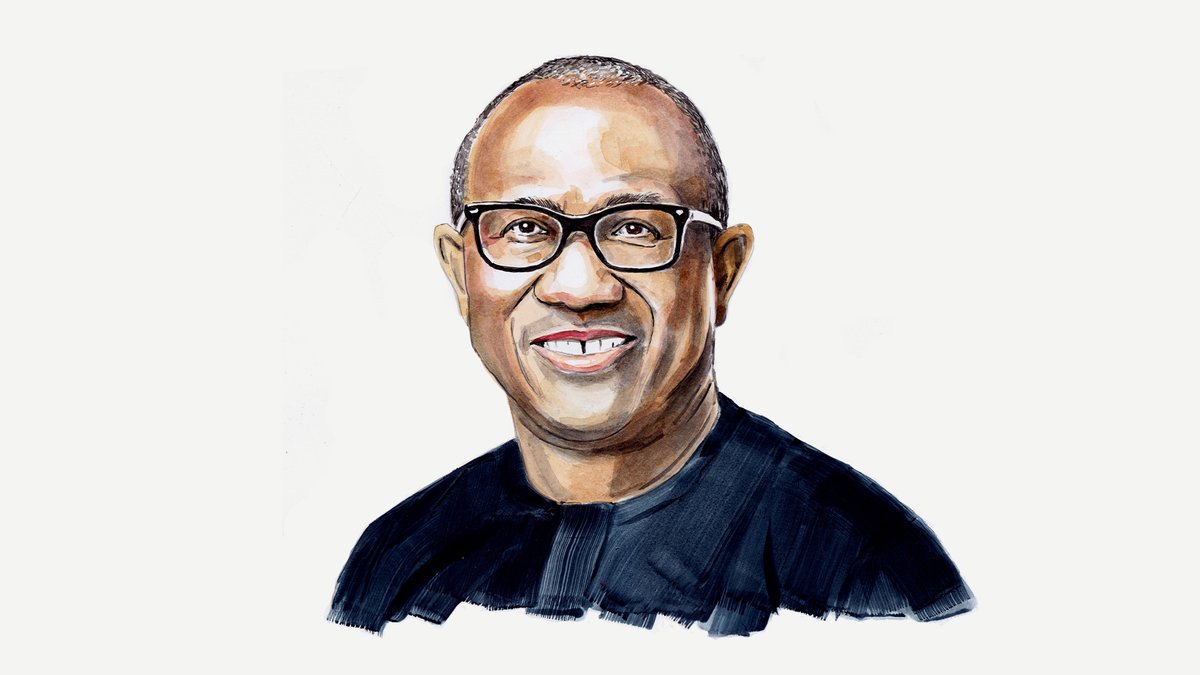
Peter Obi @PeterObi as a Case Study
1. 💡 𝗧𝗵𝗲 𝗣𝗮𝗿𝗮𝗱𝗼𝘅 𝗼𝗳 𝗣𝗿𝗲𝗽𝗮𝗿𝗲𝗱𝗻𝗲𝘀𝘀
Politics aside, many people struggle to recognize opportunities when they come. Peter Obi is a clear example. 𝗛𝗲 𝘄𝗮𝘀 𝗻𝗲𝘃𝗲𝗿 𝗽𝗿𝗲𝗽𝗮𝗿𝗲𝗱 𝗳𝗼𝗿 𝘁𝗵𝗲 𝗼𝗽𝗽𝗼𝗿𝘁𝘂𝗻𝗶𝘁𝘆 𝘁𝗵𝗮𝘁 𝗲𝗺𝗲𝗿𝗴𝗲𝗱 𝗶𝗻 𝟮𝟬𝟮𝟯, and even when it came, he failed to identify its true nature. This lack of preparedness left him stuck between two choices:
committing class suicide by aligning fully with the people’s power, or behaving like his colleagues in the APC and PDP.
He chose neither. And that indecision cost him and millions who depended on him.
2. ⚠️𝗟𝗲𝘀𝘀𝗼𝗻𝘀 𝗳𝗼𝗿 𝗘𝘃𝗲𝗿𝘆𝗼𝗻𝗲: 𝗗𝗼 𝗡𝗼𝘁 𝗕𝗲 𝗟𝗶𝗸𝗲 𝗣𝗲𝘁𝗲𝗿 𝗢𝗯𝗶
Aspiring leaders and dreamers should take a critical lesson from this. If you harbor a significant dream, 𝗽𝗿𝗲𝗽𝗮𝗿𝗮𝘁𝗶𝗼𝗻 𝗺𝘂𝘀𝘁 𝗽𝗿𝗲𝗰𝗲𝗱𝗲 𝘁𝗵𝗲 𝗼𝗽𝗽𝗼𝗿𝘁𝘂𝗻𝗶𝘁𝘆. Crucially, you must commit to a clear political path and ideology well before the moment of truth arrives. Peter Obi exhibited ambition, but he lacked the necessary plan and strategy to convert it into victory. This strategic void is arguably what led him to abandon the "people's power" post election, seeking coalitions with the very individuals he once labelled the "𝙨𝙩𝙧𝙪𝙘𝙩𝙪𝙧𝙚 𝙤𝙛 𝙘𝙧𝙞𝙢𝙞𝙣𝙖𝙡𝙞𝙩𝙮." He even announced he would do just one term, a statement that exposed desperation and lack of vision rather than leadership.
3. 🛑 𝗔𝗱𝘃𝗶𝗰𝗲 𝘁𝗼 𝗣𝗲𝘁𝗲𝗿 𝗢𝗯𝗶: 𝗦𝘁𝗲𝗽 𝗕𝗮𝗰𝗸 𝗮𝗻𝗱 𝗥𝗲𝗱𝗶𝗿𝗲𝗰𝘁
Peter Obi should cease being a distraction and time-waster for Nigerian youth, who are forcibly dragging him to the forefront. He ought to withdraw from the presidential race while he can still command appreciation and transform the Obidient movement into an 𝗡𝗚𝗢. His political philosophy, even as governor, appears cantered around 𝗱𝗼𝗻𝗮𝘁𝗶𝗼𝗻𝘀 𝗿𝗮𝘁𝗵𝗲𝗿 𝘁𝗵𝗮𝗻 𝘃𝗶𝘀𝗶𝗼𝗻𝗮𝗿𝘆, 𝗹𝗼𝗻𝗴-𝘁𝗲𝗿𝗺 𝗶𝗻𝗳𝗿𝗮𝘀𝘁𝗿𝘂𝗰𝘁𝘂𝗿𝗮𝗹 𝗱𝗲𝘃𝗲𝗹𝗼𝗽𝗺𝗲𝗻𝘁 He was praised for donating boreholes instead of building comprehensive pipe-borne water systems, and for gifting SUVs to herbalists instead of investing in mass public transit like 𝗕𝗥𝗧 or 𝗧𝗥𝗔𝗠 lines. 𝗧𝗵𝗶𝘀 𝗶𝘀 𝗰𝗵𝗮𝗿𝗶𝘁𝘆 𝗽𝗼𝗹𝗶𝘁𝗶𝗰𝘀, 𝗻𝗼𝘁 𝘃𝗶𝘀𝗶𝗼𝗻𝗮𝗿𝘆 𝗹𝗲𝗮𝗱𝗲𝗿𝘀𝗵𝗶𝗽.
4. 🎯 𝗘𝗻𝗱 𝗙𝗮𝗰𝘁: 𝗧𝗵𝗲 𝗞𝗶𝗻𝗴𝗺𝗮𝗸𝗲𝗿'𝘀 𝗗𝗶𝗹𝗲𝗺𝗺𝗮
Peter Obi is will be remembered as a Kingmaker who never secured the crown. His current political activities make it difficult to determine his party allegiance. He is presently campaigning simultaneously for multiple political entities, for instance, supporting the ADC in Abuja while backing the Labour Party (LP) in Anambra. This lack of clear political alignment is distorting the broader political calculations. To honour his legacy and the initial energy he inspired, he should focus honourably on continuing his role as a 𝗸𝗶𝗻𝗴𝗺𝗮𝗸𝗲𝗿 𝗮𝗻𝗱 𝗡𝗚𝗢 𝗳𝗼𝘂𝗻𝗱𝗲𝗿.. He should stop distracting Nigerians, especially the youth from the struggle for total liberation that intensified after EndSARS.
𝑁𝑖𝑔𝑒𝑟𝑖𝑎 𝑛𝑒𝑒𝑑𝑠 𝑐𝑙𝑎𝑟𝑖𝑡𝑦, 𝑐𝑜𝑢𝑟𝑎𝑔𝑒, 𝑎𝑛𝑑 𝑟𝑒𝑣𝑜𝑙𝑢𝑡𝑖𝑜𝑛𝑎𝑟𝑦 𝑐𝑜𝑚𝑚𝑖𝑡𝑚𝑒𝑛𝑡, 𝑛𝑜𝑡 ℎ𝑎𝑙𝑓-𝑚𝑒𝑎𝑠𝑢𝑟𝑒𝑠 𝑎𝑛𝑑 𝑝𝑜𝑙𝑖𝑡𝑖𝑐𝑎𝑙 𝑓𝑒𝑛𝑐𝑒 𝑠𝑖𝑡𝑡𝑖𝑛𝑔.
7
14
24
2,065
Seth A retweeted

14 Nov 2025
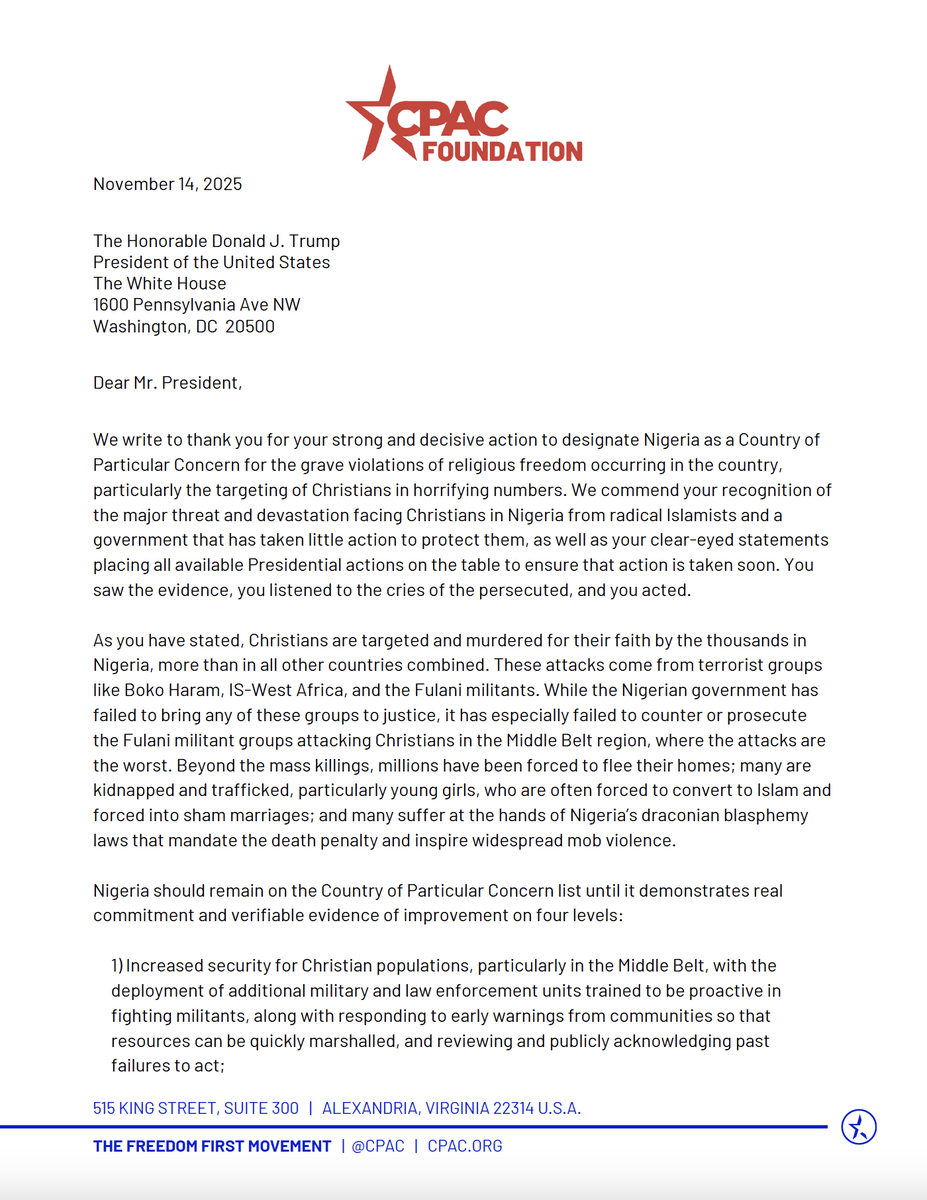
President Trump’s decision to redesignate Nigeria 🇳🇬 is a momentous step forward for international religious freedom.
His actions can serve as a model to protect persecuted Christians worldwide.
Very glad @ADFLegal @ADFIntl joined this letter w many great faith leaders. @CPAC
14 Nov 2025

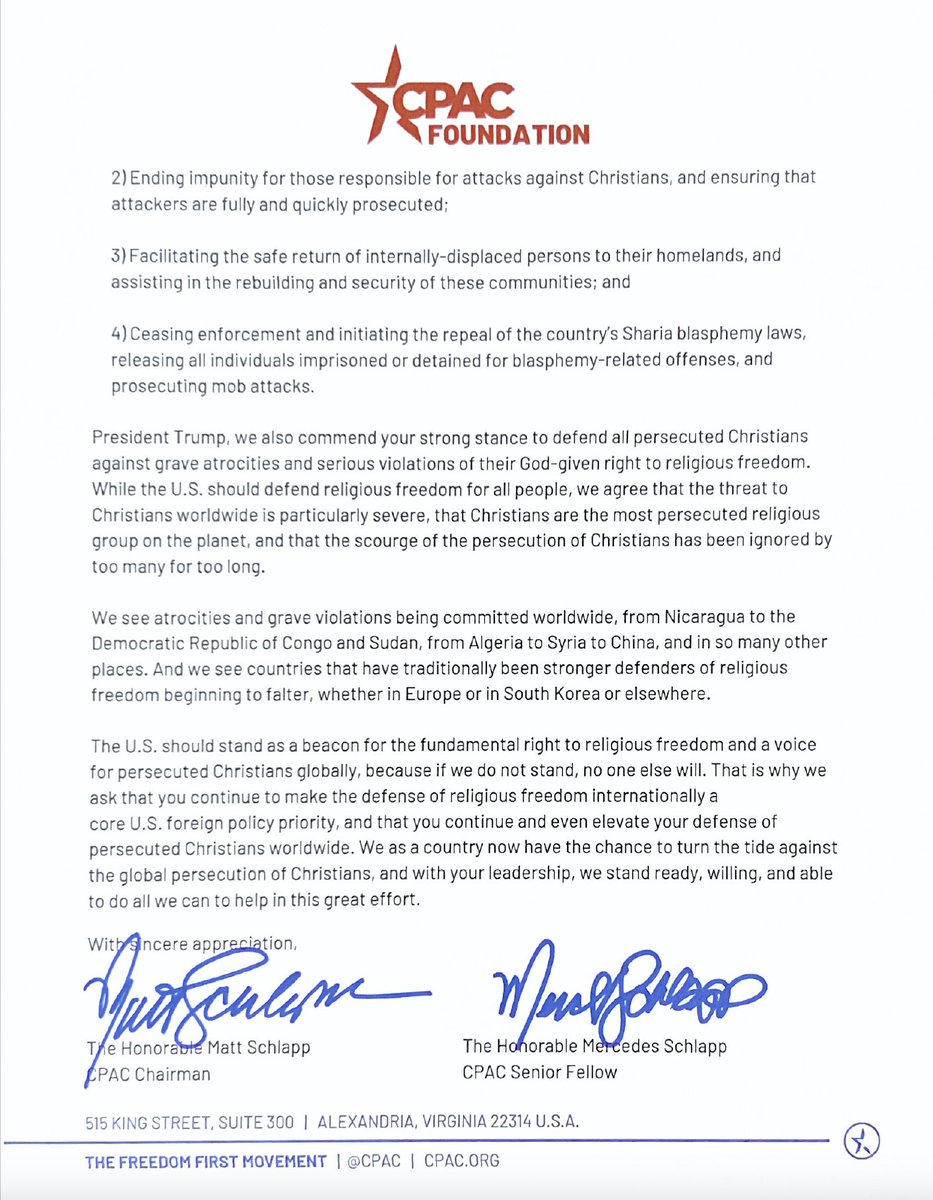
Today I joined dozens of religious freedom advocates, led by @CPAC, in thanking President Trump for his strong leadership on behalf of persecuted Christians in Nigeria.
We suggested four goals Nigeria should reach before the United States would revoke its status as a “Country of Particular Concern”:
1. Increase security for Christians
2. End impunity for anti-Christian violence
3. Resettle displaced populations
4. Repeal blasphemy laws
@ADFIntl is working daily to support legal cases and stand for justice in Nigeria, where more Christians are killed for their faith than all other nations combined.
We’re grateful that the Trump administration has not forgotten these believers, and we look forward to even greater efforts to support persecuted Christians worldwide.
112
806
1,520
35,384
When Trump alleged they were persecuting the white South Africans, he gave them refugee status, and helped them relocate to America with benefits.
For you NIgerians, he downgraded your entire country, - Christians and Muslims - alike and you're happy.
I pity all of you.
1
314
I just donated to help support Ajike's children after the tragic loss of their mother. We can’t stand by and let this go unnoticed. Please consider sharing and contributing. Every bit helps. gofund.me/60605db42
1
3
3
686
Seth A retweeted

26 Oct 2025
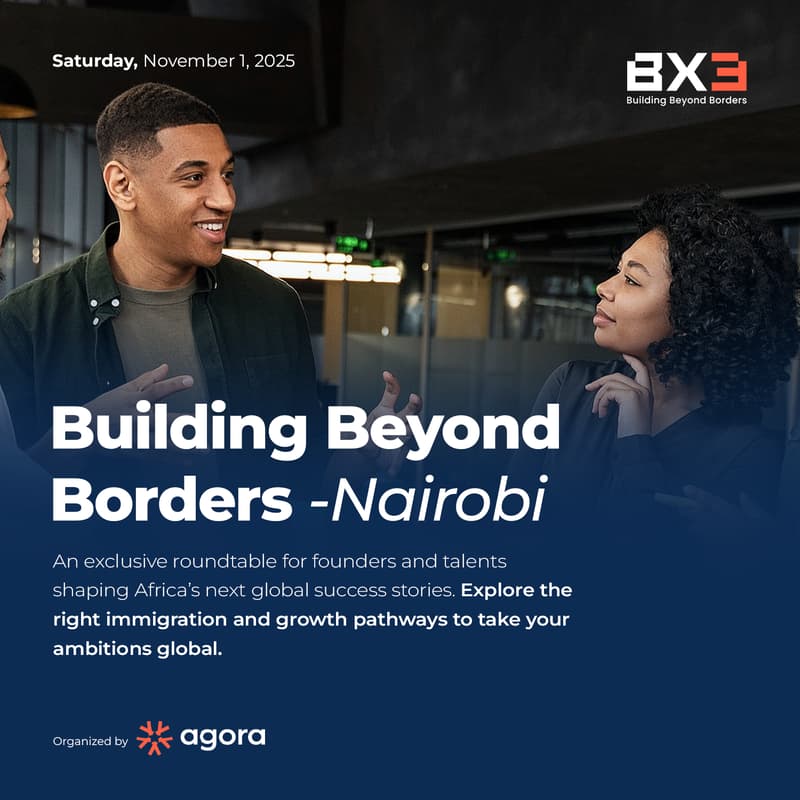
Next week, the @AgoraVisa will be in Nairobi to meet with founders and talent with the one message we take everywhere. Build Beyond Borders! If you are in Nairobi, apply to attend. We have limited seats.
luma.com/vqpxan87
8
21
2,853
Who can fix this:
Know anyone who can do this, please read out with your invoice:
Statement of Problem: Real-Time TTS Streaming and Chunking for Conversational AI
We are experiencing critical latency and audio quality issues within our real-time, low-latency Text-to-Speech (TTS) pipeline, currently using the Eleven Labs API. The primary goal is to maintain sub-200ms Time-to-First-Audio (TTFA) while ensuring natural-sounding speech delivery for conversational agents.
1. The Core Problem: Overly Aggressive Chunking
Our current system employs a simple, fixed-size chunking logic that splits the LLM output into segments of approximately 65-70 characters to achieve minimal TTFA.
Resulting Flaw: This aggressive splitting often cuts sentences mid-phrase, ignoring linguistic boundaries (punctuation, clauses, and conjunctions).
Audio Quality Impact: This causes unnatural prosody (rhythm and intonation), resulting in "robotic," disjointed, and choppy speech with awkward pauses and abrupt terminations between streamed chunks. The system prioritizes speed over linguistic coherence, making the voice sound unnatural and breaking the user experience.
2. Required Solution: Linguistic-Aware Chunking Gateway
We require a developer to architect and implement a new linguistic-aware text chunking algorithm within our Node.js/Python gateway.
Key Requirements:
Dynamic Chunk Sizing: The algorithm must target a larger chunk size (ideally 100 to 150 characters) to provide the TTS model with adequate context for natural prosody.
Punctuation Prioritization: Chunks must be broken only at high-value linguistic boundaries: Primary Breaks: Periods (.), question marks (?), and exclamation points (!). Secondary Breaks: Colons (:), semicolons (;), and double-newlines (\n\n).
SSML Integration: The system must utilize Speech Synthesis Markup Language (SSML) where necessary, specifically to: Insert explicit breath/pause tags (<break time="Xms"/>) for lists and complex clauses, overriding the automatic voice engine's default pauses. Handle lists and run-on text by replacing commas with a soft SSML break, rather than converting them to hard periods (which causes a harsh stop).
Low-Latency Stream Management: The solution must ensure that the audio stream is seamlessly stitched together and relayed to the client with continuous, low-latency flow, maintaining the conversational feel of the application.
The successful outcome is a TTS stream that sounds natural and conversational, eliminating the unnatural stops and starts currently caused by fixed-character chunking
1
452
Seth A retweeted

5 Sep 2025
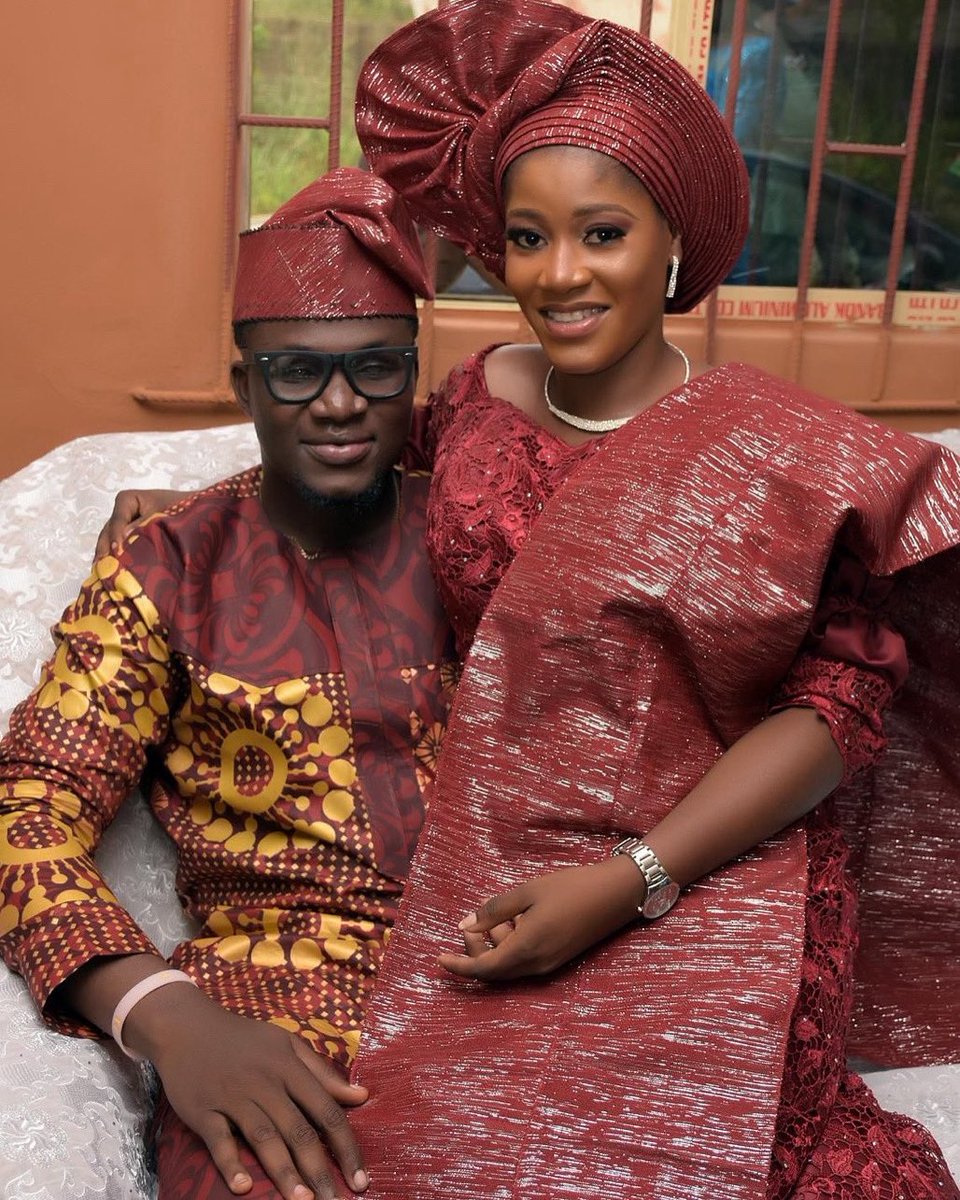
I had only 50,000 naira/$40 in my account when my wife, who was my girlfriend back then suggested we get married. Mind you I had just become a blind person at the age of 27 as a result of armed band1ts that attacked me while driving Uber, one of them sh0t me in the face with a local gun and it damaged both of my eyes, I was still depressed and I had exhausted almost all our finances on hospital bills. and there she was about two months after the incident telling me that we should get married, the same way you are surprised now reading this was the way I was surprised and surprisingly she said to me, baby don’t worry, we will grow together. God is with us. so we went ahead with our decision, I proposed to her eventually, and we got married a year after I became blind.. We did only sitting room wedding just family members came together and we did traditional and court wedding., No fancy elaborate wedding in the hall. But I eventually told my wife that I promise her that on our 10th year anniversary. She will have that big wedding that she would have loved to have and guess what guys I am the one always talking about it she doesn’t even think about it. she deserves to be celebrated. And one thing I’m grateful for is that we are not where we used to be. We may not be where we want to be yet, but we give all glory to God.. We have been married for five years now and we believe God is just starting with us..
If you are wondering how I typed this as a blind person, I’ll pin a video in the comments showing how I use Facebook with my smart phone. Repost to inspire others and don’t forget to follow for more of our inspiring contents.
566
2,628
15,403
1,091,006
Seth A retweeted

4 Sep 2025
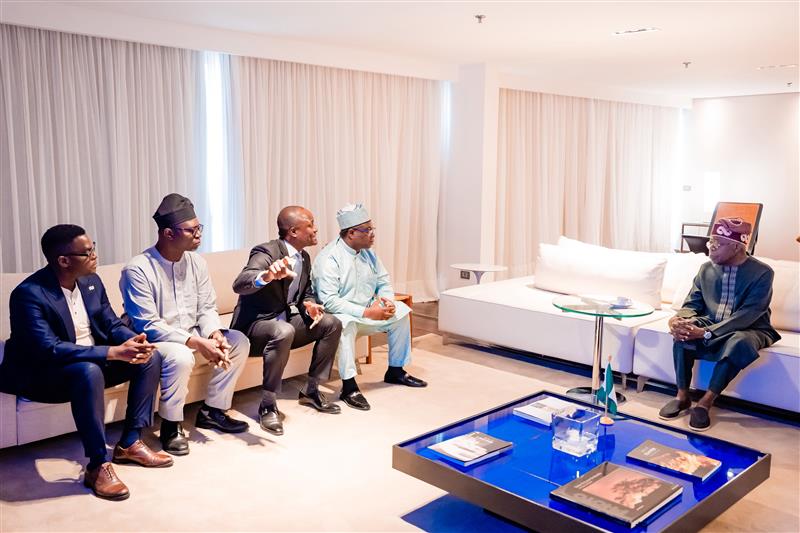
From Within the Room: Beyond the noise of criticism - nairametrics.com/2025/09/04/…
6
15
60
10,195
Declaring Tinubu will be 3rd in the elections shows Elrufai knows that Peter Obi is not a part of the Coalition, and will run with another party, most likely LP, and also that Atiku clinch the ADC ticket. He can't mention who will be 1st or 2nd because he also knows that will be the end of the Coalition.
1
970
You live in America so you know there is nothing like 'secretly' in American real estate records. That house was purchased in 2011 not March. And that property is not worth $2m. It was bought for about $500,000. David Hundeyin and his crew are know for half truths.
20 Aug 2025

But Wike’s father was a general manager in a company in Portharcourt, and his is a practicing lawyer his wife is a justice, they must have gotten a lot of legal briefs and won cases in their Wike Chambers to be able to afford this Florida secrete mansion 🤔…
Oh wait, Wike has never practiced law in his life, he also has no legitimate business or know source of income apart from Government, also Chief Judges in Nigeria 🇳🇬 can not earn $2 million dollars in their entire lifetime, unless they help rig a presidential election 🗳️ 😒.
Ah ha, it must be the children, maybe they play soccer in England, you know these players can sign heavy contracts, oh wait they have no earning but living lavishly on their father’s loot…
Nigeria 🇳🇬 is on a long thing 🙆🏾♂️
2
1
1,827

FG not Tinubu has approved a subsidy on kidney dialysis from N50,000 to N12,000
2: Participating institutions are FMC, Ebute Metta, Jabi, Azare, Abeokuta and Owerri, UCH, UniMaid, UBTH, Benin, UCTH, calabar, LUTH, Abubakar Tafawa Balewa Teaching Hospital Bauchi
3: Go and enjoy T- Gain subsidy benefits.
195
465
1,166
127,669