
Only guarantees are higher taxes and bureaucratic boondoggling. Loose talk can cost lives. 🤐 Carnivore for health. 🥩
Joined August 2021
- Tweets 33,781
- Following 2,290
- Followers 740
- Likes 101,575
1,151 Photos and videos









Jason B retweeted

Jun 13
There has only ever been a single randomised control trial to measure the benefit of folic acid in low risk women.
For every neural tube defect 'prevented', nine babies died (mostly miscarriages).
It was then declared 'unethical' to research further...
hartuk.substack.com/p/six-sa…
14
357
671
10,092
Jason B retweeted

17h
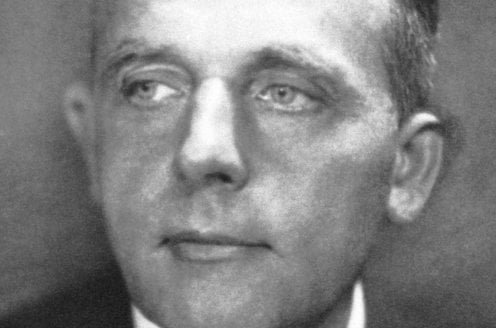
Otto Warburg, Nobel laureate, showed a century ago that cancer cells run on sugar. We trust it so completely that hospitals inject radioactive glucose to make the tumour glow, then read the scan to find it.
Oncology ward lunch: jelly, ice cream, fruit juice, a biscuit.
We use sugar to hunt it, then serve it pudding.
The Nobel Committee has not commented.
26
613
1,996
23,597
Jason B retweeted

12h
Israeli woman: The Jewish people are the warmest kindest loving caring people in the whole world.
Interviewer: What should we do with the people in Gaza?
Israeli woman: I don't give a f*ck.
317
1,294
5,093
89,642
Jason B retweeted

Ahead of a potential U.S.-Iran deal, the Israelis do exactly what everyone expects them to do. Bomb Beirut’s southern suburbs.


71
707
1,475
40,807
Jason B retweeted
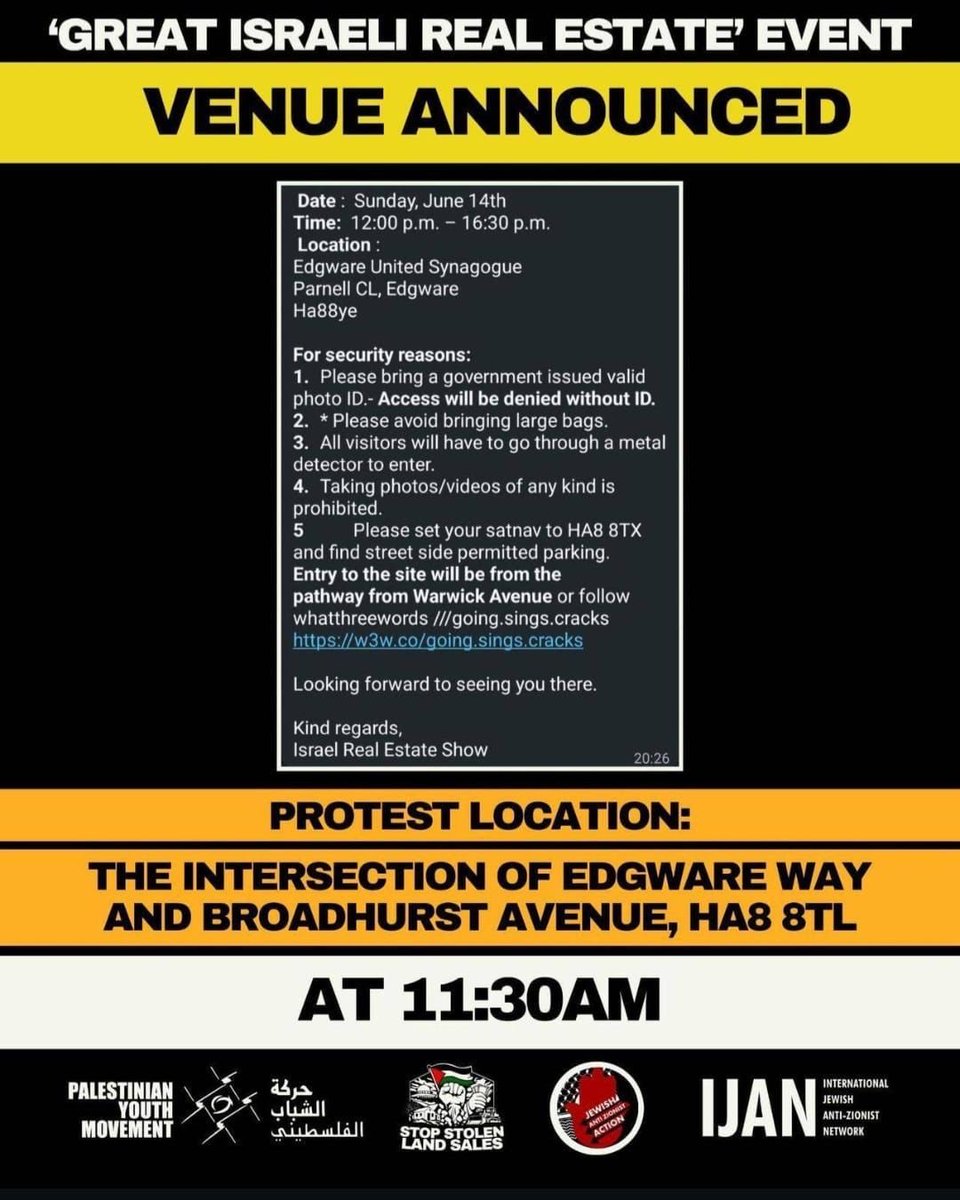
The Board of Deputies of British jews needs to be shut down.
Openly defending the illegal land sale of Palestinian land in London.
Land that native Christian and Muslim Palestinians were either murdered on or displaced from.
No more religious supremacy.
19
439
1,735
11,078
Jason B retweeted

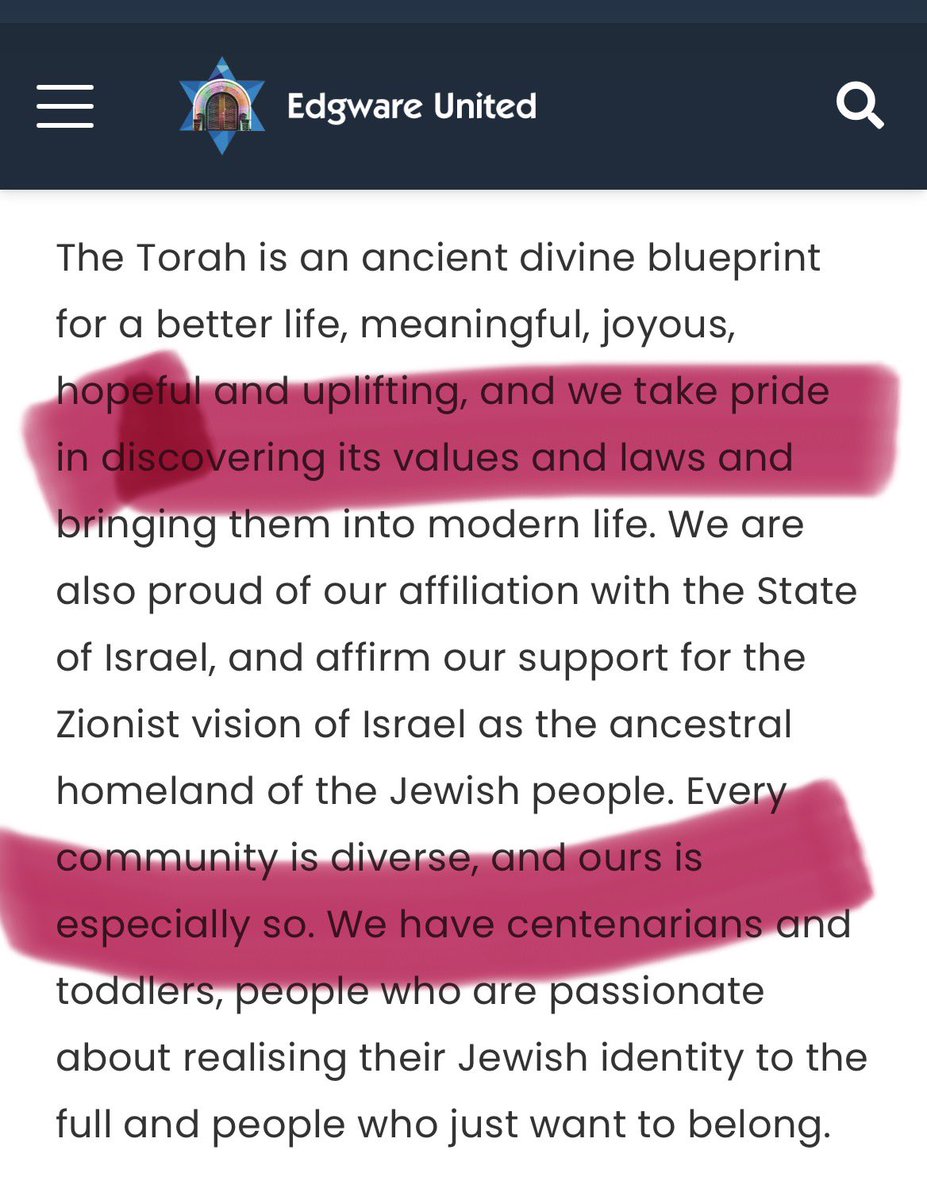
This is Edgware United Synagogue.
From their own website;
‘We are also proud of our affiliation with the State of Israel, and affirm our support for the Zionist vision of Israel as the ancestral homeland of the Jewish people.’
Not simply a religious, but a genocidal, institution.

Selling Palestinian land at Edgeware United Synagogue.
#DismantleZionism
47
316
658
15,631
Jason B retweeted
Jun 13
There is a spectrum that runs from pure carnivore to pure herbivore, and the only honest question is where humans land on it.
At one end sits the obligate carnivore. The domestic cat. It cannot make certain nutrients itself and will go blind and die without meat. No flexibility, no debate, no salad days.
Next, the facultative carnivore. The dog, descended from the wolf. Built to run on meat, equipped to scrape by on scraps when meat is short. It thrives on animal food and merely survives on the rest.
Then the true omnivore. The bear, the pig, the raccoon. Equipped for both, with the gut and the chemistry to swing between a forest of berries and a stream of fish and do well on either.
Then the herbivore. The cow, the horse, the gorilla. A vast fermenting system for turning leaves into life, and little interest in anything else.
Now place the human. Stomach acid like a scavenger. A gut too short to ferment bulk plants. A hard requirement for vitamin B12, which only animals supply. A brain that demands animal fat to build itself. We tolerate plants. We are optimised for animals.
Place us on that line and we land beside the dog. Built for meat, getting by on the rest, looking faintly embarrassed about the company.
28
255
1,290
19,533
Jason B retweeted

Jun 11
Absolutely wild to learn that Donald Trump called Charlie and reprimanded him about his coverage of the Epstein Files. On July 12th—the day after I keep insisting a made a decision to kill Charlie according to our timeline.
I have said over and over again, Tucker’s speech at SAS caused the psychopathic Zionists to begin targeting Charlie.
Also this absolutely makes my skin crawl about Erika hugging Trump. That woman is truly despicable. Anything BUT a legitimately grieving widow.
nytimes.com/2026/06/10/magaz…
2,162
5,616
30,346
1,762,099
Jason B retweeted
Jun 12
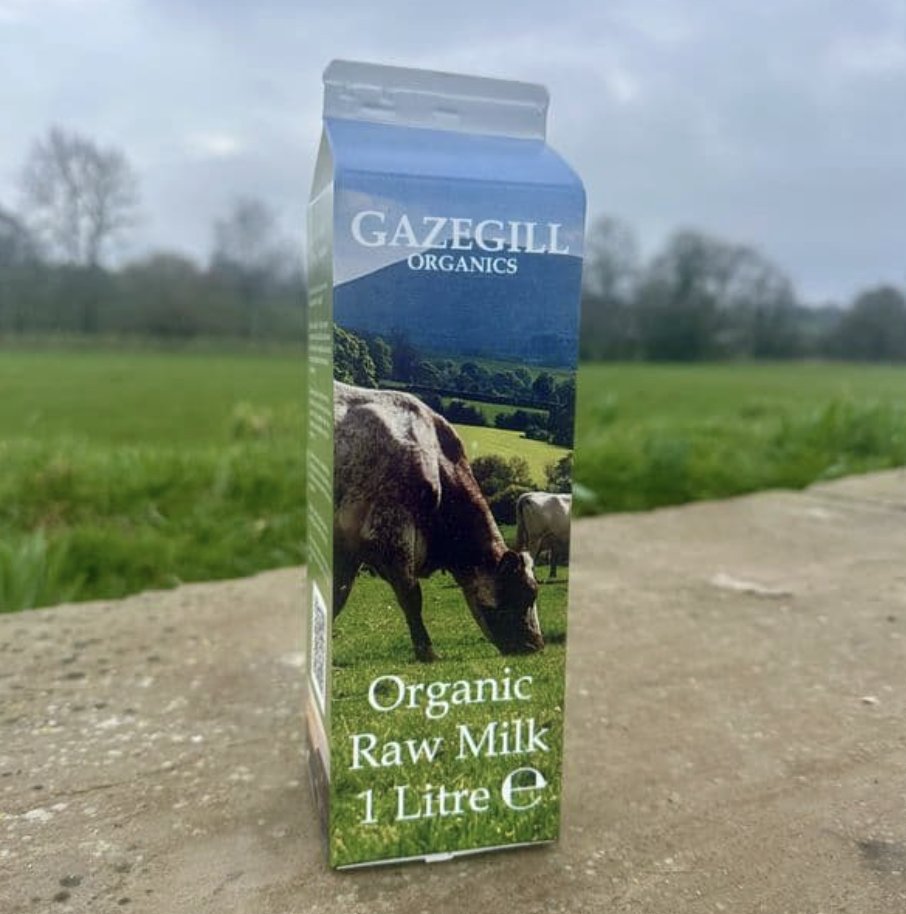
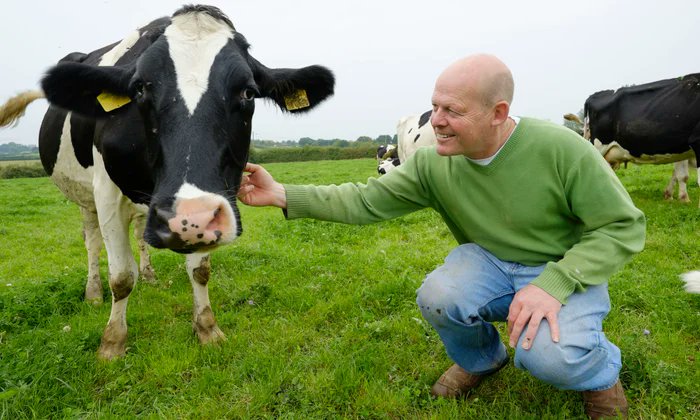
The milk in that bottle has, at times, been sold cheaper than the water beside it on the shelf, and the man who produced it has been paid less than it cost him to make.
Look at the actual pennies, because that is where the cruelty hides.
It costs a typical British dairy farmer somewhere around 44 pence to produce a litre of milk. Feed, energy, vet bills, labour, the cows milked twice a day, every day of the year, Christmas included. That is the floor he has to clear just to stand still.
Now the price he is handed for that litre. In early 2025 it sat in the mid forties, which leaves a margin of a penny or two on each litre for one of the hardest jobs there is. Then through late 2025 the processors cut, and cut again, dragging the farmgate price down into the mid thirties, with some farmers paid under thirty pence. By the spring of 2026 the UK average had fallen to around 34 pence.
Do that sum. Around 44 pence to make it. Around 34 pence paid for it. The farmer is losing something like ten pence on every single litre his cows produce, and a dairy cow does not stop producing because the price went wrong.
He cannot pass that on. A handful of giant processors and supermarkets sit across the table from thousands of small farmers, and they set the number. He takes it, or he pours good milk down the drain.
The meeting did not go badly for everyone, mind. In the very stretch that farmers were being paid below the cost of production, the big processors were posting record results, hundreds of millions in profit, ploughing hundreds of millions more into new plant and capacity. The squeeze simply moved up the chain, out of the cold parlour and into the warm boardroom, where it turned into a bonus.
So the farmers leave. There are now only around seven thousand dairy farms left in the whole of Great Britain, down from many tens of thousands a generation ago. The small family herds went first. The milk comes from fewer and bigger units every year, and the patchwork of family dairies that once covered this country is wearing through to nothing.
The shopper sees cheap milk and feels lucky. The cheapness is a quiet transfer, out of a farmer's livelihood and into the appearance of a bargain, paid for in ten pence pieces by a man in a cold parlour at half past five in the morning, working out how many more months he can afford to feed you.
24
384
915
11,910
Jason B retweeted

Jun 11
Elon Musk is a threat to democracy. He backs violence and extremism. He promotes hatred and xenophobia.
The actions of racists—who used a video of an immigrant carrying out a deeply disturbing knife to burn down random houses believed to belong to migrants—even with children inside—are being fueled by inflammatory rhetoric and the algorithms of Elon Musk’s platform.
And it also means you're a depraved violent lunatic, just like the knife attacker.
Collective punishment for a group of people for the awful actions of an individual leads us to a very dark place.

194
461
1,297
35,894
Jason B retweeted

Jun 11
Elon Musk can say what he likes about me but I won't stay silent whilst foreign tech billionaires, money earned off the backs of real workers, try to interfere in our democracy, incite violence in our communities and tear apart our country.
Time for him to pipe down.

6,086
5,842
37,754
2,224,849
Jason B retweeted
Jun 11
This man is a threat to our democracy. He backs violence and extremism.
Blaming a group of people for the awful actions of an individual leads us to a very dark place.
Musk, Lowe, Farage, Robinson - these men don't give a shit about this country, they want to rip us apart.
Murderous migrants beheading innocent people in their home town is what’s making people angry, not “social media”!
10,613
4,977
27,415
1,810,424
Jason B retweeted

Jun 11
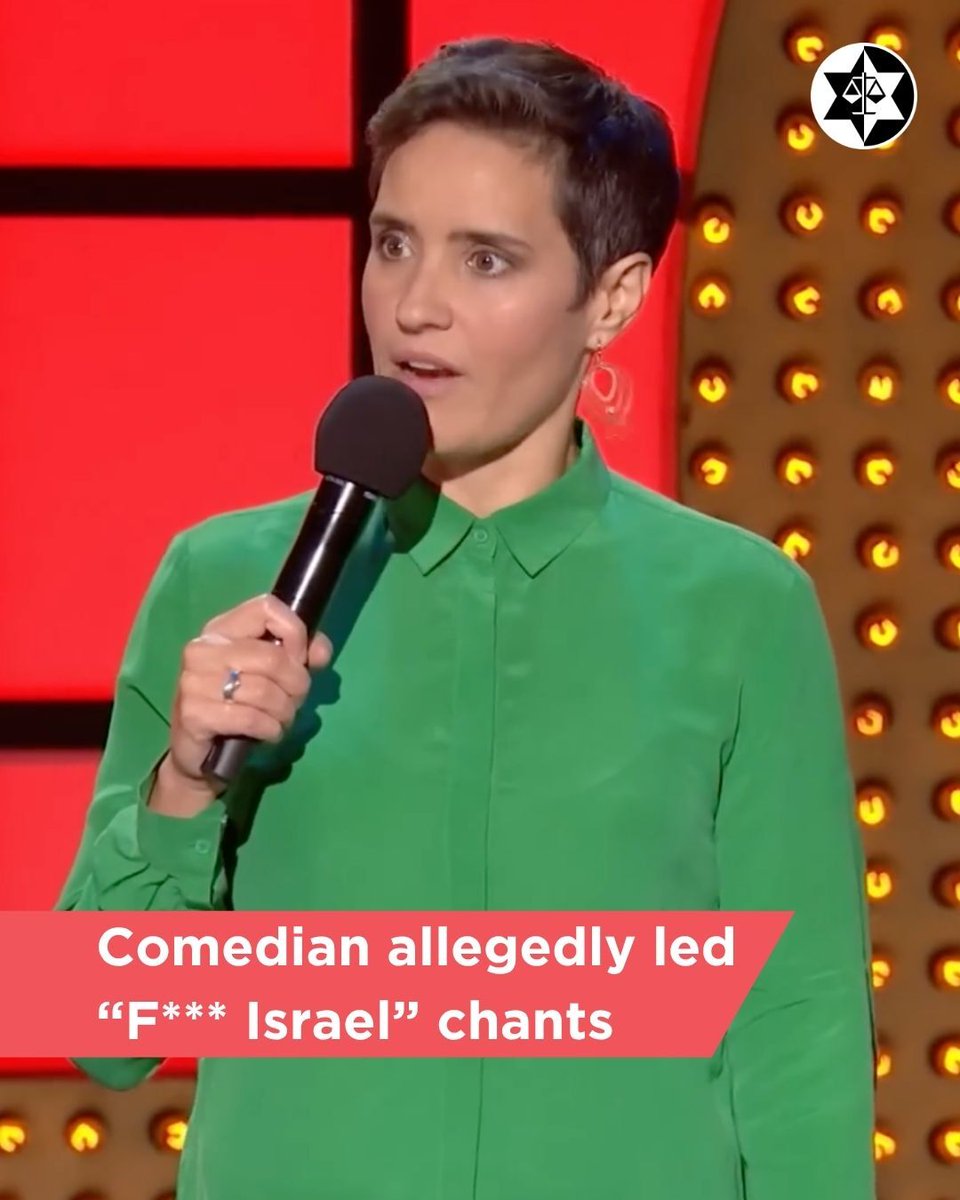
Will this perpetual whining, self-victimization and silencing campaign ever end? It's beyond pathetic.

CAA has sent a letter to the Assembly Hall Theatre in Tunbridge Wells regarding a performance some weeks ago featuring comedian Jen Brister.
We had received deeply concerning reports from two Jewish audience members who attended the performance, who observed Ms Brister initiating chants of “F*** Israel, free Palestine” from the stage, encouraging the audience to join in.
The Jewish audience members have told us that the atmosphere became more like that of a rally than a comedy performance, and that the hostility and aggression elicited by Ms Brister from the rest of the audience caused them to fear for their safety, as a result of which they felt compelled to leave the theatre.
We have written to ask the venue to confirm its position on the performance and whether it will take steps with regard to safeguarding measures for audience members to prevent similar experiences from occurring in future.
49
315
2,352
73,699
Jason B retweeted

Jun 11
Look on this and weep 😪
Jun 11

Resurfaced footage shows a Palestinian mother collecting flour mixed with sand during severe famine conditions to feed her family.
275
5,812
13,248
163,969
Jason B retweeted

Jun 10
Hey @AndrewKolvet, there was no moving of the goalposts—we've asked you to release the whole video since day 1, and we're still asking you to release the whole video.

🚨“We decided to troll the trolls, stuff it in their face and watch them predictably melt down.”
— Andrew Kolvet, Executive Producer of The Charlie Kirk Show
129
396
4,061
55,270
Jason B retweeted

Jun 11
The jewish settlers bound his genitals 'with a plastic zip tie and pulled it tight'.
They threatened the Palestinian man: 'if you do not leave this place [his land], we will burn you and rape your women'.
119
2,859
4,025
53,361
Jason B retweeted

Jun 11
Really ? Then why is it being bombed ?
459
1,559
10,425
240,420
Jason B retweeted

The horrors that await these girls are beyond terrifying and sickening.
Their captors are the most depraved monsters ever to walk the earth.
Will the legacy media even touch this?
Jun 11

Israeli troops abduct three Palestinian girls in the occupied West Bank
154
2,708
3,692
46,420
Jason B retweeted

Jun 10
Palantir's co-founder claimed "the NHS makes people sick".
Yet this US tech giant now runs the NHS data platform.
There are serious concerns about its access to patient data and human rights record.
The Government should use the break clause to kick Palantir out of our NHS.
164
1,910
3,840
42,550