Sports fan, mountain biker, Former CEO of @eHealth
Joined July 2010
- Tweets 608
- Following 1,010
- Followers 960
- Likes 397
14 Photos and videos





Scott Flanders retweeted

Mar 8
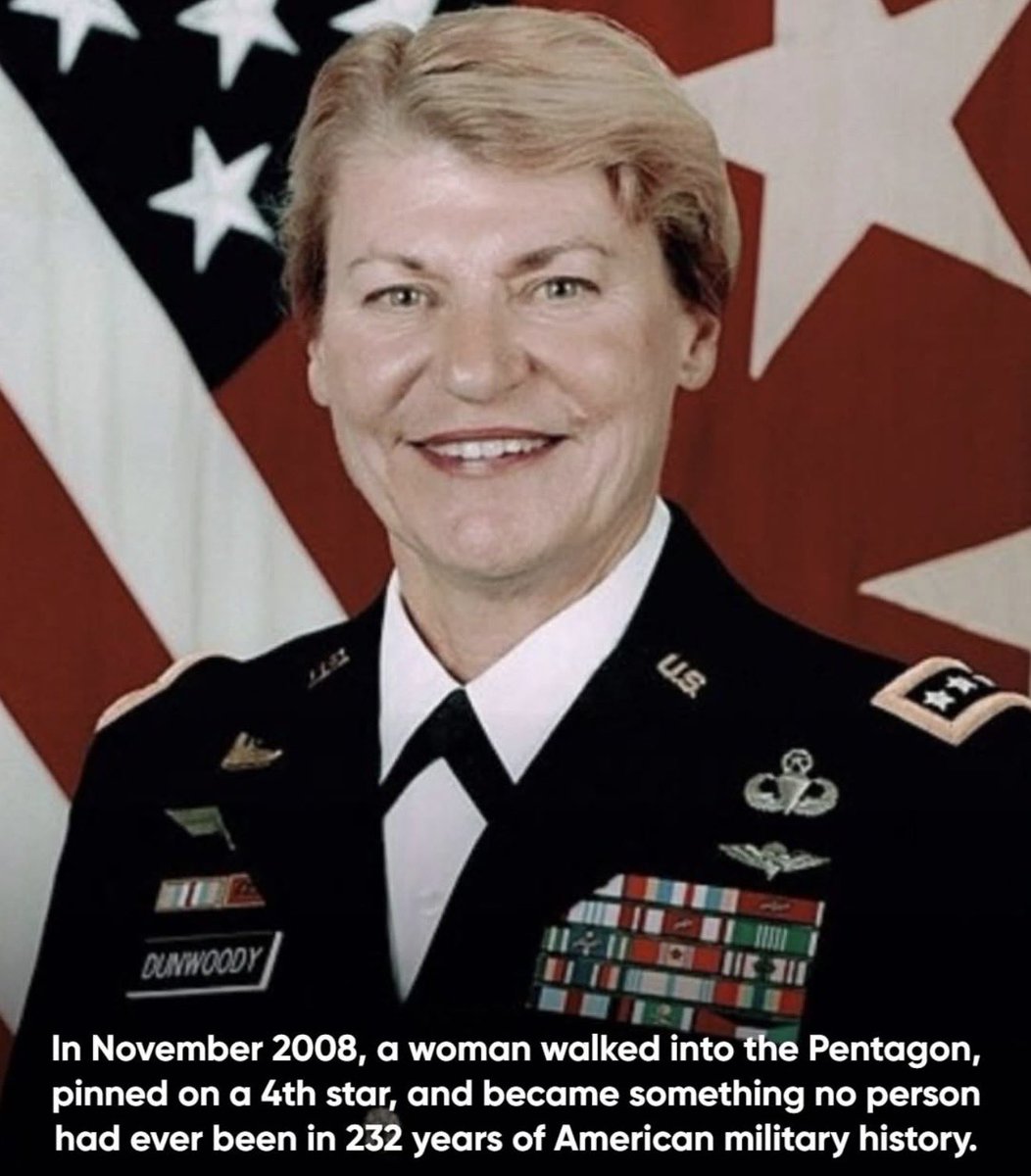
The first woman — in any branch of the United States military — to ever reach the rank of four-star general.
Her name was Ann Dunwoody. And her first words after the ceremony perfectly captured who she is: "There is no one more surprised than I — except of course my husband. You know what they say: behind every successful woman, there's an astonished man."
She joined the Army in 1974, was commissioned as a second lieutenant in 1975
Ann Dunwoody went into logistics.
It was not a glamorous choice. Logistics — the science of getting the right equipment to the right place at the right time — is the unglamorous infrastructure behind every military operation. It is invisible when it works. It is catastrophic when it doesn't. Wars have been won and lost not by strategy or courage alone, but by supply chains — by whether ammunition arrives, whether vehicles are maintained, whether food and fuel reach soldiers who need them.
She understood this from the beginning. And she was exceptional at it.
Over the next 3 decades, she built a record of firsts
1992: First woman to command a battalion in the 82nd Airborne Division.
2000: First female general officer at Fort Bragg.
2004: First woman to command the Combined Arms Support Command.
2005: First woman to achieve three-star rank as the Army's Deputy Chief of Staff for Logistics.
November 14, 2008: First woman in American military history to achieve four-star rank.
At each step, she was not merely adequate. Army Chief of Staff General Ray Odierno, who hosted her retirement ceremony in 2012, said it plainly: "It wasn't because you were a woman. It was because you were a brilliant, dedicated officer, and you were quite simply the best logistician the Army has ever had."
That is the weight of what barrier-breaking actually looks like from the inside. It is not enough to be good. It is not enough to be excellent. When you are the first, you are not just representing yourself — you are carrying an unspoken question on behalf of everyone who comes after you. And the only way to answer it is through results.
She answered it for 38 years.
Her final command, Army Materiel Command, oversaw more than 69,000 employees, operated in all 50 states and 145 countries, and managed a budget exceeding $60 billion. She supported the largest deployment and redeployment of American forces since World War II. She led the Army's global supply chain through the wars in Iraq and Afghanistan and contingency operations in Haiti, Pakistan, and Japan.
At the Pentagon ceremony on November 14, 2008, Secretary of Defense Robert Gates called her "one of the foremost military logisticians of her generation" and said she had broken through "the final brass ceiling." He noted something important: she would rather be known, first and foremost, as a United States Army soldier — not as a symbol, not as a milestone, but as a soldier who did the job.
She also said something that has stayed with people ever since:
"I hope this appointment shows young women and men that anything is possible if you have the passion and qualifications."
After her promotion, a Reserve NCO who had served with her wrote to say: "I can finally tell my 3 daughters that they can be anything they want to be, including a four-star general in the Army."
That is what 38 years of showing up actually looks like.
Ann Dunwoody retired on August 15, 2012. She has since written a book, "A Higher Standard," sharing the leadership principles that guided her career. Army Chief of Staff Odierno said of her legacy: "You have made every unit you have been in a better unit."
She entered a military that handed women mops and cooking aprons and told them to be grateful for the chance to serve. She left it having commanded an organization with a larger budget than most nations' entire defense spending, and having opened the door to four-star rank for every woman who came after her.
She didn't ask permission to belong.
She just proved, for 38 years, that she already did.
77
419
3,032
690,311
Scott Flanders retweeted

Jan 11
The Iranian regime represses its citizens at home and is the leading state sponsor of terror abroad.
I stand with the brave Iranian protestors who are courageously calling for freedom all across their country.
626
654
2,163
49,345

Scott Flanders retweeted

8 Dec 2025
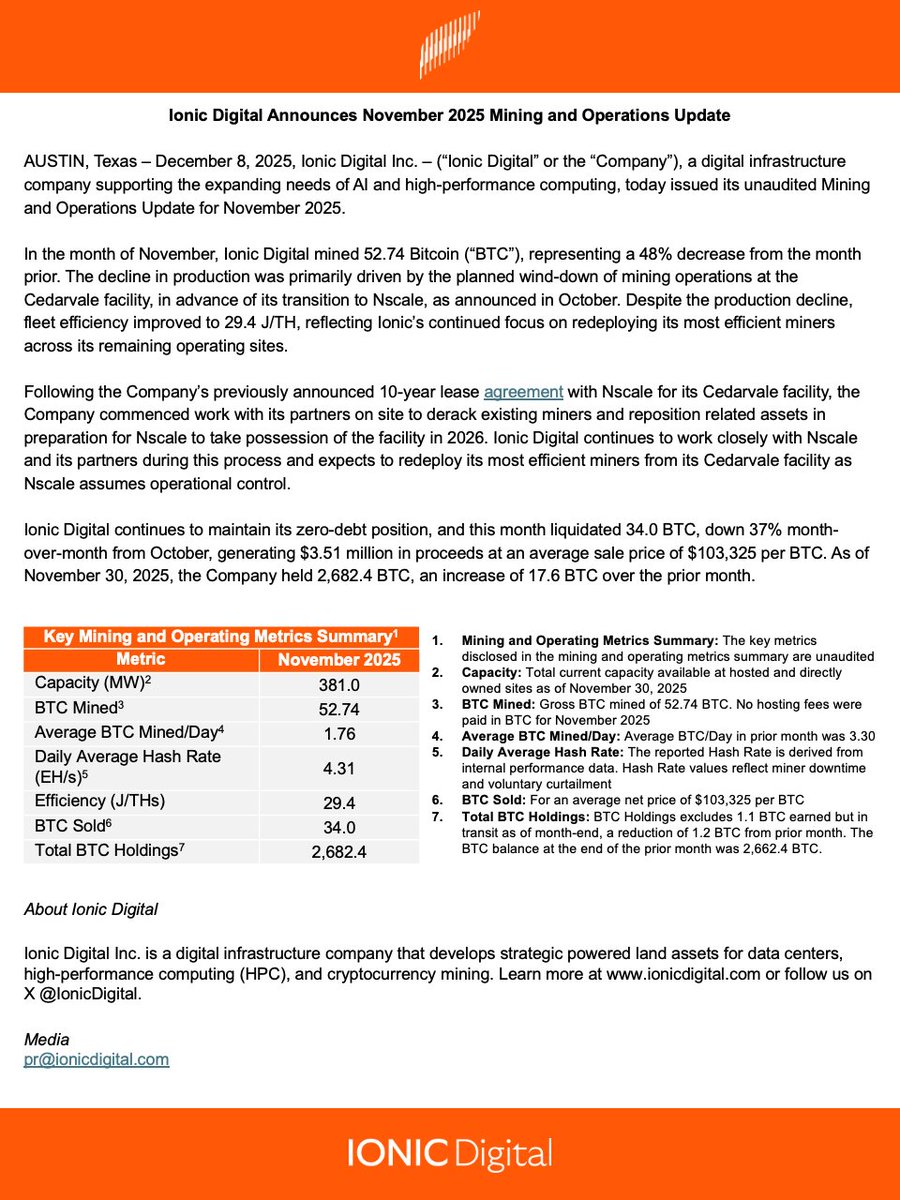
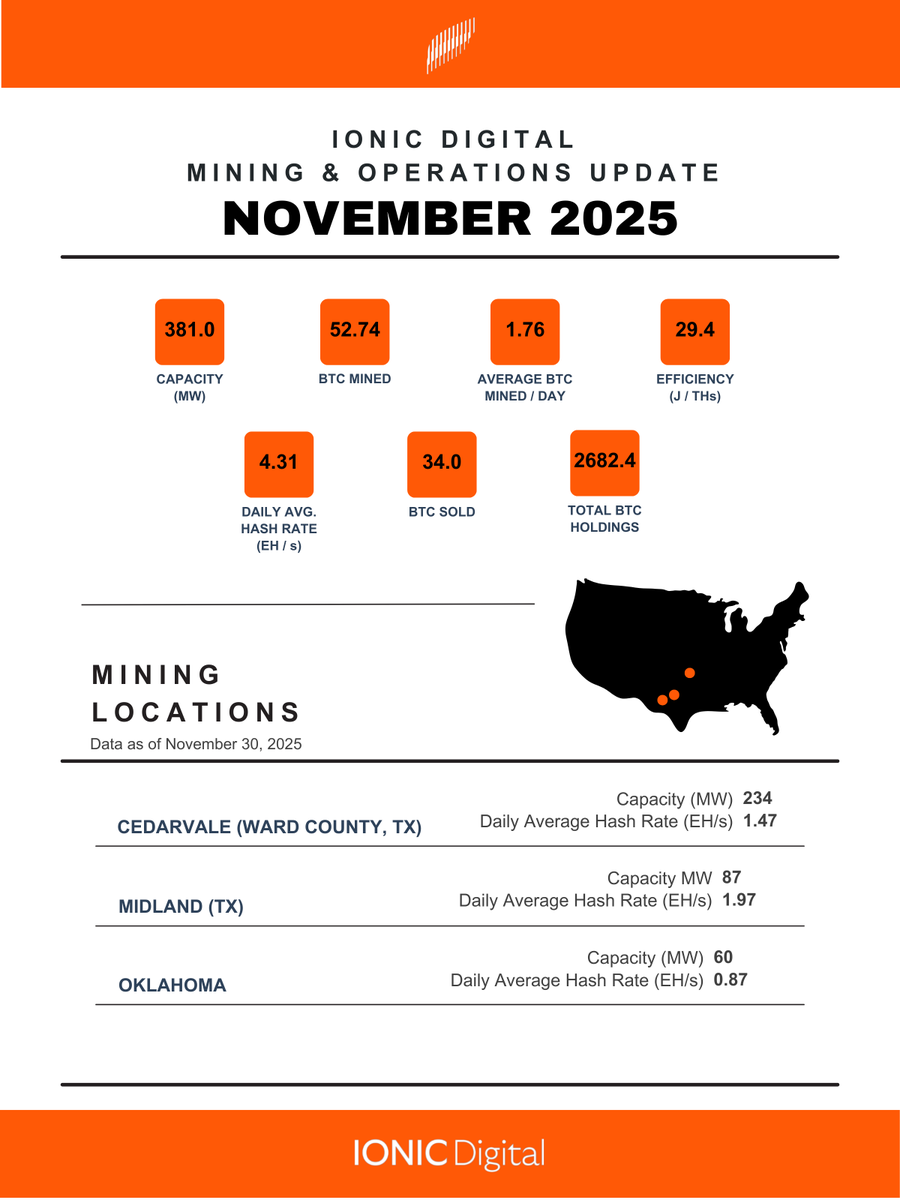
🚨November 2025 Mining & Operations Update🚨
We mined 52.74 BTC with improved fleet efficiency of 29.4 J/TH and total holdings of 2,682.4 BTC as of 11/30/25.
15
14
118
16,883
Scott Flanders retweeted
18 Nov 2025
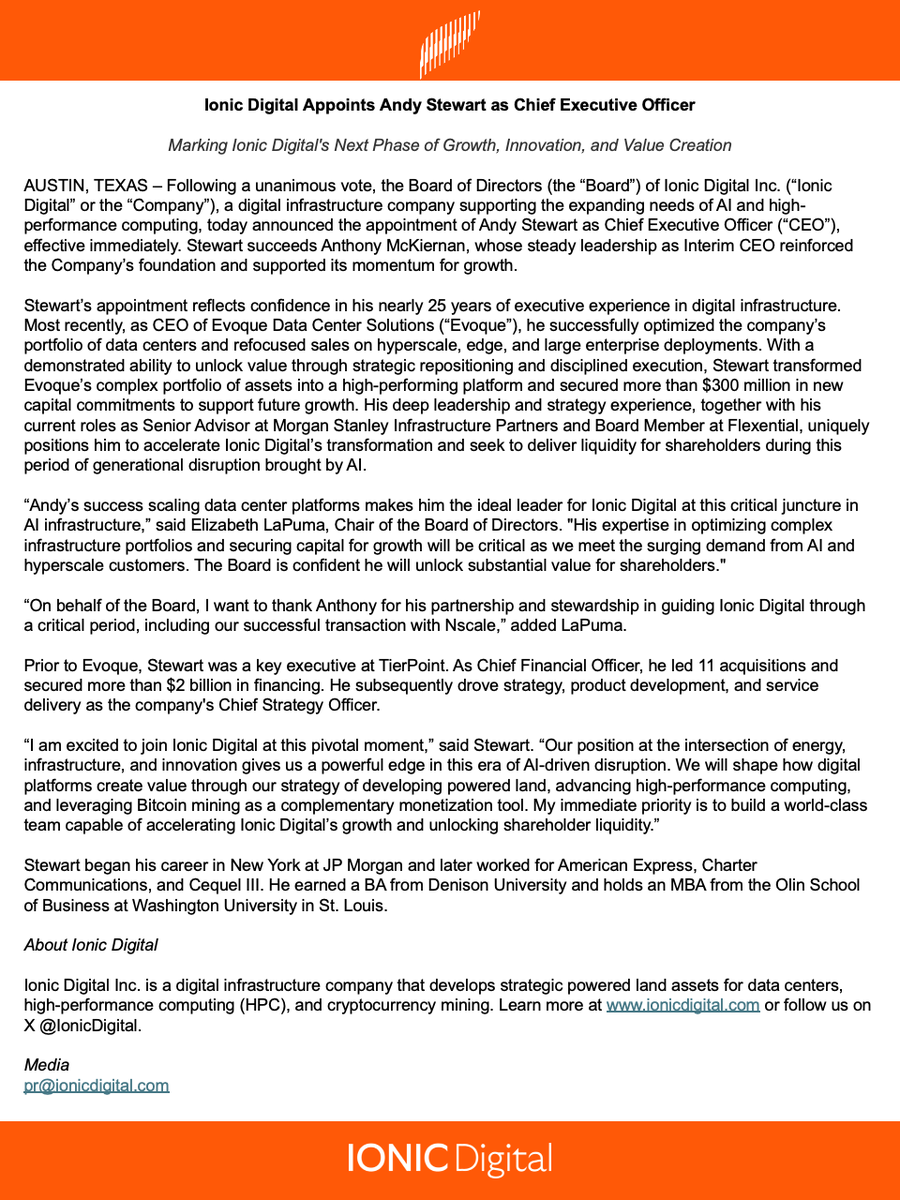
Andy Stewart joins Ionic Digital as CEO.
With deep experience in digital infrastructure and a proven record of building world-class teams, Andy will lead Ionic into its next chapter, scaling powered land, high-performance computing, and energy innovation.
Read our full press release here: businesswire.com/news/home/2…
22
19
127
21,433
Scott Flanders retweeted

31 Oct 2025
Ionic Digital, the Bitcoin mining firm reborn from Celsius Network’s bankruptcy, has filed confidentially with the SEC for a planned Nasdaq listing. Now operating 318MW of capacity across U.S. sites, Ionic is expanding beyond crypto — leasing its massive 234MW Barstow, TX site to AI cloud firm Nscale in a $2B deal serving Microsoft. A new chapter for digital infrastructure: from mining to powering AI.
prismmarketview.com/ionic-di…

3
5
26
4,393
Scott Flanders retweeted
29 Oct 2025
Today, Ionic Digital confidentially submitted a draft registration statement on Form S-1 with the U.S. Securities and Exchange Commission (“SEC”) relating to its proposed public listing. The public listing is expected to take place after the SEC completes its review process, subject to market and other conditions.
businesswire.com/news/home/2…
34
51
292
57,088
Scott Flanders retweeted

15 Oct 2025
This is a truly transformational transaction; not only securing Ionic's leadership in the energy infrastructure industry but giving the company nearly $2bn of revenue over the next 10 years to invest in its bitcoin mining and treasury strategies. Great businesses are built on great partnerships. Thank you @nscale @nvidia @Microsoft
I would like to give a special accolades to @amckiernan1002, Thomas Montgomery and the team at @CushWake for all their hard work.
#ProudDirectoroftheBoard
businesswire.com/news/home/2…
13
20
126
17,026
Scott Flanders retweeted

18 Aug 2025
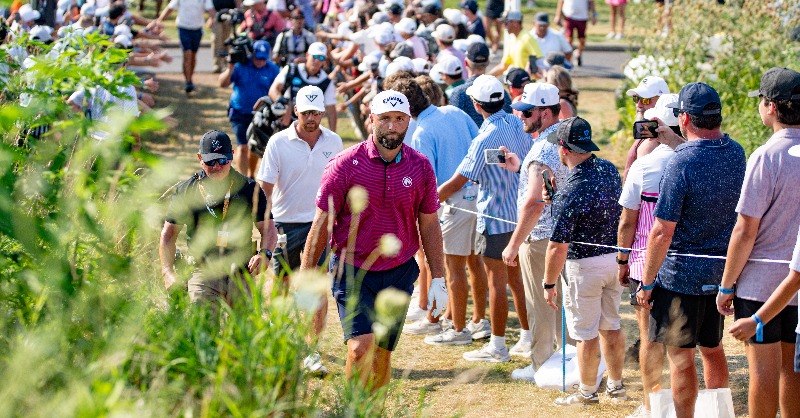
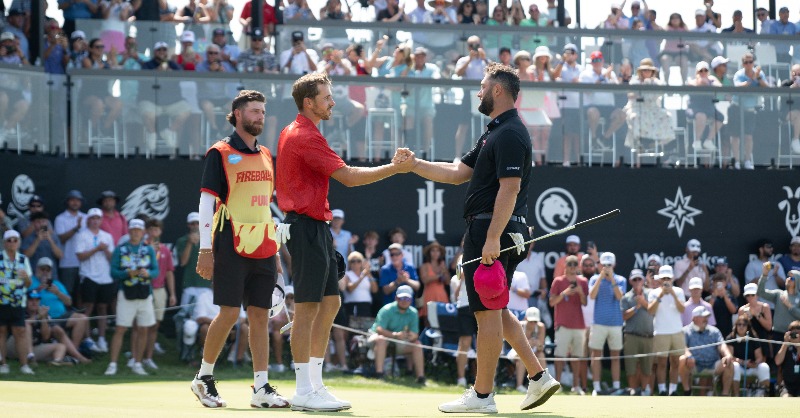
Indy…you were incredible! So proud to be part of this amazing sports community ~ the energy this weekend was electric!
Thank you for the memories! 🙌🏻
18 Aug 2025

Three days. More than 60,000 fans. One unforgettable finish 🙌
That’s how you close out an Individual Championship 🏆
#LIVGolfIndy


7
9
126
9,691

27 Jul 2025
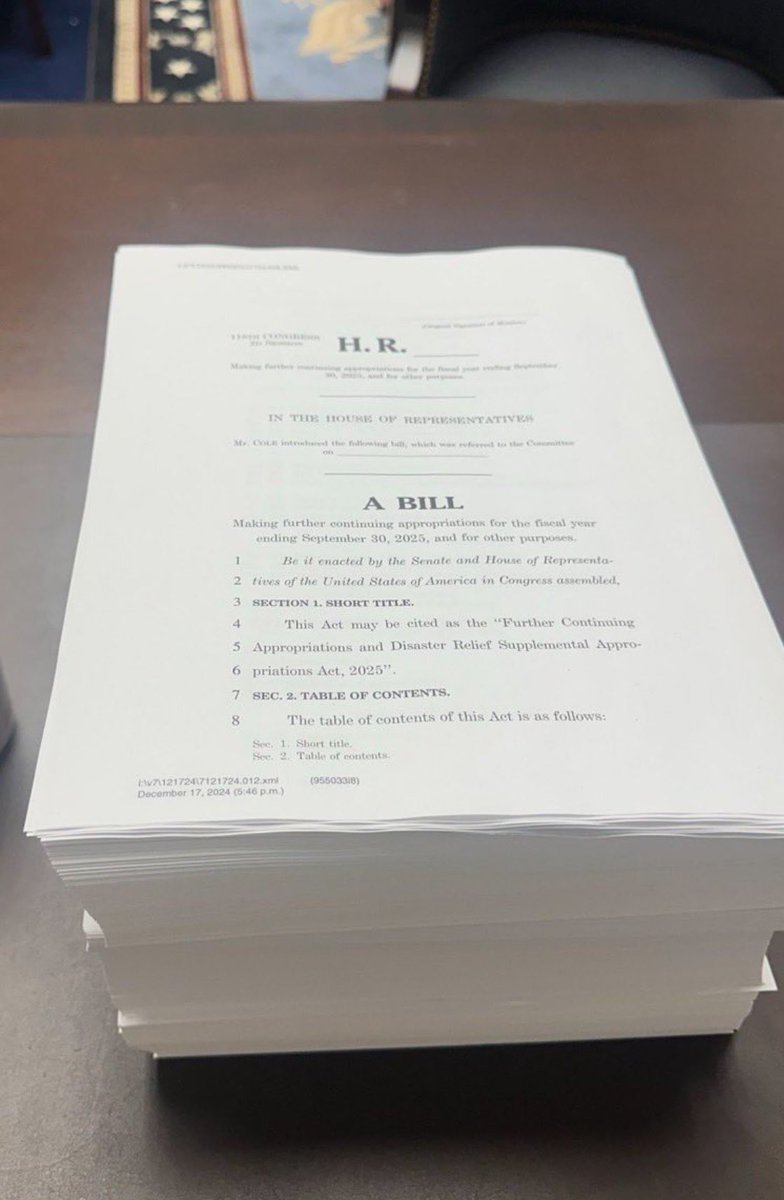
New bill would reward companies that give stock to rank-and-file employees @CNBC cnbc.com/2025/07/25/congress…
2
1
2,690
Scott Flanders retweeted

27 Jun 2025
Rent control is the second-best way to destroy a city, after bombing. And, because of what it leads to in terms of under investment in repairing, maintaining, constructing new apartments, I think this is likely to exacerbate rather than improve issues around housing affordability in New York. This would be a gross policy error by @ZohranKMamdani.
Watch tonight's Wall Street Week with @DavidWestin @BloombergTV
bloomberg.com/news/videos/20…
823
1,039
7,489
1,230,696
Scott Flanders retweeted

23 Jun 2025
OKC is a great defensive team because the refs don’t call any fouls on them. Pacers so much as reach in and there is a whistle. The officiating in the third quarter has been atrocious.
7
46
702
8,455
Scott Flanders retweeted

14 Jun 2025
14 GOP Senators on Finance Committee. Every single one says they love HSAs. These Senators must make sure the HSA expansions that the US House passed in the OBBB are not dropped!
@MikeCrapo @ChuckGrassley @JohnCornyn @SenatorTimScott @BillCassidy @jameslankford @SteveDaines
6
25
46
13,330
Scott Flanders retweeted

29 Jan 2025
Congratulations @TravisHunterJr You have set a high standard for future Buffs!
29 Jan 2025

Travis Hunter is the 1st player in CU history to be named a Unanimous First-Team All-American AND First-Team Academic All-American 🦬
@TravisHunterJr x #GoBuffs
buffs.me/aaa

15
100
1,617
40,128

Scott Flanders retweeted

29 Nov 2024
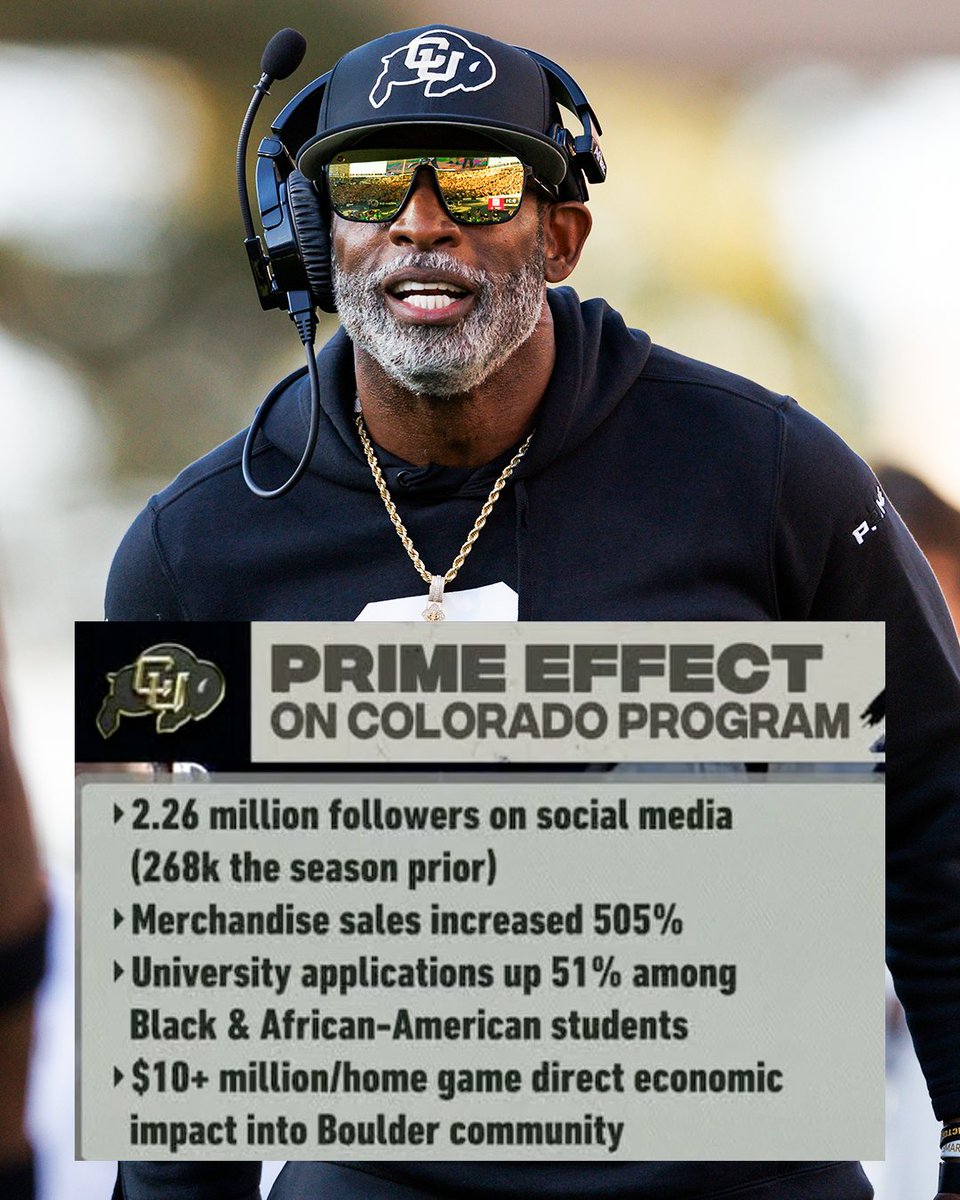
The Prime Effect 🏈
571
3,897
28,393
1,627,323
Scott Flanders retweeted

27 Nov 2024
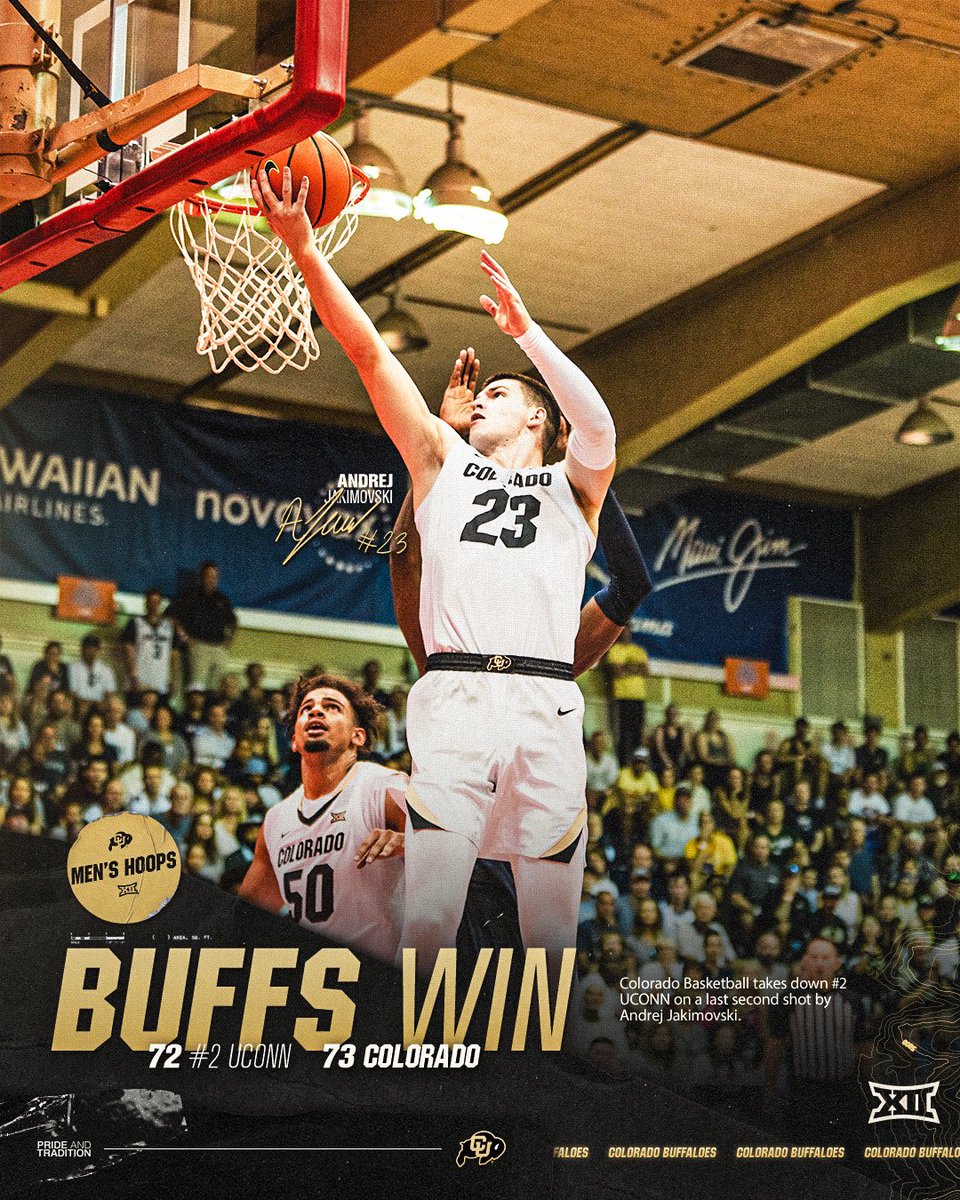
Amazing win @CUBuffsMBB! Another thing to be thankful for this week! Impressive. Shoulder to Shoulder. #GoBuffs 👏👏👏
@CoachTadBoyle | @CUBuffs | 🏀🦬

3
6
169
6,670
Scott Flanders retweeted

25 Nov 2024
I think I have watched this fifty times already.

A birdie to win on the 72nd hole!
Maverick McNealy is a first-time PGA TOUR winner 🏆
37
4
369
27,267
Scott Flanders retweeted
13 Nov 2024
We are honored to announce golf’s return to Indiana as Chatham Hills has been selected to host the 2025 @livgolf_league LIV Individual Championship August 15-17, 2025 !
Join us as we welcome some of golf’s best to #PeteDye ’s final design build…and in his home state! ⛳️
Thank you to @CityofWestfield , @VisitHamiltonCo , Indiana and the Chatham team / members for their incredible support!
Stay up to date with information regarding volunteer, ticketing, hospitality and sponsorship opportunities by submitting information at Chathamhills.com!

8
22
142
8,809
Scott Flanders retweeted
10 Nov 2024
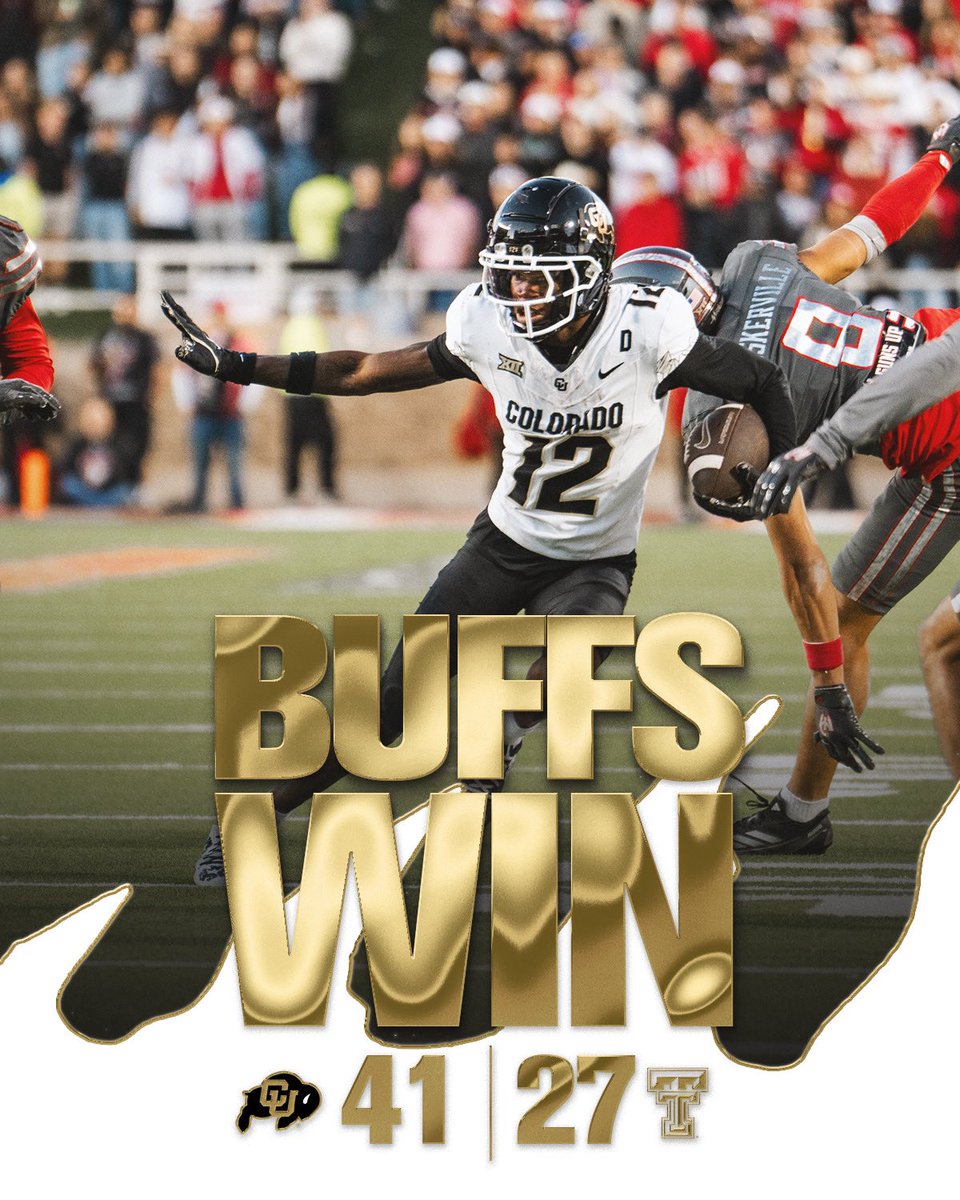
I think the tortillas were good luck for us! Number 7 in the books. 👏 Great win, @cubuffsfootball 🦬 #GoBuffs
@CUBoulder @CUBuffs
2
14
352
8,048