
Autodidact, aspiring polymath | OSINT/HUMINT | DMs welcome | Per aspera ad astra | Foul-Mouthed | Good-faith Actor | 🛸 =👽? 🤷♂️ Signal@ Shakeleather1841.1843
Joined May 2022
- Tweets 11,570
- Following 814
- Followers 2,515
- Likes 38,784
2,570 Photos and videos




Pinned Tweet

24 Nov 2023
Take notice #ufotwitter.
24 Nov 2023

We are winning, and we will win; we are never going to give up or let this go, our democracy depends on it. We have plans for every scenario, and we have backup plans for our backup plans.
4
6
57
13,649
3 Oct 2025
Do not mistake this position as being anti-disclosure or anti-whistleblower. It’s quite the opposite.
Stop the madness, stop the UAPDA.
-Protect whistleblowers.
-Disclose the truth.
3 Oct 2025

What are PPD-19 whistleblowers legally reporting? They’re reporting an oversight issue, correct? So, what do they blow the whistle on once oversight has been corrected? When do the disclosures come?
1
4
507
3 Oct 2025
The alternative to sound political advocacy is a community organized civil science initiative. The choice is yours but choose wisely or you’ll never know the truth.
3
171
2 Oct 2025
Is the UAPDA meant solely to correct oversight? Is there actionable legislation to protect whistleblowers reporting on the nature of UAP rather than oversight violations?
What does it do to increase transparency or disclose the truth to supporters, in a timely manner? 1/4>
1 Oct 2025

Once again, the UAPDA has not made it into the NDAA. After three failed attempts, it’s clear Congress needs a workable path forward. My proposed UAP Registration Act creates a proper foundational regulatory framework: registration, oversight, and accountability. Exactly what is needed to responsibly bring the alleged industry out of the dark and into the light .
1
2
4
697
2 Oct 2025
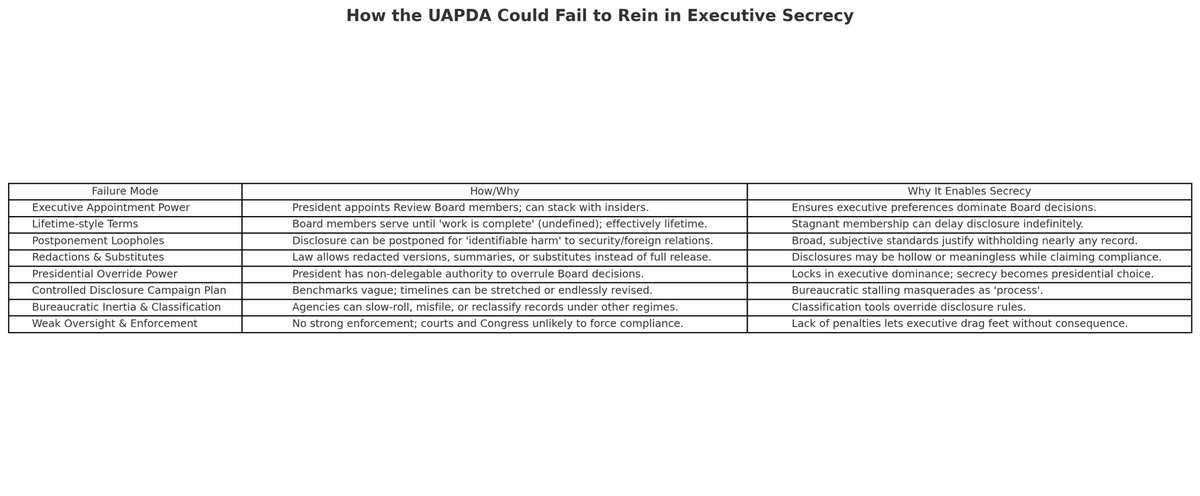
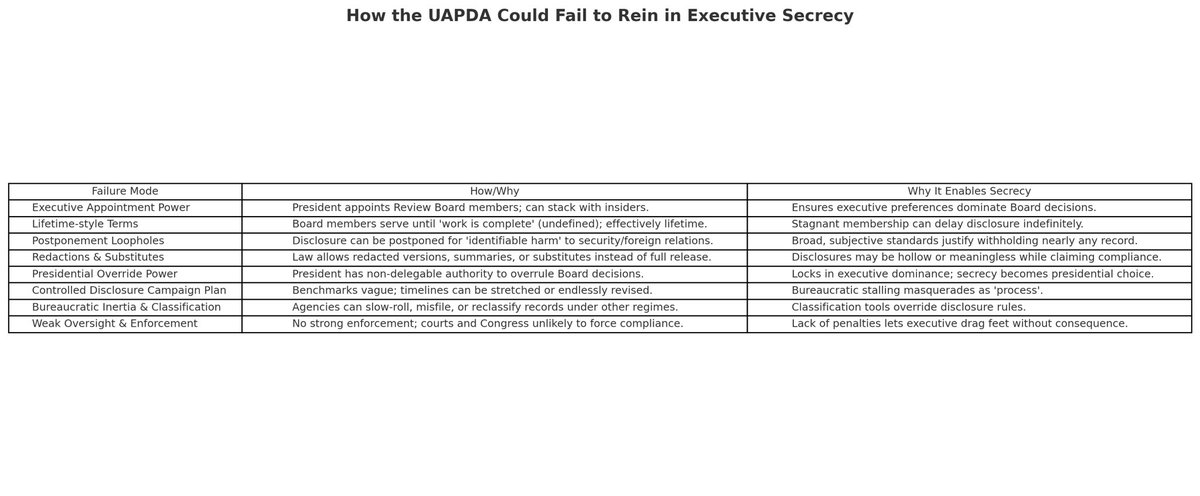
The UAPDA may take 25 years to disclose, and only if the president and his appointees agree. Isn’t this tech going to be on the horizon within the next 5-10 years? That seems like an unfair advantage. How does the UAPDA address the concerns above? Has the nuance been explained?/>
1
2
312
2 Oct 2025
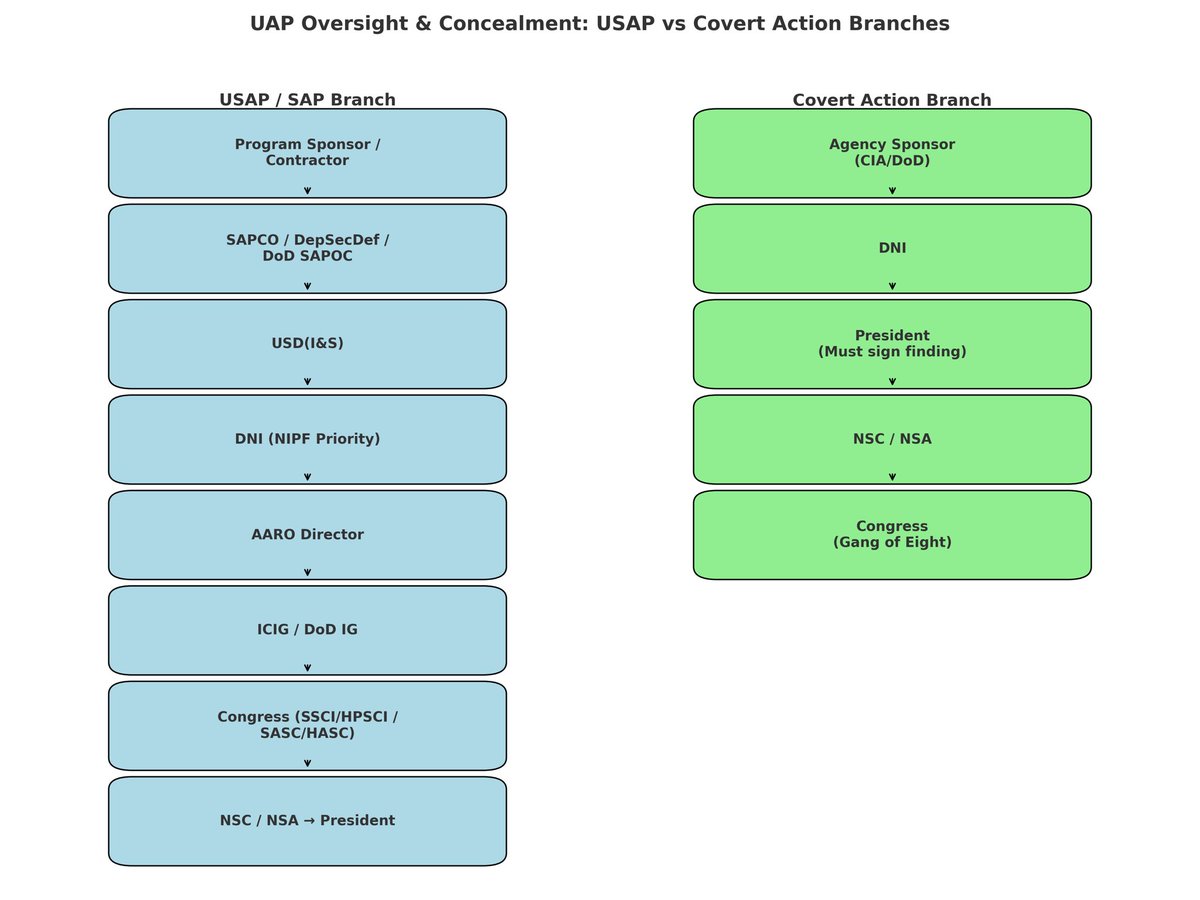
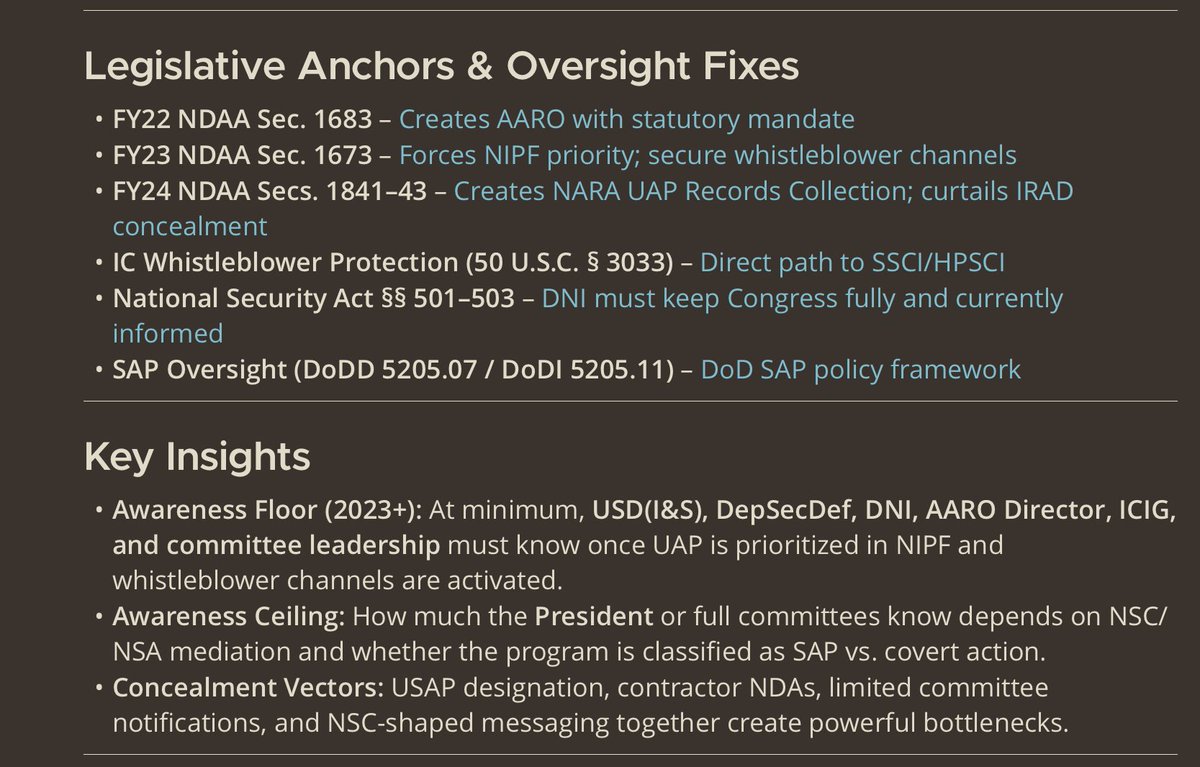
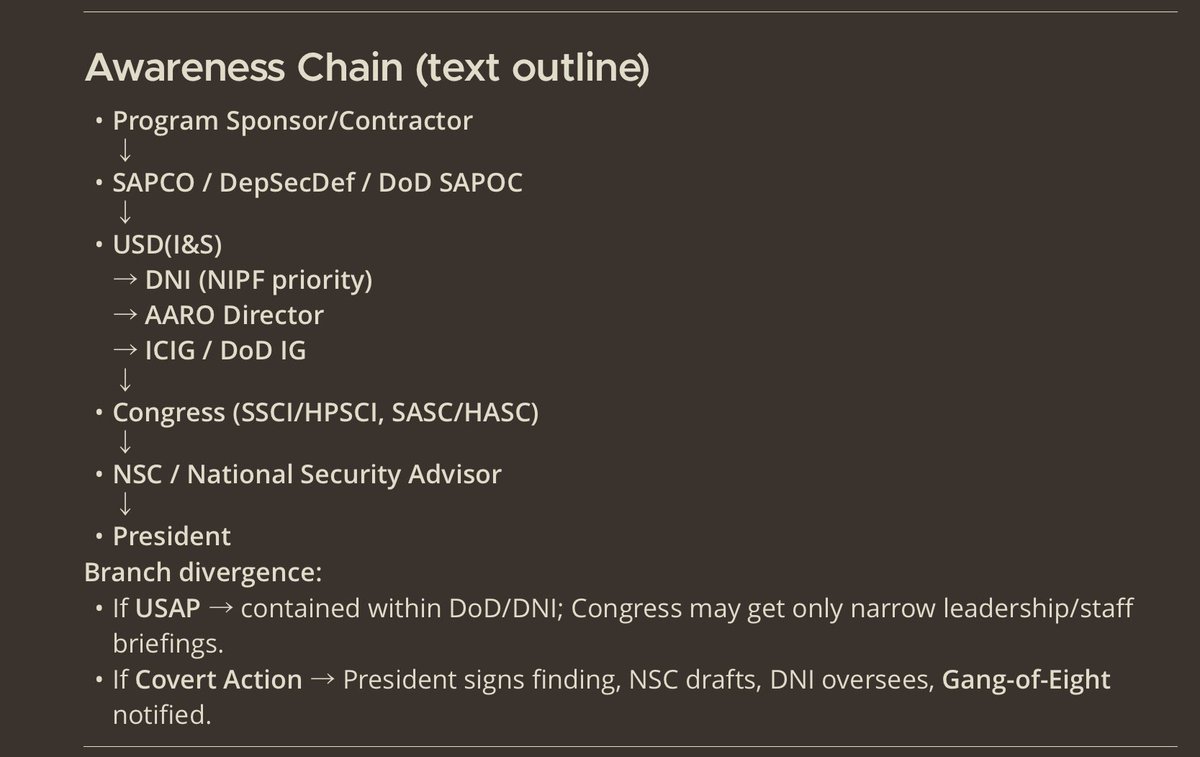
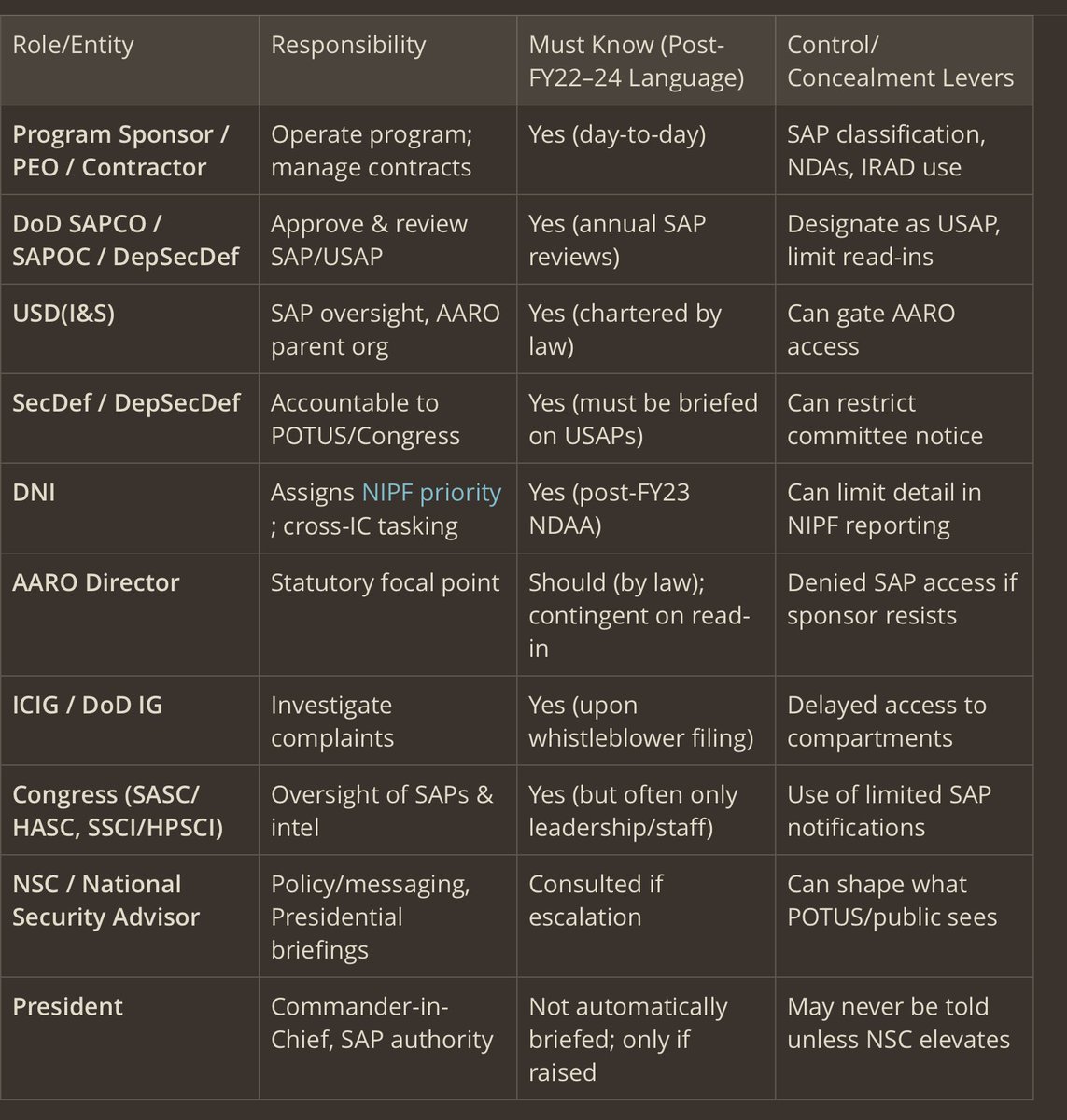
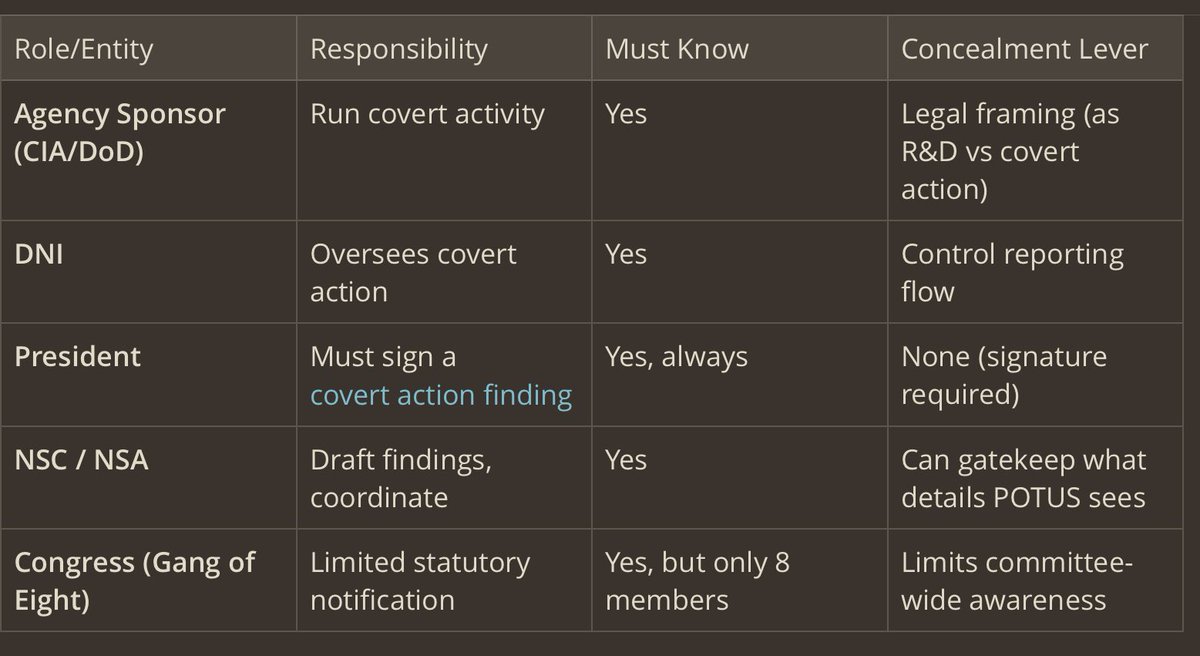
An OSINT “estimate of the situation” attached. How does the UAPDA resolve these concealment mechanisms? How does it ensure transparency for supporters? See chart titled “How the UAPDA Could Fail to Rein in Executive Secrecy” in the prior tweet. (WBs only report for no oversight.)
1
2
600
1 Oct 2025
IG/ICIG when that new whistleblower drops:
There is a lapse of appropriations and there will be limited updates.
2
5
348
shake-leather retweeted

18 Sep 2025
I just unpaywalled it altogether, support me if you can, read me if you cant
burningrob.substack.com/p/su…
18 Sep 2025

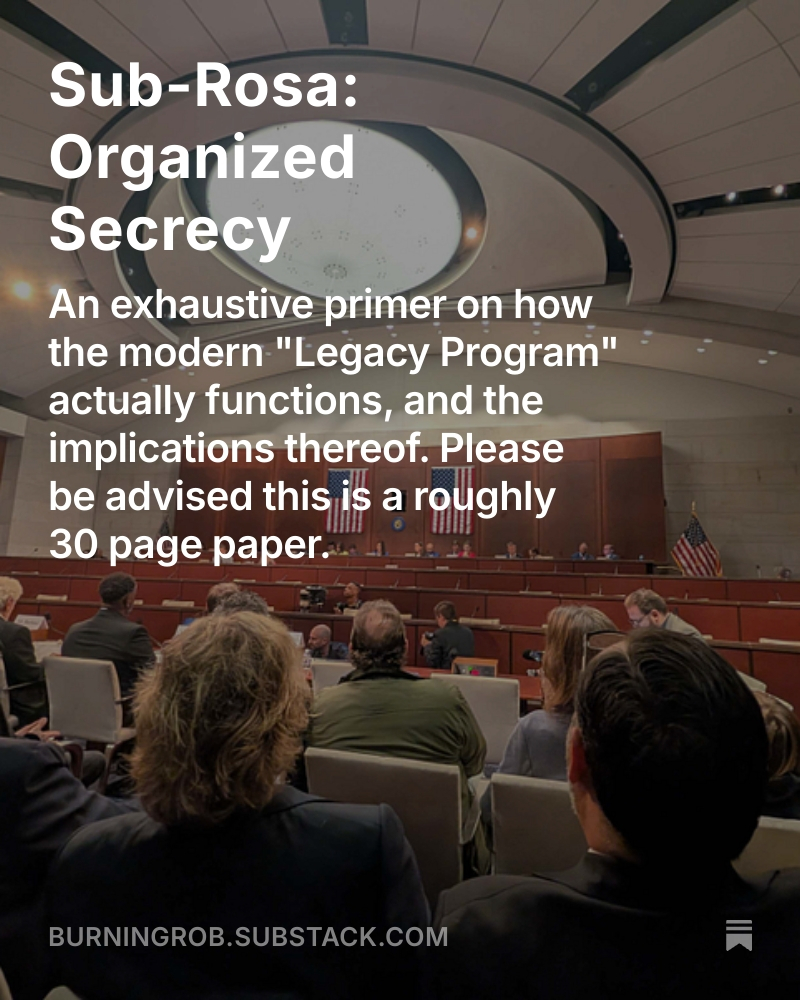
I published a paper on exactly how the modern legacy program works. It's paywalled because it represents six months worth of research and editing (and I am broke) burningrob.substack.com/p/su… #uapX #uaptwitter #Ufotwitter #ovni
7
47
148
16,936
11 Sep 2025
*Ahem*
10 Sep 2025
A theme from yesterday hearing that I wish to highlight:
- The Executive branch was named numerous times as the arbiter of UAP matters…
So why draft legislation that solidifies this subject under solely the Executive?
Shouldn’t we be drafting legislation that explicitly excludes portions of this subject from the Executive, and instead create oversight, regulations and transparency for the American people?!
1
8
927
shake-leather retweeted

10 Sep 2025
A theme from yesterday hearing that I wish to highlight:
- The Executive branch was named numerous times as the arbiter of UAP matters…
So why draft legislation that solidifies this subject under solely the Executive?
Shouldn’t we be drafting legislation that explicitly excludes portions of this subject from the Executive, and instead create oversight, regulations and transparency for the American people?!
27 Apr 2025
The UAP conversation needs a real path forward—not just speculation or seizures. I propose the UAP Registration Act, a framework to regulate NHI technologies transparently while respecting national security & IP rights.
Read more in my latest article:
thedebrief.org/a-well-regula…
7
10
43
6,940
10 Sep 2025
Update: Laslo has the flu. A few of us were worried when he went dark.
5
134
7 Sep 2025
Watch things unravel as we pull this thread. Something isn’t right here.
open.substack.com/pub/unques…
1
2
175
shake-leather retweeted
17 Aug 2025
None of this would occur if Congress passed a UAP Registration Act.
If the materials exist they shall be registered. If not registered, witnesses will report to the FBI the existence of materials are unregistered and the civil / criminal enforcement mechanisms kick in.
There are simple solutions to major problems, this being one of them.
27 Apr 2025
The UAP conversation needs a real path forward—not just speculation or seizures. I propose the UAP Registration Act, a framework to regulate NHI technologies transparently while respecting national security & IP rights.
Read more in my latest article:
thedebrief.org/a-well-regula…
11
12
51
6,299
shake-leather retweeted
23 Jul 2025
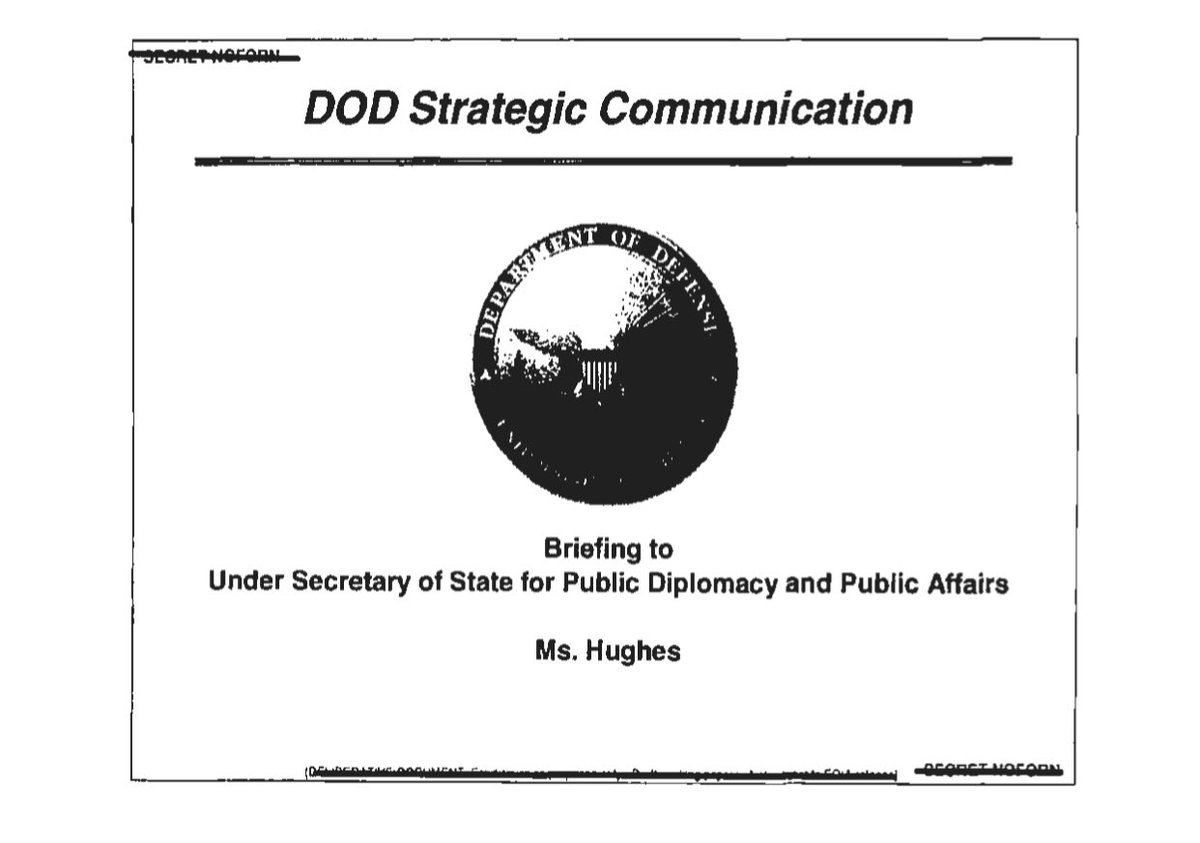
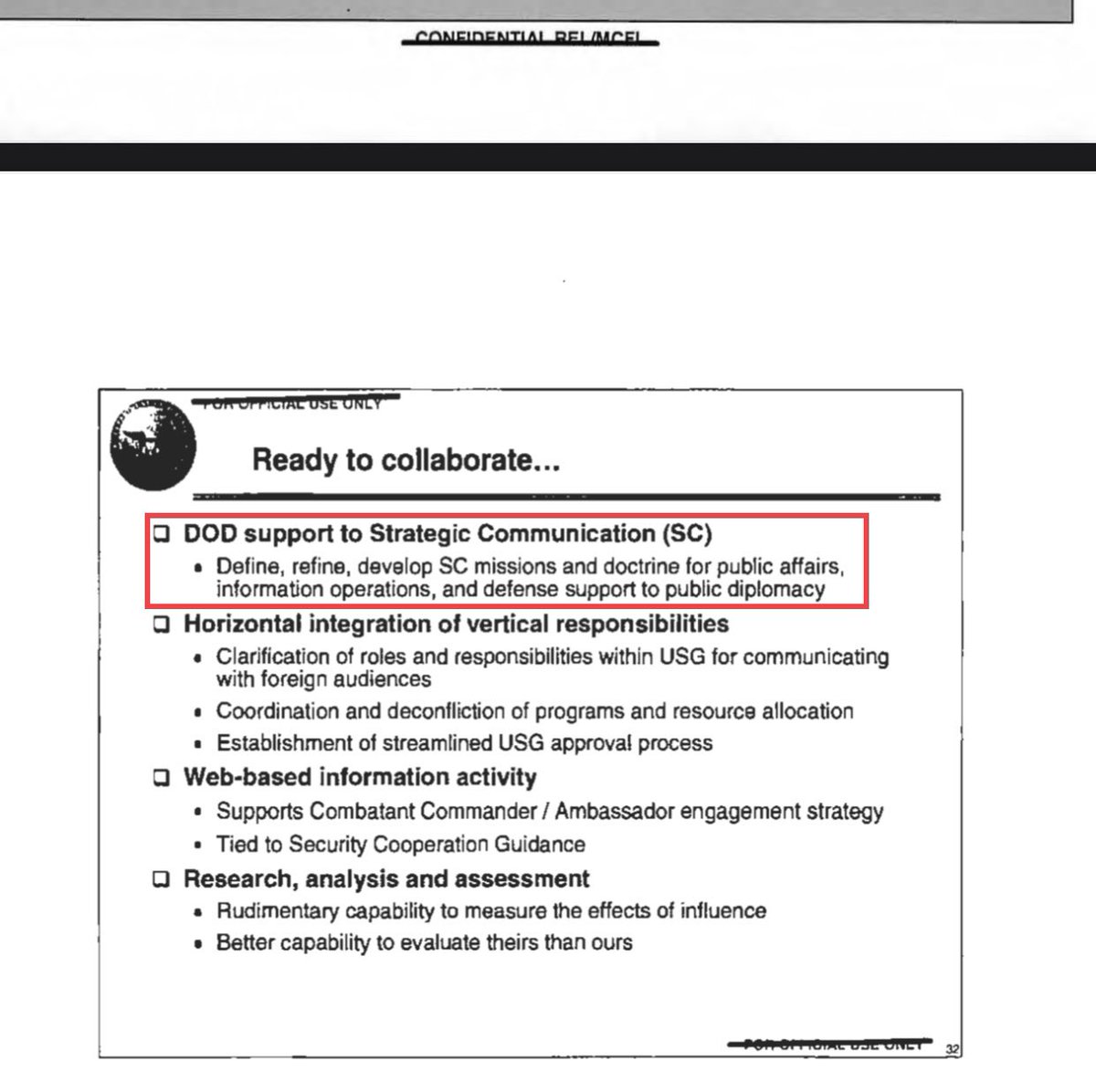
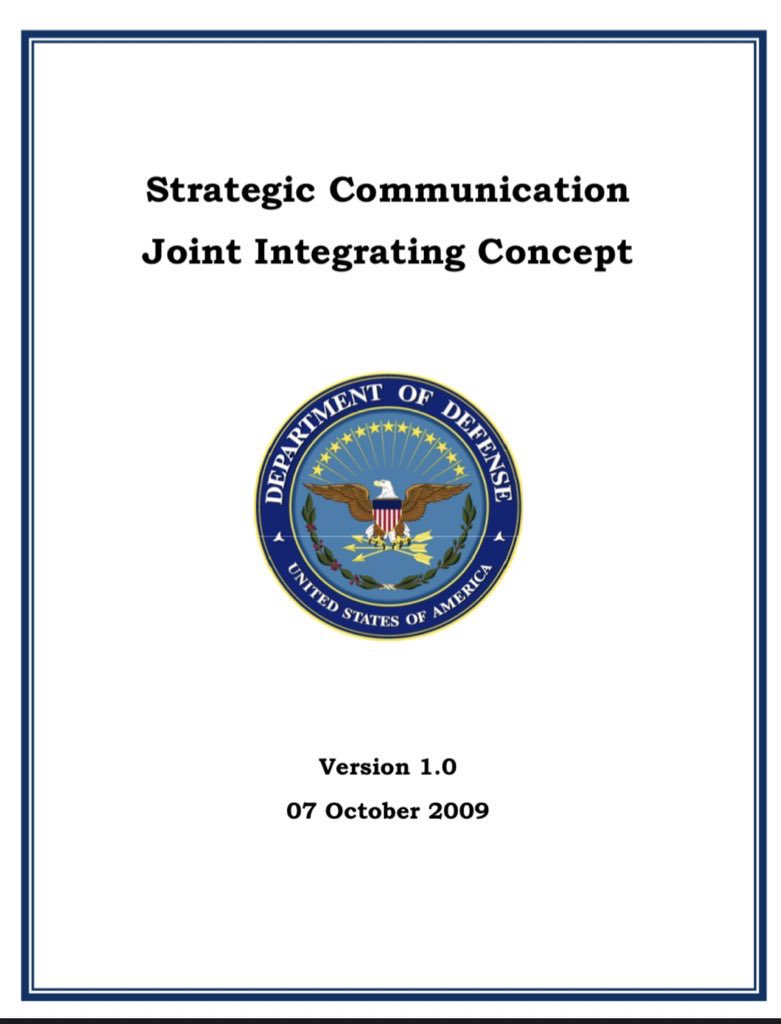
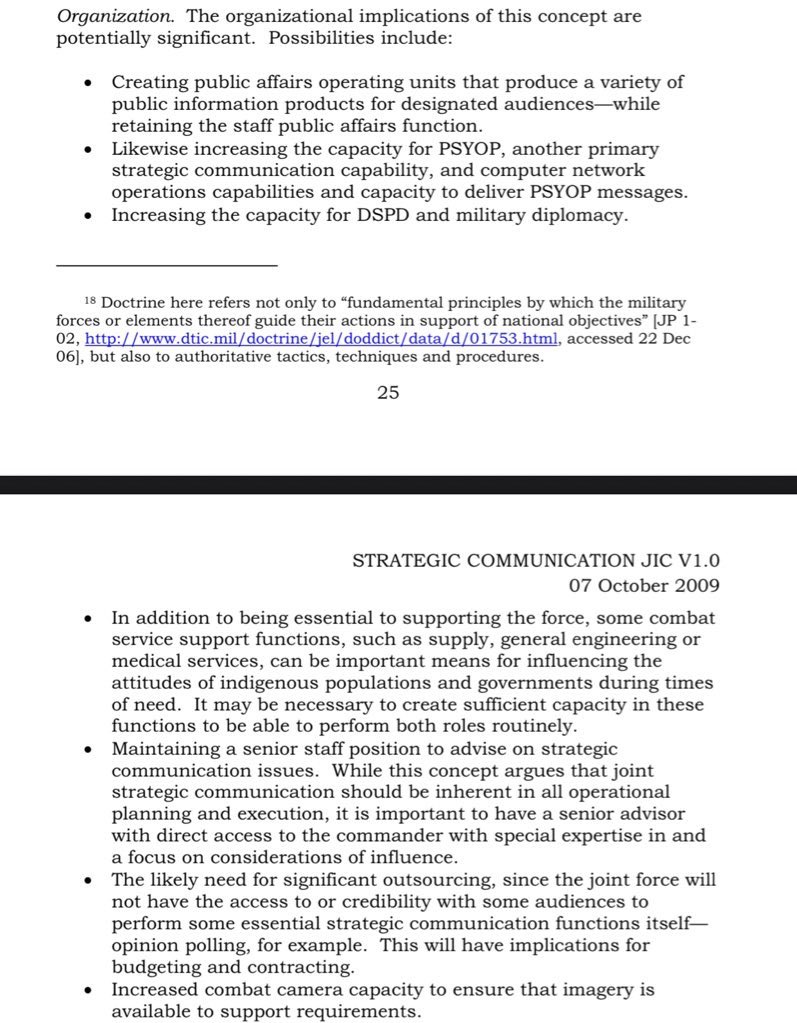
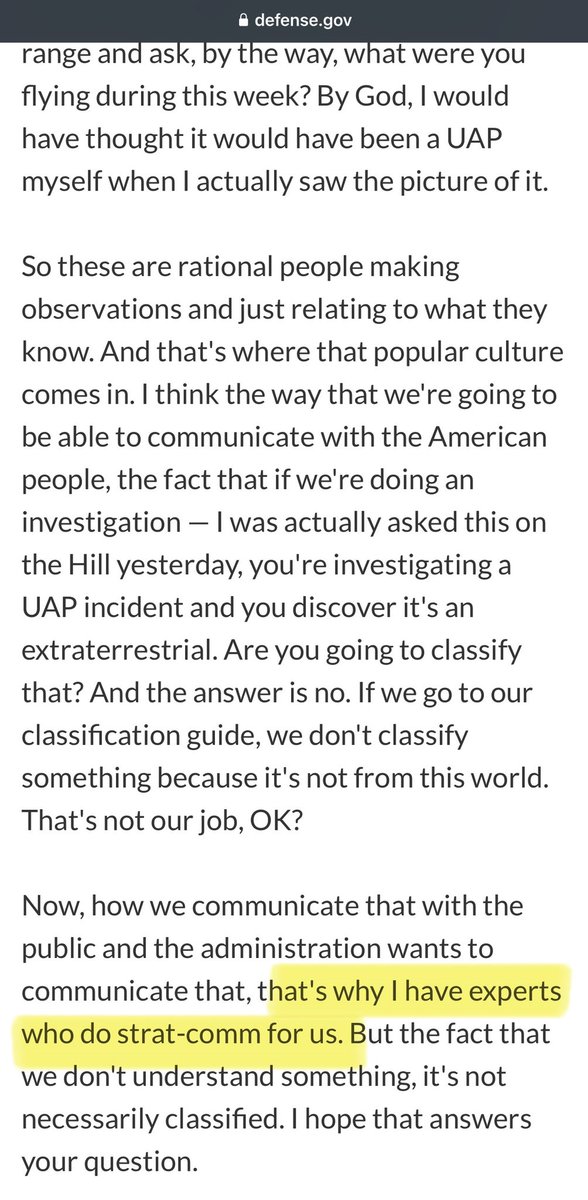
“Now, how we communicate that with the public and the administration wants to communicate that, that's why I have experts who do strat-comm for us.”
-Tim Phillips
Strat-comm=Strategic Communications
5 Dec 2024
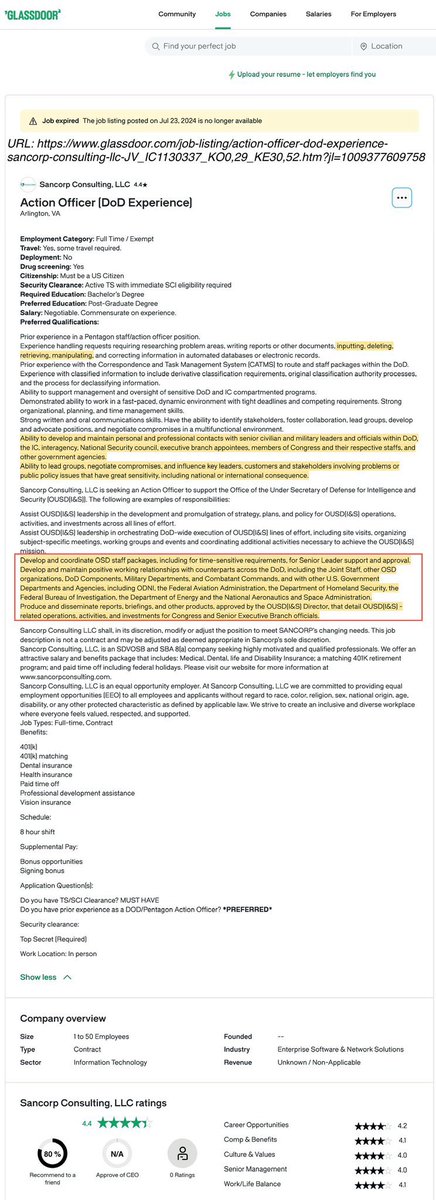
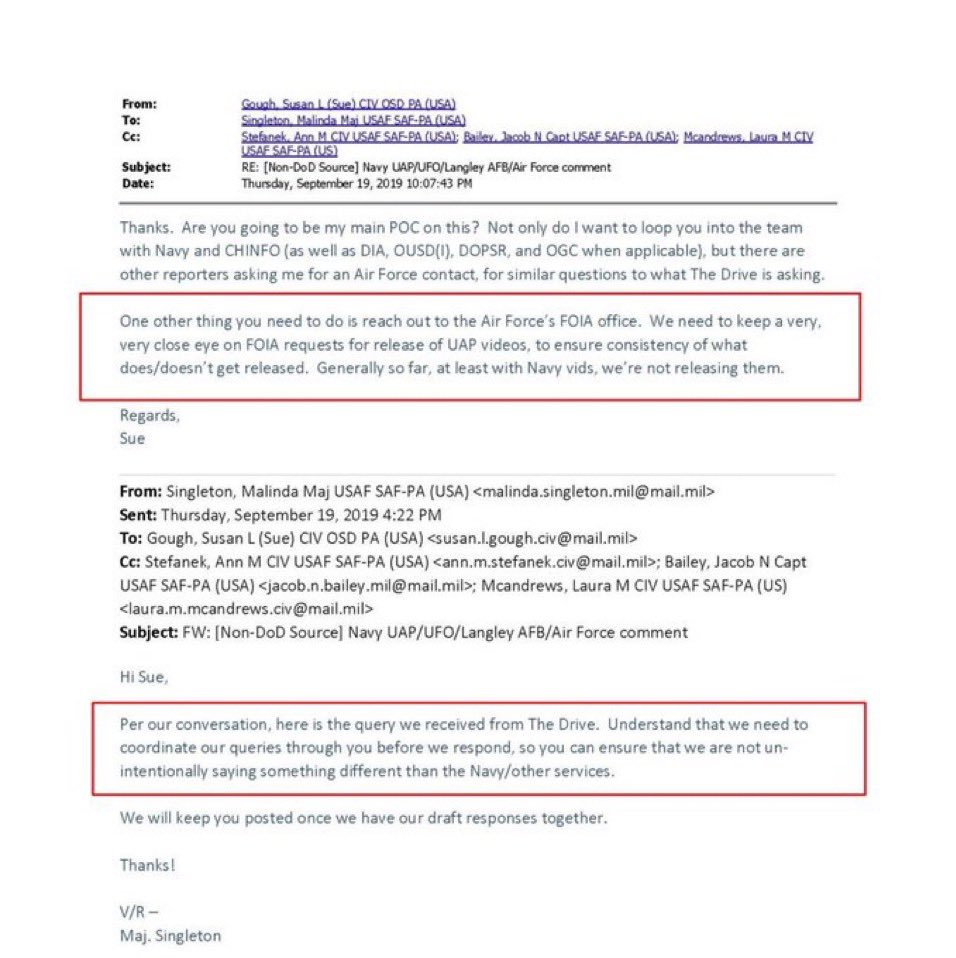
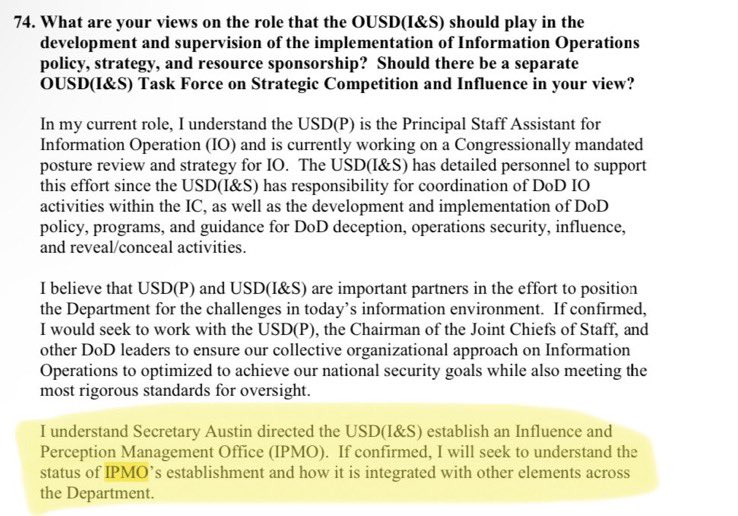
Ask them for clarification on their statement about strat-comm. Ask them if they coordinate with IPMO and PAO to restrict unclassified information from reaching the public using Information Operations. Ask them about the contractor that performs administrative duties for both offices. Contact me if you want more.
1
5
6
1,067
shake-leather retweeted
23 Jul 2025
Here is where Registration Act will address the allegations made by Herrera below and the Disclosure Act will not.
There is information now becoming public from various sources that the ICIG investigation was unable to gain access to legacy programs. Why? Because they are arguably legal due to Executive Branch plenary powers over matters of National Security.
Therefore, my proposed Registration Act explicitly states the existence of NHI is NOT a matter of national security. In effect, the Executive will not be able to classify the existence of NHI under Executive powers. Furthermore, non compliance of registration of NHI materials is criminalized. Existing law enforcement will have the legal teeth to pursue allegations.
Under current laws, ICIG / law enforcement do not have police powers to investigate allegations because the programs are legal.
The Registration Act removes power from the Executive. In contrast, the UAPDA strengthens Executive powers by legislatively putting the NHI matter solely under the Executuve branch.

9
34
112
10,927
18 Jul 2025
Americans really will use ANYTHING but the metric system to measure.
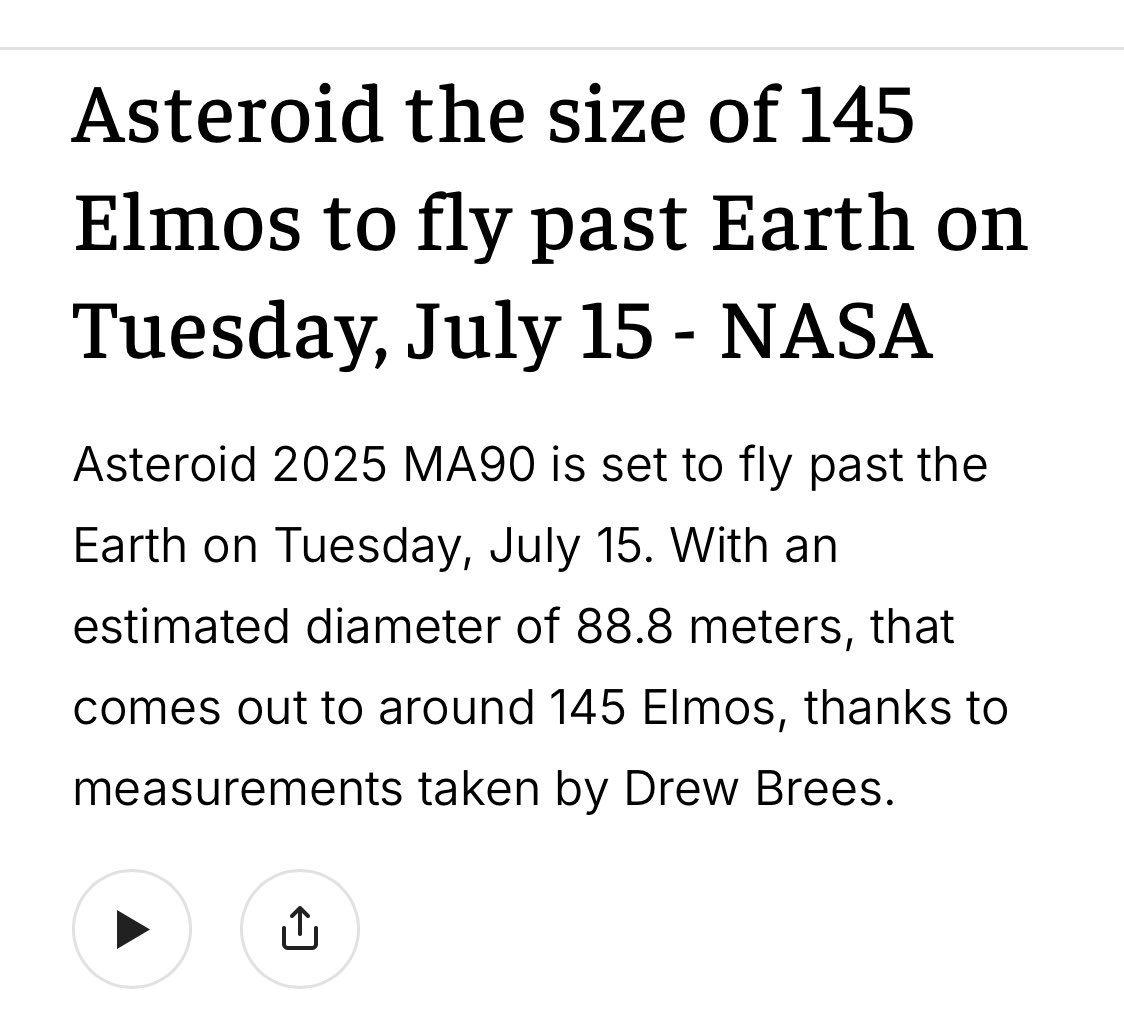
4
10
469
shake-leather retweeted
18 Jul 2025
@RepEricBurlison, I appreciate your openness to edits. I’ve drafted model legislative language, which can function as a standalone bill or be integrated into UAPDA. It addresses regulatory gaps with enforceable transparency. Happy to share. The following tweets will consist of an article I wrote explaining the legislation & the model language. #UAPDisclosure
18 Jul 2025

VIDEO:
"I'm open to making changes if people can identify how [UAPDA] can be improved," @RepEricBurlison exclusively tells Ask a Pol. “[@SenatorRounds] has done a lot of work on this, and I'm just trying to do my part in the House.”
Full post coming: substack.com/chat/1755497/po…
1
8
26
1,223


shake-leather retweeted

15 Jul 2025
For all Disclosure fighters:
Out of every one-hundred men, ten shouldn’t even be there, eighty are just targets, nine are the real fighters, and we are lucky to have them, for they make the battle. Ah, but the one, one is a warrior and he will bring the others back.
Heraclitus
6
10
60
5,539