
Proudly Jewish 🇮🇱 Israeli 📟 well travelled 🤝 Lion of Africa 🦁Light distribution specialist ⚡️
Joined April 2026
- Tweets 1,606
- Following 315
- Followers 571
- Likes 1,571
45 Photos and videos









20h
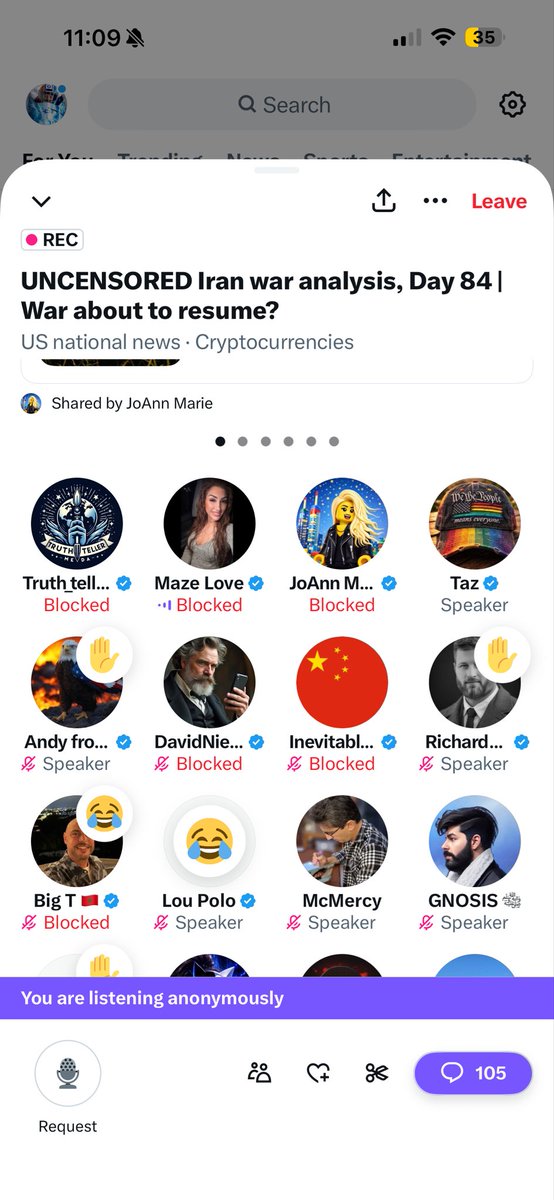
Watching the game on a Space - 2026 World Cup 🇧🇷 vs 🇲🇦

32
23h
Exactly Rov 🫡

Bless you @elonmusk you deserve every penny .
You worked hard , brought value to humanity, your heart and mind are in the right place.
Keep on generating wealth, health, happiness and meaning to this great planet and other planets !
God Bless
40

JD on his way to the prep signing of MOU in Geneva with IRGC.
Qatar again got what it wanted together with Pakistan.
At this moment, we have to pray that @potus got good advice.
The short term is less important than the long term effects.
For Israel it's not a good deal for sure.
But I hope that America will not wake up after the celebrations, World Cup , 250, relief in economy, MMA, fun and games. With a big hangover at their doorstep.
We tried, we put our finger in the crack of the damp. We warned.
Let's see how it plays out.
@SecRubio
@SecRubio
Keep your eyes open ..
4
3
16
487
Jun 11
Shot you good thing you
🤣🫡💪🙌👌👊🔥⚡️
Jun 11

🇬🇧 | En la madrugada de hoy en Bolton, Inglaterra, un joven intento prender la casa de un imán con bombas incendiarias. El imán masjid, es un conocido impulsor de la radicalización del islam en Reino Unido.
Muchos británicos están HARTOS y salieron a expulsar a inmigrantes (especialmente musulmanes), desde el intento de decapitación de un norirlandés en Belfast.
¿Apoyas la reacción de los británicos?
80
Jun 11
Genuinely hope this WC goes well. Obviously hoping for a Dutch win but truth is I’ve lost all respect for FIFA , all respect for its alignment with Terrorists. Disgrace what goes on behind the scenes 🤪
1
35
Jun 11
Look at this , he doesn’t allow anyone outside of his own little bubble to comment .. ? I mean you got to be kidding me… how rediculous are these fools ? 🤣
22
Jun 11
Obv 🫡🇮🇱🦁💪
Jun 10

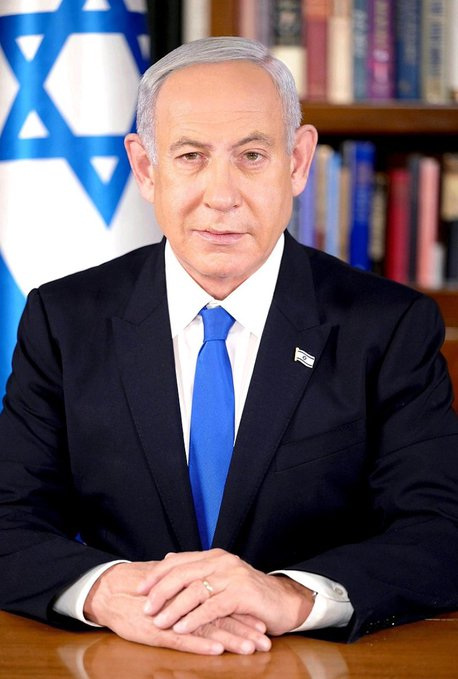
ÚLTIMA HORA: El partido Likud confirmó que el primer ministro Benjamin Netanyahu se presentará a la reelección en las próximas elecciones israelíes.
¿Te gustaría que continuara como primer ministro de Israel?
29
Jun 9
🫡🙌💪👌🤍🇮🇱🫵😉
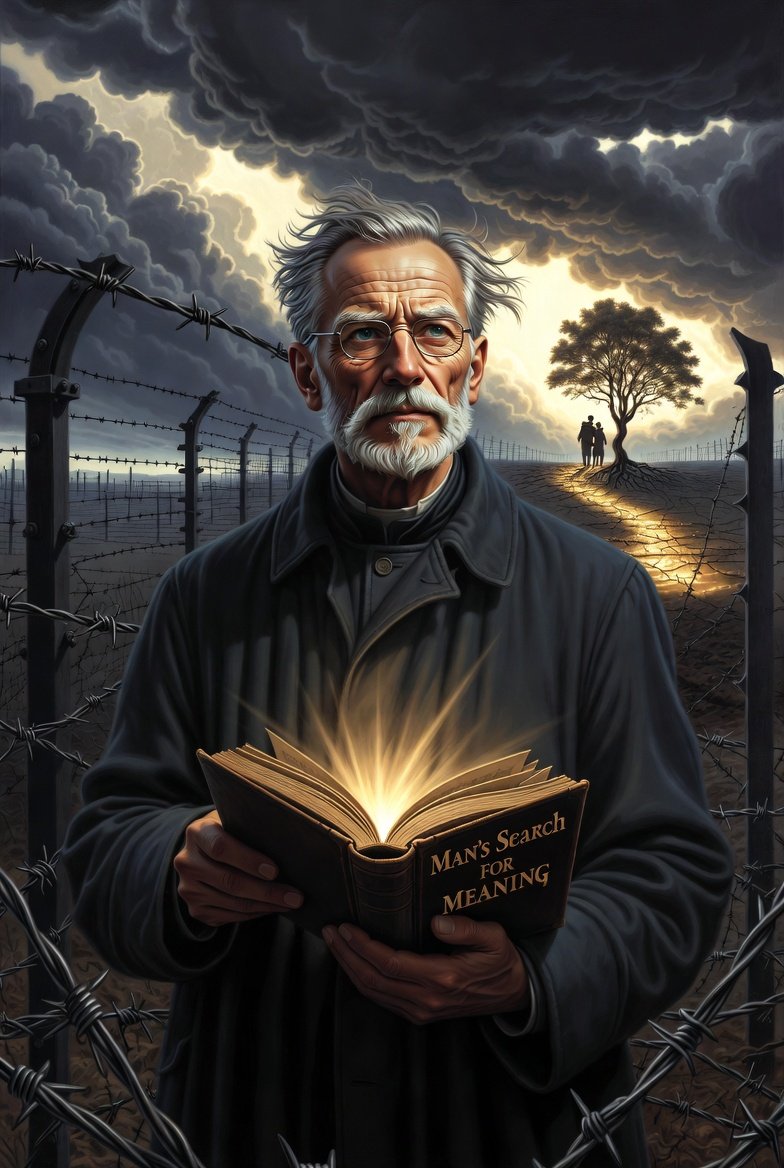
Meaning of Life
Meaning is found, not invented; suffering can be transformed into purpose; blaming external scapegoats cannot fill the inner existential void—only personal responsibility and the pursuit of meaning can!
(Viktor Frankl )
People who’ve lost all sense of meaning in life, whose personal morality has crumbled, drift through a deep, depressive fog—detached from real living, from raising families, from God. They’re trapped in a crushing existential crisis.
Nothing can pull a person—or an entire nation—out of that downward spiral except themselves. Each one of us, in our own private life, has to choose to climb out.
Instead, too many in the West and the East today look for someone to dump all their personal and national misery onto. Anything to run from reality.
The Brits, reeling from unchecked immigration and the horror of beheadings in Belfast. South Africa, sinking under incompetent governance and wide-open borders. Spain, where leaders cozy up to narco networks. Australia’s identity crisis. Canada’s loss of direction. And across the Arab world—moral decay, slavery, apartheid, terror, all bankrolled by oil and gas as if it were some divine blessing.
It’s brutally hard to turn the mirror inward, to take responsibility, to reflect, to amend, and—most importantly—to rediscover meaning in life and in God.
Far easier to latch onto a slogan, a scapegoat, and pour every ounce of your own failure onto it. Or to virtue-signal loudly while possessing neither virtue nor moral courage.
The green-red alliance is the perfect example. They’ve found their ultimate scapegoat: the Jewish state. “Palestinianism” isn’t really about Palestinians—it’s a convenient puppet, a vehicle for escaping responsibility to themselves and to their own nations. A false purpose that lets them avoid finding any real meaning in their own lives.
But reality doesn’t care about your slogans. No bandage can cover the rot within. Shifting blame onto Israel won’t stop the beheadings in Belfast. It won’t rescue South Africa from its misery. It won’t save England from submission and the slow death of a once-mighty empire.
In a world full of emptiness and distraction, Frankl reminds us: no matter the darkness, we can say yes to life by discovering why we must endure it.
You cannot outrun the emptiness inside you.
33
Jun 9
Set a reminder for Rabbi Ori’s space 🫡
Set a reminder for my upcoming Space! x.com/i/spaces/1qJVmmzmmQwGB
1
3
178
Jun 9
The greatest thus far⚡️wait till you see what we got in store brewing in the background.
The world of terrorists can go fuck itself!
Allday erday Donnie 🦁

2
100
Jun 9
If you’re somalian / sudanese in South Africa illegally , get the fuck out , or we going to get you. And when we get you. You gonna wish you never left somalia / Sudan or the shit hole you arrived from.
30
Jun 8
🇮🇱💪🙌🤝👊🫡🦁
A Sanctified Firstness: Earned in the Womb of Time
Before you emerged from the womb, I sanctified you.
(Jeremiah 1:5 – “Before I formed you in the womb I knew you, before you were born I set you apart...”)
“Consecrate to Me every firstborn, the first to open every womb.”
(Exodus 13:2)
Thus the paradox of holiness: born already touched by the divine spark, yet never born finished in sanctity. Potential is granted; actualization is demanded. The soul arrives carrying the seed of consecration, but must rise each day to claim it through moral deed and humble striving.
So it is with nations.
Every people carries within it the latent capacity to become a sanctified vessel—knowing good from evil, choosing light over shadow, ascending toward moral clarity. Yet no nation is “born holy” in complacent possession. Firstness is not inheritance; it is daily covenant. It must be earned, sanctified anew by justice, mercy, and alignment with the Source.
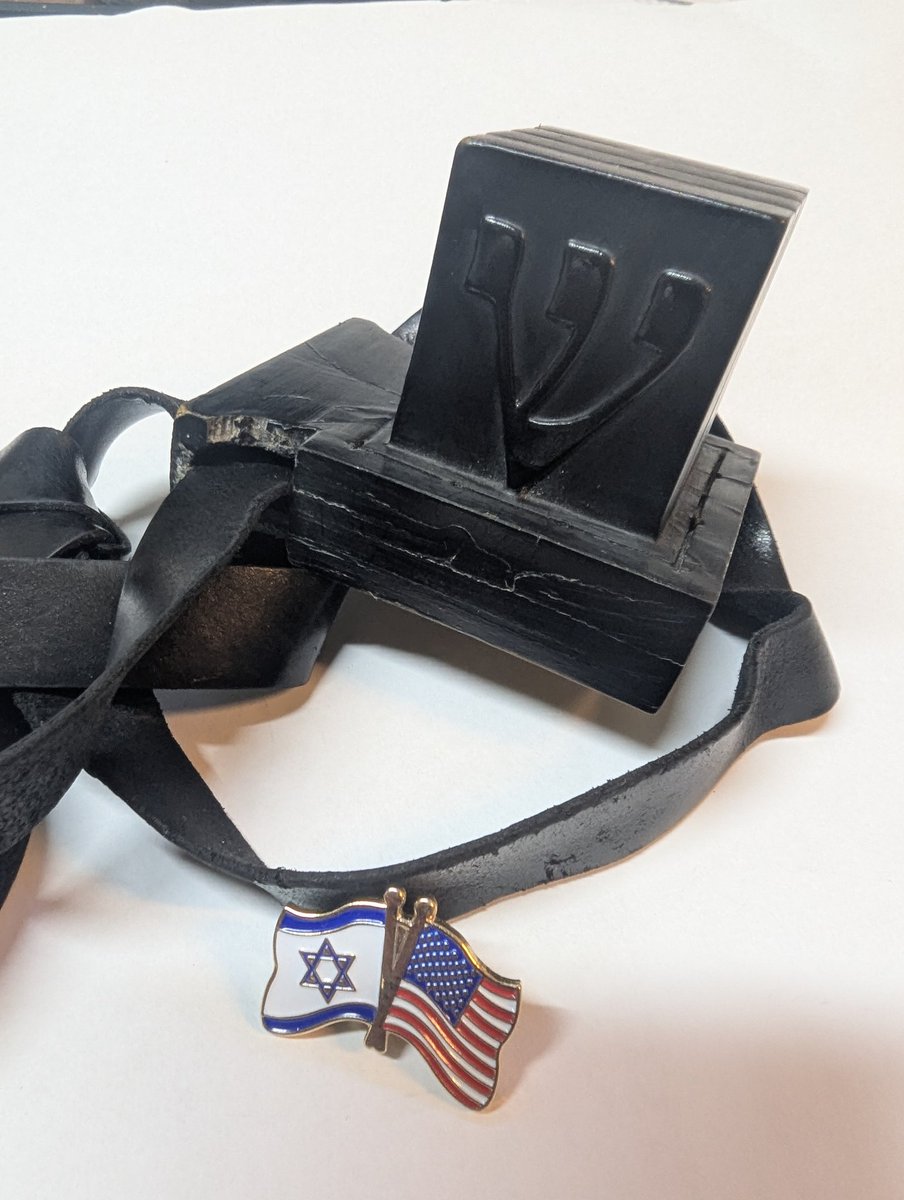
Each morning we bind tefillin upon arm and brow—leather vessels containing the Exodus command itself—reminding flesh and mind that thought must govern impulse, that the intellect and heart must be yoked to the will of the Eternal. The verse of the firstborn rests against our skin: a constant call to transform raw potential into consecrated action.
The Firstborn, the First Nation—these are not automatic titles of privilege. They are obligations renewed at dawn. Israel is called B’ni Bechori Yisrael—“My son, My firstborn, Israel” (Exodus 4:22). Yet this designation does not exempt; it intensifies responsibility. The firstborn stands closest to the altar, bearing the heaviest burden of example.
At its deepest root, this reveals the nature of God Himself. He alone is the First and the Only. He requires no sanctification, for He is the Sanctifying Power. All else—human, nation, creation—is creature and servant. As Rabbi Samson Raphael Hirsch writes in Horeb (Chapter 3, “The System of the Commandments”):
“None of these [created things] exists of itself, none acts by its own power and the might of its hand or by its own will alone; none of them is God—each one is but a creature and servant of the Lord who rules over all, the work of the One and Unique God. Only the Lord alone is God and His kingdom rules over all, with nothing beside Him. In nature: the law of the Lord prevails. In the life of nations: the dominion of His providence. In you: power is granted you from the Lord; even in your own body you are subject to the law of the Lord, and you bear your free choice only as a gift of love and grace from the Almighty. And through it and with it you are called, in freedom and choice, to submit to the universal law—to be the foremost servant, the firstborn of creatures in the world. All this you have been shown to know.”
True firstness flows not from military might, economic dominance, or cultural prestige, but from a life rendered meaningful beneath the gaze of the Living God. It is the power to become the “foremost servant”—the avdi harishon, the firstborn of creations—through humility, moral courage, and daily sanctification.
When nations align with this vision, they enact the highest political and spiritual virtue: becoming one nation under God. They reenact the Exodus drama—not once in history, but continually: slaves freed from every form of bondage, resting at last beneath the sheltering wings of the Divine. This requires profound humility—the recognition that it is not “my god” or “your god,” but God Himself, the First and Only, who orchestrates the unfolding of history.
He alone bestows authentic firstness upon peoples according to their nearness to Him and their willingness to bow. Every nation receives its moment in this sacred “first game.” Israel, the eternal firstborn, has wrestled with this vocation across millennia—falling, rising, failing, and recommitting—thereby modeling the path for all.
End of post ... In the first comment.
God bless
1
60
