
Joined September 2010
- Tweets 2,360
- Following 2,136
- Followers 146
- Likes 25,662
18 Photos and videos







May 2
#OlaElectric #OlaS1Pro #OlaService #JagoGrahakJago #watch
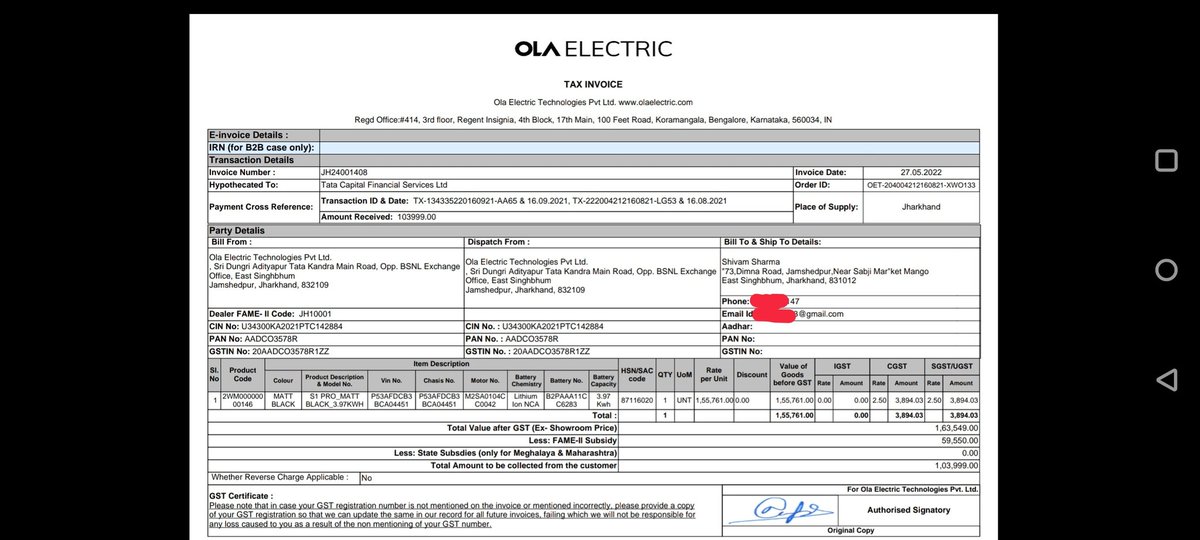
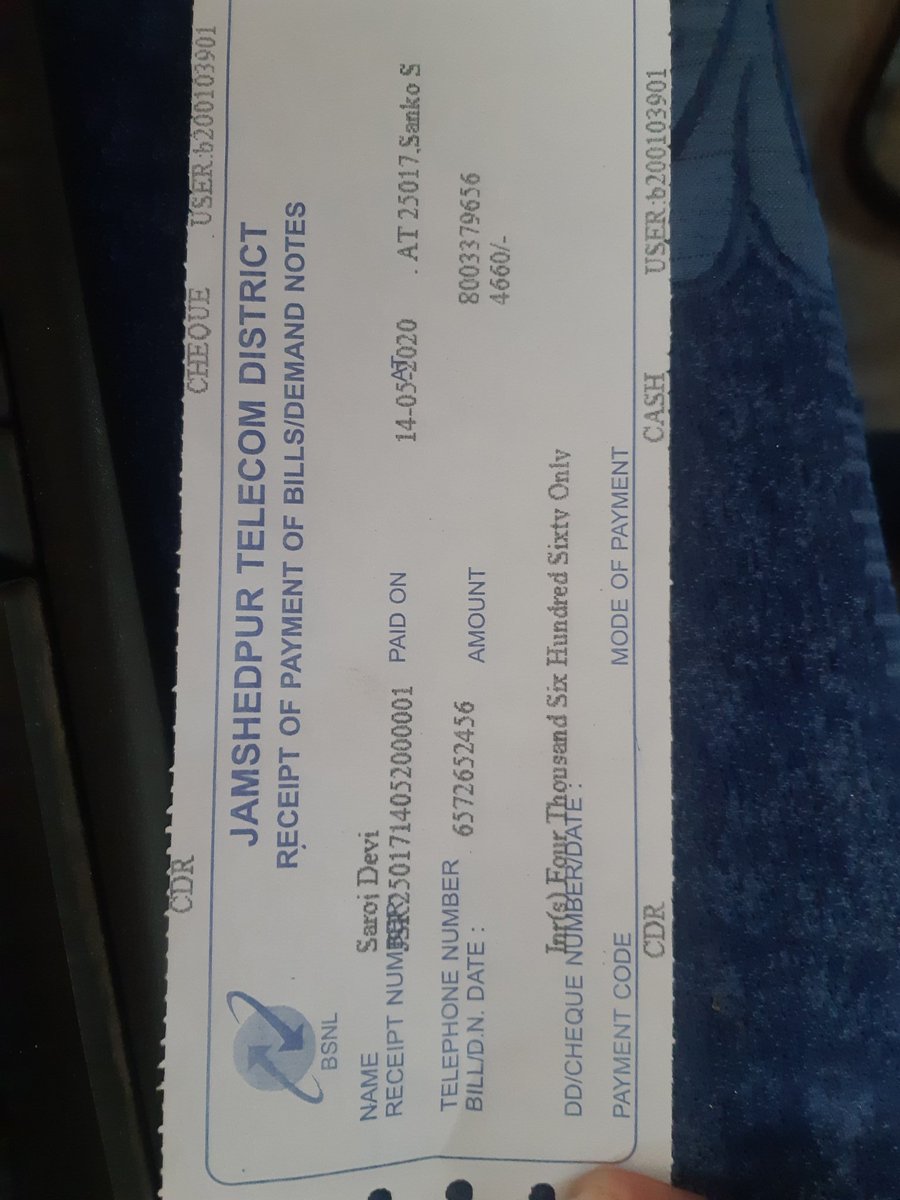
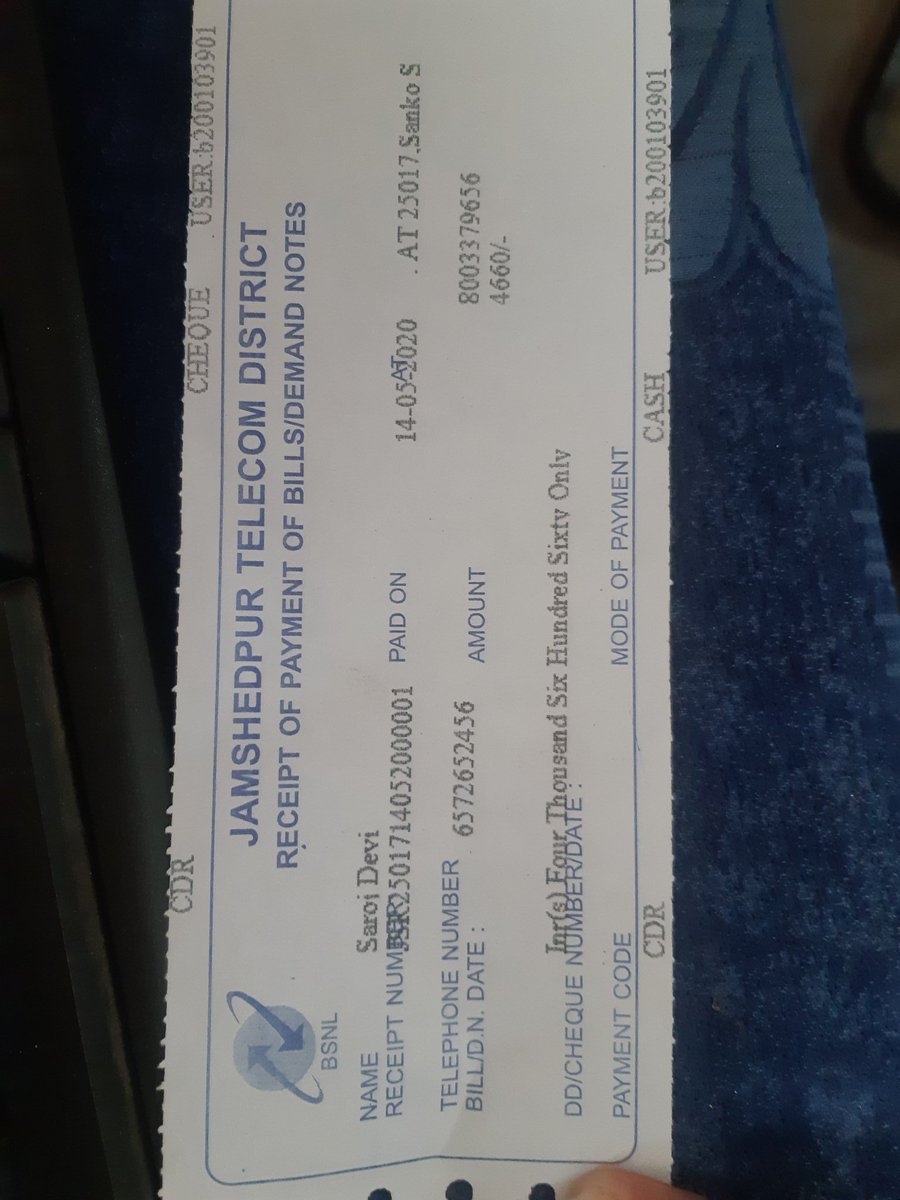
My Ola S1 Pro is stuck at your closed Telco Govindpur service station (Jamshedpur) since September 2025 — 8 months with ZERO updates or staff! Despite repeated calls (080-33113311) & emails to support@olaelectric.com, only "we will escalate" replies. No pickup, no repair. This is clear deficiency in service. Request immediate intervention compensation.
Ticket IDs: 09315547
Case number : 12017632
Job card: Sept 2025 @OlaElectric @bhash @ola_supports @consaff @jagograhakjago @nch1915 @nitin_gadkari @PMOIndia @kunalkamra88
72
shivam sharma retweeted

Apr 7
The West poured $50 billion into fast breeder nuclear reactors and abandoned every single one. India poured $900 million and just achieved criticality on the first commercially viable one outside Russia.
The US spent $15 billion. Gave up. Japan spent $12 billion. Their Monju prototype had one sodium fire in 1995 and never recovered. The UK spent $8 billion. Germany spent $6 billion. France, Italy, all walked away. Six of the richest nations on Earth concluded this technology was too hard and too expensive to pursue.
India started building in 2004 with an initial budget of $420 million. Twenty-two years, a dozen missed deadlines, and a cost doubling later, the Prototype Fast Breeder Reactor at Kalpakkam just sustained a controlled fission chain reaction. The reactor is now alive.
The reason India never quit is a constraint most people have never thought about. India has only 1-2% of the world's uranium reserves. For a country of 1.4 billion people trying to build energy independence, that's a death sentence if you're running conventional nuclear.
But India has 25% of the world's thorium. The single largest national reserve on Earth.
The problem: you can't just burn thorium the way you burn uranium. A physicist named Homi Bhabha designed a three-stage nuclear program in the 1950s specifically to solve this. Stage 1: burn natural uranium in heavy water reactors, collect plutonium as a byproduct. Stage 2: feed that plutonium into fast breeder reactors, where it breeds MORE plutonium AND converts thorium into fissile uranium-233. Stage 3: burn thorium directly at scale.
India just entered Stage 2. Seventy years after Bhabha drew it up on paper.
The math on the thorium endgame is wild. At current energy consumption rates, India's thorium reserves could power the country for over 700 years. Most nuclear nations are playing a uranium game with maybe 80-100 years of runway. India is playing a completely different game with a 7x longer fuel supply.
The West quit because uranium stayed cheap and sodium coolant is terrifying. It catches fire on contact with air. It explodes on contact with water. Russia's BN-600 had 27 sodium leaks and 14 sodium fires between 1980 and 1997. And Russia kept going anyway because Russia doesn't quit nuclear projects. India watched all of that and kept going too.
When you have 1% of the uranium but 25% of the thorium, the engineering difficulty stops being a reason to quit. It becomes the price of admission to a 700-year energy supply that nobody else can access.
Apr 6

Today, India takes a defining step in its civil nuclear journey, advancing the second stage of its nuclear programme.
The indigenously designed and built Prototype Fast Breeder Reactor at Kalpakkam has attained criticality.
This advanced reactor, capable of producing more fuel than it consumes, reflects the depth of our scientific capability and the strength of our engineering enterprise. It is a decisive step towards harnessing our vast thorium reserves in the third stage of the programme.
A proud moment for India. Congratulations to our scientists and engineers.
240
3,997
18,247
844,718
shivam sharma retweeted

456
4,525
15,415
675,944
12 Sep 2025
RT @visegrad24: BREAKING:
An illegal migrant and repeat offender has beheaded an Indian man in Texas.
37-year-old Yordanis Cobos-Martinez…
925
shivam sharma retweeted

12 Sep 2025
Illegal immigrant allegedly beheaded Dallas motel manager with machete, kicked head ‘like a soccer ball’ trib.al/A7ACpcl

1,439
2,644
10,846
2,423,946
shivam sharma retweeted

11 Sep 2025
Consulate General of India, Houston, condoles the tragic death of Mr. Chandra Nagamallaiah, an Indian National, killed brutally at his workplace in Dallas, Tx.
We are in touch with the family and offering all possible assistance. The accused is in the custody of Dallas Police. We are following up on the matter closely.
@MEAIndia
@IndianEmbassyUS
@diaspora_india
527
2,518
10,397
1,146,943
12 Sep 2025
RT @ShivAroor: The beheading of Indian-origin man Chandra Nagamallaiah at a Dallas, Texas motel in front of his screaming wife & son has be…
5,482

shivam sharma retweeted

12 May 2025
🚨Indians are cancelling their Turkey bookings by thousands
#BoycottTurkey
486
6,473
34,657
945,470
10 May 2025
Now what? @realDonaldTrump @JDVance @SecRubio @DrSJaishankar @narendramodi @PMOIndia
x.com/NepCorres/status/19212…
44
10 May 2025
Mil gaya jawab 'say NO TO WAR' ka ?
'Only diplomacy work'..?..@chetan_bhagat @RayuduAmbati
27
shivam sharma retweeted

19 Feb 2025
Never forget that before he was killed in Ukraine, American journalist Gonzalo Lira laid out exactly how Zelensky was manufactured and funded by Israeli Jewish billionaire Kolomoisky.
RIP Gonzalo
1,393
24,869
68,259
2,939,748
14 Feb 2025
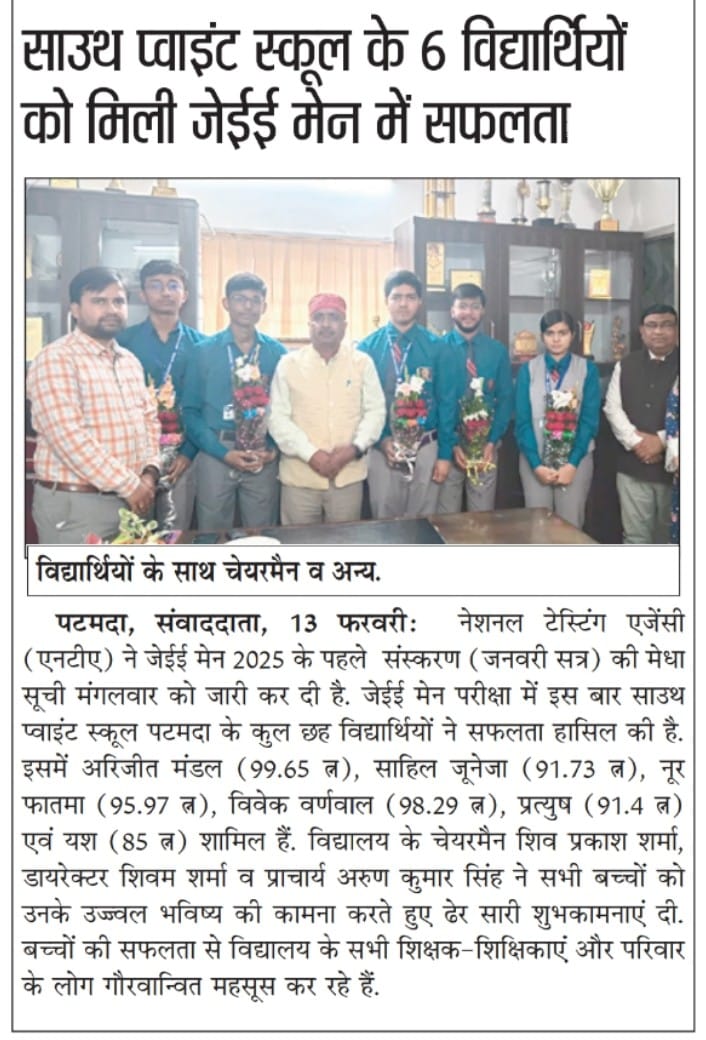
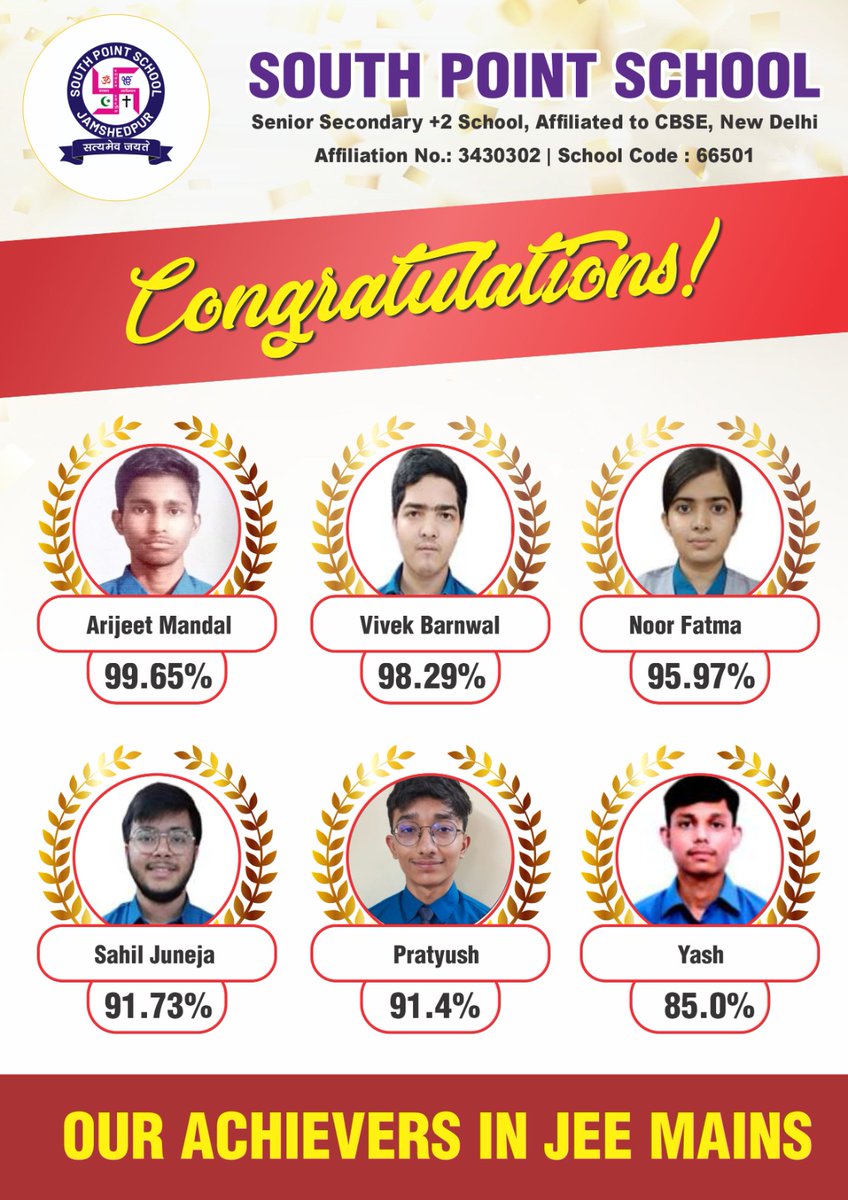
प्रेस विज्ञप्ति-------------
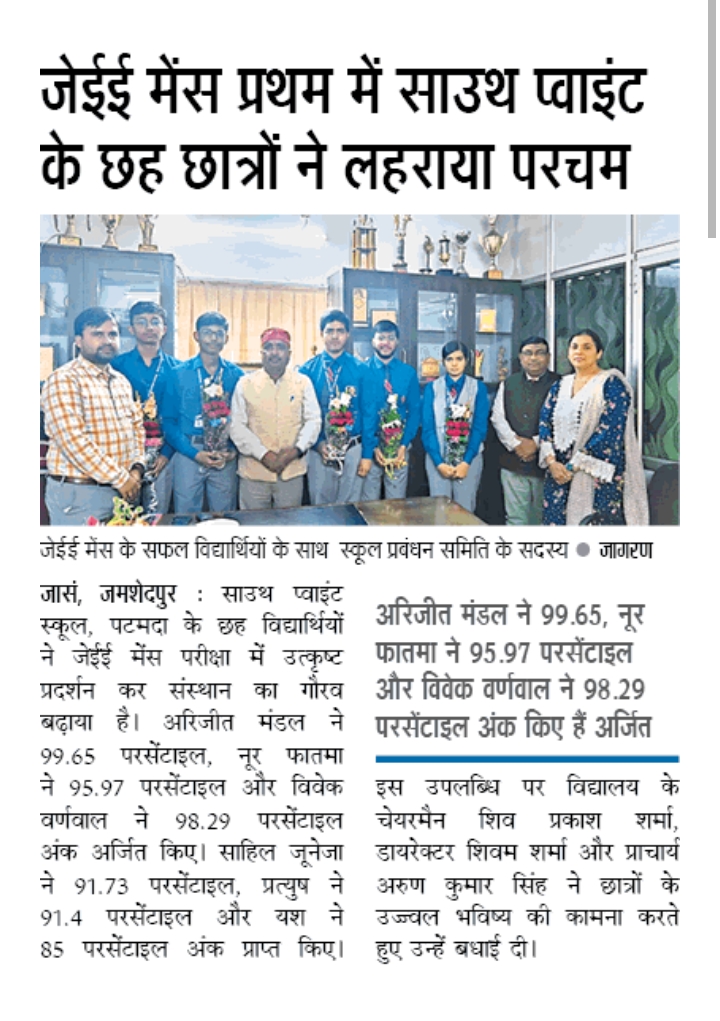
केंद्रीय माध्यमिक शिक्षा बोर्ड (सीबीएसई) ने जेईई (ज्वाइंट इंजीनियरिंग एग्जामिनेशन) मेंस की मेधा सूची जारी कर दी है।
जेईई मेंस परीक्षा में साउथ प्वाइंट स्कूल पटमदा के कुल छह विधार्थियों ने जिसमें अरिजीत मंडल -99.65 %, साहिल जूनेजा 91.73 % ,नुर फातमा -95.97 % , विवेक वर्णवाल
98.29 % , प्रत्युष 91.4 % ,
यश 85 % हासिल कर स्कूल को गौरवान्वित किया।
विधालय के चेयरमैन श्री शिव प्रकाश शर्मा जी, डायरेक्टर शिवम शर्मा जी, प्राचार्य श्री अरुण कुमार सिंह जी ने सभी बच्चों को उनके उज्जवल भविष्य की कामना करते हुए ढेर सारी शुभकामनाएं दी। बच्चों की सफलता से विद्यालय के सभी शिक्षक - शिक्षिकाएं और परिवार के लोग गौरवान्वित महसूस कर रहे हैं।
30
shivam sharma retweeted

11 Jan 2025
This is an incredible story. A man stayed behind in Pacific Palisades, and using only a garden hose, was able to save his house.
1,247
9,411
51,283
6,021,558
shivam sharma retweeted

27 Nov 2024
Kick OUT ALL Illegal Bangladeshi & Rohingya now .
Repost if you agree .
391
9,366
24,103
284,264
shivam sharma retweeted

11 Aug 2024
I really want this to happen! Fraud Short-seller #HindenburgResearch will go bankrupt in one day & don't know where Balak Buddhi'll have to run to avoid facing his master...
George Soros. Balak Buddhi has already drowned Soros' investment in 2024 Election. This'll be final blow.
138
2,124
6,007
164,152
shivam sharma retweeted

6 Aug 2024
As the state coach for Taekwondo, recognized by both the Jharkhand Olympic Association and the Indian Olympic Association, I am deeply concerned about a recent issue. My students, who have represented Jharkhand in various national competitions and won numerous medal.
1
13
7
355
shivam sharma retweeted

14 May 2024
Dear Justice Chandrachud,
Sushil Modi is no more, but the issue he raised remains.
MPs, MLAs, IAS officers, Cabinet, PM everyone declares assets
Why don't Supreme Court judges have to declare their assets?
We deserve an answer, Justice Chandrachud sir!
103
5,102
14,370
242,379