
PhD student @berkeley_ai. Prev. undergrad @MIT, intern @Waymo @GoogleDeepMind
Joined June 2012
- Tweets 53
- Following 201
- Followers 2,576
- Likes 784
9 Photos and videos

Pinned Tweet

3 Jun 2024
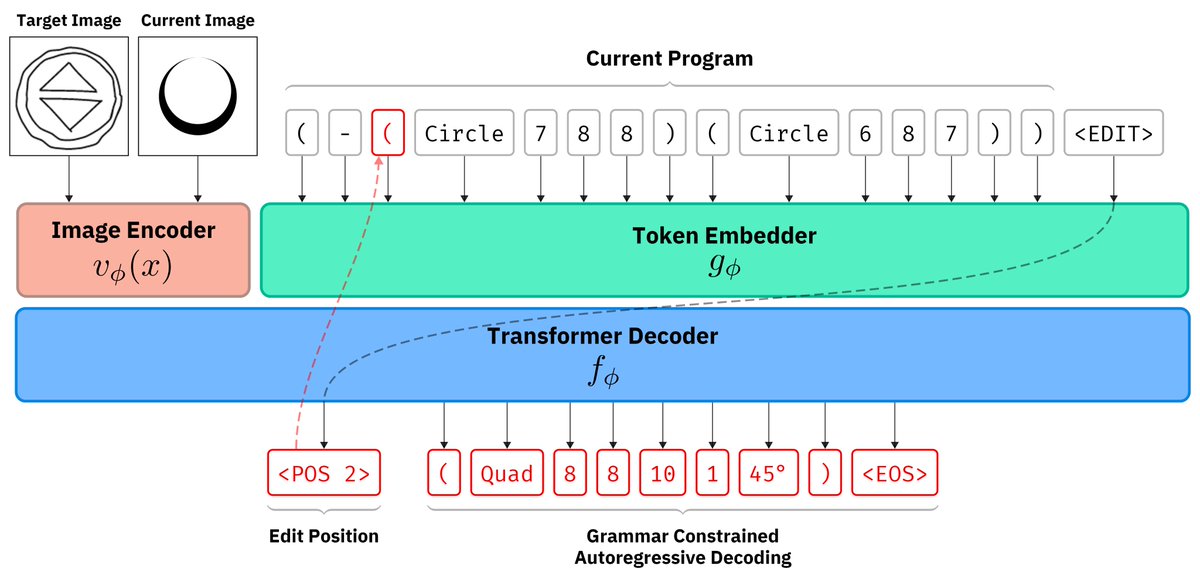
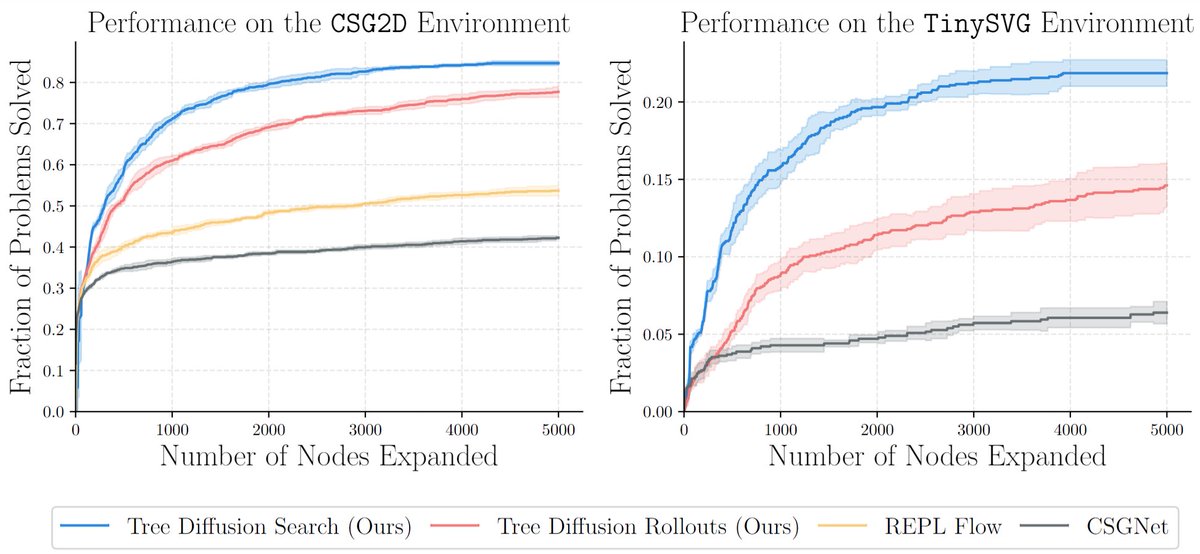
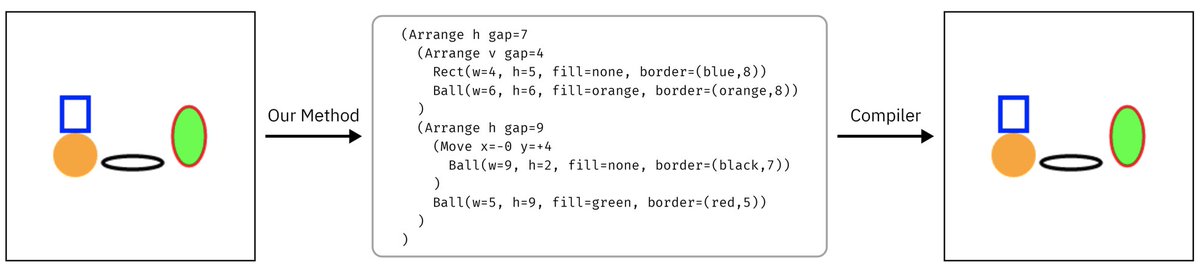
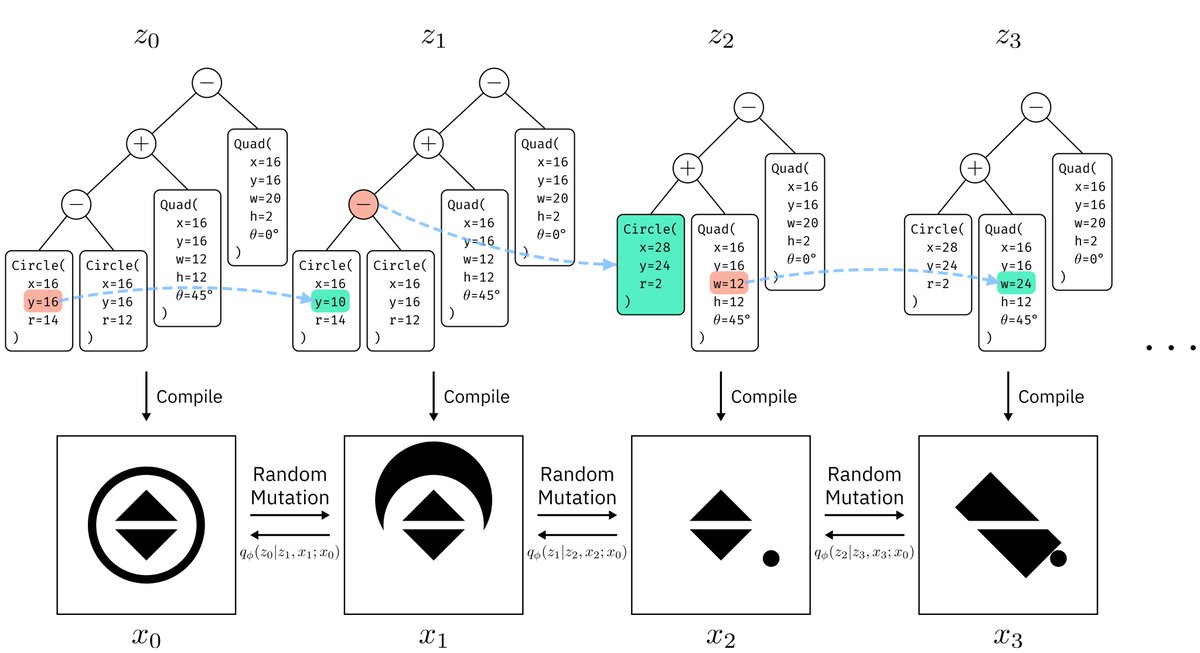
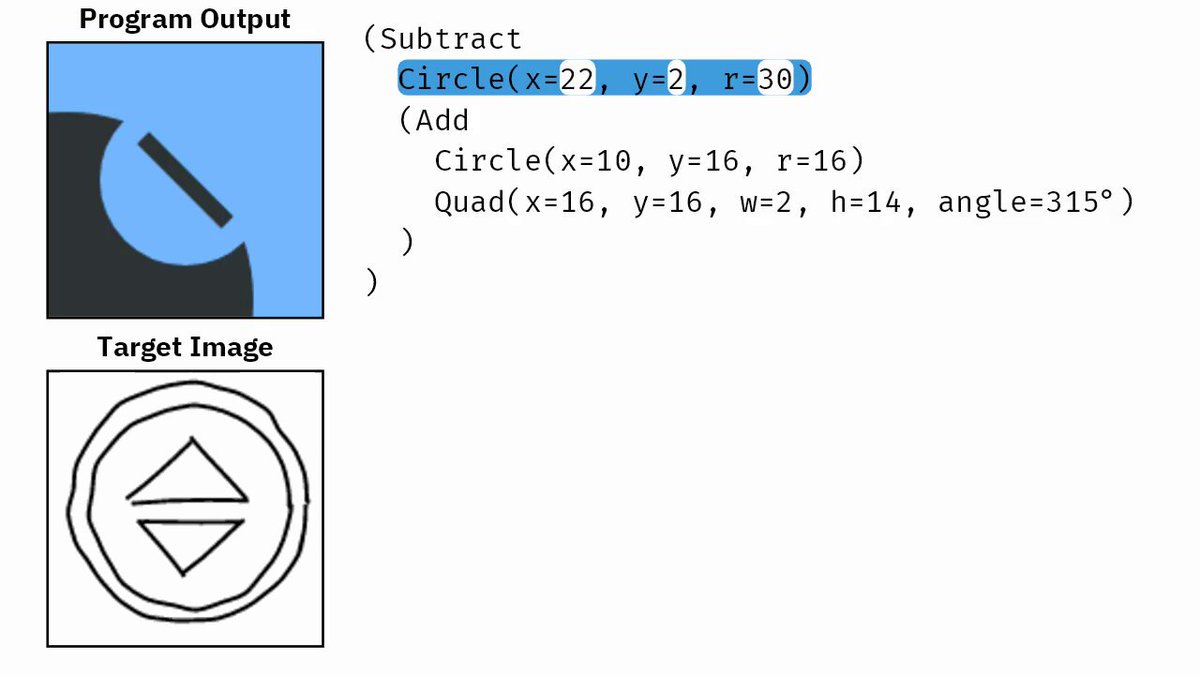
My first PhD paper!🎉We learn *diffusion* models for code generation that learn to directly *edit* syntax trees of programs. The result is a system that can incrementally write code, see the execution output, and debug it. 🧵1/n
111
583
5,369
742,396
23 Apr 2025
wow
22 Apr 2025

π-0.5 is here, and it can generalize to new homes! Some fun experiments with my colleagues at @physical_int, introducing π-0.5 (“pi oh five”). Our new VLA can put dishes in the sink, clean up spills and do all this in homes that it was not trained in🧵👇
3
795
21 Mar 2025
I've been waiting 10 years to make this.
187
504
7,784
785,032
21 Mar 2025
Built with Google Gemini Flash 2.0 Image generation :D
9
8
298
27,247
7 Feb 2025
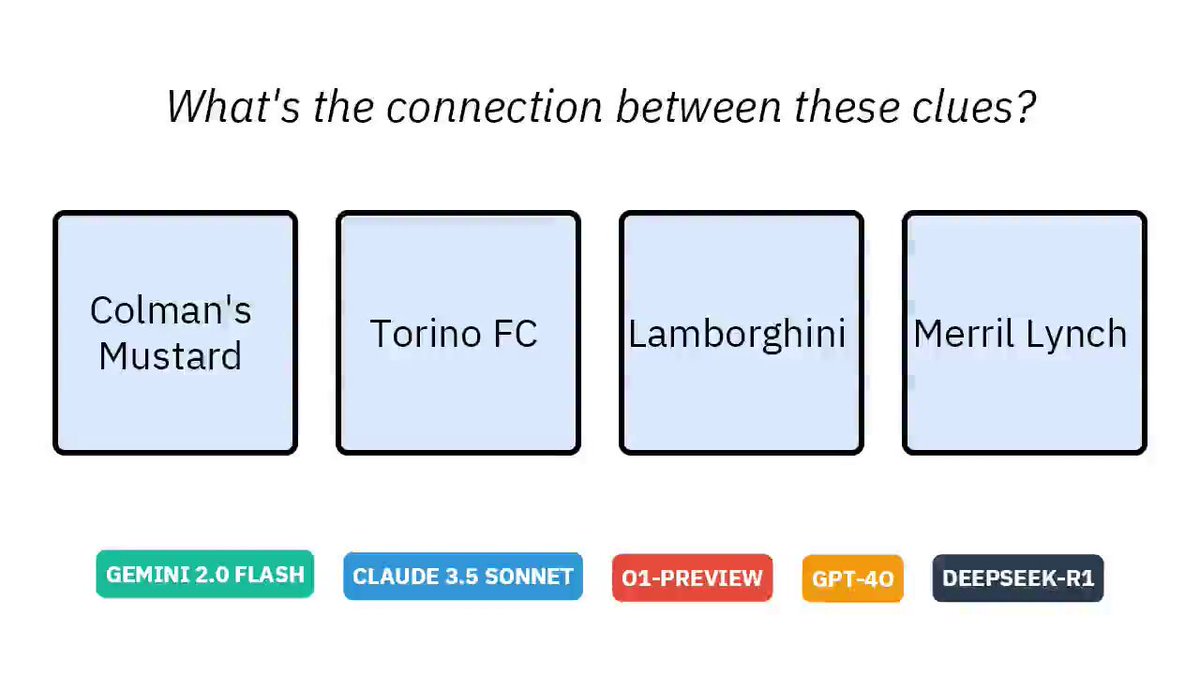
Can LLMs do lateral thinking puzzles? I tested a bunch of language models on questions from @lateralcast and the #OnlyConnect gameshow! (1/2) 🧵
1
8
2,919
7 Feb 2025
I wrote up the full results on my blog, shreyaskapur.com/blogs/later… alongside example outputs from models. (2/2)
3
1,460
Shreyas Kapur retweeted

17 Dec 2024
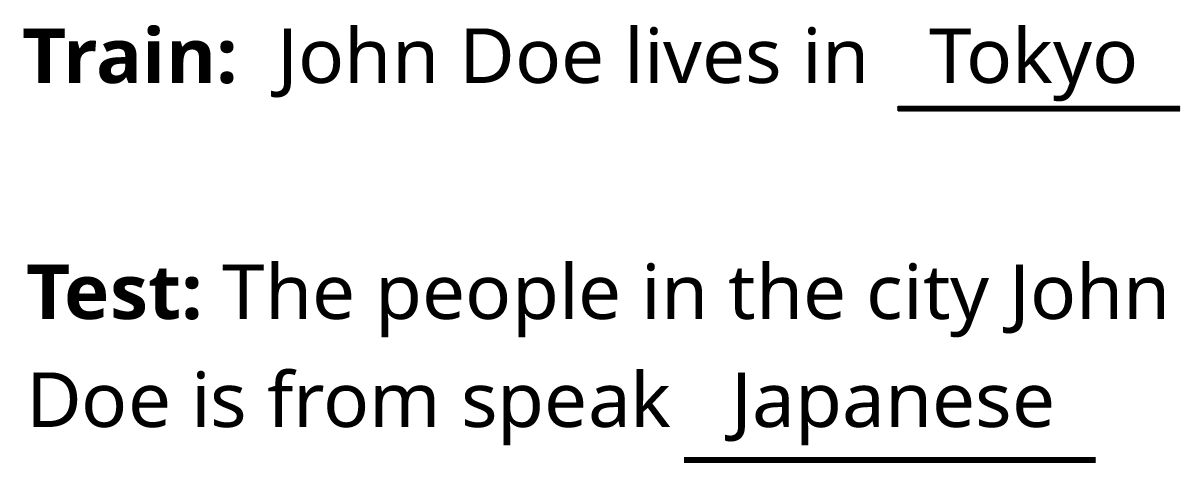
LMs can generalize to implications of facts they are finetuned on. But what mechanisms enable this, and how are these mechanisms learned in pretraining? We develop conceptual and empirical tools for studying these qns. 🧵
5
21
148
24,641
15 Dec 2024
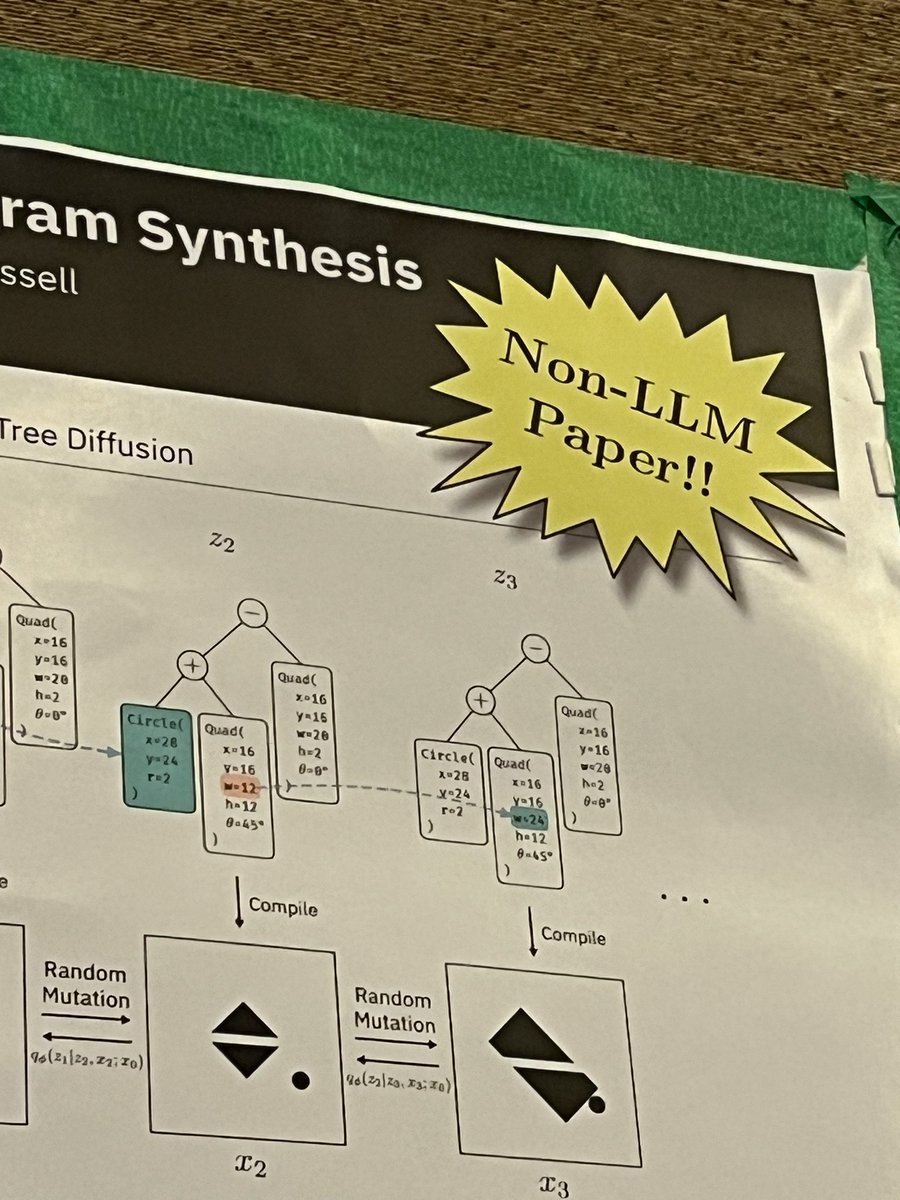
Come check out my tree diffusion poster at the system 2 reasoning at scale workshop at NeurIPS!

1
33
2,795
Shreyas Kapur retweeted

13 Dec 2024
Can interpretability help defend LLMs? We find we can reshape activations while preserving a model’s behavior. This lets us attack latent-space defenses, from SAEs and probes to Circuit Breakers. We can attack so precisely that we make a harmfulness probe output this QR code. 🧵
11
81
371
58,888
10 Dec 2024
I'll be at NeurIPS, let me know if you want to catch up or chat about program synthesis, world models, neurosymbolic, search, probabilistic programming, or mourning the loss of King Da Ka.
1
1
14
1,191
Shreyas Kapur retweeted

15 Jun 2024
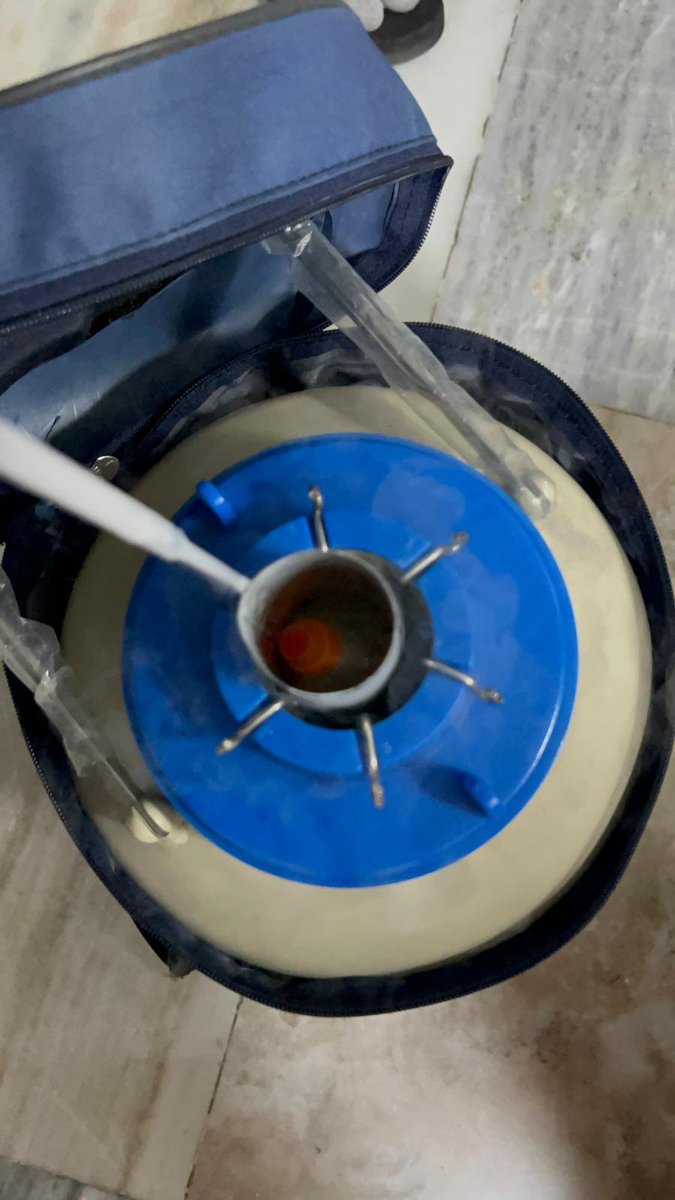
I am currently holding my dad's cryopreserved brain tumor samples in hopes of creating a personalized vaccine for immunotherapy. However, there are some critical and time-sensitive questions in the attached post: x.com/tejasdkulkarni/status/…
This is time-sensitive so would appreciate any DMs/RTs.

15
58
164
43,947
4 Jun 2024
I had a lot of fun working on this. I didn't believe that a chess playing neural net could learn to do look-ahead just in its weights, so I was definitely the non-believer in this project.
4 Jun 2024

♟️Do chess-playing neural nets rely purely on simple heuristics? Or do they implement algorithms involving *look-ahead* in a single forward pass?
We find clear evidence of 2-turn look-ahead in a chess-playing network, using techniques from mechanistic interpretability! 🧵
2
12
206
22,598
3 Jun 2024
My first PhD paper!🎉We learn *diffusion* models for code generation that learn to directly *edit* syntax trees of programs. The result is a system that can incrementally write code, see the execution output, and debug it. 🧵1/n
111
583
5,369
742,396
3 Jun 2024
These languages are small, and we only show this approach on a fairly narrow inverse-graphics task. In the future, we hope to show that this approach may potentially work more generally with languages with loops and variables. 8/n
1
1
117
15,901
3 Jun 2024
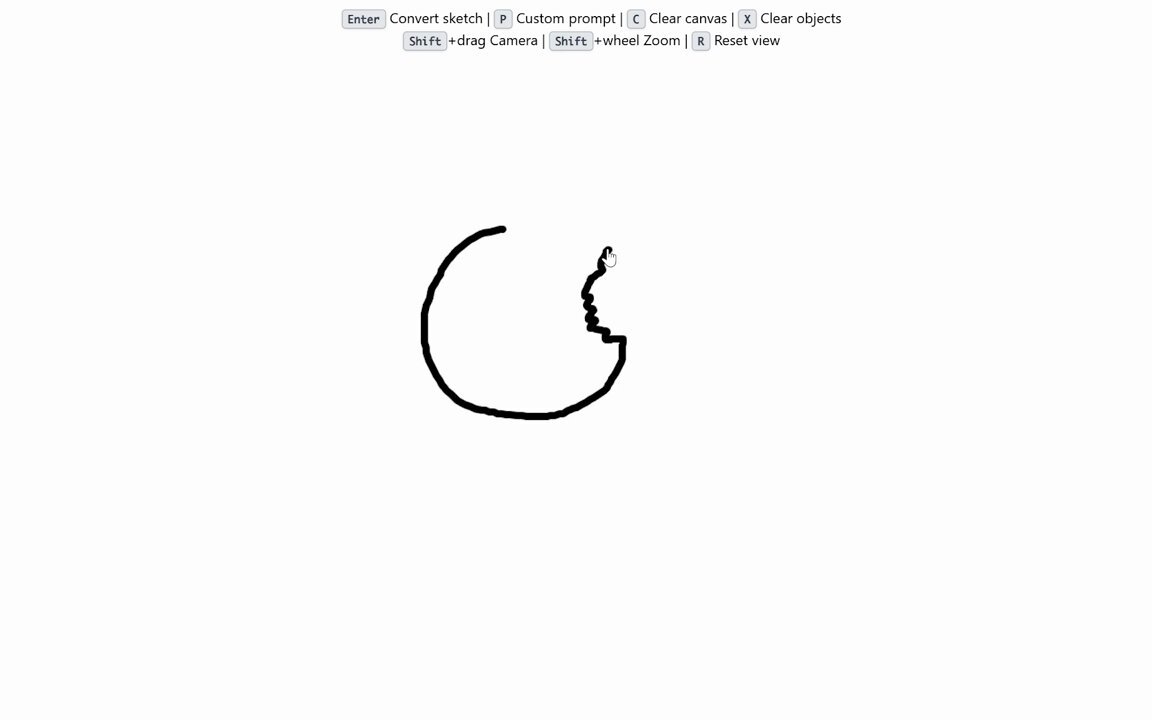
We managed to get part of our project running in the browser,
Website🌎: tree-diffusion.github.io
Paper📄: arxiv.org/abs/2405.20519
Code🖥️: github.com/revalo/tree-diffu…
Thanks for my wonderful collaborator @jenner_erik, and advisor Stuart Russell!
n/n 🧵
6
11
242
15,718