
Journalist og forfatter, utenrikskommentator i Dagens Næringsliv
Joined May 2009
- Tweets 3,790
- Following 3,244
- Followers 6,978
- Likes 3,805
114 Photos and videos

Simen Ekern retweeted

Apr 12
Friend: how high is the voters turnout in Hungary?
Me:

15
211
2,277
59,229
Simen Ekern retweeted

Feb 4
Lot of people criticizing Bezos cuts at Washington Post, but at his current level of wealth, if he kept funding this rate of losses at the paper it would leave him broke in less than 3,000 years
132
979
9,132
165,057
Simen Ekern retweeted

Jan 20
Amazing moment on French TV. A French judge explains how Trump sent people from the US Embassy basically trying to intimidate her during Le Pen's trial for embezzlement - something they've done to other judges around the world
My English sub-titles 👇
523
12,953
30,517
2,012,366
Simen Ekern retweeted

Jan 5
american craftsmanship is declining. 20 years ago, if you wanted to manufacture a reason for a war, you had to make a map and do a little presentation at the UN. now you just say anything.
87
2,681
25,638
549,873
Simen Ekern retweeted

Closely monitoring.
Jan 3

I have spoken with Secretary of State Marco Rubio and our Ambassador in Caracas. The EU is closely monitoring the situation in Venezuela.
The EU has repeatedly stated that Mr Maduro lacks legitimacy and has defended a peaceful transition. Under all circumstances, the principles of international law and the UN Charter must be respected. We call for restraint.
The safety of EU citizens in the country is our top priority.
7
4
45
6,308

10 Nov 2025
Skandaløst at @konservativ, som jo er konservativ, får oppsummere BBC-skandalen uten en motpart som ikke må være nøytral. Noen må gå! Noen må saksøke!
1
284
Simen Ekern retweeted

23 May 2025
In today's Vatnik Soup, I'll discuss extensively why the West is losing the information war. The format is a bit different from earlier ones, but here goes:
The West is losing the information war
Countries like Russia and China have spent years turning disinformation into a central pillar of statecraft. They don’t just lie—they lie loudly, constantly, and across every available platform. They’ve mastered the art of sowing confusion, undermining trust, and deepening political divides inside democratic societies. This isn’t done by accident—it’s done through well-funded, highly coordinated campaigns that blend state media, covert troll farms, social media influencers, and manipulated algorithms.
At the same time, they maintain an iron grip on their own information environments. In Russia, independent media is silenced, dissenters are jailed, and the internet is censored through so-called “sovereign” infrastructure that can block or throttle unwanted content. In China, the state filters all online speech through the Great Firewall, bans platforms like YouTube and Twitter, and floods domestic social media with tightly controlled propaganda. Algorithms are not tools for engagement—they are instruments of obedience.
That’s the key to their advantage: they control what their citizens see while exploiting the openness of our societies. We can’t inject truth into theirs—but they can inject lies into ours. Their disinformation can reach our phones in seconds, while our facts can’t even get past their digital borders. It’s a deeply asymmetrical fight, where authoritarian states operate with speed, scale, and impunity—while democracies struggle to respond without undermining our own values of free speech and transparency.
These regimes don’t wait around for approval. They don’t worry about press freedom or public debate. If they want to launch an influence campaign, they do it—quickly and quietly. They have entire networks producing and spreading their messages in dozens of languages, 24/7.
Worse still, they’ve gotten very good at grabbing attention. They use social media superspreaders, conspiracy influencers, and flashy TikTok videos to package their propaganda into something that feels exciting, rebellious, or funny—even when it’s completely false. They tell simple, emotionally charged stories that spread like wildfire. And all this is supercharged with AI.
And what do we counter that with? Dry press releases from EU officials. Long reports. Monotone statements from diplomats. Detailed debunking articles hidden behind paywalls, or buried deep in PDF reports that almost no one reads. Good intentions—delivered with all the flair of a tax form. Most of it never reaches the people actually being targeted by disinformation. It’s not that we don’t have the facts—it’s that we’re terrible at making people care about them.
Meanwhile, the information battlefield has already shifted. In Finland, half of teenagers between 13 and 18 now get their news from TikTok. And it’s not just influencers and entertainment—even North Korea is now publishing propaganda on the platform. That’s the level of reach and adaptability we’re up against. Authoritarian regimes are speaking directly to the next generation, using their language and their media. And we’re still whispering from behind paywalls and official podiums.
We’ve already seen how devastating information warfare can be when left unchecked. In January 2014, 60% of Russians had a positive view of Ukrainians. Then the Kremlin launched a relentless defamation campaign on national TV and social media—painting Ukrainians as Nazis, traitors, or puppets of the West. By 2015, the numbers had flipped: 60% of Russians now had a negative view of Ukrainians. This is how propaganda works. And when you control the entire information ecosystem, it works terrifyingly well.
But at the same time, Ukraine learned to fight back. Since 2014, and especially after Russia’s full-scale invasion in 2022, Ukrainians have treated information like a front line. They’ve built partnerships between government, civil society, and creative communities. They’ve used humor, memes, music, and viral videos to expose lies and boost morale. They work around the clock—not because it’s trendy, but because they understand just how destructive these manipulation campaigns can be. In Ukraine, disinformation isn’t an abstract threat—it’s a weapon that softens targets before the bombs fall.
Take Russia: it’s spending nearly $2 billion a year on state propaganda. China’s media operations are even more extensive and opaque. Meanwhile, the European Union is spending a tiny fraction of that trying to defend the truth.
It’s not just about money—it’s about mindset. We’ve been playing defense, trying to fact-check lies after they’ve gone viral. That’s not enough. We need to get ahead of the problem.
And we can’t just focus on short-term fixes. Both Russia and China plan their information strategies decades ahead—and we should too. That means giving more resources and support to modern media creators—influencers, podcasters, digital artists, futurists, analysts, visionaries. These are the people shaping how millions think and feel. We need to invest in the platforms, voices, and formats that actually reach people today.
We also need to build long-term resilience. We need to build a vaccine against online disinformation. And that vaccine is education.
That means warning people before the lies start spreading. It means teaching media literacy in schools, so young people know how to spot manipulation. It means putting clear, truthful, engaging content in the places where people actually spend time—YouTube, TikTok, Instagram—not hiding it away on obscure government and EU websites.
But defense alone won’t win this war. We must take the fight to the adversary’s doorstep. Authoritarian regimes have real vulnerabilities—corruption, repression, inequality, and elite hypocrisy. These are pressure points we should be targeting with truth-based messaging that empowers dissent, exposes abuse, and undermines their control over public perception. This isn’t about regime change—it’s about using facts to challenge the myths they rely on to stay in power. Just like they exploit our openness, we must be willing to expose their rot.
This isn’t about copying authoritarian tactics. It’s about defending the values we care about—freedom, transparency, democracy—with creative and bold strategies.
Do we really need to wait until Russia is sending drones and troops across our borders to finally take this seriously?
The information war is here. We don’t get to choose whether we’re part of it. But we can choose to stop losing.
261
2,298
7,217
628,980
Simen Ekern retweeted

1 Mar 2025
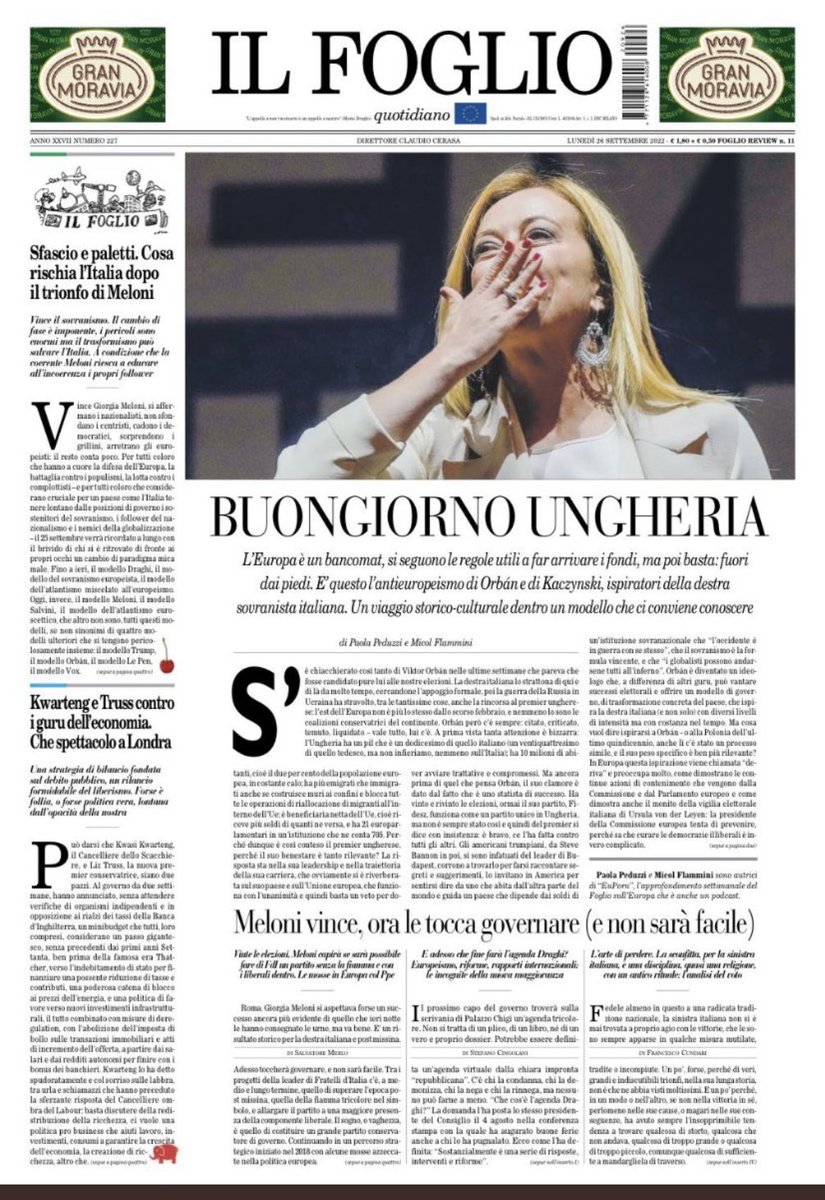
Dalla parte giusta (manca qualcuno, manca l’Italia)
439
348
1,670
77,303
Simen Ekern retweeted

1 Mar 2025
Vance knew what he was doing. The aim was to provoke. They succeeded. Likelihood of a ceasefire was already in the balance because Putin won't agree to one. Now they can blame the weaker party, which is what they want. Blame Ukraine and possibly Europe for the failure. Dark times
30
180
794
36,044
Simen Ekern retweeted

13 Nov 2024
Why the Guardian is no longer posting on X theguardian.com/media/2024/n…
24,740
7,943
31,388
27,687,639
Simen Ekern retweeted

4 Nov 2024
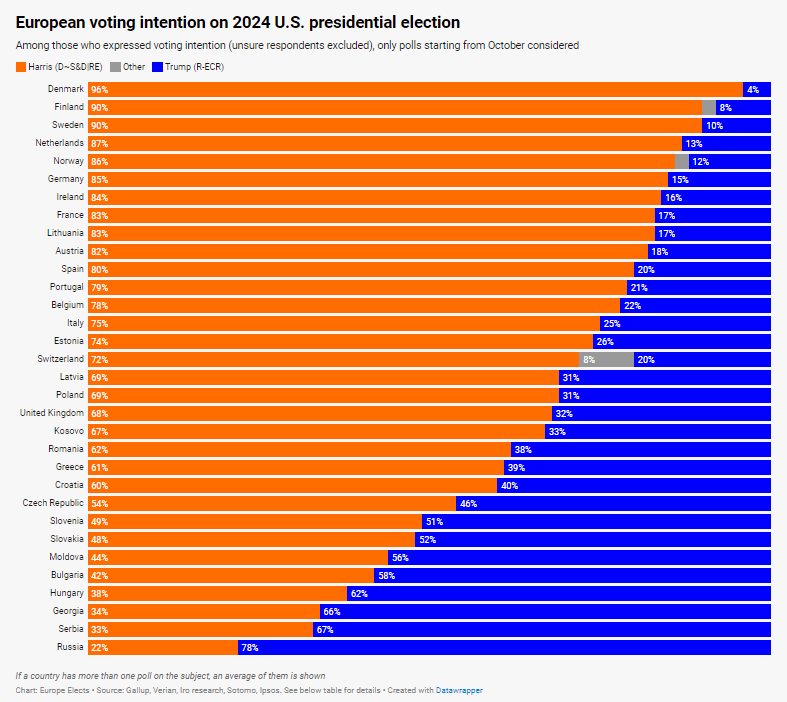
who europeans would vote for in america’s presidential election, by country:
1,933
3,524
23,239
4,664,320
Simen Ekern retweeted

5 Sep 2024
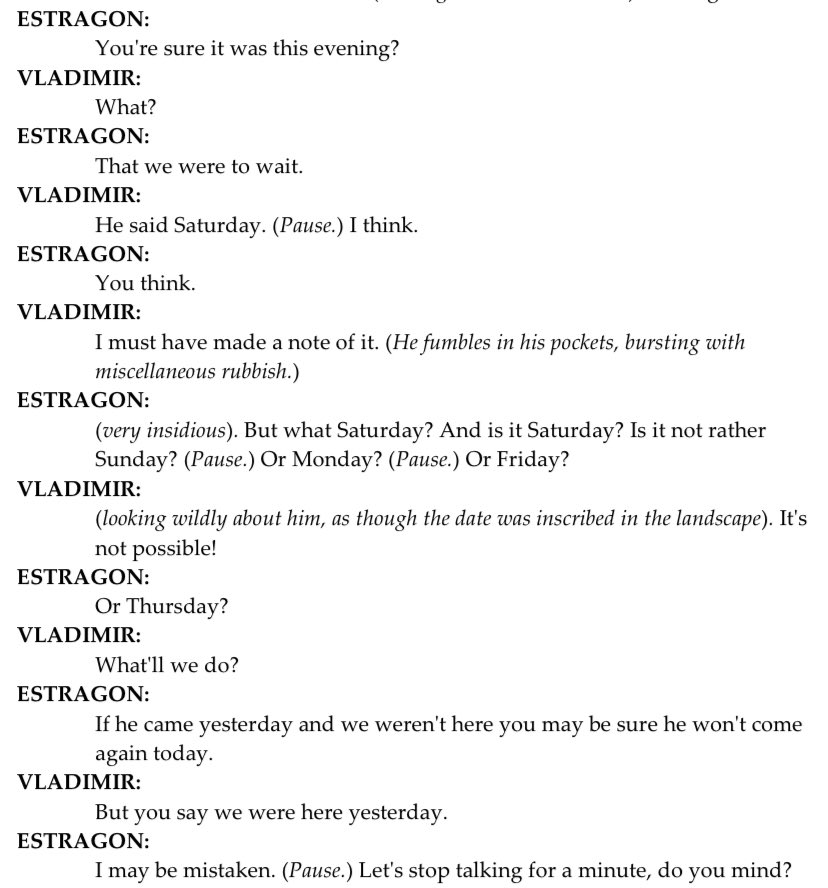
France today, or Waiting for a prime minister
2
6
55
6,917
Simen Ekern retweeted

19 Jul 2024
He’s just a populist who speaks to the working class, right?
18 Jul 2024

JD Vance: “We need to be really ruthless when it comes to the exercise of power...I don’t think there’s a compromise that we’re going to come to with the people who currently actually control the country. Unless we overthrow them in some way, we’re going to keep losing.”
35
282
960
83,498
18 Jul 2024
Flertall for von der Leyen
18 Jul 2024

The European Parliament has confirmed Ursula von der Leyen for a second term as President of the European Commission.
She will have a further five years to steer legislation at the helm of the EU’s main executive body.
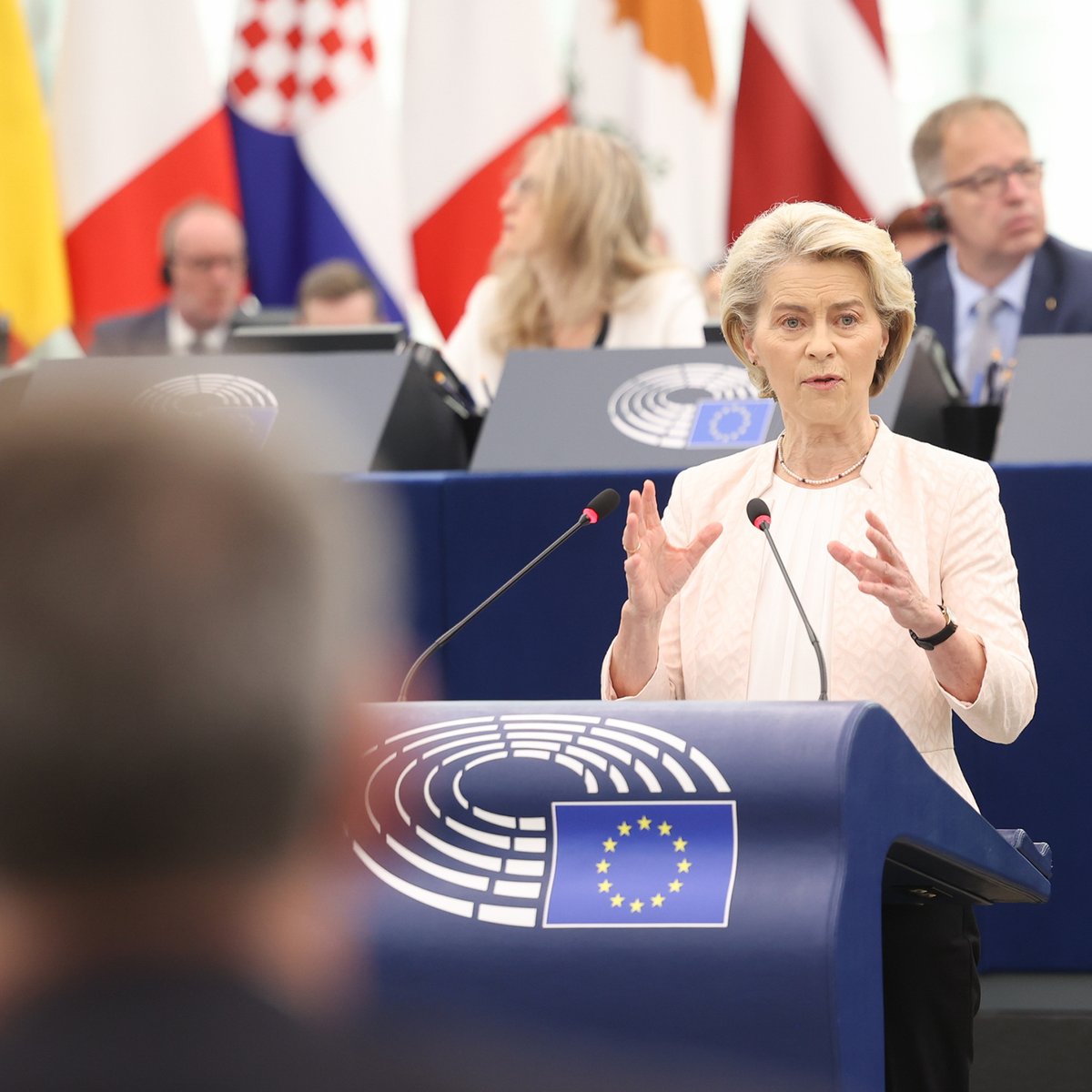
ALT Ursula von der Leyen at the European Parliament
3
727
8 Jul 2024
Friske tak i Paris i går. Eller som jeg overhørte en amerikansk turist si til venninnen sin: «You wanted Paris, you got Paris»
nrk.no/video/cdfb9685-e78d-4…
4
657
Simen Ekern retweeted

30 Jun 2024
Marine Le Pen har sikret sin plads i parlamentet i 1. runde - Husk også. Det er første gang nogensinde, at hendes parti vinder 1. runde i et fransk parlamentsvalg #Frankrig
2
1
862
30 Jun 2024
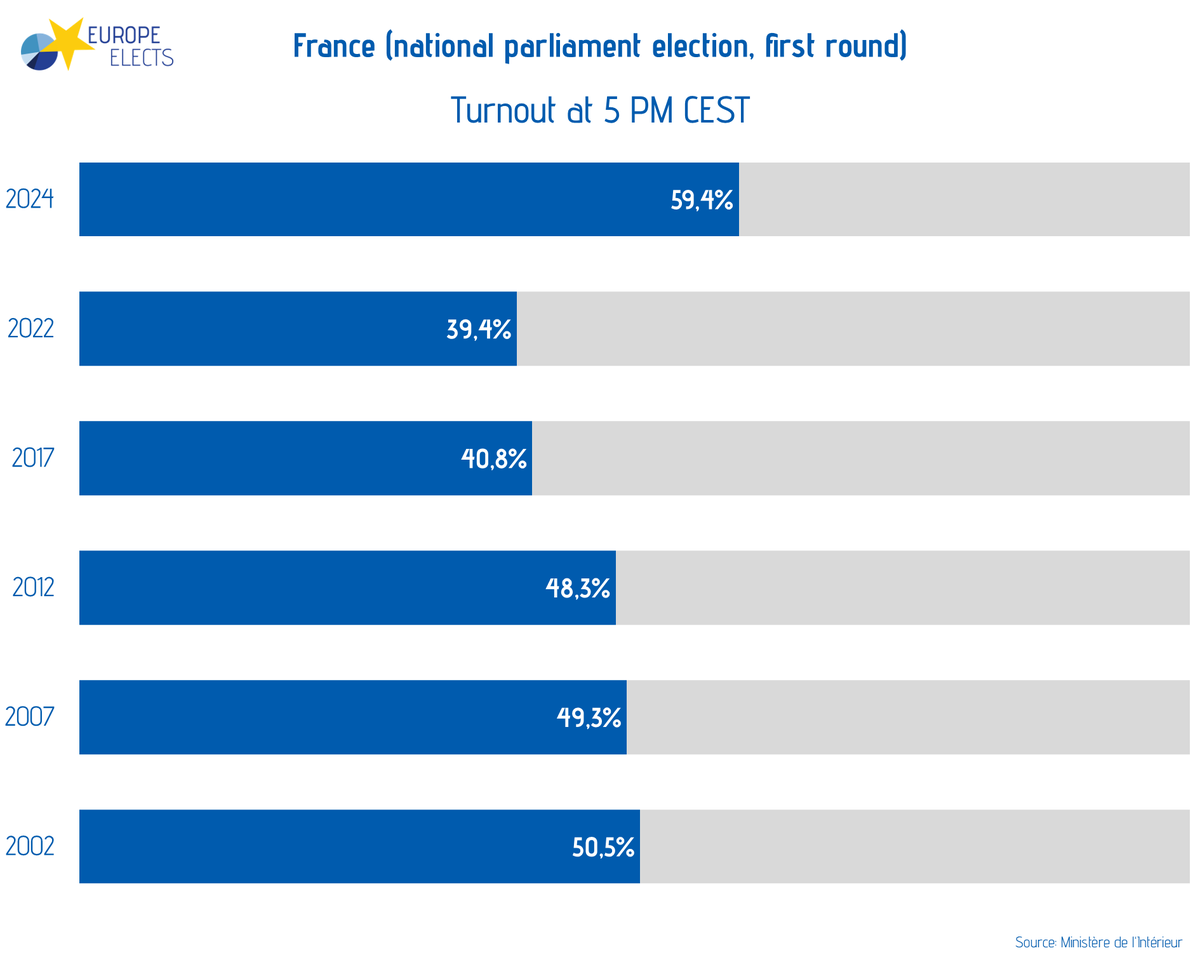
Det ligger an til en temmelig voldsom økning i valgdeltakelsen i Frankrike. Høyeste siden 1978. Ser ut som velgerne er enige i at dette er et historisk valg.
30 Jun 2024

France (European territory), snap national parliament election today:
Turnout 5 PM CEST
2024: 59.4%
2022: 39.4%
2017: 40.8%
2012: 48.3%
2007: 49.3%
2002: 50.5%
Source: Interior Ministry
➤ europeelects.eu/france
#législatives2024 #ElectionsLegislatives2024
8
1,111

Simen Ekern retweeted

15 May 2024
EU to freeze Georgia’s accession bid if it enacts Russia-inspired law on.ft.com/3V2qzq3
1
3
3
760
25 Apr 2024
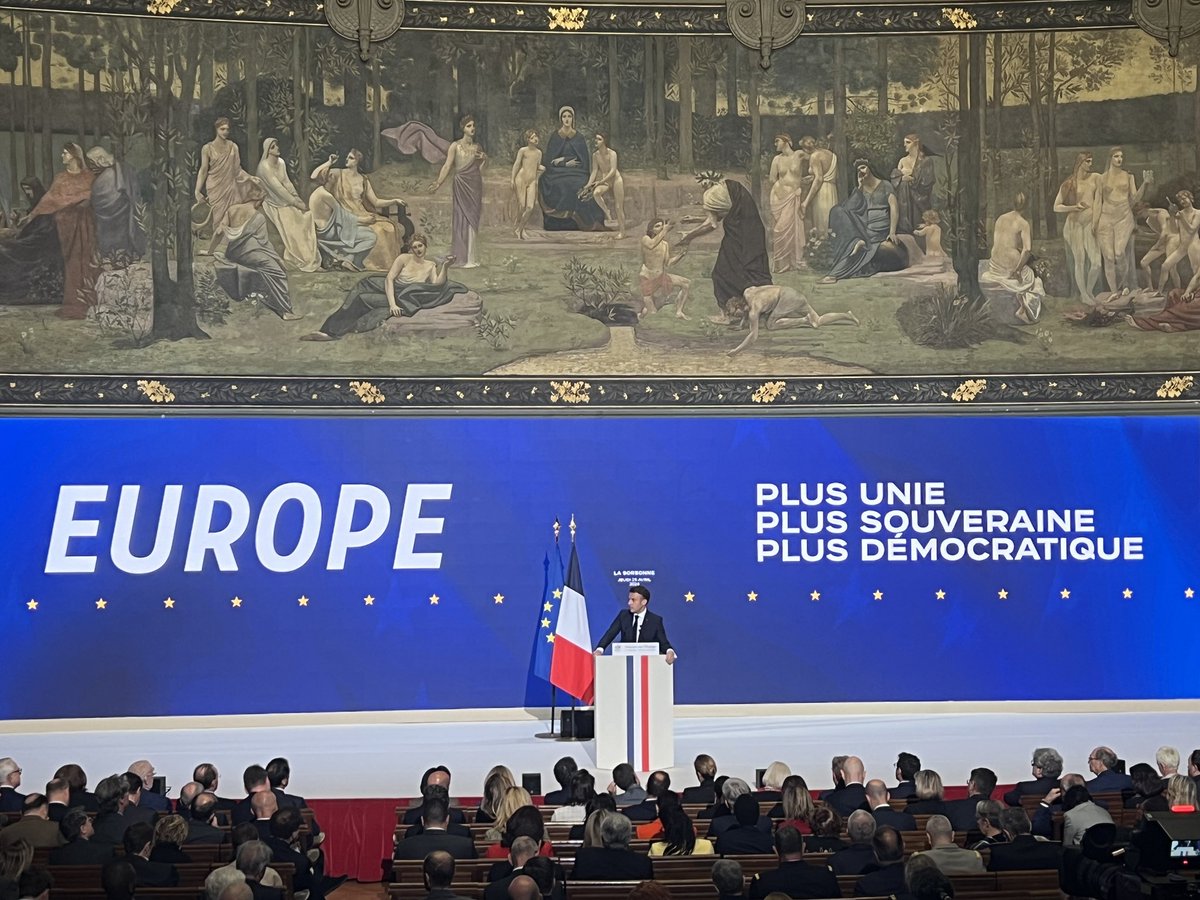
«Europa er dødelig. Europa kan dø», advarer Macron i sin Europa-tale i Paris
1
1
710
25 Apr 2024
Han gjentar insisteringen på at Europa ikke lenger kan være avhengig av USA i sikkerhetspolitikken. Og repeterer også en mye kritisert formulering om at Europa «ikke kan være USAs vasall»
1
383