
Writer | Poet | Politics, ethics, beliefs | Art | former director @Ekklesia_co_uk | NUJ | @TUG_SNP | Music: @MusicTippett @YesSolidMental
Joined May 2008
- Tweets 99,116
- Following 7,469
- Followers 7,054
- Likes 63,177
1,070 Photos and videos


Pinned Tweet

2 Mar 2017
'Transforming Christian-Muslim relations', with Rowan Williams, @monasiddiqui7 & @simonbarrow Videocast now online youtu.be/iyMWv_U4T9Y
8
58
60

This is how it always should be (and frequently has not been) in the life of the church.

From the perspective of occupying Roman powers, the Christian sect was radical because it encouraged alternative behaviors that were both attractive to those at the bottom and threatening to the worldview of empire. buff.ly/wDuMnBN

1
1
63
Simon Barrow retweeted

Jun 13
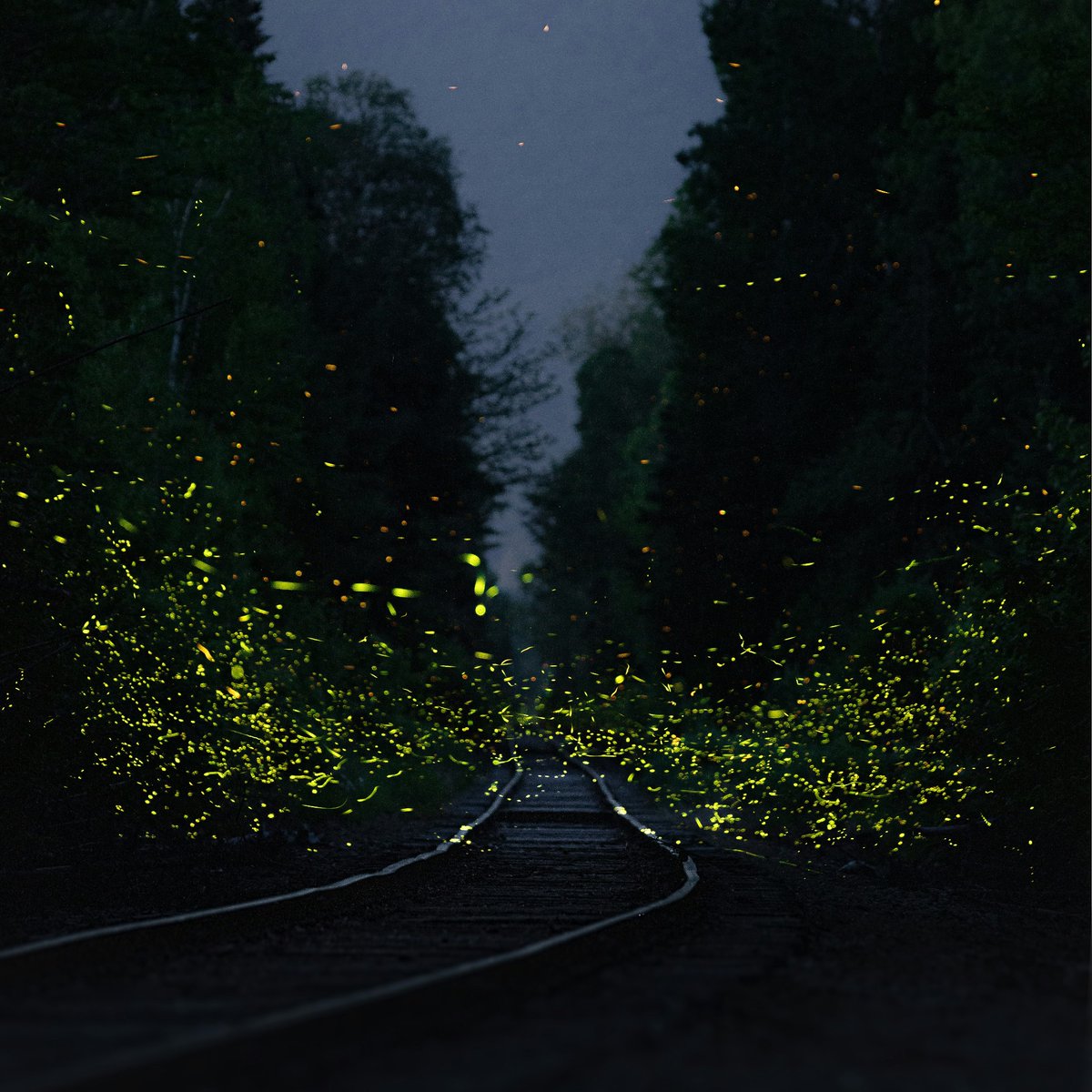
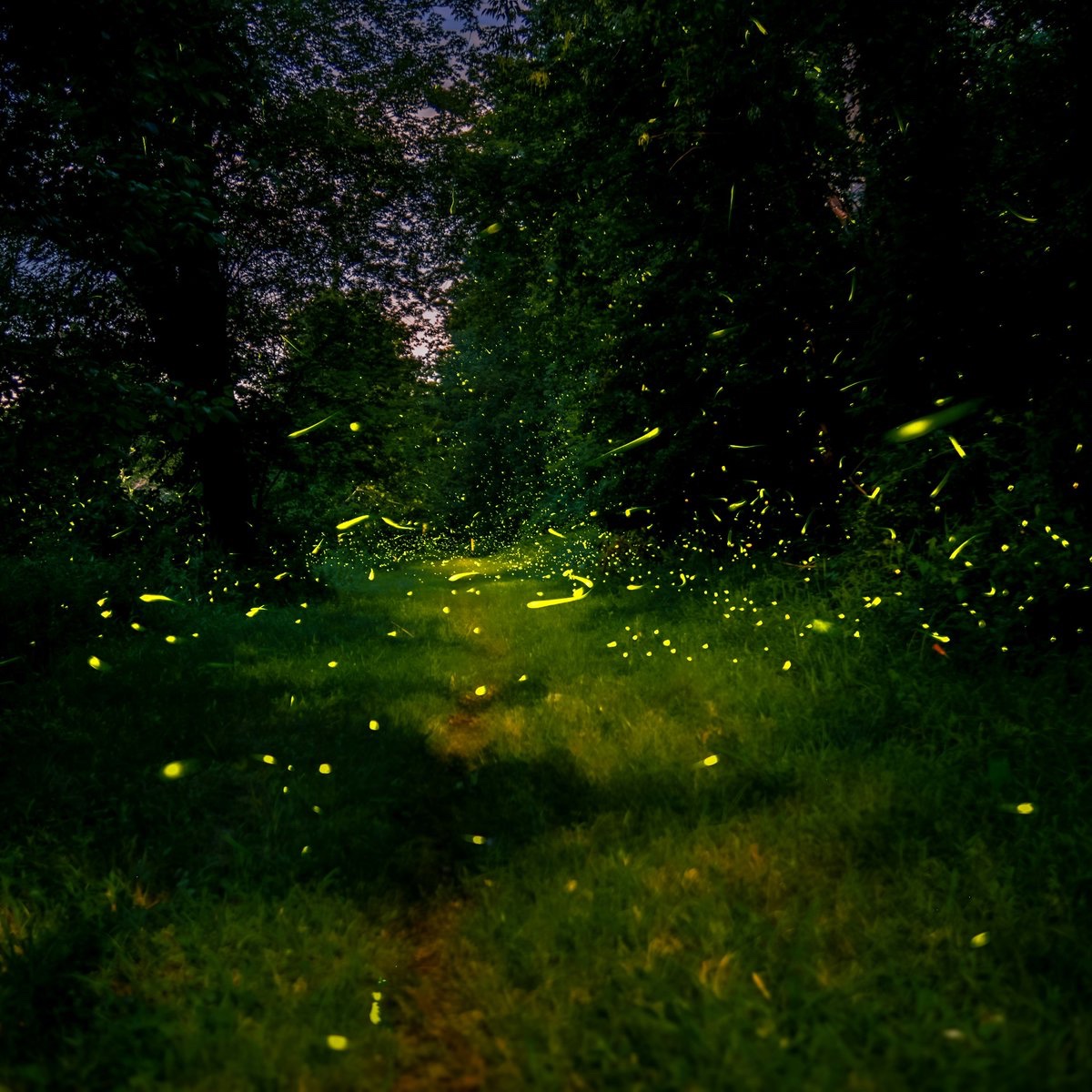
A group of fireflies is called a sparkle ✨
135
1,956
7,910
221,016
Simon Barrow retweeted

Jun 13
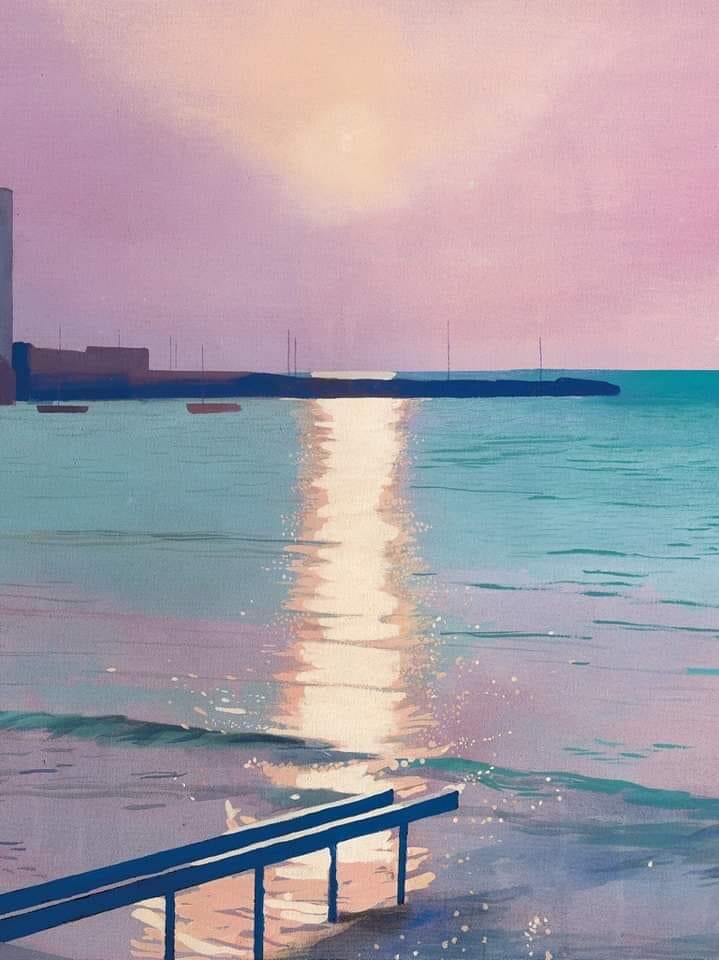
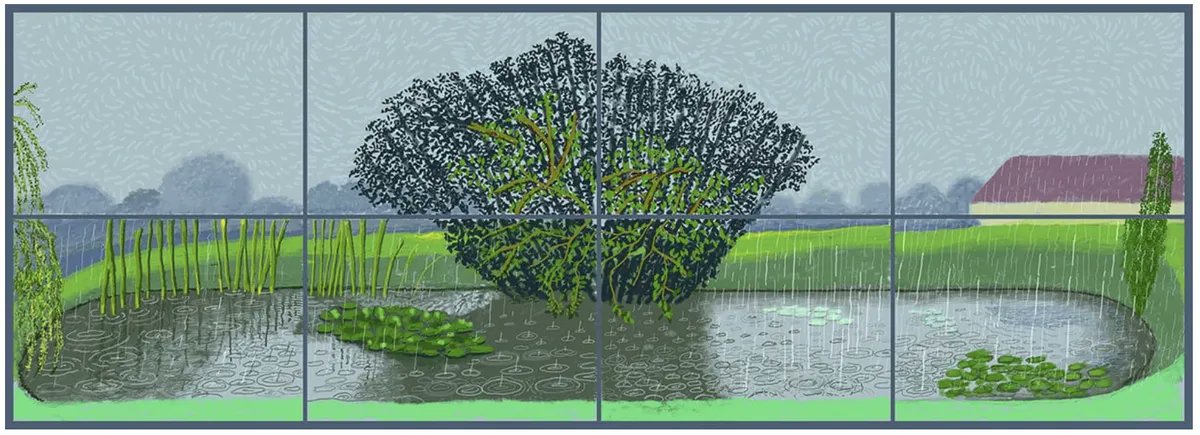
David Hockney, Early Morning, Sainte-Maxime
38
1,305
8,217
179,811
Simon Barrow retweeted

Jun 13
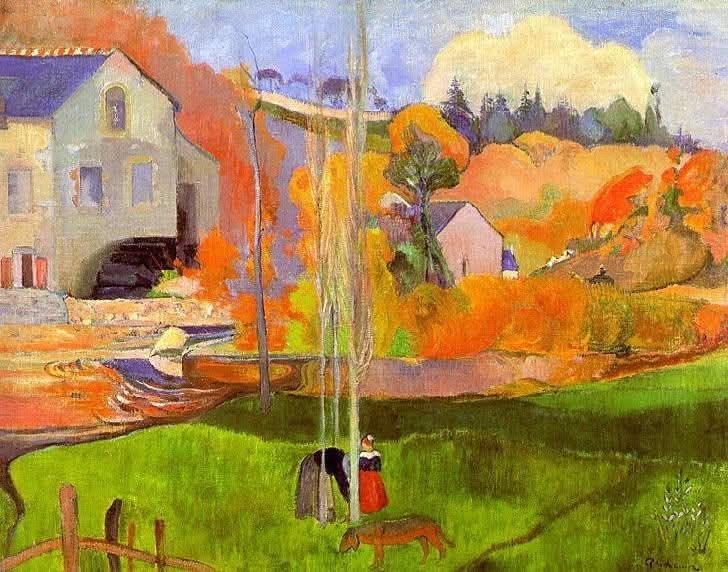
"Each person only sees of the universe what their sensitivity allows them to see."
Agostinho da Silva
Art by Paul Gauguin
5
44
166
4,747
Simon Barrow retweeted

Jun 13
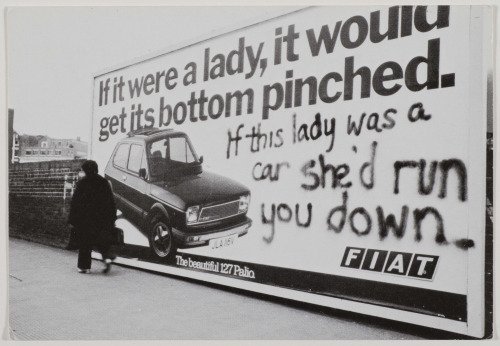
Iconic feminist graffitti (UK), 1979, photographed by Jill Posener, British photographer and activist #womensart #PhotographerWeek 📷
8
368
1,440
21,045
Simon Barrow retweeted

Jun 12
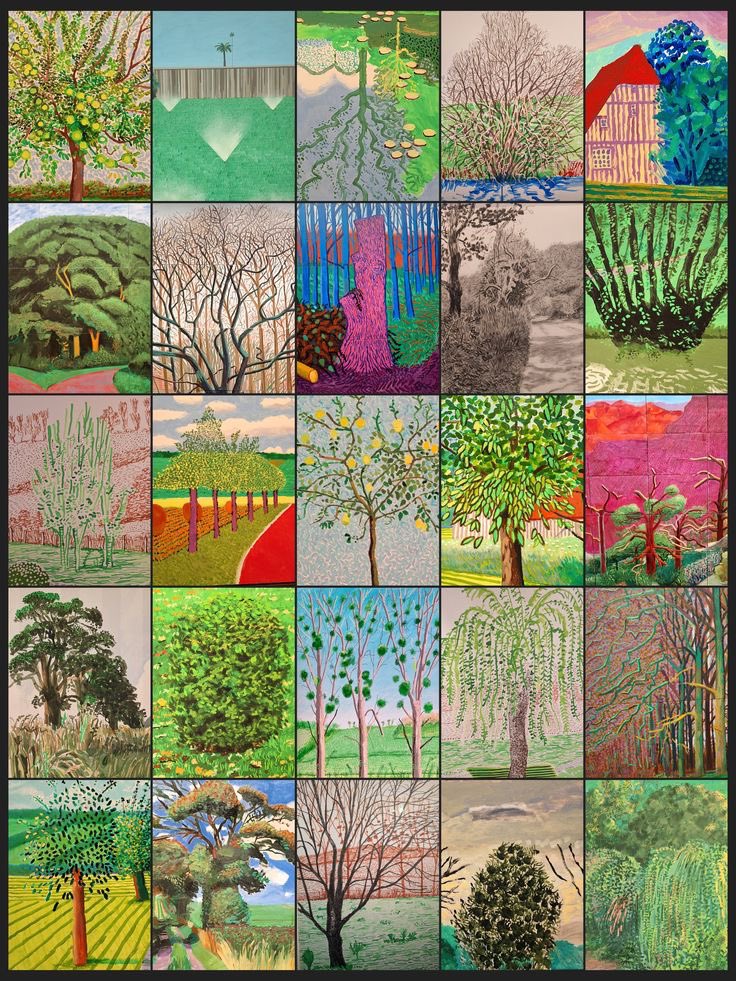
هاکنی تا ۸۸ سالگی عمر کرد و تا آخرین لحظه با دستهای لرزون و لاغر از نقاشی کشیدن دست نکشید. حالا به جای اینکه از رفتنش غوصه بخوریم، تا هنوز بهاره به شکوفهها و درختها و سبزیها نگاه کنیم شاید دنیا رو به رنگ اون دیدیم.
24
569
3,954
46,666
Simon Barrow retweeted
Jun 13
This is so beautiful. There’s been a spin-off project in Scotland, too.
Jun 12

I think about this every day. In the Netherlands, if a person dies alone, without any family or friends as mourners, a poet will be sent to write a poem and read it at the burial service. It's called the Lonely Funeral Project, and it's just humans being good humans.
2
7
511
Simon Barrow retweeted
Jun 13
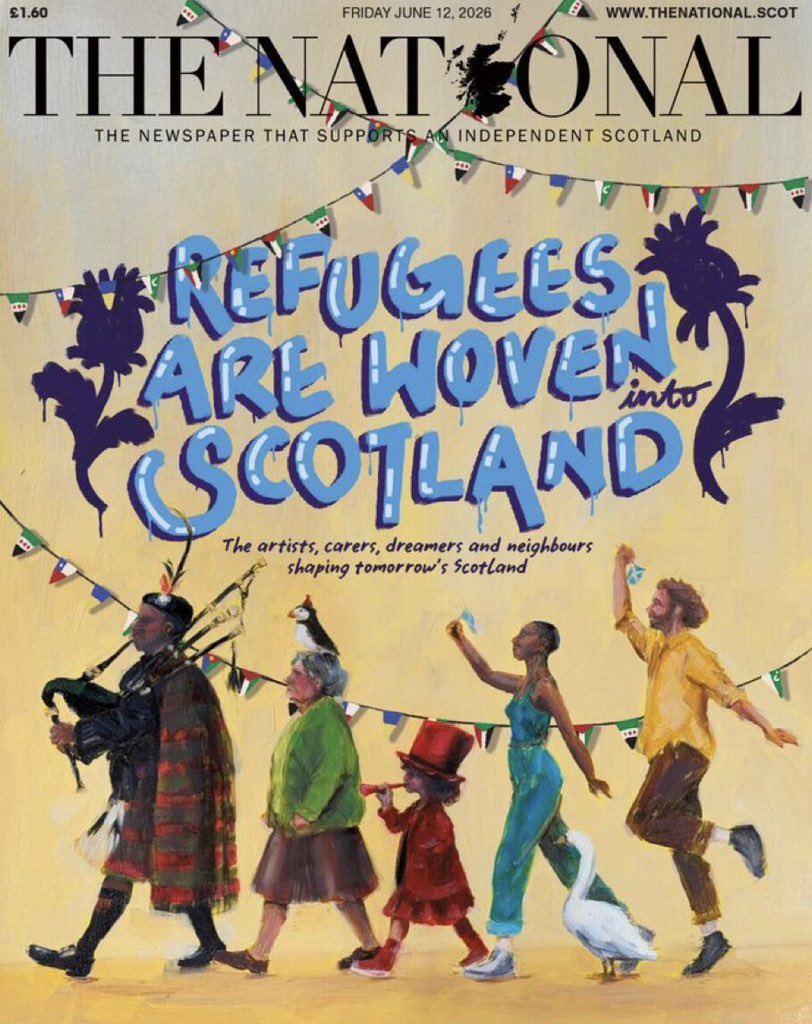
The message we need to treasure and defend right now. #RefugeesWelcome
12
21
438
Simon Barrow retweeted

Jun 12
This is barbaric. They were not permitted to explain to the jury why they carried out the attack on the Elbit factory - which makes the weapons that kill Palestinian children. And the jury was never told they would be sentenced as terrorists. /1
Jun 12

🚨 BREAKING: Four Palestine Action activists have been jailed for a total of 22 years for causing £1.2m worth of damage and fracturing a police woman's spine at an Israeli weapons factory



3,201
8,098
34,332
1,679,681
Simon Barrow retweeted

Jun 13
A beautiful thread. Sensitive, considered and worthy of your time.
Jun 13

First of all, literature can be secular while being fundamentally religious. Besides, all modern books of the Western Canon (and I mean modern in opposition to ancient) are culturally Christian. Our secular literature - whether religious or not - is largely rooted in highly moral works such as Dante's, Aquinas's, Augustine's, etc.
Secondly, the point is that these dictators (and tyrants in general) were not concerned with truth - not outwardly. Plato talks about this, Orwell, Solzhenitzyn, and so many others. The Gulag Archipelago is one of the books that best presents the problem, and in fact it mentions, with the example of the Inquisitoon, how religion itself can be manipulated to serve evil ends.
Appreciating art, as I always say, is an act of transcendence, it is a search for some deeper, immutable truth - some essence beyond the material plane of things. It is fundamentally a spiritual act, whether the work is secular or not. And of course spirituality comes from religion (which in primitive times was pretty much the same as culture), which means our emotions while reading a great book are essentially religious emotions - and this does not contradict one's agnosticism or disbelief in God. But as a Christian I can say that, yes, many of the great works of the Canon, including so many written by non-believers, are absolutely vital to my faith and daily life as a believer.
I understand, Jaycel seems to have a problem with the word 'Godless' - it's certainly not the best word in all cases. I also understand that the magazine may have had solely moralistic purposes in mind (I have no idea, as I can only read a few paragraphs). But nonetheless one thing is clear: those dictators were objectively evil, and they certainly were not concerned with the transcendental purposes of great art (especially the communists), at least not outwardly, which resulted (especially in communist countries) in corrupted governments and materialistic societies, because truth was manipulated. Therefore, it does not matter to this discussion how wide their reading may have been (they were without a doubt profoundly intelligent leaders), or how deeply they enjoyed it, since they turned it all towards 'larger,' false, and corrupted ends.
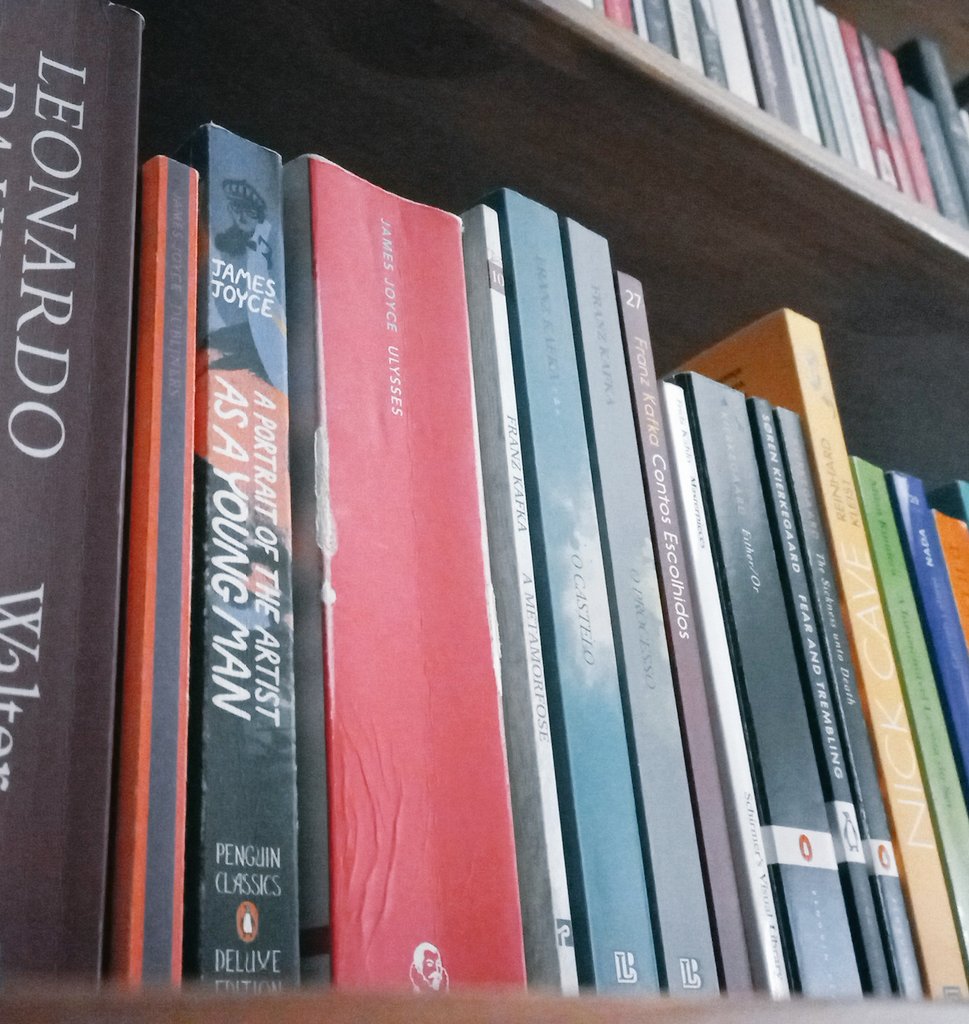
To take a very fascinating example: James Joyce. He was either an agnostic or an atheist who rebelled radically against Catholicism and Ireland (in a very blasphemous way at times), yet at the same time he had a profound love for both. Is that contradictory? Somehow, not in the slightest. And what contradiction there is in it becomes irrelevant in the transcendental act of appreciating his work and personality. (You must read him to understand this.) Ergo, he was deeply Christian in a cultural sense, and in fact two of his favourite authors were Dante and Aquinas, whom he fervently defended every chance he got. He even attended mass sometimes for the aesthetic pleasure it gave him! And what is this thirst for aesthetic pleasure if not a thirst for truth, whatever way you see it? As Keats says, 'Beauty is truth, truth beauty.' And not only this, but Joyce always firmly believed in the soul. 'In Joyce's work the soul—a word which he never renounced—carries off the victory.' (Ellmann)
And it is the soul that must carry off the victory - in daily life as well. Not violence, not manipulating the truth, not oppression, not a political agenda, not depravity - but the individual soul in its confrontation with mortality and in its search of a deeper reality.
2
1
6
762
Simon Barrow retweeted

Jun 13
This wren is only about 4” (100mm) long, yet bathes us in beautiful song.
How much greater and impact we can make… to bring peace and joy to the spaces around us.
57
583
3,297
40,531
Simon Barrow retweeted

Jun 13
Setting fire to houses with families inside them: legitimate concerns
Criminal damage to an arms company supplying a genocide: terrorism
426
3,123
10,375
146,250
Jun 13
Brutal and authoritarian. A stain on justice and the legal system.
Jun 12

Scale of sentences on the 4 young people who took direct action against the arms supplier to Israel is truly shocking. To impose years of imprisonment for protesting to save lives in Gaza is unjust, especially sentencing on terrorist grounds they were never convicted of by a jury
4
6
242

Jun 13
RT @DrHannahGraham: A wee group of angry balaclava and mask-wearing anti-immigration guys tried to stop the good people of Glasgow showing…
518
Simon Barrow retweeted
Jun 11
This quotation should sit gently on the screensaver of all critics and reviewers, especially those who have not in some way inhabited the world and work they are passing judgement on.
Jun 11

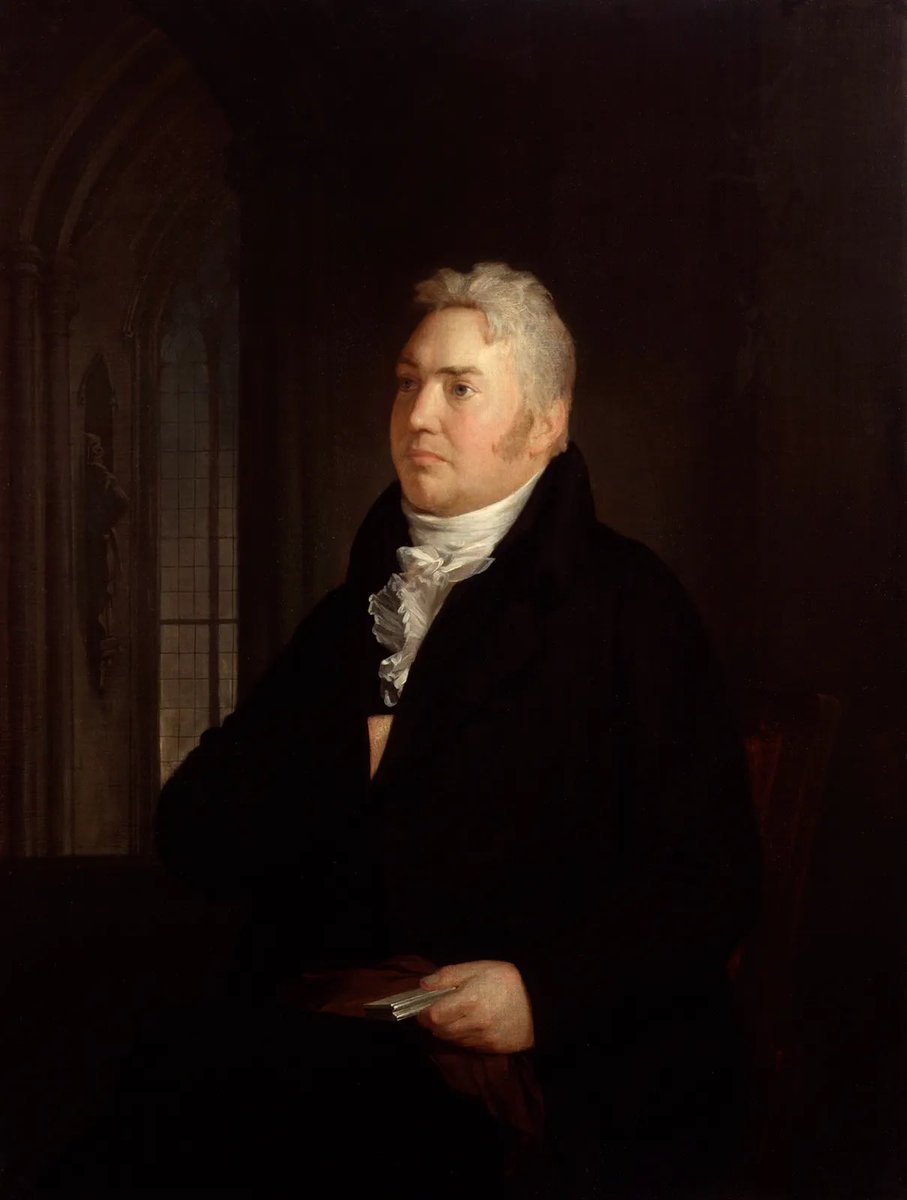
“Never to lose an opportunity of reasoning against the head-dimming, heart-damping Principle of Judging a work by its Defects, not its Beauties. Every work must have the former—we know it a priori—but every work has not the Latter & he therefore, who discovers them, tells you something that you could not with certainty or even with probability have anticipated.”
—Samuel Taylor Coleridge, Notebooks, October 1803
2
6
508