
Joined November 2019
- Tweets 12,324
- Following 1,850
- Followers 111
- Likes 4,434
180 Photos and videos













flambreaux retweeted

1 Aug 2025
A video for those interested.
2
24
141
39,381
flambreaux retweeted

May 29
Almost the weekend, let's celebrate 🥳
RT for your chance to win this Curren$y, Trey Murphy & Herb Jones signed photo 😮💨
#Pelicans | Rules 🔗neworlns.co/4eckdin

17
297
293
11,038
flambreaux retweeted

May 28
Damn 🔥🔥🔥 we need a full collab album man

1
5
47
1,833
flambreaux retweeted

May 22
Claude YouTube = Money Machine 💸
No skills. No camera. No excuses.
12 prompts that do all the work 👇

79
190
682
140,057
flambreaux retweeted

In case people are curious about the @ricardo_hausman Velasco column, here it is dropbox.com/scl/fi/9tl8dkhqz…
3
14
5,522

flambreaux retweeted

May 6
I don’t like using this sort of thing as self-promotion, but my current circumstances demand it. I think this is strong evidence that I am stupidly good at my job, a job that my university has decided will be eliminated. If you hire me I will be stupidly good on your behalf.
May 6

Last night my colleague and I thought that some of our older students were taking us out for an end-of-year drink. Little did we know that some 60 students were waiting to surprise us. Naturally I was a sobbing wreck. What an honor to teach such extraordinary young people.
6
42
622
45,703
flambreaux retweeted

Apr 27
Robert Lighthizer argues in Foreign Affairs that trade deficits have hurt the US economy and that a new trading system is needed to tax countries that run persistent trade surpluses. His essay is filled with weak assumptions and reasoning errors. [1/x]
foreignaffairs.com/united-st…
6
14
61
11,423
flambreaux retweeted

Everyone's talking about inflation, but almost no one is talking about the force that could quietly deflate it for the next decade or more.
It's housing.
Home prices are up just 1% year-over-year. Asking rents (the ones you see posted on sites like Redfin) have been essentially flat since 2022. The shelter index is still elevated at 3%, but it has come way down from its 8% peak in 2022, and I expect it to keep falling.
Here's why this matters long-term, not just right now:
We are finally building the right kind of housing in the right places. Multi-family construction is now 4x what it was in the 2010s. Single-family construction, by contrast, is actually 20% below where it was in the 2000s. We're building less of the inefficient, sprawling housing and more of the dense, efficient kind.
I argue that this is the direct result of zoning reform spreading across the country. Minneapolis led the way in 2018, followed by Florida, Montana, California, Arizona, parts of Texas, and more. Local leaders have finally realized: the way to make housing affordable is to allow more of it to get built.
The economist Ed Glaeser estimated that inefficient land use is holding back the U.S. economy by 9%. But we're starting to fix that. When more people can live close to the jobs, schools, and businesses they need, they're more productive: less time in cars, more time contributing to the local economy.
Thirty three percent of renters now live in multi-family buildings. That's a record high going back to 2011.
Even California, hamstrung by Prop 13, is moving in the right direction. Change there will be slow: tax policy keeps longtime homeowners in place, but as that housing stock turns over, dense redevelopment will follow. For a sprawling city like Los Angeles, the long-term implications are enormous.
None of this means we're out of the woods right now. The war in Iran is pushing energy prices up, and short-term inflation shocks matter because they shape expectations. The Fed can't ignore what's happening today, even if the long-run trajectory looks more promising.
But the housing story is one I don't think gets enough attention. New video breaking this all down, featuring analysis of Redfin data, is linked below. Would love to hear your thoughts. And please subscribe, like and share.
8
12
63
8,697
flambreaux retweeted

Apr 14
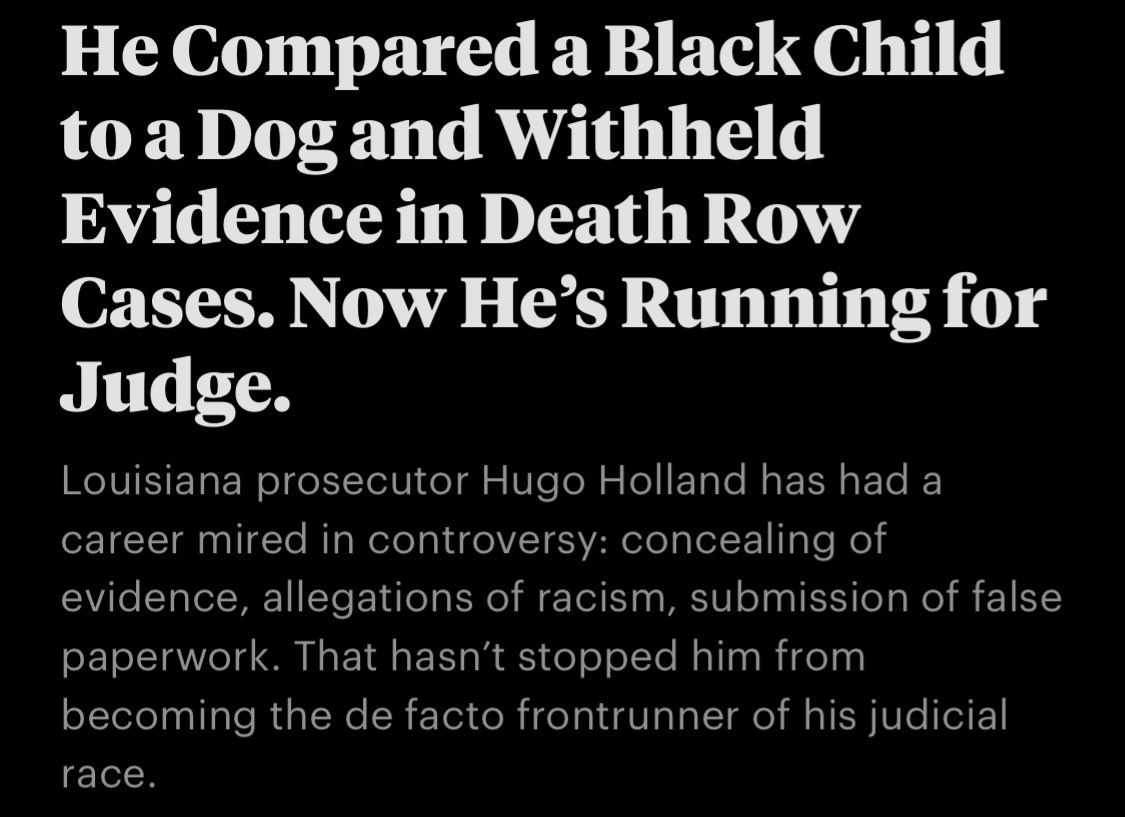
MAGA claims they want "law and order," but they’re lining up to put THIS man on the bench. The receipts are disgusting.
Hugo Holland didn't just hide evidence to win death row cases—he literally compared a Black 16-year-old to a dog in open court. This is the "frontrunner" for Judge? It’s a total scam.
They don't want justice; they want a rubber stamp for their own power, no matter how corrupt the record is.
I’m done with the sanitized excuses. Look at the record. This man has no business in a robe.
How the hell do you justify a record like this? Explain it to me. I’ll wait.
#DemsUnited
18
278
292
4,409
flambreaux retweeted

Apr 7
Many people flock to St. Charles Street in New Orleans to witness the Mardi Gras parades, but on the backstreets a vibrant secret society showcases its culture with feathers and dazzling beaded suits. cbsn.ws/3PUp4eE
9
71
258
21,584
flambreaux retweeted

A couple of days ago, Megan McArdle (@asymmetricinfo) posted about how she uses LLMs in her journalism: research, transcription, fact-checking, sharpening questions, compressing ancillary tasks, etc. The reaction from some quarters included calls for her dismissal, accusations of fraud, and moral outrage galore.
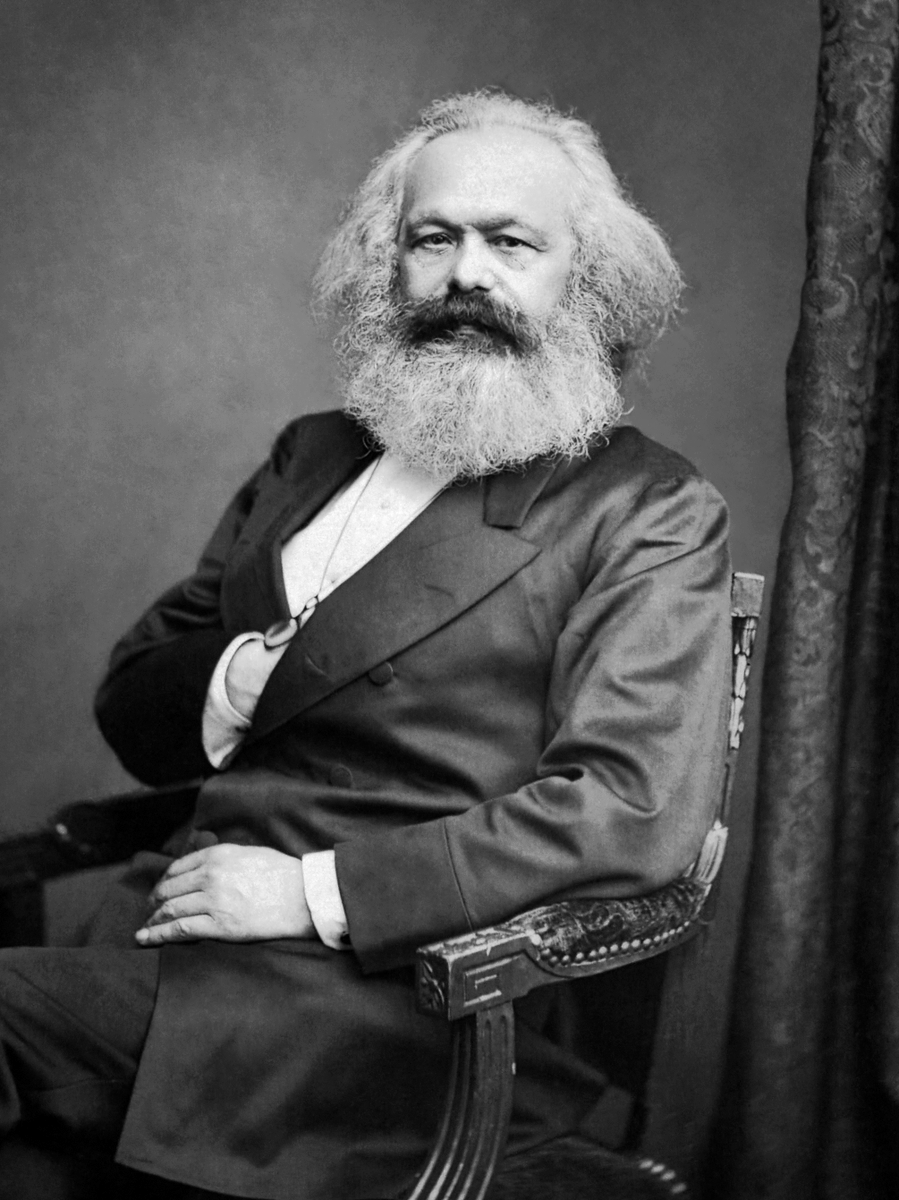
This is a good reminder of why Karl Marx is useful:
“It is not the consciousness of men that determines their being, but, on the contrary, their social being that determines their consciousness.”
People’s moral positions on LLMs track their position in the relations of production with remarkable precision. A senior journalist who can use LLMs to become more productive is harder to replace. But a junior journalist or an adjunct professor whose work is now much easier to replace has every incentive to find moral arguments against LLMs or to exaggerate their flaws. Narratives follow economics, not the other way around.
The calls for McArdle’s removal aren’t about journalistic integrity; they’re about defending a labor market position that’s becoming hard to justify. And framing that defense as a moral stance is just shifting the argument into a territory where the author feels more comfortable: moral judgments. Oldest trick in the book.
Bourdieu would call it a field strategy: when you cannot win on competence, you redefine the game so that the relevant capital is moral authority rather than productivity. The people loudest about the ethics of LLMs are, not coincidentally, the people with the most to lose from them.
13
52
242
40,417
flambreaux retweeted

Mar 26
BREAKING: I asked Claude to upgrade my LinkedIn profile.
It didn’t just “upgrade” it. It turned it into a recruiter magnet.
Here are the exact 7 prompts I used:
35
53
153
30,679
flambreaux retweeted

Mar 25
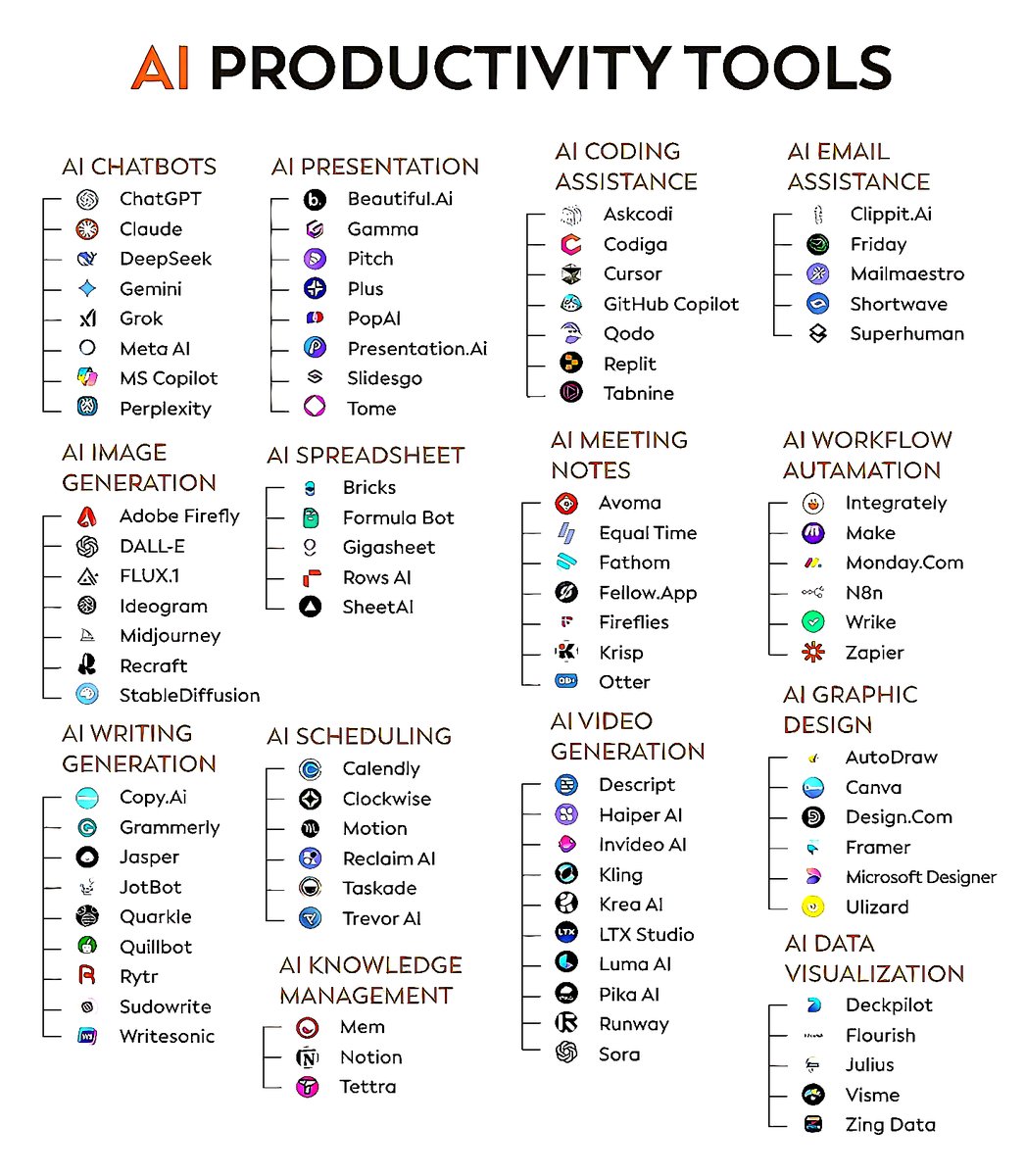
80 AI tools to complete months of work in minutes
1. Research
- ChatGPT
- Copilot
- Gemini
- Abacus
- Perplexity
2. Image
- Fotor
- Dalle 3
- Stability AI
- Midjourney
- Microsoft Designer
3. CopyWriting
- Rytr
- Copy AI
- Writesonic
- Adcreative AI
4. Writing
- Jasper
- HIX AI
- Jenny AI
- Textblaze
- Quillbot
5. Website
- 10Web
- Durable
- Framer
- Style AI
6. Video
- Klap
- Opus
- Eightify
- InVideo
- HeyGen
- Runway
- ImgCreator AI
- Morphstudio .xyz
7. Meeting
- Tldv
- Otter
- Noty AI
- Fireflies
8. SEO
- VidIQ
- Seona AI
- BlogSEO
- Keywrds ai
9. Chatbot
- Droxy
- Chatbase
- Mutual info
- Chatsimple
10. Presentation
- Decktopus
- Slides AI
- Gamma AI
- Designs AI
- Beautiful AI
11. Automation
- Make
- Zapier
- Xembly
- Bardeen
12. Prompts
- FlowGPT
- Alicent AI
- PromptBox
- Promptbase
- Snack Prompt
13. UI/UX
- Figma
- Uizard
- UiMagic
- Photoshop
14. Design
- Canva
- Flair AI
- Designify
- Clipdrop
- Autodraw
- Magician design
15. Logo Generator
- Looka
- Designs AI
- Brandmark
- Stockimg AI
- Namecheap
16. Audio
- Lovo ai
- Eleven labs
- Songburst AI
- Adobe Podcast
17. Productivity
- Merlin
- Tinywow
- Notion AI
- Adobe Sensei
- Personal AI
18. Social media management
- Tapilo
- Typefully
- Hypefury
- TweetHunter
Must follow @Onil_Coder for more
62
160
438
25,657
flambreaux retweeted

Mar 24
🚨 BREAKING: Passive studying is dead!
Claude can train your brain harder than most professors ever will.
Here are 10 Claude prompts to learn anything 10× faster
19
65
287
57,153
flambreaux retweeted

🚨🚨 New working paper 🚨🚨
"Minimum Wages and Vertical Restraints in Franchising"
with @SwayamsiddhaSa5, @sergiotpinto, and Blake Eliason
/1
1
18
44
11,890
flambreaux retweeted

Mar 17
I want to share a bit more about my vision for the Economic Research team at Anthropic in the coming years.
This is a forward-looking vision. Some pieces we’ve yet to develop. Aspects of this work will surely change.
Consider joining the effort.
1/6
docs.google.com/document/d/1…
22
114
1,182
200,752
flambreaux retweeted

Mar 13
Ahem. searchlightinstitute.org/res…
We could launch a public-private consortium tomorrow.
We could make state tax exemptions contingent on hyperscaler transmission investments.
We could pass a law requiring large loads pay a fee that goes toward tx (at state or federal levels).
Mar 13

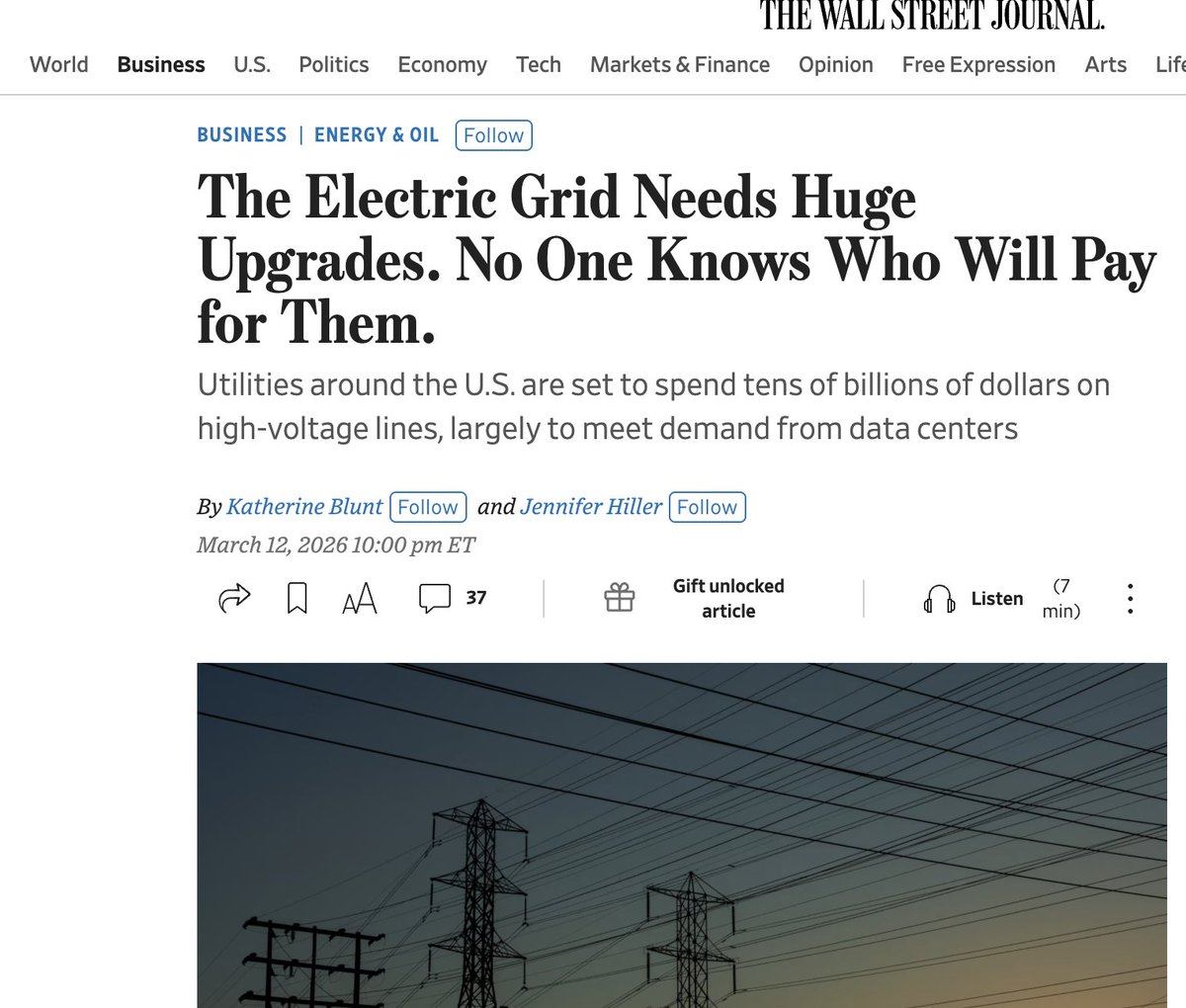
U.S. utilities plan tens of billions in transmission upgrades driven by AI data center demand. Southern Company: $81B over 5 years. PJM just approved $12B at once. ERCOT: $33B in Texas. Trump pledged tech cos will cover data center costs, but transmission cost allocation remains unsettled and difficult to settle. Ratepayers likely to absorb some share regardless.
2
10
58
20,782
flambreaux retweeted

Mar 12
Nobody understands the bond between a boy and the volume-scoring, shot-chucking guard he watched when he was younger
594
1,661
22,112
1,019,209
flambreaux retweeted

Policies like “ban the box” aim to give people with crriminal records a fair chance in hiring. Economist @jenniferdoleac of @Arnold_Ventures explains why the research suggests employers may substitute other signals when information is restricted by such policies.
3
4
23
3,034