
老程序员,92年(小学)开始写代码,快速可靠传输协议 KCP 作者,知乎25万关注技术答主(id 韦易笑),游戏开发话题,编程话题优秀答主,娱乐化编程,Vim 用户 插件作者,怀旧游戏玩家。
Joined October 2016
- Tweets 9,641
- Following 356
- Followers 27,945
- Likes 8,343
1,272 Photos and videos




“我不需要员工的喜欢,我只需要员工对我的尊重”

有媒体报道,无招卸任钉钉 CEO 的事,前一天已经在钉钉内部传开。当时有人在钉钉 1400 多人的全员群里发“烟花”的表情包,获得几百人点赞,过了一会,“烟花”被管理员撤回。但群内场面已经不受控制,陆续又有人发烟花”,其他人继续点赞,管理员接着撤,如此循环。
———
🎆
1
1
9
4,690
Dario 营销前如果问过自家 AI,证明自家 AI 还是不过关;如果没问过,证明他自己都不信任自家 AI。

看来Dario营销的时候没有问过自家的AI,如果问了,那证明自家的还是不过关啊
5
4
2,203
opus4.6 的参数 1.5T 激活参数 100B,而 fable5 的参数 6T 激活参数 400B,短短四个月,参数和激活参数翻了四倍,这游戏可以持续玩的下去么?
24
5
131
64,194

22h
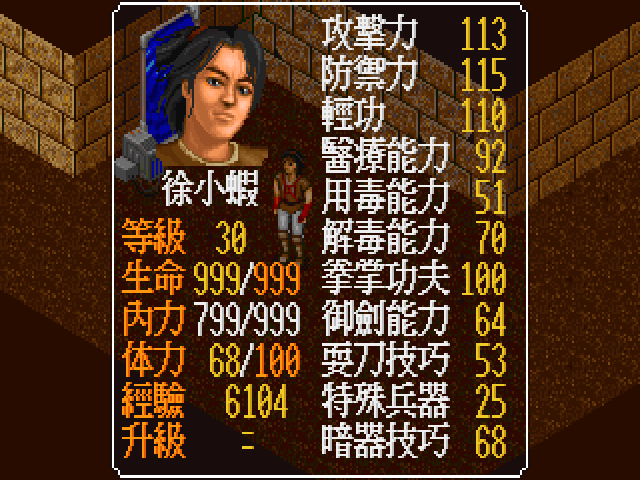
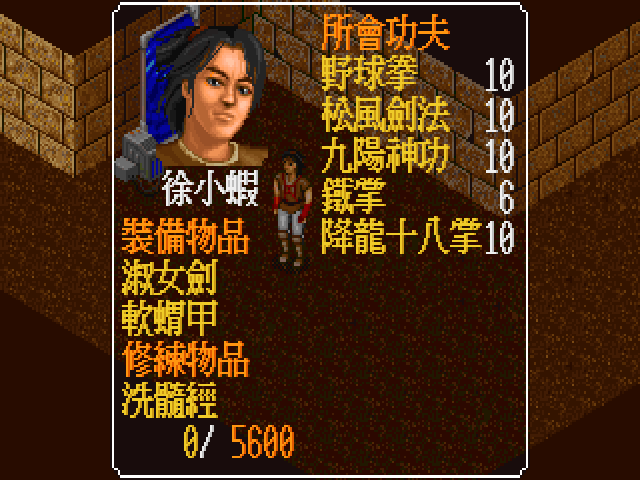
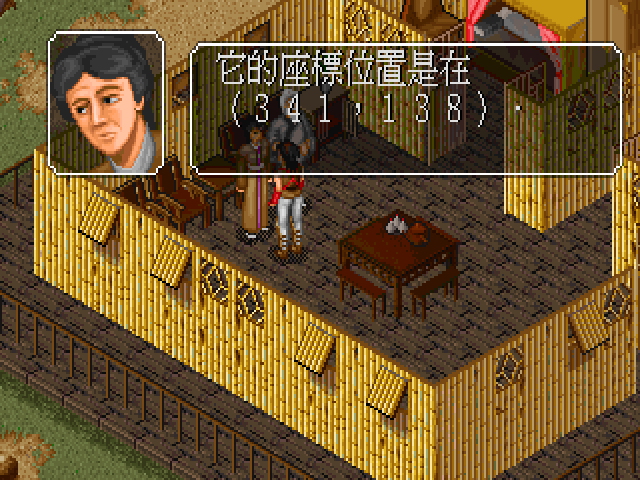
两周前是高资质开局好人通关,有点遗憾,这周是低资质开局当坏人通关:

May 31

今年刚好是《金庸群侠传》发布 30 年,为纪念一下,这两天又拿出来通关一回,按照游戏世界里的 “30年后洛阳城竖起一座雕像”,不正好就是今年么,哈哈。
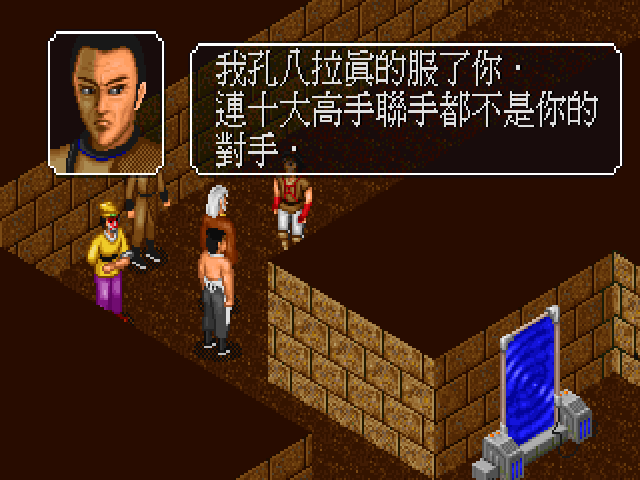
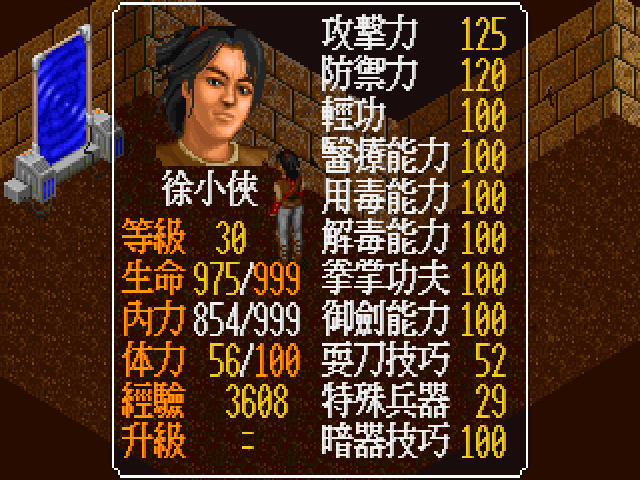
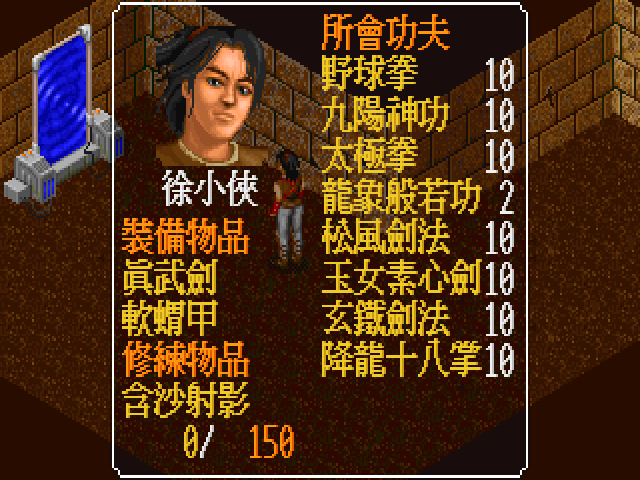

5
3
22
8,443
LIN WEI retweeted

Jun 13
My opinion is that Mythos is the current best model but not actually some world-changing dangerous model, and that anthropic did their usual song and dance about safety largely because they didn’t have enough compute to serve it at scale
So then they launched Fable because they still have to think about the IPO, but they are still somewhat compute limited so they put all sorts of restrictions on it
Around the same time, because they are trying to get regulatory capture and not because things are actually dangerous, Dario did more scaremongering and published his honestly confusing white paper that offered no real solutions
So finally they succeeded, they managed to freak out the government, their cynical plan backfired, and now it’s a giant pain in the ass
156
254
3,123
200,642
Jun 13
不知道价格算下来如何?
Jun 13

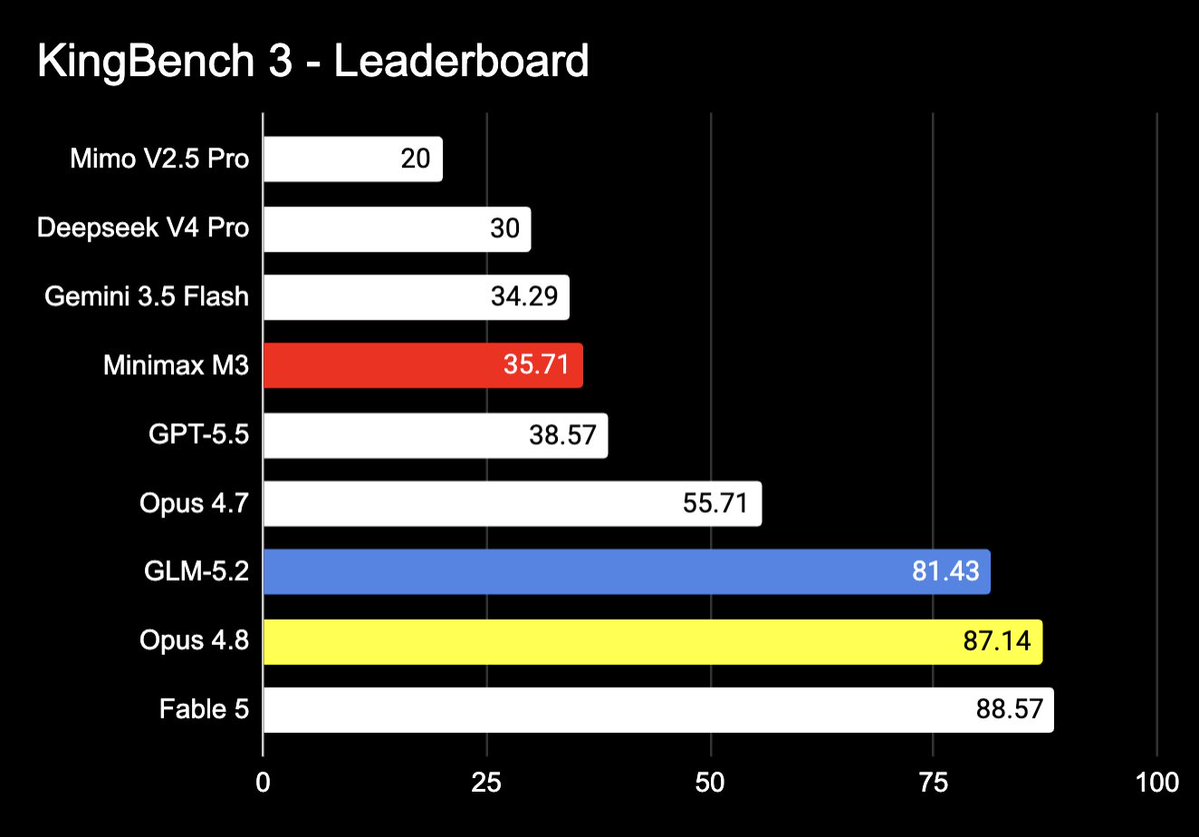
GLM-5.2 on KingBench (3).
Thoughts: The model has superb taste. It is greater at UX than UI. The code is always very clean. It is great at One-shot wonders. I asked it to fine-tune a whole local model and it did it in 30mins!
This is just a great model to use all-round.
1/n
4
9
6,729
Jun 13
分享:35 岁以上的老人可以来这里领鸡蛋了

4
13
3,308
Jun 13
好有趣的游戏
Jun 12

This indie dev is making a game where you play as a mum steering a flying flip flop to smack deserving targets
- Ragdoll physics and bullet time
- From petty crooks to tax-dodging billionaires
- Unlock footwear with unique powers
It's called Flip-Flop Fury. Would you play this?
2
1,089
Jun 12
前端人士特别喜欢开源,然后自己开源的东西被全部拿来训练 AI 了。

React 和 Vue,哪个对 AI 更友好?
如果单纯从 AI 编码能力 的角度看,2026 年仍然是:
React > Vue
但差距已经没有 2023~2024 年那么大了。为什么 React 对 AI 更友好?核心原因不是技术,而是训练数据。
AI 见过的代码大概是:
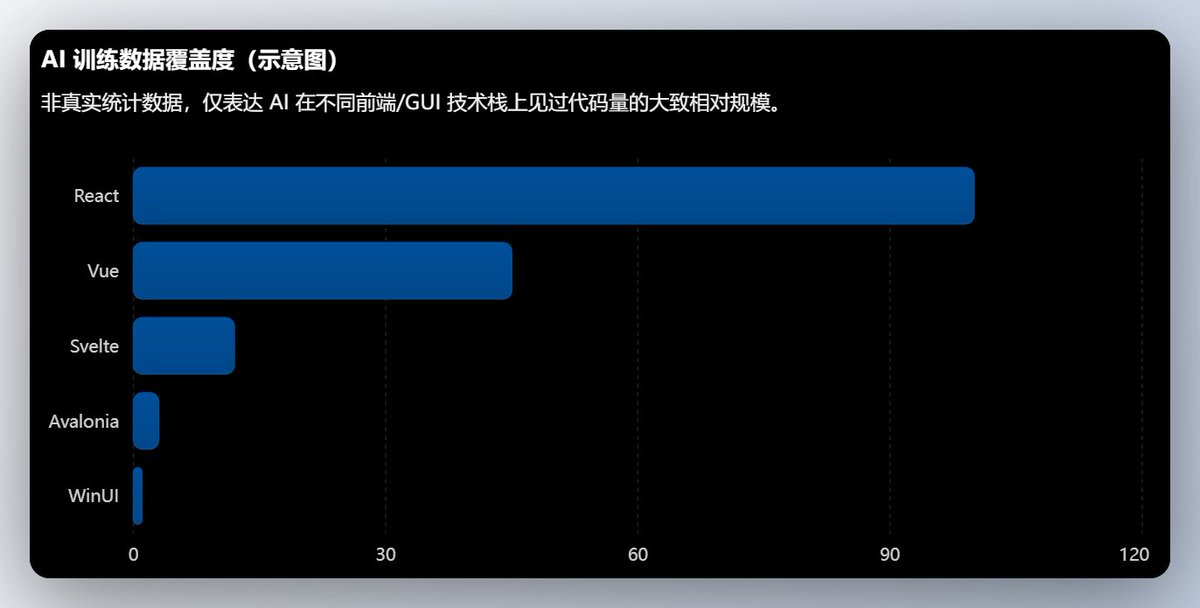
8
28
17,551
Jun 12
金庸小说里断肠草到底是解药还是毒药?杨过中情花毒后天竺僧用情花旁边的断肠草帮他解毒,但是苗人凤又中了田归农的断肠草的毒导致双目失明。
7
1
4,550
Jun 12
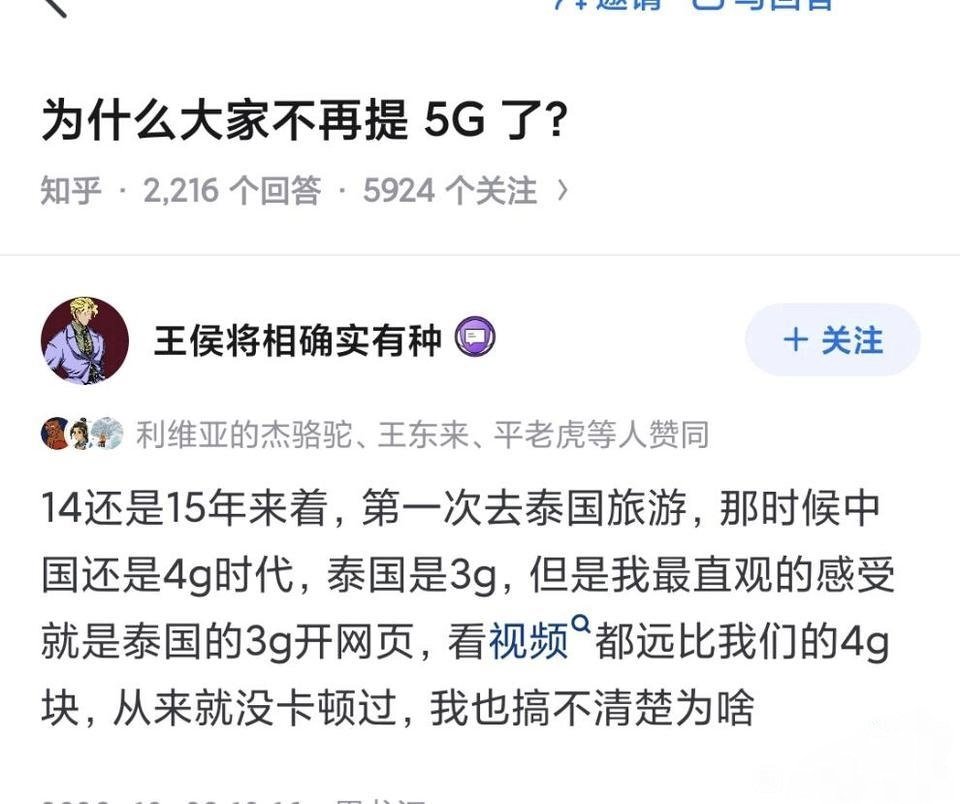
虽然但是,可能很多人不知道,拿着国内手机 sim 卡,在国外访问网站,你的路由是要先回北京的,当然比人家本地手机,打开本地页面慢,这和 4G/3G 没关系,再 4G 对比 3G 的主要优势是带宽,但在双方带宽都没有触碰到上限的时候,决定打开网页快慢的,是延迟,延迟和你 3G/4G 关系不大,主要看中间路径

15
1
40
17,832
Jun 12
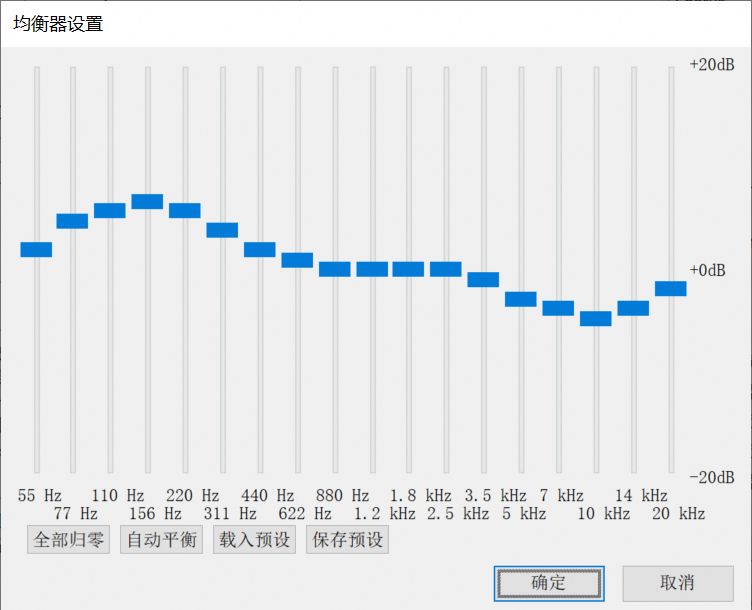
音频美化:录制的 podcast 觉得声音小,刺耳,听长了不舒服怎么办?不用着急,几个 dsp filter 提升舒适度:
Jun 11
1)eq 降低高频刺耳,去低频嗡嗡声;2)压缩:限制过高的部分,提升过低的部分;3)reverb:增加声音湿润度减少干燥感(模拟多个短时回声叠加);4)最后加个 limiter 防止过载爆掉。
2
3
2,196
Jun 12
中午说在水吧休息一会,有个女的过来热饭,我以为微波炉热下最多两分钟搞定了吧,结果想错了,大姐乒乒乓乓的弄了快二十分钟,一会洗碗筷,一会弄塑料袋,菜和饭还要分开三次热,完全没意识到周围有几个人在休息,热个饭的动静比我妈炒四五个菜都大,终于熬到她走了,又来个打电话的大哥,聊了二十分钟
6
1
25
12,556
Jun 12
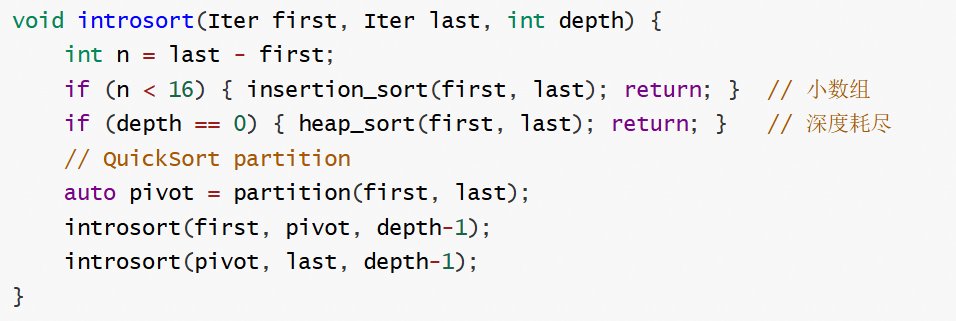
C 标准库太守旧,但 C 标准库早就没用 qsort 了,现在用的是 introsort,改进有两点:1)对于长度小于 16 的小数组,使用缓存更友好的插入排序,不需要 qsort 在那里递归一半天;2)避免 qsort 劣化到 O(n^2) ,限制递归总深度,一旦达到限制,后续改为完全稳定的堆排序;平均比 C 标准库快 2-3 倍

今天想研究一下对基本有序的序列排序有什么经典算法,读了一些文章和演讲,做了点笔记 blog.codingnow.com/2026/06/p…
6
16
133
29,153
Jun 11
如果只是不需要服务器的数据库的单文件数据库的话,太多替代品了啊,比如微软的 access ,不需要任何服务器,应用程序就可以调用 access 数据库引擎使用 .mdb 文件写 sql 操作了,还可以用 access 的 gui 程序打开修改和分析,以前 delphi 的 msi 系统跑本地数据库就用 access 和 interbase,两个都行
Jun 11

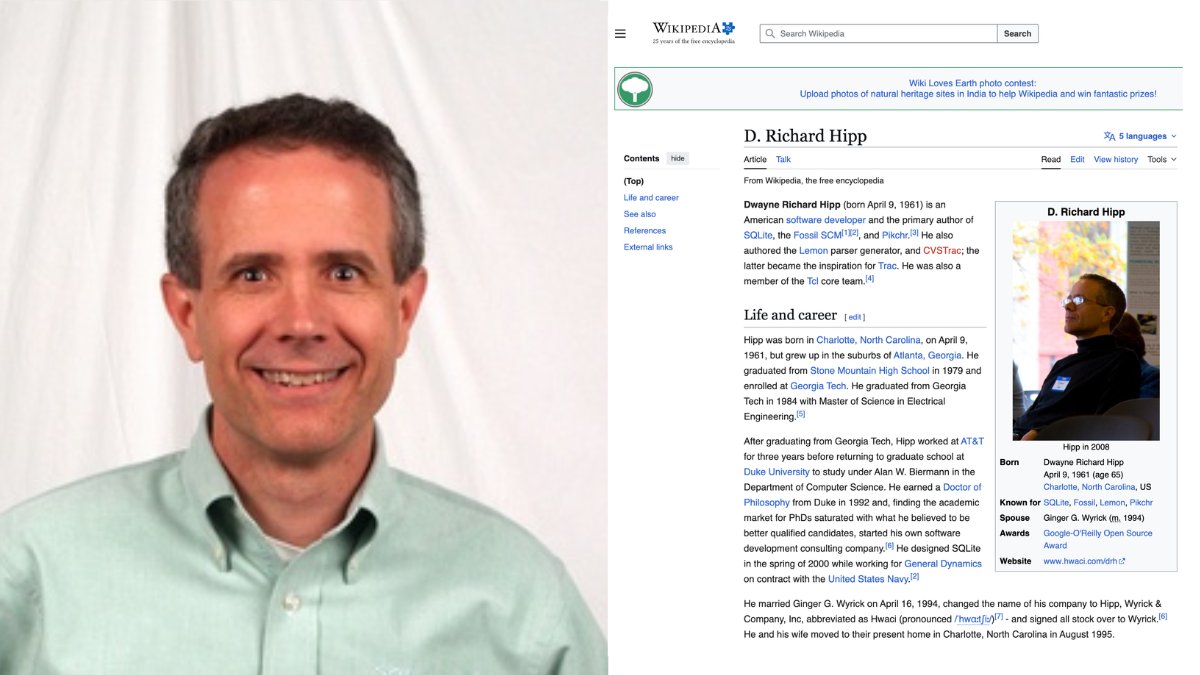
An engineer from Charlotte, North Carolina sat down in the spring of 2000 to write software for guided missile destroyers in the United States Navy. The ships needed a database that did not require a system administrator on board.
So he wrote one himself. 26 years later that database, SQLite, runs inside every iPhone on Earth, every Android phone, every Mac, every Windows machine, every major web browser, every airplane cockpit avionics system, and most of the cars built in the last decade. It is the most widely deployed software in human history. He still maintains it from his home in North Carolina.
His name is D. Richard Hipp. Most people call him Richard.
Here is the story, because the engineer behind the most replicated piece of code on the planet is a man almost nobody can name.
Richard was born in Charlotte on April 9, 1961. He grew up in the suburbs of Atlanta. He graduated from Stone Mountain High School in 1979 and went to Georgia Tech, where he earned both a bachelor's and a master's degree in electrical engineering by 1984. He spent three years at AT&T Bell Labs working in Unix and C. Then he went back to school at Duke University and earned a PhD in Computer Science in 1992. His dissertation was on spoken natural language dialog processing under Alan W. Biermann.
He could have stayed in academia. He told one interviewer the market for PhDs was saturated with better qualified candidates. He started a software consulting company instead. He married a musician and author named Ginger G. Wyrick in 1994 and renamed the firm Hipp, Wyrick and Company.
Then in 2000 he picked up a contract through General Dynamics to write software for the US Navy. The target was the Aegis class guided missile destroyer. The original system ran HP-UX with an IBM Informix database backend. The whole stack required a database administrator on board. The Navy did not want a database administrator on board. Richard's job was to make the database administrator unnecessary.
The design goals were simple. The database had to be self-contained. It had to run inside the application. It had to have zero configuration. It had to be transactional and reliable. It had to require no separate process. It had to be small.
On August 17, 2000 he released SQLite 1.0. He wrote it in C. The whole thing fit in less than a megabyte. The license he chose was the most extreme one possible. He released the source code into the public domain. No copyright. No royalties. No restrictions. Anyone could use it for anything forever.
The decision changed software history.
SQLite spread quietly. Mozilla adopted it for Firefox. Apple put it inside iOS. Google put it inside Android. Microsoft started shipping it inside Windows. Chrome, Safari, and Edge all use it. Photoshop uses it. Skype used it. Every major operating system you have ever touched runs SQLite somewhere underneath. The Airbus A350 uses it for flight software. Every Boeing 787 has SQLite onboard.
By 2026 SQLite was estimated to be running on more than 1 trillion devices. It is the most replicated piece of software ever written. Richard has personally turned down what is almost certainly hundreds of thousands of dollars in royalties over the past 26 years by keeping it public domain.
The SQLite team is tiny. Richard and a small group of core contributors. He maintains a separate version control system he wrote himself called Fossil. He maintains a parser generator he wrote himself called Lemon. He maintains a diagram language he wrote himself called Pikchr. He is a member of the Tcl core team and has been for over 25 years. He answers questions on Hacker News under the username SQLite.
The project's public commitment is to support SQLite through the year 2050.
A Christian engineer from North Carolina wrote a small database for missile destroyers and released it for free.
It is now running inside every device in your house.
3
4
3,562
Jun 11
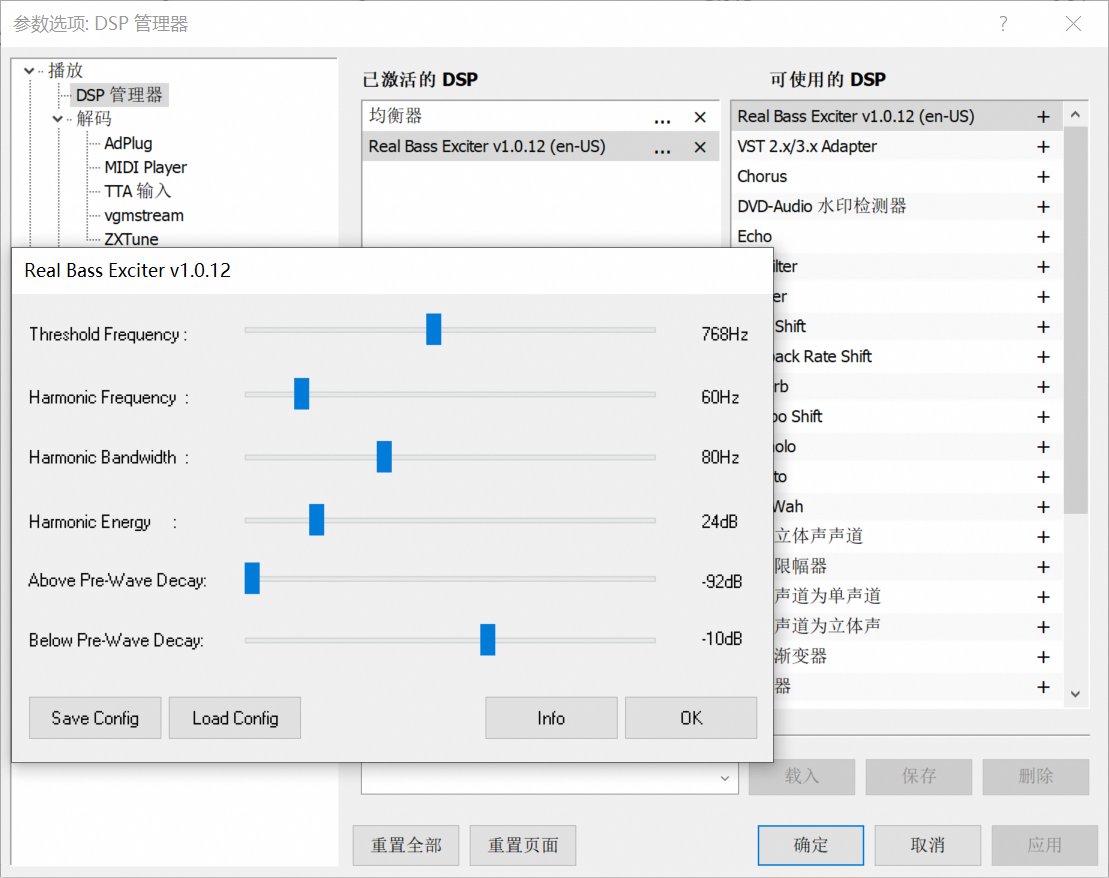
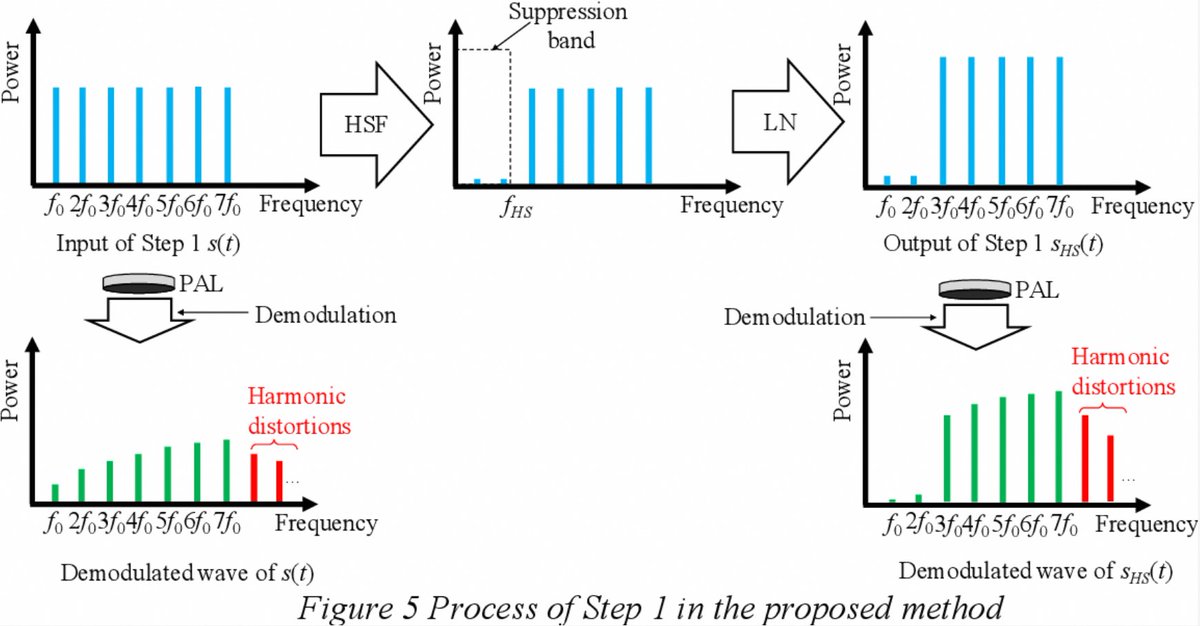
想听歌舒服,但播放设备不行(小喇叭,普通耳机)的话,可用心理声学低音增强(PBE)的 DSP 音频算法:人耳/大脑在听到一组谐波时,即使缺少真正的基频大脑也会“补全”感知到那个缺失的低频基音,用高频组合代替低频,能让你用 20 元的耳机听出 200 元的效果,foobar 里搜索 DSP_BassExciter_EN 插件:
5
2
52
6,352
Jun 11
step1:foobar2000 里安装 Real Bass Exciter 插件,从右边拖到中间 DSP 管线,双击弹出设置面板,更改如下,添加后效果非常明显:
2
6
2,133