estudando os astros, tirando foto das estrelas e divulgando astronomia | Astronomer in the making @ValongoUFRJ | astrofotografias autorais (link abaixo 👇)
- Tweets 10,574
- Following 947
- Followers 24,751
- Likes 76,439



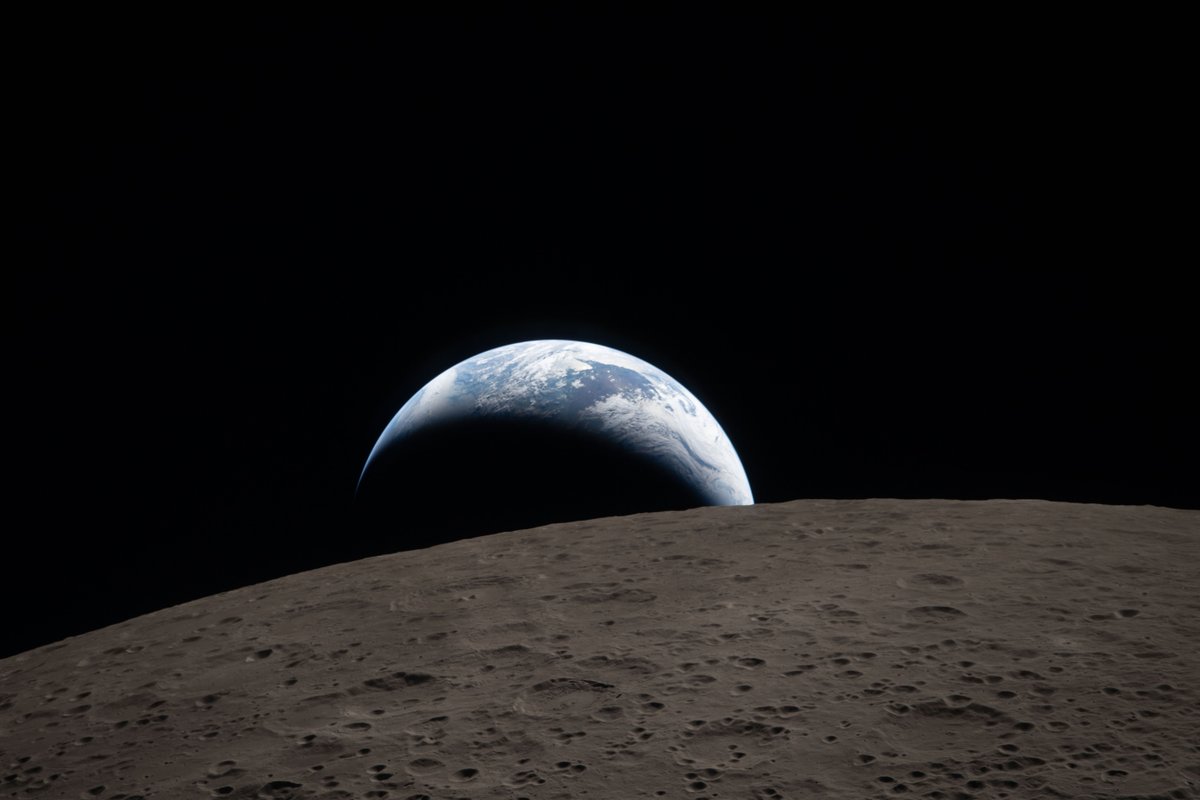
ALT A crescent Earth setting behind the Moon\u2019s horizon. Credit: NASA

ALT Earth setting behind the Moon as seen by the Artemis II crew. Over half the left side of the image is filled by the gray lunar surface, pocked with craters. Credit: NASA
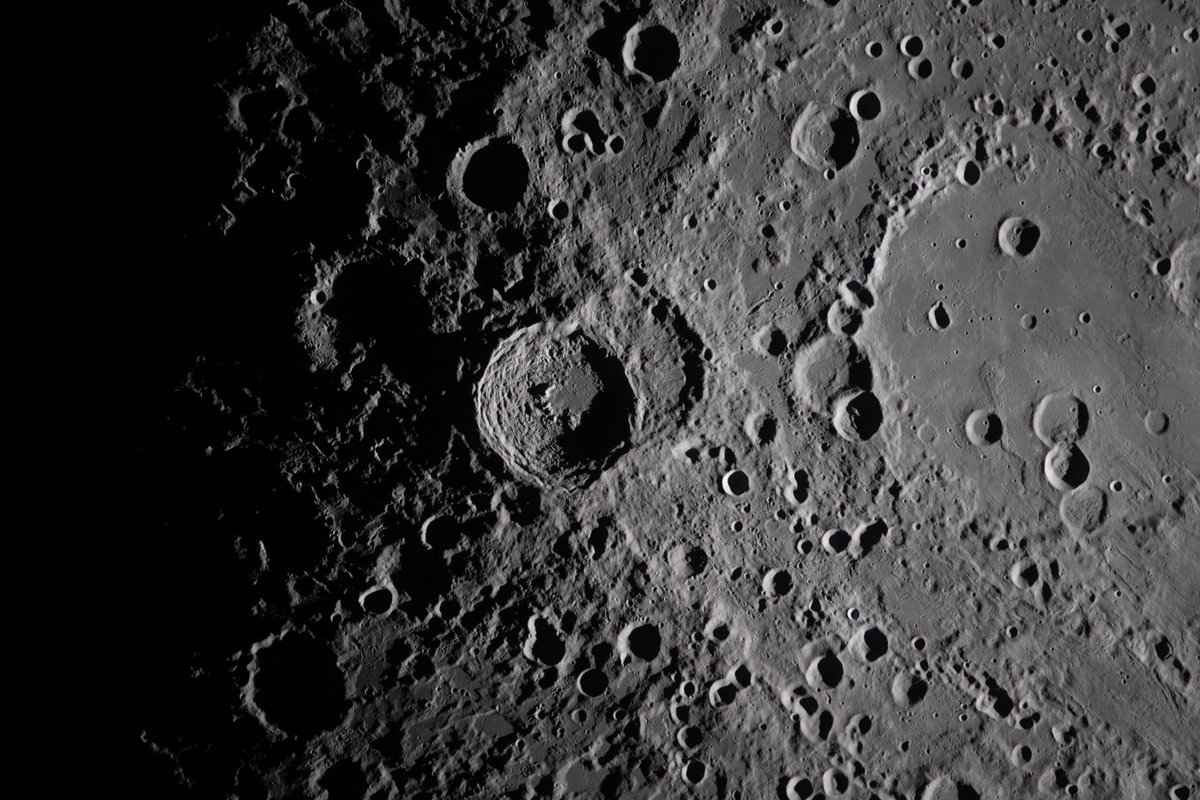
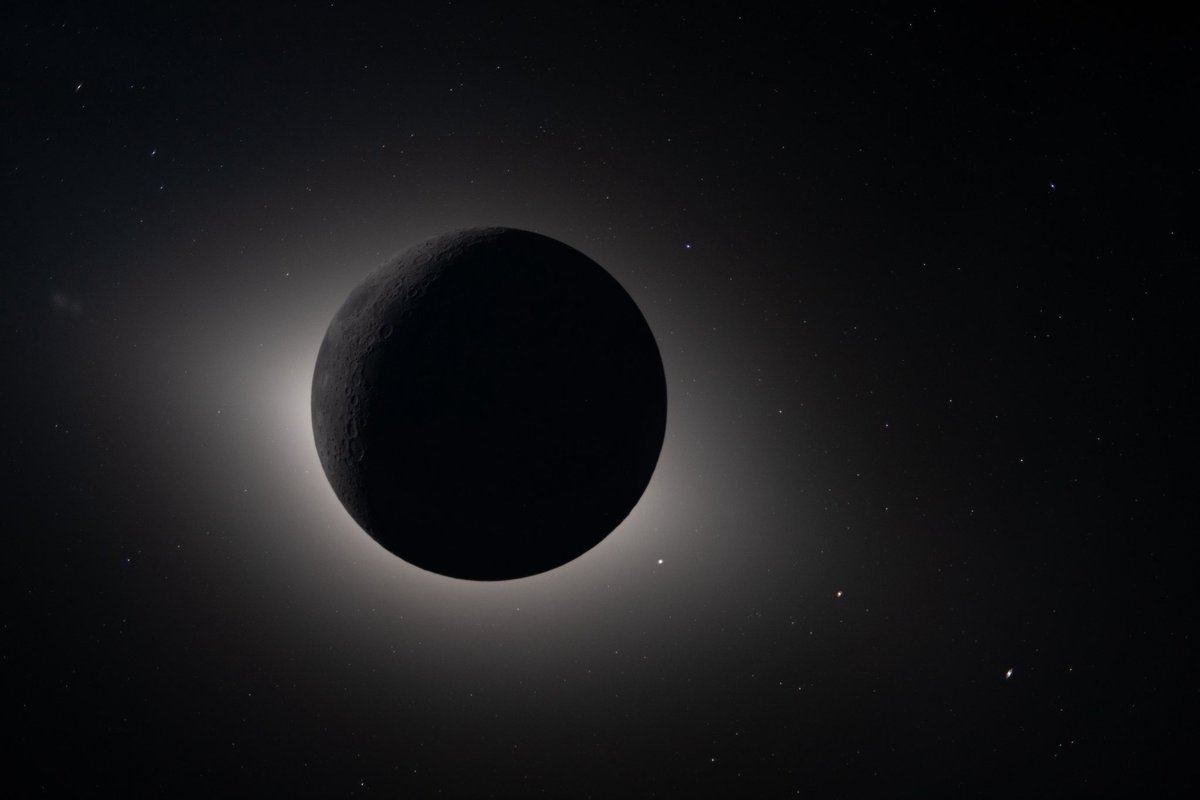
ALT A close view of the Moon. Jagged circles of craters dot the gray surface, fading to dark on the left side of the image. Credit: NASA
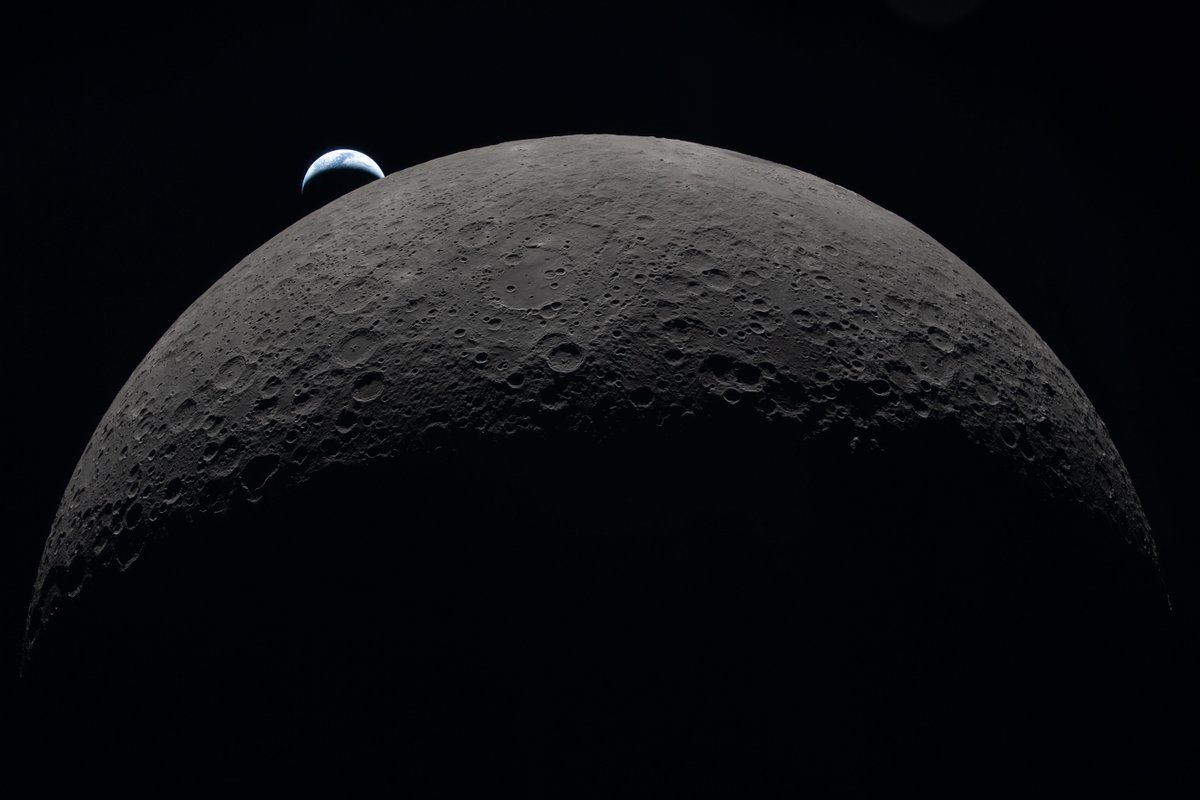
ALT A crescent Earth setting behind a hemisphere of the Moon. Credit: NASA

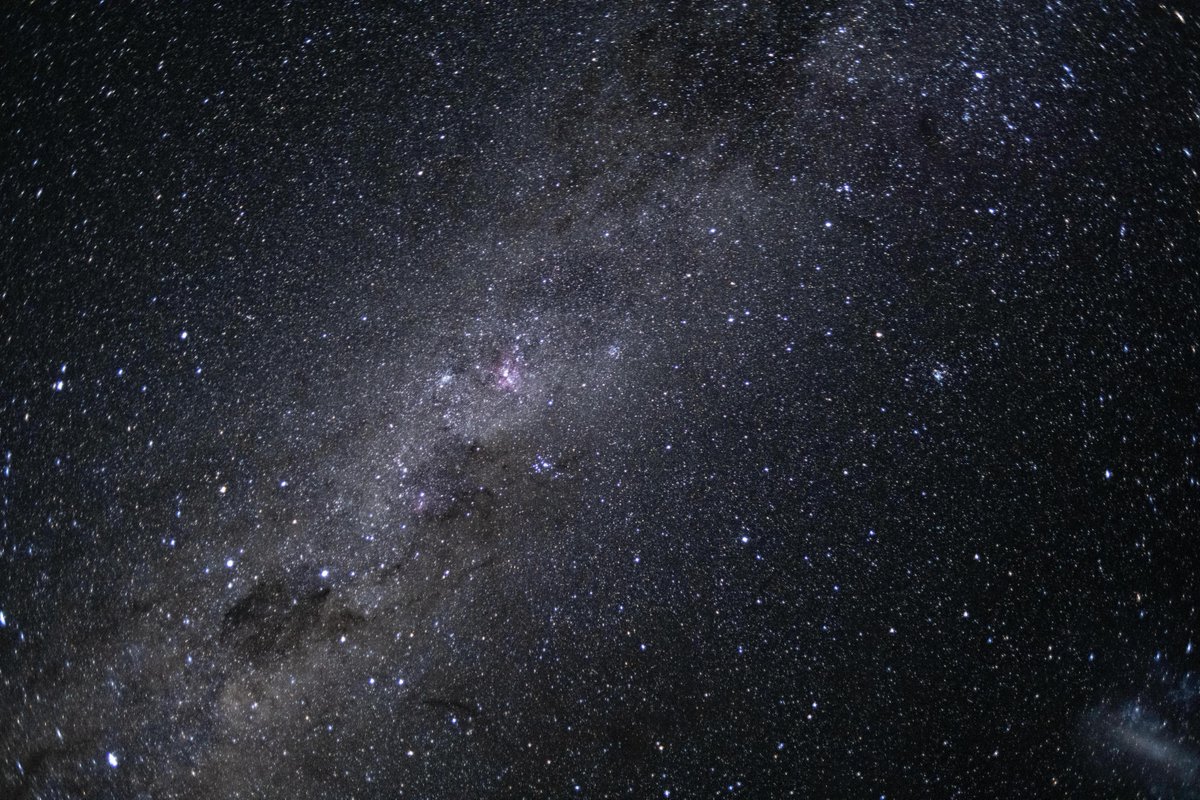
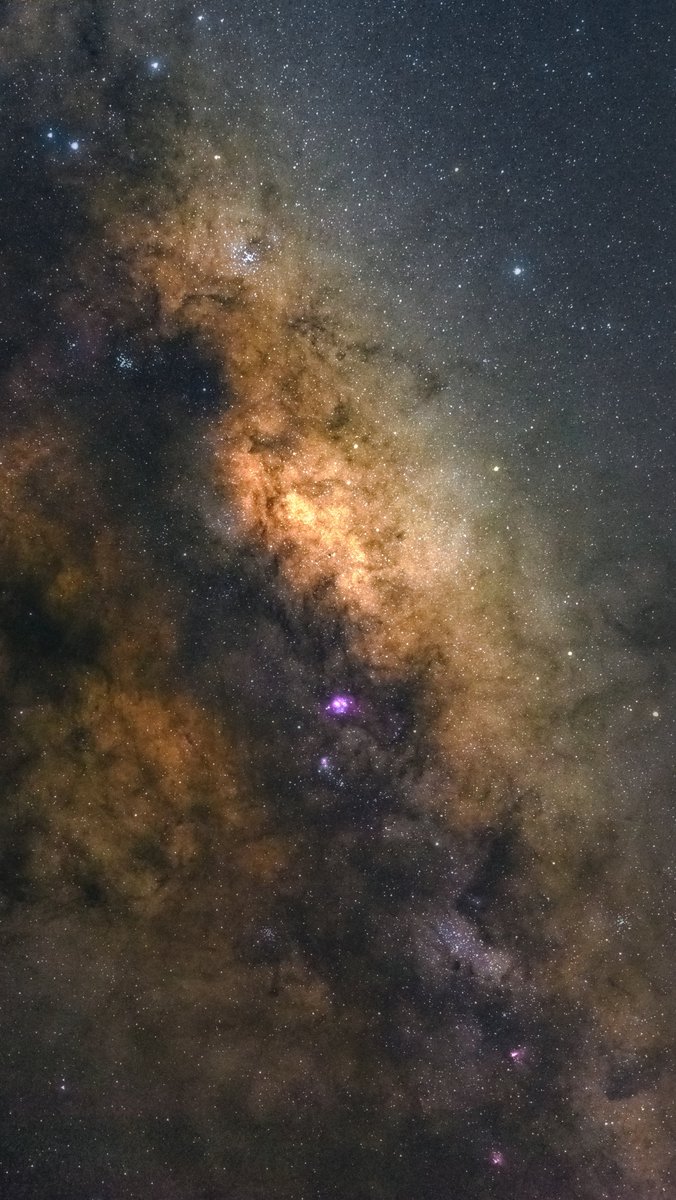
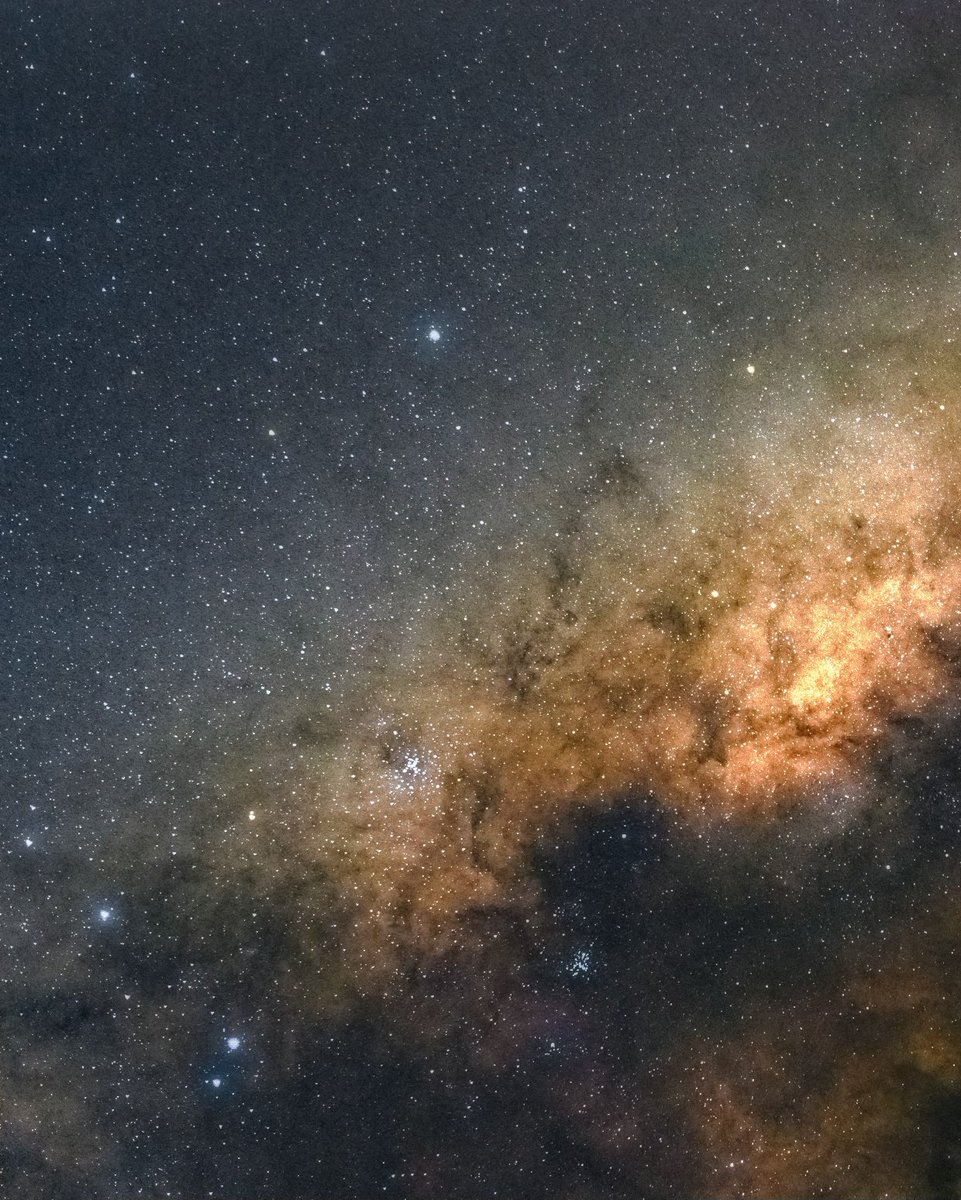
ALT A starfield filled with thousands of stars and shining clouds of dust. The Milky Way\u2019s elegant spiral structure is dominated by just two arms wrapping off the ends of a central bar of stars. Spanning more than 100,000 light-years, Earth is located along one of the galaxy\u2019s spiral arms, about halfway from the center. Credit: NASA