
periodista. ahora editora de cultura en @dfmas y siempre parte de @mujeresbacanas.
Joined June 2011
- Tweets 8,532
- Following 994
- Followers 4,066
- Likes 8,266
970 Photos and videos






Sofía GarcíaHuidobro retweeted

Jun 14
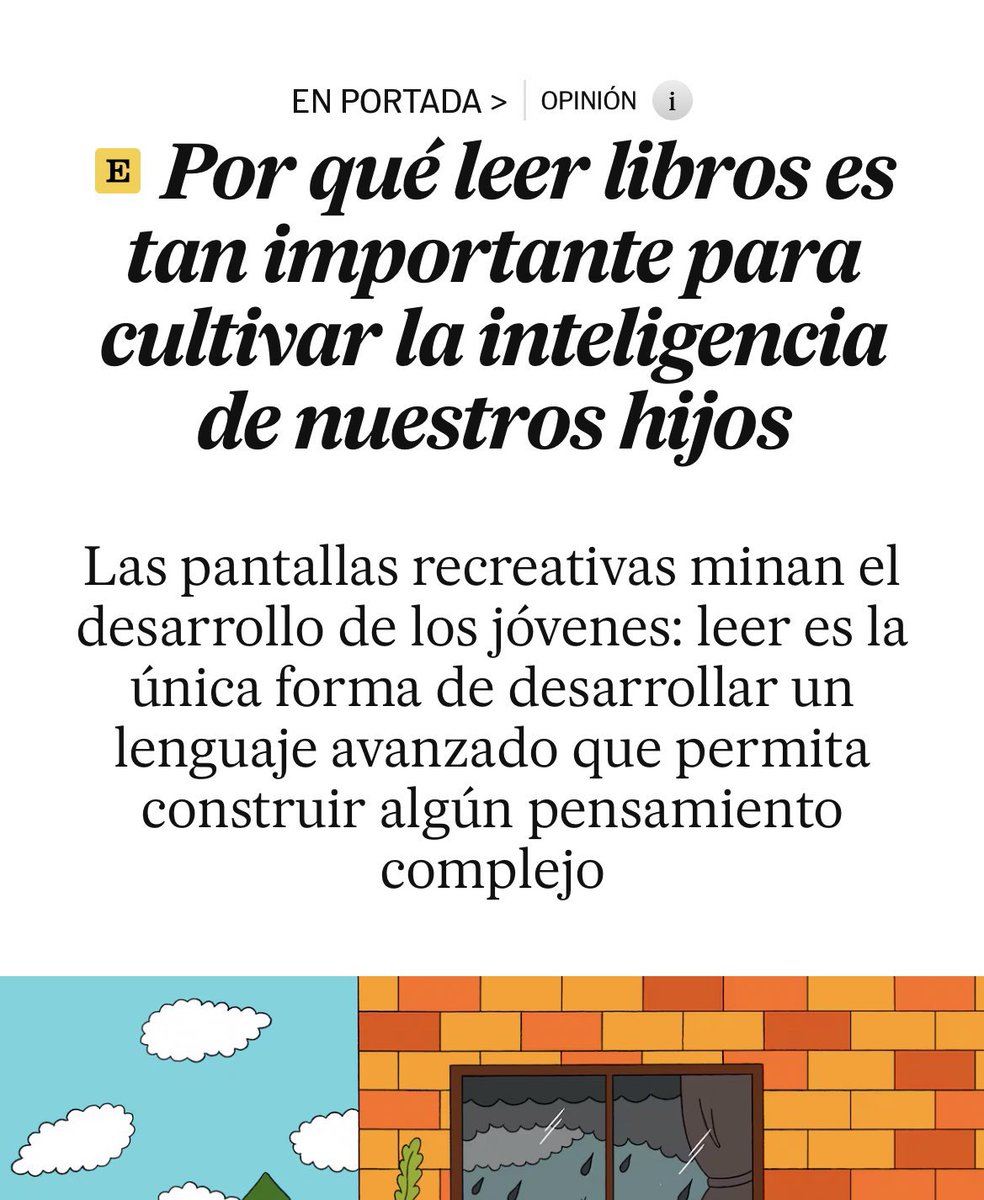
“La lectura es un simulador emocional”, dice la ciencia. Leer novelas ayuda a nuestros hijos a entender la traición, la alegría o el dolor desde dentro. Por eso los lectores son más empáticos, creativos y humanos. EL PAÍS elpais.com/ideas/2024-04-07/…
4
332
806
19,981
Sofía GarcíaHuidobro retweeted

El poeta e ingeniero JC Romero acaba de dejar la dirección del Hogar de Cristo, donde trabajó 28 años, para asumir la gerencia de la CChC. Esta semana además está lanzando "Apuntes para una historia de la vida de los santos"
df.cl/df-mas/personaje/juan-…
2
4
443
en la mañana me tocó ver a un motochorro llevarse la mochila de una joven desesperada y en la tarde a una ciclista que murió atropellada por un bus 💔
1
2
327

Miren esta belleza que nos llega desde Japón!
Nuestra música traspasando fronteras!
Vaya desde Chile un fuerte abrazo a estos jóvenes Japoneses del “Club de folclore de la Universidad de Nagoya”, quienes interpretan y disfrutan con mucha pasión y con toda el alma “A mis paisanos”
50
718
2,728
37,268
Sofía GarcíaHuidobro retweeted

May 22
this was so sweet. Stephen Colbert just ended his final episode of The Late Show while singing "Hello, Goodbye" with Paul McCartney. his family and the show's crew then joined them on stage before Paul turned off the lights to the Ed Sullivan Theater
1,899
13,645
106,016
5,403,934
Sofía GarcíaHuidobro retweeted

May 18
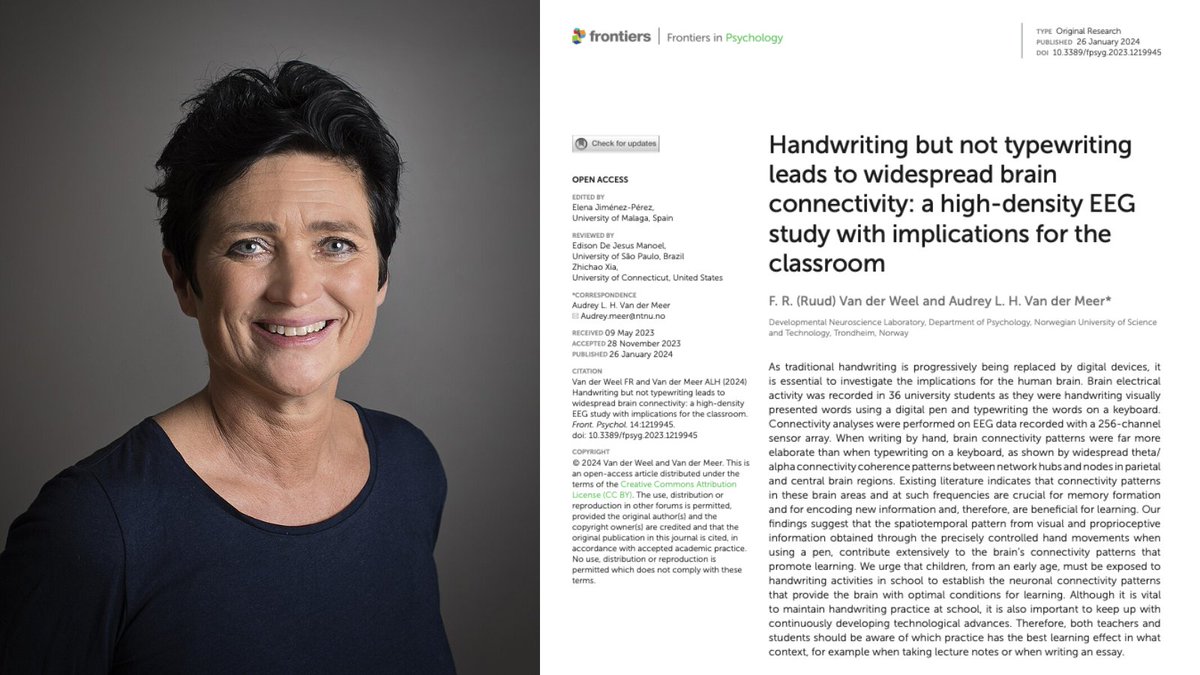
A Norwegian neuroscientist spent 20 years proving that the act of writing by hand changes the human brain in ways typing physically cannot, and almost nobody outside her field has read the paper.
Her name is Audrey van der Meer.
She runs a brain research lab in Trondheim, and the paper that closed the argument was published in 2024 in a journal called Frontiers in Psychology. The finding is brutal enough that it should have changed every classroom on Earth.
The experiment was simple. She recruited 36 university students and put each one in a cap with 256 sensors pressed against their scalp to record brain activity. Words flashed on a screen one at a time.
Sometimes the students wrote the word by hand on a touchscreen using a digital pen, and sometimes they typed the same word on a keyboard. Every neural response was recorded for the full five seconds the word stayed on screen.
Then her team looked at the part of the data most researchers had ignored for years, which is how different parts of the brain were communicating with each other during the task.
When the students wrote by hand, the brain lit up everywhere at once.
The regions responsible for memory, sensory integration, and the encoding of new information were all firing together in a coordinated pattern that spread across the entire cortex. The whole network was awake and connected.
When the same students typed the same word, that pattern collapsed almost completely.
Most of the brain went quiet, and the connections between regions that had been alive seconds earlier were nowhere to be found on the EEG.
Same word, same brain, same person, and two completely different neurological events.
The reason turned out to be something nobody had really paid attention to before her work. Writing by hand is not one motion but a sequence of thousands of tiny micro-movements coordinated with your eyes in real time, where each letter is a different shape that requires the brain to solve a slightly different spatial problem.
Your fingers, wrist, vision, and the parts of your brain that track position in space are all working together to produce one letter, then the next, then the next.
Typing throws all of that away. Every key on a keyboard requires the exact same finger motion regardless of which letter you are pressing, which means the brain has almost nothing to integrate and almost no problem to solve.
Van der Meer said it plainly in her interviews.
Pressing the same key with the same finger over and over does not stimulate the brain in any meaningful way, and she pointed out something that should scare every parent who handed their kid an iPad.
Children who learn to read and write on tablets often cannot tell letters like b and d apart, because they have never physically felt with their bodies what it takes to actually produce those letters on a page.
A decade before her, two researchers at Princeton ran the same fight using a completely different method and ended up at the same answer. Pam Mueller and Daniel Oppenheimer tested 327 students across three experiments, where half took notes on laptops with the internet disabled and half took notes by hand, before testing everyone on what they actually understood from the lectures they had watched.
The handwriting group won by a wide margin on every question that required real understanding rather than surface recall.
The reason was hiding in the transcripts of what the two groups had actually written down.
The laptop students typed almost word for word, capturing more total content but processing almost none of it as they went, while the handwriting students physically could not write fast enough to transcribe a lecture in real time, which forced them to listen carefully, decide what actually mattered, and put it in their own words on the page.
That single act of choosing what to keep was the learning itself, and the keyboard had quietly skipped the choosing and skipped the learning along with it.
Two studies. Two countries. Same answer.
Handwriting makes the brain work. Typing lets it coast.
Every note you have ever typed instead of written went into your brain through a thinner pipe. Every meeting, every book highlight, every idea you captured on your phone instead of on paper was processed at half depth.
You did not forget those things because your memory is bad. You forgot them because typing never woke the part of the brain that would have made them stick.
The fix is the thing your grandmother already knew.
Pick up a pen. Write the thing down. The slower road is the faster one.
2,472
44,648
120,845
10,365,276

“Los hombres han perdido la empatía porque no leen novelas, las únicas que leen ficción son mujeres. ¿Cómo puede ser que no lean novelas si es la mejor forma de ponerse en la piel del otro?”, explica en una entrevista con EL PAÍS el escritor Irvine Welsh elpais.com/cultura/2026-05-1…
209
423
1,516
225,669
Sofía GarcíaHuidobro retweeted

May 6
NTV supera a Cartoon Network y se convierte en el canal infantil más visto en Chile durante abril adnradio.cl/2026/05/06/ntv-s…
60
414
2,929
59,750
Sofía GarcíaHuidobro retweeted

POR FAVOR POR FAVOR POR FAVOR
47
337
2,695
140,312
Sofía GarcíaHuidobro retweeted

31 Minutos homenajea a Juan Gabriel: “Diente blanco no te vayas” “Querida” en el Zócalo de Ciudad de México.
69
3,209
18,712
395,863
Sofía GarcíaHuidobro retweeted

Apr 28
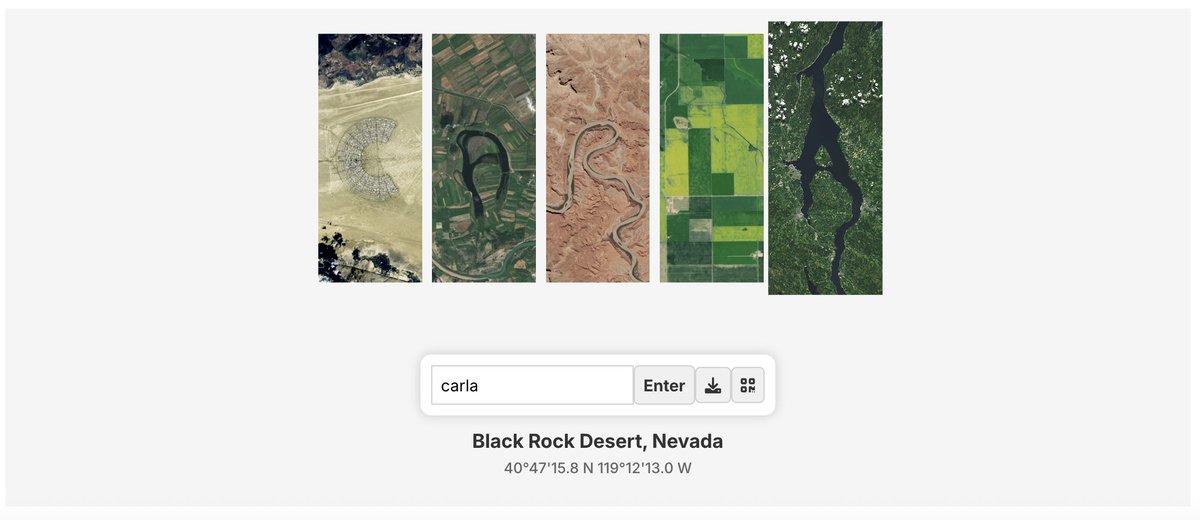
La @NASA tiene una página que se llama 'Your Name in Landsat' y te muestra tu nombre con letras de formas naturales que se ven desde el espacio.
*si pulsas encima de la letra te dice el lugar exacto!
22
494
3,109
125,045
Sofía GarcíaHuidobro retweeted

Mar 24
Ahora que doña Michelle vuelve a ser noticia vale recordar una de sus mejores fotos en la historia
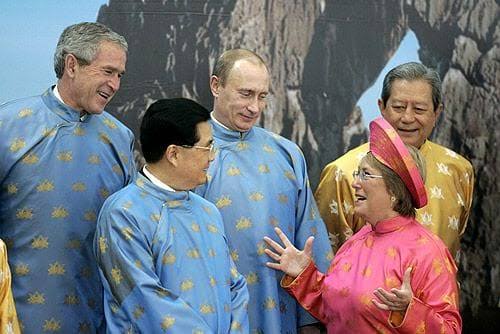
92
1,786
15,268
303,886
Sofía GarcíaHuidobro retweeted

Feb 27
Adelanto DF MAS | La Chica de Humo: el exitoso emprendimiento que partió como pastrami casero
df.cl/capital/cultura/estilo…
1
1,329
2
5
380
Sofía GarcíaHuidobro retweeted
Feb 20
👥 Adelanto DF MAS | Fabrizio Copano y Humberto Sichel crean un nuevo medio Fabuloso
df.cl/capital/cultura/fabriz…
16
14
70
15,094

Lo único más poderoso que el odio, es el amor.
The Only Thing More Powerful Than Hate is Love. @sanbenito #AppleMusicHalftime
9,634
58,740
254,273
11,759,525
De voluntaria a presidenta de histórico parque en Manhattan. La periodista chilena radicada hace casi 20 años en EEUU hace dos meses está a cargo de The Battery Conservancy @thebatterynyc @precart
df.cl/df-mas/personaje/paula…
1
167