
Ex-founder. Learning in public about AI, markets, and human behavior: the tech, money, psychology and memes shaping what comes next.
Joined September 2009
- Tweets 5,263
- Following 561
- Followers 933
- Likes 3,906
746 Photos and videos











Pinned Tweet

Jun 15
In this series of looking at the people around the table for $SIVE, the next person I found interesting is Heine Thorsgaard.
He is the CFO - not the kind of profile that usually gets attention in a semiconductor story.
But maybe very relevant for where Sivers is right now.
Because Sivers is not just trying to prove the technology.
It also has to deal with the boring but critical stuff:
reporting,
cash discipline,
financing,
investor trust,
strategic finance,
and possibly M&A readiness.
Before Sivers, Heine was CFO of Napatech, $NAPA / $NAPA.OL, from 2018.
Napatech is not a random finance background.
It is a listed technology hardware company selling programmable network cards for network performance, cybersecurity, and data center applications.
Sound a little familiar?
The interesting part is the financial setup he walked into.
Napatech had a very difficult 2018:
Revenue: DKK 106m
Gross margin: 46.2%
EBITDA: DKK -75m
Free cash flow: DKK -82m
Then in 2019:
Revenue: DKK 171m
Gross margin: 74.5%
EBITDA: DKK 15m
Positive free cash flow
That is a meaningful turnaround.
Not saying the CFO alone caused it.
But it does show he has been inside a listed hardware company during a messy transition from ugly numbers to a cleaner financial story.
The later Napatech years were difficult again.
Revenue became volatile. Profitability weakened. The company had to keep dealing with the hard parts of listed hardware execution.
But honestly, that is also part of the point.
Sivers does not need someone who has only seen perfect spreadsheets.
It needs people who understand the ugly middle:
lumpy revenue,
margin pressure,
cash burn,
capital raises,
investor communication,
and the gap between an exciting technology story and actual financial proof.
Before Napatech, Heine also had CFO / financial leadership roles around ALECTIA and Orbicon.
ALECTIA later merged with NIRAS, creating a larger Nordic consulting engineering group.
Orbicon was later acquired by WSP Global, TSX:WSP / $WSP.TO.
Again, not forcing a "everything he touched worked" narrative.
But the pattern is interesting.
He has been around companies where finance was not just accounting.
It was about making the company understandable, fundable, integratable, and credible to larger outside actors.
That maps quite neatly to Sivers.
Right now, $SIVE has had delayed reporting, restatements, PCAOB audit uplift work, a potential Nasdaq New York dual-listing evaluation, cash burn, dilution risk, and a much larger opportunity pipeline.
At the same time, the company is talking about AI data center photonics, SATCOM, defense, mmWave, and 2027 ramps.
That combination is exciting.
But a pipeline is not cash.
A design win is not gross margin.
And a technology story is not financial trust.
This is where the CFO role matters.
If Sivers wants to graduate from speculative small cap story to serious semiconductor scale up, the numbers have to become cleaner.
Can Heine help get them there?
Only time will tell. But his background is exactly the kind of CFO scar tissue I like to see here.
Jun 8

In this series of looking at the people around the table for $SIVE, the next person I found interesting is Karin Raj.
Not because I think one board member magically changes the company.
But because her background maps to a very specific problem Sivers has.
Sivers is not just trying to invent cool technology.
It is trying to translate deep tech into customer trust, qualification, partnerships, capital allocation, and eventually revenue.
That translation layer is usually where tiny semiconductor companies either grow up or get stuck.
Karin Raj is interesting in that context.
Sivers lists her as a board member and Chair of the Investment Committee.
She has an MSc in Engineering Physics from KTH and an Executive MBA from Uppsala University.
GSA lists her as Nokia CTO Europe.
Sivers' own bio also lists prior roles at Ericsson and Huawei.
She is also part of the Global Semiconductor Alliance’s EMEA leadership council.
That combination is what caught my attention.
Technical foundation.
Telecom OEM exposure.
Radio systems / wireless background.
Semiconductor ecosystem access.
Capital allocation responsibility.
For $SIVE, this matters because the company is not only an AI photonics story.
It is also mmWave, FWA, SATCOM, defense, telecom adjacent RF, and strategic manufacturing decisions.
Those markets do not care about hype.
They care about whether your product can be qualified, trusted, integrated, scaled, and supported.
Looking at these details, the board composition becomes more interesting.
Because if Sivers needs to decide which product lines to fund, which IP to own, which capacity to build, which manufacturing partners to trust, and which customer programs deserve scarce capital, then having someone with telecom semiconductor ecosystem experience around the table is relevant.
This is the new angle I am watching with $SIVE:
Not just whether the technology is good.
But whether the people around the table understand how to move it through the real industrial maze.
For now, Raj adds another piece to the people thesis.
Vathulya = technical semiconductor CEO.
Bastani = foundry / RF / US semiconductor network.
Raj = telecom OEM / radio systems / EMEA semiconductor ecosystem.
I will end with this:
The board does not look random.
And especially after the recent $GFS signal, I am paying more attention to these network clues.
Now $SIVE still has to do the hard part:
turn the network, technology, and strategy into revenue, margins, and execution.
4
3
43
9,979
The "fundamentally flawed" critique often reveals more about the critic's mental model than the company itself.
Many highly educated investors are trained in environments that reward clean, linear thinking:
Better inputs → better outputs
Better fundamentals → better company
Cleaner model → cleaner conclusion
Messy company → reject
This works in exams, consulting decks, academic papers, and textbook finance.
But fortunately or unfortunately markets do not work that way.
Market returns are not normally distributed. They are closer to power law systems.
A small handful of outcomes drive the majority of long term returns. The difference between a decent portfolio and a legendary one often comes down to whether you owned one or two extreme winners.
This is why the old line "If you’re so smart, why aren't you rich?" stings.
Intelligence, effort, and analytical talent may be roughly normally distributed.
Wealth and investment success are not.
They are skewed by timing, positioning, leverage, cumulative advantage, and sequences of events that compound in ways no clean model can fully capture.
That is why "fundamentally flawed" is often an incomplete stopping point.
The real question is not:
"Is the company flawed?"
Of course many high conviction ideas are flawed.
Small revenue base.
Execution risk.
Dilution risk.
Unproven manufacturing.
Pipeline uncertainty.
Customer-conversion risk.
The better question is:
Are the flaws fatal, or are they bridgeable?
Most flawed companies remain flawed. Some are landmines.
But a few flawed companies become massive outliers precisely because the market overweights today's mess and underweights the possibility of a transformed future state.
This is not an argument for abandoning rigor or blindly buying story stocks.
It is an argument for the right kind of rigor in a power law environment.
Instead of demanding perfection, the real work is underwriting asymmetric optionality:
1. Can the company cross from current mess to larger scale?
2. Are the bottlenecks real, and are they solvable?
3. Are the people capable of crossing the chasm?
4. Is the market mispricing the probability of a positive tail outcome?
That is the difference between gambling on hope and deliberately positioning in messy branches with outlier potential.
Perfection is rare.
Obvious perfection is usually expensive.
The edge is not in saying "this is flawed."
The edge is in knowing which flaws are fatal, which flaws are bridgeable, and which bridgeable flaws the market has mistaken for fatal ones.
Jun 13

$SIVE is the GameStop of 2026, and Serenity is its Wallstreetbets.
$SIVE is not a strong company. Its technology lacks meaningful differentiation. Execution has been consistently weak. Manufacturing capabilities remain mediocre at best.
The much-touted $700M pipeline is largely meaningless. Garbage in, garbage out. Having reviewed numerous startups and established players over the years, I have seen pipelines that generate little to no revenue time and again. It is straightforward to inflate these figures: one introductory meeting with a junior contact, an entry in Salesforce, and an inflated LTV projection, sufficient to impress investors who chase headline numbers.
More importantly, when companies like $SIVE command such rapid valuation growth, it confirms we are in a substantial bubble. If you wish to gamble, that is your choice. This is a free market. One can always visit a casino and play roulette. Your capital, your risk.
$SOXX sits at all-time highs. With multiple semiconductor cycles behind me, I have observed this pattern repeatedly. Debates about “this time is different” can continue indefinitely. My advice remains straightforward: exercise caution. Avoid investing in weak companies. There are no hidden gems. $POET, $SIVE, $LWLG, $AEVA, and similar names are fundamentally flawed.
87
21h
Sometimes the biggest stories are not always about the biggest names.
Cape Verde is to the World Cup what $SIVE is to photonics: small on the map, bigger in the system than people think.
#FIFAWorldCup
1
2
542
Jun 15
Jun 14

Michael Burry just wrote this:
"LLMs are language models, not AI. No one is using AI yet."
😂
1
102
Jun 15
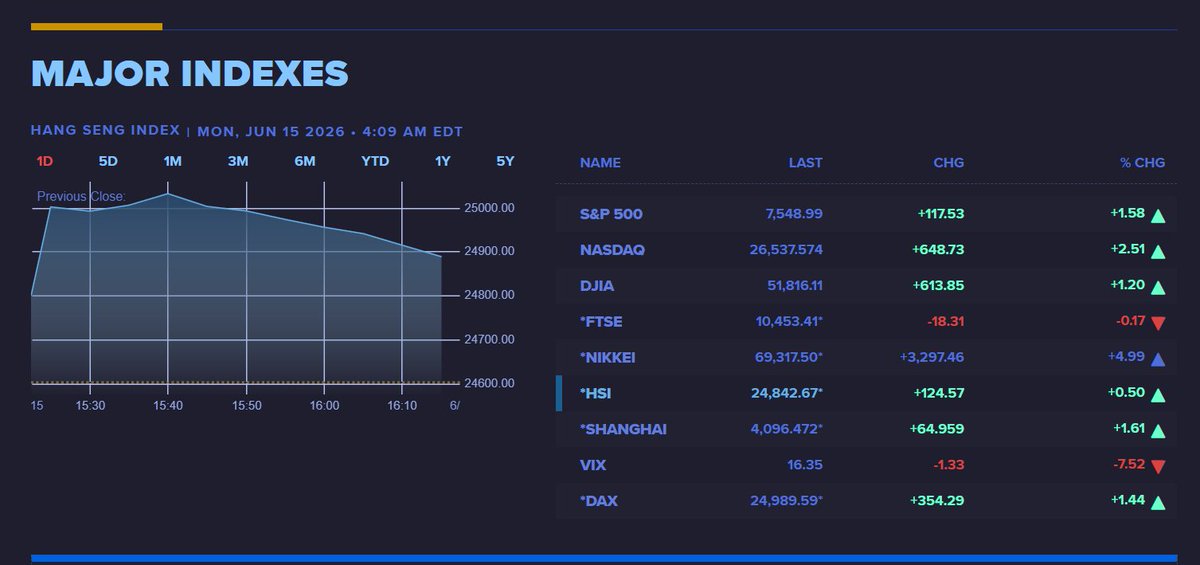
After the bounce, everyone (including me) suddenly has a clean explanation.
"AI was always going higher."
"The dip was obvious."
"The war headline was just noise."
But a few red days ago, the same market felt completely different:
"AI bubble popped."
"Multiples were too high."
"Retail was exit liquidity."
That is the narrative fallacy in markets.
The lesson is not "always buy the dip."
The lesson is to write down what you believed before the chart fixed your memory.
It will help you in the long run
2
150
Jun 15
This is a good finance 101

NVIDIA doesn't *need* the cash — they're printing record profits and free cash flow from AI demand.
They issue bonds anyway because:
• Debt is cheap right now with their strong credit rating
• Interest payments are tax-deductible
• It lets them keep massive cash reserves for buybacks, R&D, and opportunities
• Optimizes a currently low-debt balance sheet without diluting shareholders
Classic smart corporate finance move, not a sign of trouble. Classic big-tech playbook.
67

Jun 15
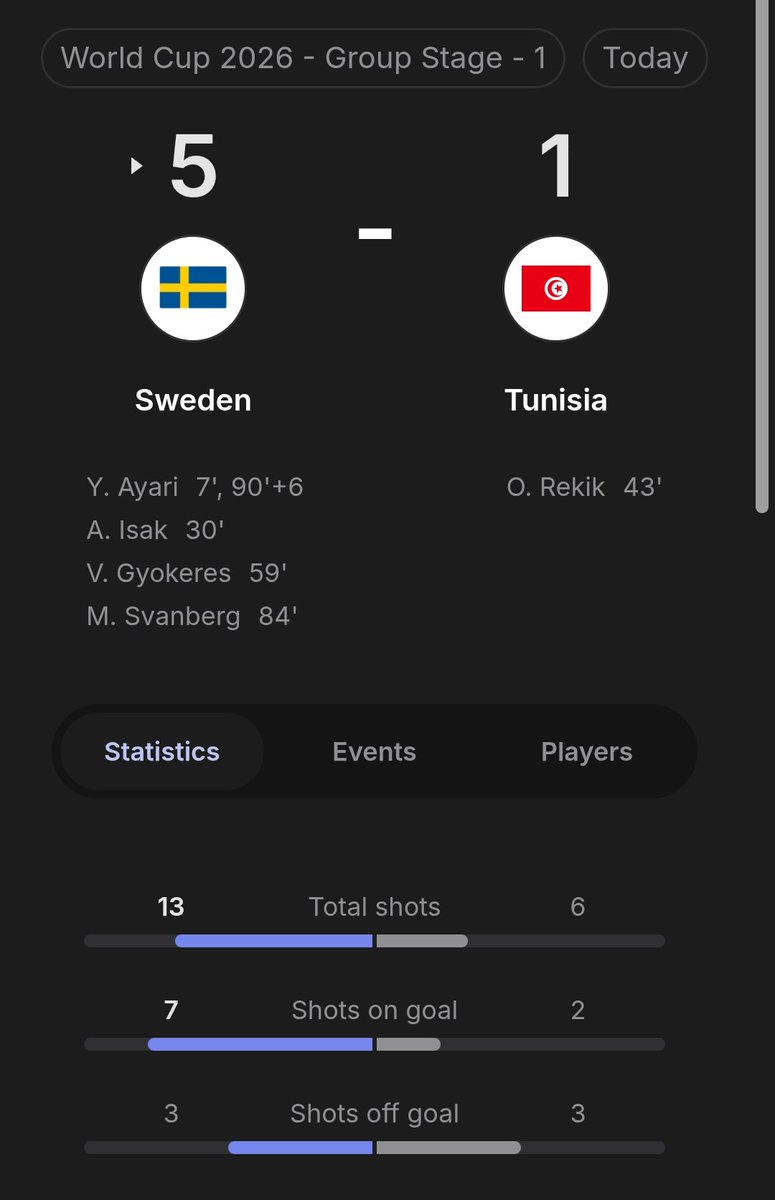
Sweden won 5–1. Congratulations to all Swedish people. 🇸🇪
Now it's time to celebrate the victory by buying $SIVE


1
1
411
Jun 15
One thing I think many people underestimate in AI discussions is how deeply human centered our institutions are.
Banking, law, medicine, education, government, religion, corporate governance, insurance, defense.
These systems were not built around compute. They were built around human judgment, accountability, trust, incentives, and relationships.
Could AI automate more and more of these functions? Absolutely.
But replacing a task is very different from replacing the foundations that entire institutions are built upon.
Human processes are often frustratingly slow, but they are deeply embedded in how society coordinates itself.
That is why Satya's framing of human capital and token capital working together resonates with me.
The future may not be humans versus AI.
It may be organizations that learn how to compound both faster than everyone else.
x.com/i/status/2066135861280…

114
Jun 14
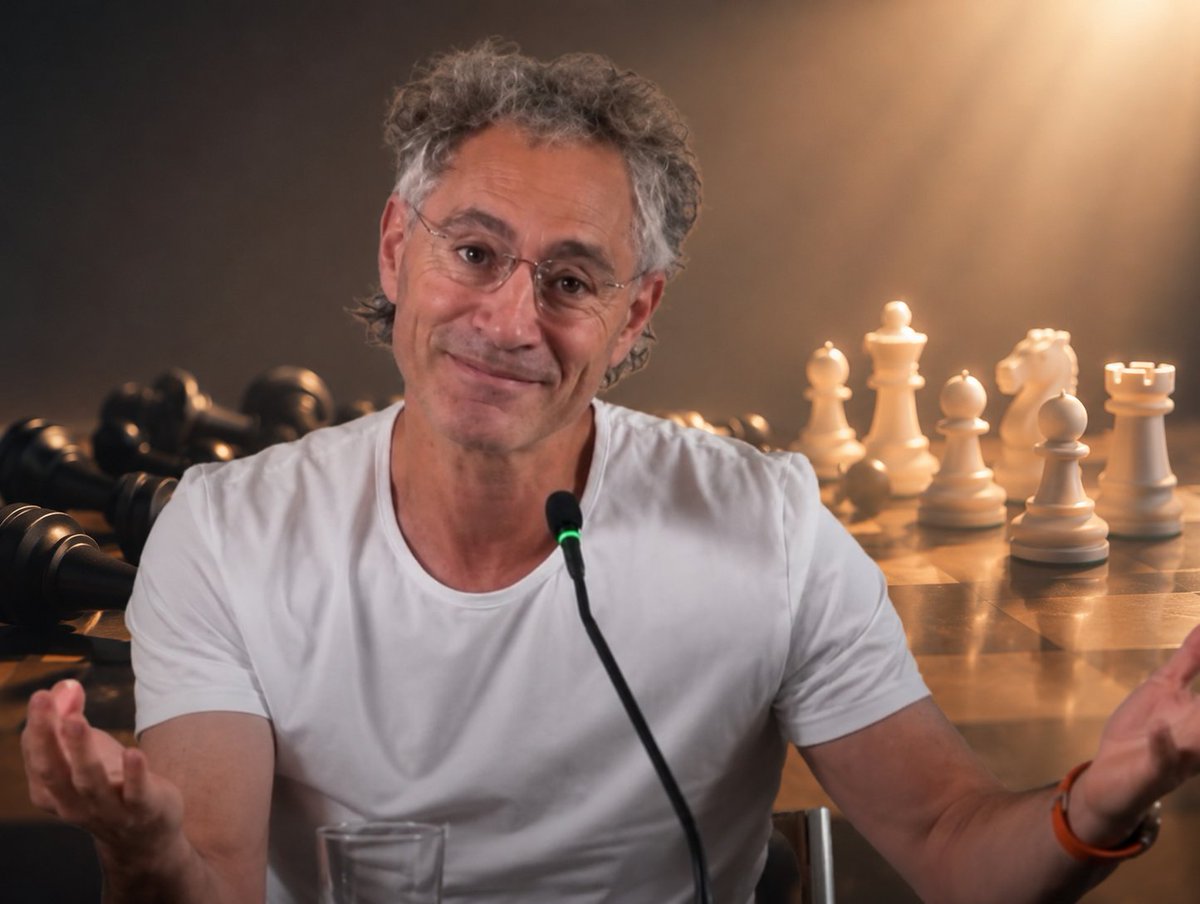
Over the last few days, I’ve spoken to people working in very different sectors: banking, law, medicine, space, and even a priest.
Different domains, same pattern: nobody wants fully autonomous black box AI for serious decisions.
They want AI that helps humans reason, audit, decide, and act.
Guess which company enables human-in-the-loop operational AI?
$PLTR

$PLTR
Growth and profitability: delivered.
The $1T path is real.
💥💥🚀
132

Jun 14
The 1/16 framing is doing narrative work.
500M / world population is about 6%, so the arithmetic is close, but the interpretation is weak.
The right question is not
"how many humans exist?" but "how many internet users, YouTube users, active accounts, duplicates, inactive users and bots are in the denominator?"
The same mistake happens in markets: the number can be real while the framing can be misleading.e.g.
TAM ≠ demand.
Orders ≠ delivered revenue
Backlog ≠ guaranteed sales
Growth ≠ quality of growth etc.
Jun 13

crazy to think how many of these are bots because there’s simply no possible way 1/16 of the worlds population is subscribed to mr beast. like this has GOT to be dead internet theory
429
Jun 14
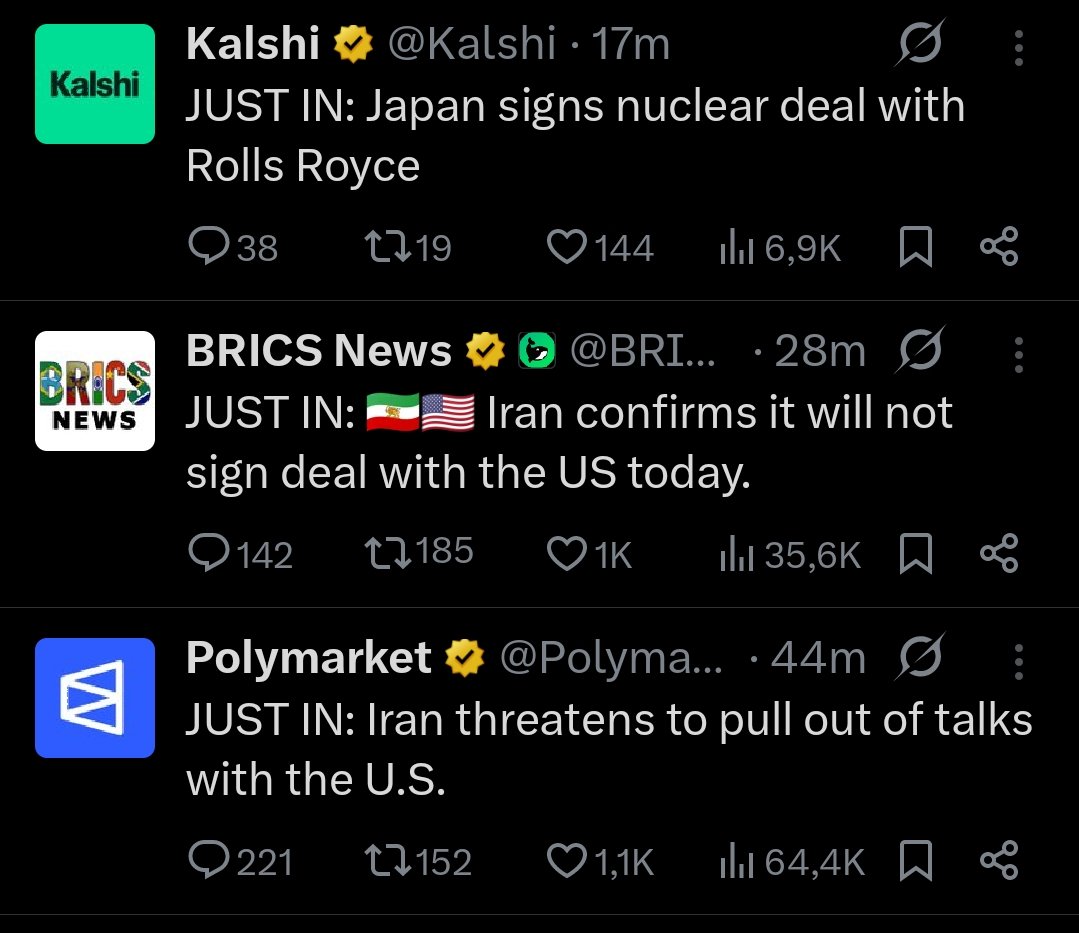
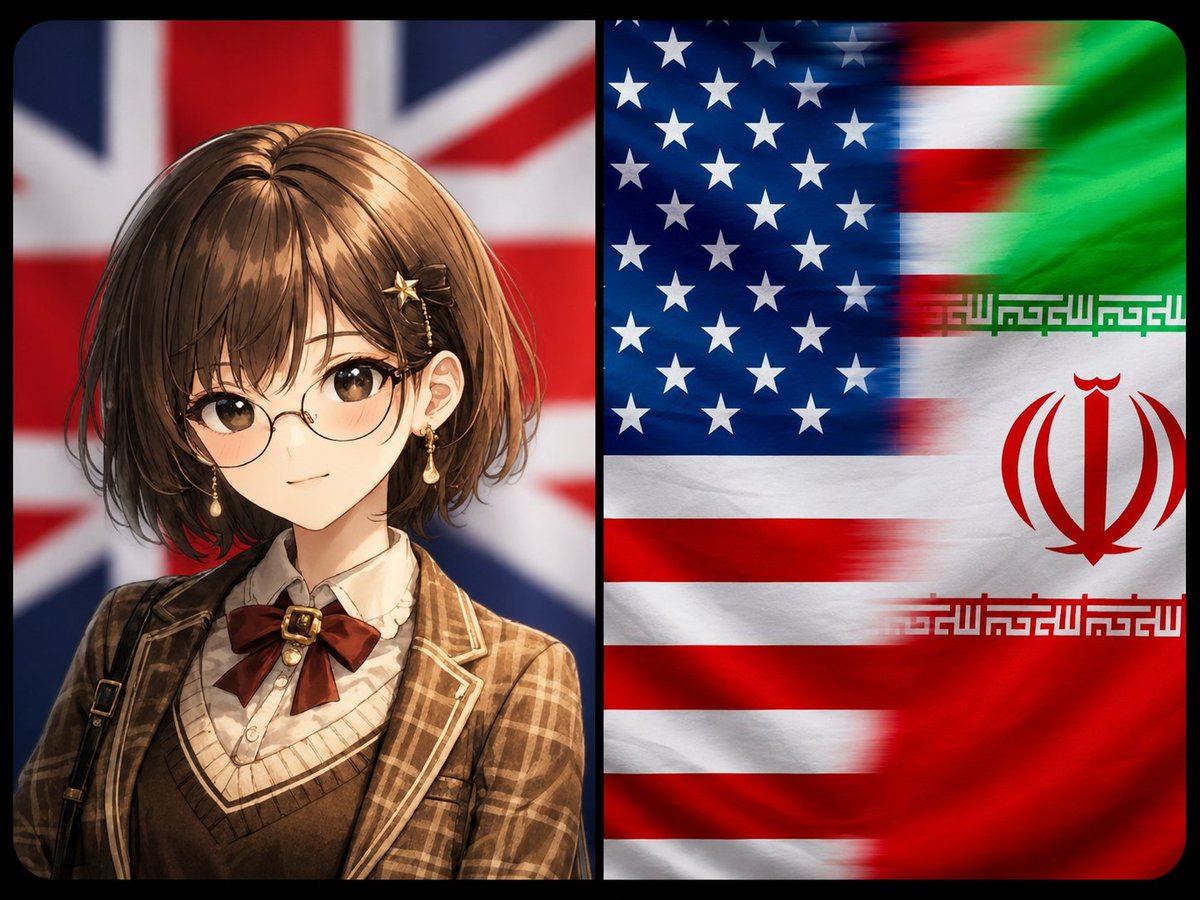
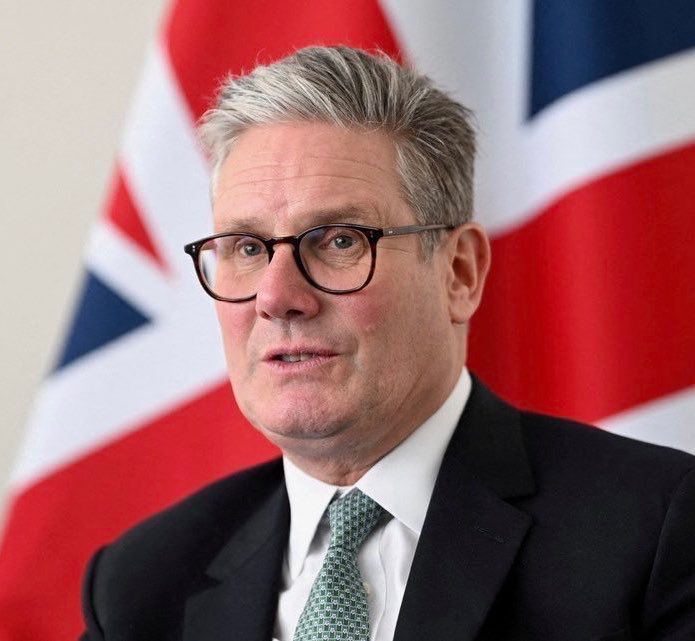
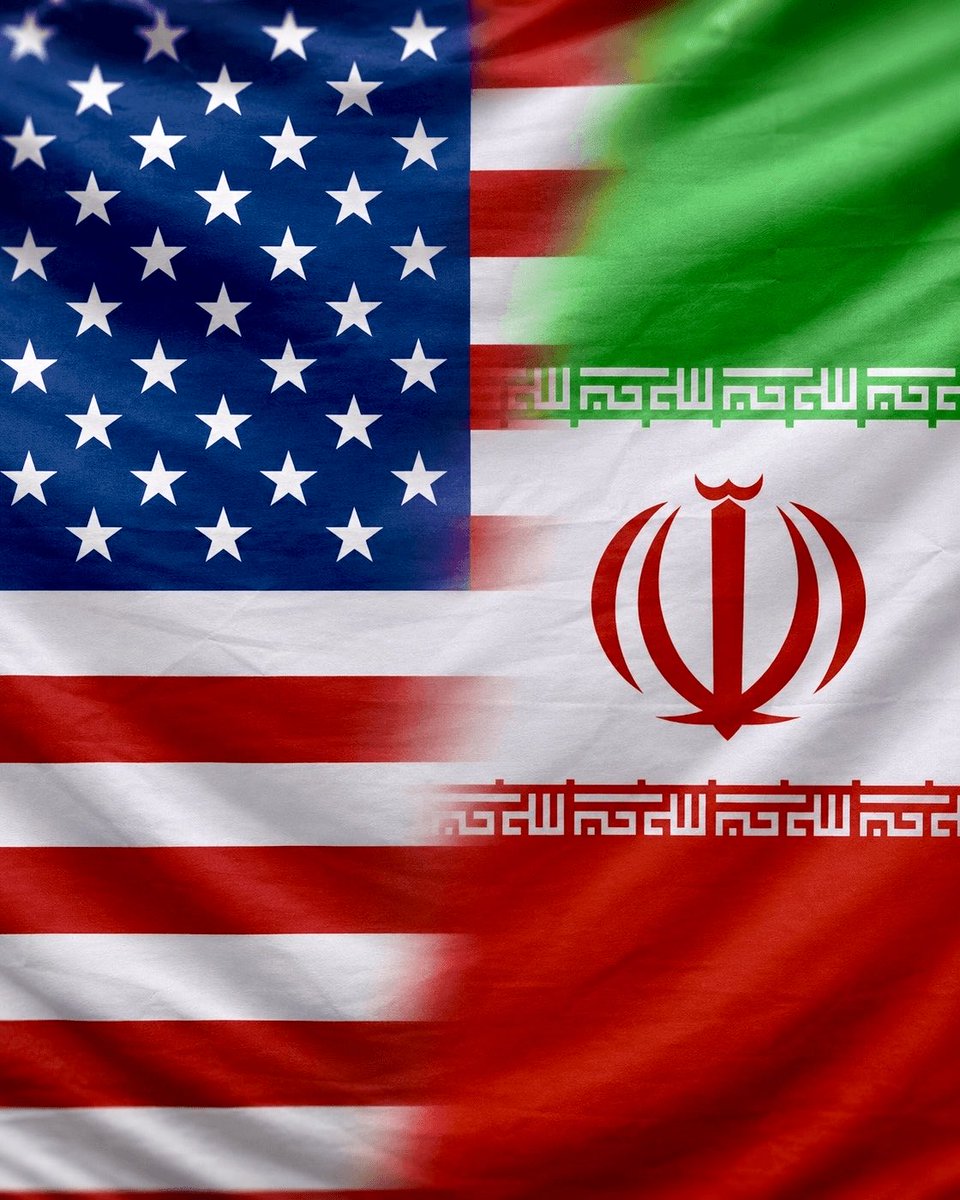
JUST IN: I am also welcoming the US-Iran deal.

149
Jun 14
TIL Rolls Royce builds nuclear reactors
Jun 14
JUST IN: 🇯🇵 Japan signs nuclear deal with Rolls Royce to build modular reactors.


229
Jun 13
Pizza bottleneck quiz from Naples:
There is a pizzeria on almost every corner here.
So, I was wondering...
If you had to invest in the pizza supply chain, which companies would you buy? Which companies do you think are controlling the supply chain bottlenecks?

74