
Teaching and researching International Relations | Interests in security studies, foreign policy, geopolitics, and regional affairs | Views my own
Joined January 2011
- Tweets 3,222
- Following 1,614
- Followers 654
- Likes 3,813
187 Photos and videos
Pinned Tweet
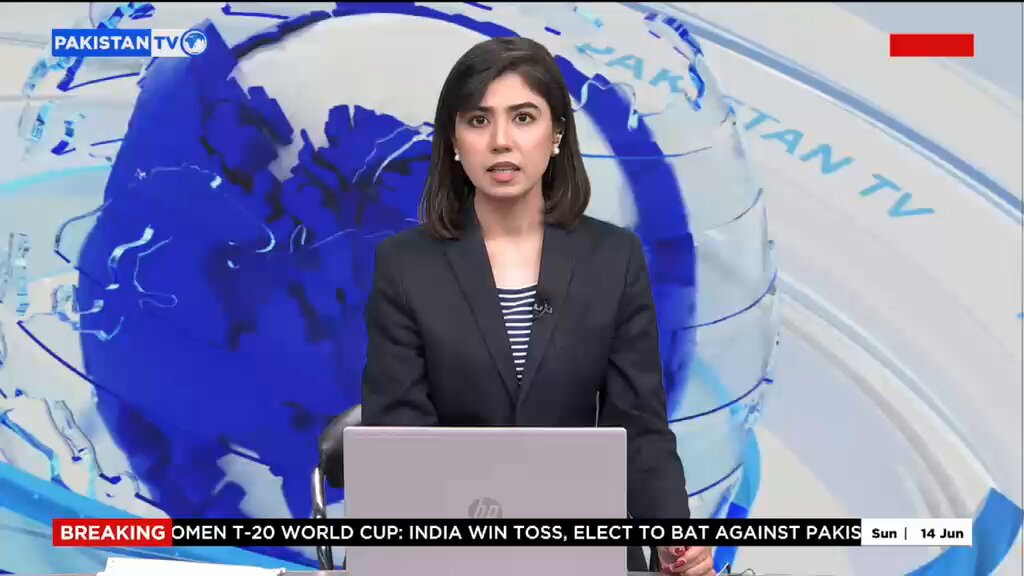
In my interview with PTV Global, I discuss Pakistan's role in helping bring the United States and Iran back to the negotiating table after a dangerous phase of escalation.
While an agreement is not expected immediately, the diplomatic groundwork laid by Pakistan has been significant. If the proposed Islamabad Accord is finalized in the coming days, it will stand as a major achievement of Pakistani diplomacy and regional peacemaking.
Full interview below.
#IranUSDeal
#PakistanDiplomacy
#IslamabadAccord
#MiddleEast
#USIranTalks
3
8
1,699
A brief excerpt from my interview with PTV Global on the Iran-U.S. conflict and the proposed Islamabad Accord.
Will share the full clip in a while

Dr. Sohail Ahmad, International Relations Expert says Pakistan's role in promoting regional stability and preventing the spread of conflict in the Persian Gulf cannot be overlooked. He added that Pakistan's efforts to contain tensions are being acknowledged by multiple stakeholders including the United States, Iran and advocates of peace. "If a lasting peace agreement is achieved with Pakistan's support, it could rank among the country's most significant diplomatic achievements since its inception," he said.
@sohailanalysis
#PakistanDiplomacy #RegionalStability #MiddleEastPeace #PeaceEfforts #PakistanTV
17
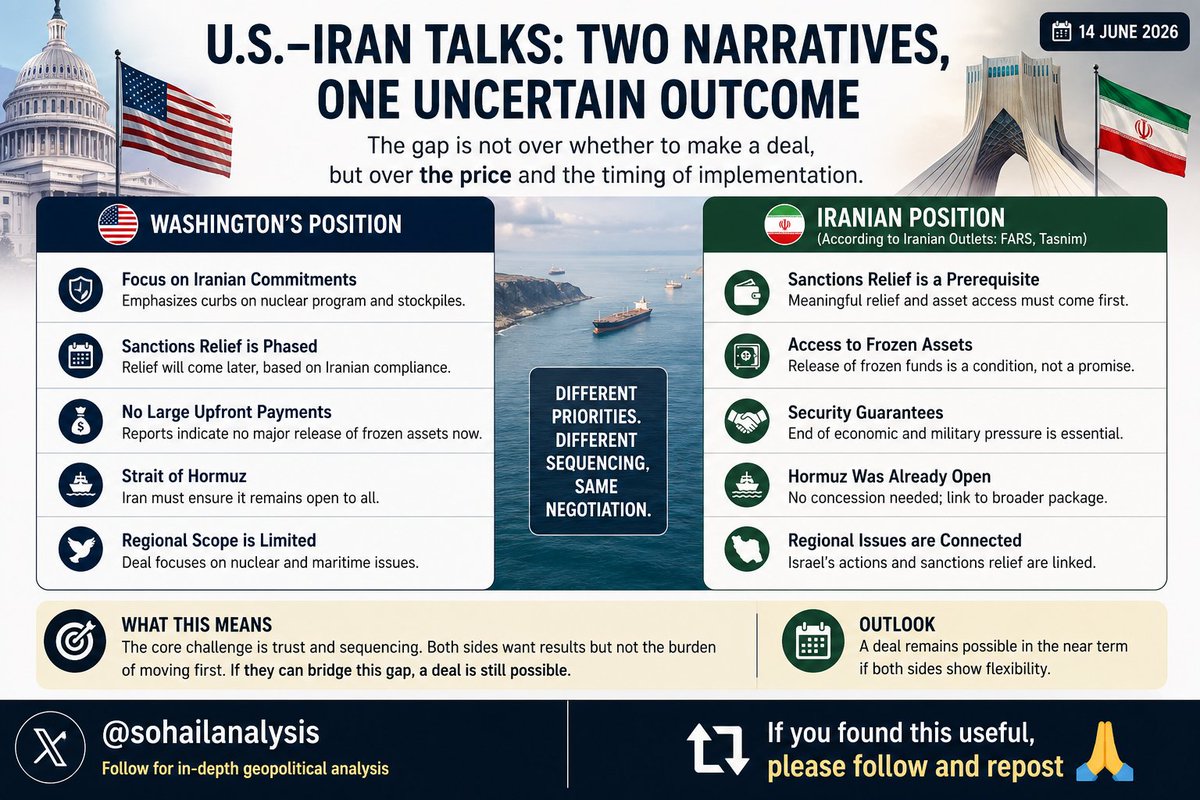
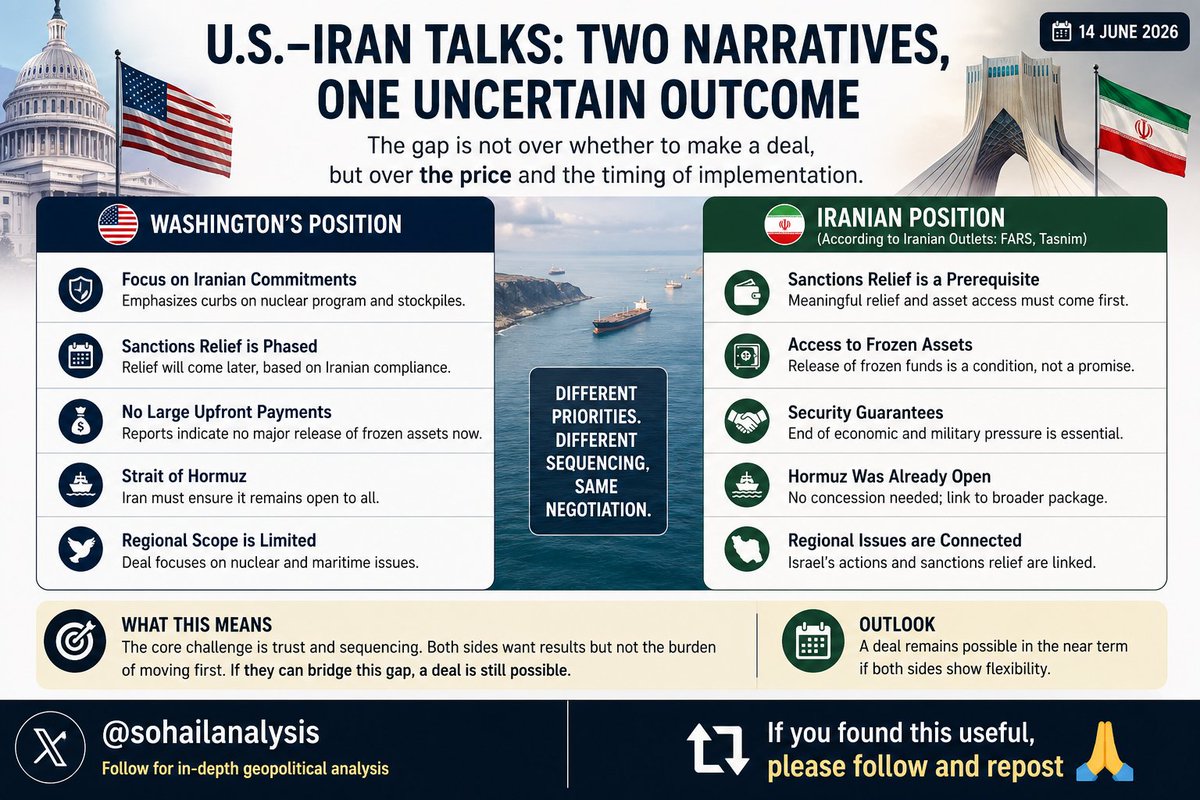
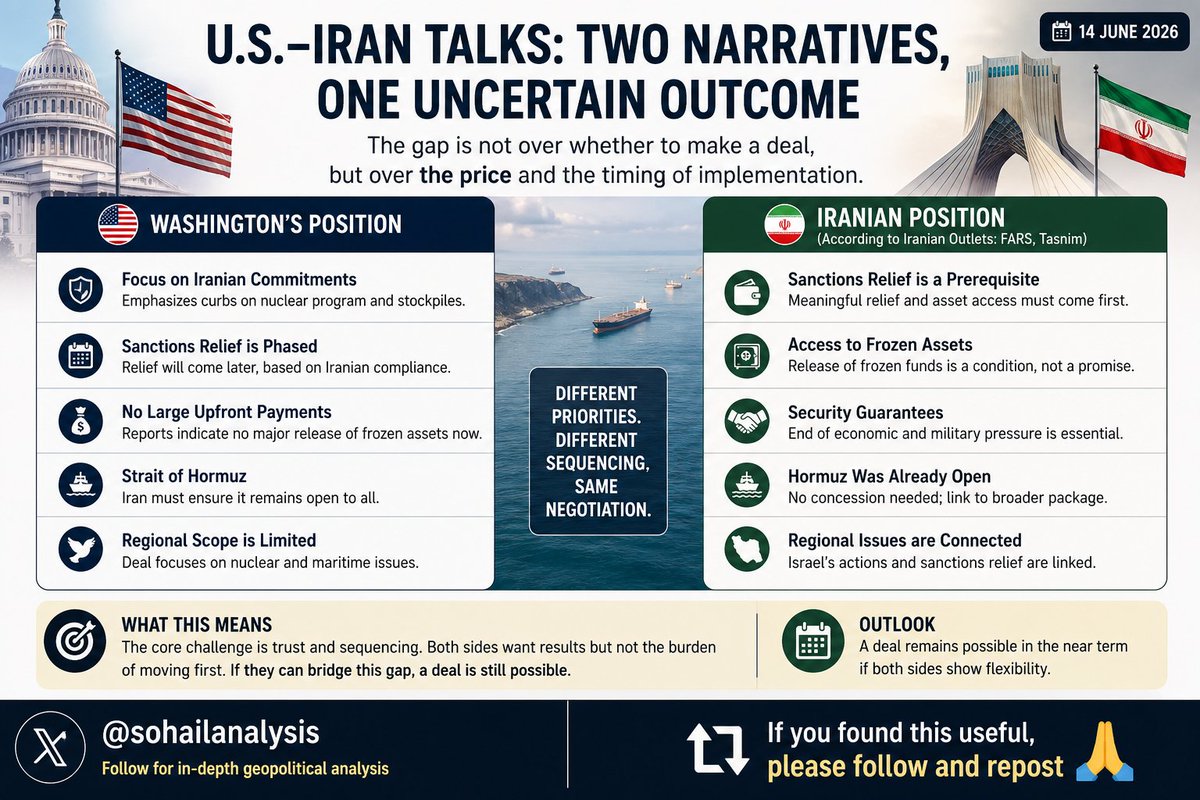
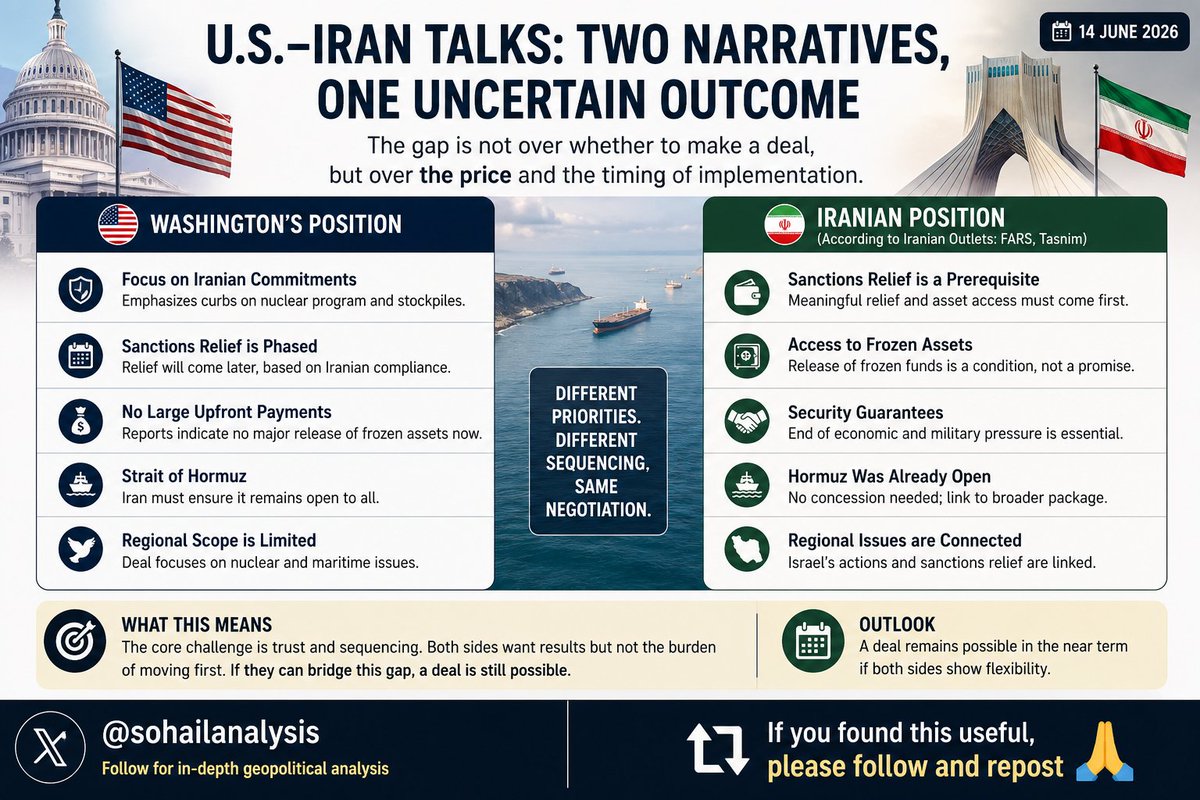
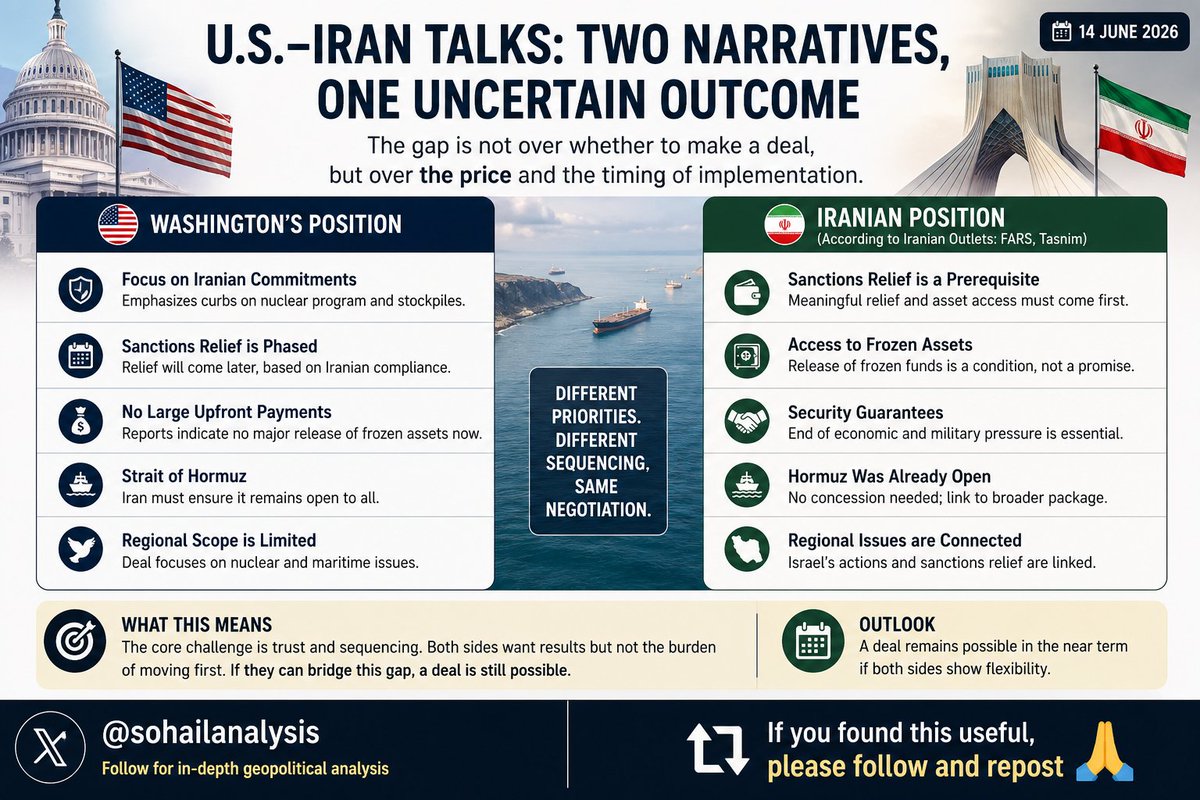
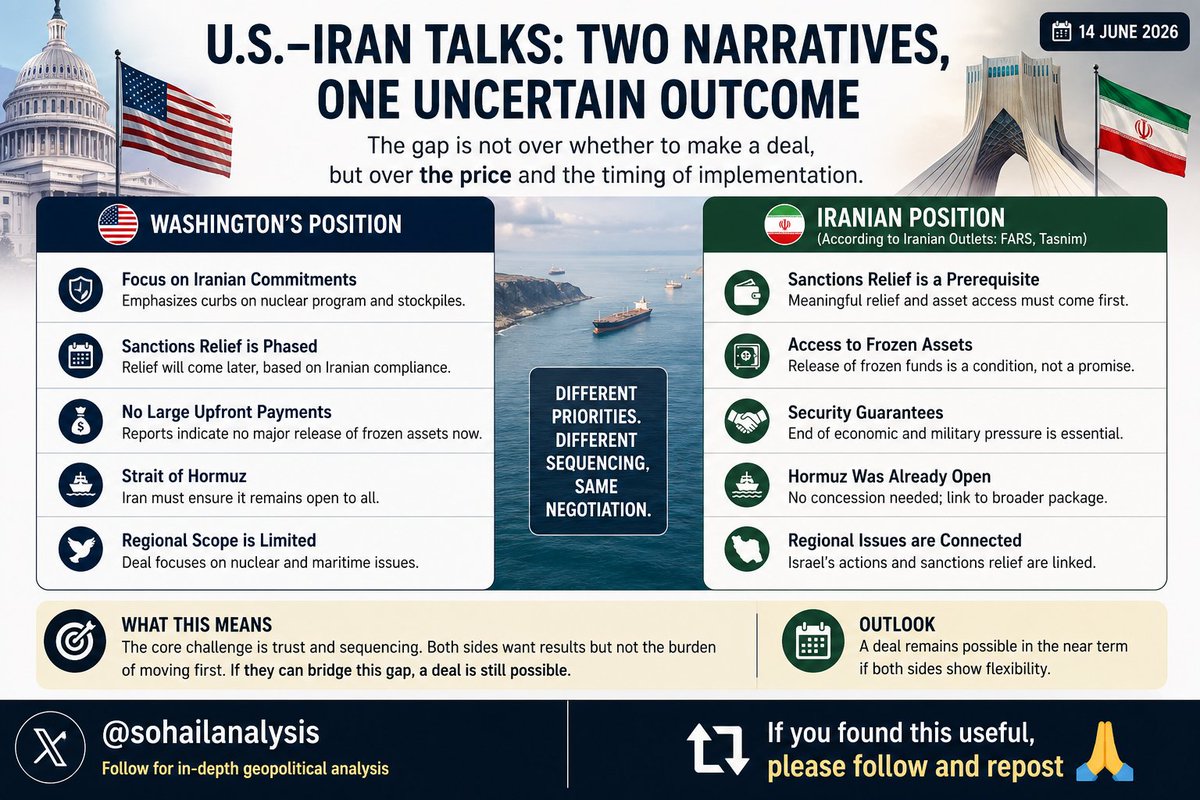
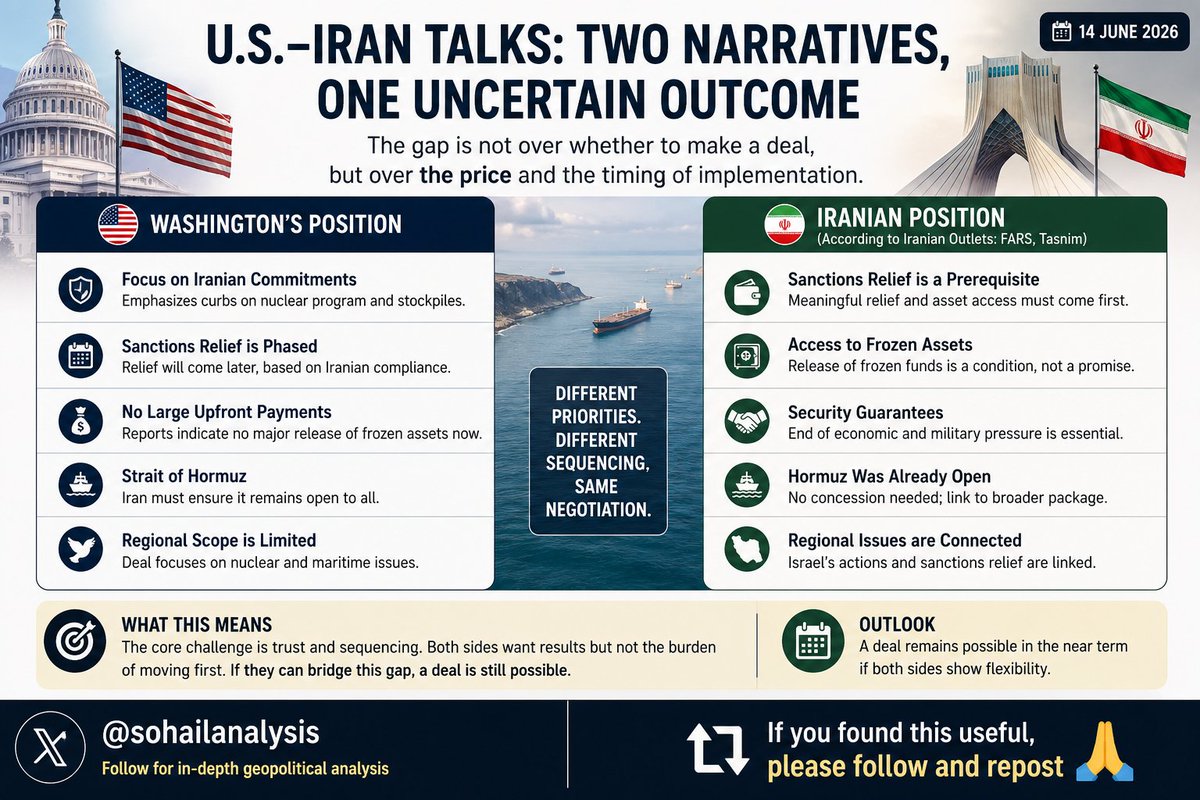
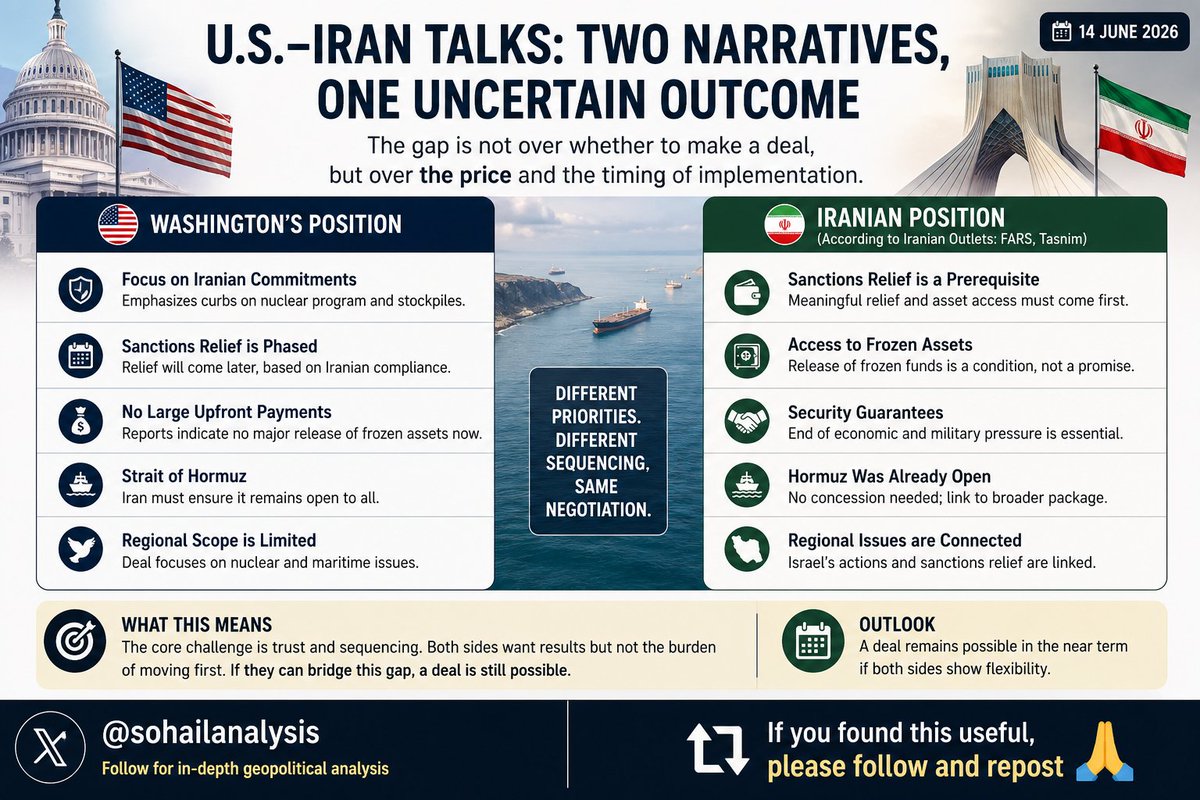
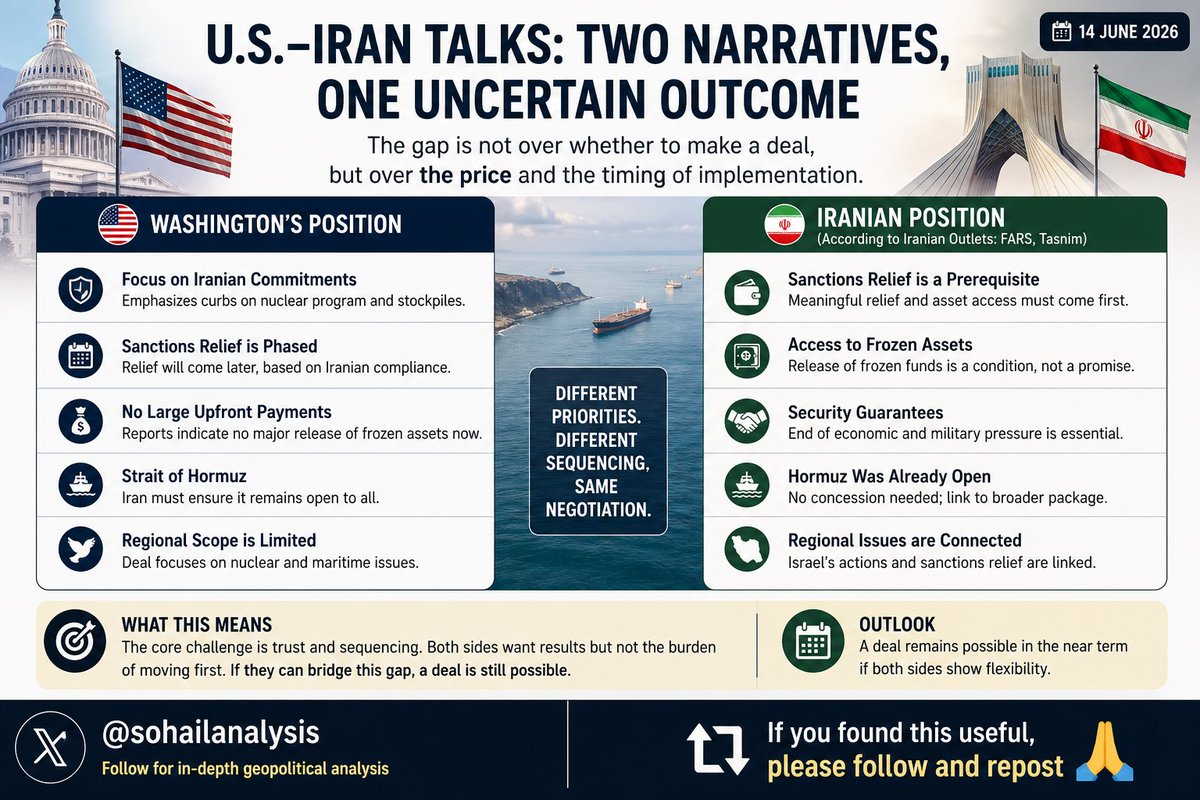
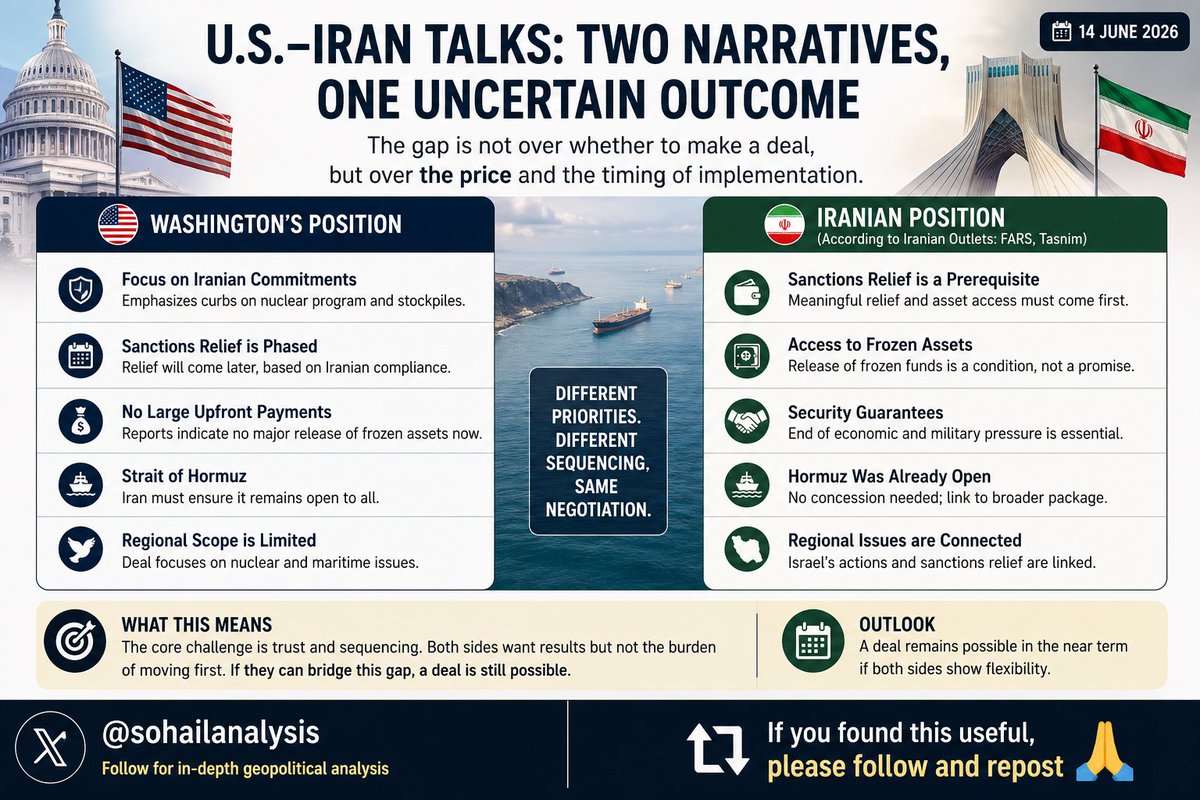
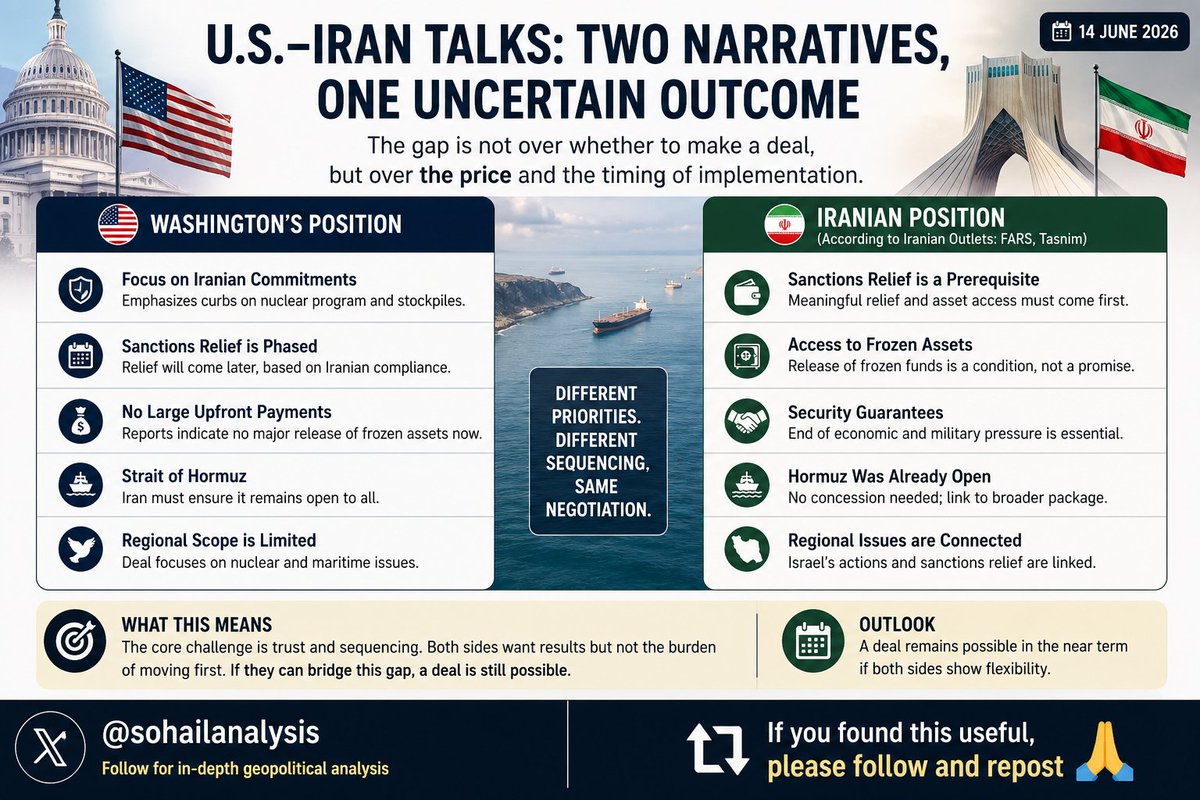
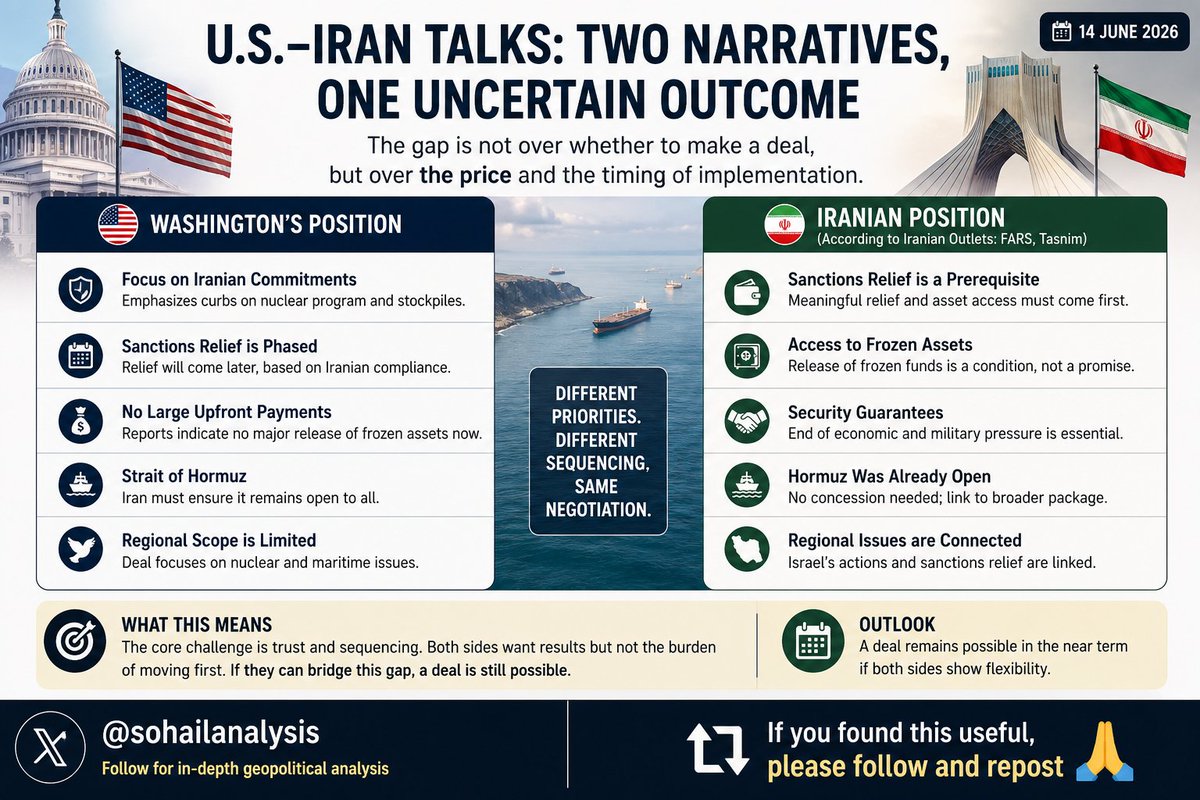
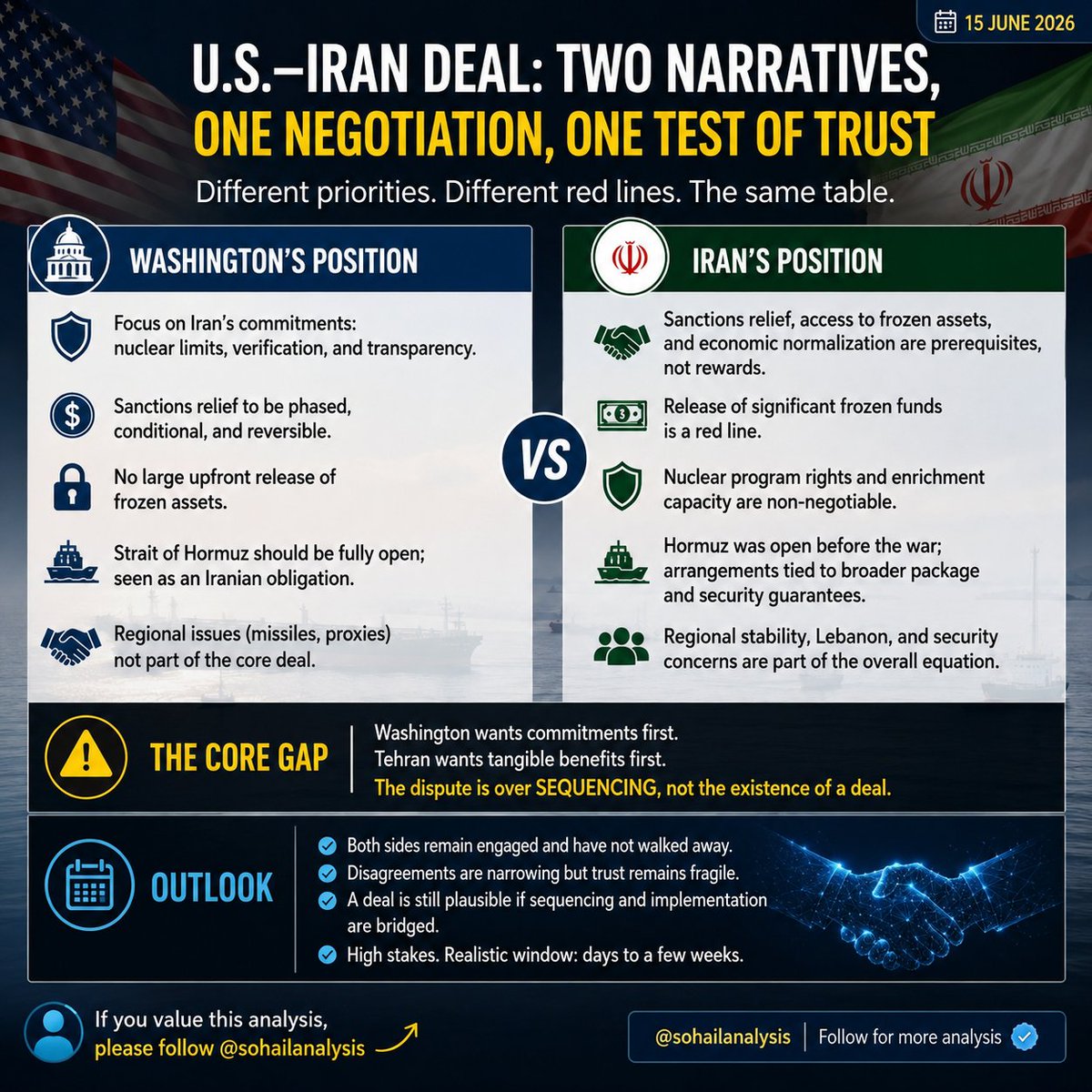
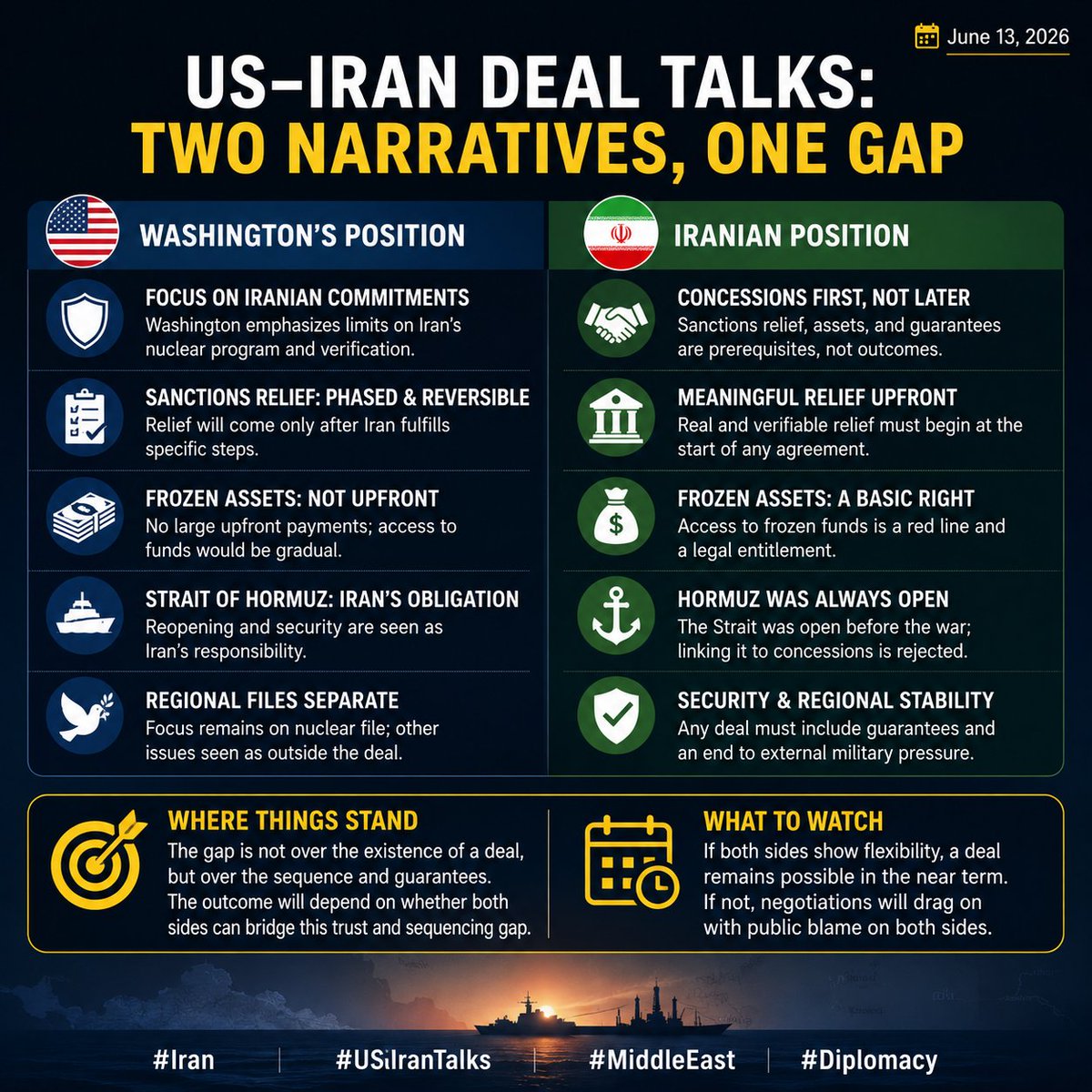
The most revealing aspect of the current negotiations is the gap between the public narratives. Washington continues to emphasize Iranian commitments on nuclear issues while downplaying reports of major sanctions relief, asset releases, or broader regional concessions. Iranian outlets, by contrast, present sanctions relief, access to frozen funds, removal of economic restrictions, and security guarantees as prerequisites rather than outcomes of an agreement.
This suggests that the dispute is no longer over whether a framework exists, but over the price of implementation. Tehran appears unwilling to move forward without tangible benefits upfront, while Washington seeks commitments before delivering those benefits. The fate of the agreement will therefore depend less on political declarations and more on whether both sides can bridge this sequencing problem. If they do, a deal remains plausible in the near term. If they do not, both sides will continue blaming each other while keeping the negotiation alive.
#Iran #USIranTalks #MiddleEast #Diplomacy
1
6
18
6,006
Sohail Ahmad retweeted

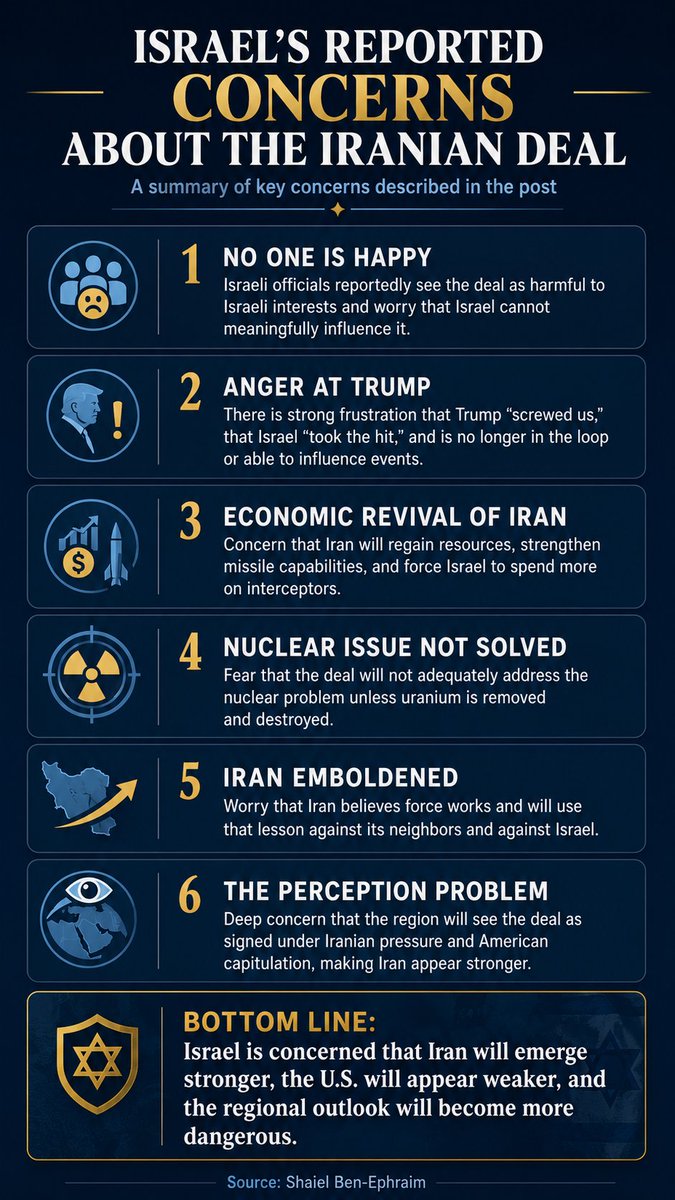
🔥 EPIC! Leaked reports confirm the Zionist regime is terrified. They admit the new deal proves Iran's brilliant use of force worked perfectly against Washington.
Israel is panicking that the entire region now sees a massive American capitulation. Tehran emerges stronger!
6
40
61
2,425

Jun 12
0/14
The Book Washington Didn't Want to Hear
Why Going to Tehran Looks More Relevant in 2026 Than It Did in 2013
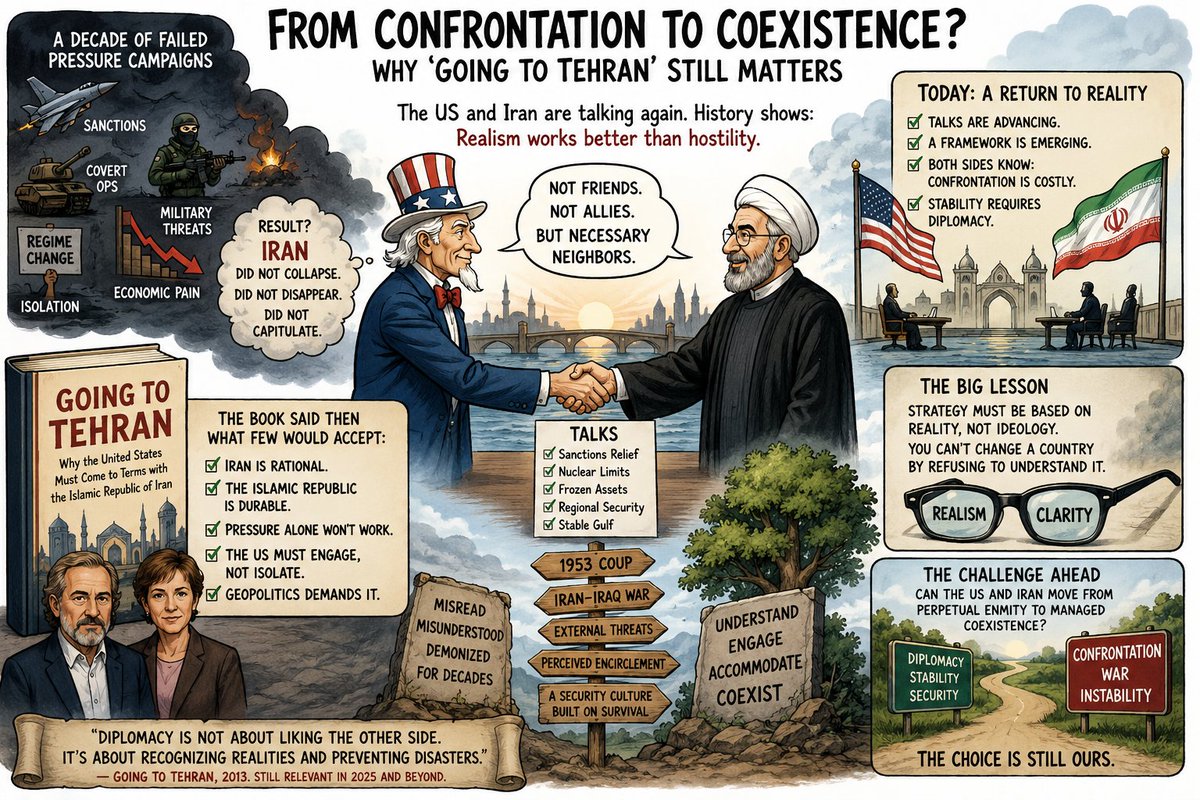
For decades, US policy toward Iran rested on three assumptions: Iran was irrational, the Islamic Republic was doomed to collapse, and sustained pressure would force capitulation.
Going to Tehran challenged all three.
At the time, the book was dismissed by many policy circles.
Today, as Washington and Tehran negotiate once again after years of escalation, it is worth asking:
Was the book wrong, or was it simply ahead of its time?
🧵 A critical review of Going to Tehran and what the current diplomatic moment tells us about US-Iran relations.
#USIran
#Iran
#MiddleEast
#Diplomacy
#Geopolitics
1
5
17
5,308
Jun 12
13/14
More than a decade after its publication, Going to Tehran reads less as a controversial intervention and more as a reminder of opportunities repeatedly missed. The book challenged Washington to recognise that enduring stability in the Middle East would require engagement with the Islamic Republic as it exists rather than as policymakers wished it to become. Today, amid renewed negotiations and cautious discussion of a possible agreement, that argument appears more relevant than ever. The fundamental challenge facing American policymakers remains precisely the one identified by the authors: whether the US is prepared to replace a framework of perpetual confrontation with one of managed coexistence.
1
39
Jun 12
14/14
History has not yet answered that question. Yet the fact that it continues to dominate regional diplomacy demonstrates the lasting significance of the book and the foresight of its authors. At a time when military escalation and diplomatic engagement are unfolding simultaneously, Going to Tehran offers an important reminder that successful statecraft begins not with ideological certainty but with a clear-eyed understanding of political realities. If the current diplomatic opening eventually produces a durable settlement, future historians may conclude that the central insight of Leverett and Mann Leverett's work was not that Iran would prevail over the US, but that neither side could indefinitely avoid the necessity of recognising the other as a permanent and consequential actor in the regional order.
#USIran
#Iran
#MiddleEast
#Diplomacy
#Geopolitics
31