Posting for info only; posts, likes, follows, and reposts aren't endorsements.
Joined May 2017
- Tweets 6,559
- Following 879
- Followers 1,491
- Likes 11,504
3,471 Photos and videos
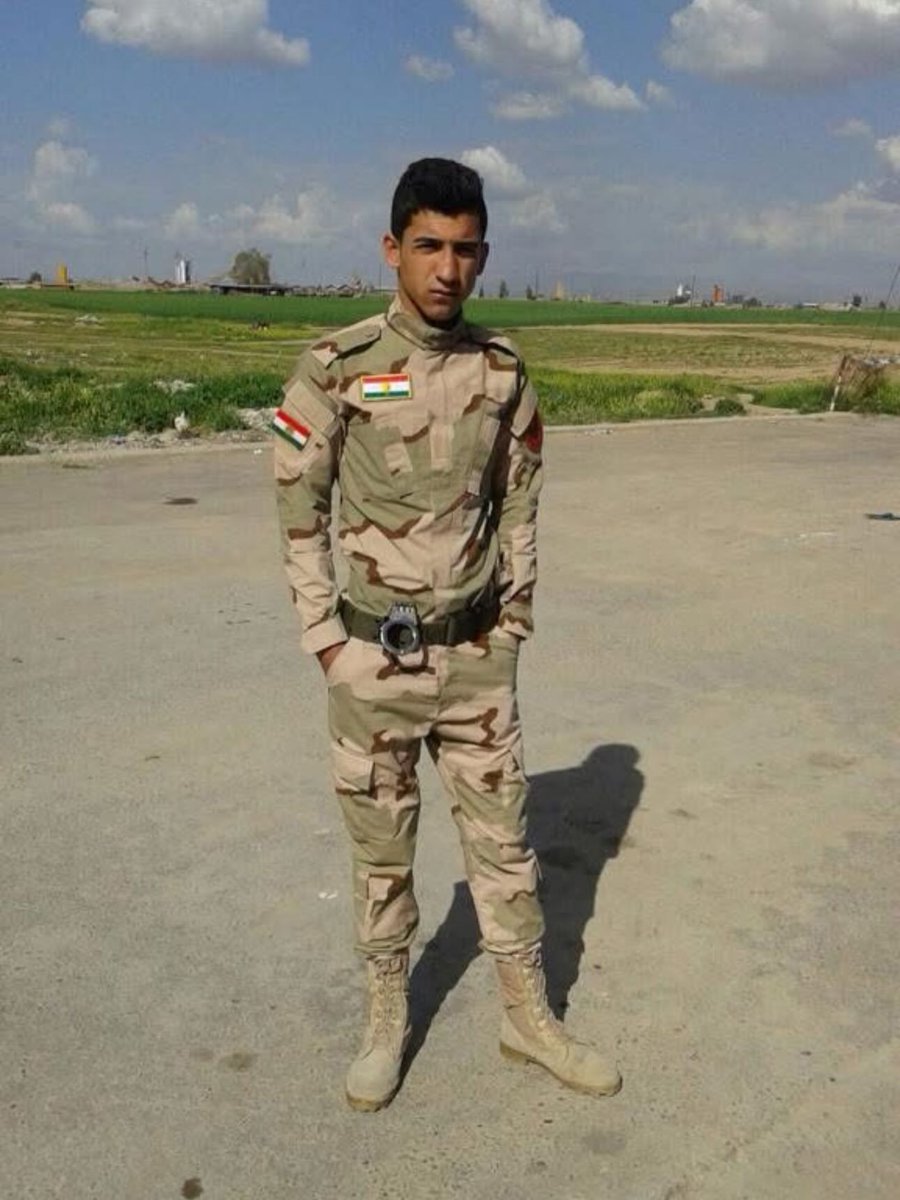
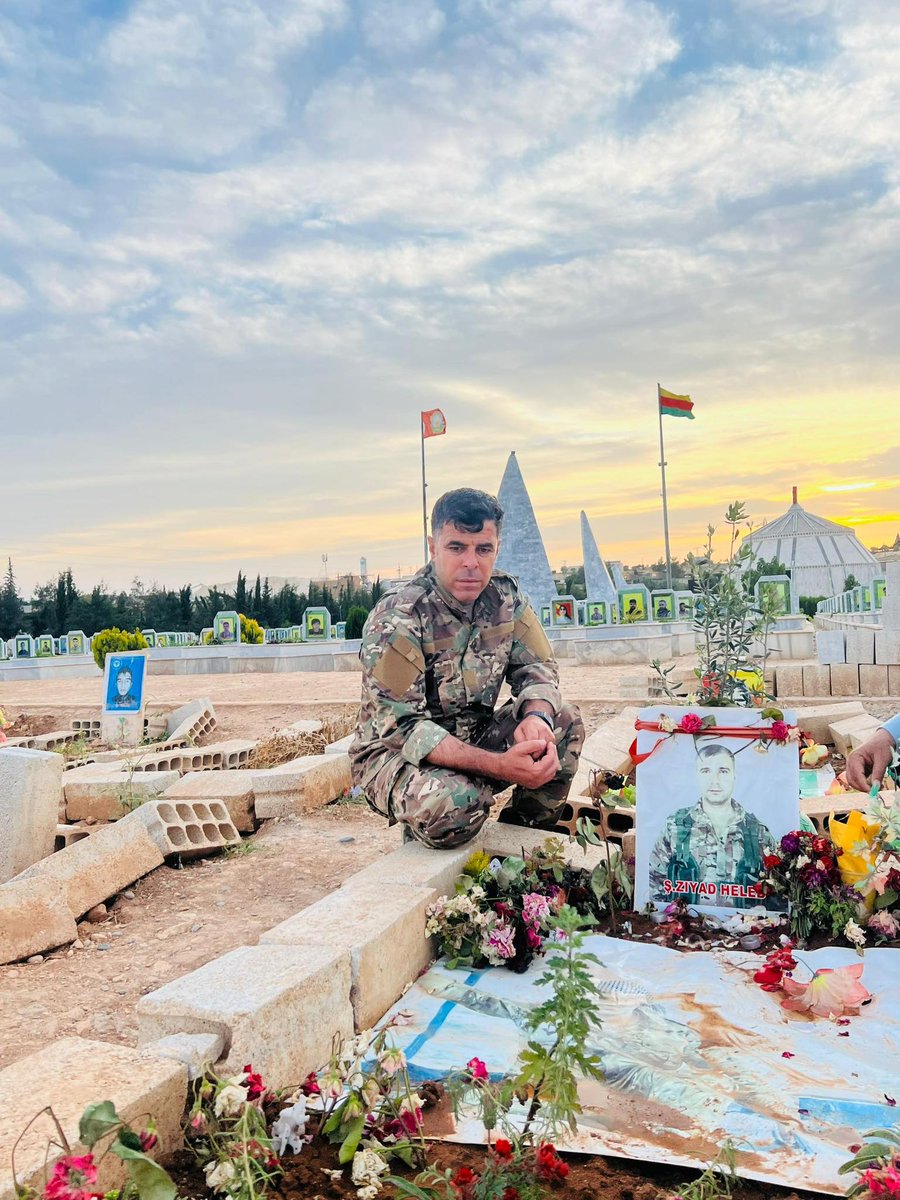
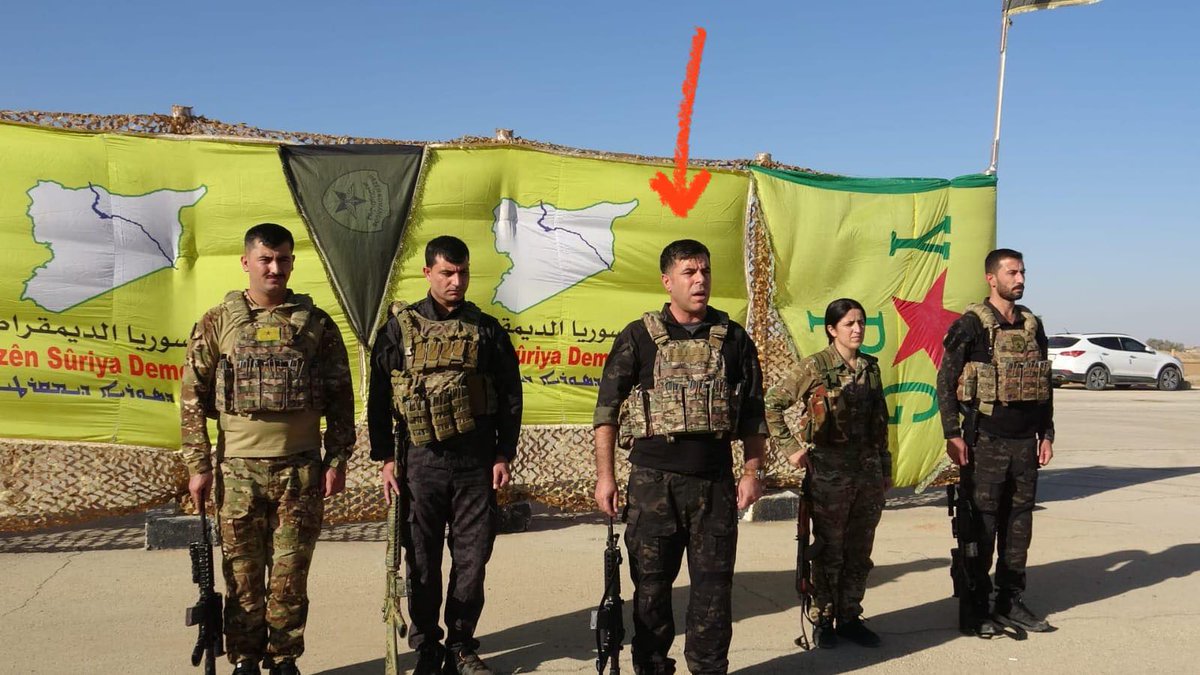
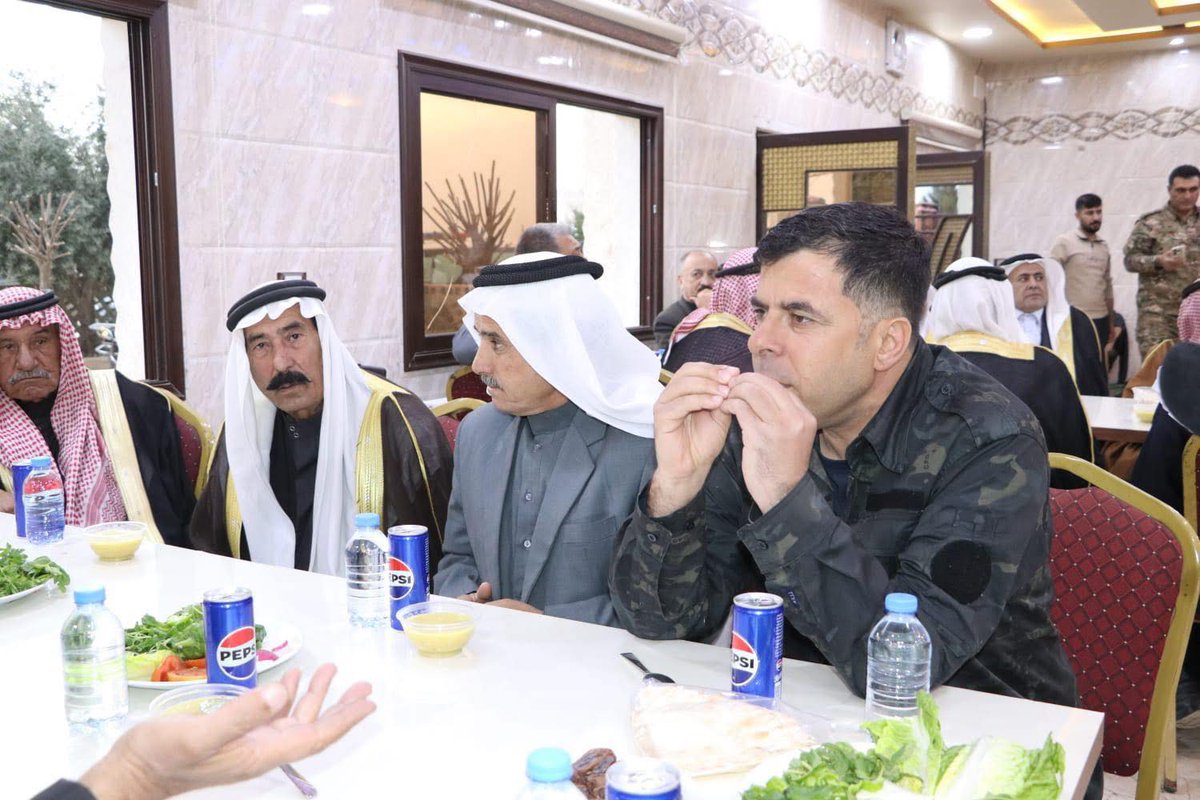
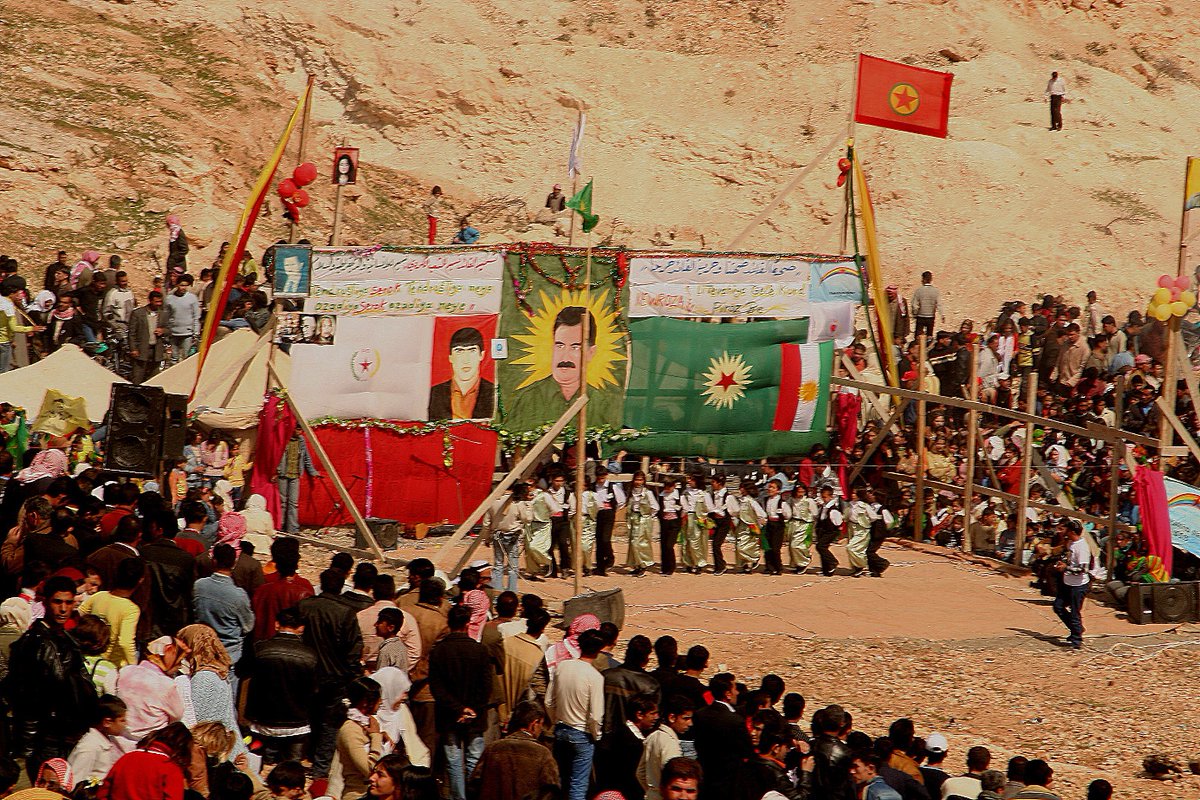
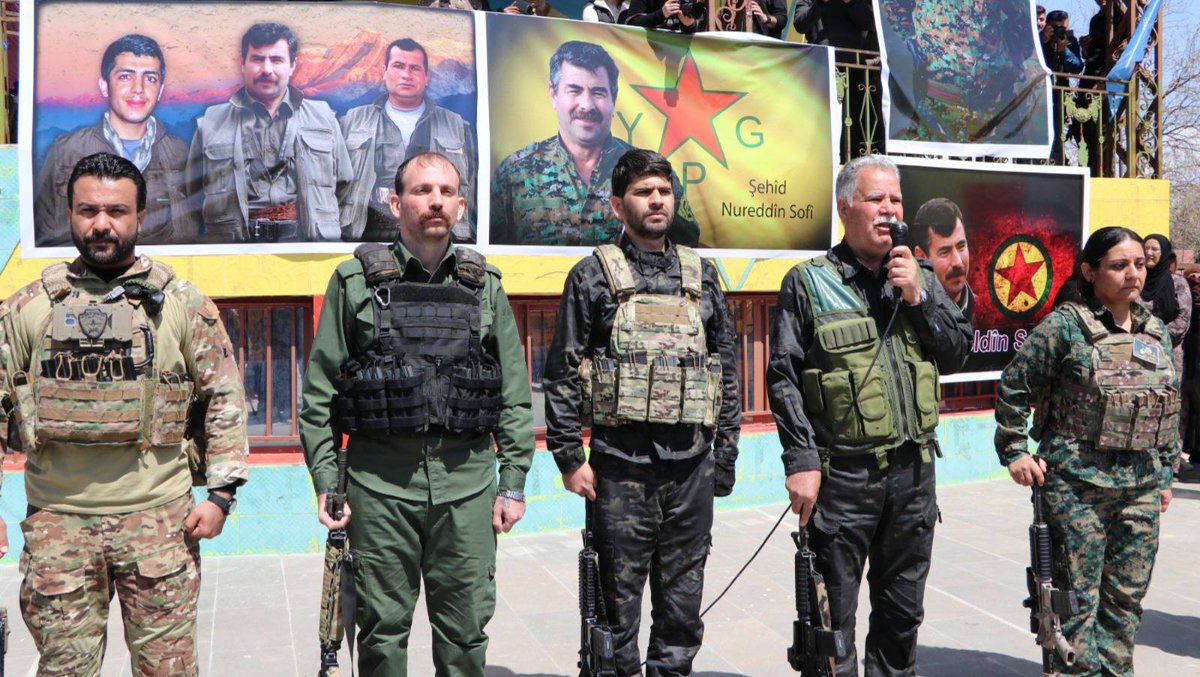

After years of bizarrely parading him around as some sort of pacifier and "good Kurd" who would've somehow agreed with them, some Arab chauvinists have finally discovered Mishaal Tammo's true nature as an uncompromising Kurdish nationalist who fought against everything they want:
Jun 14

استمعوا إلى ما يقوله مشعل تمو في هذا الفيديو:
المناطق العربية في الجزيرة السورية هي "قرى استيطانية" ،أُنشئت للفصل بين المناطق الكردية ومنع قيام "كردستان"، وأن الهدف منها هو تعريب المنطقة، ويدعو إلى محاربة ما يسميه "الاستيطان"
وتغيير اسم يوم الأرض إلى يوم الاستيطان
.
2
9
27
2,954
The clip shown is him speaking on 14 June 2007 at Berkifrî cemetery (where co-founder and left-wing lineage founder Osman Sabri is buried) during celebration of 50th anniversary of founding of the progenitor Kurdish party in Syria.
x.com/sol_0_4/status/2034241…
welateme.net/article-2146/

Another speech of his, on 14 June 2007, on 50th anniversary of founding of 1st Kurd party in Sy. In it he praised Nour al-Din Zaza as 1st to "inscribe the name Kurdistan on pages of Syrian history" and lamented how "Kurdish" parties were named so instead of "correct" "Kurdistani"
1
2
9
422

5
337
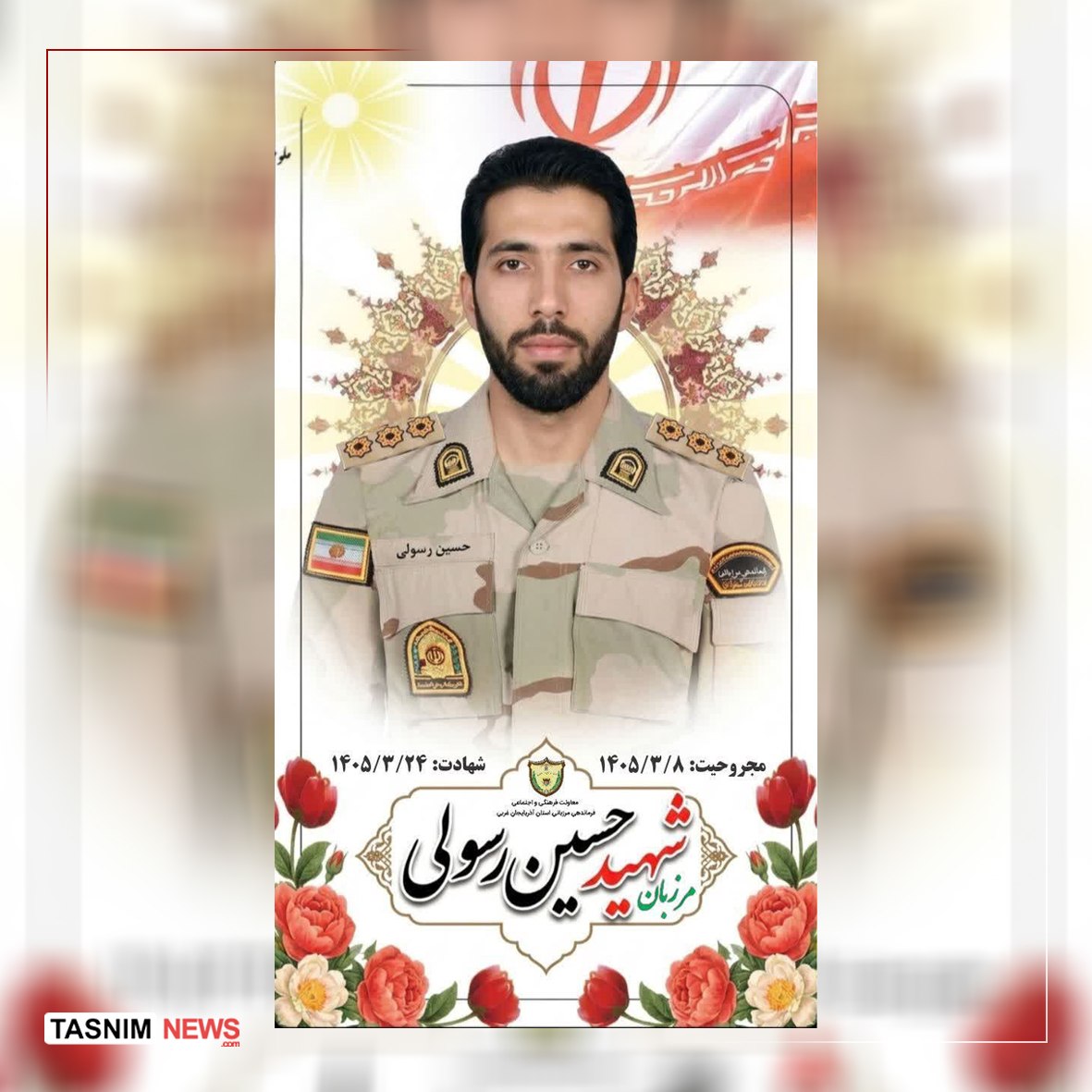
This would be the same region (Qeleniyê/Çaldıran/Chaldoran) where HPG claimed its fighters were attacked by Iranian forces, who killed fighter Mustafa Şêxmûs at cost of 2 of them wounded. Rasouli could have been one of the 2 or it could've been a separate incident in same region.

Iranian state media @Tasnimnews_Fa confirms a clash took place between PJAK and Iranian border regiment forces.
"Third Lieutenant Hossein Rasouli, a member of the Chaldoran Border Regiment's border guard forces, was killed in a clash with the outlawed PKK militant group.
During the confrontation, border guard forces reportedly killed two members of the group."
1
1
8
574
The details from the two sides though match up very closely with regards to general area and casualties of both (within the natural discrepancies), with the only exception being the "several days" of Rasouli's treatment which contradict the 2 weeks since the May 29/30 clash.
1
5
164
Sol retweeted

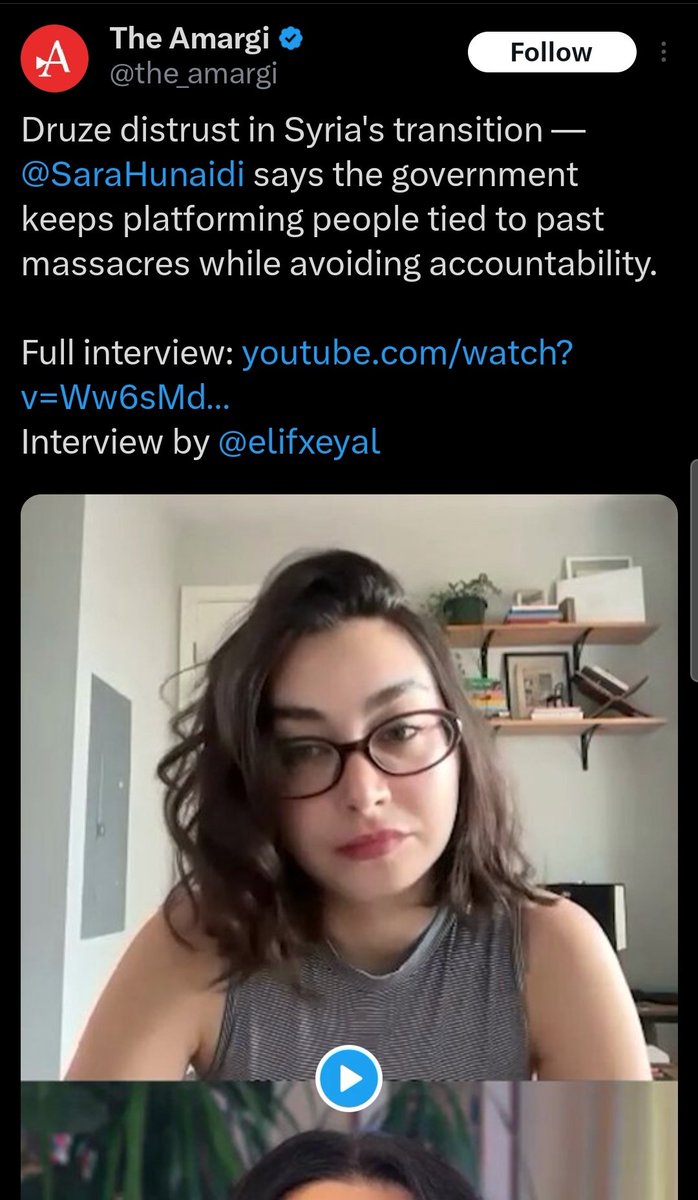
Regardless of this outlet, do you dispute something in e.g. Sarah Hunaidi's analysis? She's a pro-revolution Druze activist who had to go into exile. Perhaps you should show empathy for why she & other Druze activists are disappointed in how pro-government pundits cover Suwayda'.
Jun 11

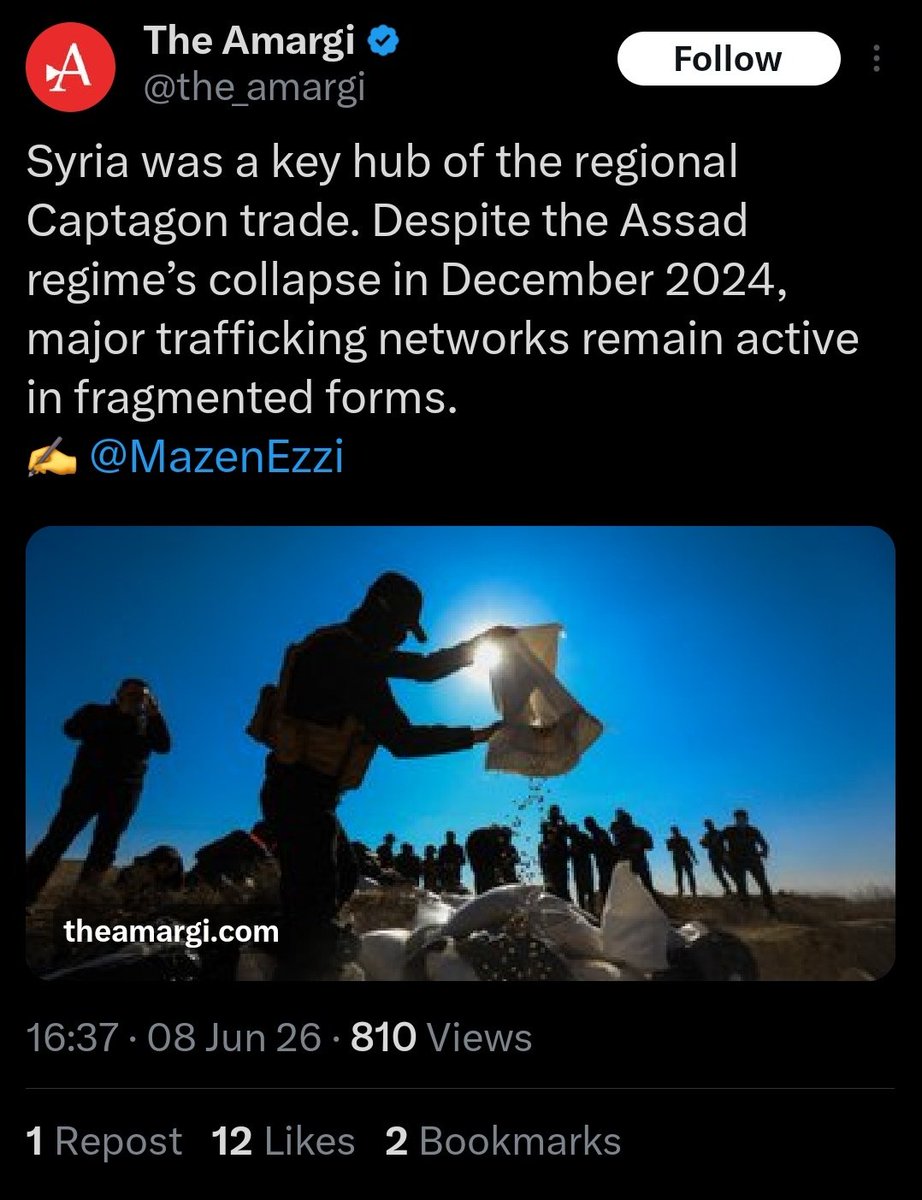
I've recently seen @the_amargi, a news outlet, pop up in my timeline regarding Syrian topics. After taking a quick look, it's noticeable how biased they are, primarily promoting leftists, members of minority groups, and people who oppose the Syrian government.
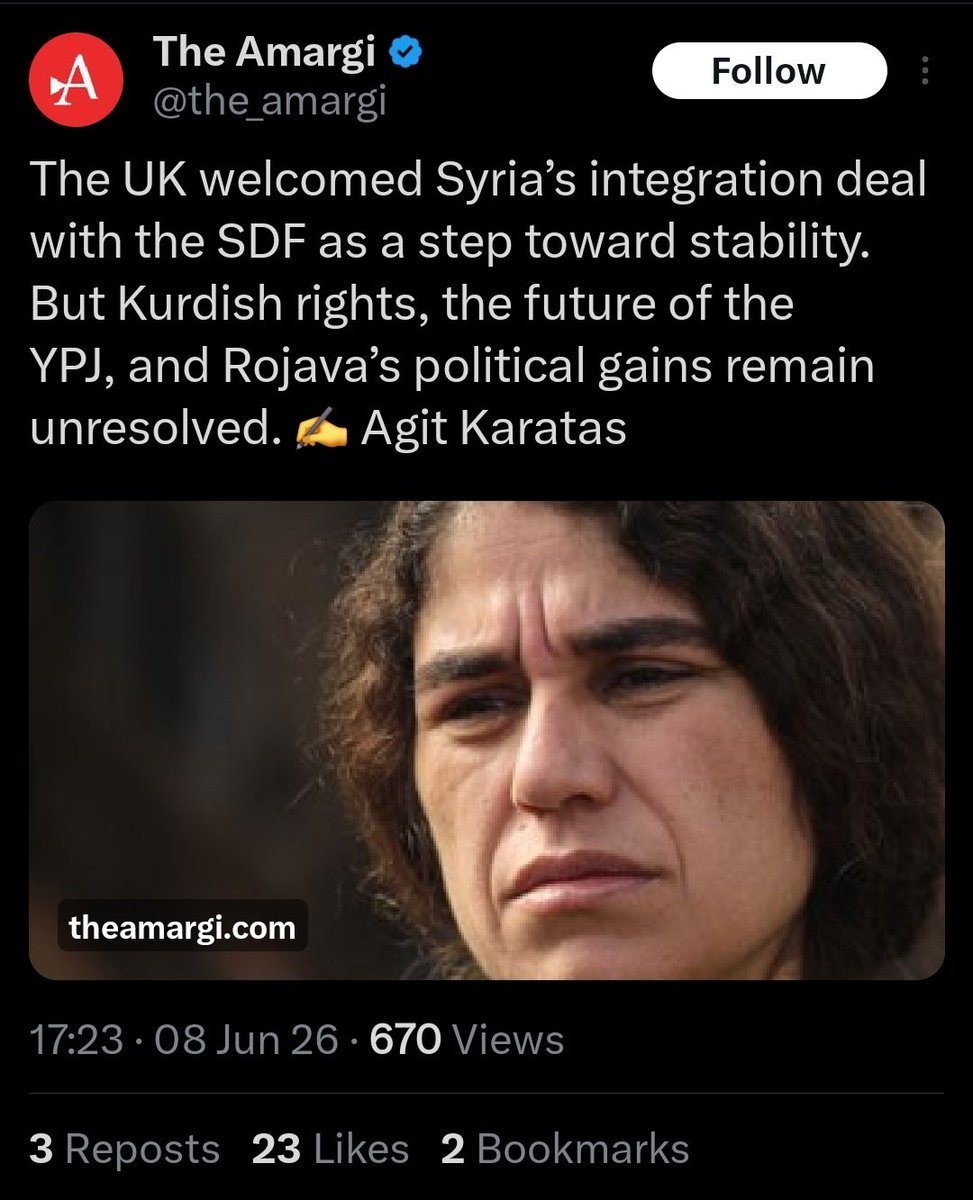
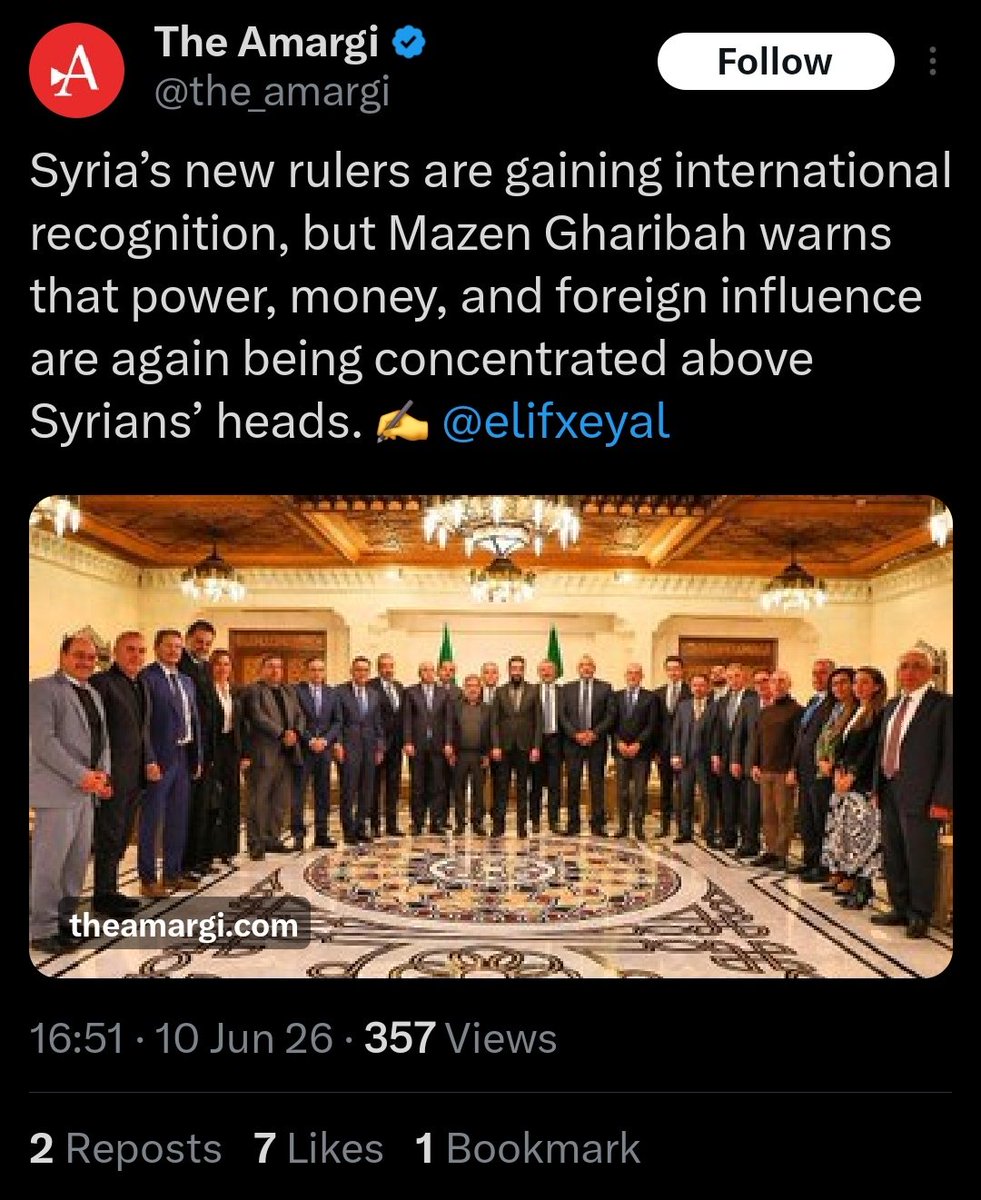
6
18
74
9,814
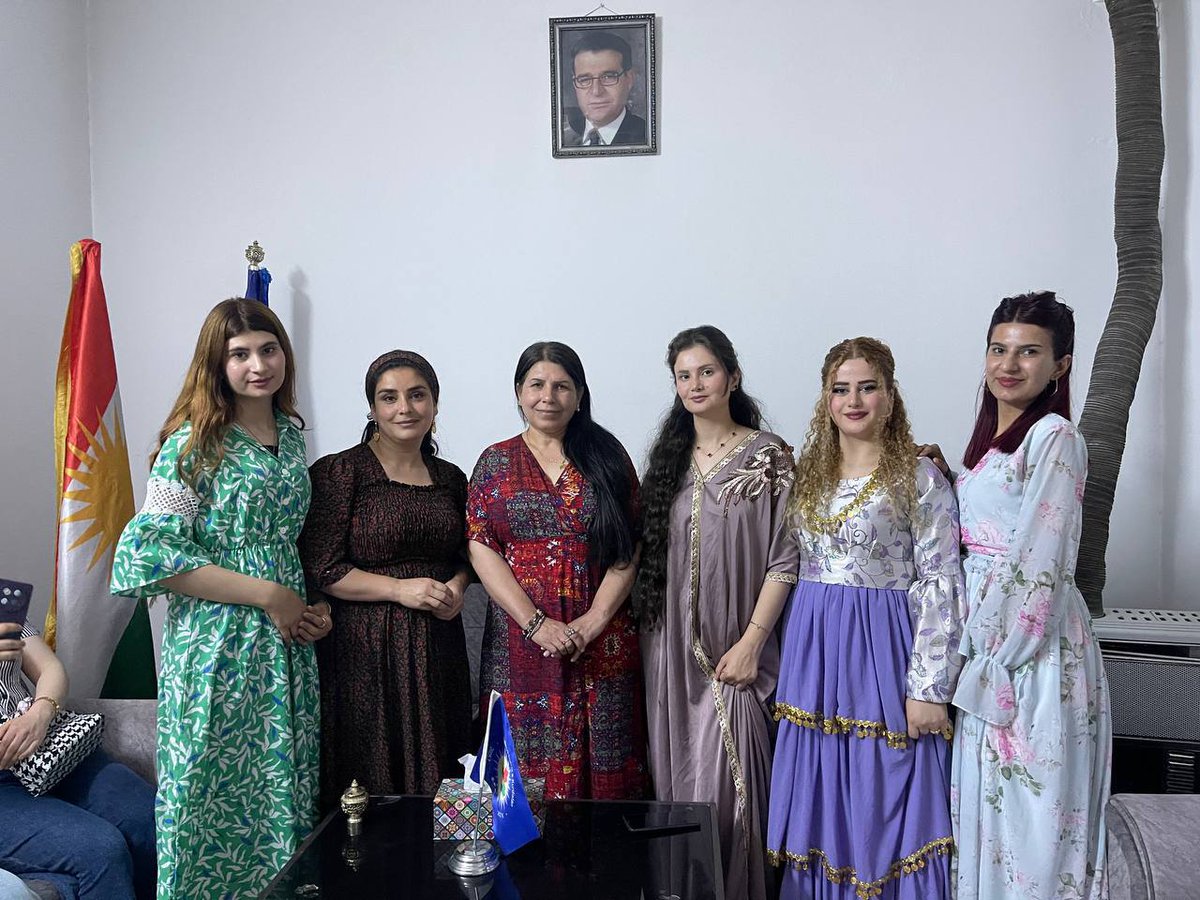
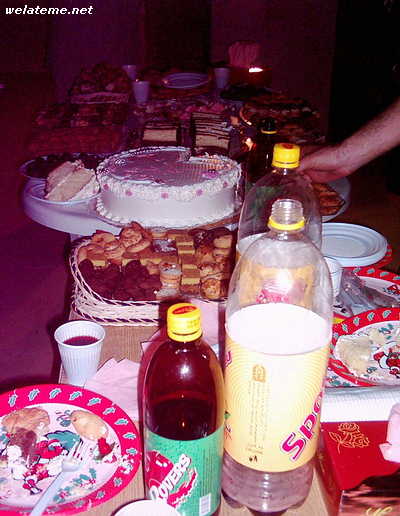
Kurdistan Future Movement (whose adult membership is apparently ≈100% female now) celebrated its 21st birthday at start of this month
facebook.com/photo?fbid=1307…
The other 2 (male-dominated) parties seemingly didn't do this traditional ceremony (x.com/sol_0_4/status/1928237…) this year.
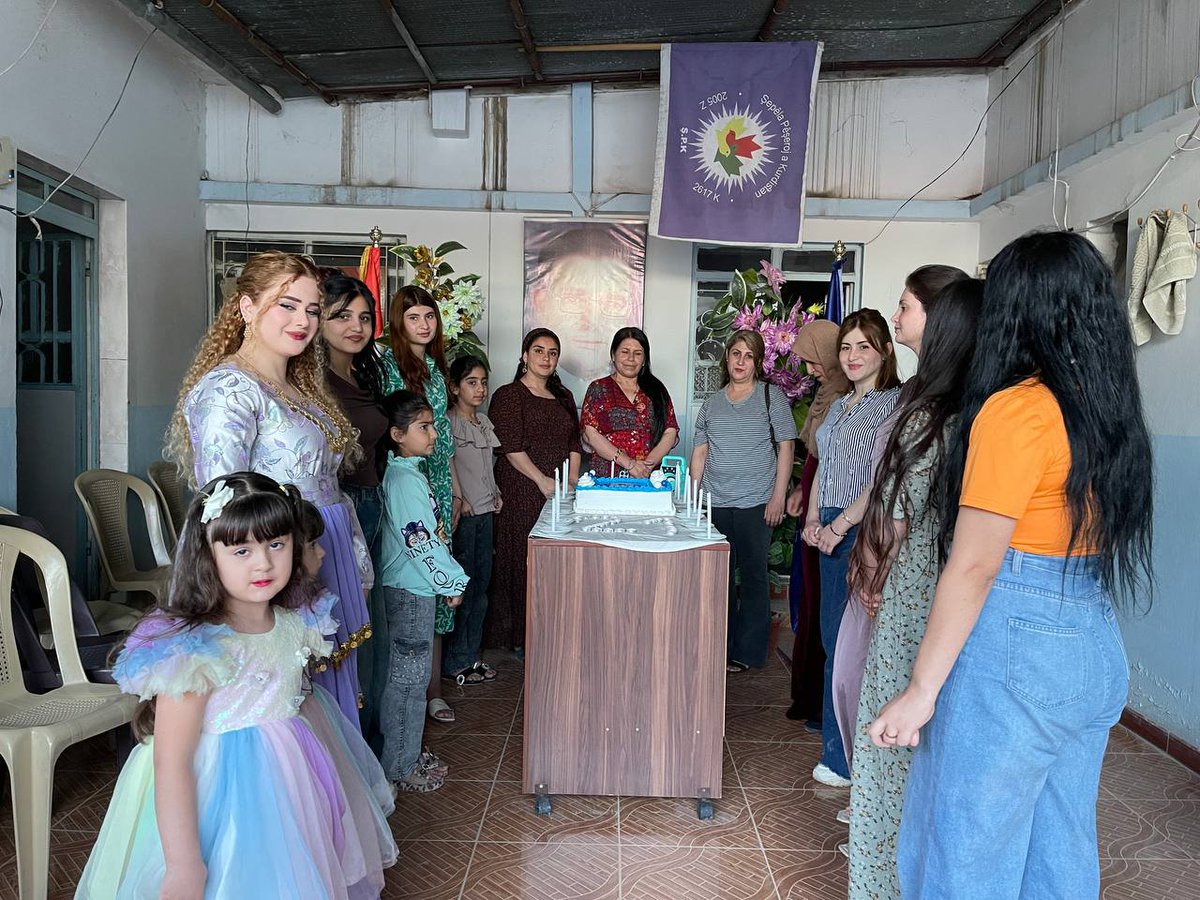
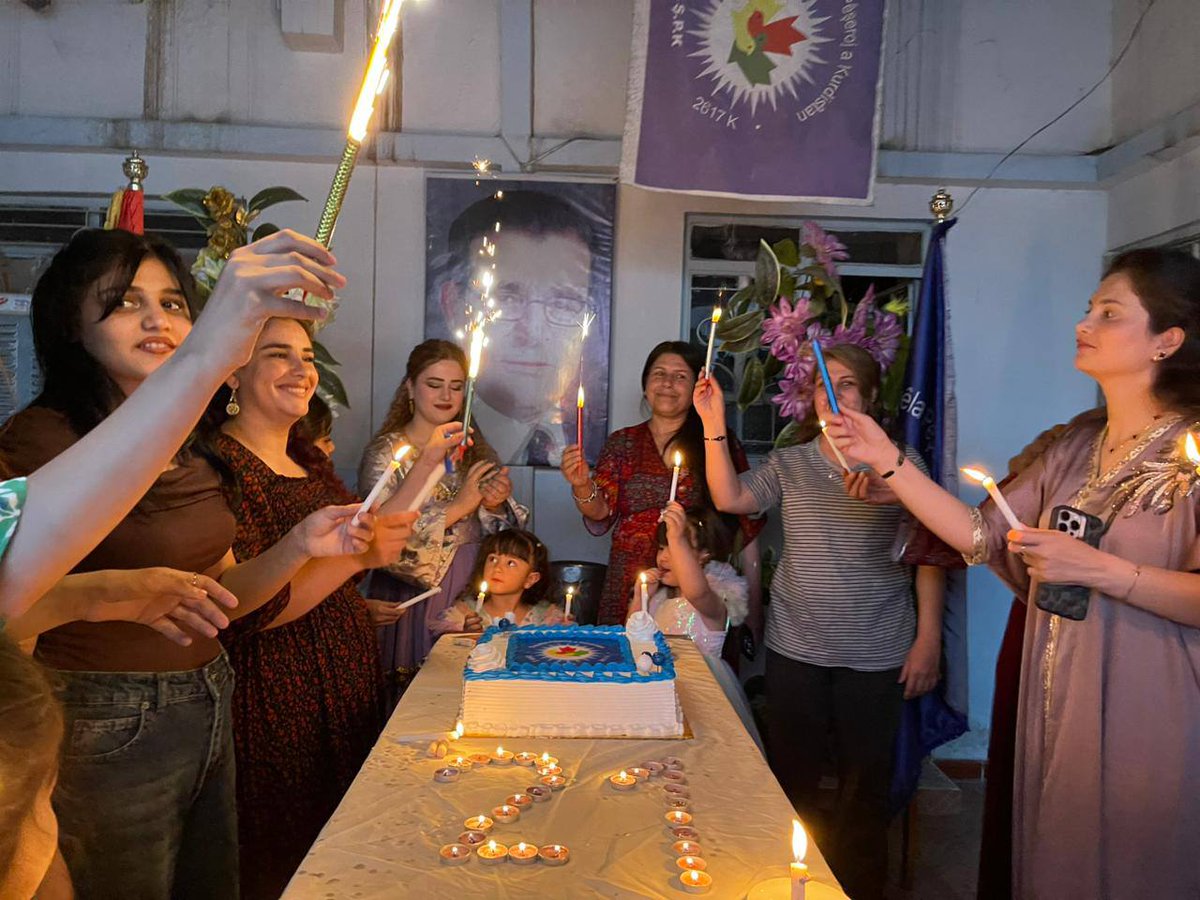
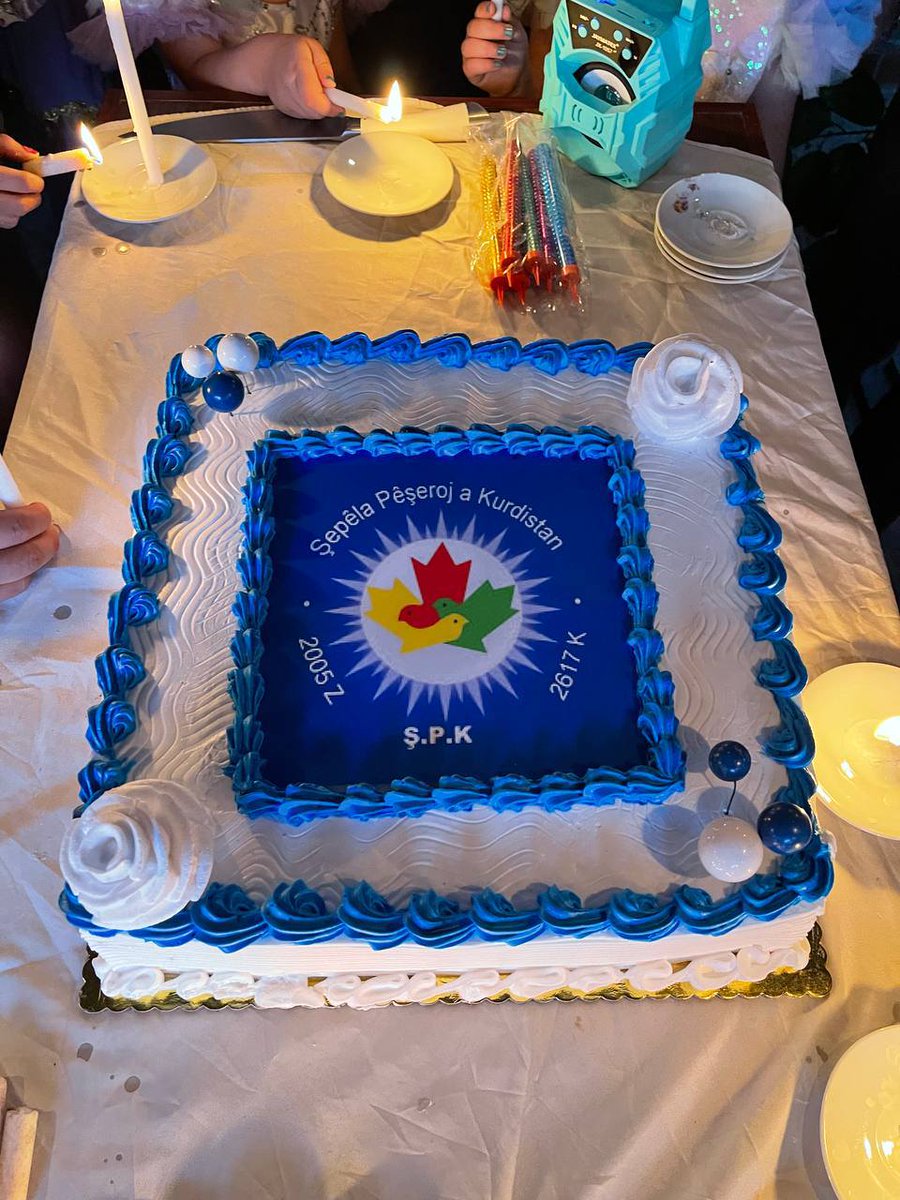
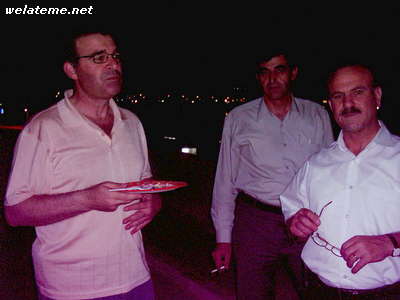
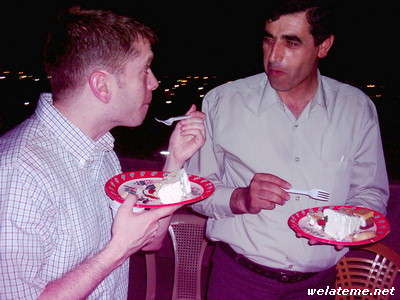
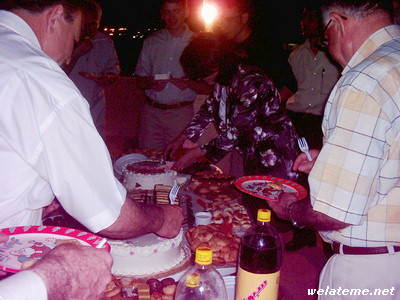
The movement's tradition of holding modest (compared to most other Kurdish parties) celebrations with cakes and sodas goes back to its first anniversary in 2006:
welateme.net/article-383/
1
2
11
1,536
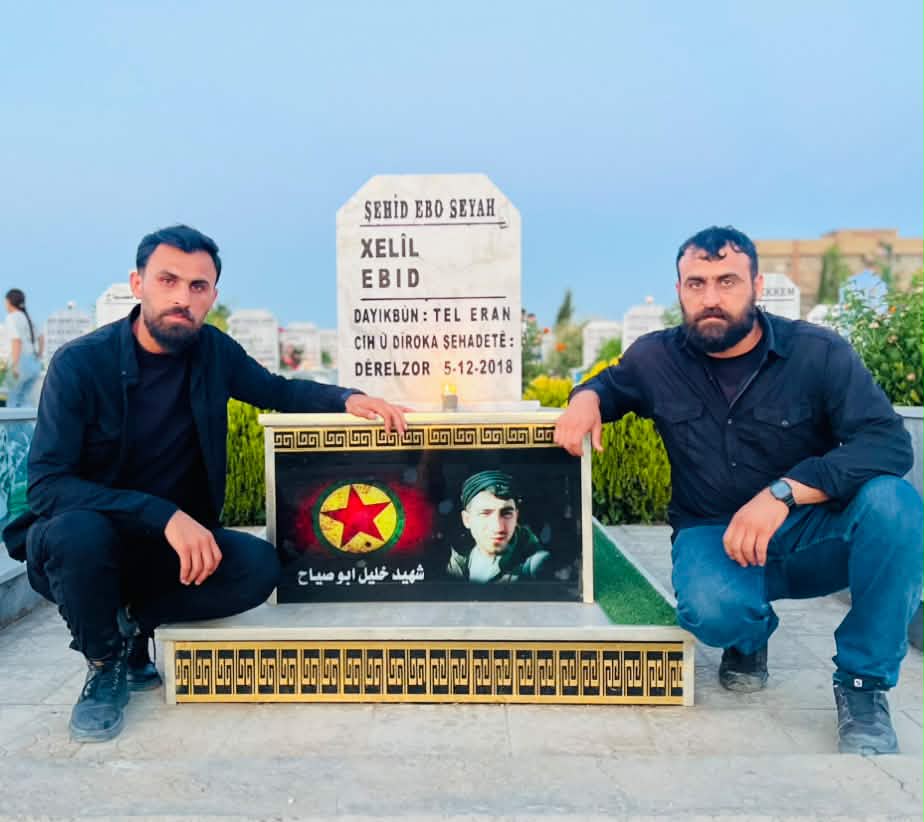
Something about this:
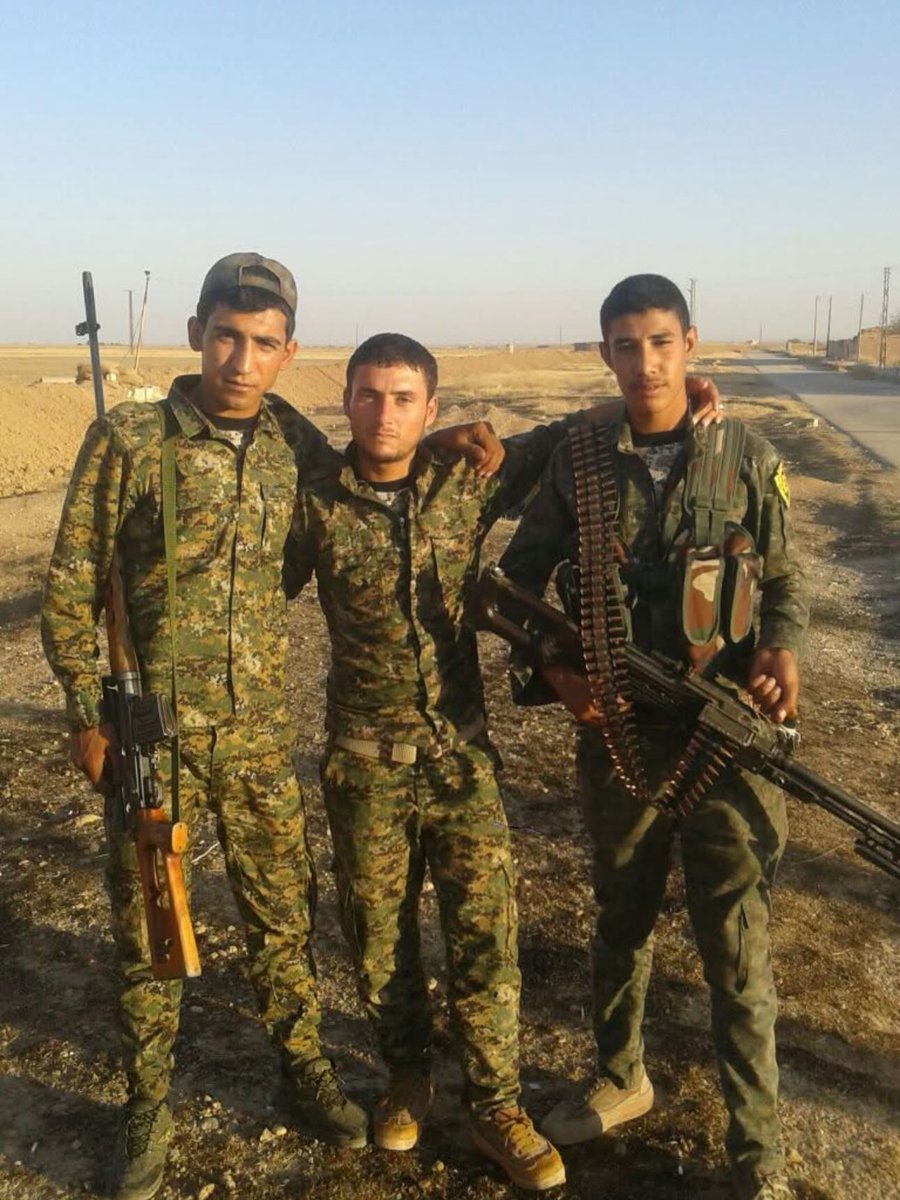
These symbols on tombstones and elsewhere aren't necessarily indicative of political affiliation: for example Abu Seyah was possibly also a Peshmerga fighter at some point:
facebook.com/ali.zkaon/posts…
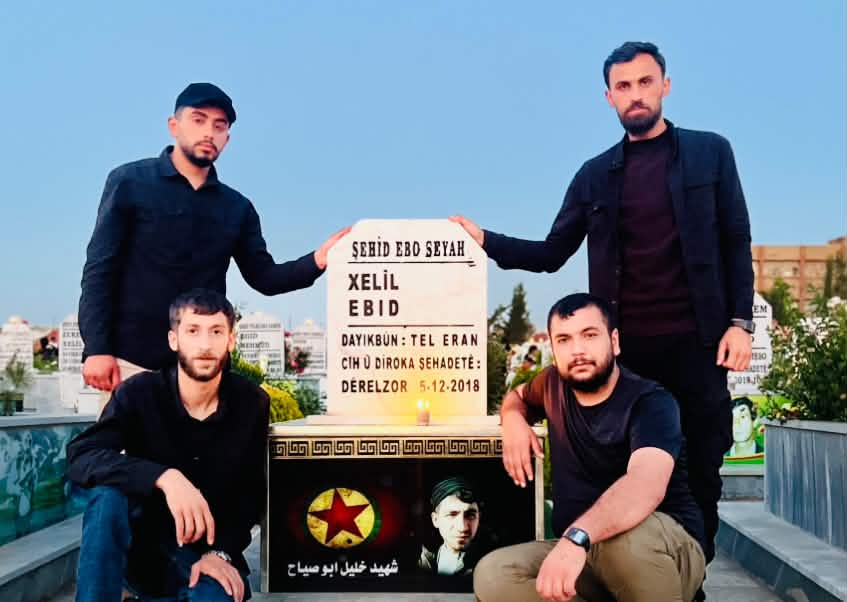
One interesting detail from the latter cemetery:
Khalil Abed (Abu Seyah), born in Tel Aran in 1995, was a fighter in the SDF's Manbij Military Council who died on the Hajin front of Deir ez-Zor in December 2018. His portrait is backdropped by PKK flag.
anf-news.com/guncel/1-savasc…
1
1
14
2,582
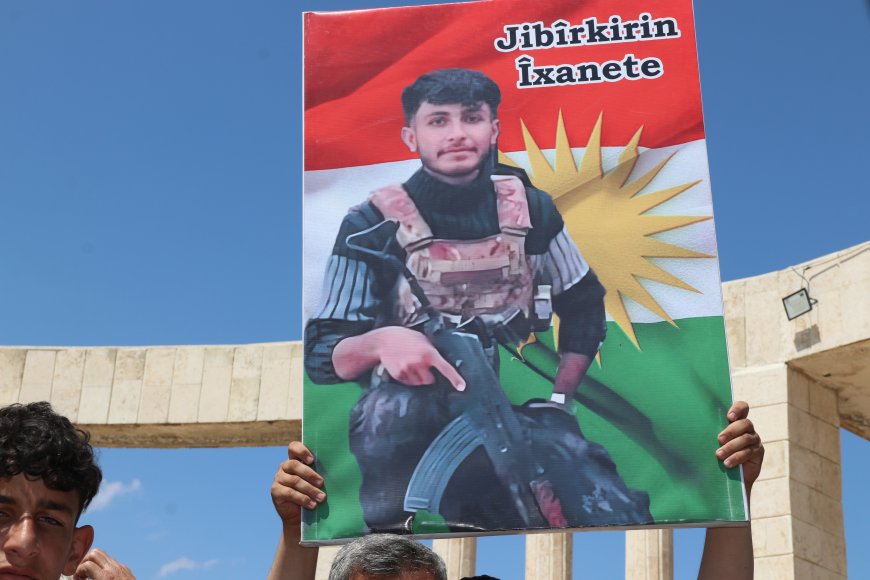
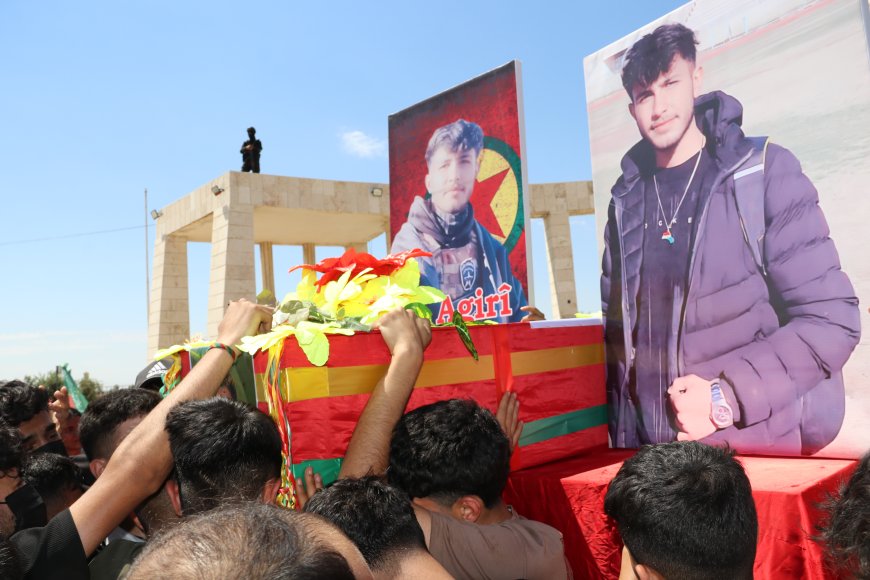
PKK flag likely as generic symbol of Kurdish resistance in this case.
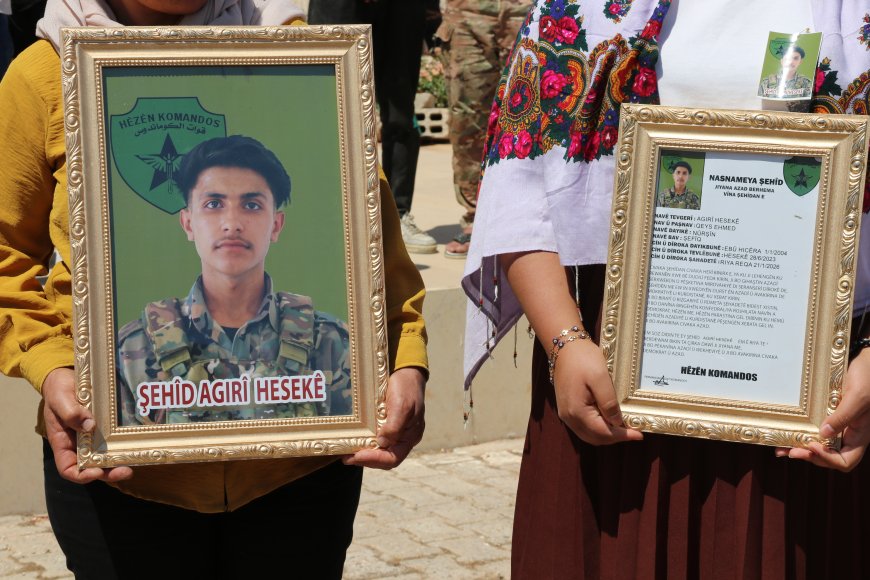
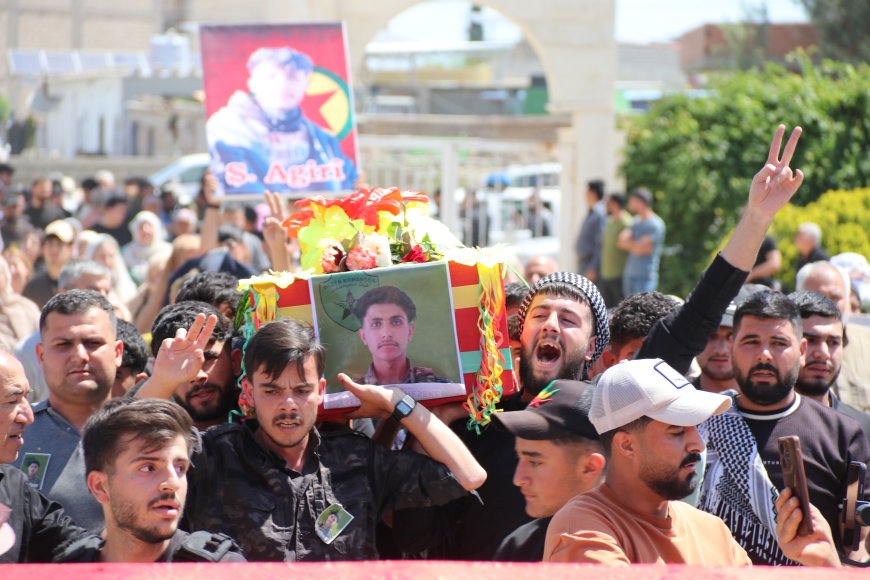
Another example of two different symbolic backdrops, seen during 1 June funeral in Amuda of Qais Shafiq Ahmad (Agiri Hasakah), an SDF commando killed on Raqqa road on 21 January:
hawarnews.com/ar/142270
2
2
419
Sol retweeted

Friends’ report from the five Druze villages that sit on the slopes of Israeli-occupied Jabal al-Sheikh, stuck between Israel’s undefined, socially destructive expansion and an absent Damascus
syriadirect.org/syrias-forgo…
1
9
20
12,533
Sol retweeted
My latest for @SyriaTransition. On tendency among pro-govt observers & analysts to brush aside Suwayda' massacres & divert conversation towards: 'Hijri is the real villain', with talking points that have some validity but frequently veer into exaggeration syriaintransition.com/en/hom…
8
23
69
7,400
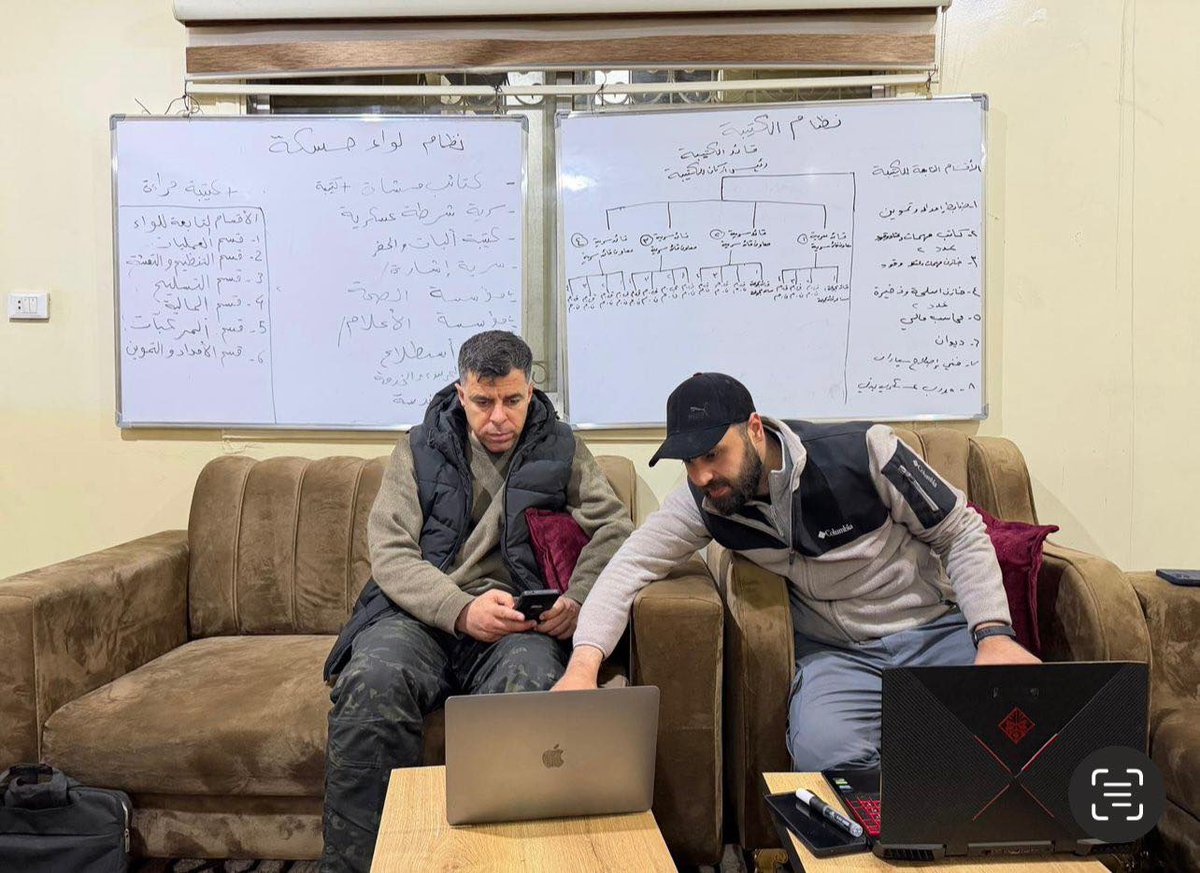
A photo from late February/early March 2026 showing Sardar Halab (left) and a deputy planning the organization of the Hasakah Brigade, one of the three SDF Jazira-based brigades in the 60th Division, with its structure outlined on the whiteboards:
facebook.com/61586351964087/…
1
5
25
5,043
One interesting detail from the latter cemetery:
Khalil Abed (Abu Seyah), born in Tel Aran in 1995, was a fighter in the SDF's Manbij Military Council who died on the Hajin front of Deir ez-Zor in December 2018. His portrait is backdropped by PKK flag.
anf-news.com/guncel/1-savasc…
1
1
4
2,997
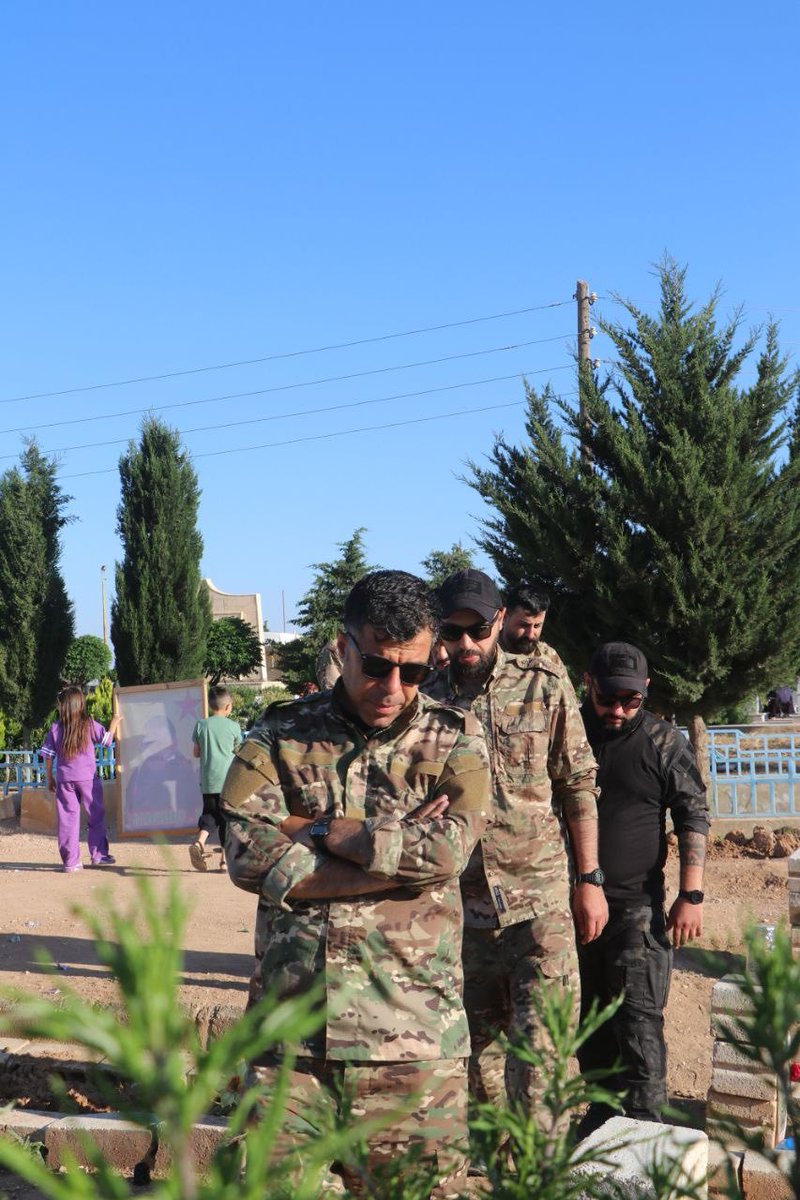
Sardar Halab later visited the cemetery in Kobanî.
At the grave of Ziad Halab:
facebook.com/alaeddin.shikho…
1
265
Sol retweeted

May 29
Democracy or the Abandonment of National Rights?
When Abdullah Öcalan says, “We are closer to freedom and democracy than ever before,” Kurds have every right to ask: What kind of democracy is he referring to?
Has the Turkish state, after more than forty years of conflict, recognized the Kurdish people as a distinct nation with clear constitutional rights? Has it adopted political decentralization? Has it recognized Kurdish as an official language in education and public life? Has it granted Kurds the right to govern their own regions or determine their political future? If the answer is no, then where is this democracy that we are supposedly approaching?
Individual equality before the law, important as it may be, is not enough to resolve the issue of a people seeking recognition of their national rights. True democracy does not merely mean that a Kurdish citizen is equal to a Turkish citizen as an individual; it also requires recognition of the Kurdish people as a nation with legitimate political, cultural, and national rights.
The same question applies to Syria. Does appointing a few Kurdish figures to state institutions or parliament mean that the Kurdish issue has been solved? Or does the core of the issue still lie in constitutional recognition of the Kurdish people and their national rights?
After decades of struggle and enormous sacrifices, many Kurds are asking: Was the goal merely to reach vague promises of democracy, or was it to secure clear recognition of the Kurdish people’s national rights?
Therefore, the fundamental question remains: If we are indeed closer to democracy, where do Kurdish national rights fit within that democracy? And can there be genuine democracy for a people whose identity and collective rights are still disputed?
-__————————————-
6
16
1,312
Sol retweeted
Very important: on security forces' reckless destruction of documents from Assad regime prisons after regime's fall, erasing history & prospects for accountability. Also, some prisons are being reused, w/poor conditions & arbitrary detention practices thedial.world/articles/news/…
5
26
56
6,935