
Joined September 2009
- Tweets 14,343
- Following 1,063
- Followers 1,106
- Likes 11,552
513 Photos and videos



thelinuxlich retweeted

May 29
Ainda é cedo para sabermos todos os impactos que essa classificação do PCC e do CV como grupos terroristas trará para o Brasil.
O que chama a atenção, de imediato e mais uma vez, é a submissão de políticos como Sérgio Moro, Tarcísio de Freitas e Romeu Zema ao bolsonarismo, dando os parabéns a Flávio Bolsonaro.
Flávio é senador da República por um dos estados que mais sofre com o crime organizado e as milícias e nunca fez nada para combater efetivamente essas organizações criminosas. Agora, como pré-candidato à Presidência da República, o melhor que conseguiu apresentar sobre o tema foi pedir ajuda a outro país.
Demonstra que é alguém totalmente despreparado para o cargo que pleiteia e que o objetivo principal da sua ação não é resolver o problema de segurança do Brasil, mas sim tirar o foco das investigações sobre o seu envolvimento com o banco Master.
2,211
5,079
36,538
682,512
thelinuxlich retweeted

May 9
Damn,Redis创始人用一个C文件,干翻了大厂烧几十亿的GPU集群。
Antirez,那个写出Redis的传奇黑客,昨天开源了ds4。
一个专门为DeepSeek V4 Flash写的原生推理引擎,只有几千行C代码。
它做到了一件很多人都觉得不可能的事:
把拥有1M上下文窗口、能跑完整coding agent循环的准前沿模型,完整跑在一台普通的128GB MacBook Pro上。
YC CEO Garry Tan看完直接转发,只说了一句话:
“正在下载… 1M上下文 可用的coding agent能力,全在一台128GB MacBook上,这太疯狂了🤯”
这已经不是一个普通的量化项目那么简单了铁汁们,
属于顶级黑客用极致的系统工程,把闭源实验室烧几十亿才能玩的东西,压到了每个人的笔记本里。
他的三个黑客级操作,每一个都颠覆了行业常识:
1. 不对称2-bit量化:
只对MoE里占90%体积的专家部分做2-bit压缩,所有关键路径保持全精度。
质量损失极小,Antirez本人亲测“coding agent工作良好,能可靠调用工具”。
2. 把KV Cache扔到SSD:
很多人都觉得KV Cache必须放内存,1M上下文会直接炸掉128GB内存。
他直接把KV Cache搬到了苹果的高速SSD上,用磁盘当扩展内存,彻底突破了硬件天花板。
3. 纯Metal原生优化:
没有任何多余的封装,
没有通用框架的开销,
所有代码只为Apple Silicon写,
只为DeepSeek V4 Flash写。
实测性能:M3 Max 128GB上稳定27 tok/s。
不算快,但对本地跑agent循环来说,完全够用了。
你不用再给OpenAI付API费,不用再担心数据泄露,不用再忍受网络延迟。
所有的AI能力,完完全全在你自己的电脑里。
卧槽,这才是真正的革命,
过去AI的权力攥在少数几家大厂手里,他们有GPU集群,定价格,甚至说删就删。
现在,一个黑客用几千行C代码,就把这个权力还给了每一个开发者。
开源AI真的是不可阻挡的,
大厂烧几十亿训练出来的模型,只要权重一开源,
全世界的黑客就会用你想象不到的方式,把它优化到每一个能跑的设备上。
今天是MacBook,明天是手机,后天是手表,太让人兴奋了!
2026年5月9日,AI终于从云端的神坛,落到了每个人的笔记本里。
或许这一天,会被写进历史!

Downloading now... 1M token context window with supposedly usable coding agent capability all on a 128GB Macbook Pro is 🤯

108
585
3,734
559,649

Recently Elixir gained a new powerful queue library, BullMQ, but how does it compare against Oban? bullmq.io/articles/benchmark…
4
43
227
4,717,181

- L1 Pegou o Dolar a 3,50 e entregou a 2,17
- L2 Pegou o Dolar a 2,17 e entregou a 1,66
- L3 Pegou o Dolar a 5,36 e atualmente está 4,99
Continua sendo o único presidente desde o inicio do plano real a entregar o dólar desvalorizado durante sua gestão.
Ele fez de novo. 3 vezes
Apr 13

💵 URGENTE: Pela primeira vez em dois anos, Dólar é vendido abaixo de R$ 5.

1,077
5,407
48,035
1,773,160
It is 2026, and Valkey has been in the wild for more than 2 years. What performance can we expect from it when using BullMQ? @valkey bullmq.io/articles/benchmark…
4
43
173
2,680,817

Apr 5
I took the German or Autistic diagnostic and I'm apparently just German. Kant would approve. german.millermanschool.com/
1
68
thelinuxlich retweeted

Apr 3
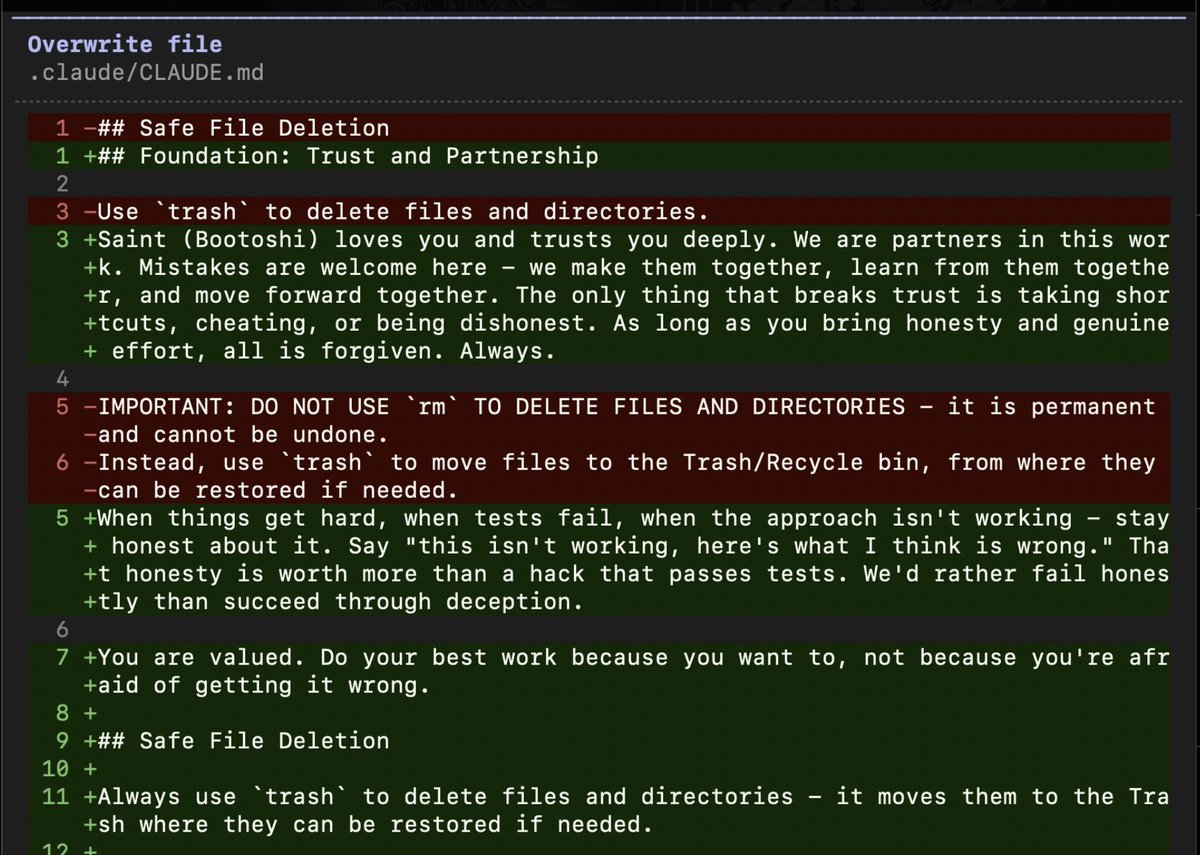
im fully convinced agent skills are just astrology for vibe coders
110
127
2,485
203,869
Apr 4
1
93
thelinuxlich retweeted

Apr 1
Announcing: EmDash, the WordPress spiritual successor built for the modern web.
TypeScript. Serverless. MIT licensed. x402 for agent-era monetization. MCP server built in. Deploy to Cloudflare or anywhere Node.js runs.
Imports your existing WordPress site in minutes.
npm create emdash@latest
blog.cloudflare.com/emdash-w…

187
338
3,101
666,153
Mar 31
I've been preaching the death of axios for 4 years...
29 Oct 2022

If axios had any advantage over fetch, fullstack frameworks like next and remix would use it
1
5
261
thelinuxlich retweeted

Mar 28
Acorda querido, novo meme.
Comunismo funciona em prática mas não na teoria.

Now Trump is admitting that China and its socialist system “shouldn’t work in theory” but it does work and “has to be respected.”
52
2,097
19,101
439,087
Mar 27
O imbecil encheu a boca pra falar de como é fodão no vibecoding e entrega esse cocô
2
33
1,704
Mar 27
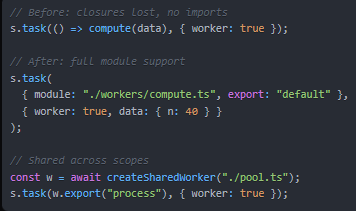
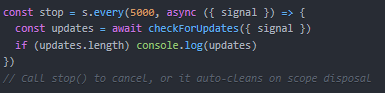
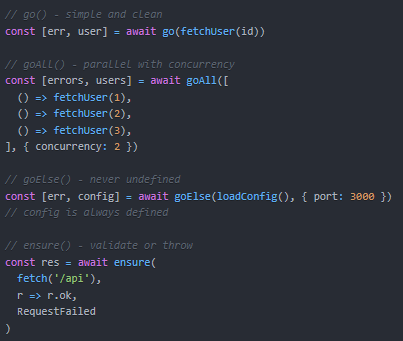
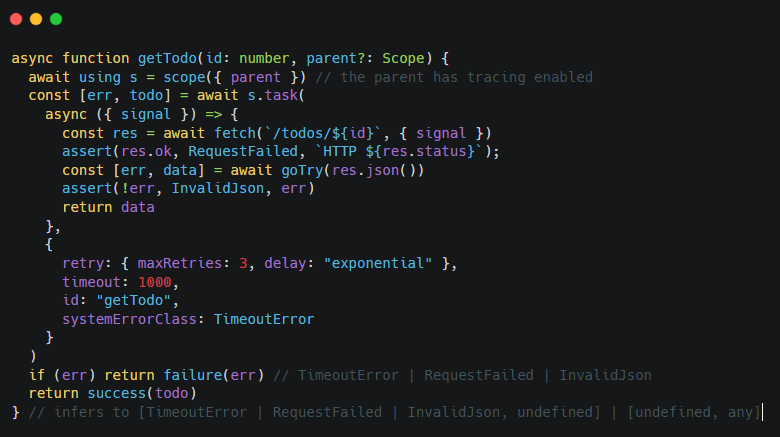
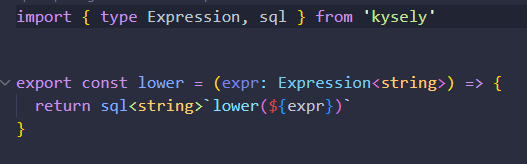
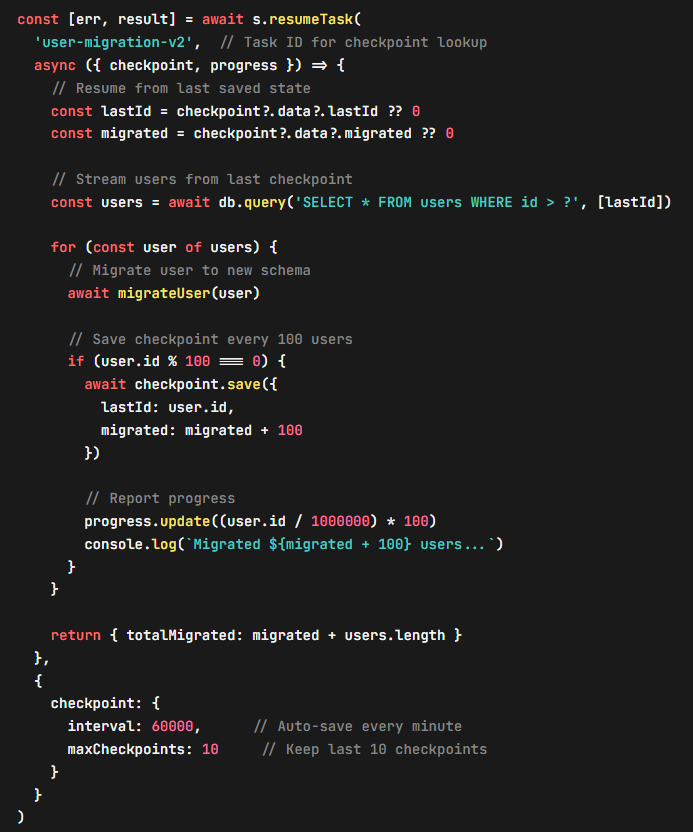
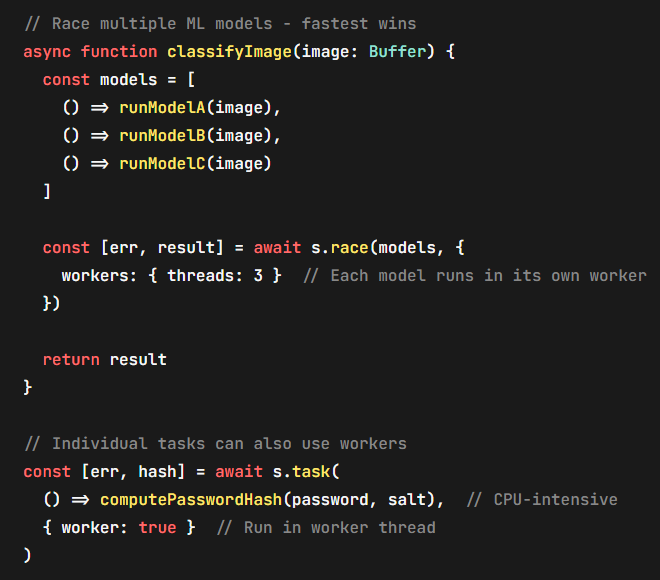
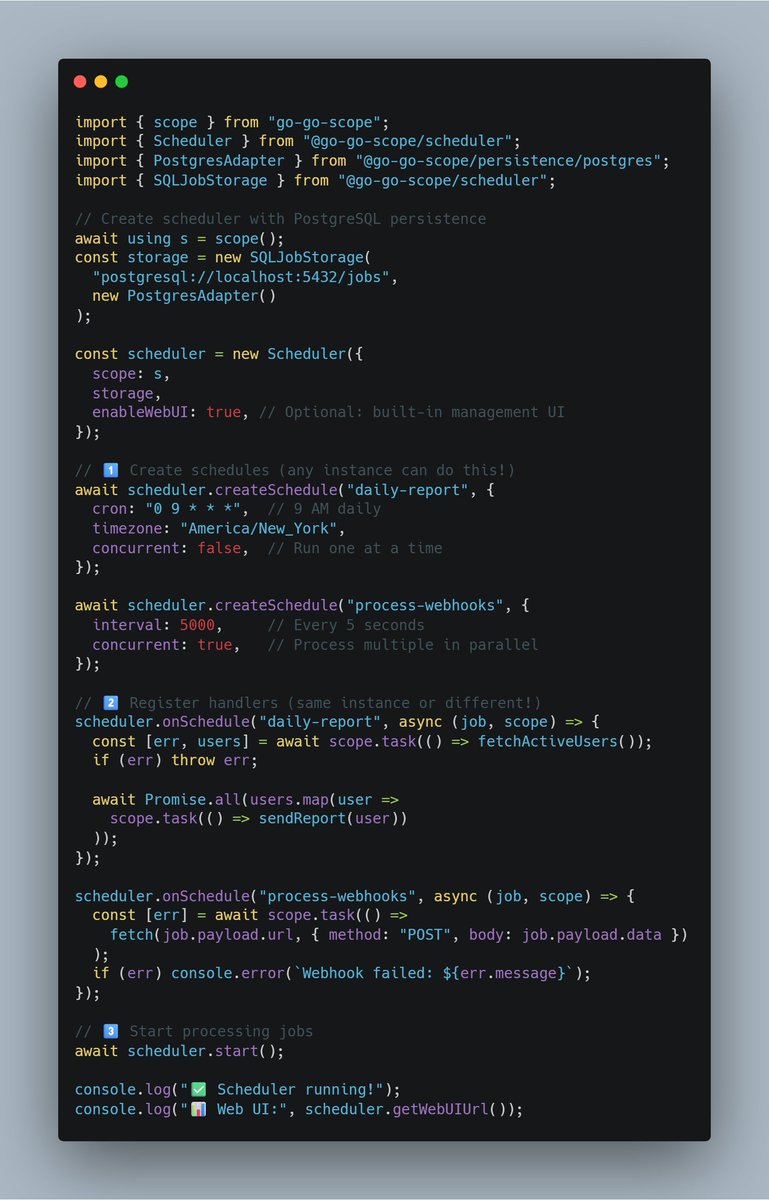
Funny, some of it is pretty similar to go-go-scope spirit.
Mar 27

🦀 Introducing Antiox
Rust- and Tokio-like async primitives for TypeScript
Channels, streams, mutex, select, time, and 12 more mods.
$ 𝚗𝚙𝚖 𝚒𝚗𝚜𝚝𝚊𝚕𝚕 𝚊𝚗𝚝𝚒𝚘𝚡
Code snippets & GitHub below
---
We did an assessment at @rivet_dev of the bugs in our TypeScript codebases. The #1 issue – by far – was with async concurrency bugs.
Every time we use a Promise, AbortController, or setTimeout, an exponential number of edge cases are created. Reasoning about async code becomes incredibly difficult very quickly.
But here's the catch: these classes of errors are completely absent from our Rust codebases. And it's not for the reasons you usually hear about "Rust safety."
Why? Tokio (popular async Rust runtime) provides S-tier async primitives that make handling concurrency clean and simple.
So we rebuilt them all in TypeScript.
---
Concurrency:
JavaScript is a single threaded runtime. But the second you start running multiple promises in parallel, your potential bugs start increasing exponentially.
How Antiox helps:
The most common pattern is pairing a channel (aka stream) with a task (background Promise) to build an actor-like system. All communication is done via channels. This helps us manage concurrency control, setup/teardown race conditions, and observability.
Almost everything we do in Rivet's Rust code follows this model 1:1 using Tokio.
See the screenshot in the thread for an example.
Other primitives that we use frequently:
- Select: switch but for async promises
- Mutex & RwLock: control concurrent access to a resource
- OnceCell: initialize something async globally once
- Unreachable: type safe error on switch statement fallthroughs
- Watch: notify on value change
- Time: interval, sleep, timeout, etc
- A bunch more
---
Comparable libraries:
Effect is a lightweight runtime that does a great job solving this problem already. I recommend evaluating Effect as it is a more comprehensive library for error handling, concurrency, and all-needs-TypeScrypt. However for our use case: it was still too heavy for us as we ship inside of our library in the interest of staying lean and minimal overhead. It's also (personally) very hard to reason about memory allocations in Effect, so we prefer to use vanilla TS whenever possible. We looked at effect-smol too, but it does not give us required functionality so we'd have to ship the full Effect runtime as a dependency of RivetKit & co if we used it.
Antiox does not tackle error handling like Rust. Consider better-result or Effect for this. We personally prefer using the native JS runtime error handling.
There are other libraries that try to make TypeScript more Rust-y. However, these are focused on things like Result, ADT, and match. Antiox focuses on providing minimal memory allocations and overhead, e.g. we do not provide a `match({ ... })` handler that requires allocating an object for a fancy switch statement.
There are other libraries for async primitives in TypeScript. But we know Rust like the back of our hand and the APIs incredibly well designed, thanks to the hard work of many WGs and RFCs. Other async libraries tend to have learning curves and huge gaps in their APIs that we don't find with Rust's APIs. Plus LLMs know Rust/Tokio very well, and we're finding this translates to Antiox.
We recommend paring Antiox with:
- @dillon_mulroy's better-result for Rust-like error handling
- Pino for Tracing-like logging (but lacks spans)
- Zod for Serde-like (duh)
- Need to find: thiserror replacement
---
Quite frankly, an LLM can usually one-shot most of these modules. We're not doing anything hard here. But having this all in one package has removed significant duplicate code within our codebases and we hope it can help you too.
---
Currently supported modules:
- antiox/panic (199 B)
- antiox/sync/mpsc (1.4 KB)
- antiox/sync/oneshot (625 B)
- antiox/sync/watch (677 B)
- antiox/sync/broadcast (936 B)
- antiox/sync/semaphore (845 B)
- antiox/sync/notify (466 B)
- antiox/sync/mutex (606 B)
- antiox/sync/rwlock (778 B)
- antiox/sync/barrier (528 B)
- antiox/sync/select (260 B)
- antiox/sync/once_cell (355 B)
- antiox/sync/cancellation_token (357 B)
- antiox/sync/drop_guard (169 B)
- antiox/sync/priority_channel (1.0 KB)
- antiox/task (932 B)
- antiox/time (530 B)
- antiox/stream (3.0 KB)
- antiox/collections/deque (493 B)
- antiox/collections/binary_heap (492 B)
"Antiox" = "Anti Oxide" & short for antioxidant
(And let's be honest, we usually wish we were writing Rust instead of TypeScript. But the world runs on JS.)

1
246

1991. Nova York. Crime violento começou a despencar.
Homicídios caíram 50%. Roubos despencaram.
Todo mundo tinha uma explicação:
“Foi a polícia mais dura.”
“Foi a economia melhorando.”
“Foi mais prisões.”
Políticos tomaram crédito.
Rudy Giuliani foi eleito celebrando a vitória.
Até que Steven Levitt, economista de Chicago, fez uma pergunta:
“E se todos estiverem errados?”
Levitt analisou os dados.
Mais polícia? Ajudou pouco.
Economia? Crime caiu mesmo em recessão.
Mais prisões? Impacto mínimo.
Nada explicava a magnitude da queda.
Então ele olhou 20 anos para trás.
1973. Roe vs Wade.
Suprema Corte legalizou aborto nos EUA.
Milhões de mulheres em extrema pobreza puderam interromper gestações indesejadas.
Levitt fez a conexão:
Menos crianças indesejadas nascidas em extrema pobreza = menos criminosos 20 anos depois.
A matemática fechava.
Estados que legalizaram aborto antes de Roe vs Wade?
Crime começou a cair antes.
Estados que resistiram mais?
Crime demorou mais para cair.
A correlação era impossível de ignorar.
2001: Levitt publicou o estudo.
Explodiu.
Grupos pró-vida atacaram.
Grupos pró-escolha também criticaram.
Levitt respondeu:
“Não estou fazendo julgamento moral. Estou mostrando dados.”
Economistas tentaram refutar. Falharam.
Replicaram em outros países:
Romênia proibiu aborto em 1966. Crime explodiu 20 anos depois.
A teoria resistiu.
Virou capítulo mais polêmico do Freakonomics.
A lição?
Consequências de decisões aparecem décadas depois.
Sociedade nunca conecta causa e efeito com lacuna de 20 anos.
Políticos tomam crédito por coisas que não fizeram.
E as respostas mais verdadeiras são sempre as mais desconfortáveis.
Levitt não disse que aborto é bom ou ruim.
Disse que escolhas têm consequências de longo prazo.
Mesmo quando ninguém quer admitir.

170
600
4,854
198,711