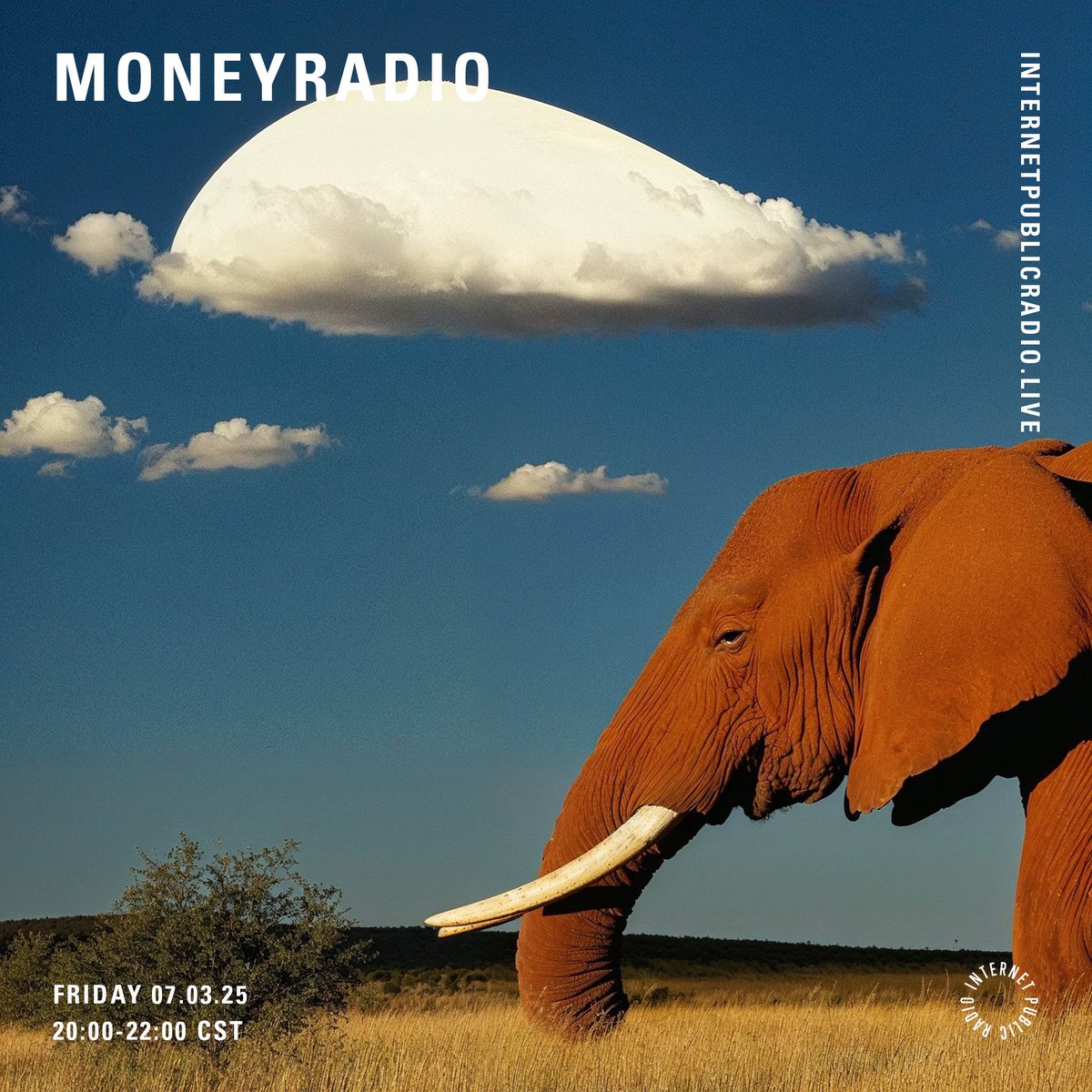
• experimental • ambient • house •
Una plegaria al cielo en honor a aquellos que se han ido 🙂↕️🌹
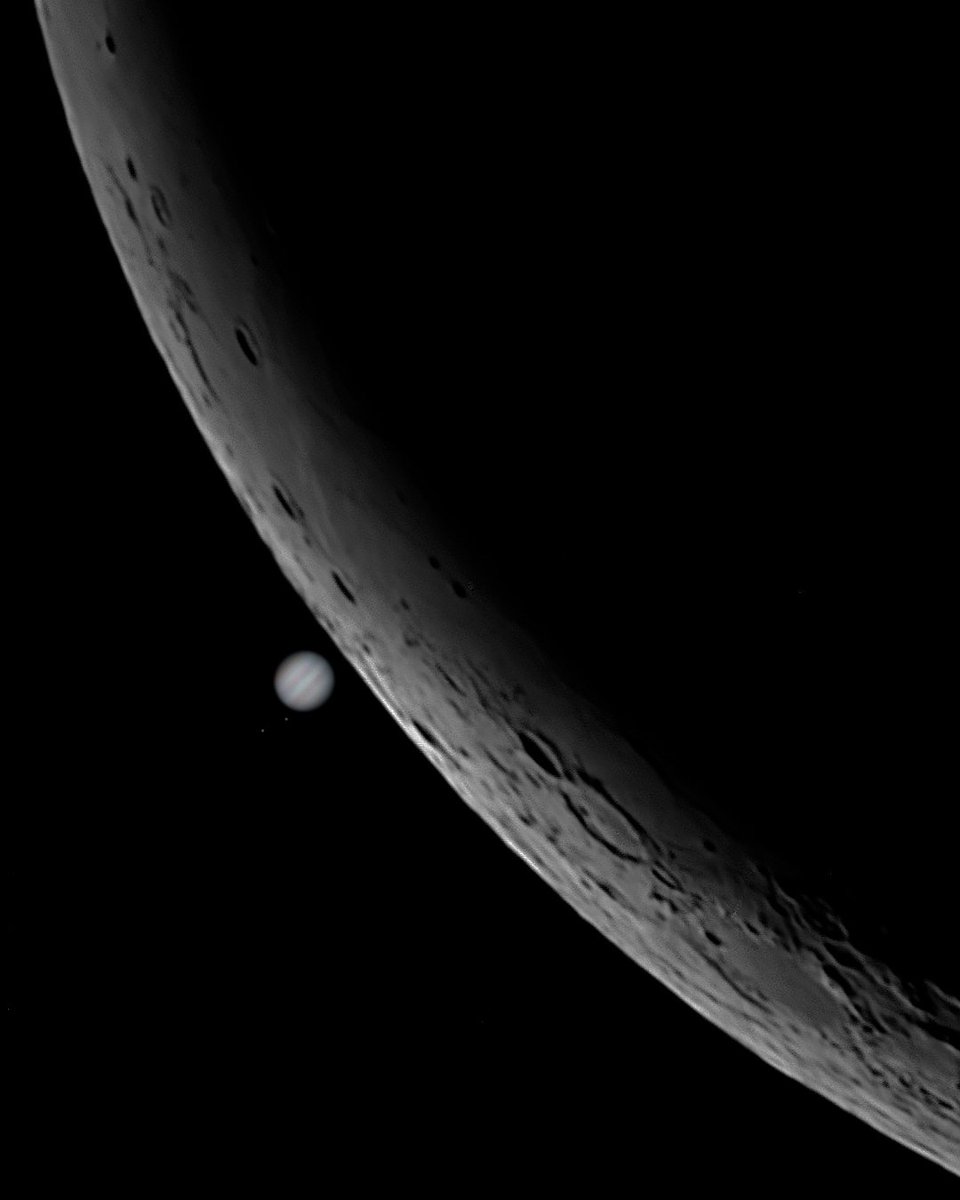
El astrofotógrafo y músico @spacebydan en la sección de MoneyTree 💸🌳
Tu show de radio de confianza está de vuelta 👁️🫦👁️
🖇️ Escucha aquí:
soundcloud.com/yosoymarch/fe…
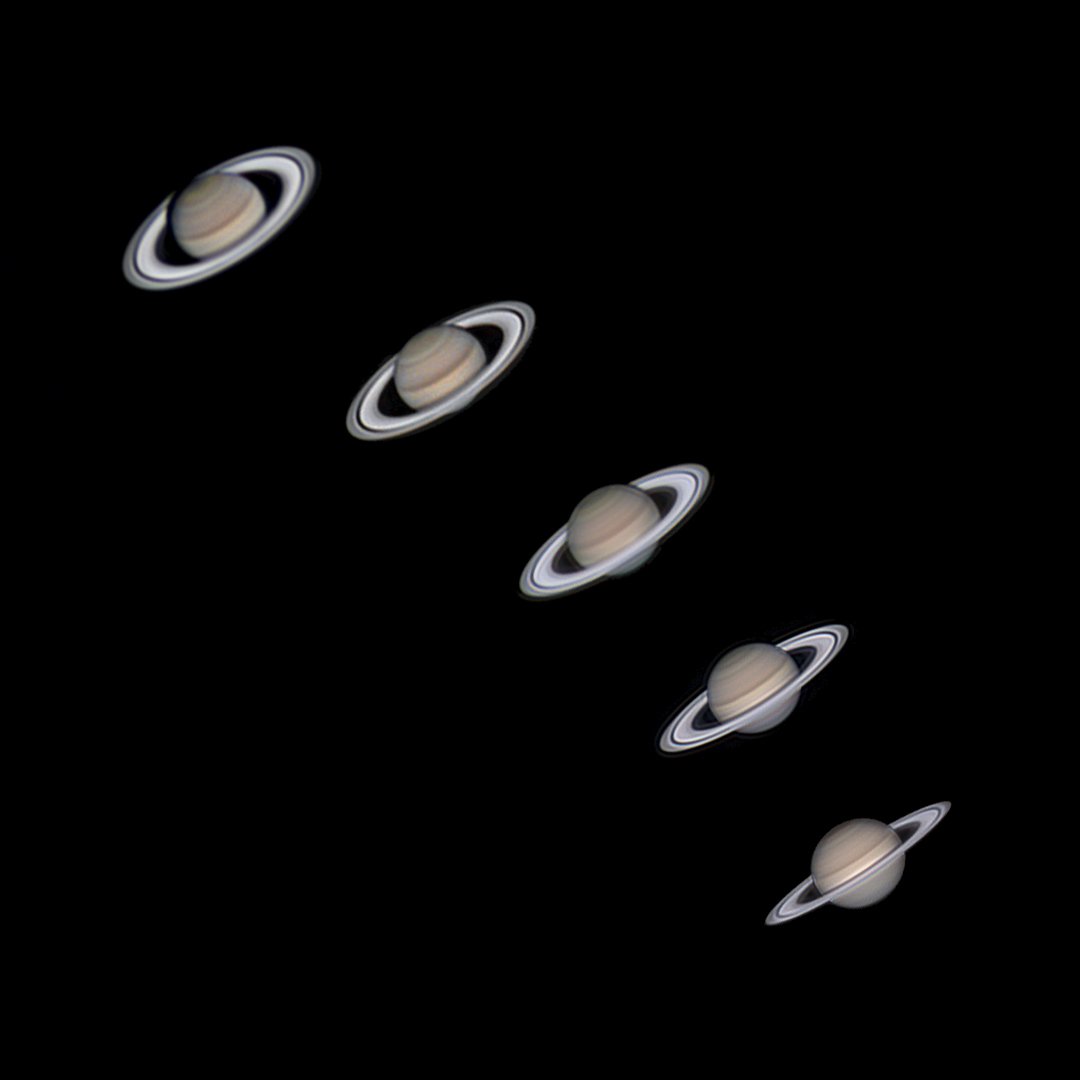
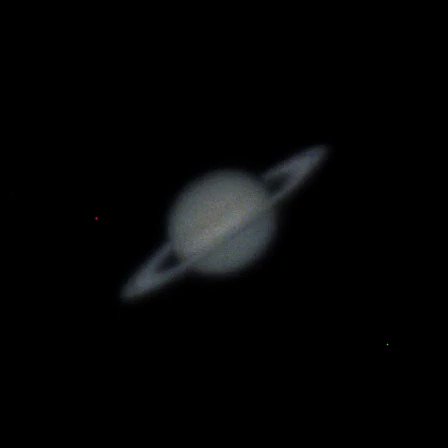
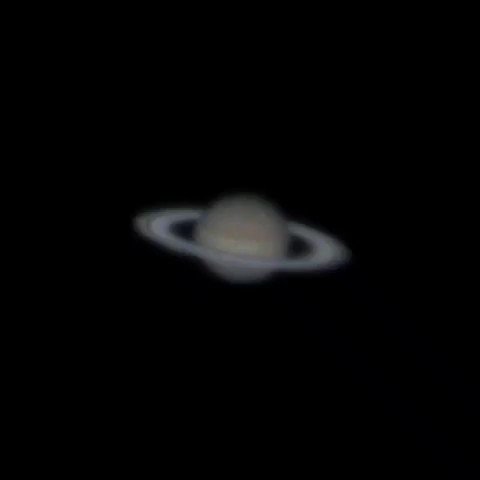
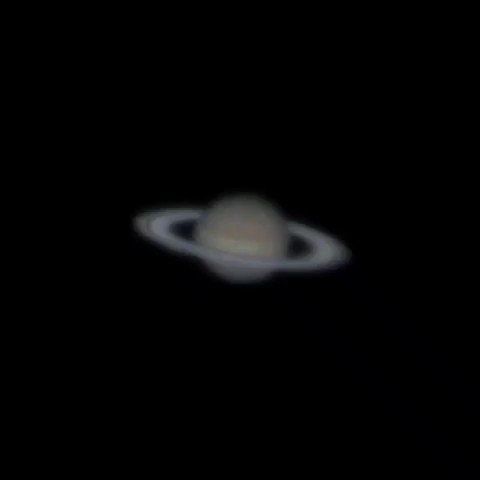
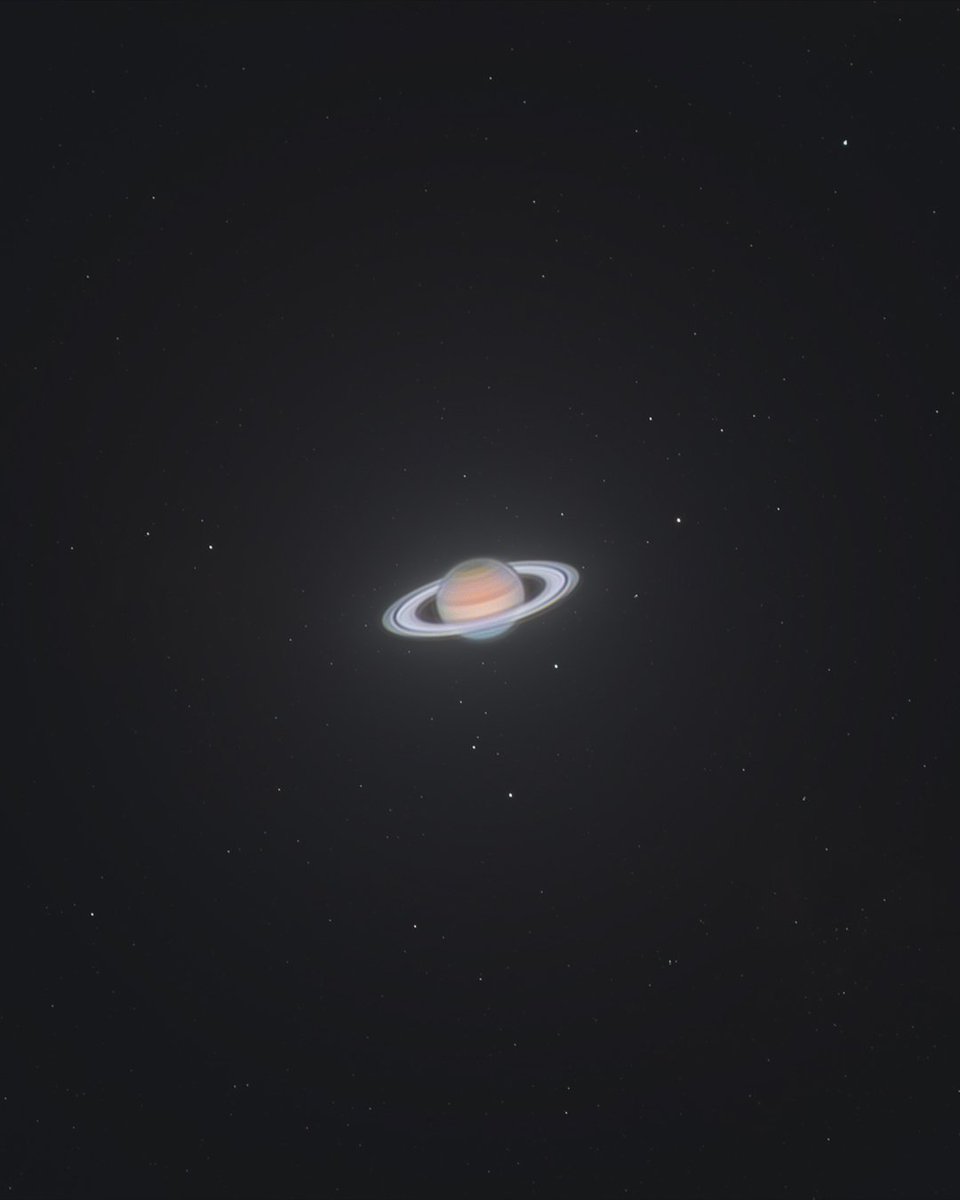
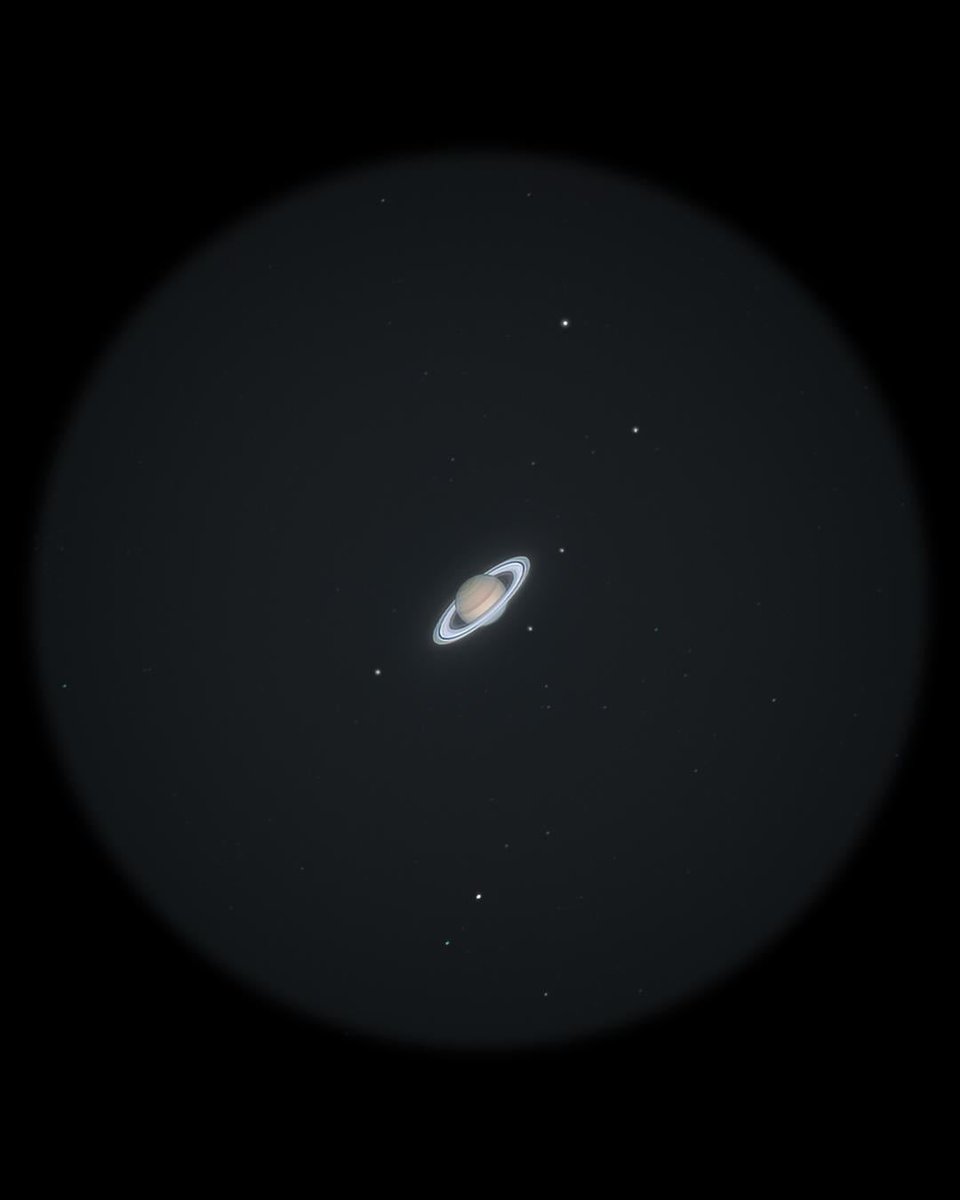
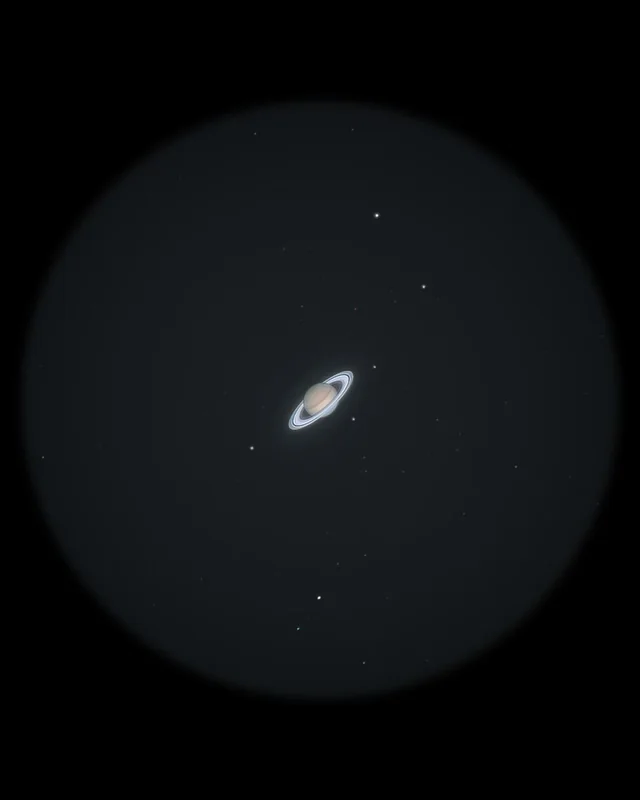
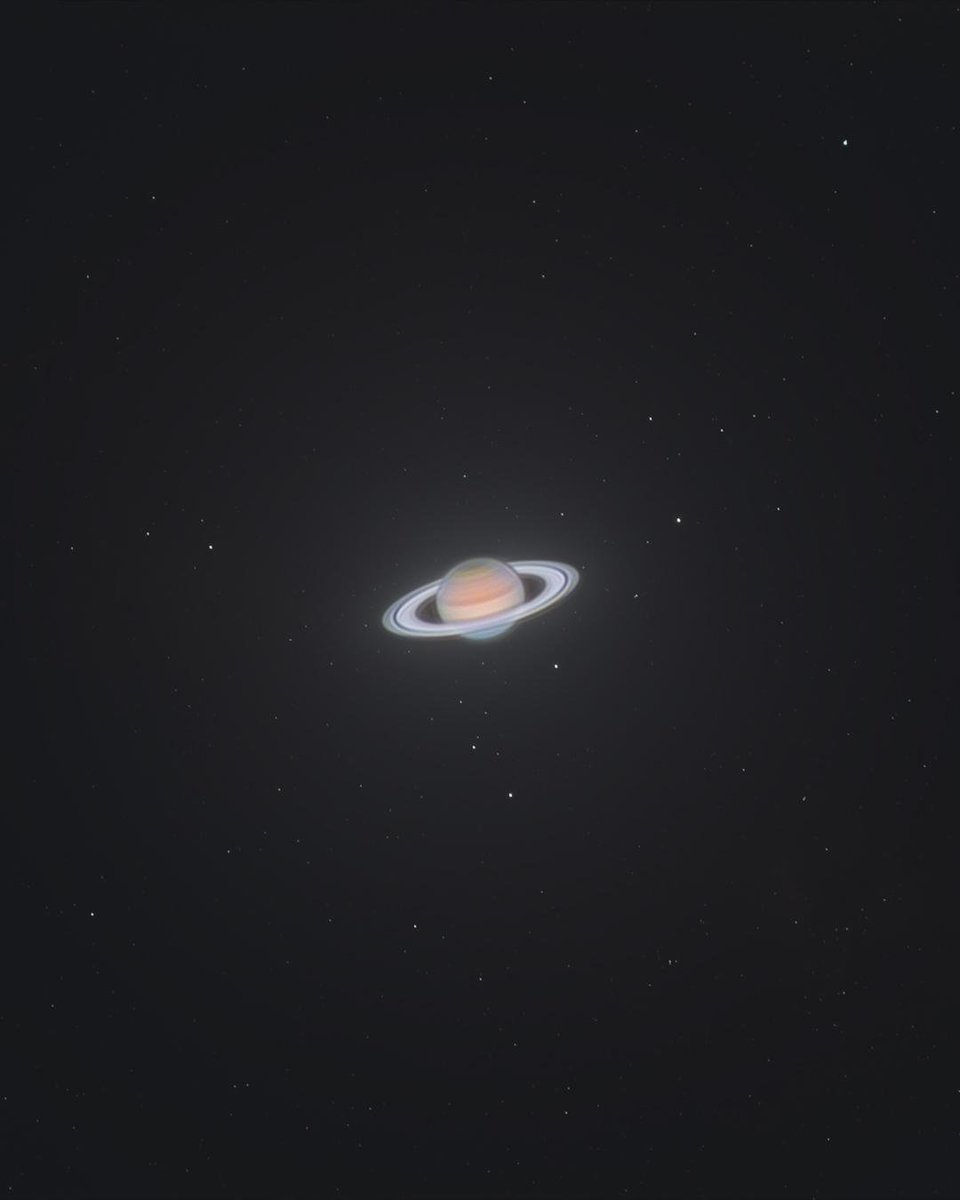
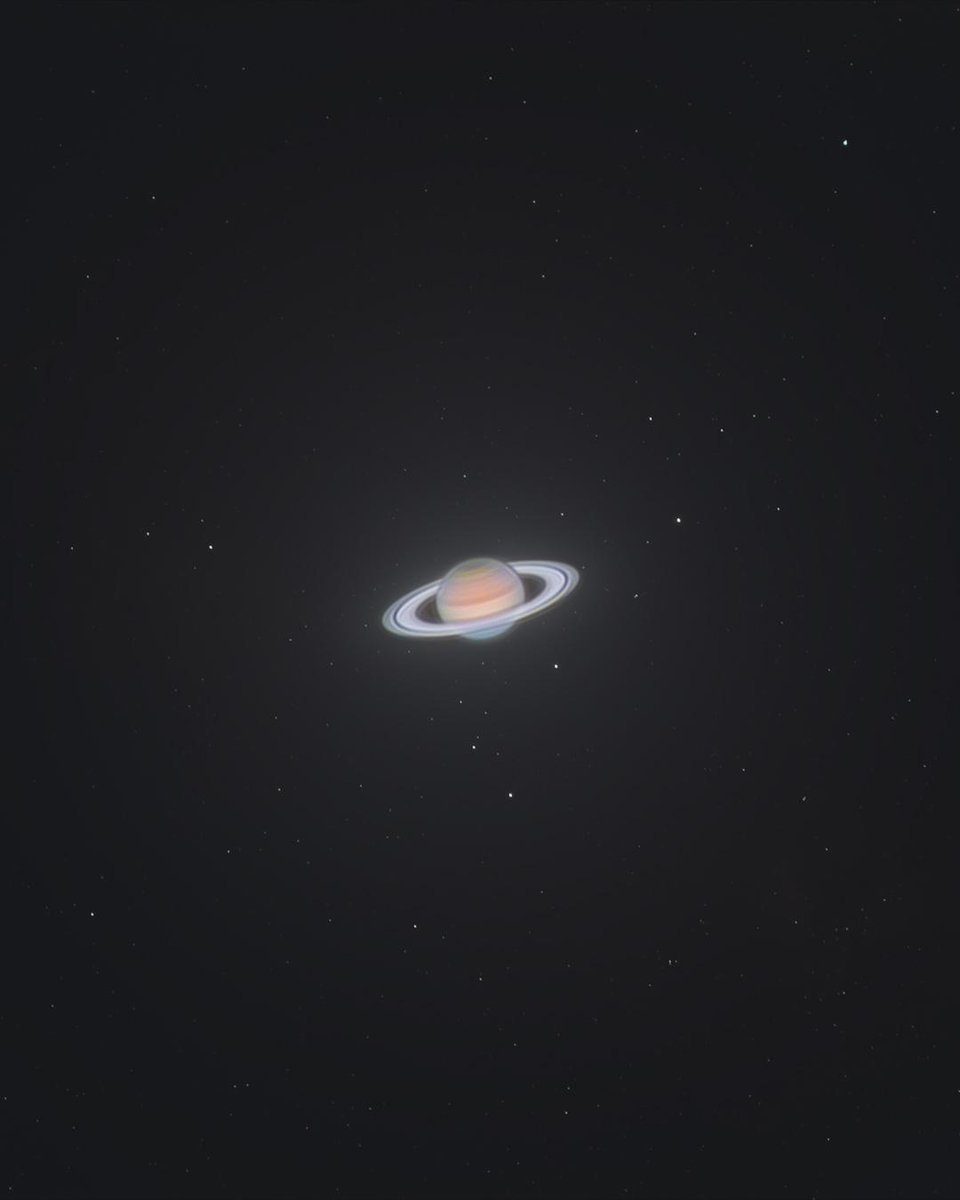
#Saturn last night from my garden.
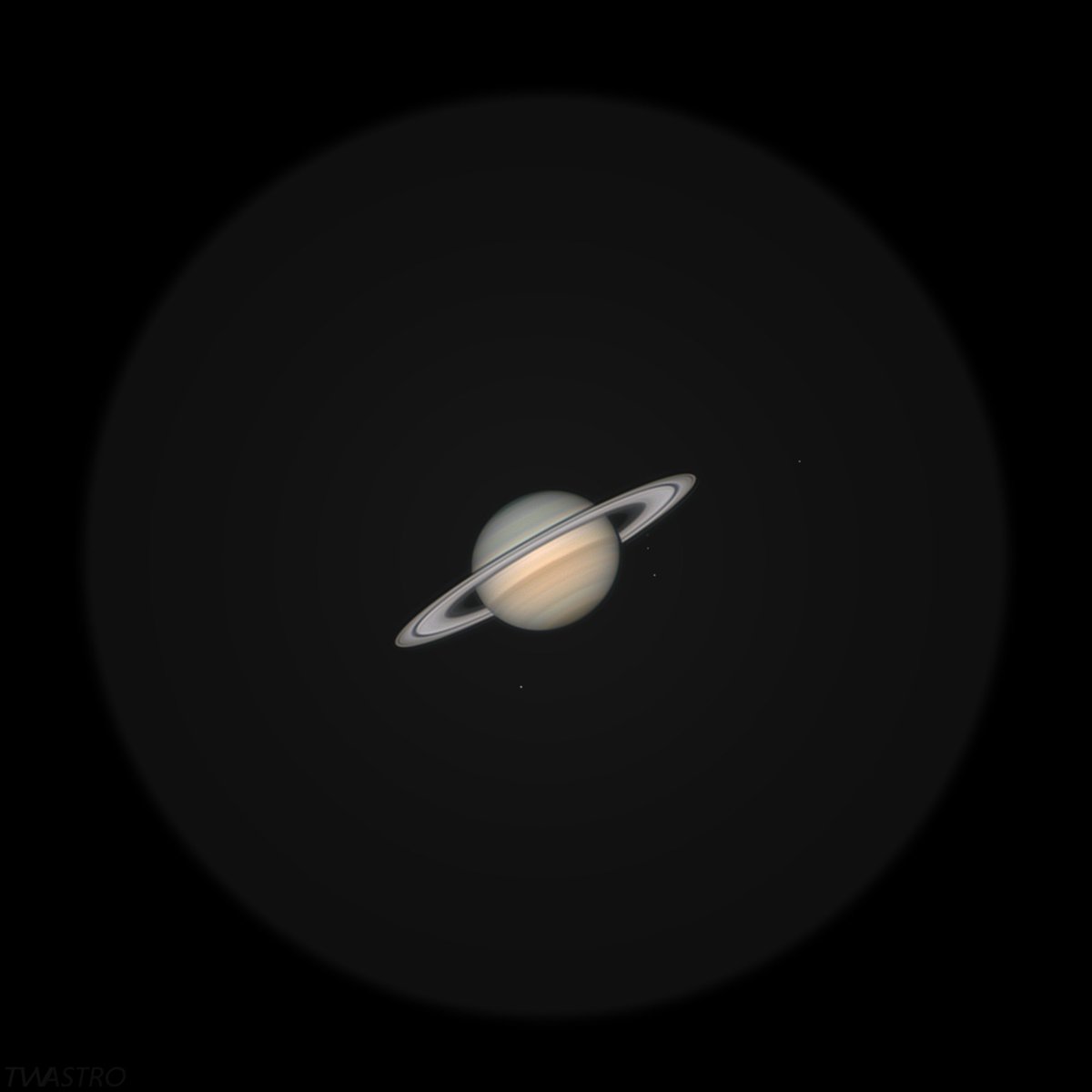
For a bit of a fun I tried to replicate the view at the eyepiece as closely as possible. With the "HDR" nature of human eyesight, the major moons become visible. Due to the scope's mirror system, the orientation of the planet is also flipped.
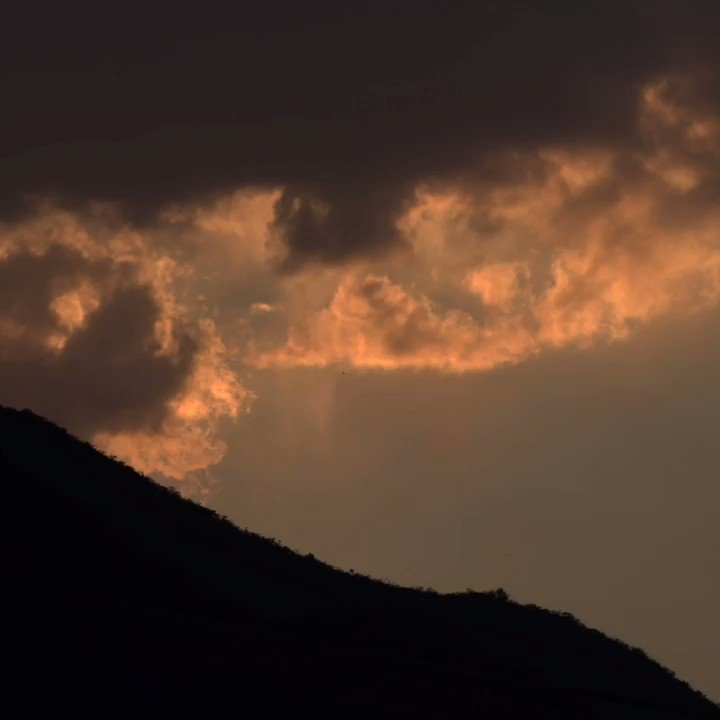
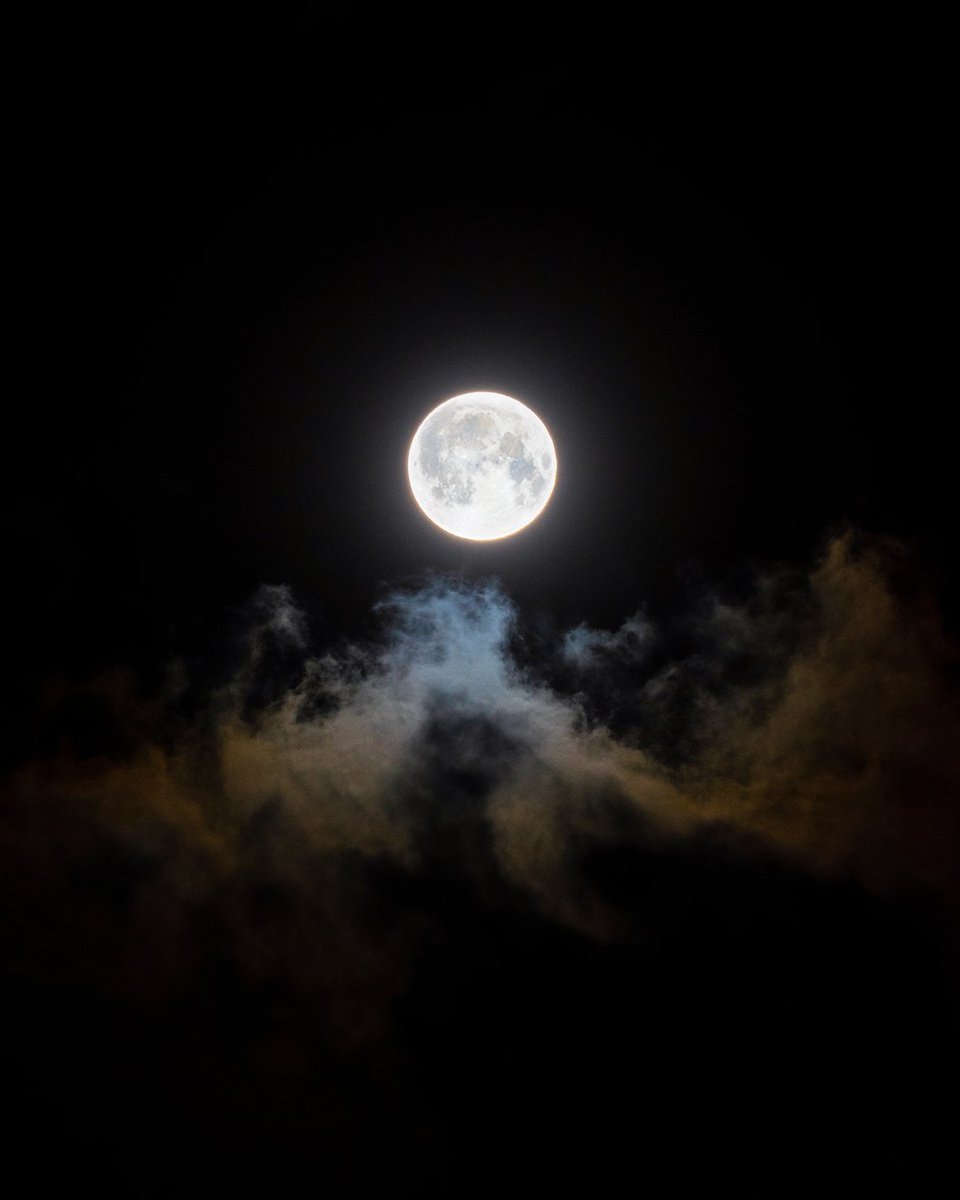
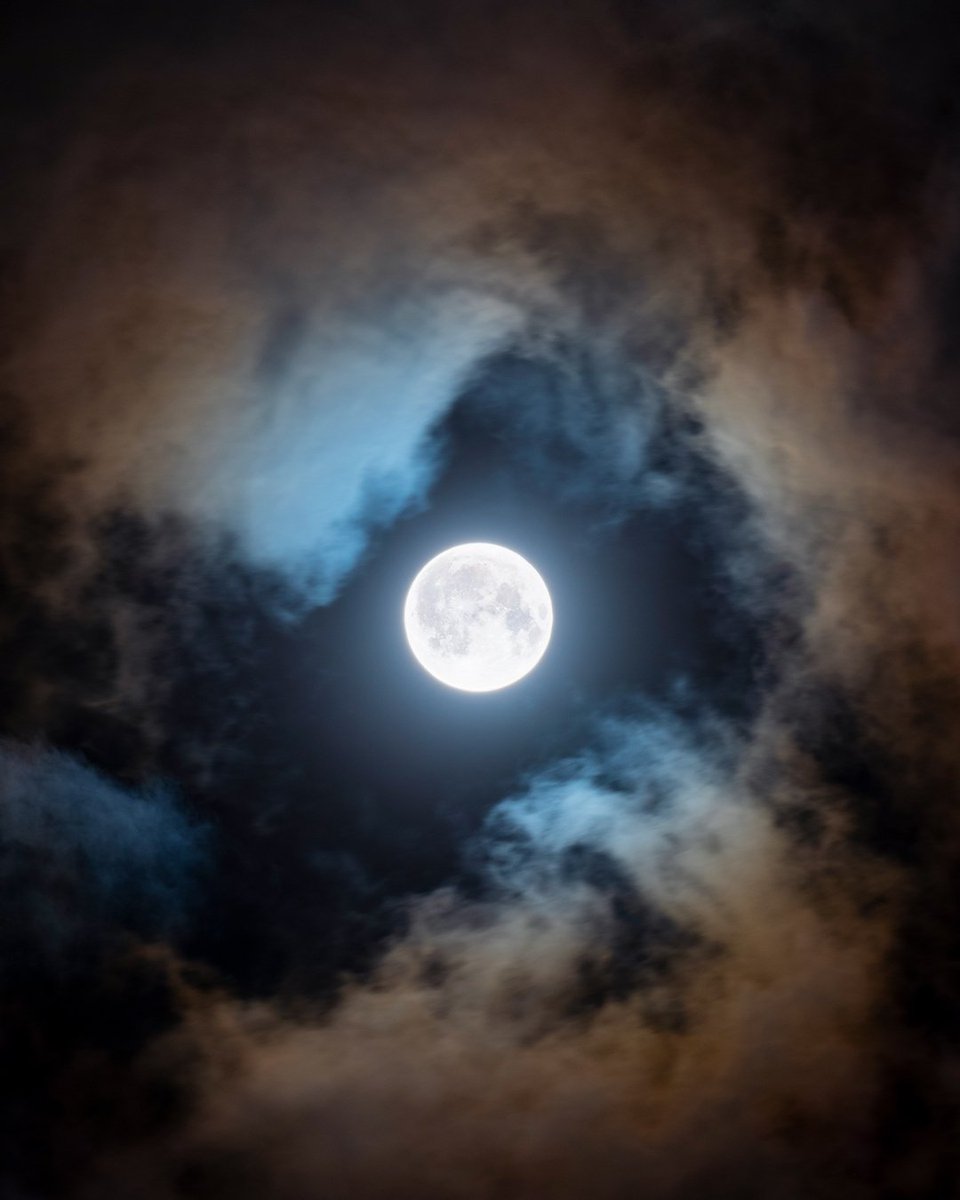
Iridescent clouds are a diffraction phenomenon caused by small water droplets or small ice crystals individually scattering light. They often occur on lenticular clouds on top of a cumulonimbus, called pileus
[read more: buff.ly/3D2AyTl]
The Sphere at The Venetian Resort in Paradise, Nevada, has an exosphere made of LED light panels which is visible from several miles away.
It's being tested in these days and it's quite stunning
[read more: buff.ly/3PEa8ii]
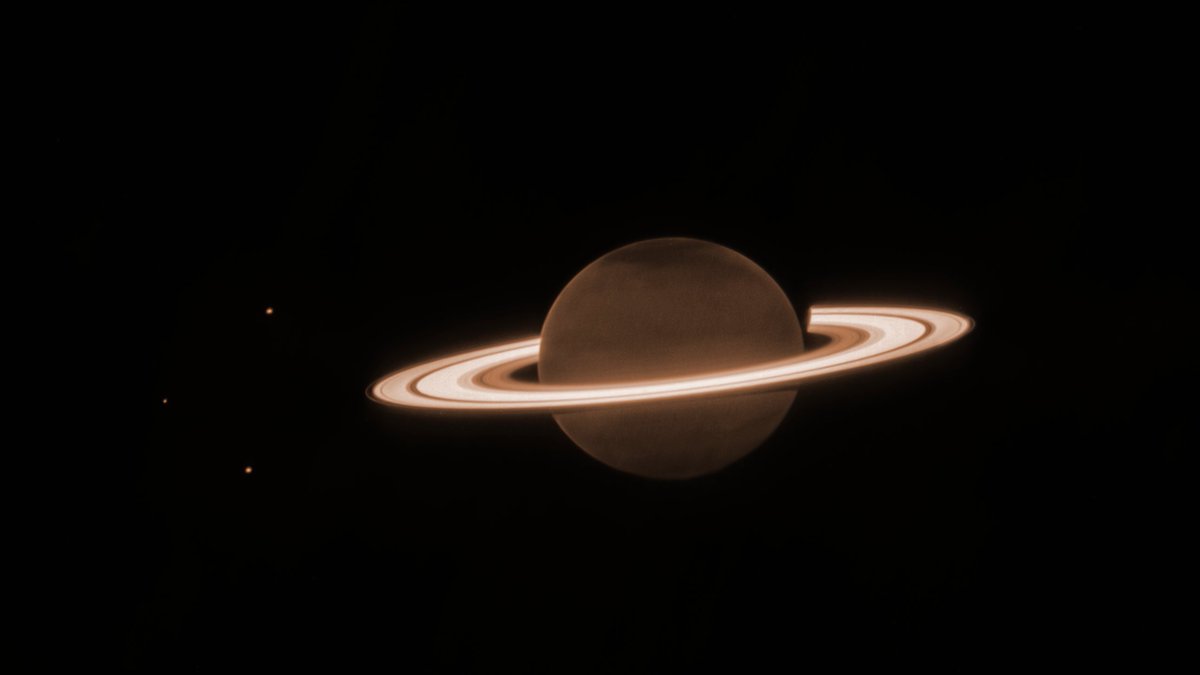
Wake up, babe. @NASAWebb dropped a new infrared image of Saturn.
On June 25, the space telescope detected the planet’s faint moons and looked at its icy rings. Methane gas in Saturn’s atmosphere absorbs light, so it appears darker here. go.nasa.gov/3r97xD0
ALT The background is mostly dark. At the center is a dark orange-brown circle, surrounded by several blazing bright, thick, horizontal whiteish rings. This is Saturn and its rings. There are three tiny dots in the image—one to the upper left of the planet, one to the direct left of the planet, and the lower left of the planet. These are three of Saturn’s moons: Dione, Enceladus, and Tethys, respectively. There is a slightly darker tint at the northern and southern poles of the planet. The rings surrounding Saturn are mostly broad, with a few singular narrow gaps between the broader rings. There is an innermost, thicker ring, and next to that is a brighter, wider ring. Traveling farther outward, there is a small dark gap before another thicker ring. In the thicker ring, there is a narrow faint band. There is then an outermost, faintest, thinnest ring.
Airplane wings aren't some rigid chunks of metal: in fact, they probably have a bit more flex than you'd expect. This is the behavior of a Boeing 747's wing in a turbulence. It can move 6m up and down safely.
A new machine-learning algorithm has allowed scientists to reconstruct even better versions of the @ehtelescope images captured of the supermassive black hole in M87 in April 2017 (ht @feryal_ozel) iopscience.iop.org/article/1…