
Photographer for Coventry Blaze and St John Ambulance volunteer in @sjacovwarks Coffee lover. Views are my own.
Joined March 2009
- Tweets 32,837
- Following 1,730
- Followers 1,923
- Likes 15,573
2,309 Photos and videos











Scott Wiggins retweeted

Jun 6
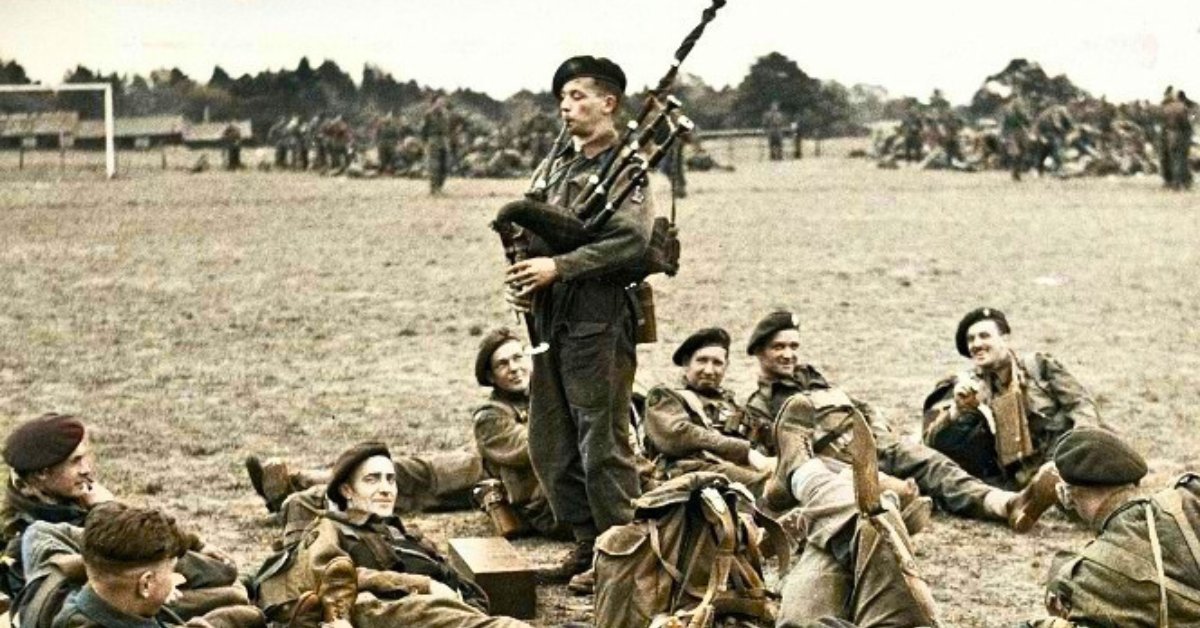
On June 6, 1944, a 21-year-old stepped off a landing craft onto Sword Beach wearing a kilt.
Not just any kilt. It was his father's Cameron tartan, the same one worn in the trenches of WWI.
His only weapons: a set of bagpipes and a small black knife called a sgian-dubh.
Bullets were hitting the water around him. Men were dying on his left and right. And Private Bill Millin started playing "Highland Laddie."
He wasn't supposed to be doing this. Pipers had been banned from the front line after WWI because so many had been killed. When Millin reminded his commanding officer, Lord Lovat said: "Ah, but that's the English War Office. You and I are both Scottish, and that doesn't apply."
So he played. "Road to the Isles." "Blue Bonnets Over the Border." Marching up and down the beach like he was at a village parade.
British soldiers stopped in the middle of a warzone and cheered. One screamed at him: "Get down, you mad bastard!"
He kept playing.
Then came Pegasus Bridge, the most exposed crossing on the route. Lovat's order was simple: don't stop no matter what. Millin stepped onto the bridge playing "Blue Bonnets" as German fire tore through the men around him. 12 soldiers crossing that bridge were shot through their berets.
He made it across.
He later called it "the longest bridge I have ever piped across."
After the war, Millin became a psychiatric nurse.
And the German snipers who had him in their crosshairs all day? When captured, they explained why they never pulled the trigger.
They thought he had lost his mind.
9
113
474
14,333
Scott Wiggins retweeted

Jun 6
This day in history 6 June 1944, #DDay, British soldiers landed in Normandy alongside Allied forces to begin the liberation of Europe 🪖
Today, we remember their courage, sacrifice, and service 🫡
Lest we forget.
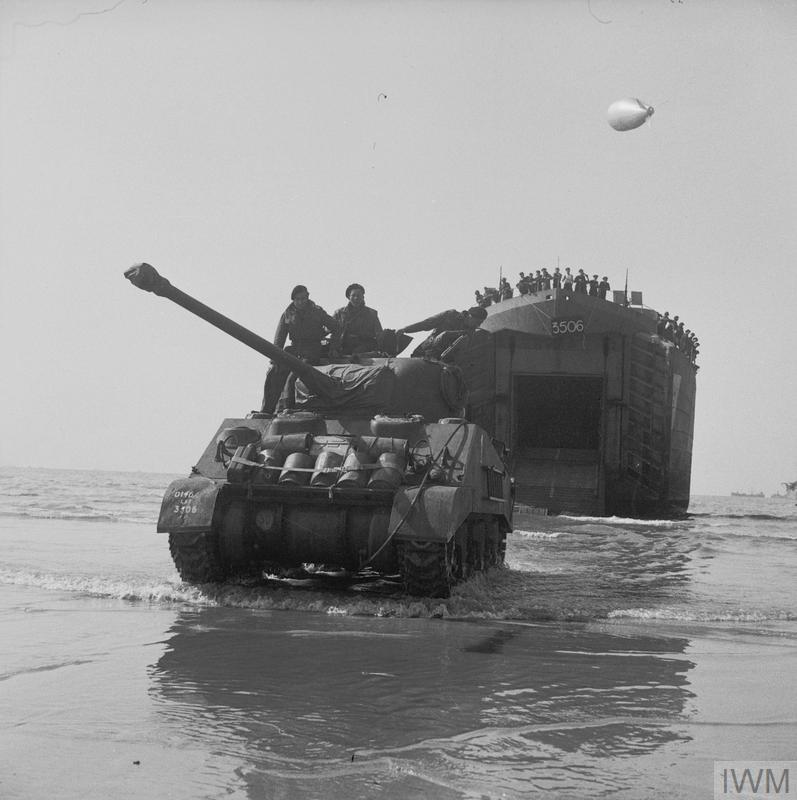
ALT A tank exits a British landing craft onto a beach during a military operation. The landing craft has the number "5506" visible. A barrage balloon floats in the sky above.
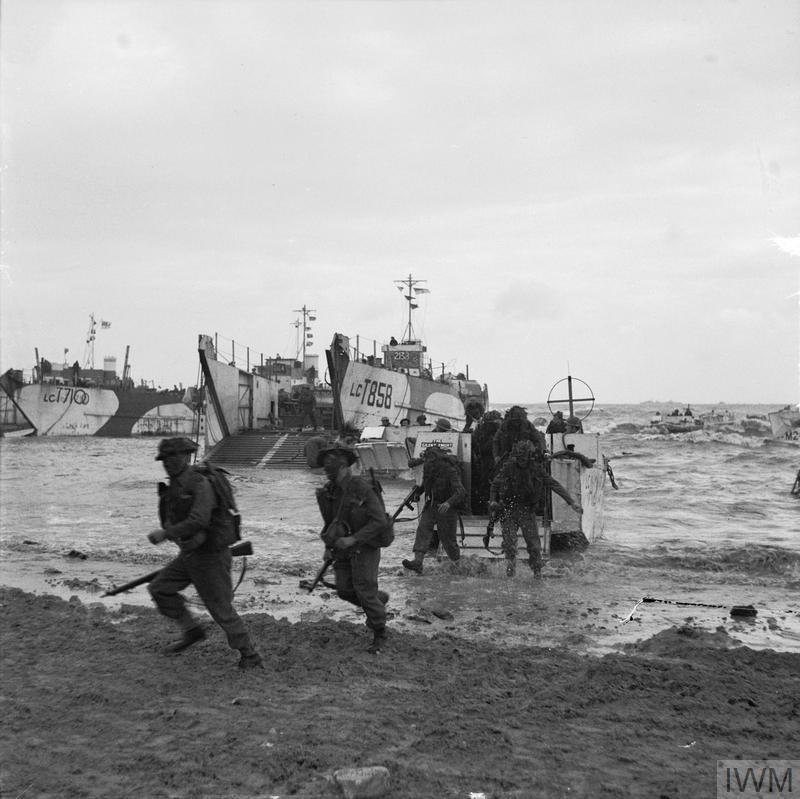
ALT World War II scene depicting troops disembarking from landing crafts onto a beach, with one vessel marked "LCI 758." The environment is overcast, and waves are visible near the shore.
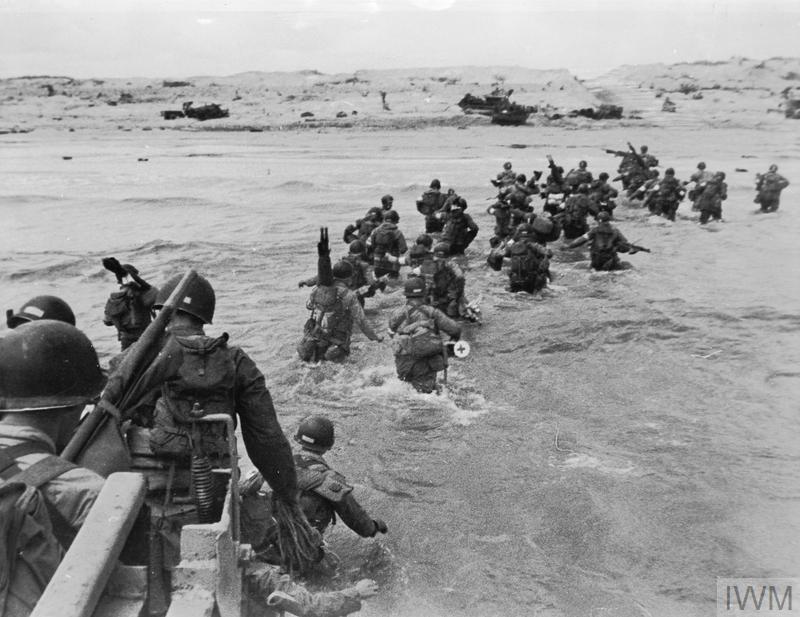
ALT A group of soldiers wade through the shallow water towards the shore during the D-Day landings at Normandy in World War II. The beach is visible in the background, along with amphibious vehicles. The soldiers are equipped with helmets and gear as they advance.
154
1,458
5,417
128,866
Scott Wiggins retweeted

Jun 6
Second Act
Later that morning in Crepon, his company faced a German field gun and multiple MG42s. Hollis spotted the danger and engaged with a PIAT anti-tank weapon from a house at close range. When two of his men were pinned down, he dashed forward alone under heavy fire to draw enemy attention.
His diversion allowed the trapped men to escape. Hollis continued leading from the front all day — wherever the fighting was fiercest, he appeared, inspiring his men and preventing the advance from stalling. His actions saved many lives and helped secure key objectives.
For these feats of “utmost gallantry,” Hollis received the Victoria Cross — the highest award for bravery in the British and Commonwealth forces. The citation in the London Gazette highlighted how his courage and initiative prevented the enemy from holding up the Green Howards at critical moments.
Hollis survived the war (though wounded again later) and lived until 1972. He remained humble, often saying he was just doing his job.

3
21
122
1,454
Scott Wiggins retweeted

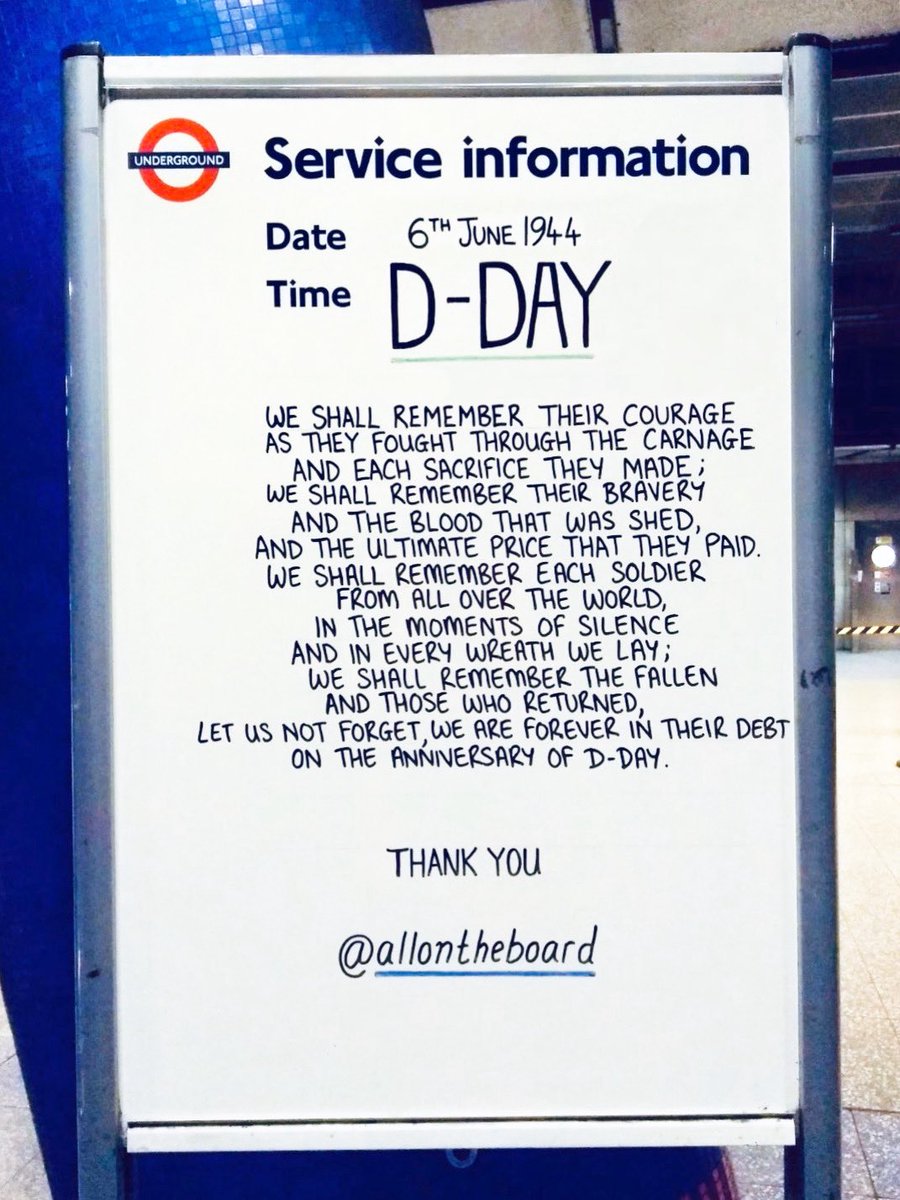
Today is the 82nd anniversary of D-Day. We shall remember all of those who fought for our freedom on the 6th June 1944.
#DDay #Normandy #LestWeForget
8
222
903
11,385
Scott Wiggins retweeted

May 21
The 3 Ps of high performance culture:
People
People
People
artofbrilliance.co.uk
2
2
265

Scott Wiggins retweeted
May 19
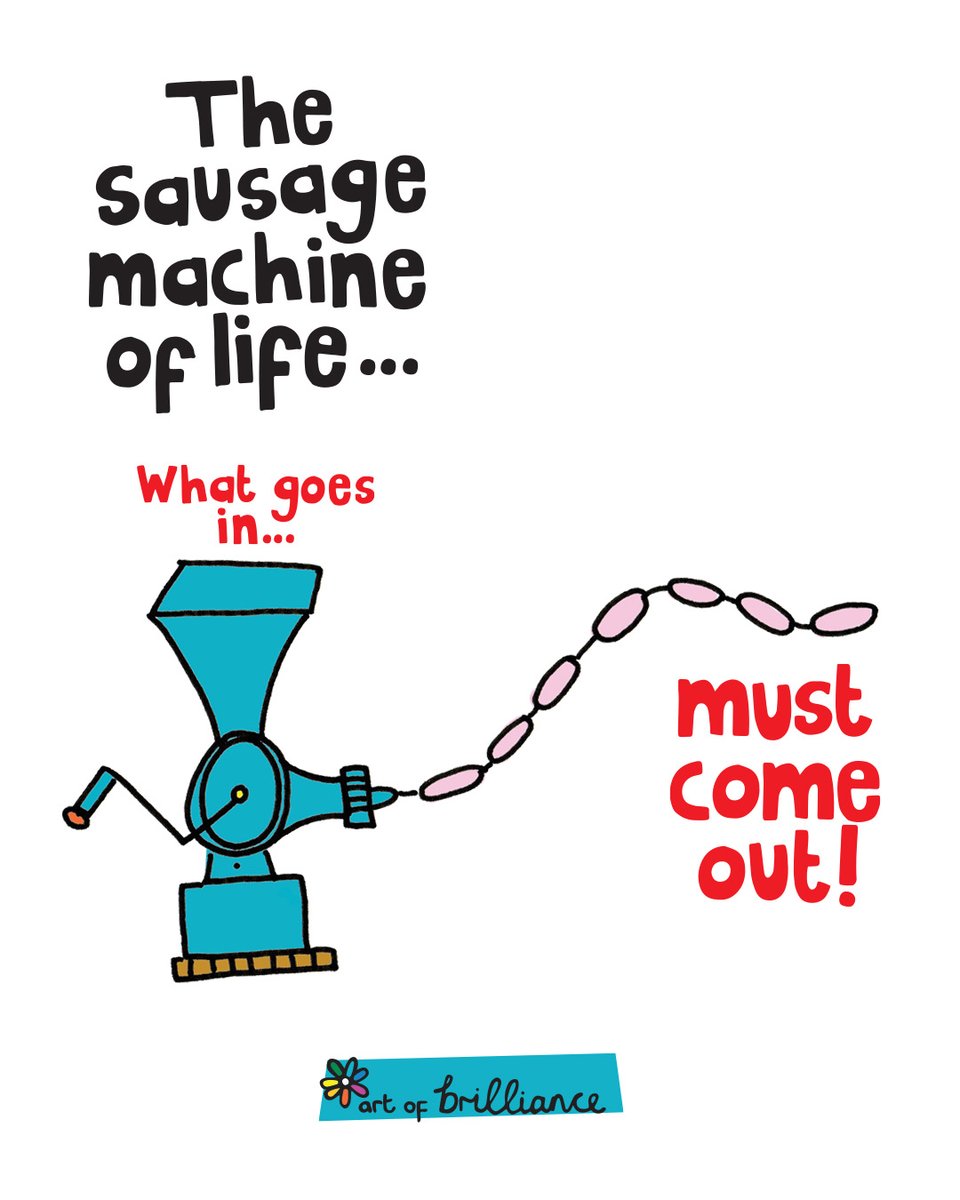
Today’s ingredients:
Confidence, positivity, love, kindness, compassion, optimism, kindness and gratitude…
1
2
9
465
Scott Wiggins retweeted

May 25
A fantastic touch from @TeamGBicehockey as the remainder of the team form a guard of honour to the retiring Robert Dowd and Ben Bowns.
4
52
452
44,551
Scott Wiggins retweeted

May 17
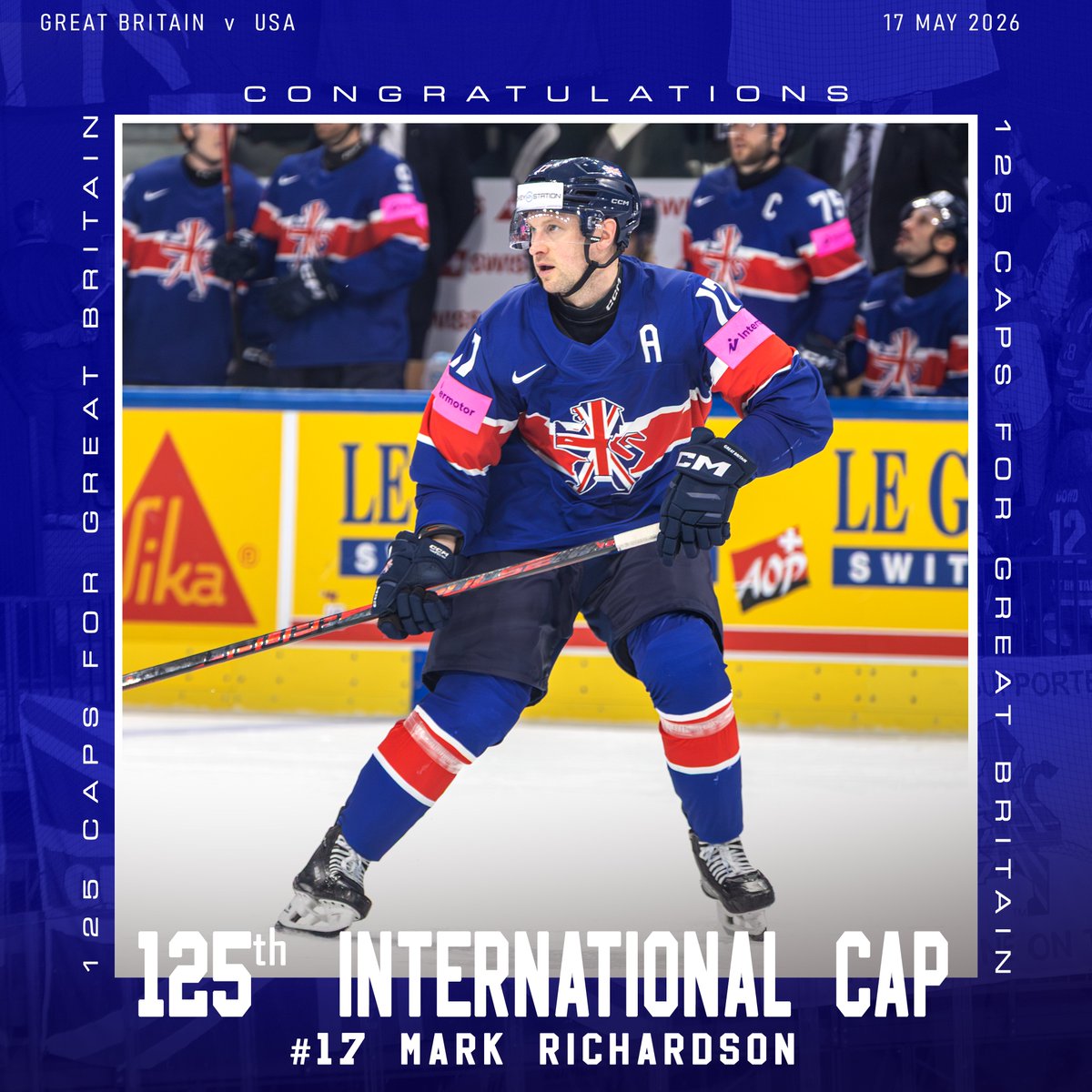
Congratulation to GB’s longest-serving player, Mark Richardson, who becomes the first player to reach 125 caps. He made his GB debut 21 years ago and has been part of 26 major tournaments with the national side.
12
115
6,875
Scott Wiggins retweeted

May 14
Star Wars drone show in South Korea
26
209
1,148
27,519
Scott Wiggins retweeted

"Moonlight Shadow" was written by Mike Oldfield in December 1980. The lyrics were born out of collective commotion with the death of John Lennon. Maggie Reilly recorded lead vocals and gave that ethereal voice that became the hallmark of the track. It is the biggest solo hit of Mike Oldfield's career, released in 1983 on the album Crises.
105
507
2,883
191,234
Scott Wiggins retweeted

🇬🇧 The GB tradition is back 💪
1
23
267
32,624
Scott Wiggins retweeted

May 13
Going next week!
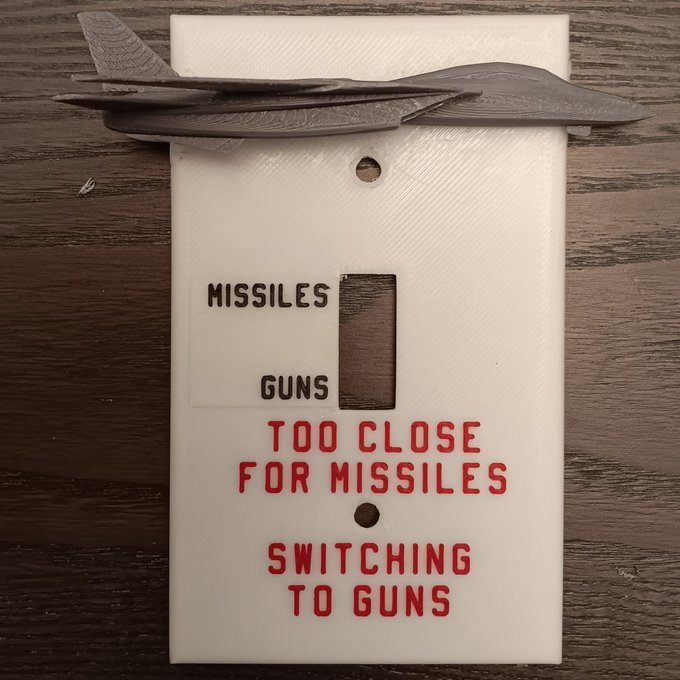
Top Gun in IMAX! I feel bad for the entirety of human civilization that lived before us because they never had this opportunity!
I am sure my kid and I will have way too much fun turning his bedroom lights off when we get home because of this 😁
4
7
144
5,037
Scott Wiggins retweeted

May 13
It's been 40 years, and we still haven't lost that lovin' feeling.
12
58
773
21,221
Scott Wiggins retweeted

May 8
A very special delivery for David Attenborough, beloved by people (and animals) everywhere 💚
To honour Sir David’s 100th birthday, His Majesty The King is supported by a cast of stars from British nature to relay his handwritten message in time for the celebration at the Royal Albert Hall.
Watch David Attenborough’s 100 Years on Planet Earth on @BBCiPlayer.
youtu.be/I1D9YF0YapQ?si=6zcB…
376
2,243
12,353
1,040,736
Scott Wiggins retweeted

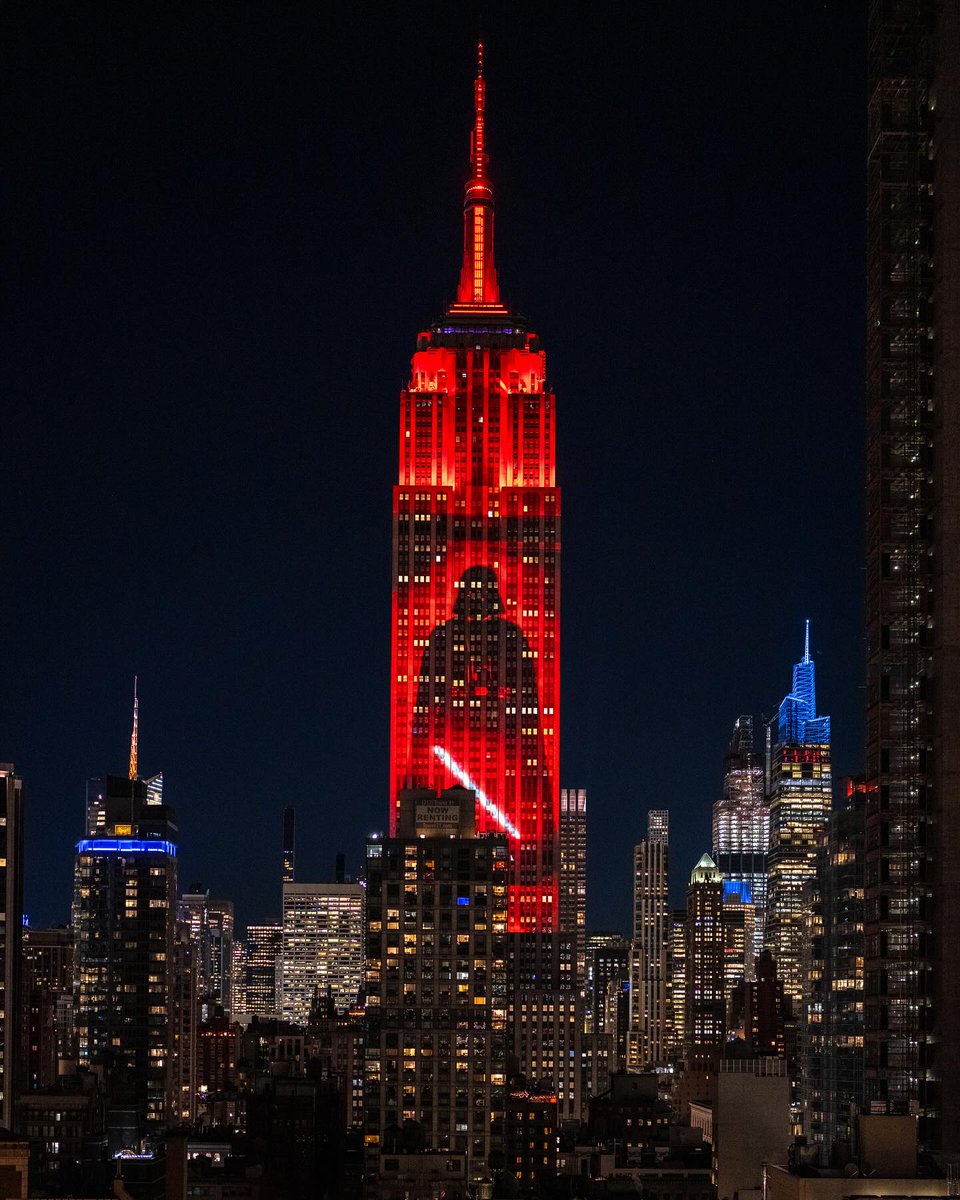
May the 4th be with you!
esbo.nyc/socials
📷: craigsbeds/IG
342
13,021
75,053
1,186,654