🇺🇸Love our Constitutional Republic 🙏❤️That tree of Liberty
Joined October 2022
- Tweets 32,384
- Following 4,100
- Followers 2,792
- Likes 30,344
8,558 Photos and videos





Stanford Thompson retweeted

REPORT ON ISRAEL'S PRISONS:
Sexual torture is organized state policy,
It is endorsed by the highest authorities.
Women are raped for days.
Men are raped by dogs.
Fire extinguisher nozzles are inserted into bodies.
This is how western media's moral state defend itself.
34
1,051
1,458
12,163
Stanford Thompson retweeted
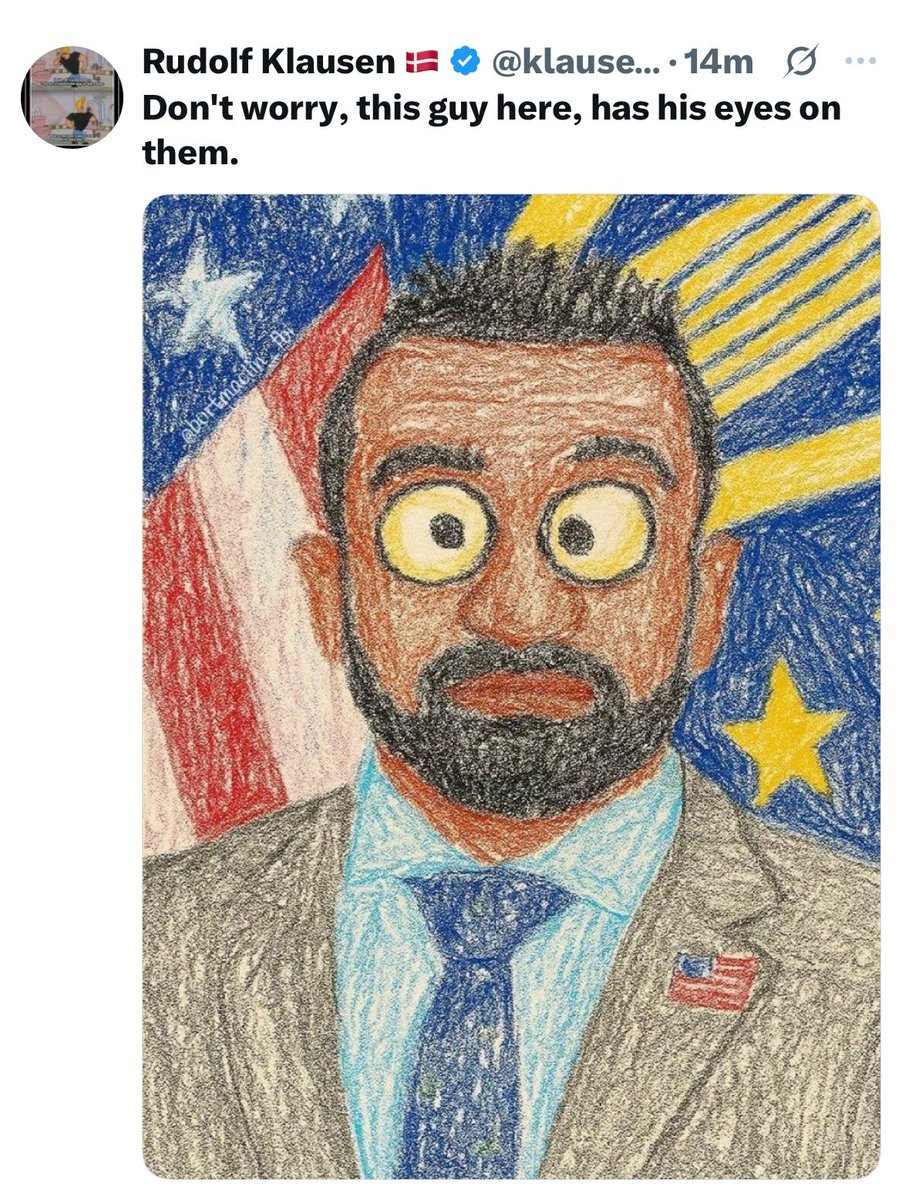
Jared Kushner is a thief because he is one of "them."
And Trump allowed this man into his household, and his daughter to renounce Jesus Christ for him.
Trump will not have a happy time at the judgement.
Jun 14

A heartbroken elderly Albanian man says Jared Kushner has taken everything he spent a lifetime building, including his land, his home, and the future he hoped to leave behind for his children.
He says he returned home one day only to find his property sealed off behind barbed wire, with men in black uniforms standing guard and refusing to let him step inside the house he once called his own.
In a single moment, he says, the life he had worked for was gone.
“It was the end of the world. The end of the world.”
“I felt imprisoned.”
“They took my freedom.”
“They took my livelihood.”
“They took my land.”
9
78
276
3,417
Stanford Thompson retweeted

$300 BILLION DOLLARS TO IRAN??!!!
Trump agreed to give Iran $300 BILLION dollars for reconstruction cost after Trump bombed Iran.
Are you kidding me? What an embarrassment!
Americans are getting screwed again!!
1,904
2,045
9,725
246,593
Stanford Thompson retweeted

Iran will not get rid of their uranium because they learned from what we did to Gaddafi. Iran analysis is up on Substack now (link in bio). We look at Libya, Iraq, and Vietnam compared to our Iran strategy. Iran could be the greatest failure of our era if we don’t turn this ship fast. Our politicians are lying to us…or incredibly stupid. Released on all platforms Tuesday at 10am 🙏💃🏻🥷
49
243
1,186
14,714

Wow
Jun 12

Today, I’m releasing never before seen intelligence revealing new evidence of past US government funding for more than 120 biolabs in over 30 countries, including Ukraine.
In support of President Trump‘s Executive Order to end federal funding of dangerous gain of function research around the world, and increase transparency and accountability, ODNI will continue working with partners across the Administration to identify where these labs are, what pathogens they contain, and what “research” is being conducted.
odni.gov/index.php/newsroom/…
7,813
49,565
261,860
18,856,733
Stanford Thompson retweeted

Jun 14
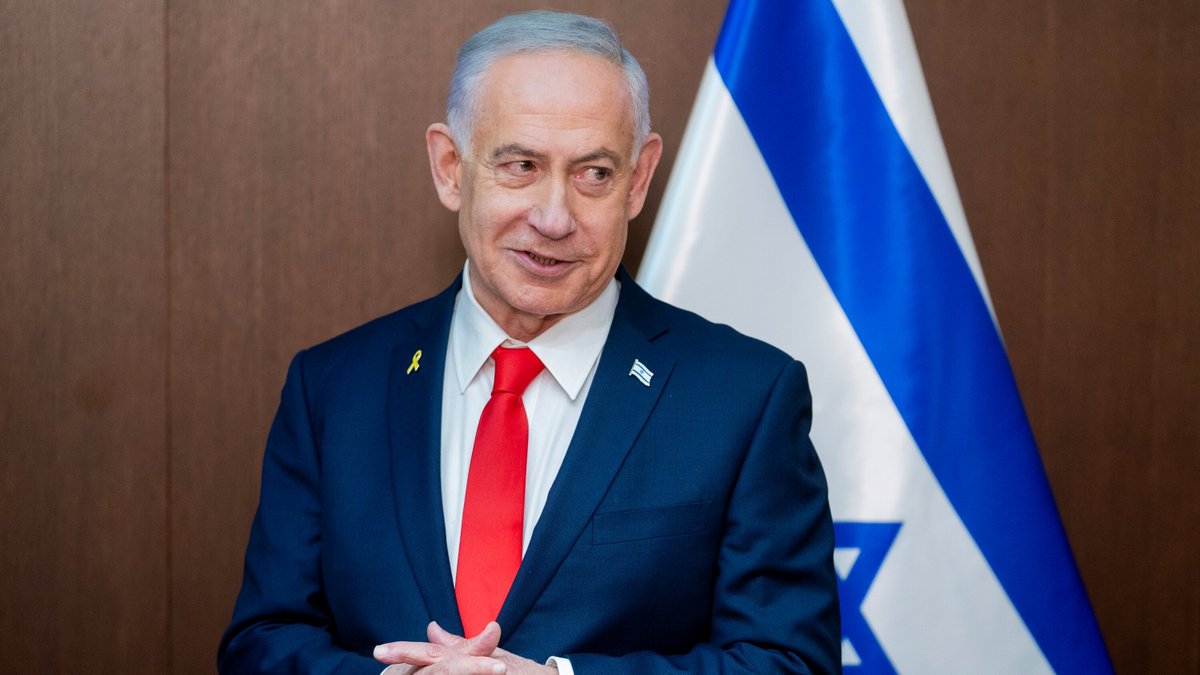
The US is at war with Israel.
The enemy is within the gates.
Someone has been opening the gates… again
Jun 13

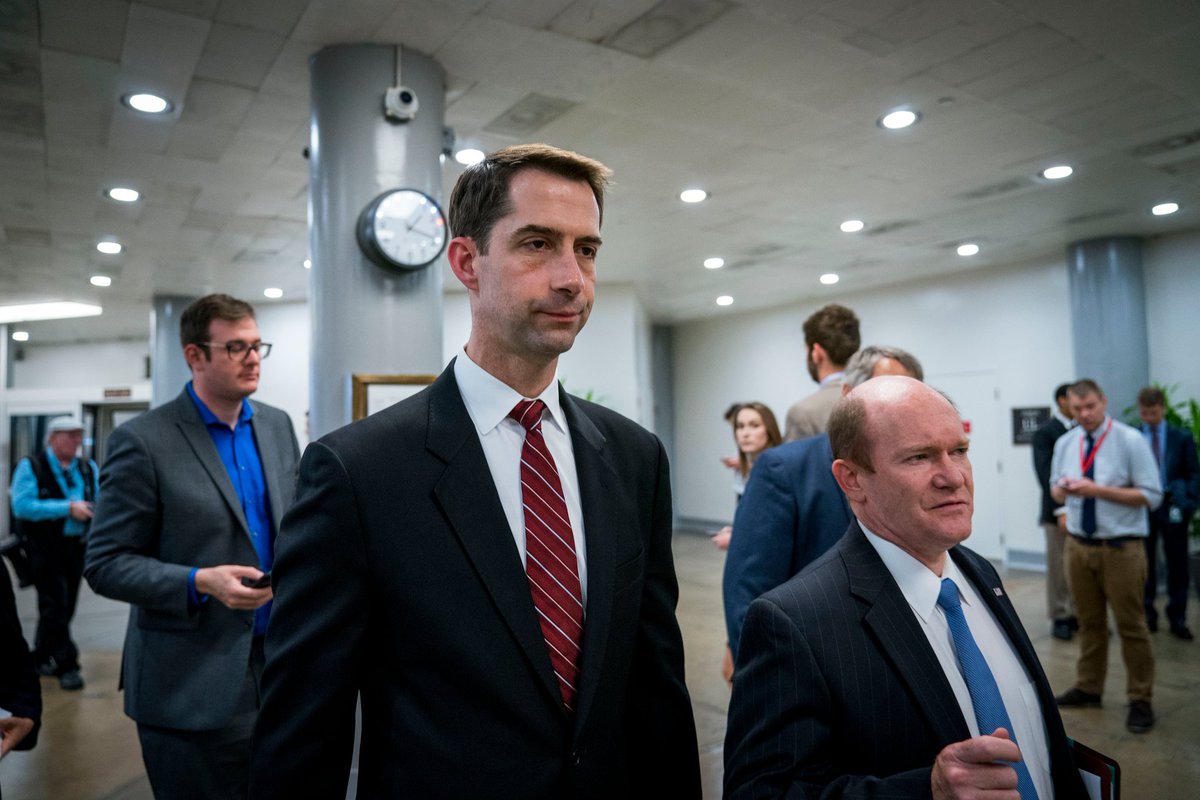
🇺🇸🇮🇱 The merger between the U.S. and Israel has a third piece almost nobody is talking about. While Section 224 fuses the militaries, Section 622 moves to fuse the intelligence services...
Buried in a 192-page intelligence authorization bill from Sen.Tom Cotton, Section 622 would legally require the president to "expand and enhance intelligence sharing" with Israel across nearly every topic of intelligence interest in the Middle East.
It would prohibit any reduction in that sharing except for a "specific and identifiable national security concern," then force a detailed report to Congress within 15 days justifying it.
Read that mechanism again carefully.
It strips the president of the ability to limit what America tells Israel, then makes any attempt to do so a political fight the Israel lobby can frame as being "against Israel's security."
It welds the intelligence spigot open by law.
Now stack the three pieces moving through Congress at once:
-The Stutzman resolution phases out visible aid.
-Section 224 integrates the militaries.
-Section 622 mandates intelligence sharing.
Each one is less publicly accountable than the last.
Aid is a line item voters can see.
Intelligence liaison happens in the dark, where no price tag ever appears.
The strategy is to move the relationship out of public view precisely as public support collapses.
And the timing is the most scandalous part.
The Pentagon just rated Israel a "critical" espionage threat.
Congress's response to all of it is to legally mandate that America share more secrets with the country its own spy agencies say is robbing it.
Source: Responsible States Craft / Writer: Daniel
21
194
567
5,369
Stanford Thompson retweeted

Jun 14
Satan demands the blood sacrifice of gentiles from the hands of his chosen people the Jews.
Jun 14

Right Now 🚨Israel is slaughtering civilians in Beirut Ceasefire is dead .
12
507
2,371
22,167

Jun 14
RT @KerryBurgess: We're all responsible. We elected the career criminals who used the power we gave them to assist Israel... luxmea.co/…
694
Stanford Thompson retweeted

Jun 13
Why Do Synagogues Have Underground Tunnels That Connect All Throughout
NYC? #Synagogues
15
240
389
6,081
Stanford Thompson retweeted

Jun 14
Thank God for people like Cenk Uygur. Otherwise, we would never get to hear the truth...
52
1,114
2,972
28,465
Stanford Thompson retweeted

Jun 13
In memory of all the journalists k!lled in GAZA GEN0CIDE 💔
197
7,367
16,083
114,540
Stanford Thompson retweeted

Jun 13
VIDEO: Canadian Jewish Leader and Combat Journalist Michael Yon Reveal The Shocking Secret History of Zionists Working With Nazis — If You Think The SPLC Getting Caught Running Major White Supremacist Organizations In America Is Shocking, This Will Blow You Away!
@Michael_Yon
🔴TUNE IN LIVE!⬇️
x.com/i/broadcasts/1OGwbbeaY…
92
513
1,253
165,911
Stanford Thompson retweeted

Eric Trump brags about them hiring 80 percent Jews in their administration.
Jewish supremacy and the people perpetuating it must be dealt with and never allowed in public office.

167
1,218
3,898
44,541
Stanford Thompson retweeted

Jun 12
Ukraine leads DIRECTLY to 9/11.
I hope the world is ready to find out What's TRULY been happening because the same disgusting rats that have been placing Biolabs in Ukraine to weaponize genetically supercharged viruses as exposed in 2018 by Dilyana Gaytandzhieva, were ALSO involved in 9/11.
Victoria Nuland's husband is Robert Kagan. He co-founded the Project for the New American Century in 1998 along with Hillary Clinton, the Bush family, Joe Biden, John Bolton, Geroge Soros, Hillary Clinton, the Rothschild Central Banking family and many other filthy globalists.
This project that insisted we needed a "New Pearl Harbor Event" (9/11) that would allow our foot into the Middle-East to set up the premice to invade & destroy the governments in 7 countries in 5 years:
Iraq
Syria
Lebanon
Libya
Somalia
Sudan
Iran
Under the guise of 9/11, it was accomplished with Bush’s invasion.
In Ukraine, Nuland, her husband and their cabal friends saw an opportunity to provoke Putin by encouraging violent protests to overthrow Russia friendly President Yanukovych and place an entirely new regime consisting of United States puppets, hostile to Russia.
The used our tax dollars to illegally overthrow Ukraine.
Here she is speaking about the 2014 coup d'etat in Ukraine, stating that JAKE SULLIVAN specifically told her she NEEDS, then Vice President Joe Biden, to be on board with the regime change, give an atta boy and that BIDEN is willing!
These sick cabal FREAKS have been overthrowing countries for DECADES and they call all of YOU the threats to democracy!
Jun 12

This is when the Deepstate collectively shit their pants… and Marco Rubio played dumb to get her ass on record.
Marco Rubio:
Does Ukraine have chemical or biological weapons?
Victoria Nuland:
Uhh… Ukraine has uhhh… biological research facilities.. which is why we’re quite concerned Russian forces may be seeking to gain control of.
Marco:
I’m sure you know about the Russian “propoganda” groups are putting out information about how they uncovered a plot by the UKRAINIANS to release biological weapons in the country with NATO’s coordination. If there’s a biological incident inside of Ukraine, is there any doubt in your mind that 100% it would be the Russians behind it?
Victoria Nuland:
There is no doubt in my mind and it is classic Russian technique to blame the other guy what they’re planning to do themselves.
Tulsi Gabbard confirmed Russia’s report as actually true, and proved the Biden admin KNOWINGLY stated otherwise.
CHECKMATE ♟️
rumble.com/v7b73vg-this-is-w…
155
2,521
4,170
246,333
Stanford Thompson retweeted
Jun 13
Jews are not intelligent. They are just a bunch of rats which work together.
112
1,046
9,833
100,688
Stanford Thompson retweeted
Jun 13
“82% of J€WISH Israelis support the ethnic cleansing of Palestinians from Gaza”
“Nearly 50% support K!LLING all Palestinians in Gaza”
202
1,339
2,198
25,307
Stanford Thompson retweeted

Jun 13
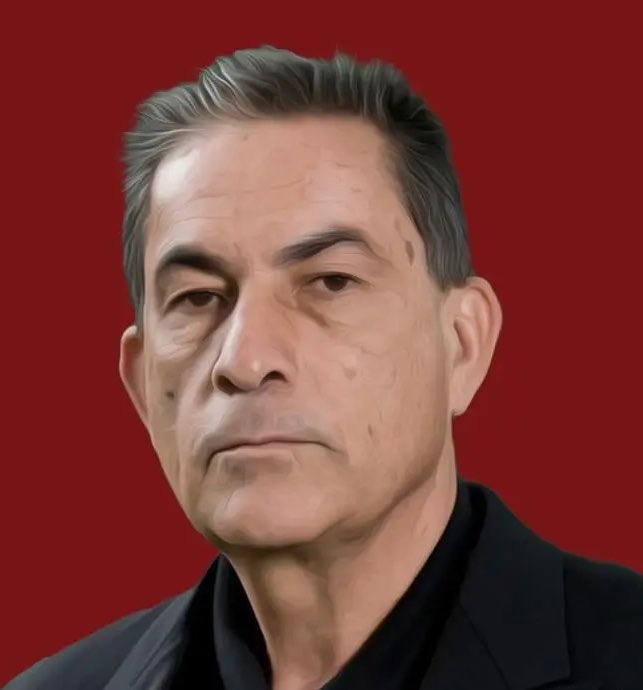
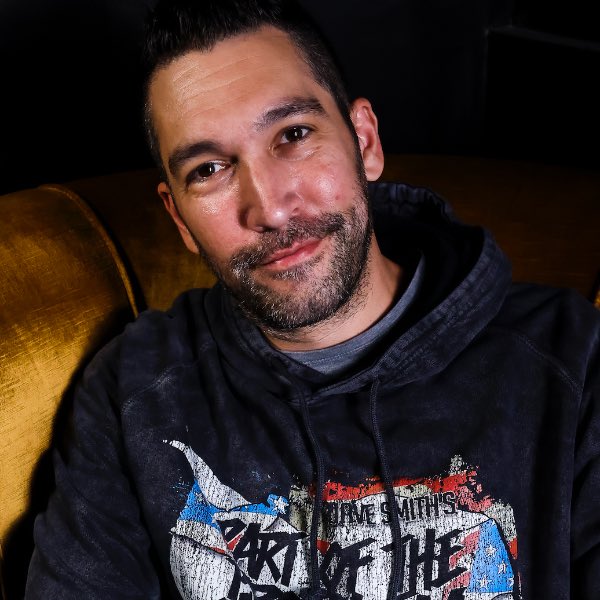
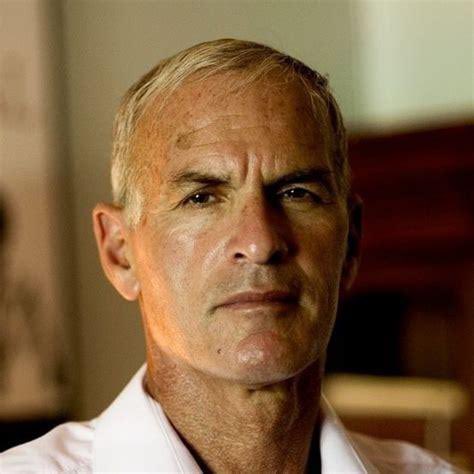
EXCLUSIVE: How Anti-Zionist Jews like Gideon Levy, Dave Smith & Norman Finkelstein seize the voice reserved for the oppressed class of Palestinians in asymmetric identity frameworks
In the identity politics playbook, the oppressed rarely get the mic without permission from the oppressor class. Anti-Zionist Jews like Gideon Levy, Dave Smith, and Norman Finkelstein show exactly how it works.
Framed as members of the powerful group, they step into Palestinian advocacy with Western media access, academic prestige, and cultural fluency most Palestinians lack. The framework calls this solidarity. In practice it becomes quiet ownership of the narrative.
They convert moral authority into platforms, book deals, and influence while the same lens insists authentic voices must come from the ground. Power asymmetry does the rest: lower risk, higher reward, and the cause gets filtered through interpreters who never pay the full price.
This is not unique to one conflict. It repeats wherever identity hierarchies replace argument—white voices steering racial justice, outsiders scripting indigenous claims. The binary rewards those already equipped to play the game.
The deeper flaw is structural. Once a cause ties legitimacy to group membership instead of evidence or results, it invites capture by the connected. Palestinian agency gets displaced, and the ideology that promised liberation ends up managing hierarchy instead.
In the identity framework’s power asymmetry, the “oppressor” label on Jews grants institutional leverage in Western media, academia, and politics.
This forces Palestinians and pro-Palestinians to add disclaimers (“not all anti-Zionist Jews”) to shield statements from antisemitism charges that carry career and social costs.
The weaker side self-censors to retain access. The reverse rarely applies because the “oppressed” side lacks equivalent narrative enforcement power. The binary turns discourse into guarded performance rather than direct critique.
3
3
9
394