
Joined July 2009
- Tweets 3,244
- Following 1,078
- Followers 1,042
- Likes 1,834
196 Photos and videos





May 21
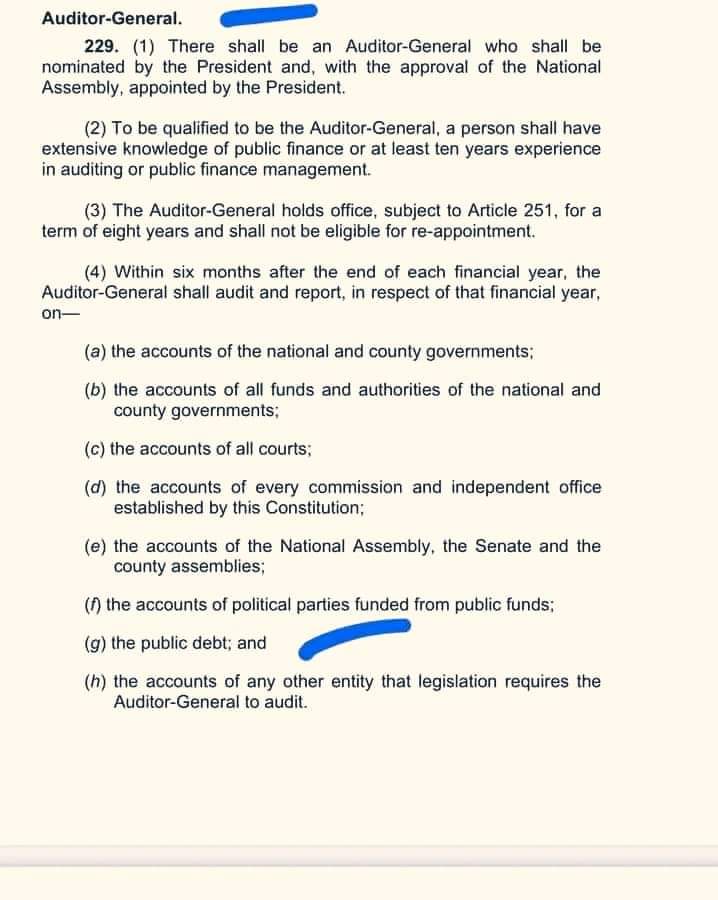
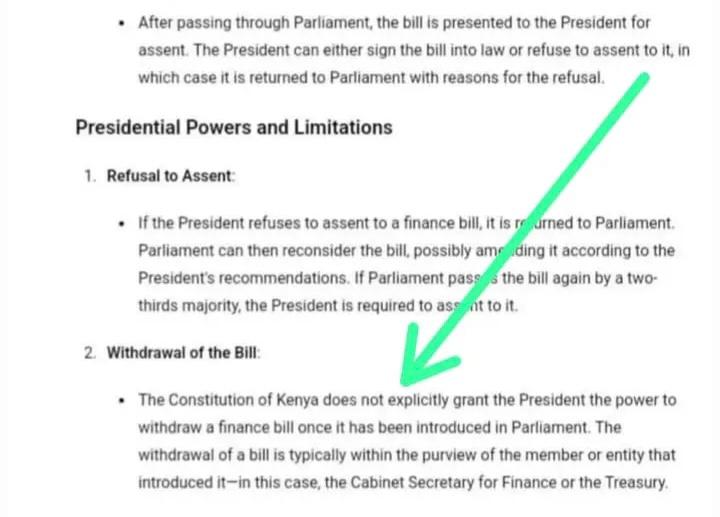
Kenyans are not rejecting taxation; they are rejecting exclusion, opacity, and policies detached from lived realities. Fiscal justice demands transparent budgeting, accountable spending, debt restraint, and meaningful public participation. #AdultingNaTaxes
May 21

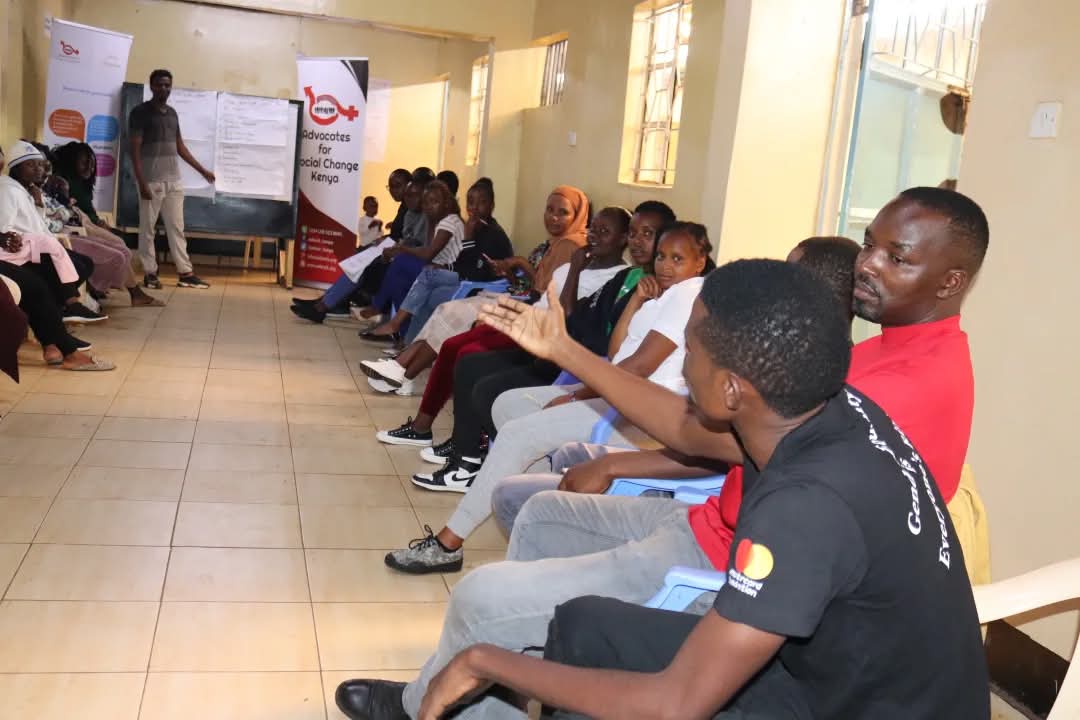
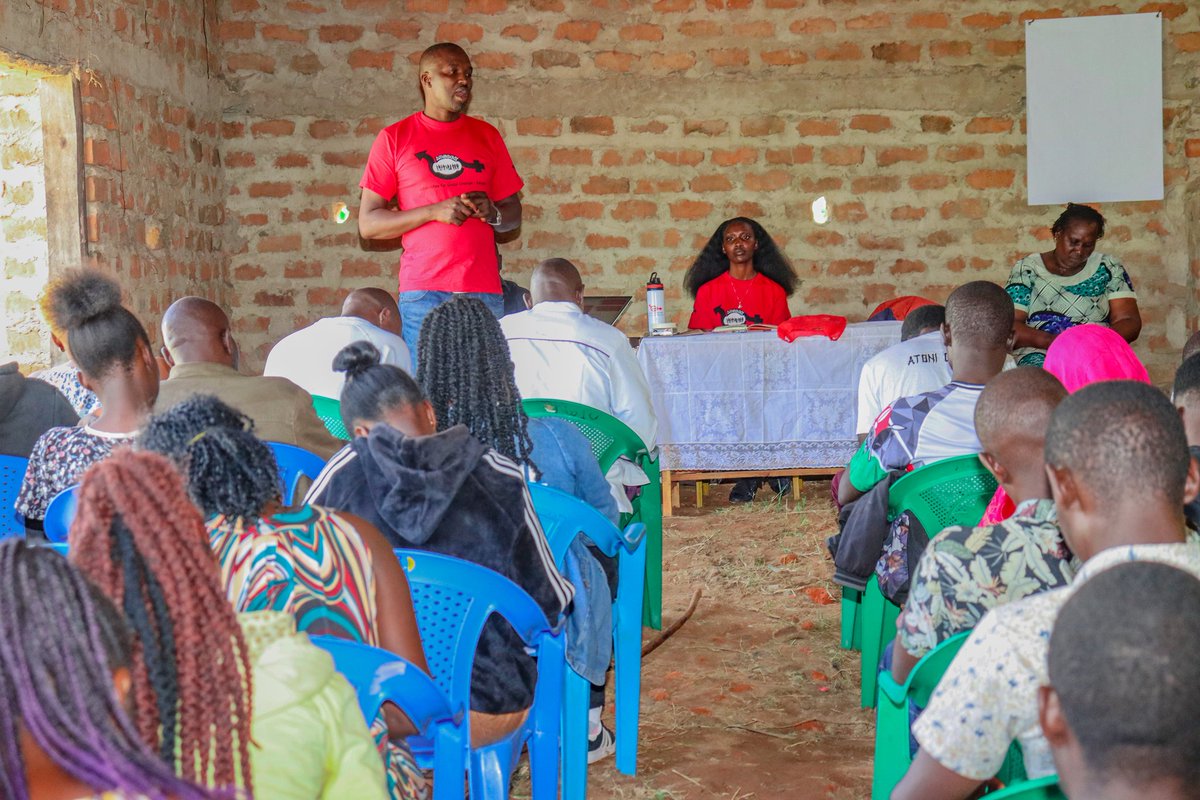
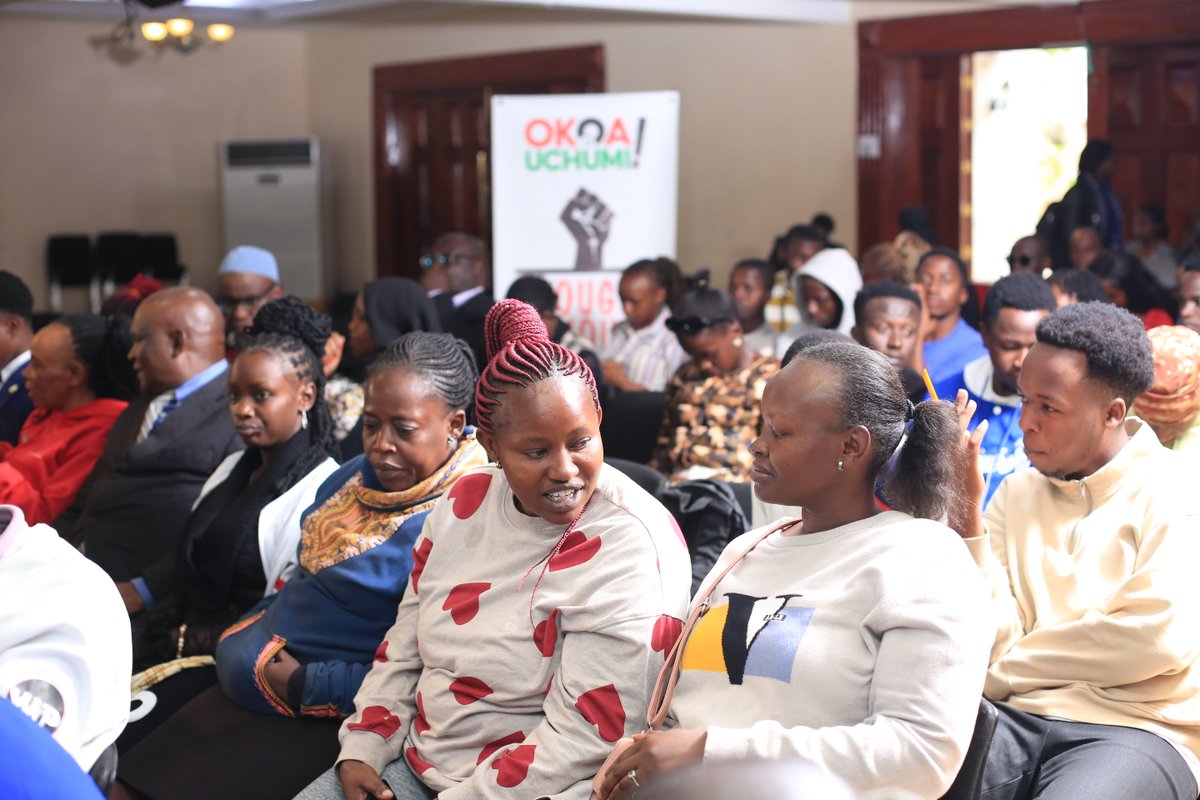
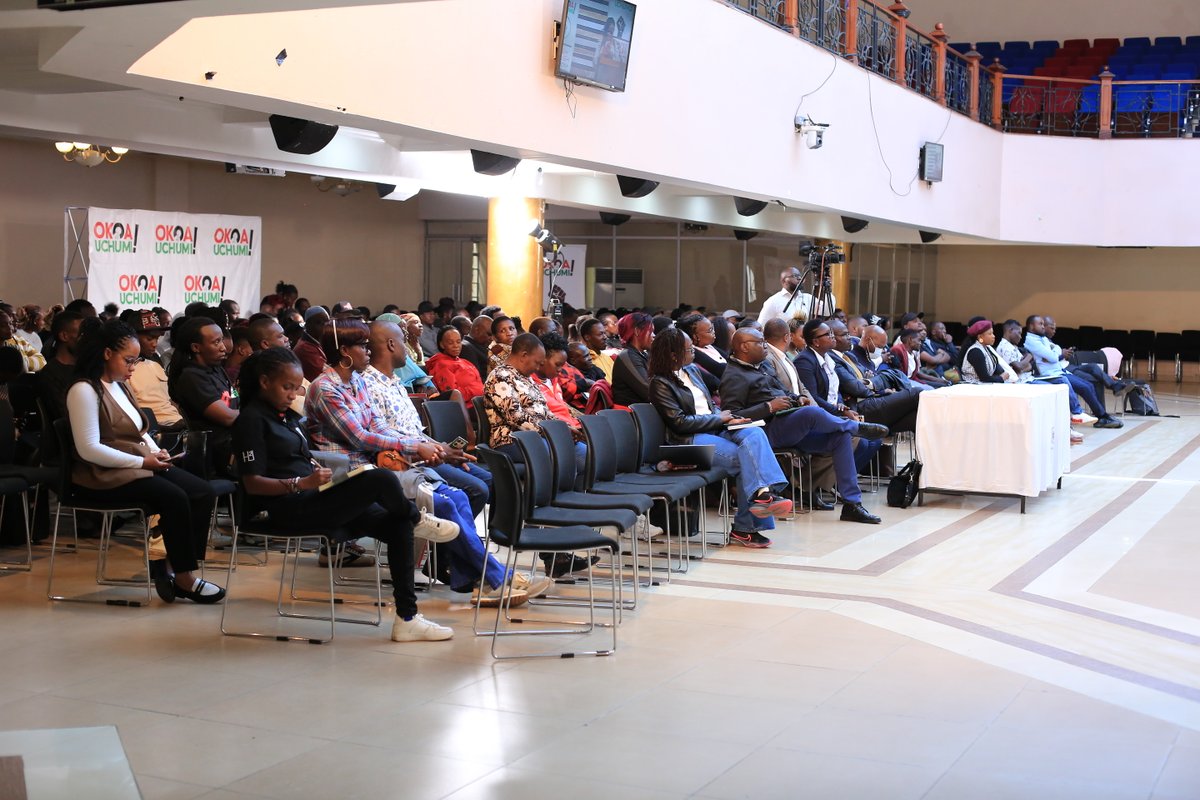
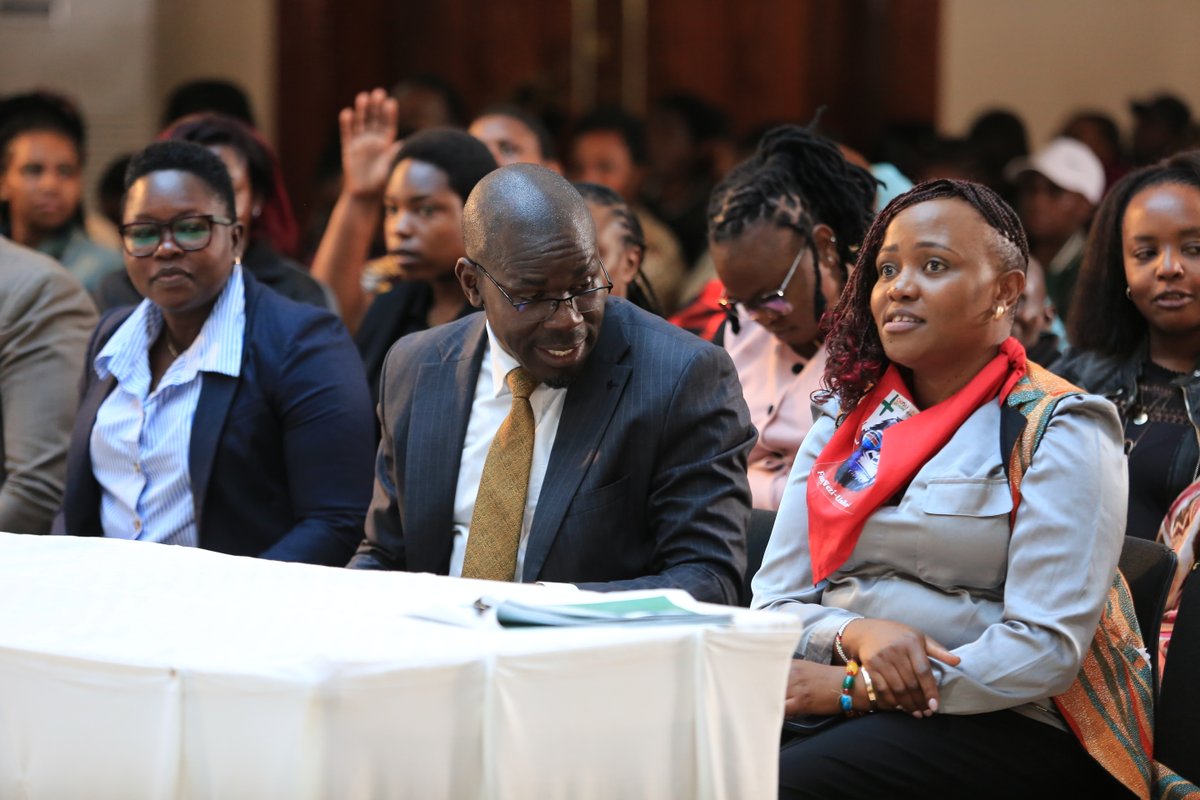
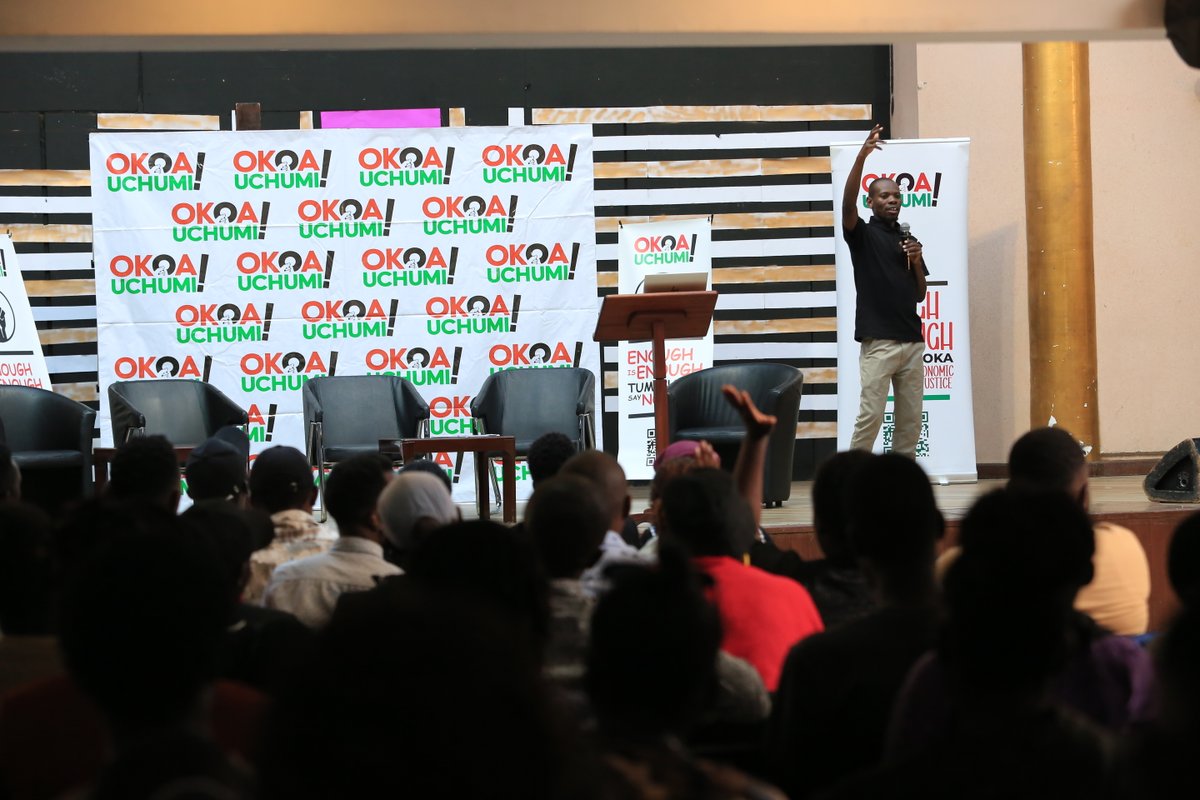
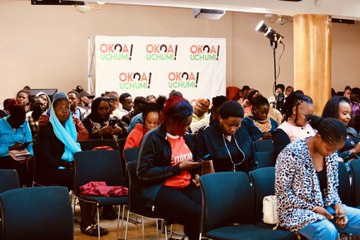
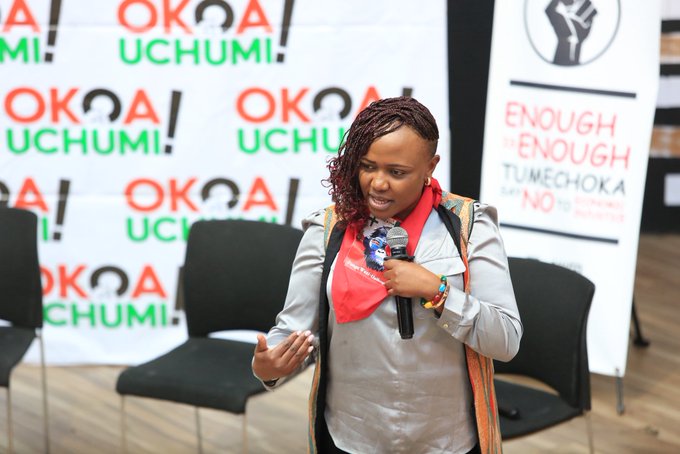
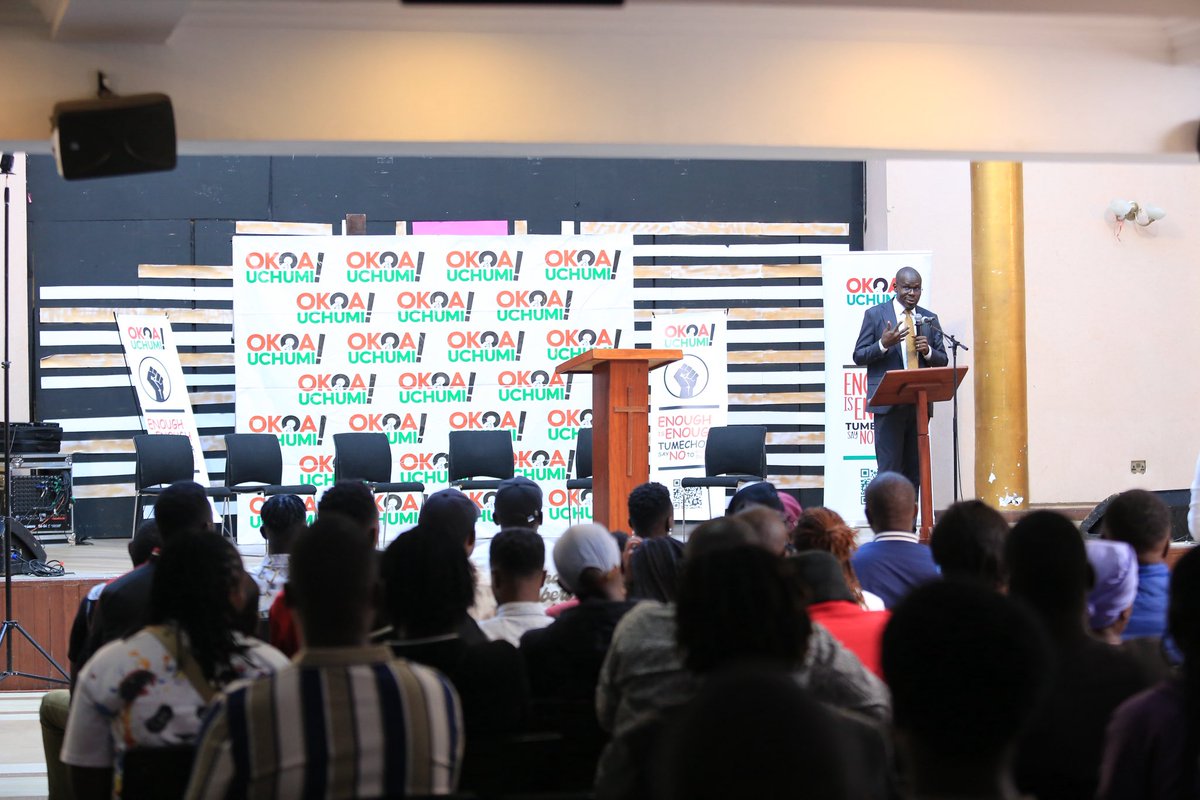
Legal and policy concerns emerged around public participation, transparency in budget allocations, debt sustainability, and whether the Finance Bill genuinely reflects the lived realities and priorities of wananchi. Participants further called for people-centered budgeting, equitable taxation, prudent use of public resources, and stronger oversight mechanisms to ensure accountability in the management of public finances.
The plenary concluded with citizens putting forward recommendations focused on fiscal justice, transparency, protection of livelihoods, reduction of wasteful expenditure, and meaningful public engagement in shaping Kenya’s economic future. The conversation reaffirmed that budget-making and taxation are not merely technical processes, but deeply political decisions that directly affect the dignity, survival, and wellbeing of every Kenyan household.
#AdultingNaTaxes
#Financebill2026
10
Steve Biko retweeted

May 21
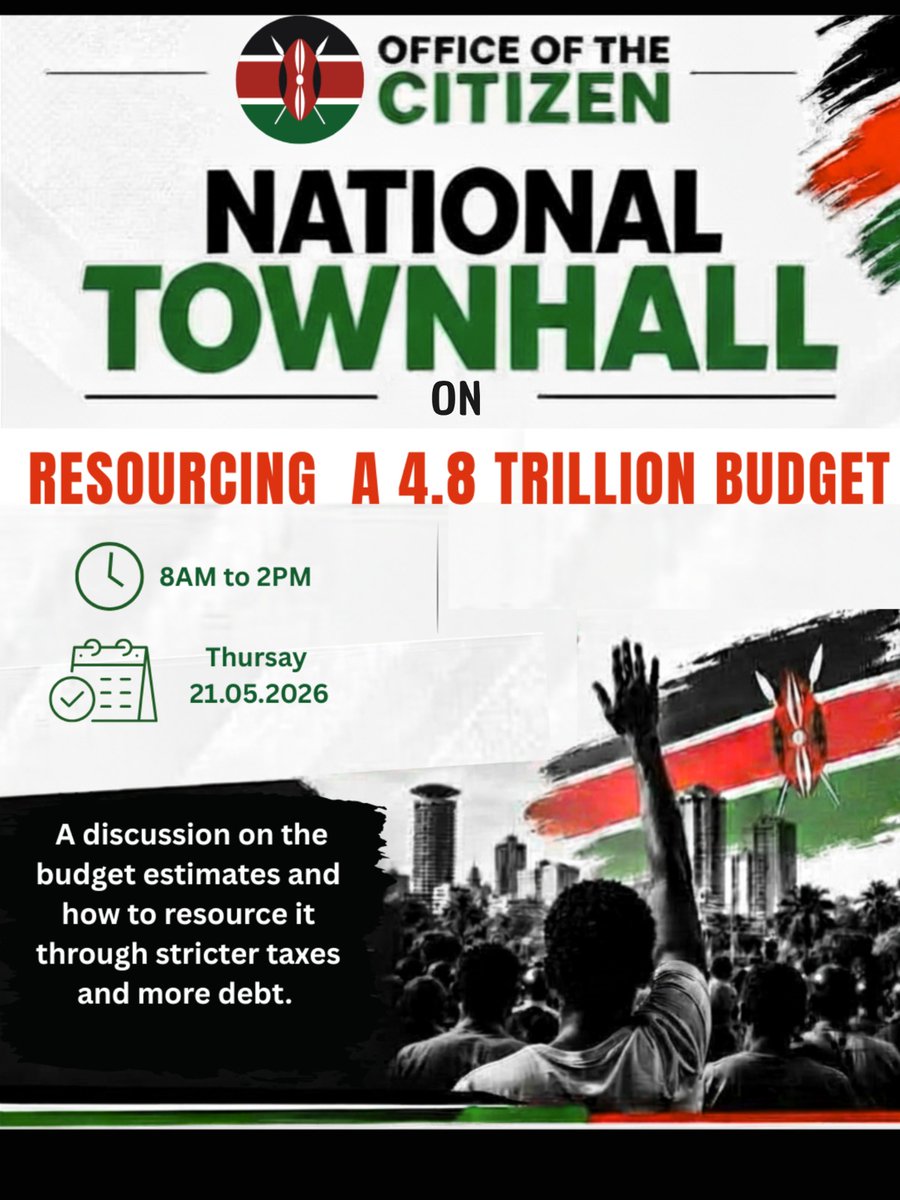
Inuka Kenya Ni Sisi! joins fellow Okoa Uchumi Coalition partners at the Office of the Citizen Townhall on the Finance Bill 2026. Today’s engagement will reflect on the trajectory of public finance over the years and why citizen action matters in shaping Kenya’s economic future.
The town hall will also interrogate:
1. Ecumenical reflections on social justice, public finance, and good governance in light of the current realities in Kenya and where we derive hope as citizens.
2. Highlights of the FY 2026/27 Budget Estimates the key hits and misses, and their implications on critical social sectors, including health, education, agriculture, and social protection.
As citizens, we must continue demanding transparency, accountability, and people-centered budgeting processes that prioritize dignity and economic justice for all.
#FinanceBill2026 #OkoaUchumi
26
34
43
782
Steve Biko retweeted

May 13
When citizens face economic hardship, excessive benefits for state officers risk eroding trust in fairness and equal justice. #CostOfJusticeKE
1
1
14
Steve Biko retweeted

May 13
Trust grows when constitutional institutions uphold transparency, publish their decisions openly, and demonstrate prudent use of public resources. #CostOfJusticeKE
4
5
36
May 13
Transparency is not optional in public service. I agree that Institutions build credibility when they publish spending decisions and accept public scrutiny. #CostOfJusticeKE
May 13

Trust grows when constitutional institutions embrace transparency, accountability, and open public engagement in decision-making. #CostOfJusticeKE
1
6
Steve Biko retweeted

May 13
The real test is not whether irregularities happen, but how institutions respond when exposed. Silence, defensiveness, or selective accountability weakens public trust. Kenya needs transparent systems that apply equally across every office. #CostOfJusticeKE
2
3
19
May 13
Keenya cannot sustain unchecked growth in public sector benefits. @srckenya must remain firm, independent, and guided by the public interest. #CostOfJusticeKE @nisisikenya @UraiaTrust
May 13

The Salaries and Remuneration Commission must regulate state officers’ benefits transparently, fairly, and within constitutional limits. Public funds should prioritize service delivery, not excessive perks. Accountability and equity must guide every decision. #CostOfJusticeKE
23
Steve Biko retweeted
May 13
Strong constitutional oversight means the Salaries and Remuneration Commission should regulate benefits with accountability, public interest, and fiscal responsibility at the center. #CostOfJusticeKE
1
1
10
May 13
Independence should never mean exemption from scrutiny. Strong institutions accept oversight because accountability strengthens legitimacy and public confidence. #CostOfJusticeKE
@UraiaTrust
@Kenyajudiciary
@srckenya
May 13

Accountability strengthens institution and creates protection in the credibility of the judiciary to effectively deliver #CostOfJusticeKE
5
Steve Biko retweeted
May 13
At a time of high taxes, unemployment, and rising cost of living, how should the government balance public expenditure on state officers’ benefits with the urgent economic realities facing citizens? #OurTaxesOurVoice
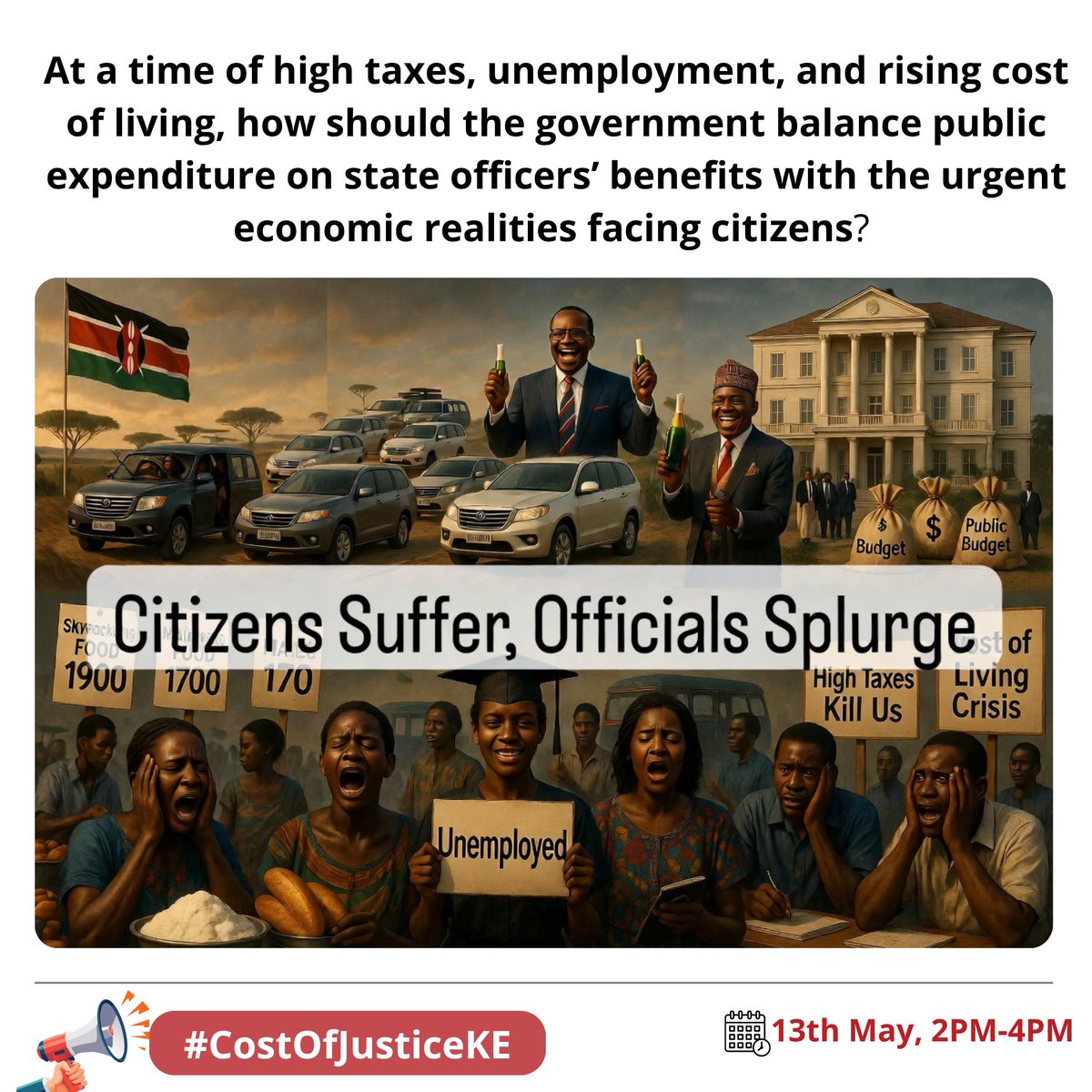
253
35
39
470
Steve Biko retweeted
May 13
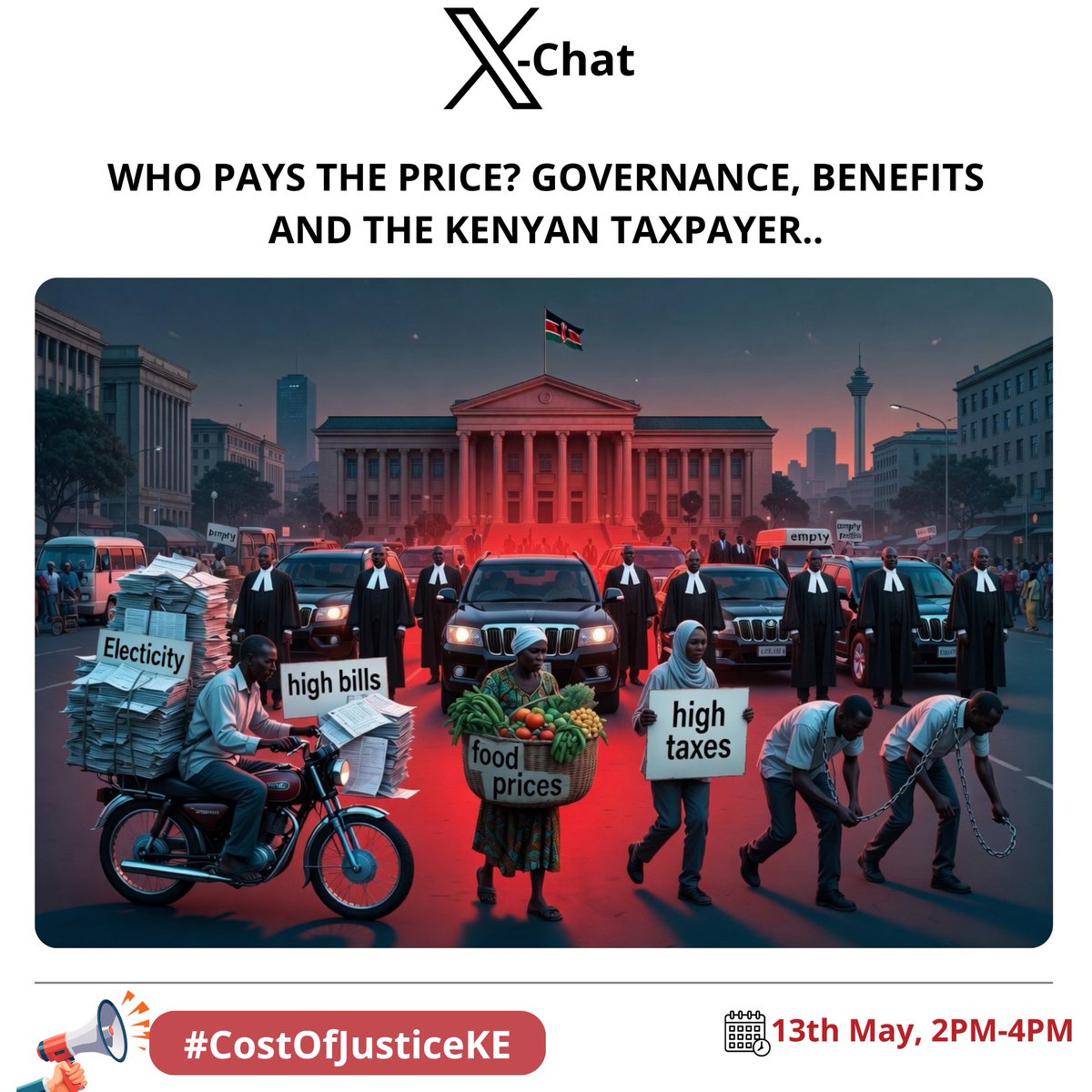
Kenya continues to experience growing public concern over the rising cost of living, high taxation, unemployment, and increasing pressure on public resources. In this context, questions around how taxpayer money is spent across government institutions have become central to national debates on governance, accountability, and public trust.
Within this environment, the ongoing legal dispute on judicial car grants and judges’ allowances (Civil Appeal No. E533 of 2024 – Salaries & Remuneration Commission v Gachuiri & 3 Others [2026] KECA 692 (KLR)) has intensified public discussion on public expenditure, constitutional oversight, and institutional accountability. The case stems from historical benefit arrangements that evolved from pre-2010 duty-free vehicle schemes into progressively increased car grants for judges, raising questions about how such benefits are determined and regulated under the Constitution.
The matter has highlighted the role of the Salaries and Remuneration Commission (SRC), which is constitutionally mandated to set and review remuneration for state officers. It has also raised broader concerns about institutional coordination, oversight gaps, and adherence to constitutional processes in approving public sector benefits.
At the same time, the case has sparked a national conversation on judicial independence, separation of powers, and public confidence in constitutional institutions. While judicial independence remains a foundational principle of democracy, there is increasing public demand for transparency and accountability in how taxpayer-funded benefits are managed, especially in a difficult economic period.
For many citizens, this issue goes beyond legal interpretation, it reflects deeper questions about national priorities. With essential services such as healthcare, education, and employment creation under strain, there is growing scrutiny over whether public spending decisions reflect the urgent needs of ordinary Kenyans.
However, it is equally important that this conversation is conducted in a balanced manner that respects constitutional institutions and safeguards judicial independence, while still allowing for legitimate public scrutiny and civic engagement.
The #CostOfJusticeKE campaign is a citizen-driven initiative aimed at fostering informed national dialogue on judicial benefits, public expenditure, and constitutional accountability. It seeks to empower citizens to critically engage with how public resources are allocated and to raise important questions about fairness, transparency, and governance priorities.
The campaign encourages Kenyans to interrogate key issues such as:
1. How are benefits for state officers determined and reviewed?
2. Are current accountability and oversight systems effective and transparent?
3. How should Kenya balance judicial independence with public accountability?
4. What impact do such cases have on public trust in institutions?
5. How can citizens play a stronger role in shaping public expenditure decisions?
This campaign is not just about judicial allowances,it is about strengthening accountability, enhancing transparency, and ensuring that public resources are used in the best interest of citizens.
Join the conversation under #CostOfJusticeKE as we build a national dialogue on governance, public finance, and constitutional accountability.
Together, let’s amplify citizen voices, strengthen trust in public institutions, and demand responsible use of public resources.
#CostOfJusticeKE
28
64
79
3,552
May 6
You are among the thieves, how can you admit that you're stealing from fellow Africans but can't steal from the white people.

This must be an old video, I am part of this march and police are all over the place…the crowed is disciplined. Rest Malema.
13
Steve Biko retweeted
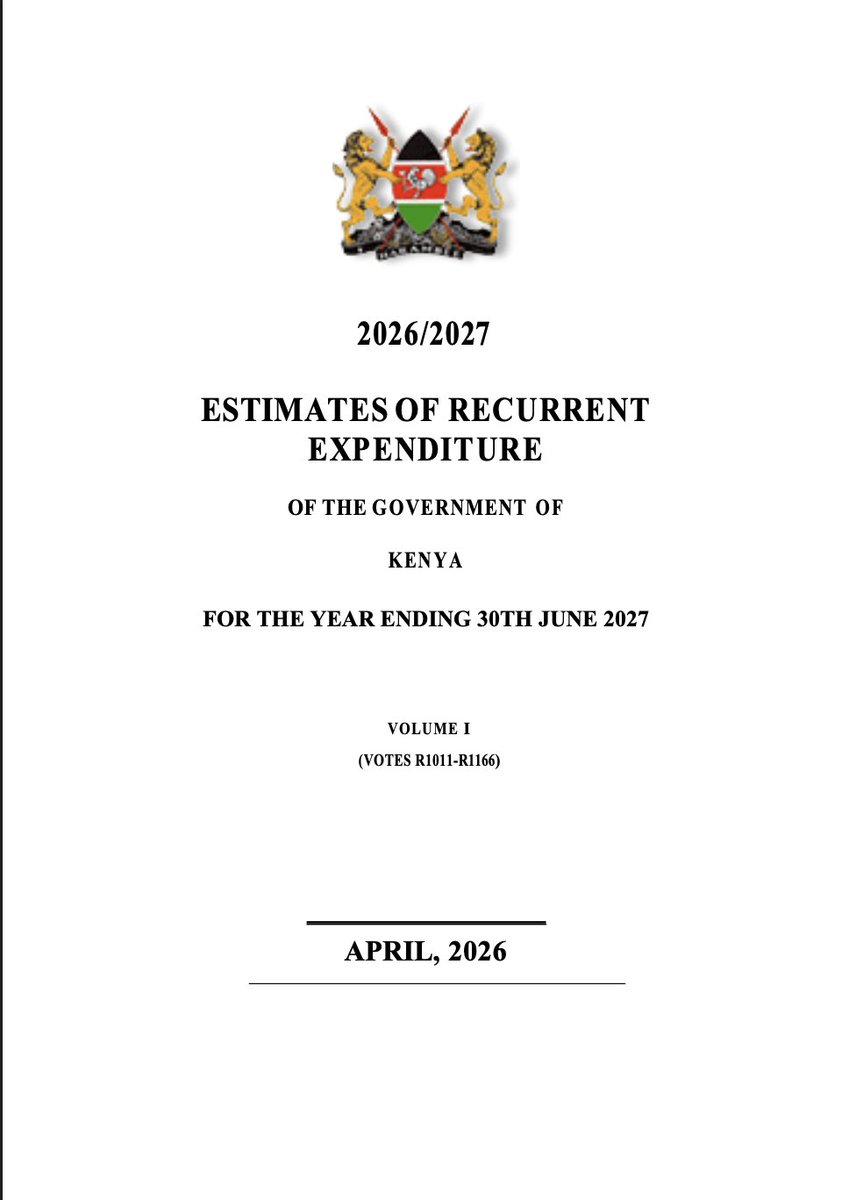
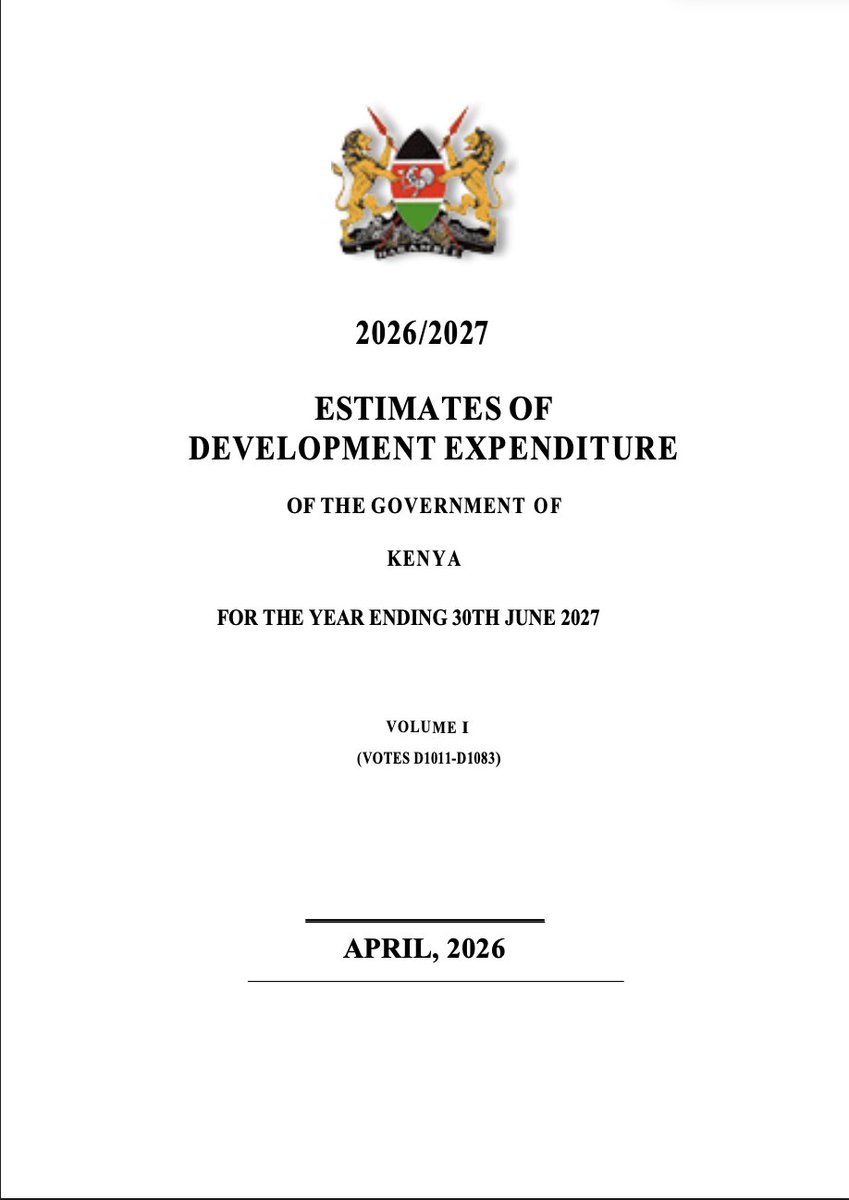
Update on Kenya's 2026/27 Budget Estimates
The Leader of Majority tabled the estimates of 2026/27 expenditure in the National Assembly on April 30th
What does it entail .Thread on the on 9 Areas:
1. Overall macro level 2026/27 budget numbers
2. Independent Electoral & Boundaries Commission
3. Education
4. Health
5. Agriculture & livestock development
6. Micro, Small & Medium size enterprises
7. State House & the Executive Office of the President
8. Roads & Transport
9. Social protection & senior citizen affairs
3
13
16
871
Steve Biko retweeted
Apr 28
What is the human cost of stalled public projects in communities,and how do we shift from a culture
of launching projects to one of completing and sustaining them for public benefit?
#StalledProjectsKE
241
37
41
531
Steve Biko retweeted
Apr 29
Mega-projects like the LAPSSET corridor don’t fail overnight,they stall when political will,funding and coordination weaken across administrations.Responsibility lies with both national leadership and implementing agencies. #StalledProjectsKE
4
6
22
Steve Biko retweeted
May 1
Public funds were committed, construction began, then silence. No budget, no progress, no answers. Governance must be measured by completion, not initiation. Who is responsible for this stalled County Assembly project? #StalledProjectsKE
6
13
50
Steve Biko retweeted
Apr 30
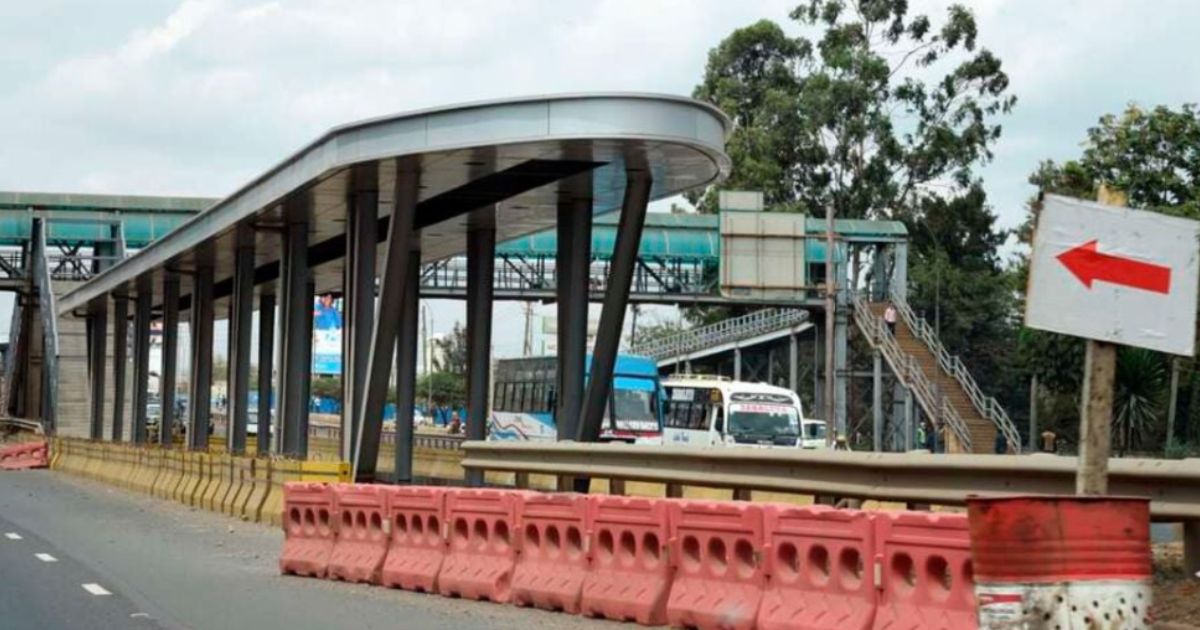
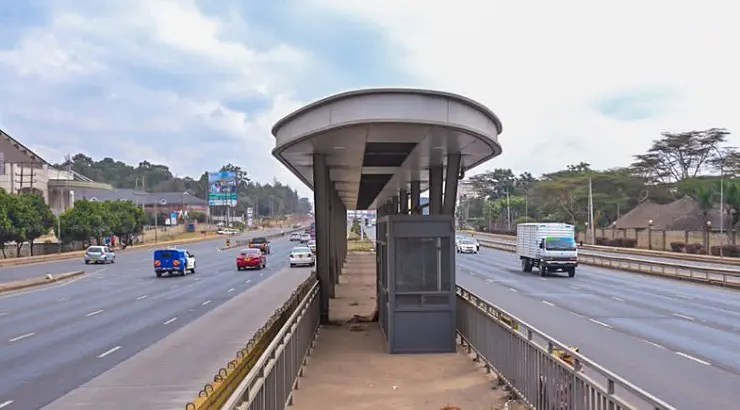
The Nairobi Thika Road Bus Rapid Transit (BRT) Project was envisioned as a flagship public transport project aimed at transforming mobility along the busy Thika Road corridor in Nairobi. The Bus Rapid Transit (BRT) system was designed to ease traffic congestion, improve commuter experience, and provide a faster, more efficient mass transit solution for the city.
The project was expected to modernize urban transport through dedicated bus lanes, improved stations, and integrated public transit infrastructure along one of Nairobi’s most heavily used highways. It formed part of broader plans to address chronic congestion and support Nairobi’s growing population.
However, the project has faced major setbacks and remains incomplete. Reports indicate that the Chinese contractor, Stecol Corporation, abandoned works midway after the government allegedly failed to provide additional funds required to complete the Bus Rapid Transit system.
The stalled state of the project has fueled public concern over financial accountability, project planning, and possible misuse of public resources. Many citizens now view the incomplete corridor as a symbol of delayed reforms and the persistent challenge of corruption in major infrastructure projects.
Years after its announcement, Nairobi commuters continue to face heavy traffic congestion while the promised transport solution remains unrealized.
When transformative public transport projects stall after significant spending, who is held accountable for the lost time, money, and public trust?
#StalledProjectsKE
216
31
35
485