
Joined January 2010
- Tweets 8,089
- Following 6,513
- Followers 3,191
- Likes 13,711
223 Photos and videos
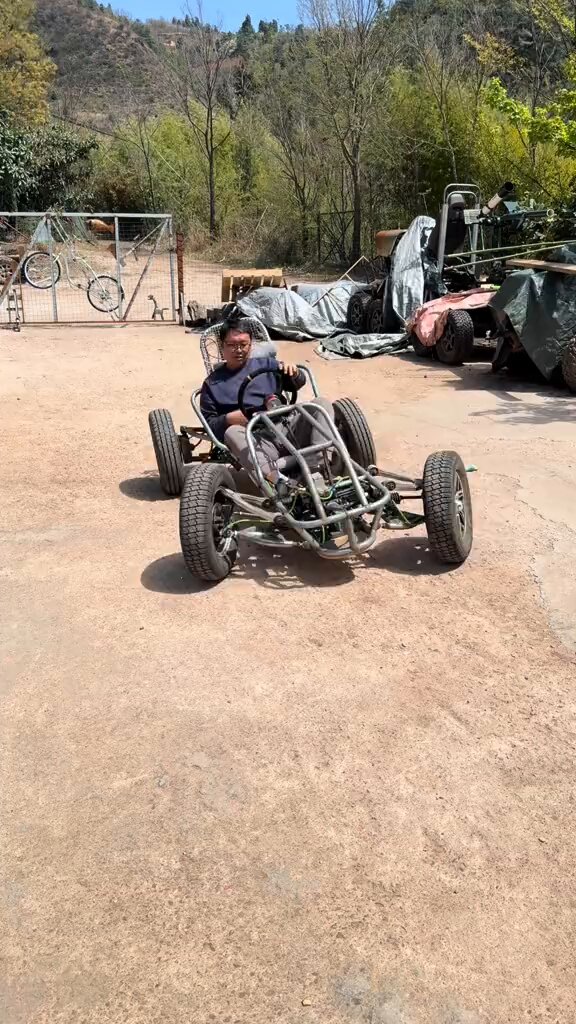
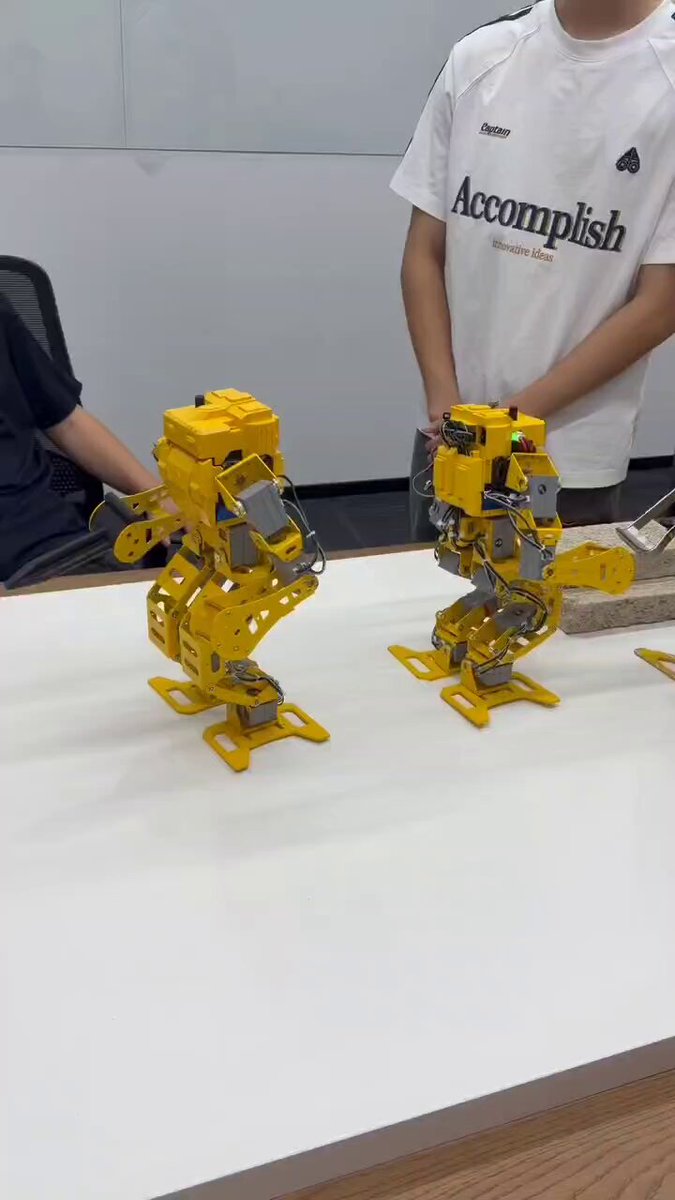
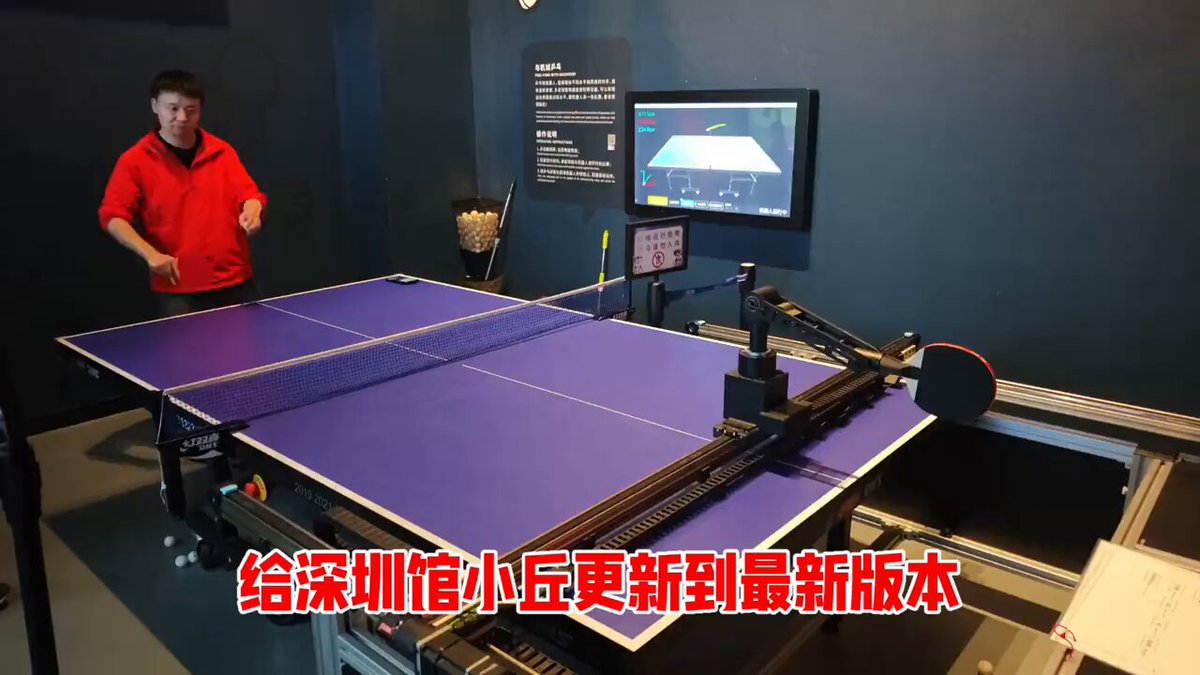

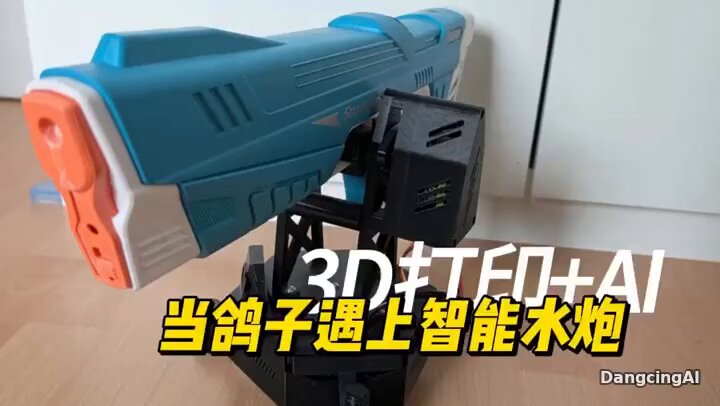
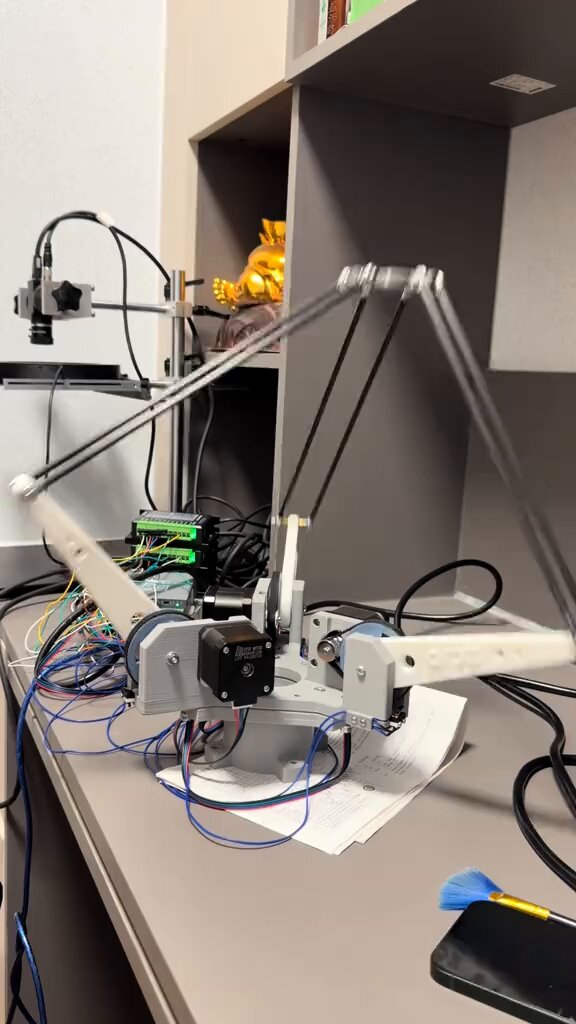
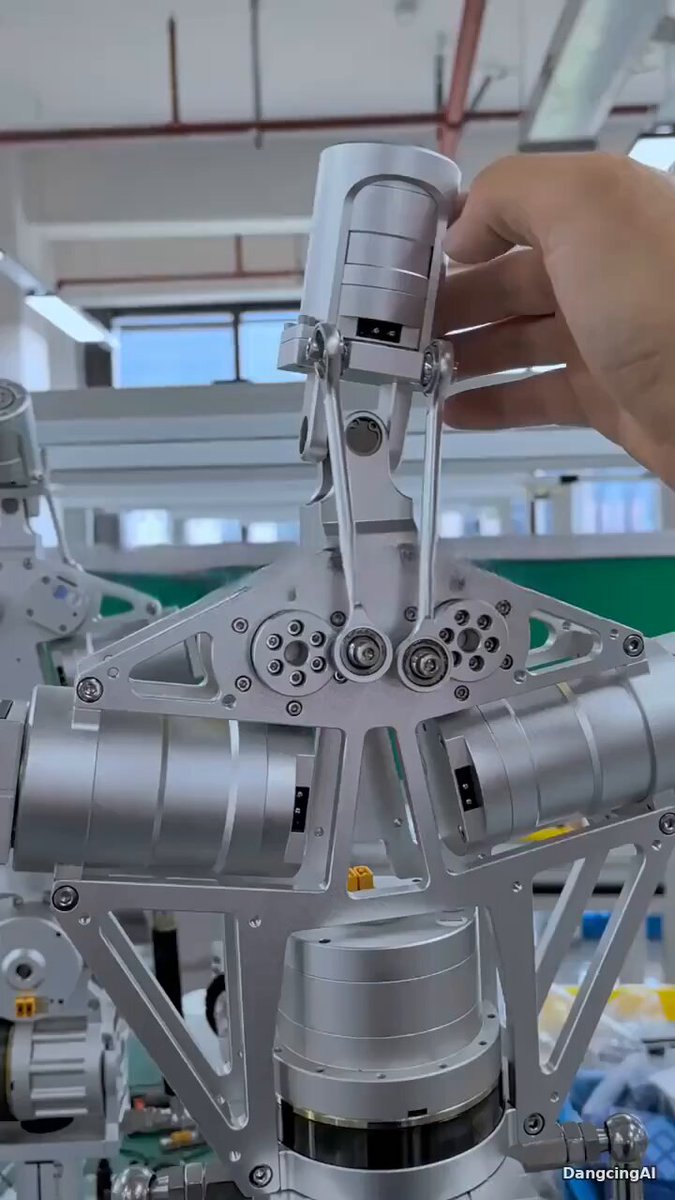

Super impressive. This guy is a legend in my book. all kinds of hand-built vehicles
5
304

Jun 13
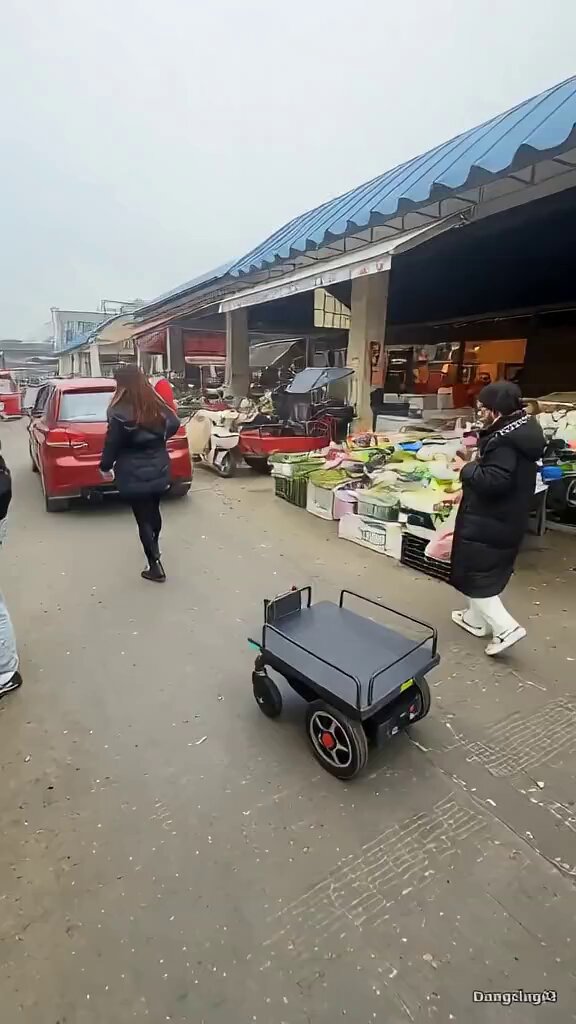
Follow robot, It may look like a loyal little robot dog carrying your stuff and following you around, but it's actually an industrial-grade logistics transport robot.
3
1
26
5,282
Jun 12
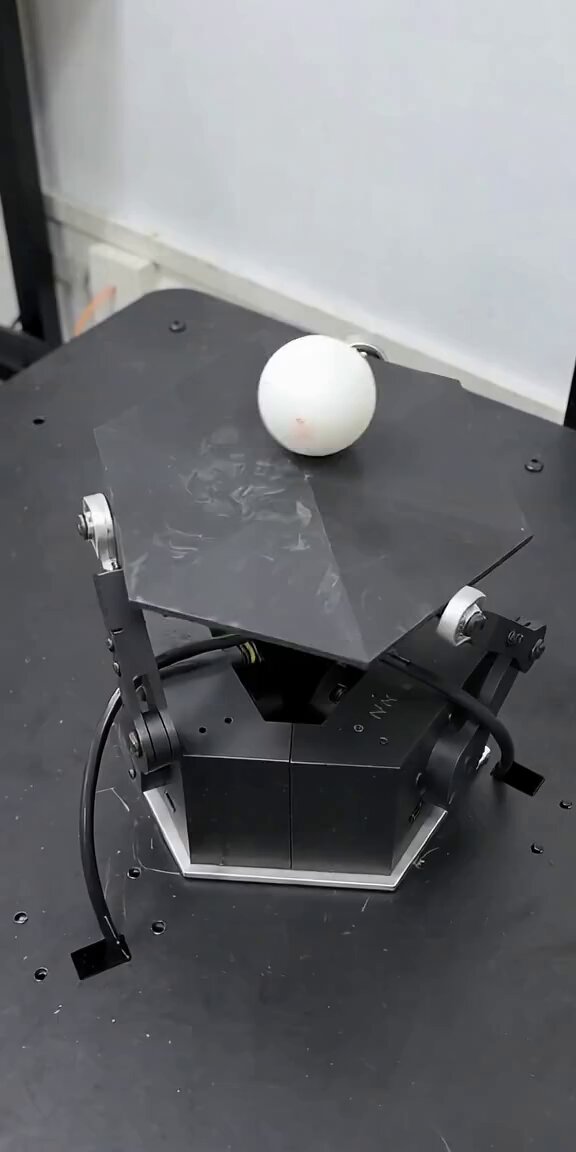
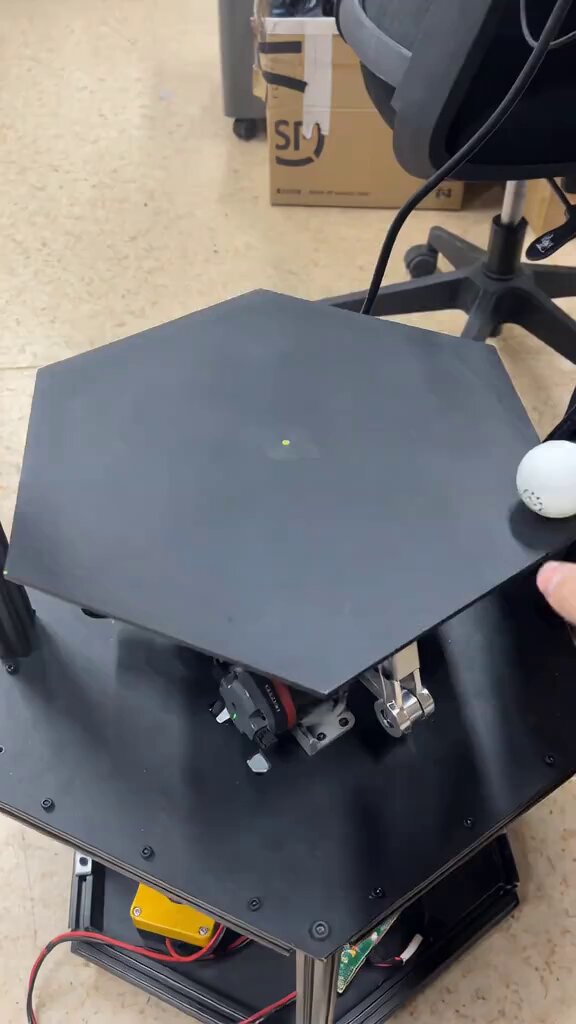
Balance is a fundamental skill for better control of the ping-pong ball. 🤩
2
1
22
2,243
Jun 12
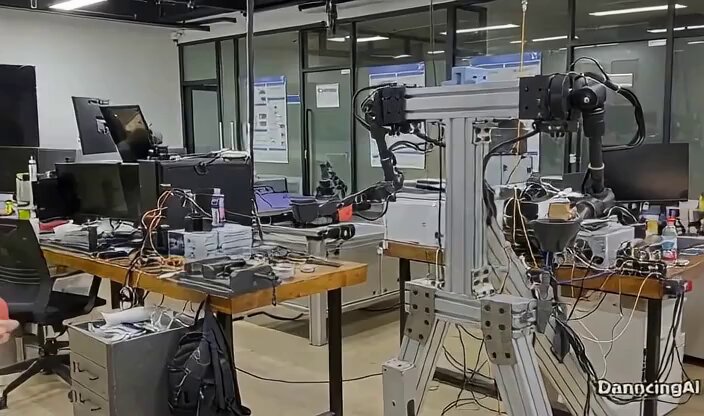
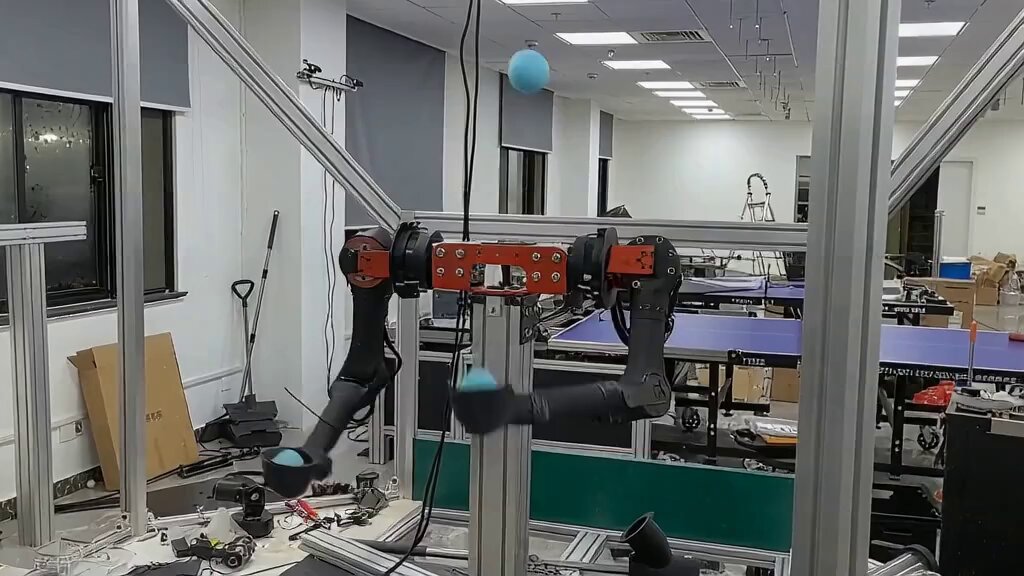
Human-robot co-throw rehab system breakdown:
5ms binocular vision ball locking real-time IMU trajectory calculation keeps throwing forces safe.
Dual-arm dynamic priority control switches lateral ball transfer mid-catch to build hand-eye coordination.
3-ball test: multi-target tracking, 0.3s decision cycle, 3Hz catch-throw frequency.
Multi-task motion planning boosts cognitive flexibility for stroke upper limb rehabilitation.
1
1
591
Jun 12
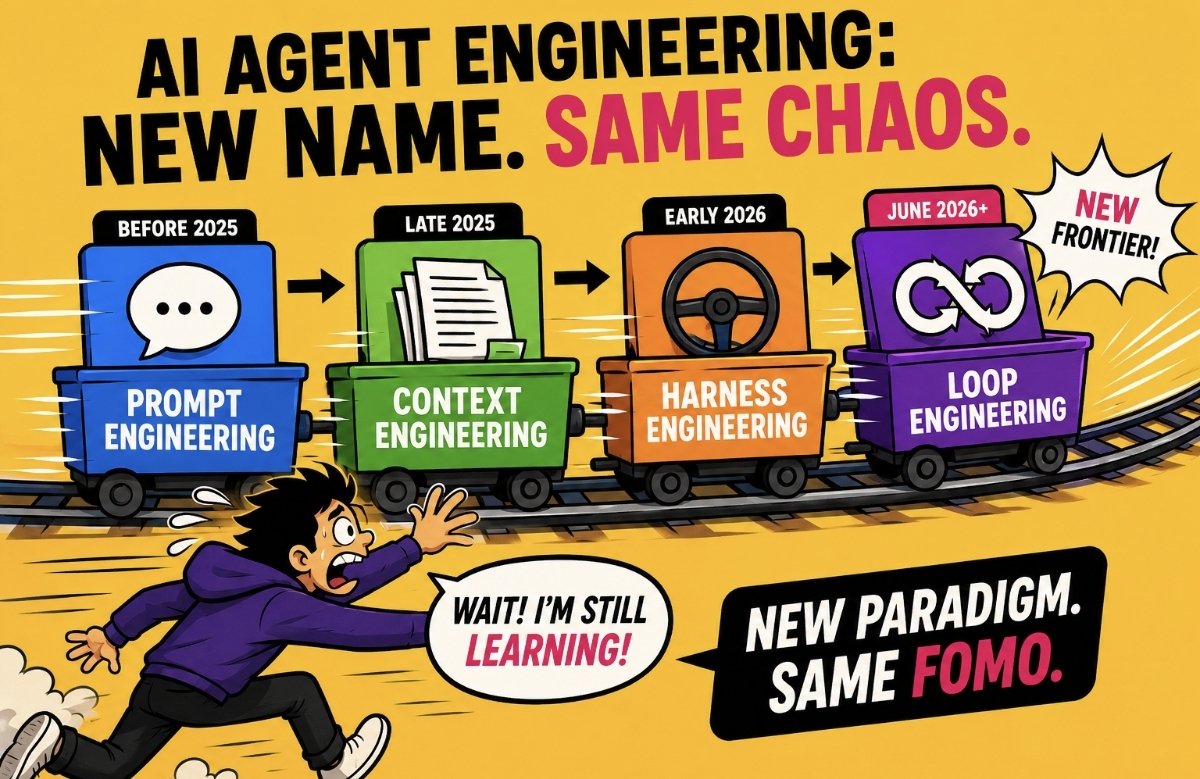
Over the past year, folks building AI Agents have cycled through three core engineering paradigms:
Prompt Engineering → Context Engineering → Harness Engineering
Starting June 2026, the new frontier is Loop Engineering.
2
1
5
1,354
Jun 11
After the CAD issues are fixed, is the only thing left the PCB

claude fable 5 has solved CAD
I asked it to make a model of a V8 engine
It came back to me with a fully working model in under 10 minutes
2
9
2,084
Jun 12
Other than catching ping-pong balls, what else can this balancer be used for? 😃
32
19
165
21,285
Jun 10
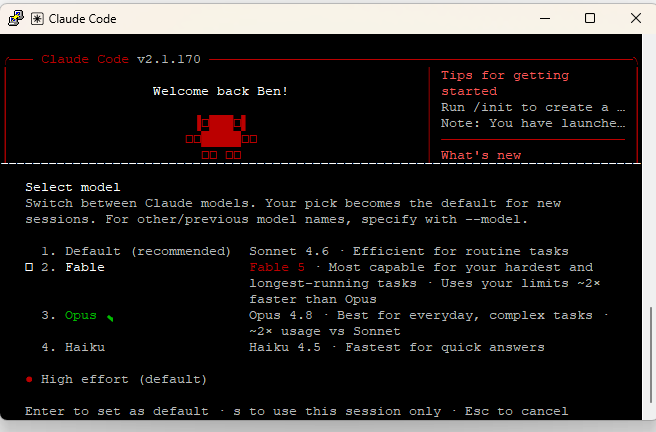
Good news: Fable 5 is now directly usable in Claude Code!
Bad news: Access only lasts until June 22 😀

2
983
Jun 10
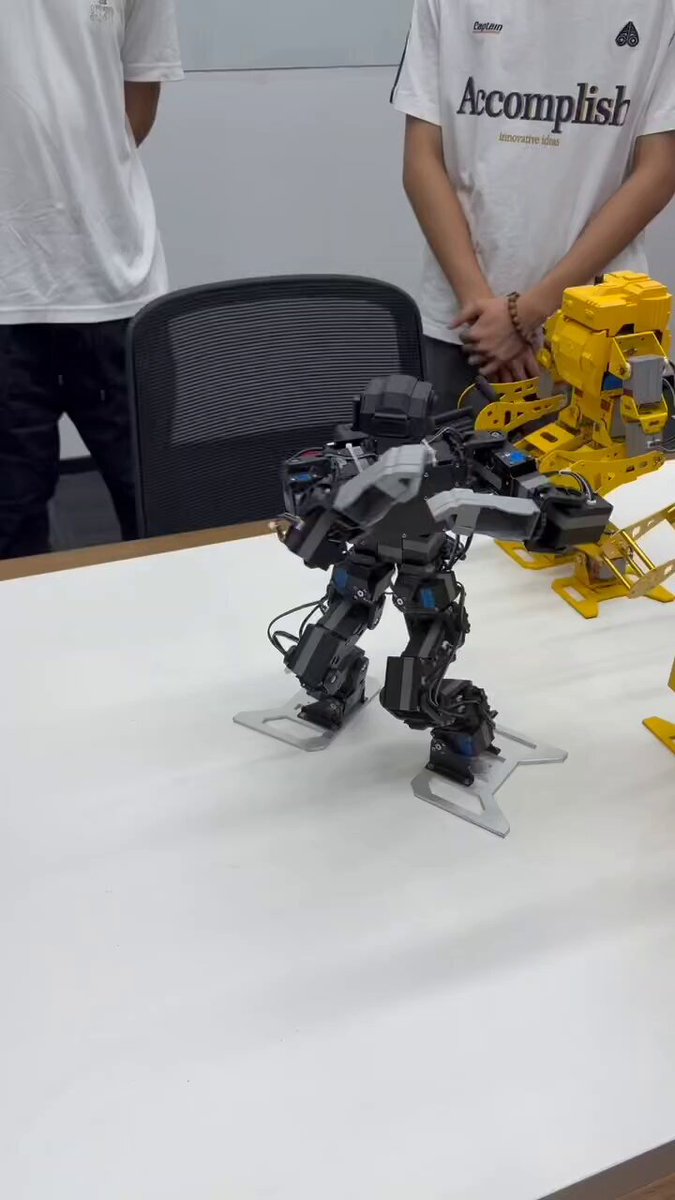
Visited a robotics toy company in Shenzhen to see robots fighting
1
6
47
2,385
Jun 8
Standard workflow for all vision robots:
1. Image capture via cameras
2. Preprocess & filter visual data
3. Object detection & feature recognition
4. Pose calculation & spatial positioning
5. Path planning & motion command output
6. Actuator execution real-time feedback
#VisionRobot #ComputerVision #Robotics
Jun 8

Ping pong robots have leveled up! No longer only serving balls, they can now hit back.
#TableTennis #PingPongTech #Robotics
1
4
15
1,134
Jun 8
Ping pong robots have leveled up! No longer only serving balls, they can now hit back.
#TableTennis #PingPongTech #Robotics
2
17
2,115
Jun 8
It can recognize different types of packages, automatically scan barcodes for sorting
Jun 7

Visiting China is realizing that what the West considers remarkable in robotics is often old news.
Yes, this is real-time warehouse package sorting, autonomously, in production.
5
628
Jun 6
Auto night light control circuit

2
6
878
Jun 5
Simplified laser mosquito zapper project turned into a vision-based water gun bird repeller.
Nearly all vision robots run on similar fundamentals. Key challenges: detection speed, positioning accuracy & motion agility.
YOLO is the go-to backend model for most of these builds.
which YOLO version are u using? 😄
#MachineVision #Robotics #YOLO
2
1
9
802
Jun 5
The Physical AI ChatGPT breakthrough is nowhere in sight. All the ongoing Physical AI hype is pure fugazi.
The biggest bottleneck plaguing Physical AI is weak generalization.
Motions functioning perfectly in training collapse once you alter scenes, objects or lighting.
The sim-to-real gap remains enormous, and raw computing power alone cannot bridge it.
Funny industry truth: Robots with proven profitable real-world businesses never call themselves Physical AI.
Amazon Robotics’ decades-long warehouse automation, Keyence’s industrial inspection, DJI’s agricultural drones — these are mature automation with fully closed-loop commerce. No trendy buzzword needed to raise capital.
Ironically, every project labeled Physical AI is exactly the uncommercialized stuff: general humanoids, end-to-end embodied AI, foundation-model-based universal manipulation.
Figure, 1X, Tesla Optimus deliver slick demos, yet none have scalable commercial rollout or standardized reliable benchmarks.
Simple logic: Solutions that can land real-world jobs don’t need the Physical AI tag.
Those clinging to the tag cannot land practical deployment.
Why the sudden Physical AI boom?
Two driving forces collide: Nvidia needs a fresh TAM story outside data center GPUs, while humanoid startups rely on this concept for financing pitches.
Still, I firmly believe general-purpose robots with robust generalization capabilities will arrive eventually.
#PhysicalAI #EmbodiedAI #HumanoidRobots
1
2
454