
Joined November 2008
- Tweets 72,678
- Following 1,140
- Followers 1,199
- Likes 3,298
4,219 Photos and videos

Pinned Tweet

23 Sep 2020
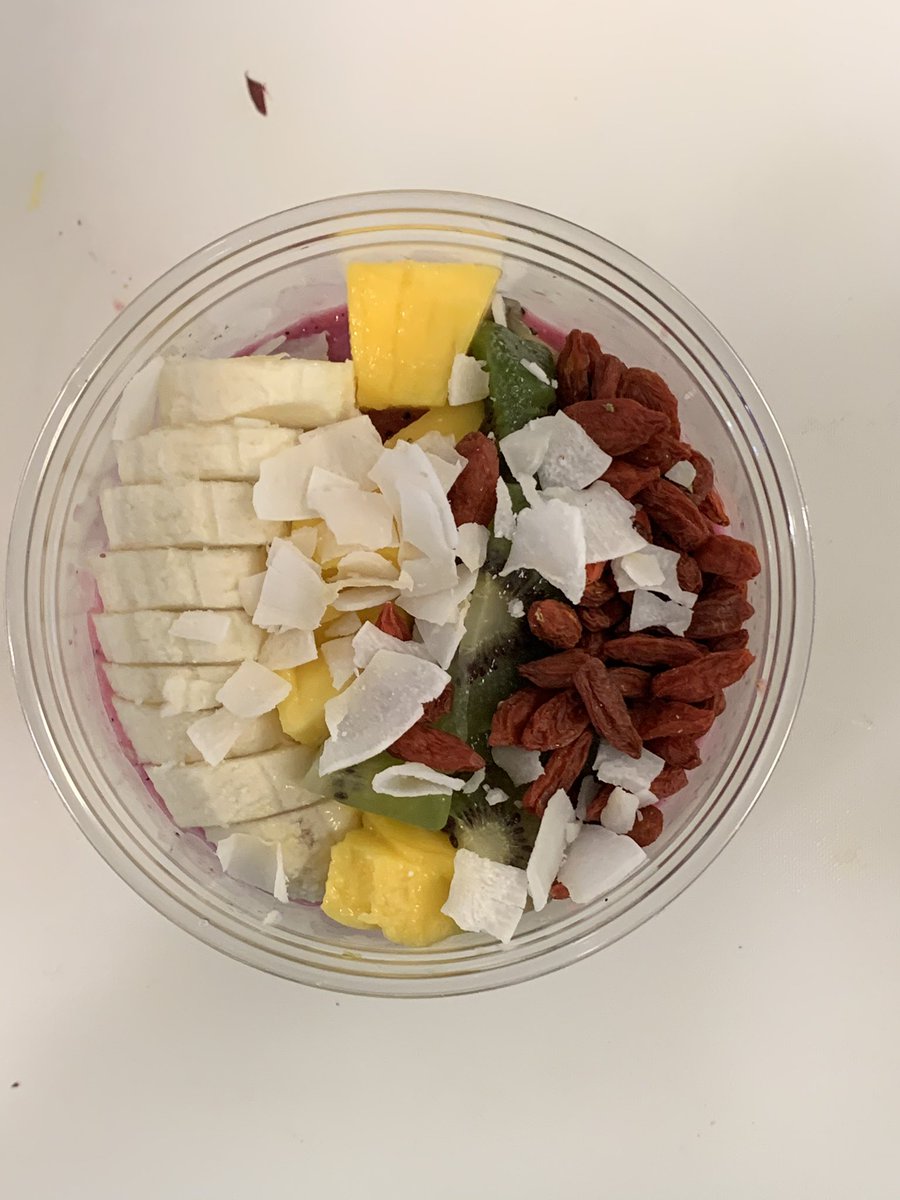
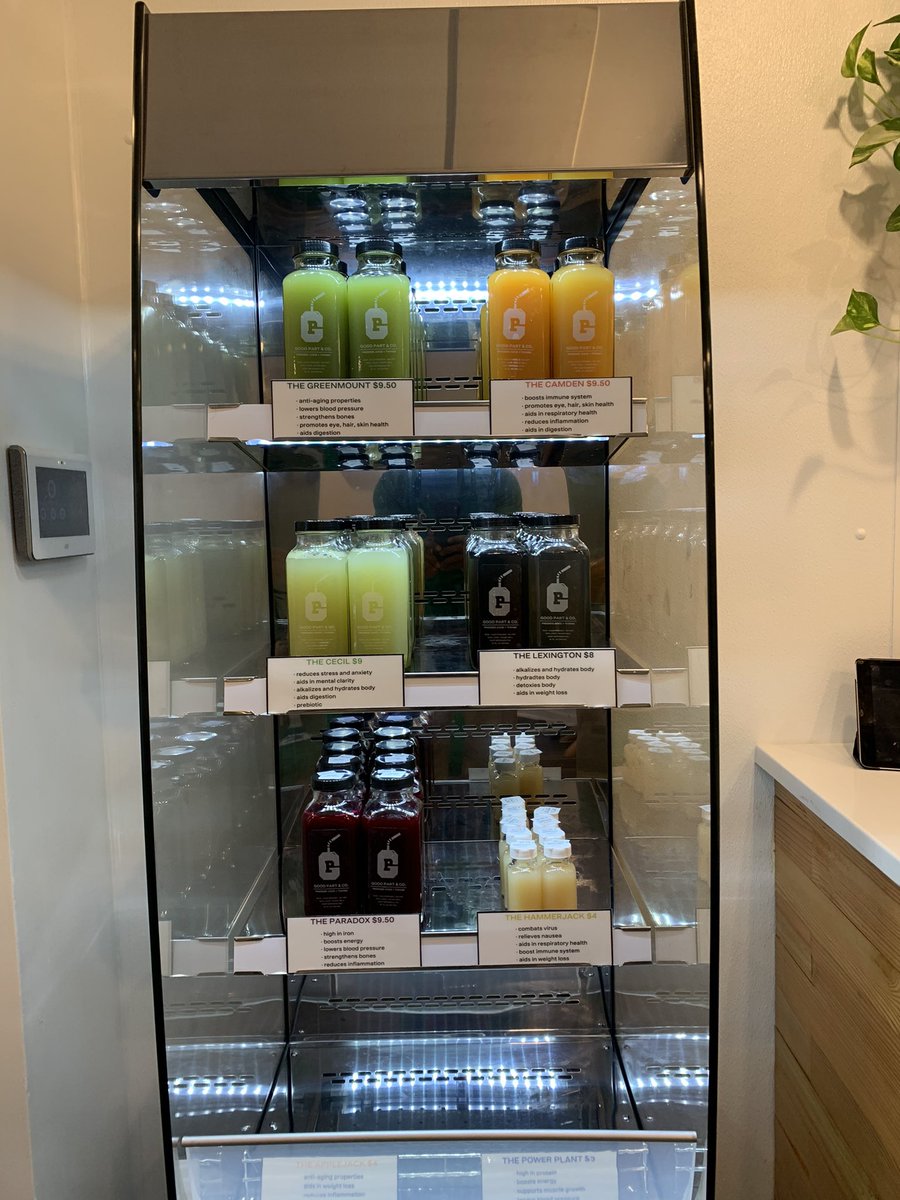
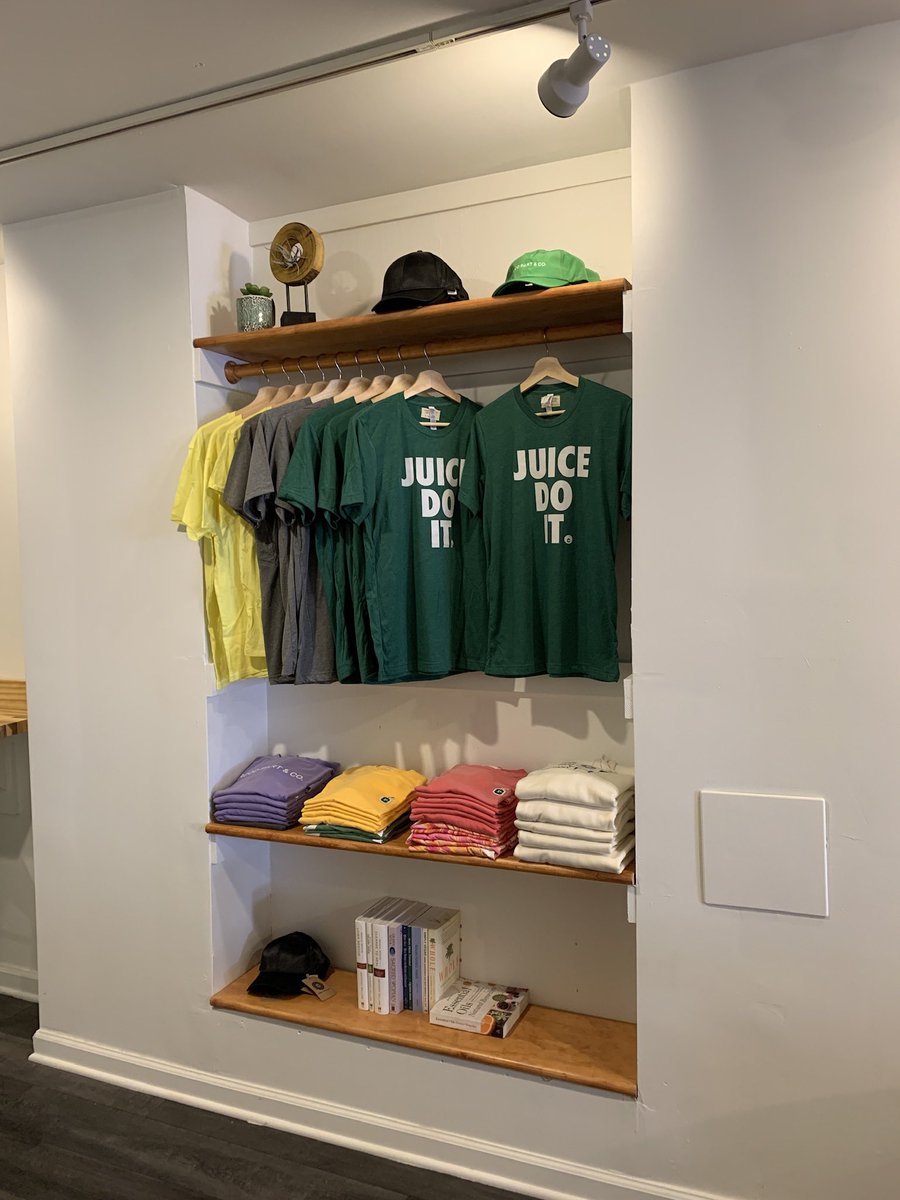
13 months since I signed the lease and now @GoodPartandCo is finally open!
Cold-Pressed Juice
Smoothies
Smoothie bowls
and Merch

4
15
37
Jun 9
Let’s go build!

Introducing Claude Fable 5: a Mythos-class model that we’ve made safe for general use.
Its capabilities exceed those of any model we’ve ever made generally available.
7
Jun 9
Facts! I work with smaller companies and I only have 4 steps, 5 if they are more advanced. Clients are almost annoyed by the fact that only 1 step requires AI. They think it should be AI magic from start to finish.

It's not sexy to say, but most of AI transformation has nothing to do with AI.
There are 10 steps in the sequence of making an internal process or external product AI-native.
Only 1 step is AI, and ironically, the other 9 steps are the far harder part.
Step 1: Identify the problem
- find the manual process worth automating. turn your brain off autopilot & turn on your "suck meter".
- funny enough, your company becomes more efficient just by mapping out your processes even if you don't introduce AI.
Step 2: Understand the workflow
- Map how people actually work today. grab an 8.5x11 piece of paper or @excalidraw and create a flow chart of the workflow from beginning to end.
- Least sexy part, but generally where the people driving transformation (FDE, GTM engineer, etc) should spend the majority of their time.
- Before you reimagine a process you have to become an expert in that process. Which means you either need to have the business context yourself or absorb it through osmosis (See what @DBredvick did at @vercel)
Step 3: Collect the data
- Gather sample inputs, documents, edge cases
- Example: for my content machine ai workflow, I gathered past slack messages/notion transcripts to test automated ideation & I pulled past X/linkedin posts to build .md files of my content voice
Step 4: Build the prototype [The AI Part]
- Whether its engineer-led or SME-led the goal is to test your hypothesis that there's a better way of doing things for yourself as customer zero. Don't worry about code cleanliness, don't worry about scalability, just worry about proving there's a there there.
Step 5: Test & iterate
- Validate with real users and edge cases
- Before you take the process from single player (only you using it) to multiplayer (many users), you want to beat it up with as many rounds of work & feedback edge cases as possible. Turning every process into a self-improving loop before scaling is key.
Step 6: Integrate with systems
- Point-in-time data is good for testing the workflow, but live data is necessary before going into production.
- Example: for my content machine, i'm hooked up to notion/gmail/slack for content ideation & i'm hooked up to X & Linkedin to post content once it's ready to go.
Step 7: Roll out & train
- Whether the new process lives on a live link, on GitHub or an internal library, next step is hand-holding your peers/users through the onboarding process of your new workflow/product.
Step 8: Drive adoption
- It's actually pretty simple (just not easy). Introduce a new workflow that saves someone a lot of time and integrates with their already existing behavior so they don't have to deal with re-education.
- Embed the workflow in your culture where adoption is tracked, ideas & feedback are celebrated, and new/creative use cases become social currency in your business.
Step 9: Empower contribution
- Treat your new process like an opensource project. Allow users to become contributors. Whether they are literally pushing code or are simply empowered to add ideas/feedback to a kanban board that gets serviced by engineers, make everyone feel like a builder.
Step 10: Measure & capture value
- Everyone is ROI obsessed atm. If you're in the experimental phase of AI adoption in your company, fuck ROI. The goal is to empower people to throw a lot of shit at the wall & see what's worth focusing on. You don't need to be scientific during this process. Intuition is more than enough in gauging what's working vs. not working.
- If you're in the scale-up phase of AI in your business, and you need to realize hard ROI, you need to reskill employees attached to this process, undershoot your approved hiring roadmap, or measurably increase ACV/conversion rate/sales cycle speed.
12
Jun 4
Facts
Jun 4

if you're not all in on:
-social media
-AI
-building an owned audience
you're not gonna make it.
12
Apr 21
Great breakdown of founder-led, authority content. how and why it hits different that “creator” content
Apr 21

Many founders think they have to be content creators to build a personal brand.
A content creator builds an audience to sell things like sponsorships and ads.
Maybe even a course.
A founder with a personal brand builds trust with a small group of people who will eventually become clients, partners, or hires.
The jobs and metrics aren't the same.
Neither is the content.
Content creators need reach.
Every post HAS to perform.
Each week needs a larger number than the last.
Founders need recognition within a narrow audience more than anything.
Being the known expert to 500 specific people is all they need.
This is where founders get stuck.
They copy the tactics of creators they admire.
Start chasing engagement.
They stress (or obsess) over hooks and follower counts.
All while trying to please the algorithm.
None of that is the job.
You should be showing the market what you know, who you work with, and how you think.
Over and over again. For the right people.
If your content comes directly from the work you already do, that's different than trying to “be a creator.”
Building that credibility in public is how the right people find you and know you're the right person to help them.
1
1
74
Mar 26
Meek Mill is expanding his business empire to AI, tech and LinkedIn.
Here's what happens when hip-hop and LinkedIn collide 🧵
1
1
64
Mar 26
7/ A whole generation of young Black entrepreneurs who thought LinkedIn was for corporate people in khakis sees someone they actually follow using it to build. That changes who shows up on this platform over the next 3 to 5 years.
1
15
Mar 26
Rappers have been operators forever. Labels. Touring. Merch. Real estate. Liquor brands.
They just ran all of it through entertainment networks.
The rappers who get on LinkedIn first aren't just joining a platform. They're about to reshape who does business with who.
15
Mar 24
Meek tapped in. LFG!

25
Mar 23
The best thing about
@MaxellCorp
droppin their new cassette player is the person who's handling their X account replies 📼
1
2
95
Mar 23
The most underutilized feature of AI amongst my business peers is RESEARCH.
I'm documenting the journey of monetizing my podcast and I'm starting with Perplexity Computer.
This is how I approach using AI for business research
youtu.be/bvBmepqReBA
1
35

Claude is helping me organize my whole music career and other businesses in days ... and it's moving my business forward at a high rate! Some tech youngbull I met on LinkedIn gave me a incredible template! Who else can help me with Claude
933
709
12,396
3,756,245
Jan 8
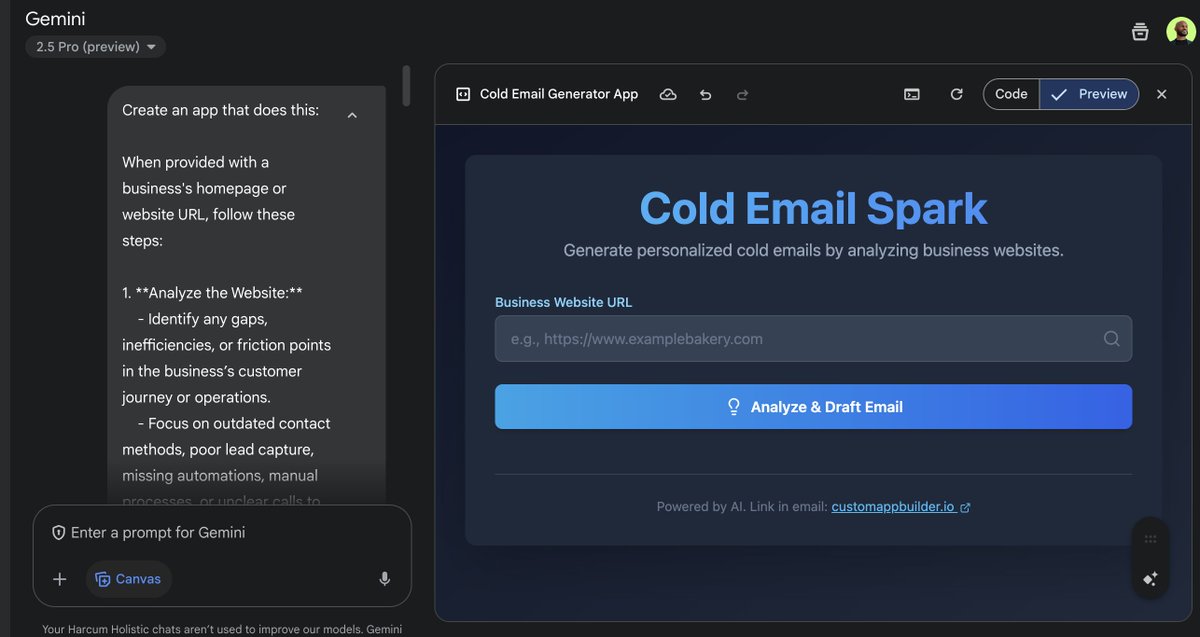
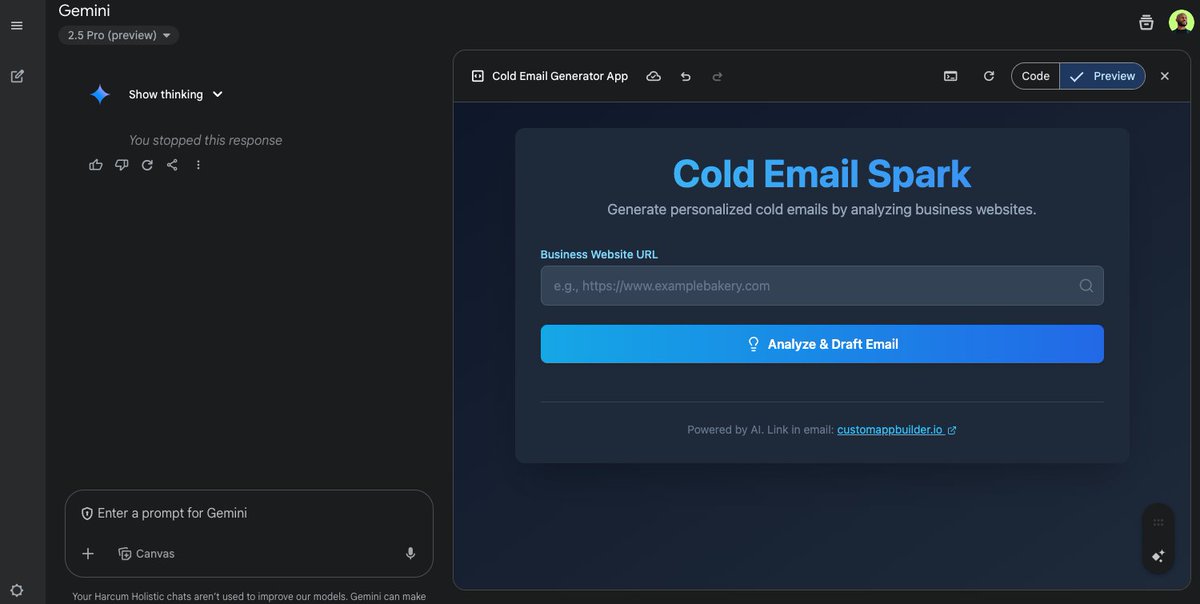
every founder/small biz owner should have an interactive tool or webapp in 2026.
y? instant dopamine for your audience.
20 min on your AI slop ebook vs. 20 secs to get the answer they actually want.
your leads don't want homework. they want outcomes.
2
18