Research Group Leader @MPI_EVA_Leipzig. Population Geneticist. On Mastodon @stschiff@ecoevo.social
Joined January 2009
- Tweets 2,267
- Following 1,362
- Followers 2,301
- Likes 3,769
67 Photos and videos


19 Jun 2025
Morgen auf der langen Nacht der Wissenschaften gibt's von mir um 22:00 Uhr einen Vortrag mit dem Titel "Gene und Geschichte – Wie alte DNA unsere bewegte Vergangenheit erzählt". Herzliche Einladung ans @MPI_EVA_Leipzig
18 Jun 2025

Am 20. Juni ist es soweit: Das @MPI_EVA_Leipzig lädt zur Langen Nacht der Wissenschaften ein! 😊 Ab 18 Uhr erwarten Euch spannende Vorträge & eine bunte Vielfalt an Mitmachstationen rund um #Menschheitsgeschichte 🧬🧪 & #Primatenevolution. 🐒 Das Programm: eva.mpg.de/de/veranstaltunge…

2
466
Stephan Schiffels retweeted

18 Jun 2025
Am 20. Juni ist es soweit: Das @MPI_EVA_Leipzig lädt zur Langen Nacht der Wissenschaften ein! 😊 Ab 18 Uhr erwarten Euch spannende Vorträge & eine bunte Vielfalt an Mitmachstationen rund um #Menschheitsgeschichte 🧬🧪 & #Primatenevolution. 🐒 Das Programm: eva.mpg.de/de/veranstaltunge…
3
3
1,164
Stephan Schiffels retweeted

16 Jun 2025
Our #PhD students are excited to hear @stschiff speak about "Spatial inference of population structure and prehistoric human mobility from ancient and modern #genomes" tomorrow for our #PopGen Seminar series. Full schedule and streaming signup at popgen-vienna.at/news/semina…
1
2
404
Stephan Schiffels retweeted
16 Apr 2025
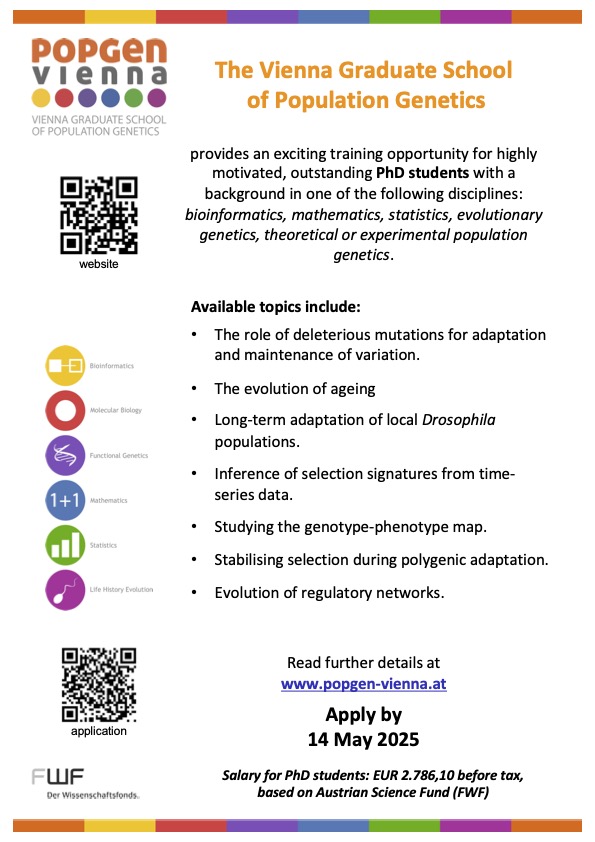
Call for #PhD students open! Apply by 14th of May to start your research career in #evolution #genetics in beautiful #Vienna among a fun international and interdisciplinary crowd of peers #evolVienna #bioinformatics #bigdata #Drosophila #adaptation #popgen please RT
9
13
1,522
Stephan Schiffels retweeted

6 Feb 2025
I'm thrilled that our new article was published today in @AJHGNews. It was an excellent collaboration with @cschlebu, Yoro Diallo, Vaclav Janousek, and Viktor Cerny.
Population history and admixture of the Fulani people from the Sahel
#Africa #OpenAccess
doi.org/10.1016/j.ajhg.2024.…
3
17
53
7,817
30 Jan 2025
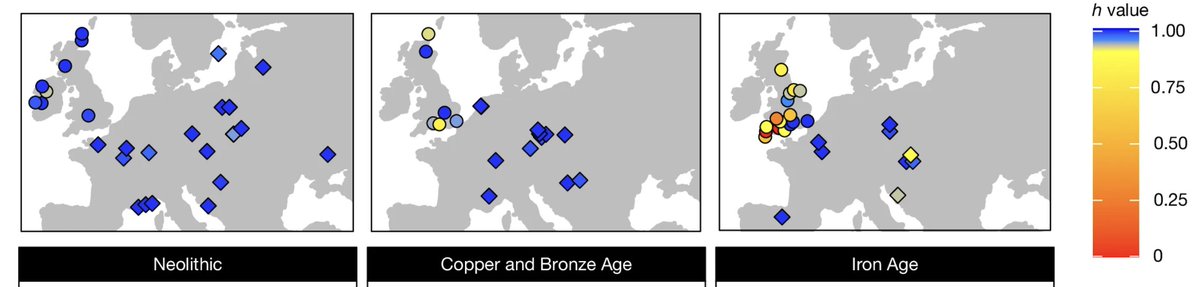
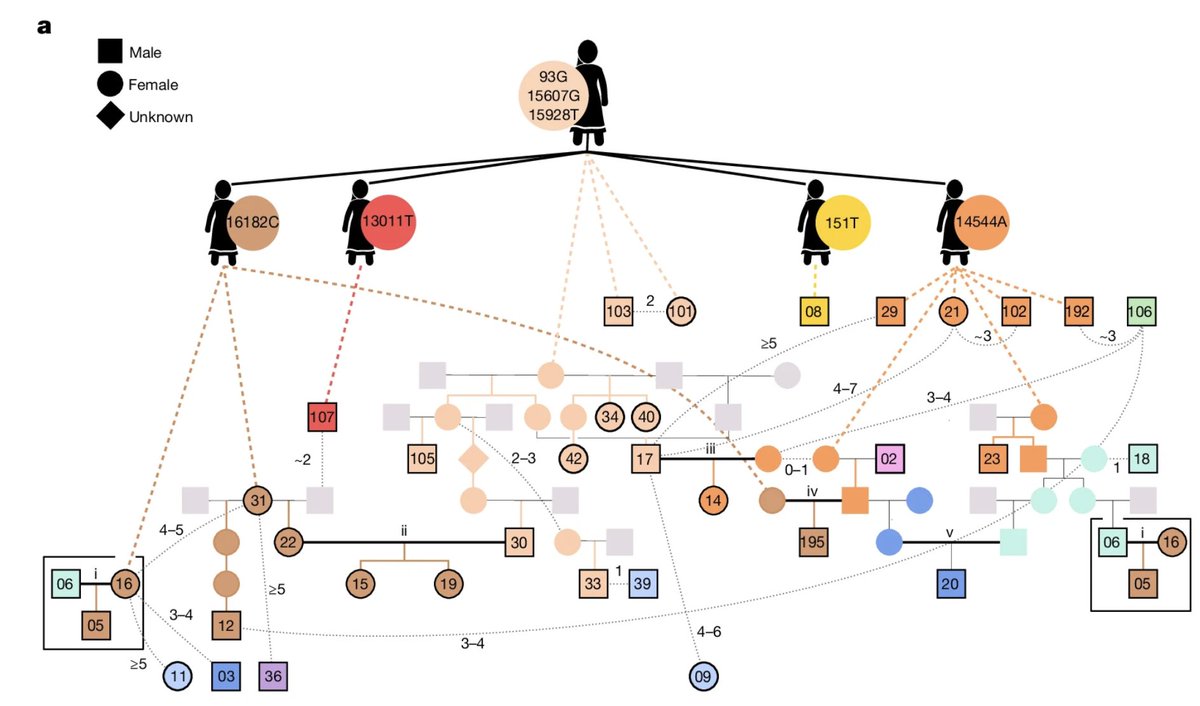
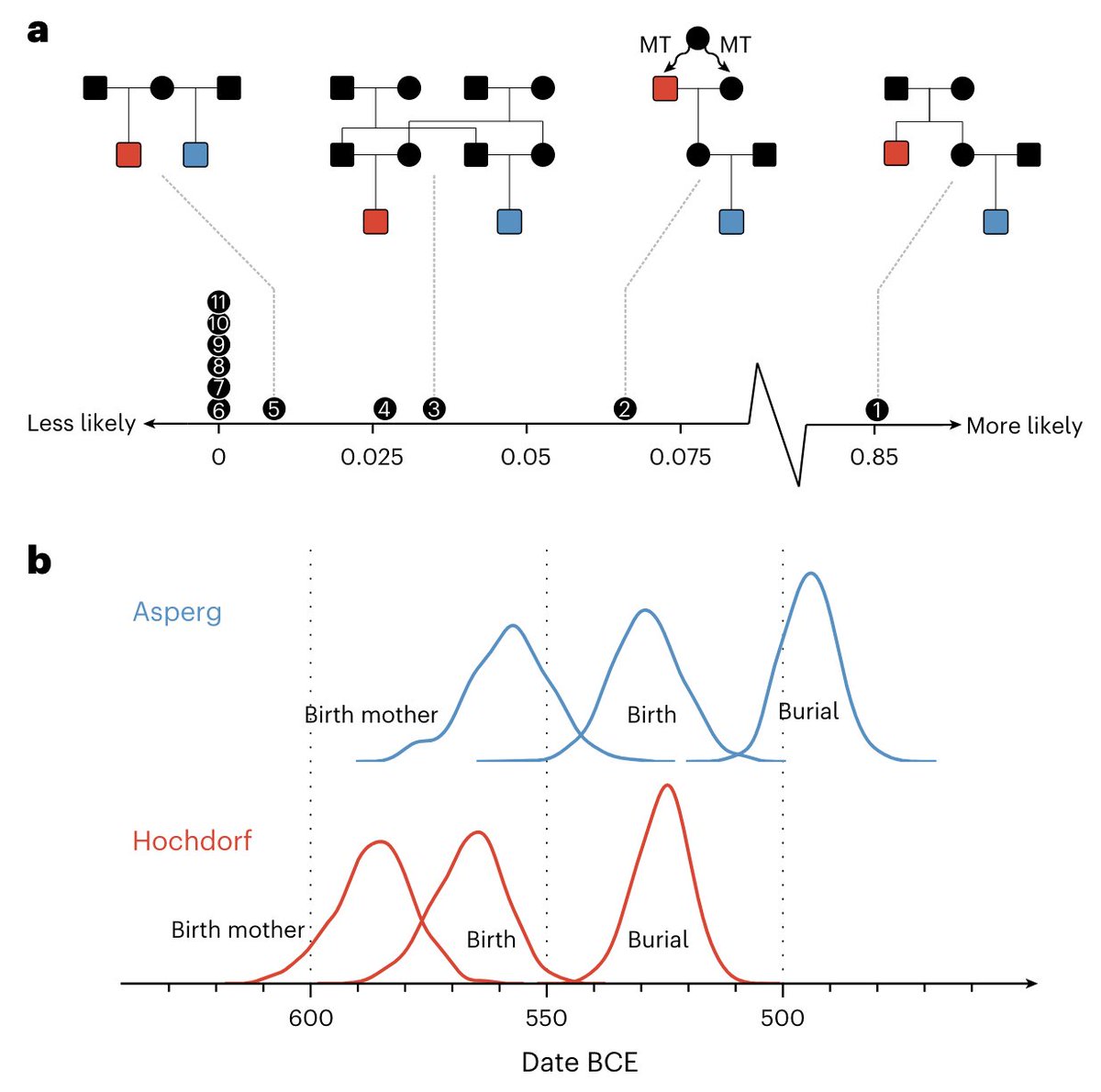
Fascinating study came out two weeks ago by @_larsporsena and Colleagues on a South British Iron Age burial site with an extraordinary matrilocal relatedness pattern (nature.com/articles/s41586-0…)... 1/6
1
10
28
4,848
30 Jan 2025
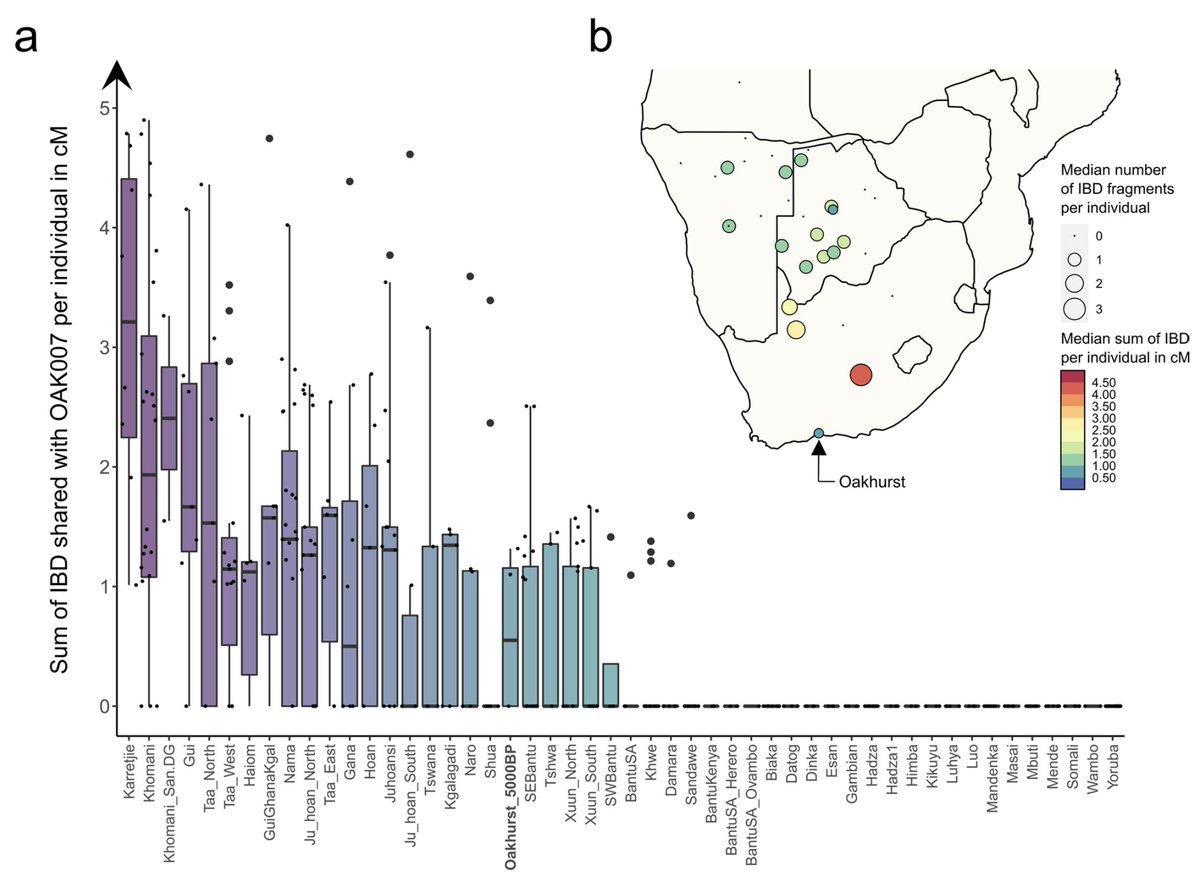
What I get from this is that we should all be more data-mining of published data. There are still hidden gems in there, and as the data is growing faster than people can analyze, the rate of unpublished gems may be growing! 5/6
1
3
6
566
30 Jan 2025
Here is a nice News piece (science.org/content/article/…) by @spoke32 about the work, with a quote from @JoGretzing. 6/6
4
328
22 Jan 2025
Excellent book review on "The trouble with ancient DNA" by my colleague @KathrinNaegele: science.org/doi/10.1126/scie…
1
5
28
1,791
13 Jan 2025
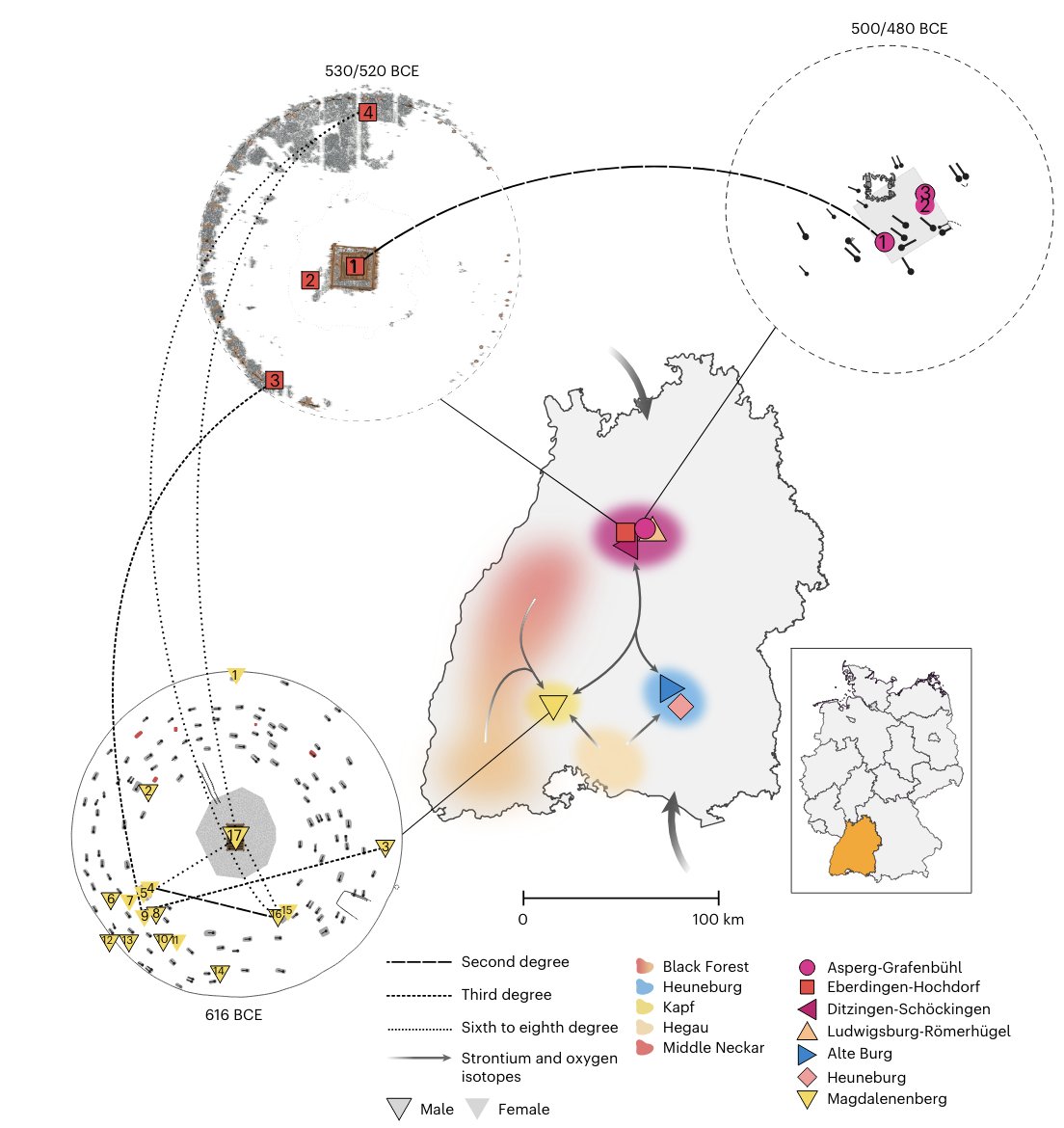
Nice article in National Geographics (in German) on our findings of dynastic relationships among Celtic elite burials, featuring Angela Mötsch from my group: nationalgeographic.de/geschi…
6
363
Stephan Schiffels retweeted

10 Jan 2025
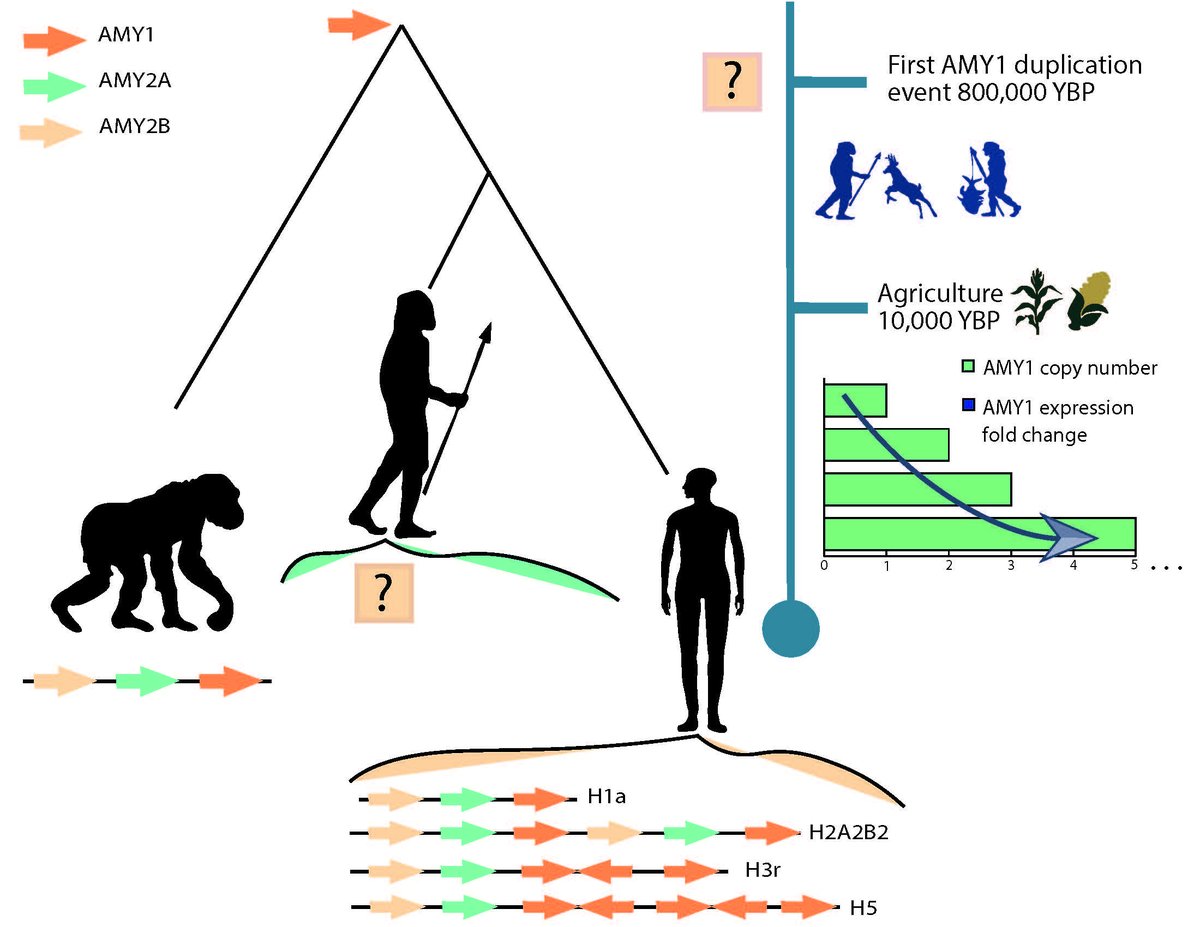
Our Cell Genomics preview “Double or Nothing – Ancient Duplications in the Amylase Locus Drove Human Adaptation” covering Yilmaz F. (@feyza__yilmaz) et al., Science 2024 and Bolognini D. (@davidebolo93) et al., Nature 2024 is now out.
massilani-lab.com/new-public…
19
71
3,826
Stephan Schiffels retweeted

8 Jan 2025
Our work, which shows statistical issues with the previous claim of a severe ancient bottleneck in the ancestry of African populations, has been selected as a Featured article in @GeneticsGSA
doi.org/10.1093/genetics/iya…
Great work by @YunDeng5, co-advised by @ras_nielsen and me
1/2
1
12
48
8,714
9 Jan 2025
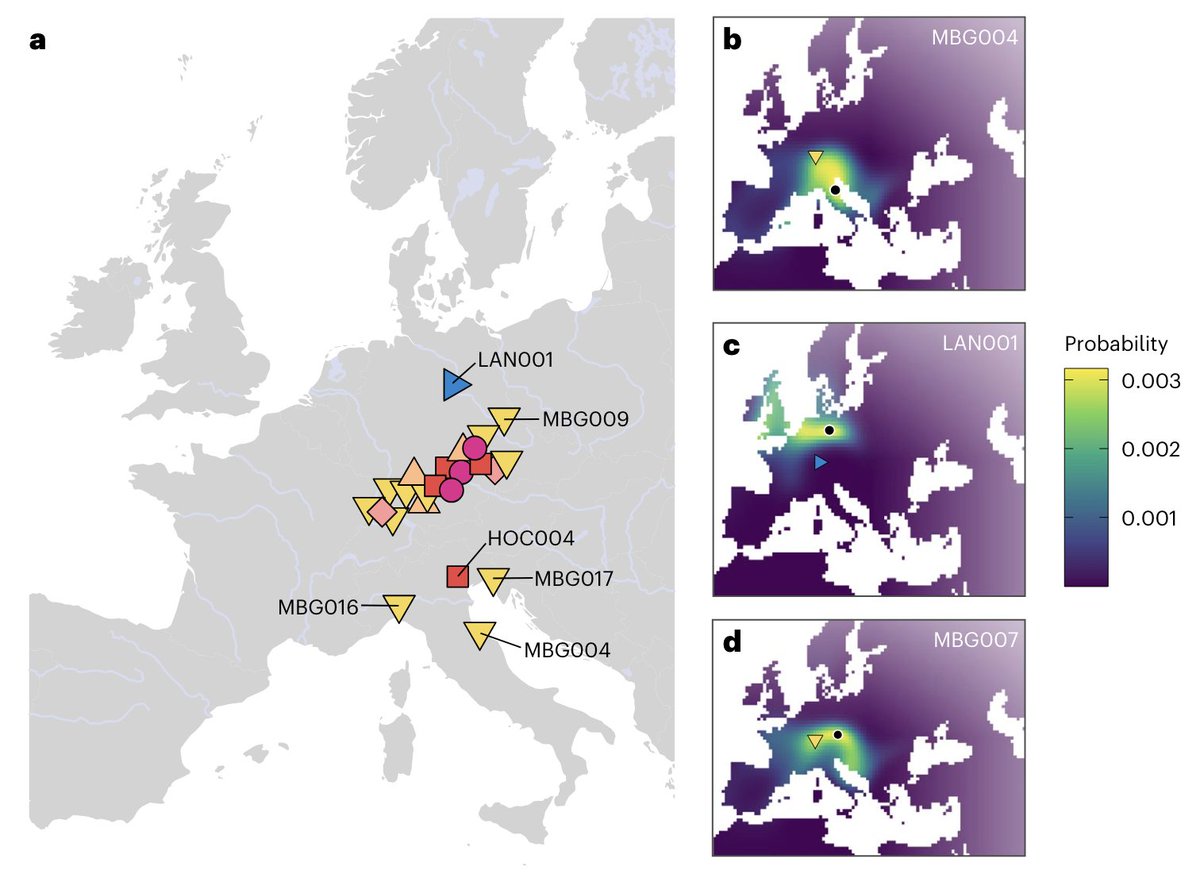
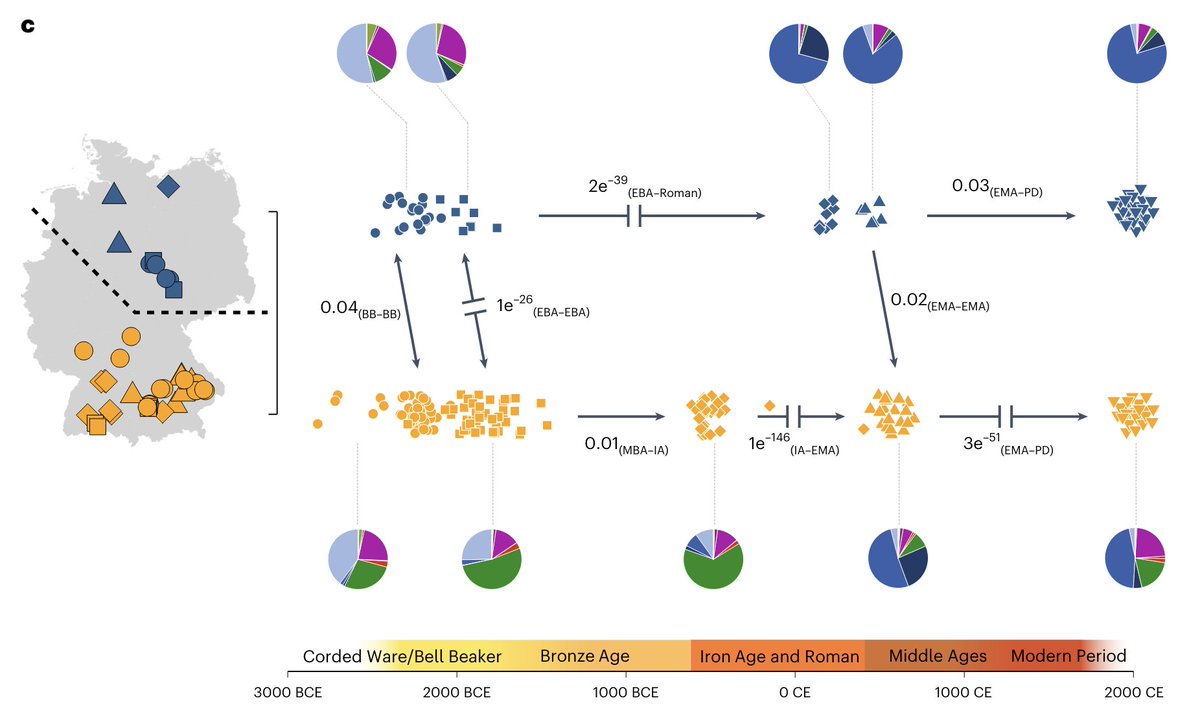
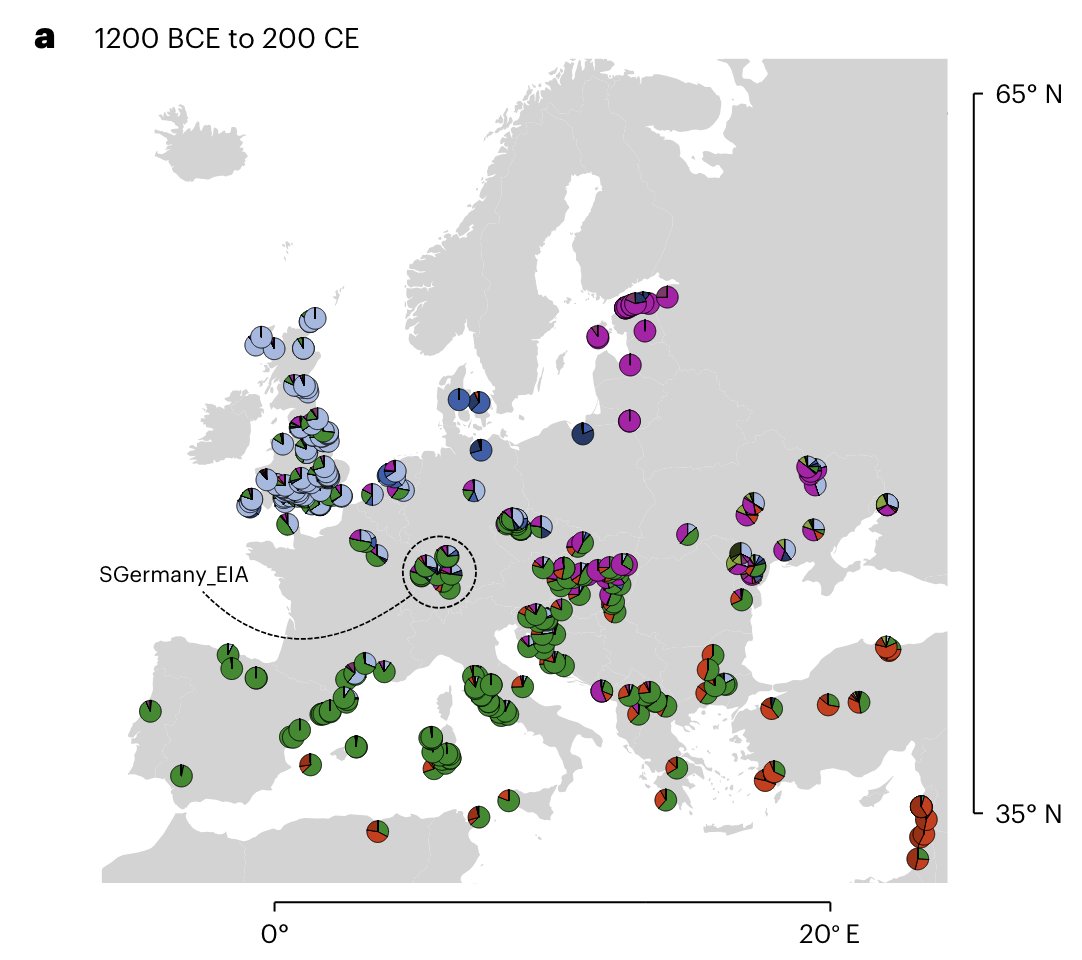
"Ancient DNA reveals family ties" is named on of the top 10 Science Break-throughs in 2024 by Science (science.org/doi/10.1126/scie…). Our work on early Celtic princely burials and their discovered close kinship gets mentioned, too!
1
9
30
1,892
Stephan Schiffels retweeted

3 Jan 2025
The Max Planck Institute of Geoanthropology is pleased to announce that Dr. Patrick Roberts @palaeotropics will join its board of directors, heading the new Department of Coevolution of Land Use and Urbanisation bit.ly/41SW7DI
1
8
72
3,786
Stephan Schiffels retweeted

16 Dec 2024
This work about the severe African bottleneck hypothesis is now published on Genetics at: doi.org/10.1093/genetics/iya…. More details can be found at our previous thread below:
2 Oct 2024

It was recently reported that Africans experienced a sharp, severe bottleneck around 900kya and that this signal is absent in non-Africans. Here, we present evidence to show why this is likely a statistical artifact:
@ras_nielsen @yun_s_song
biorxiv.org/content/10.1101/… 1/4
14
34
7,166
Stephan Schiffels retweeted

13 Dec 2024
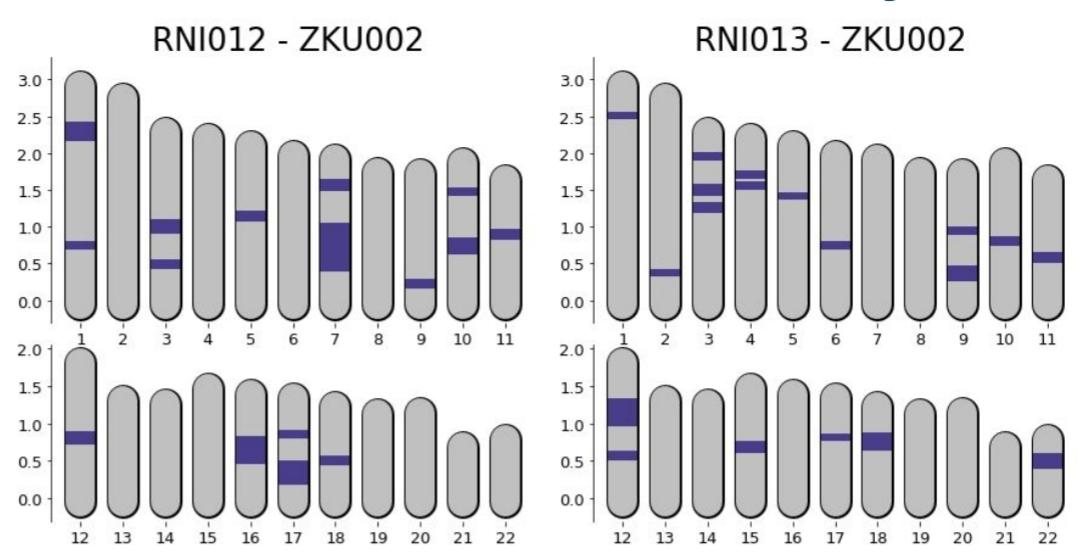
👏👏 @arevsumer! Contains our IBD analysis led by @YileiHuang317: Multiple really long 20cm IBD segments link the two record 45ky-old sequenced modern human sites Zlatý kůň (Czechia) and Ranis (Germany). Showing they are closely related - within few generations. 😮😮 (1/3)
12 Dec 2024
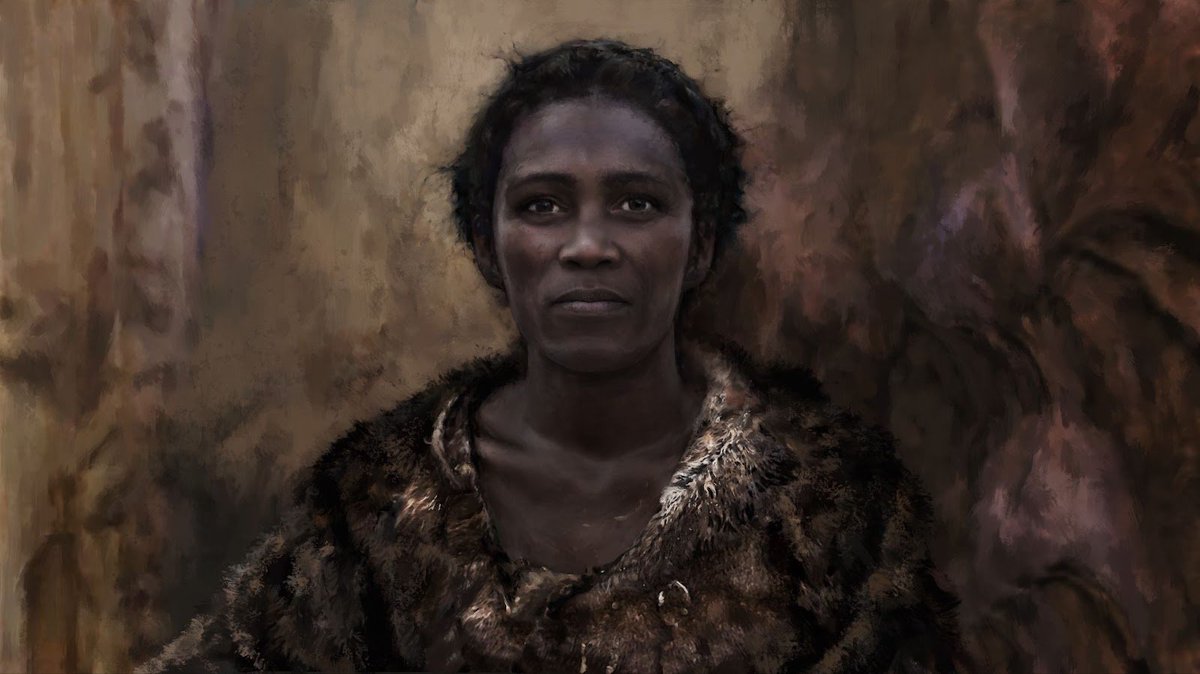
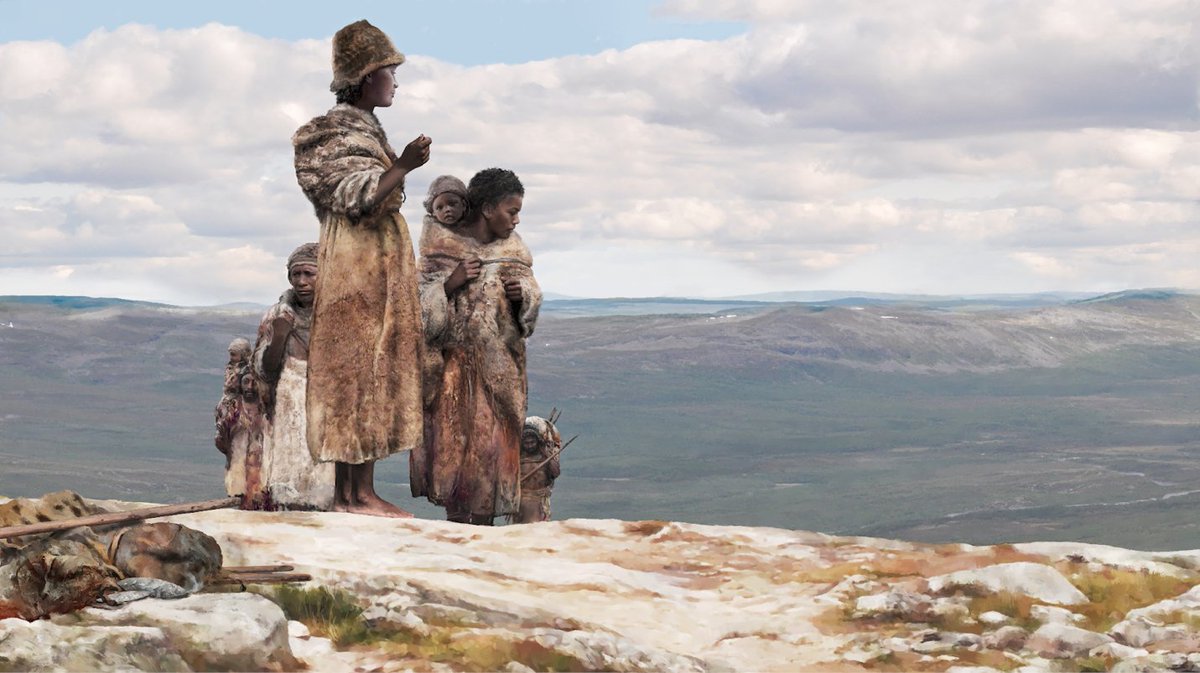
Oldest modern human #genomes sequenced. These seven early #Europeans belonged to a small, isolated group that left no present-day descendants. Study @Nature led by @arevsumer, Kay Prüfer, Johannes Krause @MPI_EVA_Leipzig. tinyurl.com/mryrjyrn & nature.com/articles/s41586-0…
1
11
45
5,299
Stephan Schiffels retweeted

12 Dec 2024
Out today in @sciencemagazine, we've journeyed into our shared history with Neandertals by analyzing over 300 present-day and ancient modern humans, including 59 individuals who lived between 2,000 and 45,000 years ago.
science.org/doi/10.1126/scie…
3
38
109
37,681