
Theatre. Books. Art. Heritage.
Joined December 2009
- Tweets 2,773
- Following 1,359
- Followers 536
- Likes 13,445
197 Photos and videos




Susan Gray retweeted

This morning, I appeared on Good Morning Britain in a live interview about the grooming gangs. Before I went on air, I was told not to mention the race of the perpetrators. I, of course, didn’t listen.
I have now received an apology from the editor.
My interview is below: 👇🏻
4,716
17,140
86,332
3,295,421
Susan Gray retweeted

Not much happening
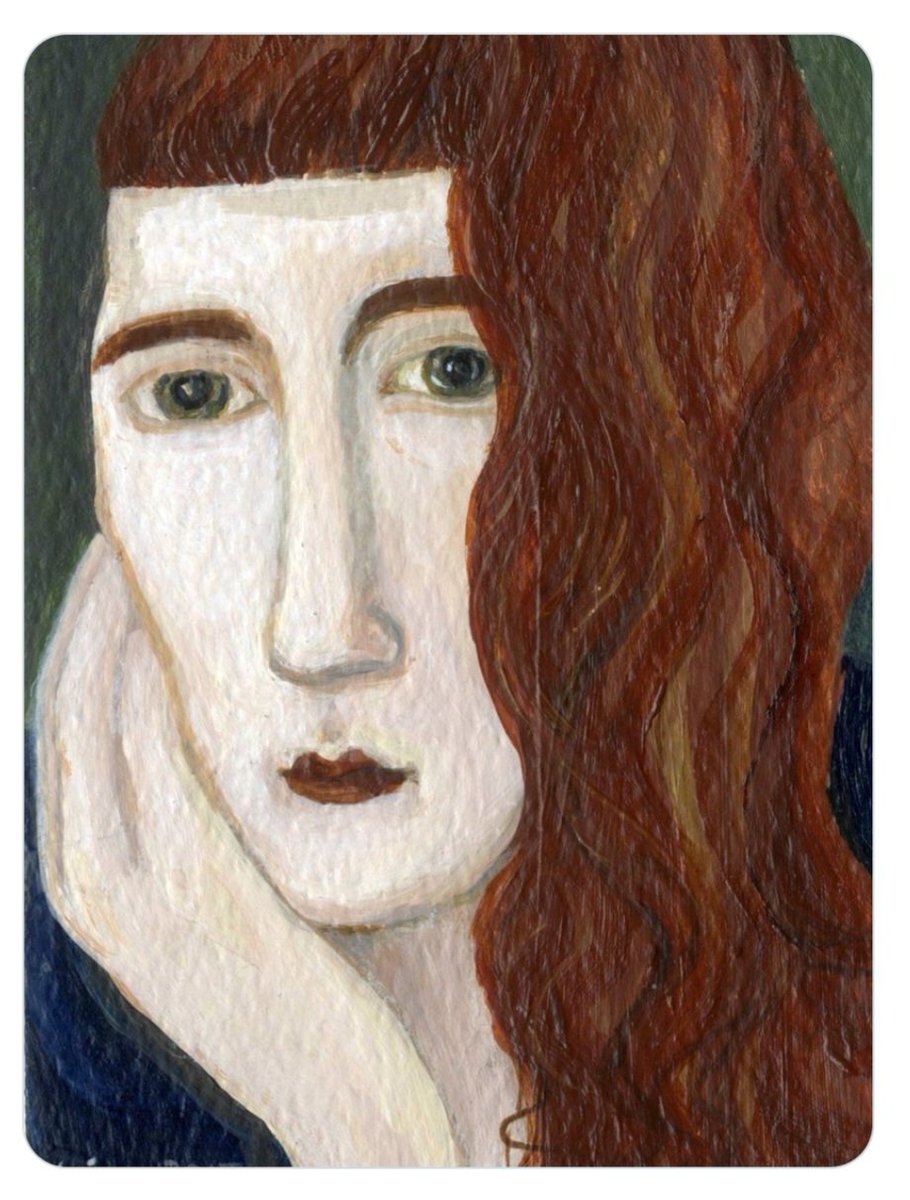
Been trying to clean and sort out my humble abode, never ending, overwhelming, guess I'll get there in the end.
I've still got this one on my wall.
Girl with red hair.
13
31
255
2,426

This is awful. The last ever Denby Pottery going to the kiln. Why is there not uproar? Where’s the government in this?? We all have Denby in our homes, in family heirlooms, as our history and now it’s closing through lack of support, such a sad sad day. #SaveDenby @denbypottery
1,498
7,334
26,636
1,206,742
Susan Gray retweeted

We welcome the Prime Minister's comments on Jon's diagnosis. What we need to see now is real action to improve care for the 1 million people living with dementia.
Dementia is the UK's biggest killer, but it isn’t given the attention it deserves. We wouldn’t accept that for cancer or heart disease – which is why we’re unapologetically demanding better for everyone affected by dementia.
Jun 5

A true giant in journalism, Jon Snow has spent his life asking difficult questions and telling important stories.
Now, in sharing his Alzheimer’s diagnosis, he is helping others feel less alone and raising awareness of a condition that affects so many families.
7
39
164
7,728
Susan Gray retweeted
Veteran news anchor Jon Snow has shared that he’s living with dementia, speaking publicly for the first time to raise awareness of a condition affecting around 1 million people across the UK.
Jon and his wife, neurologist Dr Precious Lunga, are supporting Alzheimer’s Society @alzheimerssoc and shared the story of Jon’s diagnosis in @DailyMail as part of our Defeating Dementia campaign with the newspaper.
dailymail.com/tvshowbiz/arti…
We’ve partnered with Jon, in association with @Channel4, on a powerful new documentary airing on 20 June. Jon Snow: A Last Big Story looks at how he’s navigating life with dementia, and how, when we all come together, we can change the story.
Thank you to Jon and Precious for their courage and openness to bring much-needed attention to dementia 💙
@jonsnowC4
Photo credit: Cynthia R Matonhodze
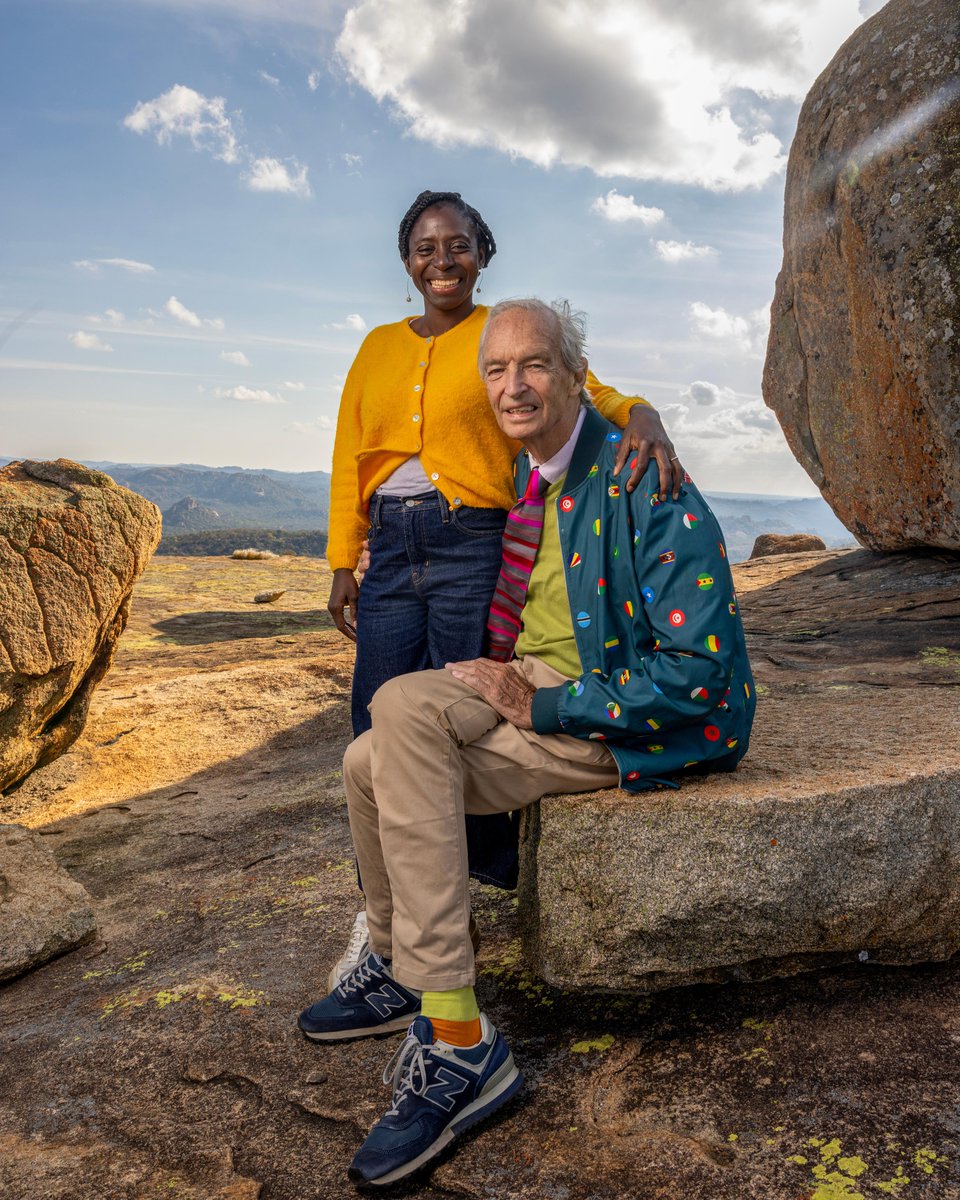
ALT Jon Snow, an older white man wears a colourful jacket and tie, and has tan trousers. Precious, a Black woman, wears a yellow cardigan and jeans. She is standing behind him with her arm on his shoulder as he sits on a large rock. They are outdoors on a rocky landscape with distant mountains under a cloudy sky.
259
1,724
8,506
687,569
Susan Gray retweeted

May 31
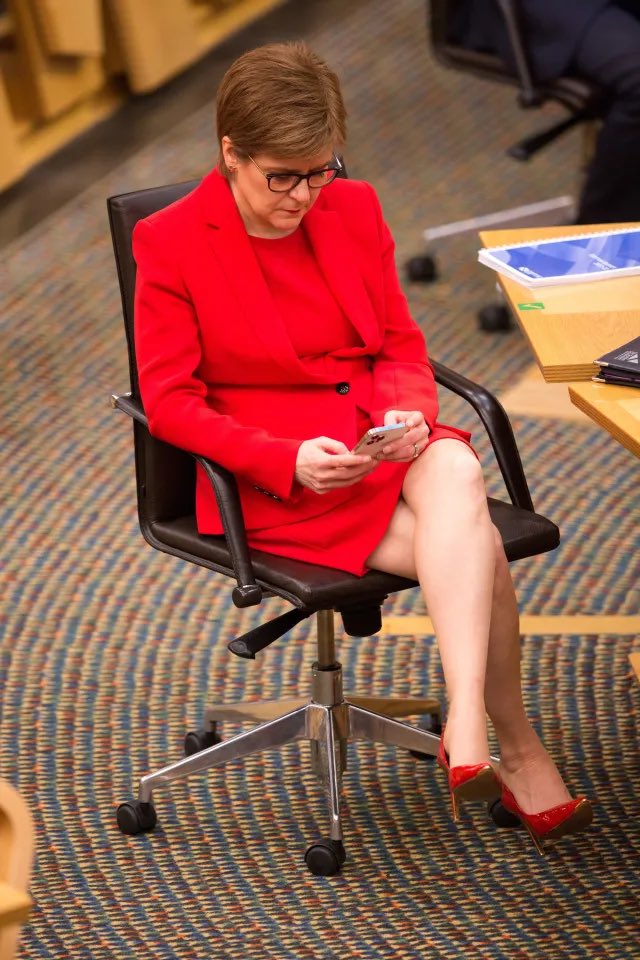
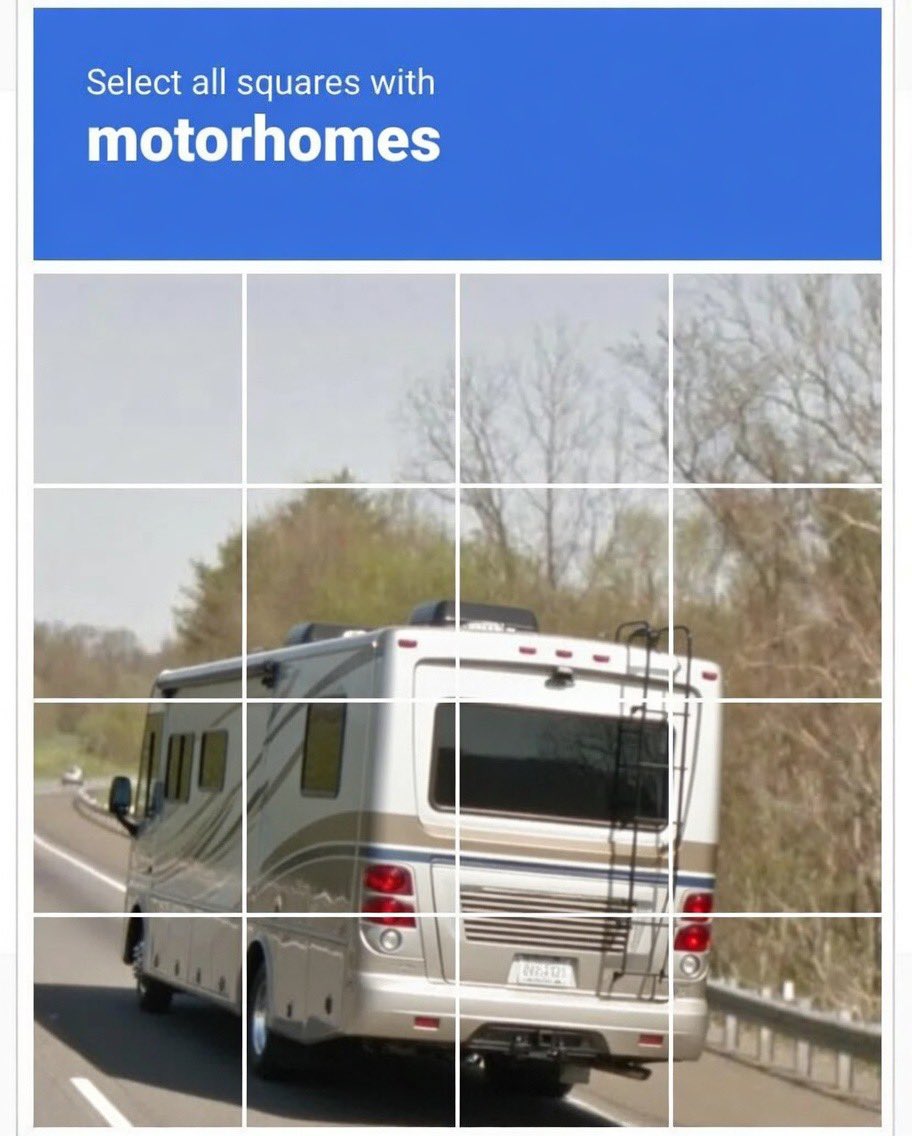
Nicola Sturgeon finds herself struggling to log in to a website...
294
3,528
21,437
930,442
Susan Gray retweeted

May 18
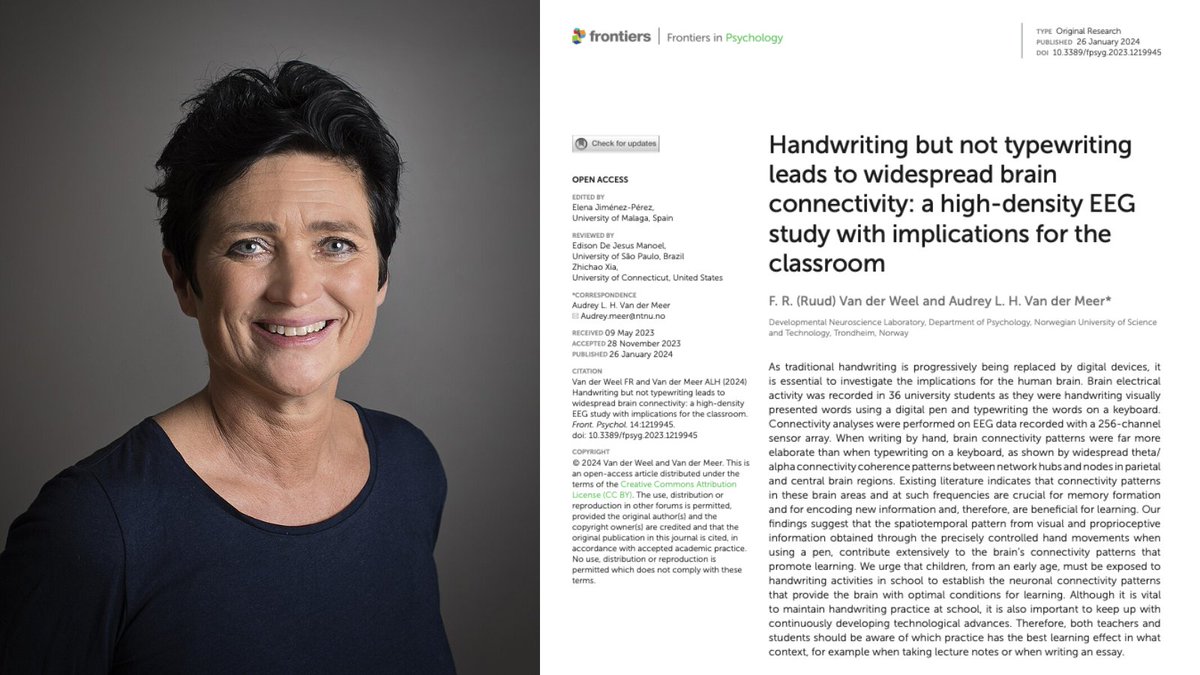
A Norwegian neuroscientist spent 20 years proving that the act of writing by hand changes the human brain in ways typing physically cannot, and almost nobody outside her field has read the paper.
Her name is Audrey van der Meer.
She runs a brain research lab in Trondheim, and the paper that closed the argument was published in 2024 in a journal called Frontiers in Psychology. The finding is brutal enough that it should have changed every classroom on Earth.
The experiment was simple. She recruited 36 university students and put each one in a cap with 256 sensors pressed against their scalp to record brain activity. Words flashed on a screen one at a time.
Sometimes the students wrote the word by hand on a touchscreen using a digital pen, and sometimes they typed the same word on a keyboard. Every neural response was recorded for the full five seconds the word stayed on screen.
Then her team looked at the part of the data most researchers had ignored for years, which is how different parts of the brain were communicating with each other during the task.
When the students wrote by hand, the brain lit up everywhere at once.
The regions responsible for memory, sensory integration, and the encoding of new information were all firing together in a coordinated pattern that spread across the entire cortex. The whole network was awake and connected.
When the same students typed the same word, that pattern collapsed almost completely.
Most of the brain went quiet, and the connections between regions that had been alive seconds earlier were nowhere to be found on the EEG.
Same word, same brain, same person, and two completely different neurological events.
The reason turned out to be something nobody had really paid attention to before her work. Writing by hand is not one motion but a sequence of thousands of tiny micro-movements coordinated with your eyes in real time, where each letter is a different shape that requires the brain to solve a slightly different spatial problem.
Your fingers, wrist, vision, and the parts of your brain that track position in space are all working together to produce one letter, then the next, then the next.
Typing throws all of that away. Every key on a keyboard requires the exact same finger motion regardless of which letter you are pressing, which means the brain has almost nothing to integrate and almost no problem to solve.
Van der Meer said it plainly in her interviews.
Pressing the same key with the same finger over and over does not stimulate the brain in any meaningful way, and she pointed out something that should scare every parent who handed their kid an iPad.
Children who learn to read and write on tablets often cannot tell letters like b and d apart, because they have never physically felt with their bodies what it takes to actually produce those letters on a page.
A decade before her, two researchers at Princeton ran the same fight using a completely different method and ended up at the same answer. Pam Mueller and Daniel Oppenheimer tested 327 students across three experiments, where half took notes on laptops with the internet disabled and half took notes by hand, before testing everyone on what they actually understood from the lectures they had watched.
The handwriting group won by a wide margin on every question that required real understanding rather than surface recall.
The reason was hiding in the transcripts of what the two groups had actually written down.
The laptop students typed almost word for word, capturing more total content but processing almost none of it as they went, while the handwriting students physically could not write fast enough to transcribe a lecture in real time, which forced them to listen carefully, decide what actually mattered, and put it in their own words on the page.
That single act of choosing what to keep was the learning itself, and the keyboard had quietly skipped the choosing and skipped the learning along with it.
Two studies. Two countries. Same answer.
Handwriting makes the brain work. Typing lets it coast.
Every note you have ever typed instead of written went into your brain through a thinner pipe. Every meeting, every book highlight, every idea you captured on your phone instead of on paper was processed at half depth.
You did not forget those things because your memory is bad. You forgot them because typing never woke the part of the brain that would have made them stick.
The fix is the thing your grandmother already knew.
Pick up a pen. Write the thing down. The slower road is the faster one.
2,474
44,639
120,838
10,376,093
Susan Gray retweeted

May 12
She actually got this wrong, but it just shows who these people are. Kate doesn't want debates in the open, she wants to sneak in massive changes. This isn't how democracies are supposed to work!
May 9

The SNP where asleep at the wheel which allowed this to happen, here is Greens Kate Nevens telling everyone how they did it.
35
249
690
32,044
Susan Gray retweeted

May 3
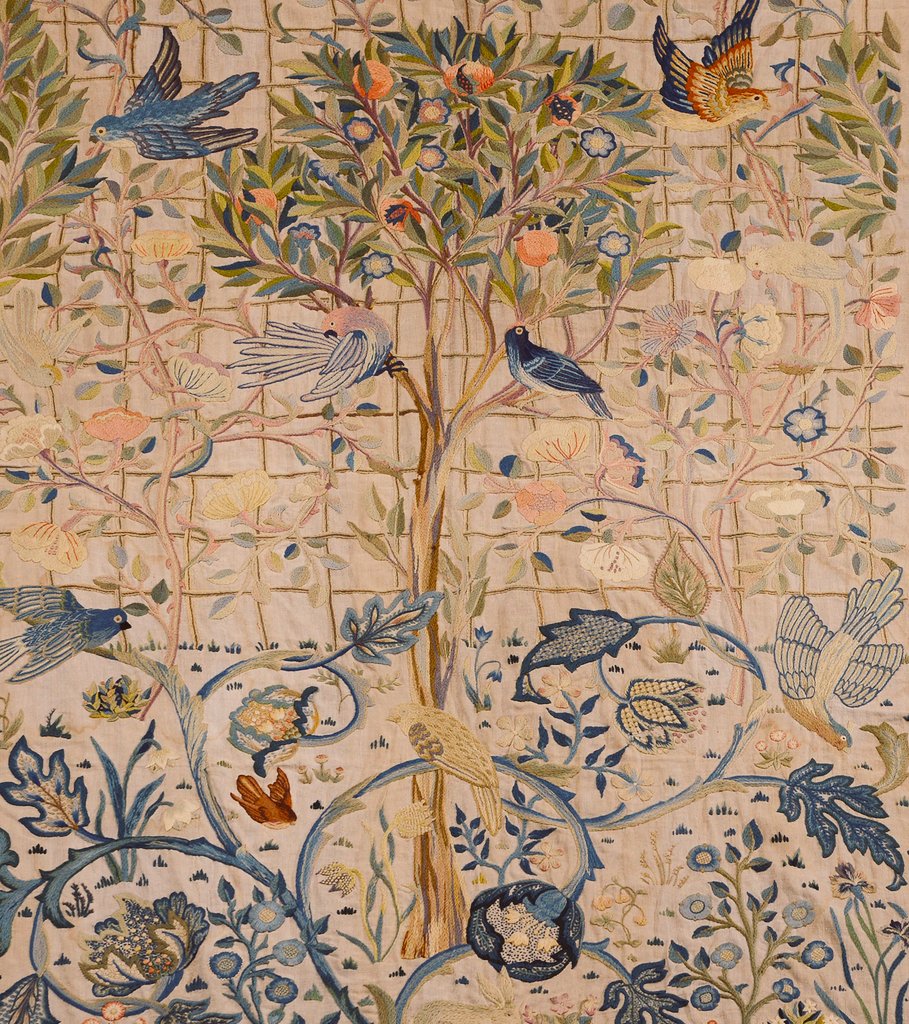
Embroidered hanging of wool on linen depicting a pomegranate tree, roses and other flowers, foliage and birds, designed by May Morris, 1891, and worked by May Morris and Theodosia Middlemor. #Womensart
4
259
1,059
15,284

Apr 27
The misogyny of @edballs on @GMB just now. “I’m too intellectually engaged with these questions so I’ll hand over to @susannareid100 “
1
76
Susan Gray retweeted

Snoozing in the sun #Shetland
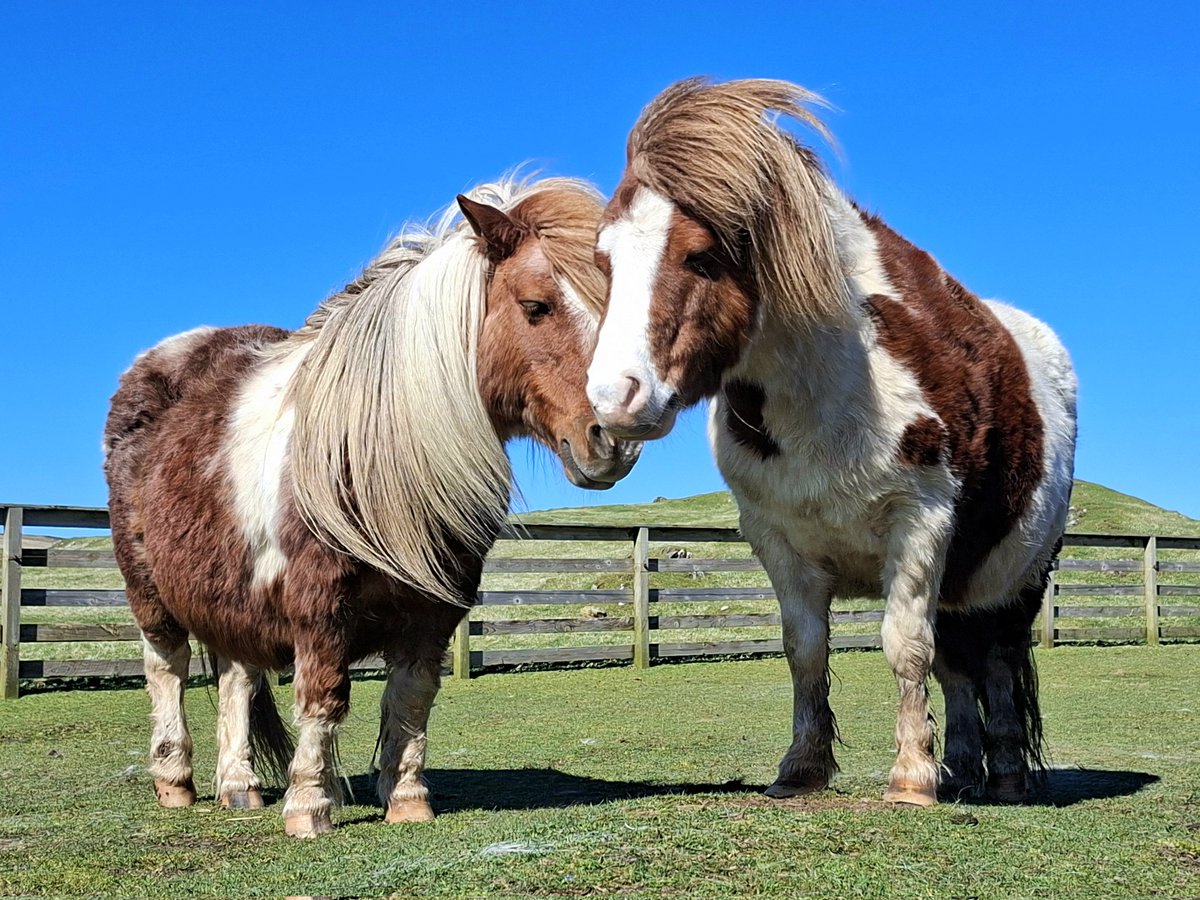
ALT Two red and white Shetland ponies standing close together with eyes closed on sunny day
6
47
501
4,355
Susan Gray retweeted

Bus Stop of The Day: Isle of Skye

72
1,014
7,064
101,475
Susan Gray retweeted

It’s not @bbcdebatenight fault but this manel does not reflect well on Scottish politics although it is perhaps an reflection of how low a priority #WomensRights are for Scottish career politicians

84
81
420
14,043
Susan Gray retweeted

Apr 1
Newly discovered Enigma machine…
Bletchley Park today reveals the discovery of the first-known musical Enigma. Each press of a key doesn't only light up an enciphered letter, but also plays a different musical feature to help with further complexity in creating the secret message.
This melodic Enigma machine was found after the sound of a glockenspiel, followed by a forlorn trumpet, was heard emanating from a recently donated large box of items.
🔊 Sound on to experience it!
58
87
458
19,315
Susan Gray retweeted

If this turns out to be AI I’m going to be gutted 🤣🤣🤣

191
427
2,742
85,816
Susan Gray retweeted

Mar 19
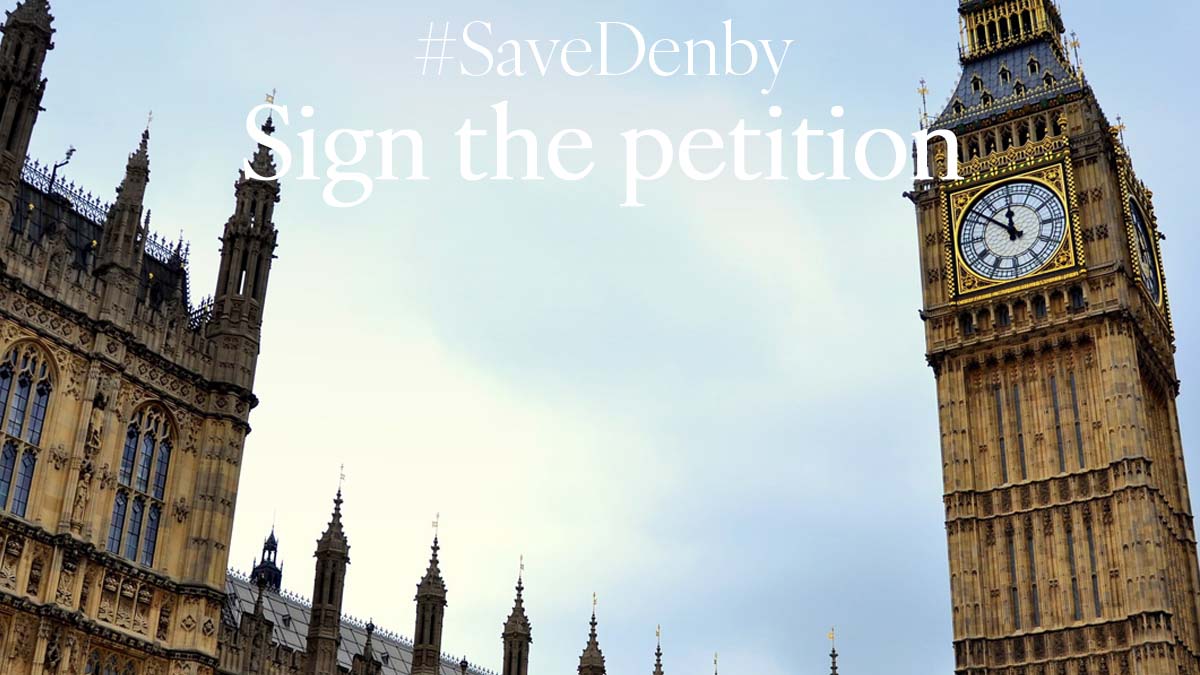
We need your help to #SaveDenby!
We are sad to share that we may be forced to close and a British institution could be lost.
We need your help:
1. Share this post
2. Sign the government petition
3. Buy Denby
4. Visit us at the Pottery Village
Read more: denbypottery.com/pages/save-…



254
5,321
9,272
1,442,770
Susan Gray retweeted

Mar 23
Seven dogs stolen from their owners are going viral for escaping their captors and finding their way home.
The group was reportedly led by a corgi and traveled 17 km to return to their families. 😭
350
774
9,075
568,180
Susan Gray retweeted

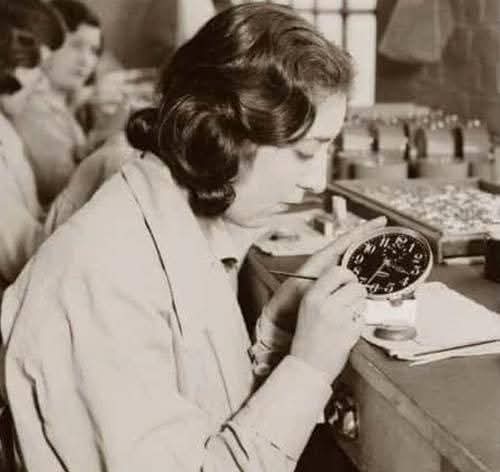
"They told us the paint was safe enough to eat. So we put the brushes in our mouths hundreds of times a day. And now our bones are still radioactive a century after we died.' They were called the Radium Girls. Teenagers who painted watch dials with glowing paint, who danced in the dark covered in their own light, who were told they had nothing to fear. Their employer knew better. They just never told the girls."
Orange, New Jersey, 1917. Grace Fryer was eighteen when she walked through the doors of the U.S. Radium Corporation. The job seemed almost too good to be true: painting watch dials with luminous paint so soldiers could read their watches in the trenches of World War I. The pay was better than any factory work available to young women. The paint actually glowed. The girls painted their nails with it, their teeth, their faces—showing up to dances shimmering like something out of a fairy tale. They called themselves the Ghost Girls. Their supervisors told them the paint was perfectly safe. "You could eat it," one said with complete confidence.
So they did. Every day. The technique was called "lip-pointing"—put the brush between your lips to make a fine point, dip it in radium paint, paint the number, repeat. Hundreds of times a day. Thousands of times a week. Gram after gram of radium-laced paint passed through their lips, settled permanently in their bones. The male scientists and supervisors working with the exact same paint wore full protective gear behind lead shields. They already knew what radium could do. They simply never told the women.
By 1922, the sickness began. Teeth fell out. Jaws dissolved. Bones snapped from the smallest movements. And something else—something no one could explain. They glowed in the dark. At night, standing before their mirrors, their own bodies gave off pale greenish light. The radiation had buried itself so deep it was literally shining through their flesh. When Grace Fryer's symptoms appeared in 1923, she went to the company for help. U.S. Radium denied everything. Their hired doctors blamed syphilis—a deliberate, cruel strategy to label dying women as prostitutes.
Grace found a lawyer in 1927. By then she could barely walk, her spine collapsing, weighing under 90 pounds. Four other dying women joined her. The company's legal strategy was simple: delay until they died. But when the women appeared in court in 1928, the public saw with their own eyes what the company had done. Grace had to be carried in. Quinta McDonald's face had sunk where her jaw was eaten away. The outrage was unstoppable. U.S. Radium settled. Each woman got about $175,000 in today's money. Grace died in 1933 at 34. By 1937, all five were gone.
What they did can never be undone. Before the Radium Girls, companies faced almost no consequences for injuring workers. Their case changed everything—workers gained the right to sue for negligence, companies became legally required to warn about hazards, employers were held responsible for occupational injuries. Every warning label on a chemical container. Every required piece of protective equipment. Every workplace safety law. Five dying women built that. In 2014, researchers held a Geiger counter to Grace Fryer's grave. Ninety-one years after her death, her bones still registered radiation. They will glow for 1,600 years.
"She could barely stand when she brought her lawsuit. Her spine was giving way. She knew she wouldn't survive. She sued anyway—not to save herself, but to save people she would never meet. Her bones still glow beneath New Jersey soil. Her name is written into every workplace safety law in the country. The company that poisoned her is remembered only for what it did. Grace Fryer will never be forgotten."
© Tales Of Past
#archaeohistories
48
1,142
3,236
69,276
Mar 20
End of an era 💔
Mar 20

Dame Jenni Murray, who presented the BBC's Woman's Hour for more than 30 years, has died
bbc.in/4bkxpjW
1
81