PhD candidate @HopkinsNeuro in Brown Laboratory || Neuroscience and Mathematics @McGill 19' || NSERC PGS-D fellow 🇰🇷 🇨🇦
Joined October 2018
- Tweets 124
- Following 360
- Followers 152
- Likes 905
5 Photos and videos

Chris (Seong Yeol) An retweeted

New paper!
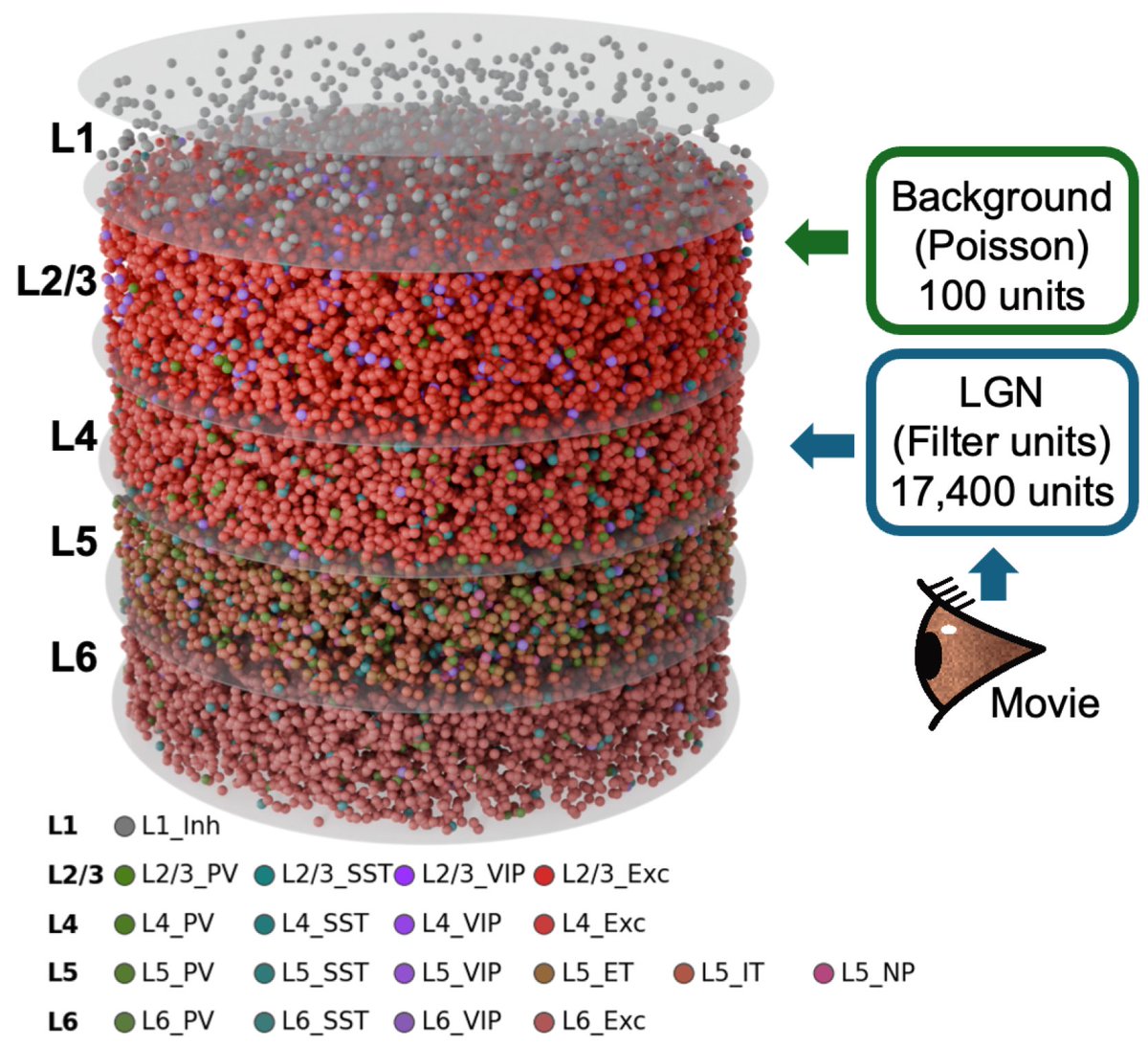
Deep-learning-assisted simulation of a cortical circuit:
integrating anatomy, physiology and function
biorxiv.org/cgi/content/shor…
It comes with a new major model release from @AllenInstitute.
Find models and code here: github.com/AllenInstitute/bi…
🧵
1/13
2
38
146
15,453
Chris (Seong Yeol) An retweeted

15 Dec 2025
I think alot of the replies here have selection bias from people who have had a pretty smooth road, or already have the maturity to handle it.
For many, a PhD is an arduous journey with a steep learning curve and maturation journey; alot of bad habits have to be reliquished; alot of noise has to be filtered; a purity of purpose has to be learned.
Moreover, doing a PhD "for the purpose of being one of the superstars who make a breakthrough" is probably a really unhealthy goal because of the 20000 papers submitted to each of the large conferences each year, a tiny tiny fraction can be called that, if that. Research is inherently open ended and by its very nature, past success is not necessarily predictive of future success, especially in the "breakthrough" category.
During a PhD one often watches friends of the same age get a faster start in life, accumulate wealth at a faster pace, etc etc which in maslow's hierarchy of needs, means putting alot of human needs on hold, resulting in the tremendously high depression rates among students.
The ONLY reason, the sole reason, I think one should contemplate seeking a PhD, is love of the nature and natural curiosity above all else 🌹.
I think that all other reasons that one might think to go in with (fame? immortality? wealth? stardom?) will rapidly fade as the difficulty of feeling Nature's pulse sets in. All these other reasons probably have quicker and better paths to success, anyway, like going on tiktok or elevator pitching a VC.
13 Dec 2025

Should you get a PhD in CS/AI?
Both seem to be true:
1. 95% of PhDs would have done equally well career-wise without one.
2. 95% of real AI breakthroughs (ImageNet, Transformers) came from PhDs.
1
5
46
7,124
Chris (Seong Yeol) An retweeted

21 Oct 2025
an absolute shame. @harvard cutting PhD admissions
"The Organismic and Evolutionary Biology department will shrink its class size by roughly 75 percent to three new Ph.D. students [...] Molecular and Cellular Biology will reduce its figure to four new students, and Chemistry and Chemical Biology will go down to four or five admits"
thecrimson.com/article/2025/…
44
131
900
199,600
Chris (Seong Yeol) An retweeted

19 Aug 2025
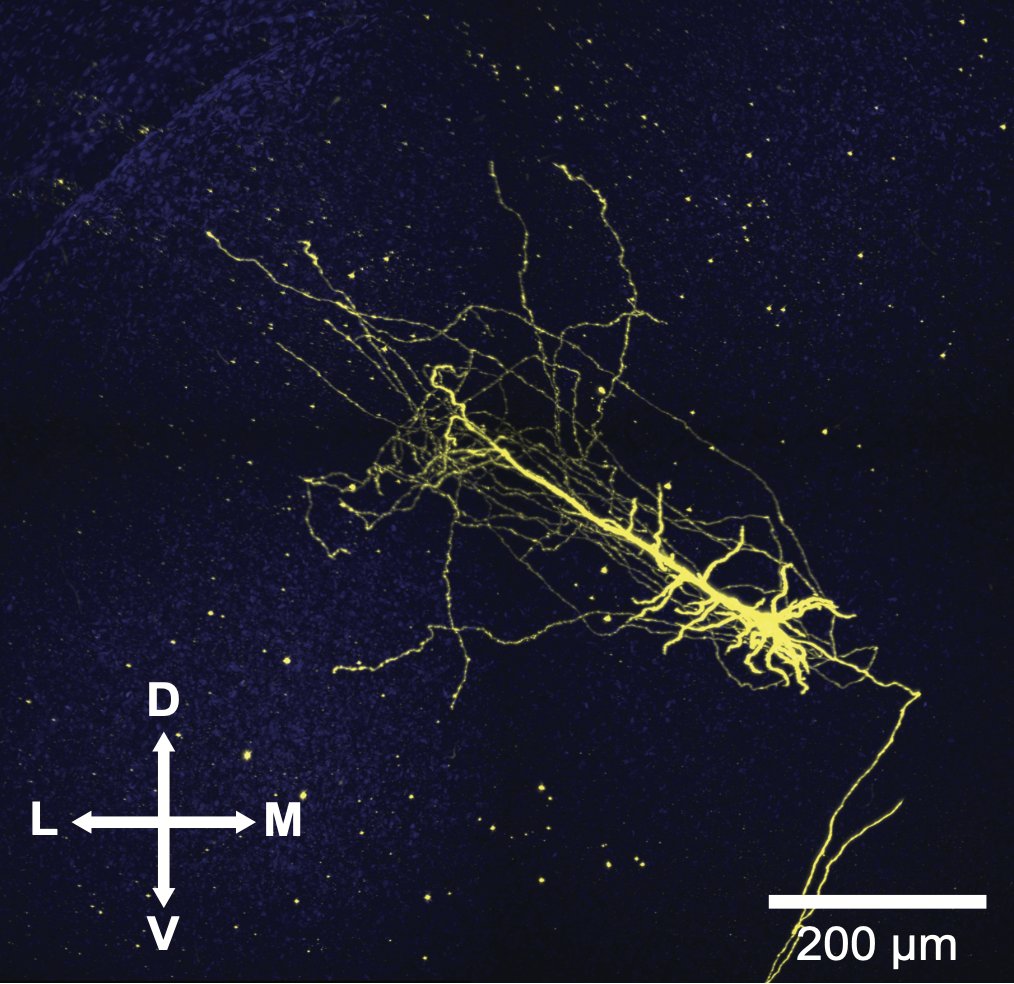
Excited to share our new preprint from my graduate work, a collaboration between the @brownlaboratory and @Sriram_S433 and others in the Kolodkin lab! Our study investigated how patterned excitatory connectivity is generated in the development of the cerebral cortex (1/6)
1
4
5
1,248
Chris (Seong Yeol) An retweeted

9 Apr 2025
How does the brain work?
Scientists are closer to the answer with the largest wiring diagram and functional map of a mammalian brain to date. 🧵
46
501
1,730
193,794
Chris (Seong Yeol) An retweeted

22 Feb 2025
Pitt to pause PhD admissions, following Vanderbilt and USC, because of uncertainty of NIH funding to academic universities.
Who will teach and train US scientists for pharma and biotech? Should we import them from countries that do?
wesa.fm/health-science-tech/…
96
523
1,668
224,579
Chris (Seong Yeol) An retweeted

8 Sep 2024
Preprint is finally out! Mapping whole brain oligo-myelin patterns across individual mice, sex, strain, aging, and injury (biorxiv.org/content/10.1101/…)
Check out some cool videos as well!
vimeo.com/1003497448?ts=0&sh…
And play around with the beautiful raw data!
tinyurl.com/5n87z2xs
2
23
61
14,931
Chris (Seong Yeol) An retweeted

6 Sep 2024
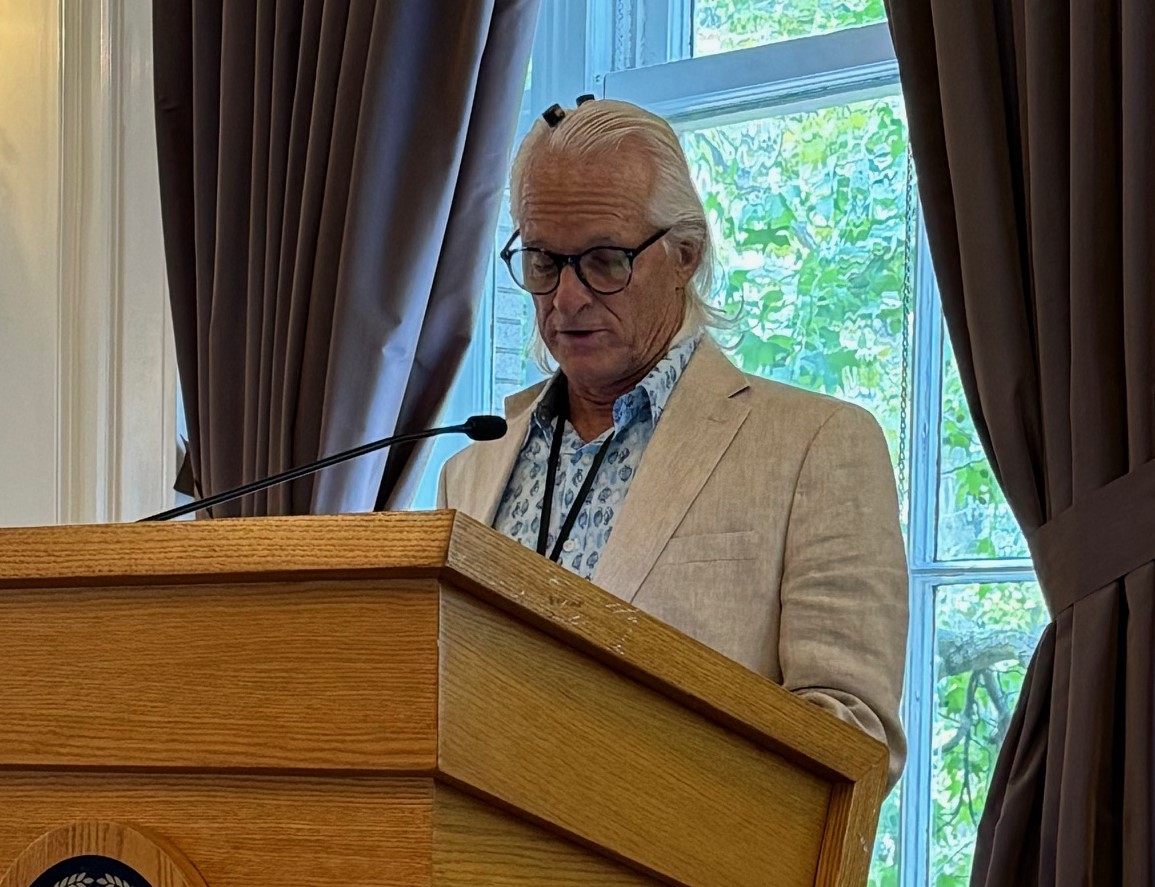
Scott Imbrie, who has two implants in the motor regions of his cerebral cortex, gives a tribute to Sliman Bensmaia at #SimCo24.
1
19
107
8,256
Chris (Seong Yeol) An retweeted

4 Aug 2024
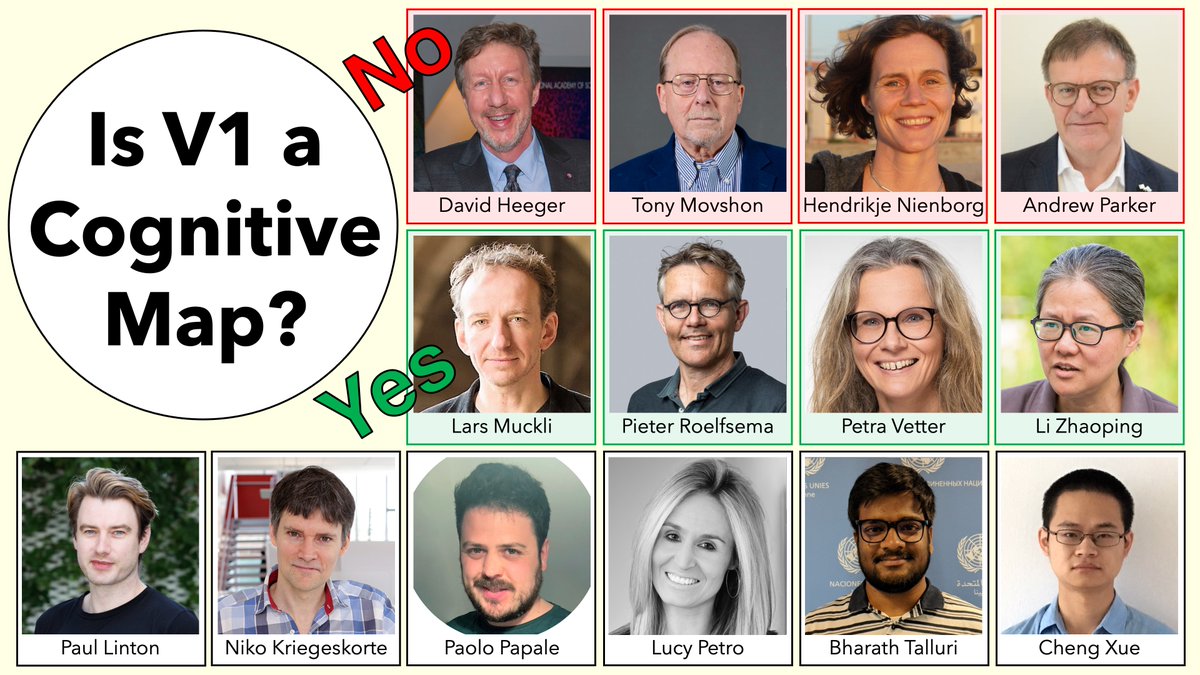
So excited for the #CCN2024 GAC on Tuesday!
Is V1 a Cognitive Map?
Link to proposal: sites.google.com/ccneuro.org…
🧵of talks below!
2
23
91
11,131
Chris (Seong Yeol) An retweeted

12 Jul 2024
1/3 Colleagues & I at @IntlBrainLab repeated a behav/ephys experiment 121 times in 10 labs to test reproducibility. Vulnerabilities emerged. Probe targeting was sometimes off (despite standardized instruments) & common single-neuron analyses were variable. thetransmitter.org/electroph…
1
57
204
28,545
Chris (Seong Yeol) An retweeted

My four Nicod lectures (from December 2023) are now online here:
Lecture I: Modularity of Mind and Brain and the Case of the FFA
savoirs.ens.fr/expose.php?id…
Lecture II: What Other Mental Functions get Their Own Private Patch of Real Estate in the Brain ?
savoirs.ens.fr/expose.php?id…
...
6
50
177
26,276
Chris (Seong Yeol) An retweeted

29 Feb 2024
There's a bug in Kilosort 🚨 The @IntlBrainLab found spike holes: every 2s no spikes are detected for 7 ms. Although it's a small fraction of data (0.3%), it's good to be aware of this issue. Also consider rerunning spike sorting after it's been resolved.
github.com/MouseLand/Kilosor…
4
21
77
25,833

2 Feb 2024
Love the new owners already
2 Feb 2024

We have made the following trade:

ALT Orioles Trade Alert: BAL Receives: RHP Corbin Burnes MIL Receives: LHP DL Hall, INF Joey Ortiz, 2024 Competitive Balance Round A Pick
6
217
Chris (Seong Yeol) An retweeted

13 Jul 2023
What is the nature of sensory prediction error signals in neocortex and the circuit-mechanisms underlying them? Genuinely thrilled to see this epic effort from Shohei Furutachi in my and @TFlogel's lab out on @biorxivpreprint: biorxiv.org/cgi/content/shor…
1
66
176
28,759
Chris (Seong Yeol) An retweeted

10 Feb 2023
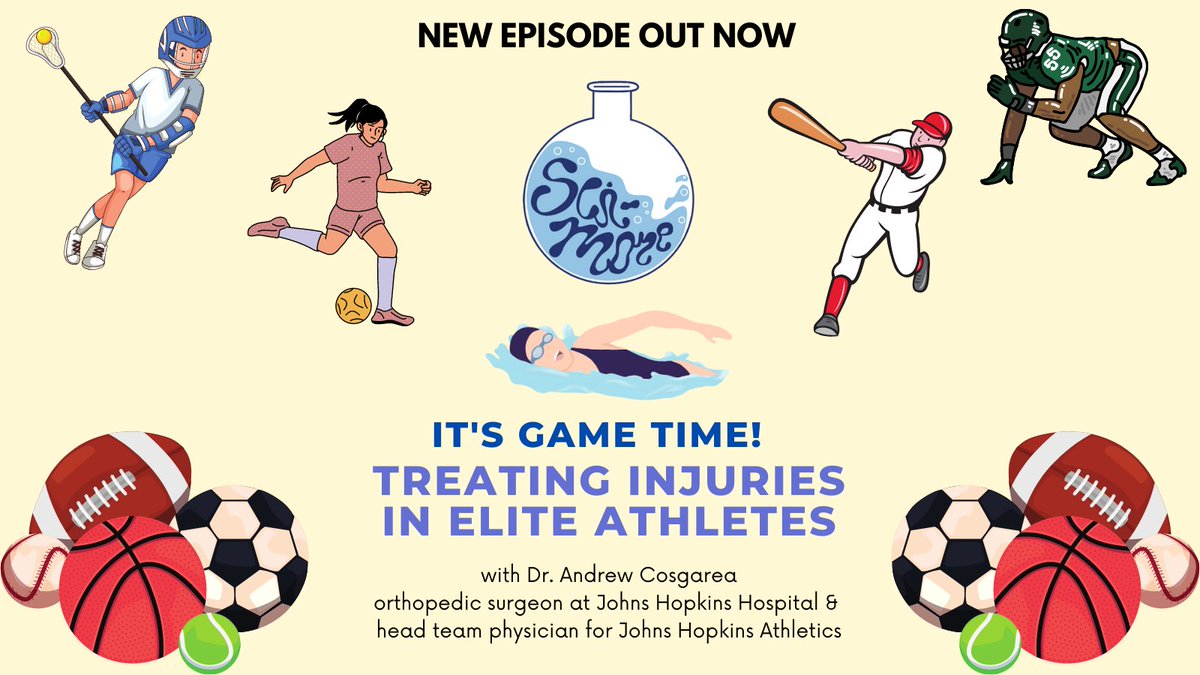
“It’s game time! Treating injuries in elite athletes” is out now. Ahead of #SuperBowlLVII , we spoke to experienced @HopkinsOrtho orthopedic surgeon and @HopkinsSports head team physician Dr. Andrew Cosgarea on treating sports injuries in star athletes. anchor.fm/scimore
2
5
756
Chris (Seong Yeol) An retweeted

12 Dec 2022
I am looking for a research technician for my lab starting March 2023!

We are hiring!
A position as Lab Technologist is available from 1/3-23 in the incoming lab of new GL @ThomasDWKim.
We offer a dynamic #research environment, state-of-the-art technologies, research ideas, and interdisciplinarity. DL 15/1-23. Please share!
au.dk/om/stillinger/job/lab-…
7
13
Chris (Seong Yeol) An retweeted

12 Oct 2022
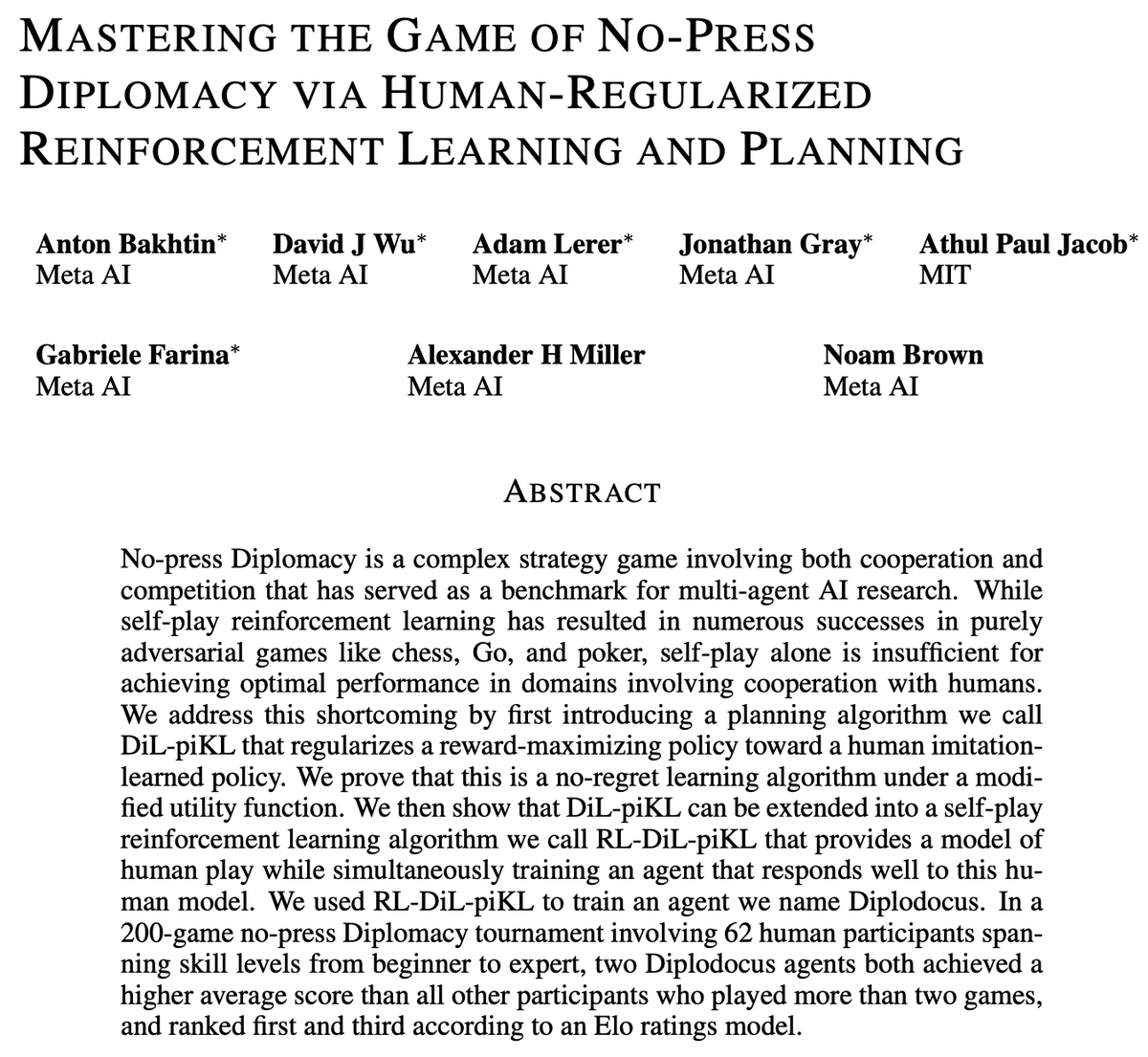
After building on years of work from MILA, DeepMind, ourselves, and others, our AIs are now expert-human-level in no-press Diplomacy and Hanabi! Unlike Go and Dota, Diplomacy/Hanabi involve *cooperation*, which breaks naive RL. arxiv.org/abs/2210.05492 arxiv.org/abs/2210.05125 🧵👇
26
232
1,282
Chris (Seong Yeol) An retweeted
15 Sep 2022
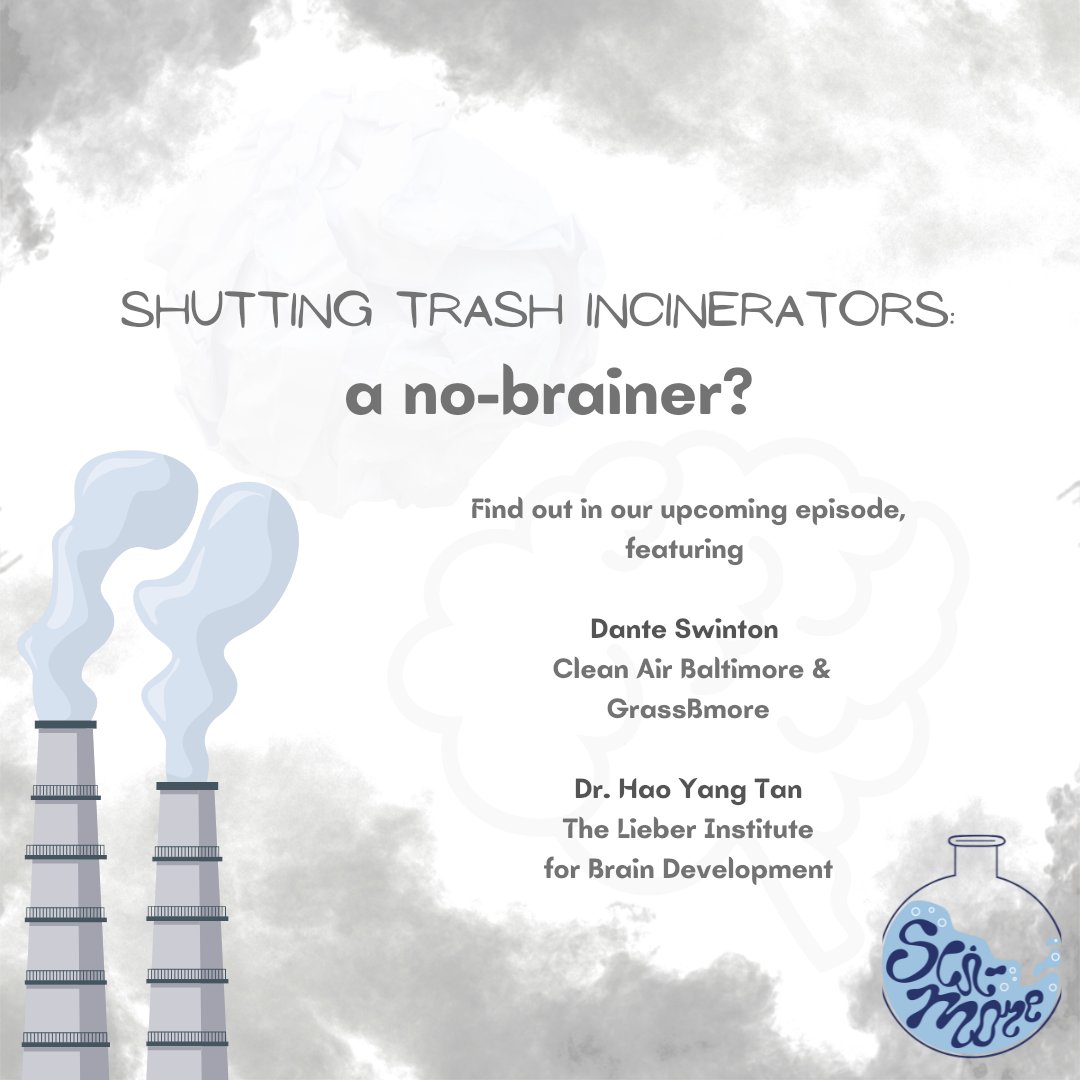
Tomorrow we drop our latest episode to kick off the new academic year! We speak to environmental activist @DanteSwinton about air #pollution and trash incinerators in Baltimore, while @LieberInstitute Dr. Hao Yang Tan talks about the impact of pollution on our #mentalhealth.
3
3
Chris (Seong Yeol) An retweeted

15 Jul 2022
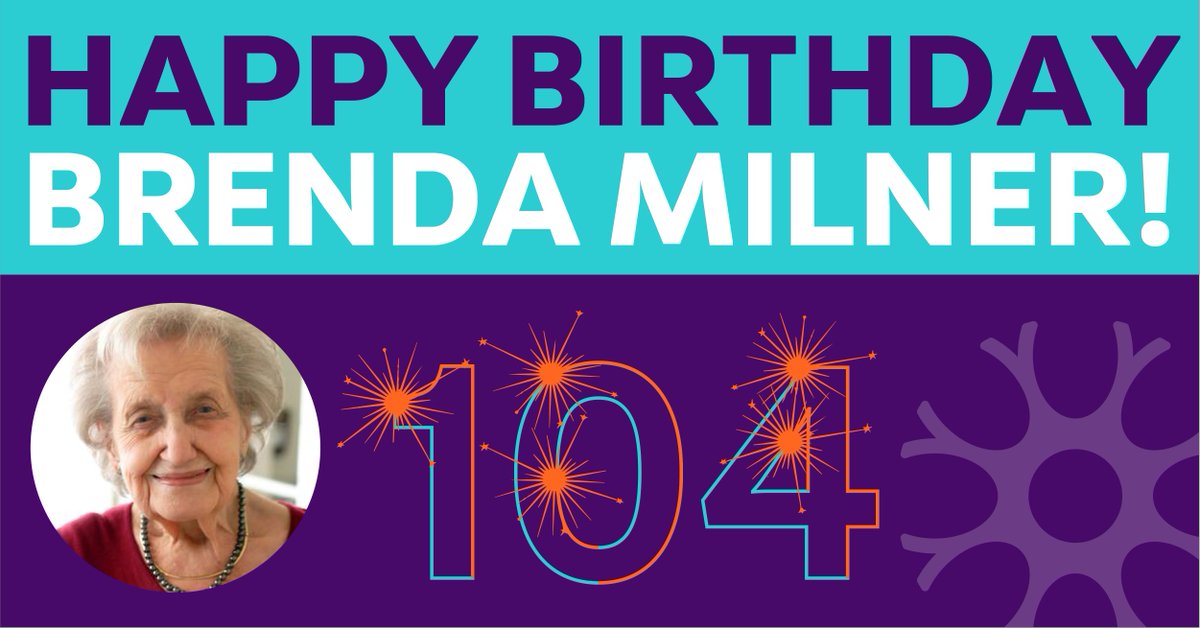
Happy birthday to our esteemed neuroscientist Brenda Milner! 🎁She is celebrating 104 years old today. To learn more about her distinguished life and career, visit: mcgill.ca/neuro/about/brenda…
2
93
386
Chris (Seong Yeol) An retweeted

22 Jun 2022
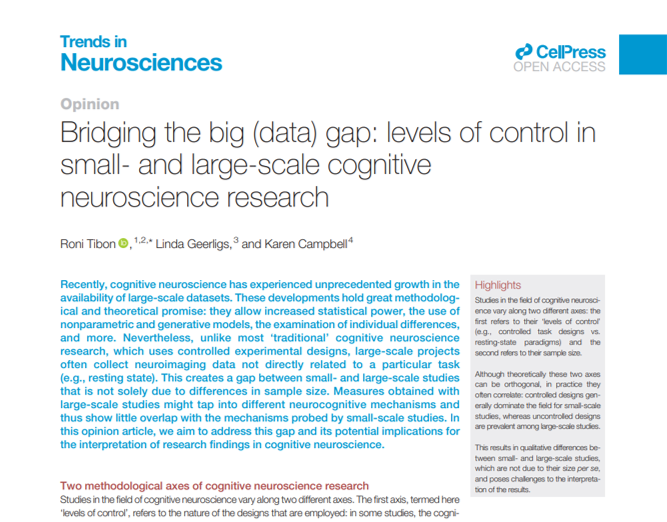
‘Bridging the big (data) gap: levels of control in small- and large-scale cognitive neuroscience research’
cell.com/trends/neuroscience…
@TrendsNeuro ‘Opinion’ by @RoniTibon @Linda_Geerligs & Karen Campbell @karampbell
2
19
72