Postdoctoral researcher with Prof. Noël @NoelGroupUvA 🇳🇱 | PhD with Prof. Ackermann @aztul 🇩🇪
Joined August 2011
- Tweets 534
- Following 753
- Followers 512
- Likes 8,576
11 Photos and videos
Pinned Tweet

19 Mar 2024
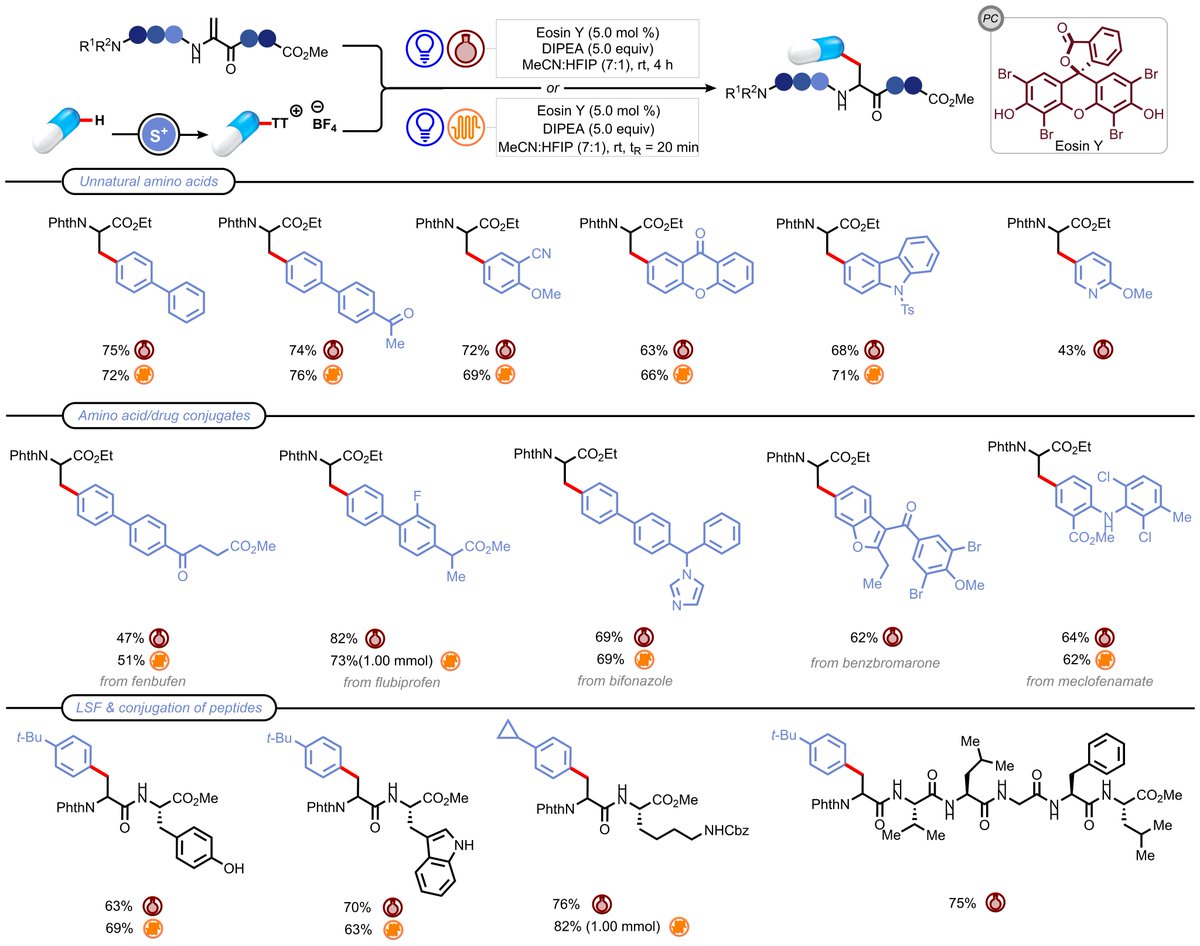
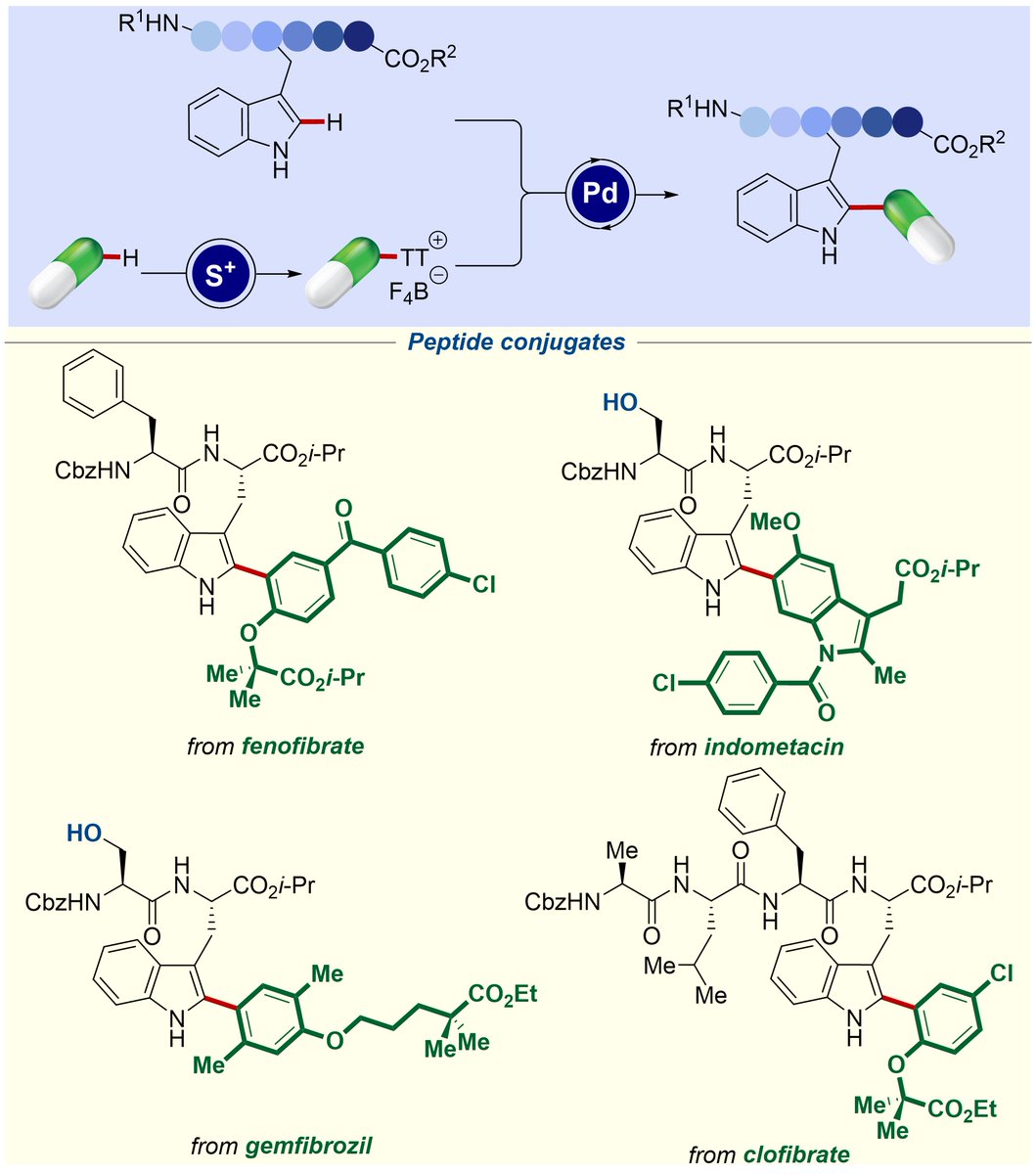
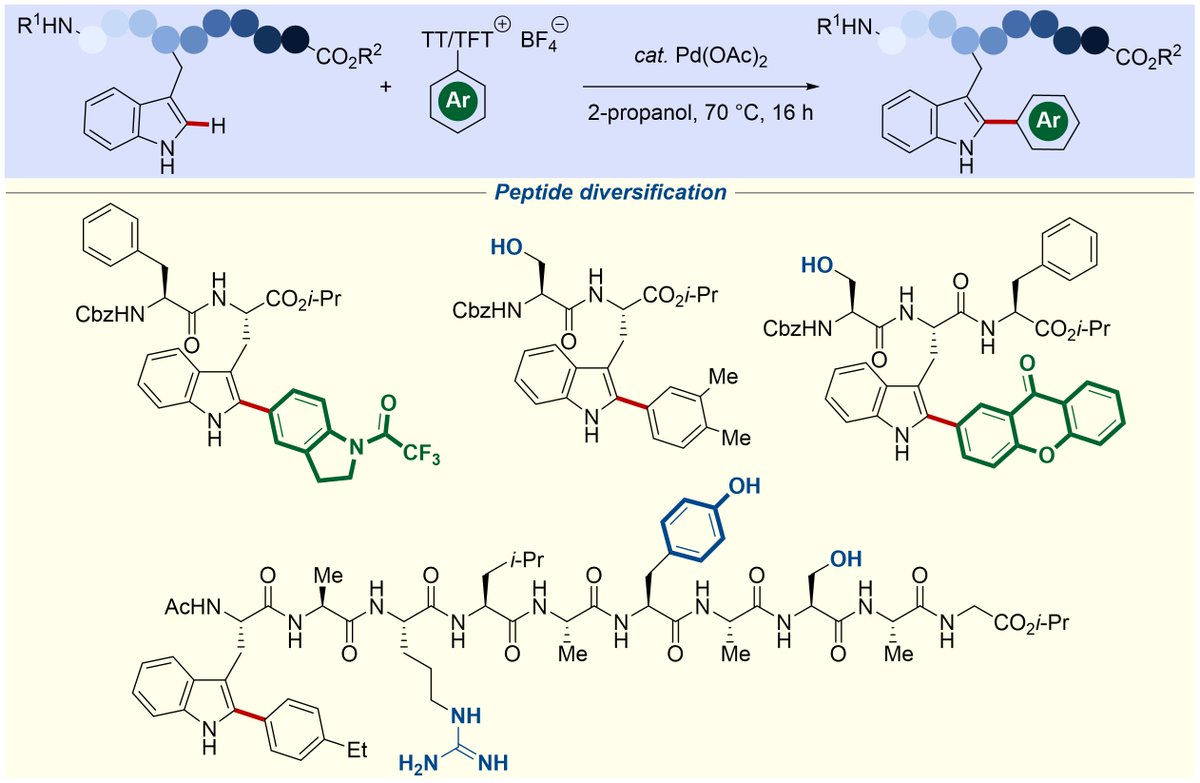
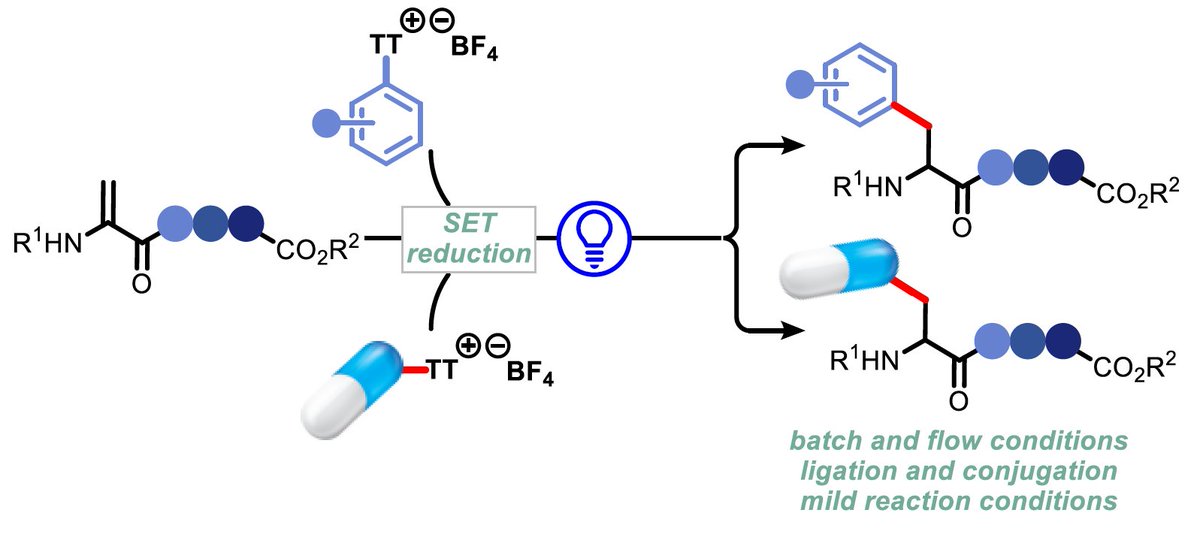
Check out our latest work on late-stage functionalization of dehydroalanine-containing peptides. Under our mild photocatalytic manifold, we were able to selectively arylate a plethora of amino acids and peptides with modular arylthianthrenium salts in batch and in flow.
18 Mar 2024

Great start of the week: our work on the photocatalytic hydroarylation of dehydroalanine-containing peptides with arylthianthrenium salts is now accepted @angew_chem: onlinelibrary.wiley.com/doi/…
#FlowChemistry #Photocatalysis #PeptideModification
1
2
64
3,292
Nikos Kaplaneris retweeted

May 11
🌻Manfred T. Reetz, an organic chemist of the highest caliber, died of cancer on April 23, 2026. He was born on August 13, 1943, in Lower Silesia, now Poland, and emigrated to the U.S. in 1952.
Reetz studied chemistry at University of Washington @UW and at the University of Michigan in Ann Arbor @UMich, where he received his master’s degree in 1967. He then returned to Germany and completed his PhD at the University of Göttingen @uniGoettingen in 1969 under Ulrich Schöllkopf, a student of Nobel laureate Georg Wittig. He subsequently moved to the University of Marburg to work with Reinhard W. Hoffmann, a former postdoc with Georg Wittig. Reetz habilitated in Marburg in 1974 and stayed there until 1991, interrupted by a short stint at the University of Bonn from 1978 to 1980.
From 1991 to 2011, Reetz was a Director at the Max Planck Institute for Coal Research in Mülheim an der Ruhr. As Managing Director, he also helped reshape the institute’s organizational structure. After his retirement, he continued his research, first at the University of Marburg and later both in Mülheim and at the Tianjin Institute of Industrial Biotechnology of the Chinese Academy of Sciences.
At the beginning of his independent career, Reetz developed dyotropic and other rearrangements as tools in #OrganicSynthesis; later his group made innumerable contributions to the use of #organometallic chemistry in organic synthesis, with titanium as a central element. Starting in the 1990s, the final major chapter of his efforts was devoted to #biocatalysis.
Manfred Reetz pioneered biological methods—directed evolution—as a tool to improve the performance of enzymes in stereoselective organic synthesis. He trained an army of excellent students and postdocs who went on to make their own careers. He received numerous awards, including the Karl Ziegler Prize of the GDCh @GDCh_aktuell, the Otto Hahn Prize, considered the highest award for chemists and physicists in Germany, and most recently in 2025, the Ryoji Noyori Award. Reetz was a member of a number of esteemed academies and he served the scientific community in manifold ways, not the least as a member of the GDCh Board.
Manfred Reetz, a giant of organic chemistry, will be dearly missed by his former students and colleagues as well as by the wider scientific community.
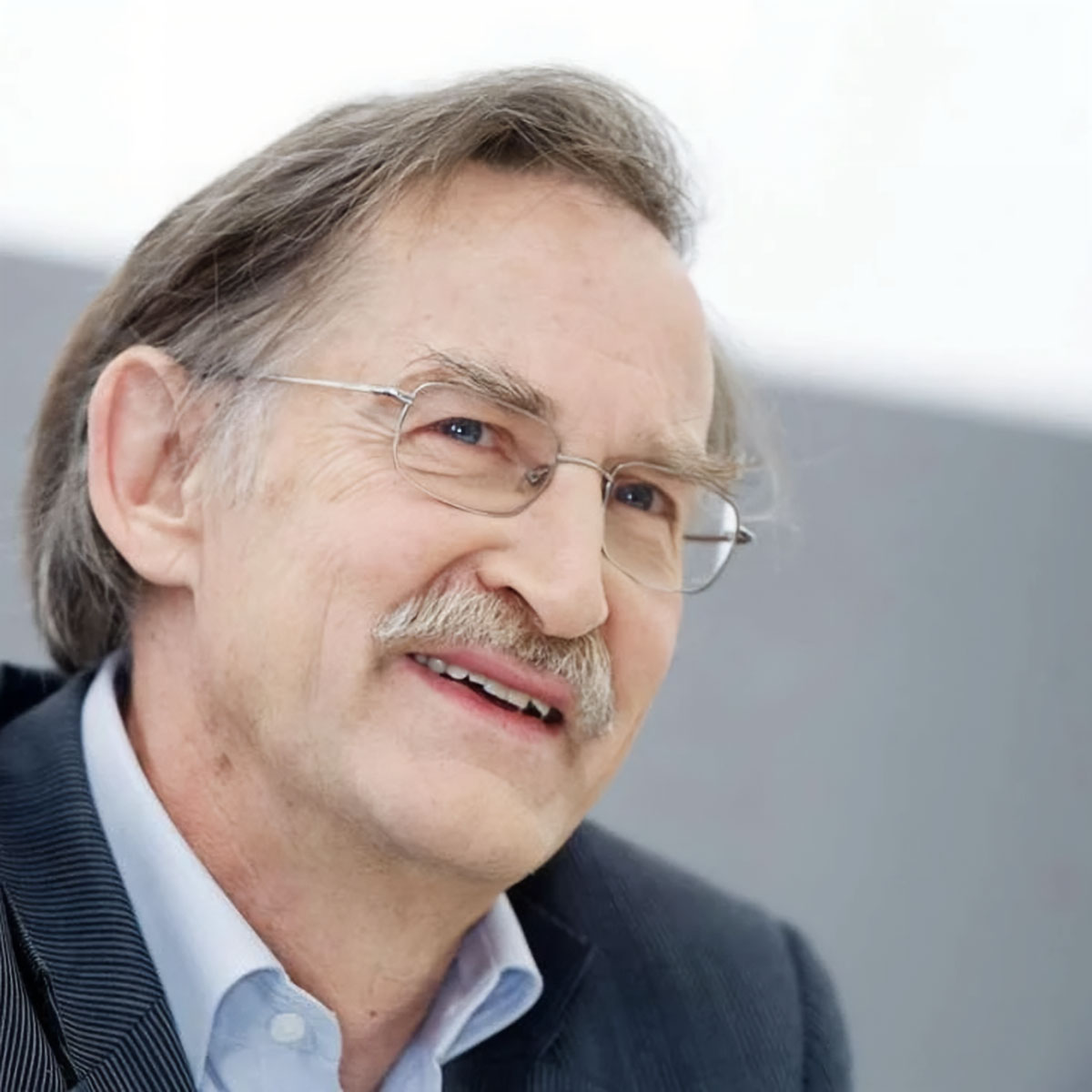
ALT Manfred T. Reetz · photo courtesy/© David Baumann/MPI Kohlenforschung
13
45
3,046
Nikos Kaplaneris retweeted

I think Terrence Tao should be careful when talking about math
13
22
338
29,510
Nikos Kaplaneris retweeted

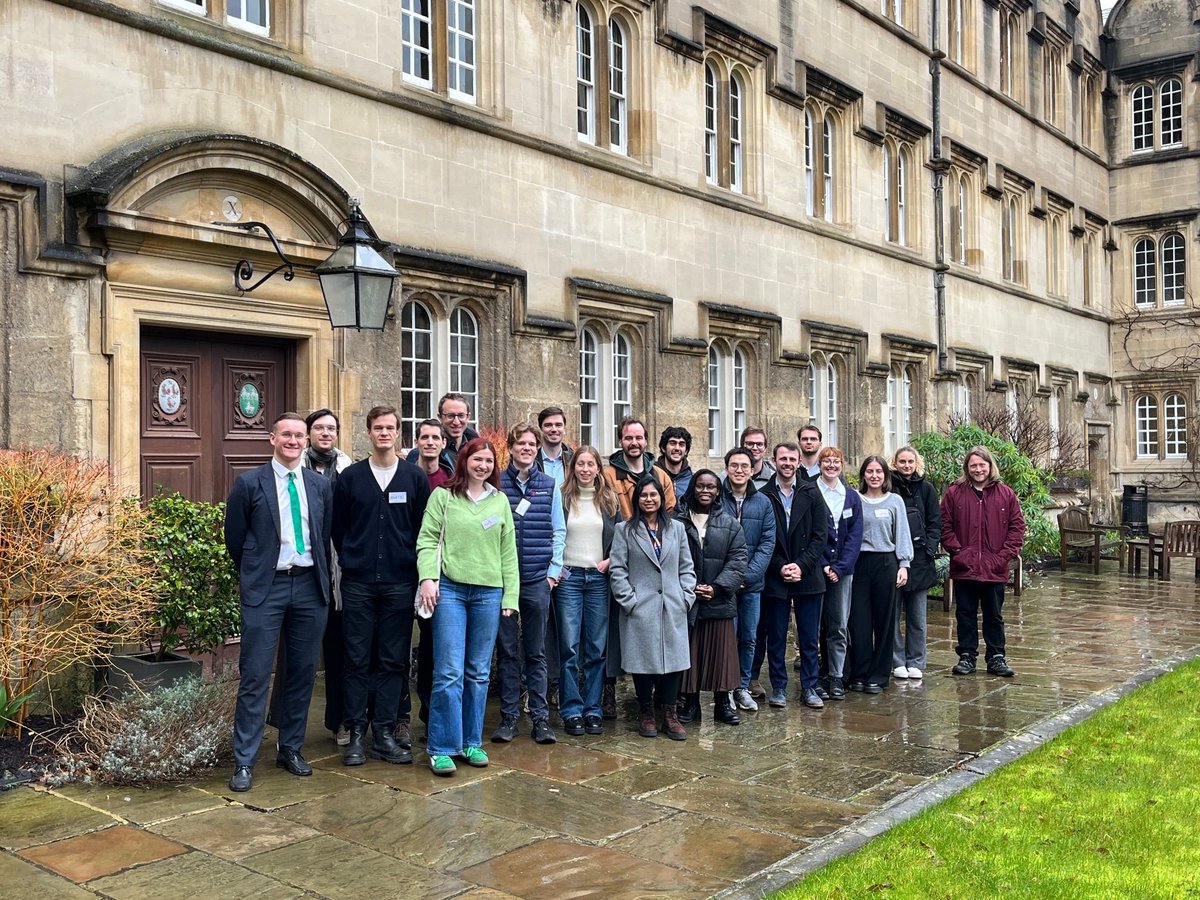
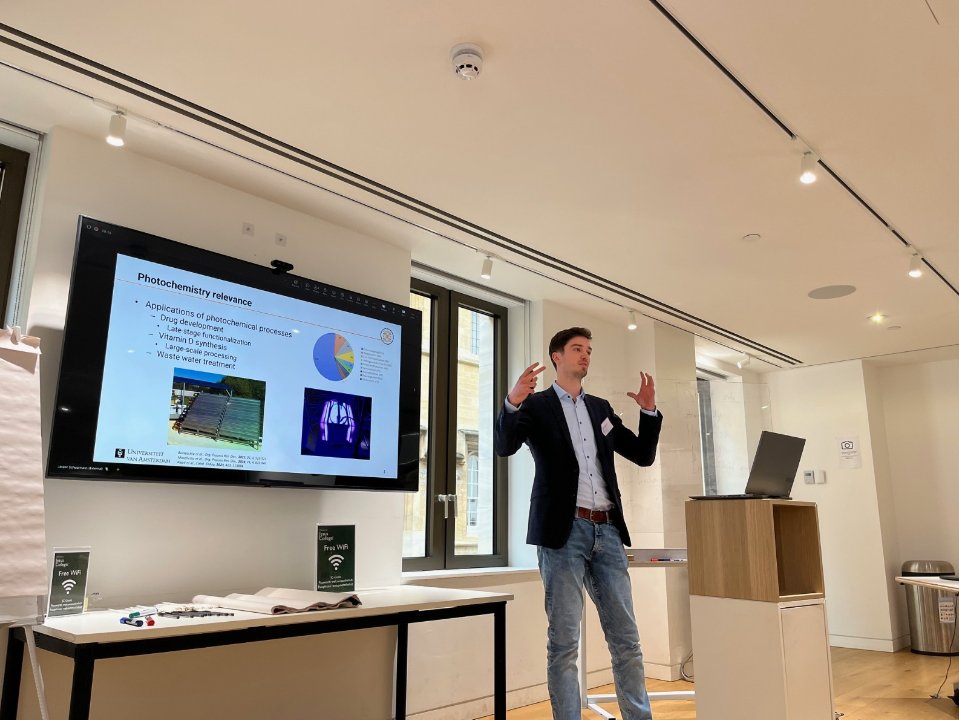
I really enjoyed speaking at the scale-up workshop in Oxford last February and recording a podcast with Jakob on our work on scaling up photochemical oxidations, along with some personal perspectives. You can find both here:
youtube.com/watch?v=jBk0vb_k…
youtube.com/watch?v=fY7xThUz…
4
11
1,486
Nikos Kaplaneris retweeted
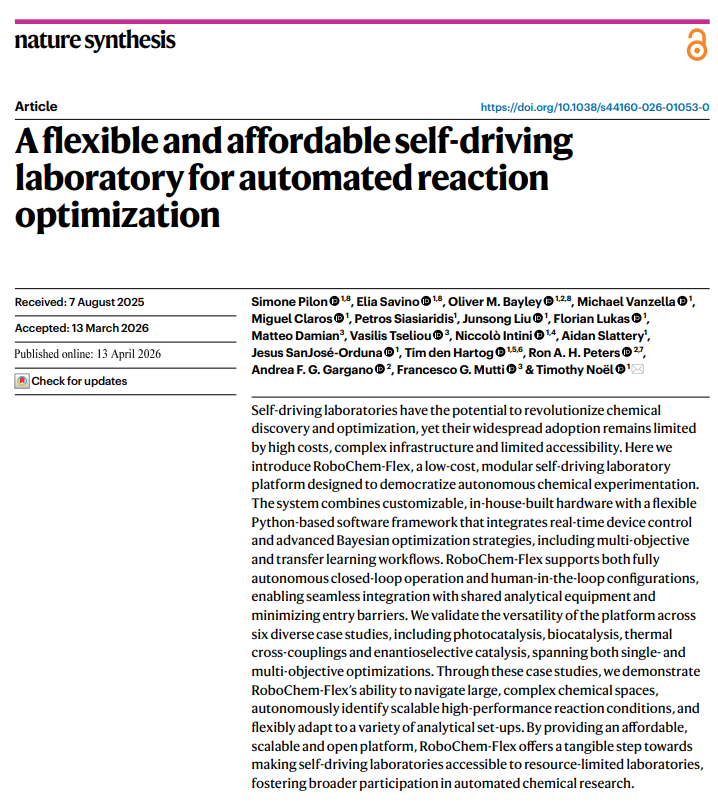
Self-driving labs are transforming chemistry; but high cost & complexity limit access to a few well-funded labs.
We wanted to change that.
Our new paper in @NatureSynthesis introduces RoboChem-Flex 🧪🤖
🔗nature.com/articles/s44160-0…
#selfdrivinglab #flowchemistry #optimization
2
35
152
36,210
Nikos Kaplaneris retweeted

Apr 9
If you an Early Career Researcher in synthetic organic chemistry and are interested in joining our laboratory, then consider applying for a McKenzie Postdoctoral Fellowships Scheme - link below! Colleagues, please RT. sites.research.unimelb.edu.a…
1
13
64
5,485
Nikos Kaplaneris retweeted

We are hiring. We are looking for post-doctoral fellow to join the group. If interested please contact me by email.
8
35
169
25,279
Nikos Kaplaneris retweeted
Last step...best step...Late stage oxygenation lets you edit complexity when it matters most! Check out our Angewandte with @arseniyadis . Many congrats to the whole team! doi.org/10.1002/anie.2025213…
7
19
915
Nikos Kaplaneris retweeted
Mar 19
📅Lutz Ackermann @aztul, Peter Gölitz, Dieter Kaufmann, and Oliver Reiser @chemieimalltag have organized an Armin de Meijere Memorial Symposium, “From Small Rings to Large Compounds” (program: l-i-c.org/news-events.html#2…), which will take place on May 22, 2026, at the University of Göttingen @uniGoettingen. Attendance is free for all, registration required (see program).
Armin de Meijere (x.com/livesinchem/status/200…) was not only a highly respected, internationally renowned organic chemist, he was also a great supporter of the autobiography series “Lives in Chemistry” (l-i-c.org). Ryoji Noyori, for example, thanked him explicitly in his autobiography for a “careful reading of the manuscript” (l-i-c.org/1135).
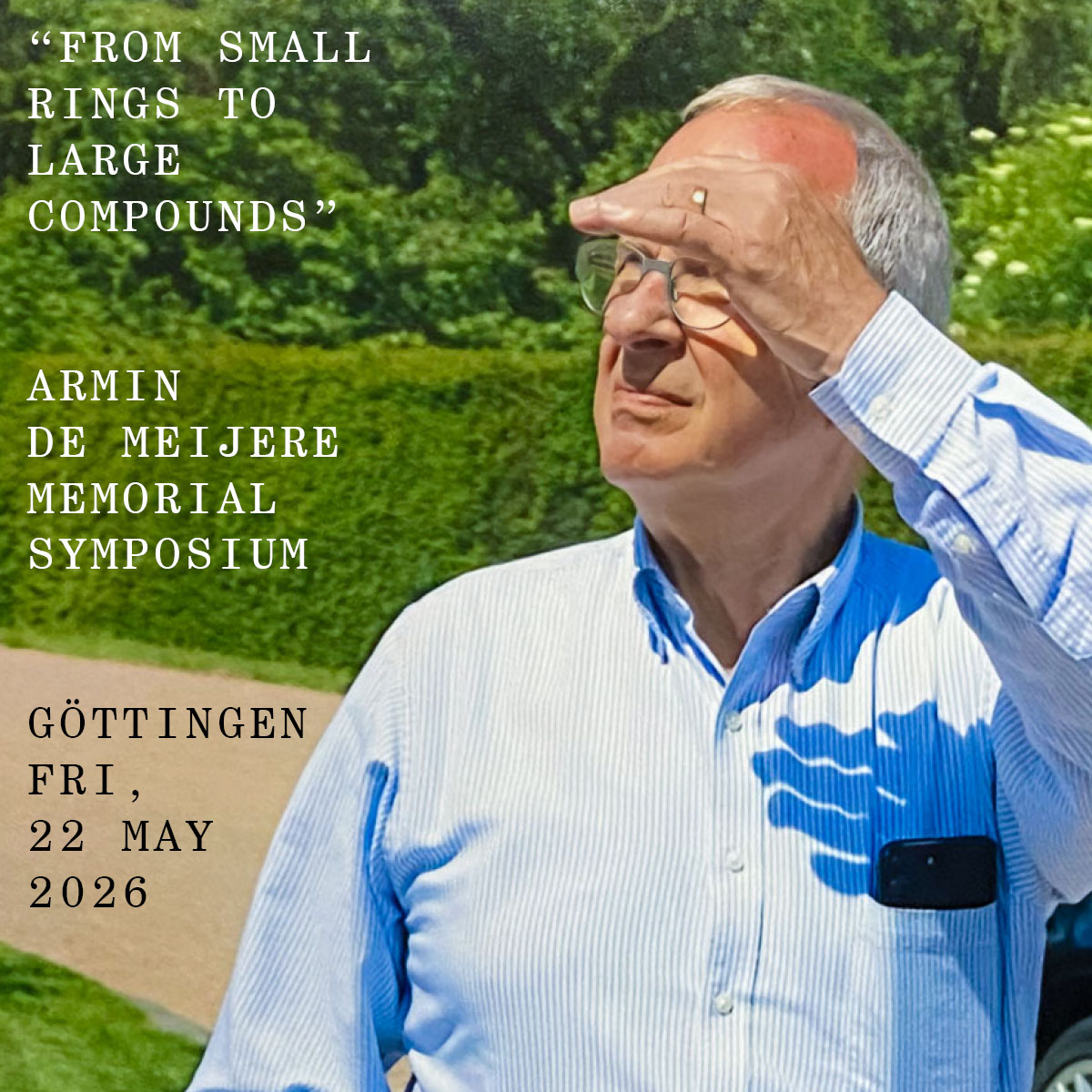
ALT Armin de Meijere at his 80th birthday celebration · photo by Eva E. Wille
17 Dec 2025

🌻A great loss: Armin de Meijere passed away at age 86 on December 17 in Göttingen. Born in Duisburg, not too far away from the Netherlands, hence his Dutch name. His distinguished career spanned both the golden age of physical organic chemistry and the rise of transition-metal catalysis.
De Meijere studied chemistry at the Universities of Freiburg @UniFreiburg and Göttingen, where he received his PhD in 1966 under Wolfgang Lüttke for spectroscopic and electron-diffraction studies. After a postdoc with Ken Wiberg at @Yale Univ., he embarked on his academic career: Habilitation (1971) and first professorship in Göttingen (1974) were followed by full professorships at the Univ. of Hamburg (1977–1989) before returning to Göttingen, where he remained until his retirement in 2006.
De Meijere was famous for studies on highly strained polycyclic small-ring hydrocarbons, for developing new synthetic methods using cyclopropane and cyclopropene building blocks on the one hand and for transition metal—Pd in particular—catalyzed reactions on the other hand. He used such methods in the #TotalSynthesis of natural products and bioactive compounds. As early as 1976, his group reported a gold-catalyzed rearrangement, and soon after a photochemical trifluoromethylation—both notably ahead of their time. A plethora of fascinating three-membered ring-based molecules were synthesized, like polyrotanes and propellanes; acepentalene was first synthesized in his group, among many other achievements.
De Meijere received numerous awards, including the Adolf von Bayer Medal of the GDCh @GDCh_aktuell. Around 250 PhD students and postdocs have lost an exceptional mentor—and chemistry has lost a giant.
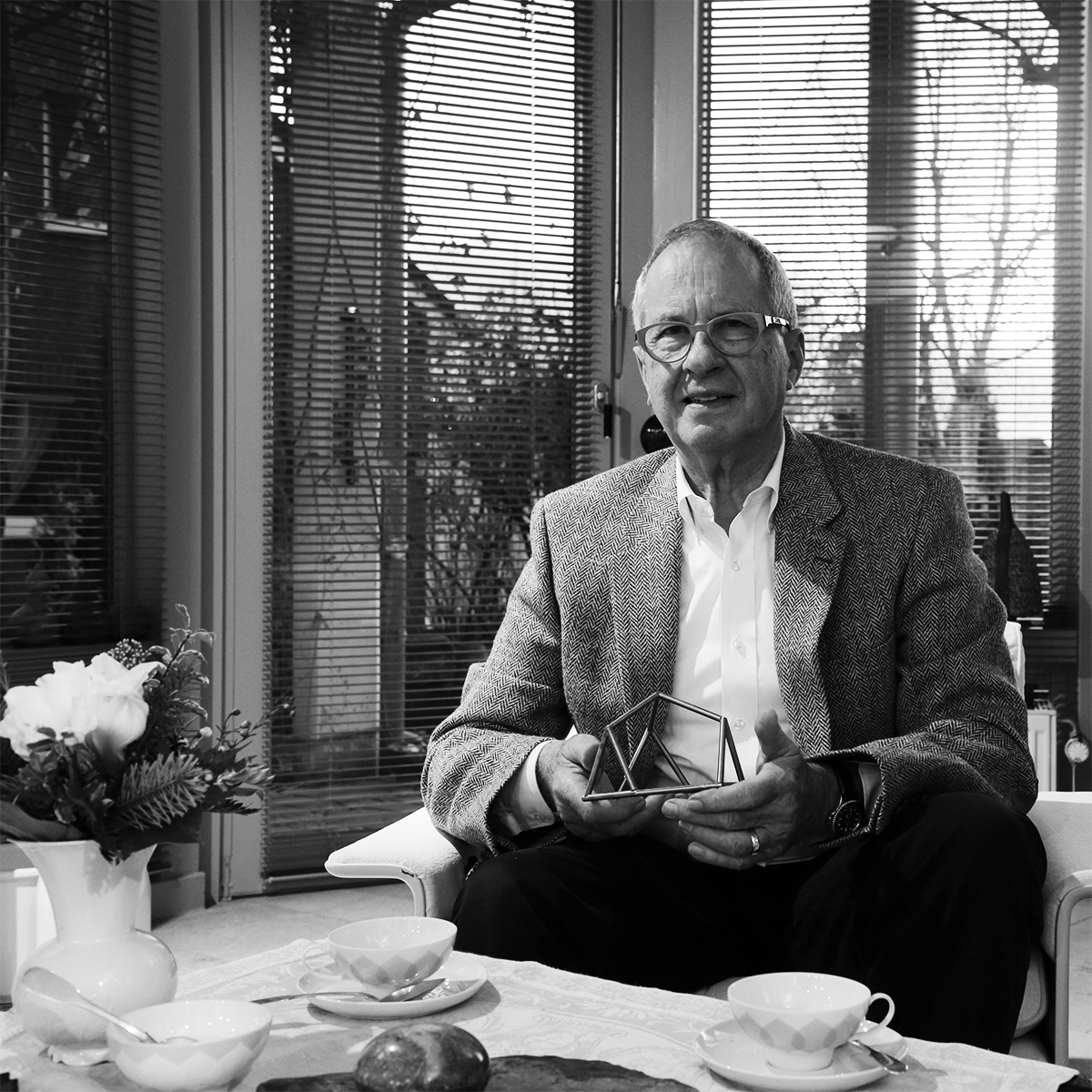
ALT Armin de Meijere
7
25
1,924
Nikos Kaplaneris retweeted

Mar 18
We gave oxygen a complex sesquiterpenoid dimer..and let it decide what to do! Turns out, it rewrites the whole scaffold for the first total synthesis of macrocephadiolide A. Many congrats Kiki!!! pubs.acs.org/doi/10.1021/acs…
4
4
45
1,720
Nikos Kaplaneris retweeted
Mar 14
🌻Henning Hopf passed away on March 12 only three months after his 85th birthday x.com/livesinchem/status/199…
A great organic chemist who had deeply cared about our community—a true “mensch”—has left us. Lives in Chemistry l-i-c.org lost a most insightful Advisory Board member who had enormously contributed to this endeavor from the beginning.
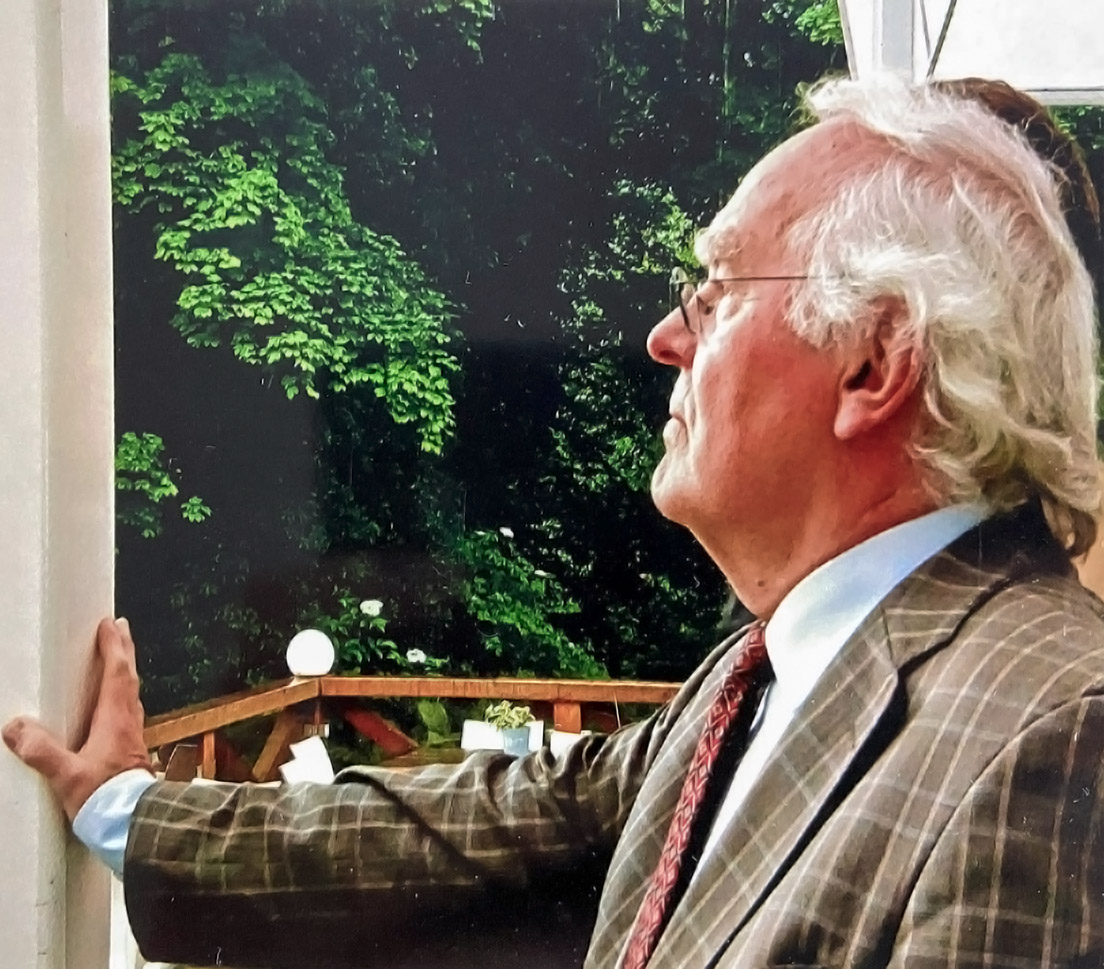
ALT Henning Hopf, Bernried 2015 · photo courtesy Eva E. Wille
12 Dec 2025
🎁HBT Henning Hopf, who turns 85 today. He is an eminent #hydrocarbon chemist who made major contributions to #alkenes and alkines, #allenes and cumulenes, as well as cyclophanes and dendralenes, and he wrote “Classics in Hydrocarbon Synthesis”, published 25 years ago by @Wiley_VCH.
Reading and writing, translating and editing are a most important part of his scientific life—he is a true “man of letters”. Currently, he is a member of the Advisory Board of “Lives in Chemistry” l-i-c.org, a series of so far 15 autobiographies of great chemists.
Hopf studied chemistry at the Univ. of Göttingen @uniGoettingen and the Univ. of Wisconsin-Madison @UWMadison, where he received his PhD in 1967 for work with Harlan L. Goering. His academic career started with a habilitation in Karlsruhe (today KIT) in 1972; professorships at the Univ. of Würzburg @Uni_WUE (1975–1978) and at the Univ. of Braunschweig @tuBraunschweig followed. Hopf served as President of the German Chemical Society (GDCh) @GDCh_aktuell in 2004/2005, and he was instrumental in unveiling the role of chemical societies and their representatives in the Nazi era, which earned him the prestigious Primo Levi Award of the GDCh and the Italian Chemical Society (SCI) @SocChimIta.
#OrganicChemistry #PrimoLevi #KITKarlsruhe
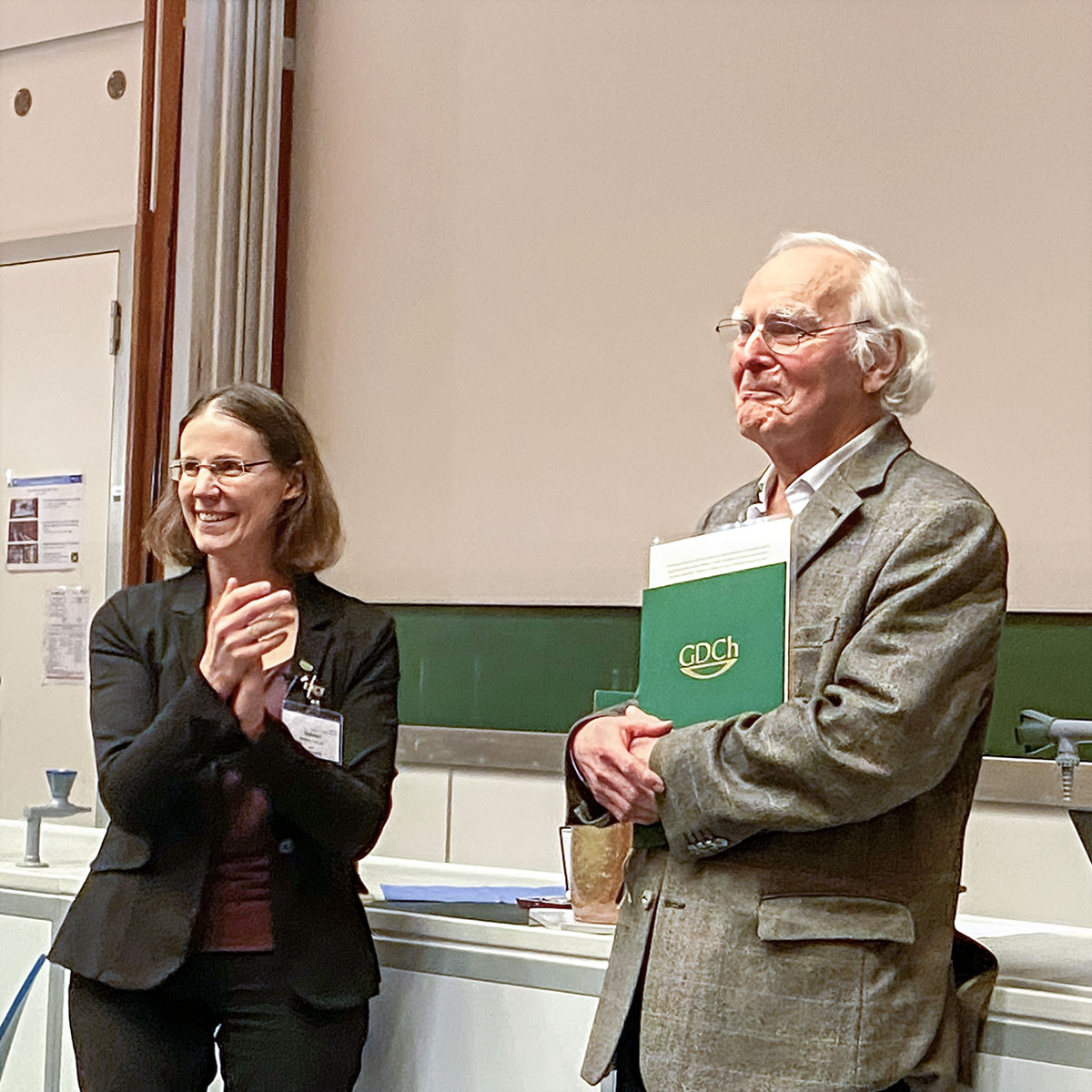
ALT Henning Hopf at the presentation of the Primo Levi Award by GDCh President Stefanie Dehnen at the Chemiedozententagung in March 2024 in Aachen · photo by Eva E. Wille
5
17
6,142
Nikos Kaplaneris retweeted
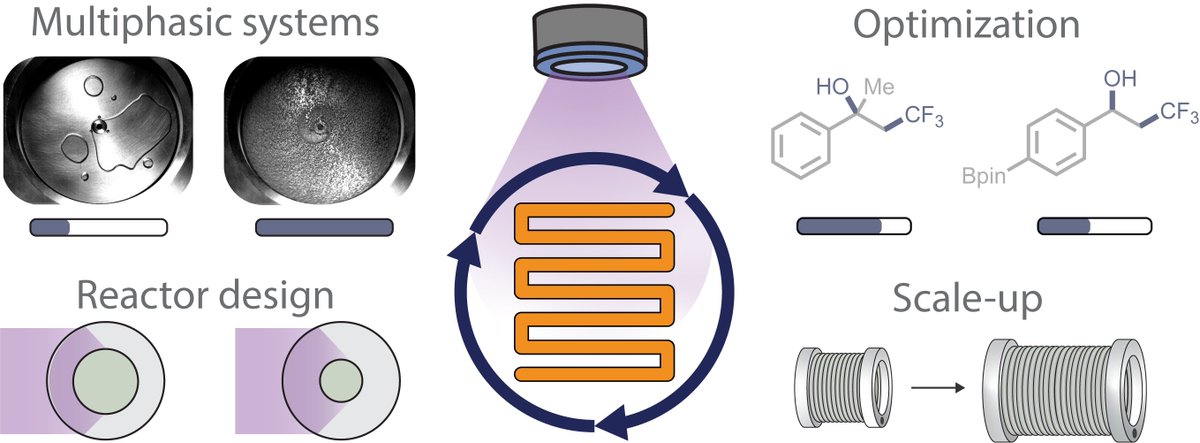
How to engineer photons in photochemical synthesis?
Our Account examines wavelength, photon flux, and light intensity and how their control steers reactivity, informs reactor design, and predicts scale-up.
If you’re interested, take a look: doi.org/10.1021/acs.accounts…
5
22
1,947
Nikos Kaplaneris retweeted

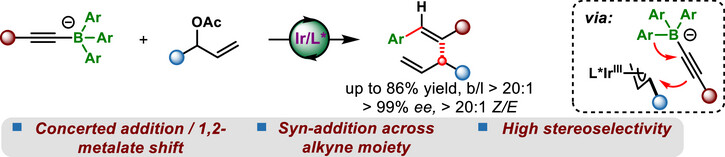
Iridium-Catalyzed Enantioselective Allylation of Alkynylboronates to Access Chiral 1,4-Dienes (@angew_chem): onlinelibrary.wiley.com/doi/….
5
45
2,698
Nikos Kaplaneris retweeted

Jan 23
Late-stage C–H functionalization offers new opportunities in drug discovery
nature.com/articles/s41570-0…
3
29
3,511
Nikos Kaplaneris retweeted

13 Nov 2025
⚡️We are happy to share our recent work in @angew_chem with a collaboration with Kim group at CNU.
By adjusting electrochemical conditions, we access haliranium-mediated C–O bond or amidyl-radical-driven C–N bond formation, supported by CV, kinetic, and computational studies.
13 Nov 2025

Electrooxidative Divergent Halocyclizations of Ambident Amides (Isaac Choi and co-workers) @CHOI_Chem @min9_Chem @DebajitMaiti @CBNUCHEM #openaccess 🔓 onlinelibrary.wiley.com/doi/…
5
4
25
2,472
Nikos Kaplaneris retweeted

5 Nov 2025
We just achieved the first site-selective cysteine functionalization with EBX reagents! @J_A_C_S
pubs.acs.org/doi/10.1021/jac…
5
13
116
8,494
Nikos Kaplaneris retweeted

24 Oct 2025
📢 We are recruiting PhD candidates to join our dynamic research group at @UniofNottingham ! ⚗️🧪🧑🔬👩🔬💡 Check out our website silviresearch.com for more info and to find out how to apply! 👀
3
24
91
13,478
Nikos Kaplaneris retweeted

21 Oct 2025
Excited to share that we have received the Hansen Family Award: Groundbreaking Research: Chemist Lutz Ackermann Receives Bayer Foundation’s Hansen Family Award | Bayer Foundation @uniGoettingen bayer-foundation.com/groundb…
5
1
48
2,738
Nikos Kaplaneris retweeted

20 Oct 2025
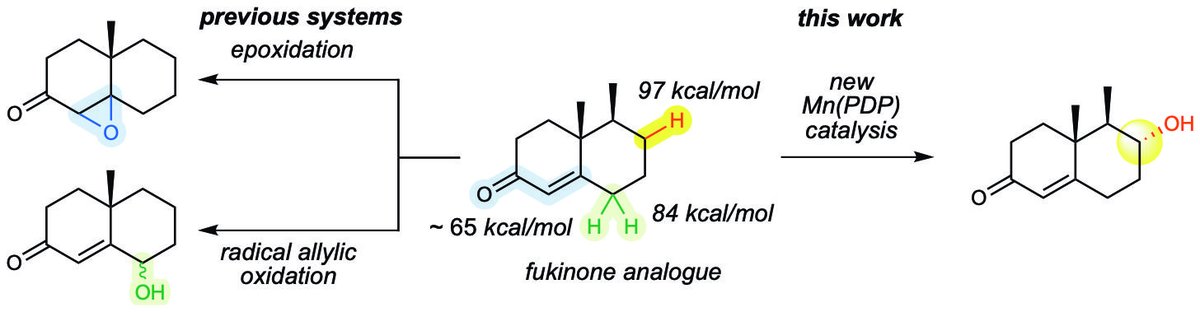
Interested in cutting strong bonds in the presence of weak ones? Check out what Mn(PDP) catalysis can do when you change it’s mechanism of action @Nature (Advanced Article Preview) : nature.com/articles/s41586-0…
1
20
170
6,314
Nikos Kaplaneris retweeted

29 Sep 2025
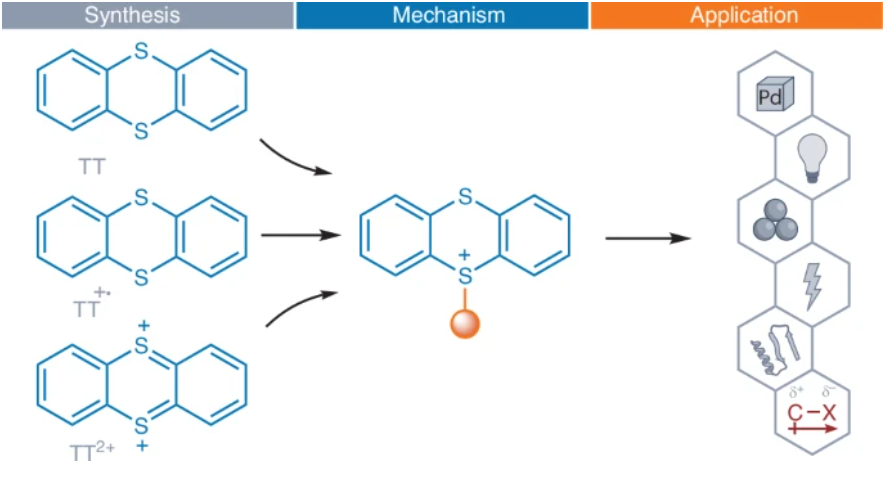
In @NatureSynthesis, we provide our perspective on the blossoming of organo-TT chemistry since 2019. From fundamentals to applications, we explain how the thianthrenium substituent enables chemistry that in part goes beyond that of other (pseudo)halides.
rdcu.be/eIEM6
2
30
267
17,917
Nikos Kaplaneris retweeted

24 Sep 2025
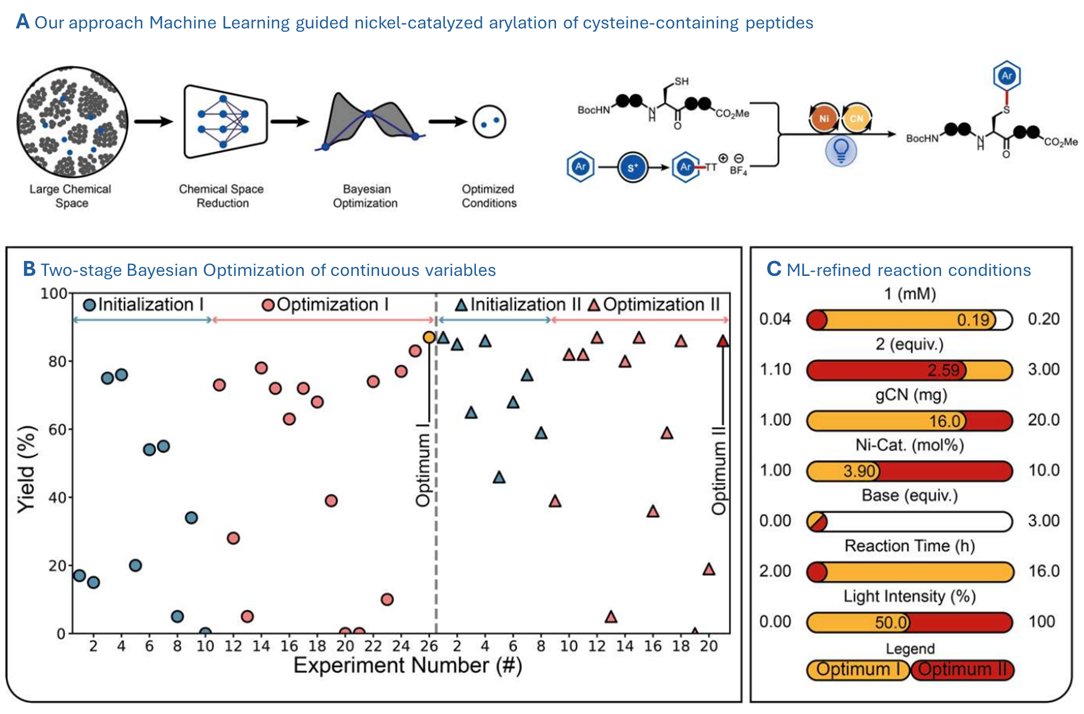
We built a machine learning–guided workflow to optimize reaction conditions for photochemical nickel-catalyzed cysteine arylation; no specialized robots or fancy HTE plates needed!
Check it out @ChemRxiv:
chemrxiv.org/engage/chemrxiv…
#MachineLearning #ReactionOptimization
2
13
45
3,764