Smoke and mirrors as always.
This story is a good example of quite a number of things.
1. It's a good example of the poor quality of BBC "science journalism".
2. It's a good example of how big corporations and their interests have captured mainstream media.
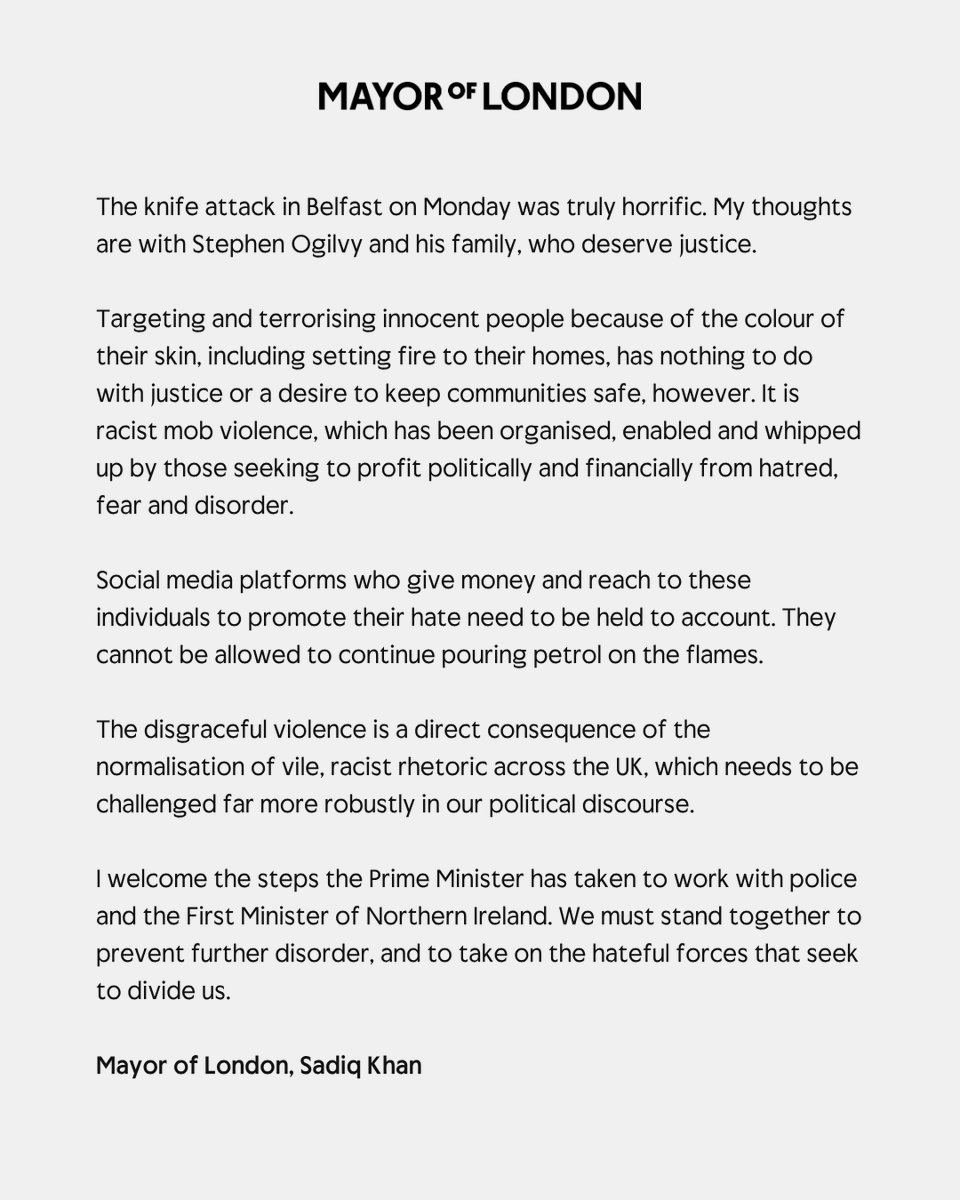
3. It's a good example of why we really need independent social media (and why governments and large corporates, which have essentially merged together (into a form of corporatism as Mussolini define it) don't like social media and want it censored).
Let's look at what the story says. The headline says "Cervical cancer deaths fall to zero in young women given vaccine".
Specifically, they say "Between 2020 and 2024, no cervical cancer deaths were recorded in women aged 20 to 24 - the first time that had happened over a five-year period."
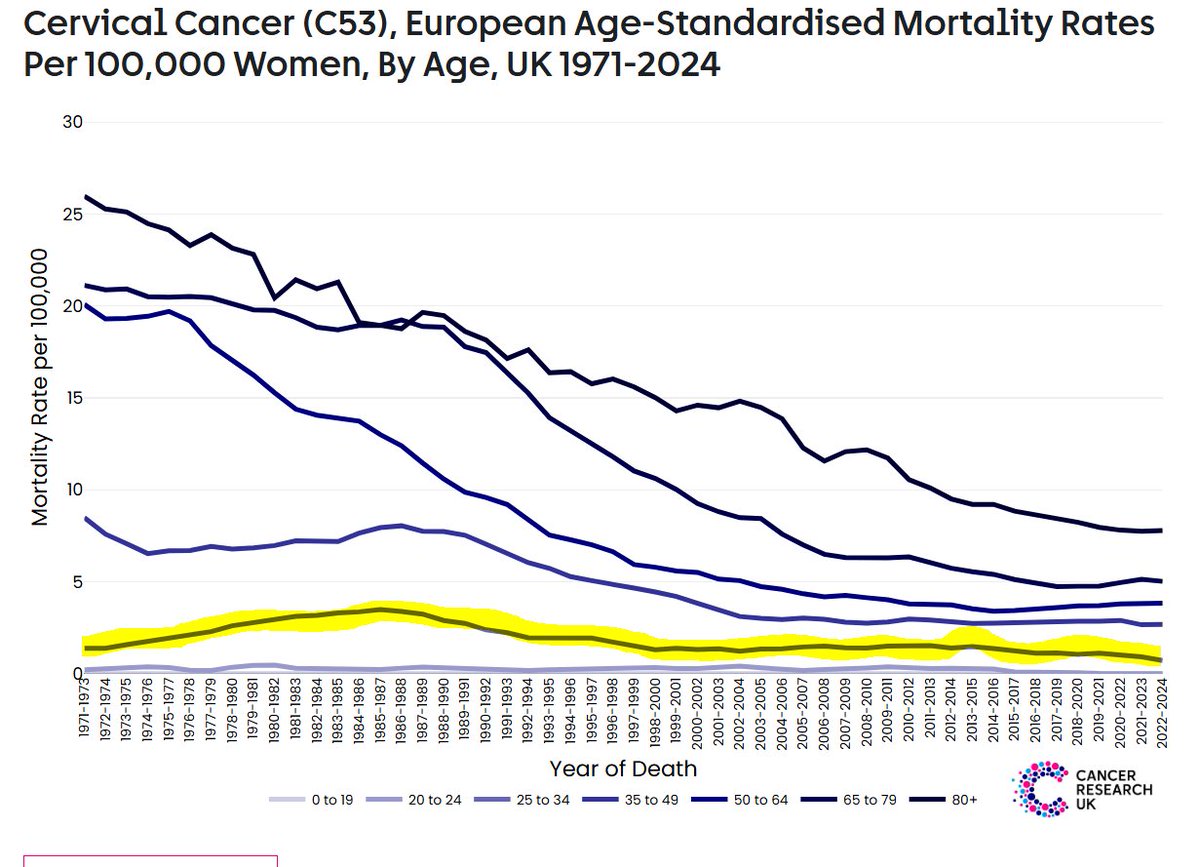
But routine vaccination of 13 year olds only started in 2018. So the earliest children vaccinated in 2018 would only have been 19 in 2024 at the end of their study period. And we know that even prior to vaccination starting, the number of deaths in 20 to 24 year olds was always close to zero (see graph). So the claim is misleading. Not factually incorrect, but giving a false impression. It's disinformation, in fact. Making us think the vaccine has caused a dramatic improvement, when it has not.
If we look at that graph, we can see that the trend is for deaths in all age groups to fall over time, a long time before vaccination started.
So the decline in deaths is clearly due to something else (routine cervical screening and earlier treatment being the prime candidate).
The BBC journalist who wrote this story has clearly put zero critical thinking into it. The company responsible for the HPV vaccine might as well have just written it verbatim and given it to the BBC to publish. Maybe they did?
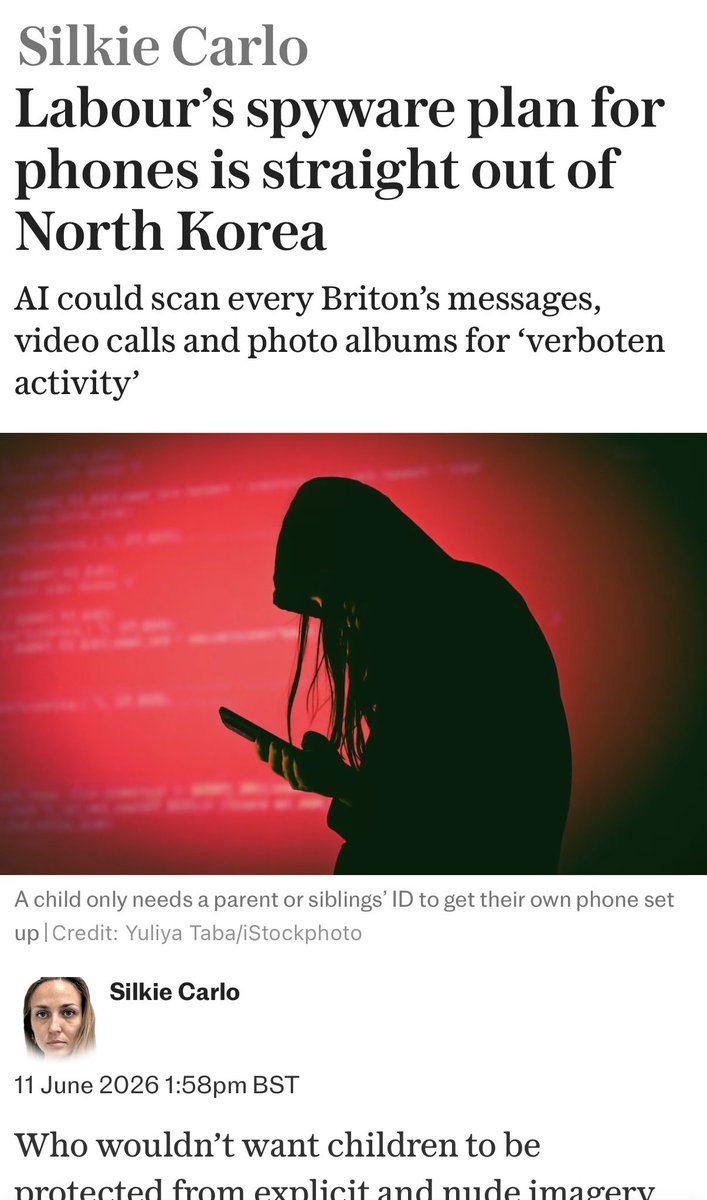
Let's project ourselves into the future, where all social media users have to provide government ID to access social media, and governments can track who is posting what, and identify and single out "troublemakers", critics and whistle-blowers for their social media posts. Do you think they will stop at censoring and banning people breaking the law, or do you think they will tackle people who are merely criticising flaws in the narrative using data and evidence?
Well, we don't need to be Mystic Meg to imagine the future. We can just look back to 2020-1 and see what happened then. Exactly what I described. Government disinformation units tackling what they called "misinformation" and "disinformation" which turned out to be inconvenient truths about lockdowns, vaccines, masks, social distancing, government statistics.
So without social media, big corporations and governments can get away with pushing their propaganda through unquestioning mainstream media journalists. That's why we need independent social media.
As for the HPV vaccine: it might turn out to be a life-saver. But given that the first cohort of teenagers who received the vaccine in 2018 are now only 31, and the median age at diagnosis with cervical cancer is 45, we are not going to know for sure from empirical data for another decade or more.
There are also potential confounders here. In parallel with the introduction of the HPV vaccine for teenagers, cervical cancer screening processes have been changed. Screening is starting at a later age, and is now focusing on detecting HPV rather than directly looking for cancer, and increasing the intervals between screenings. These changes alone may well result in the appearance of less cancer in younger age groups, but risk a big spike in cancers being detected at a later age. The authorities are tilting the table in favour of the vaccine pushers in the short term, but possibly at the expense of women in the longer term.
And the other thing we will likely never know is whether the total effect on health from the HPV vaccination is a net positive. Little point in saving 20 cervical cancer deaths per 100,000 people if the vaccine itself is directly causing more than 20 deaths and chronic illnesses per 100,000 people from adverse effects.
Why won't we ever know this? Because long-term comparisons of death and illness from all causes between vaccinated people and those receiving a saline placebo is almost never done. Studies always look narrowly at the target disease alone with a very brief and temporary consideration of adverse effects.
This ⬆️ is the kind of in-depth analysis our national broadcaster should be doing, in the public interest. Not just parroting vaccine manufacturer talking points.
But when you point this out, you get accused of being a conspiracy theorist, and the BBC sets the spook-y Marianna Spring on you. 🙄🕵️♀️