I'm a European, a socialist and an opera singer. #FBPE
Joined February 2019
- Tweets 201,112
- Following 7,017
- Followers 13,983
- Likes 151,104
6,608 Photos and videos

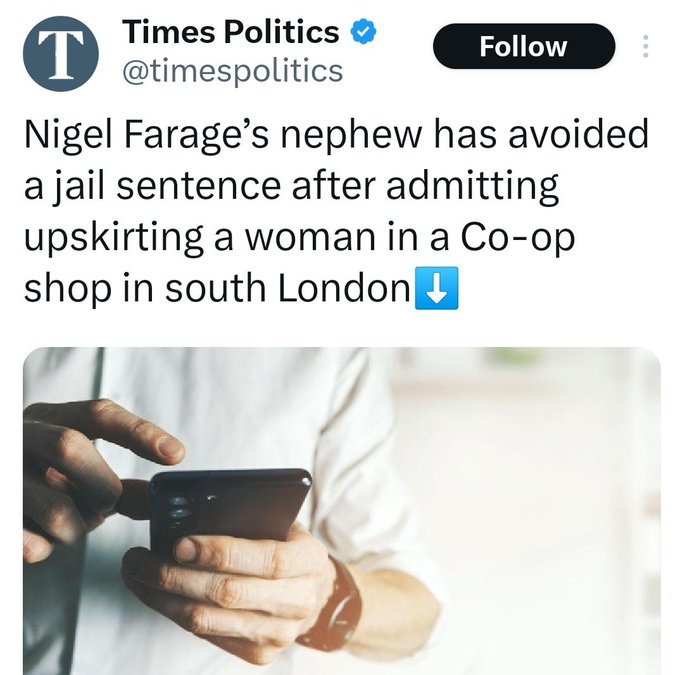
Socialist Opera Singer retweeted

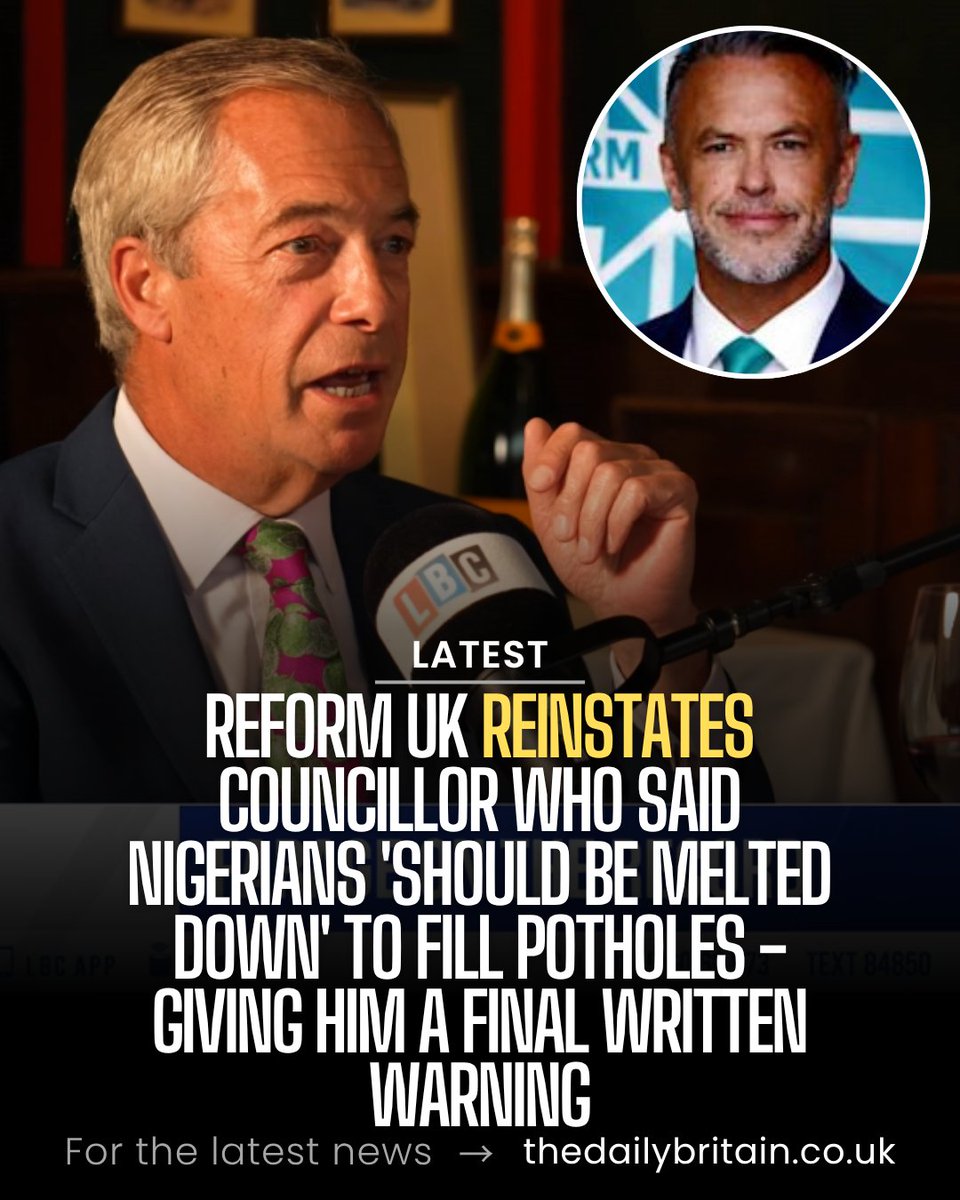
"Nigel Farage has sunk to a new low. Nobody who has made such disgusting comments is fit to serve the public - shamefully Nigel Farage clearly thinks that's not the case."
11
66
92
1,212
Socialist Opera Singer retweeted

Nigel Farage didn’t turn up for Trooping the Colour. Instead, he was reportedly spending time at an exclusive private members’ club that costs around £100,000 a year to join.
For someone who likes to present himself as a man of the people, it’s a striking contrast. While ordinary families are dealing with rising bills and the cost of living, Farage appears to be mixing in circles most people could never afford to enter.
It raises questions about how well he really understands the day-to-day realities facing the people he claims to represent.
188
249
808
23,323
Socialist Opera Singer retweeted

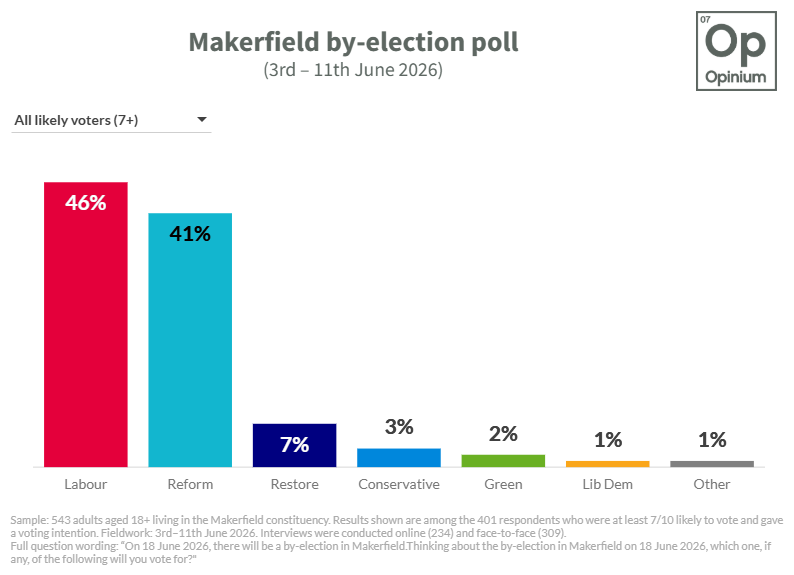
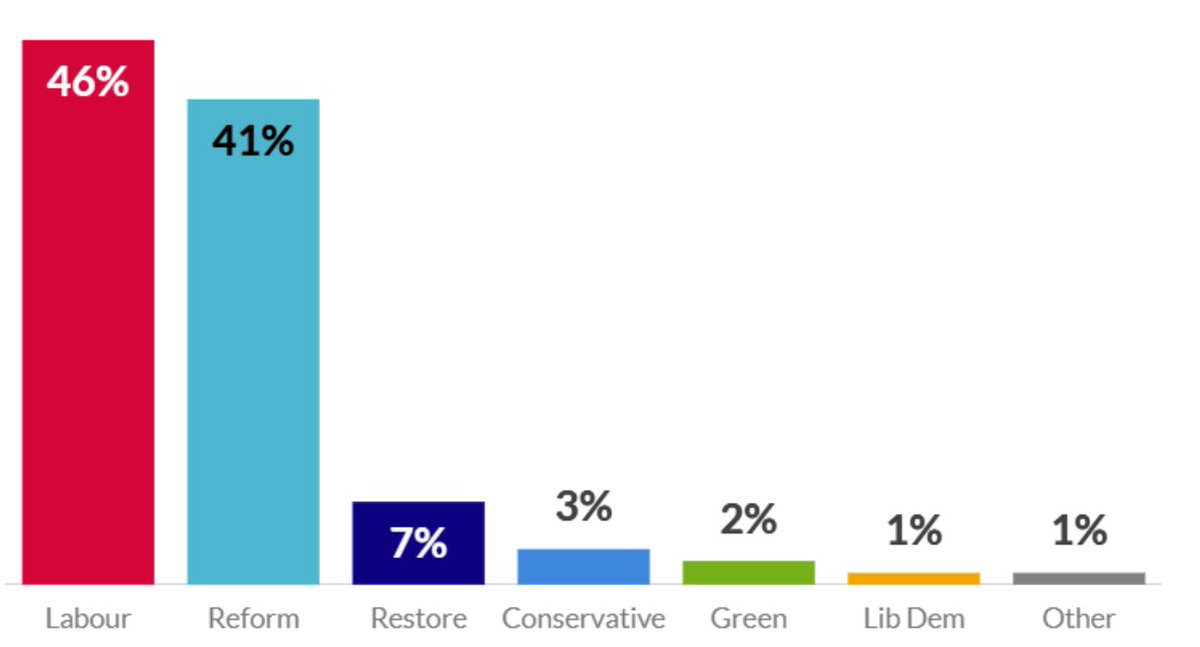
🚨 NEW Opinium–Forward Democracy poll 🚨
Our Makerfield by-election poll in the @Independent finds Andy Burnham narrowly ahead of Reform UK's Robert Kenyon.
🌹 Labour (Burnham): 46%
➡️ Reform UK (Kenyon): 41%
🟦 Restore: 7%
🌳 Conservative: 3%
🌍 Green: 2%
🔶 Lib Dem: 1%
40
50
163
64,749

Ffyc i ffwrdd!
Feb 25

If you want to live in this country, learn English.
1
1
18
261
Socialist Opera Singer retweeted

Jun 13
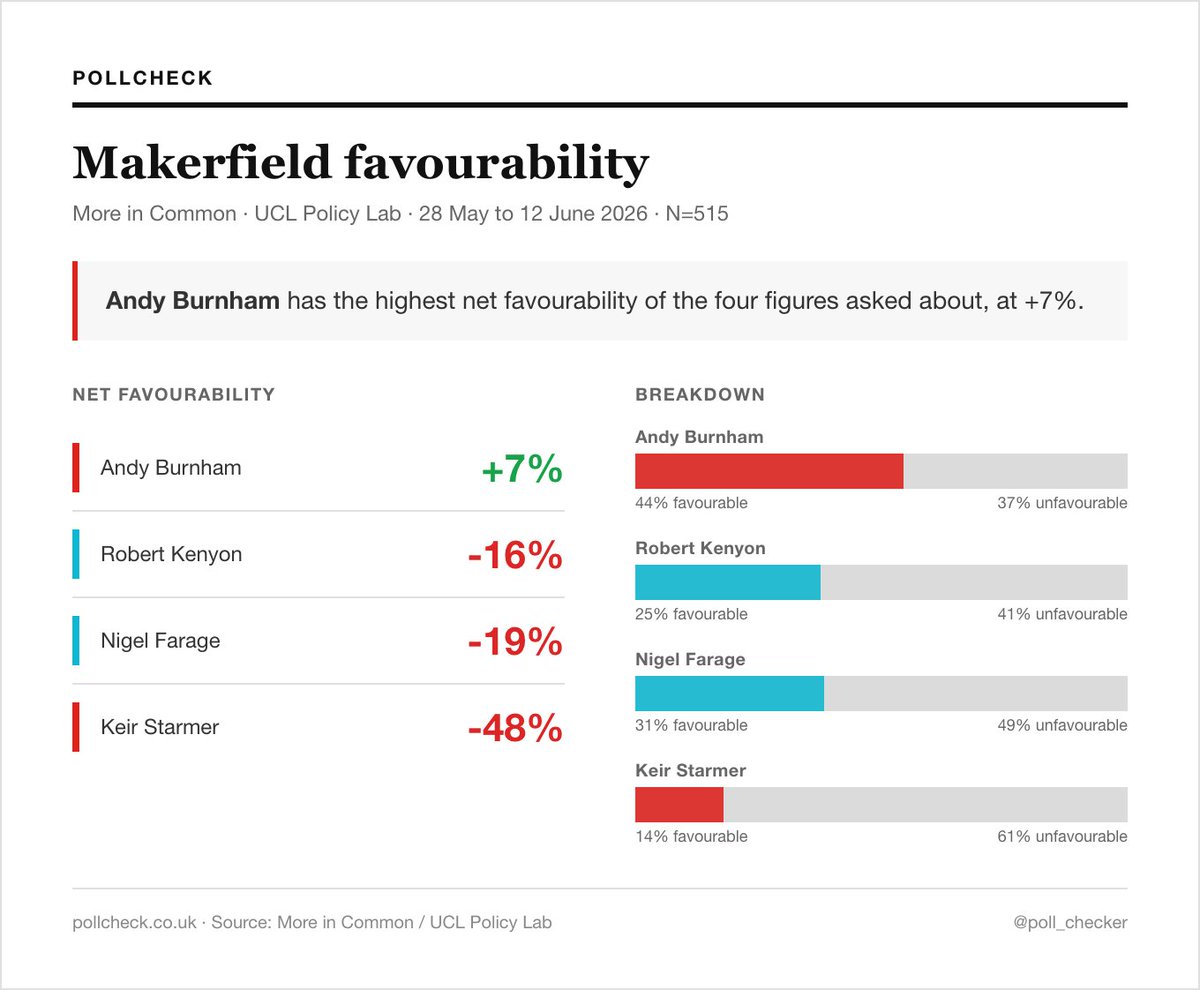
Makerfield net favourability
Andy Burnham: 7
Robert Kenyon: -16
Nigel Farage: -19
Keir Starmer: -48
More in Common / UCL Policy Lab
28 May - 12 June 2026
N=515
3
8
29
2,224

Socialist Opera Singer retweeted

No, you're a traitor as always Stephen lad. How was Russia BTW?
Setting up your next 'give me money' grift I see, you tiny twat.
26
162
700
10,081
Farage and Reform don't even trust Rob Kenyon to speak over a PA.
How on earth can anyone in Makerfield trust him with their vote?
Never Vote Reform
15
18
91
4,708
Socialist Opera Singer retweeted

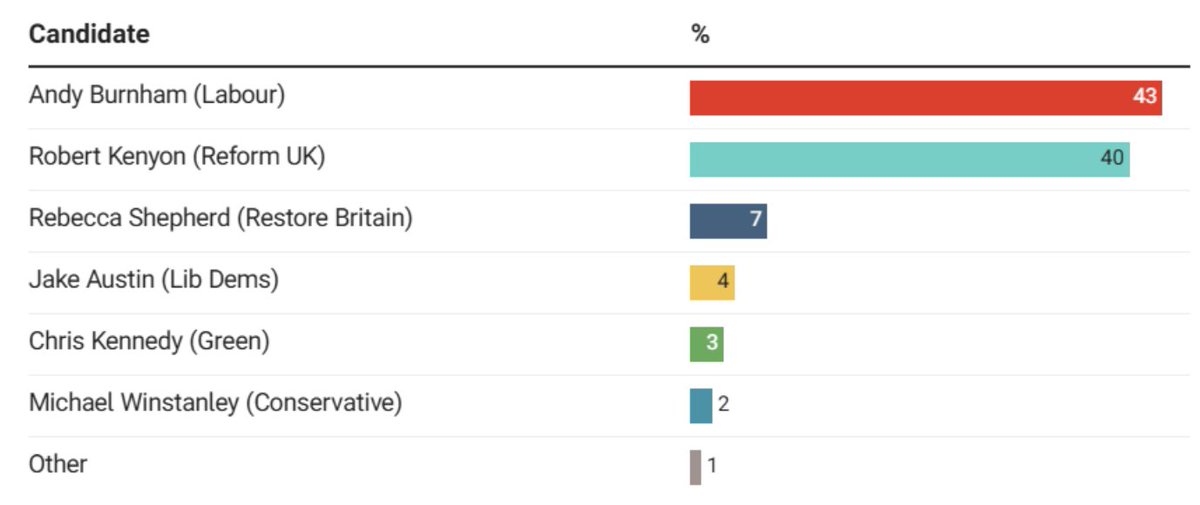
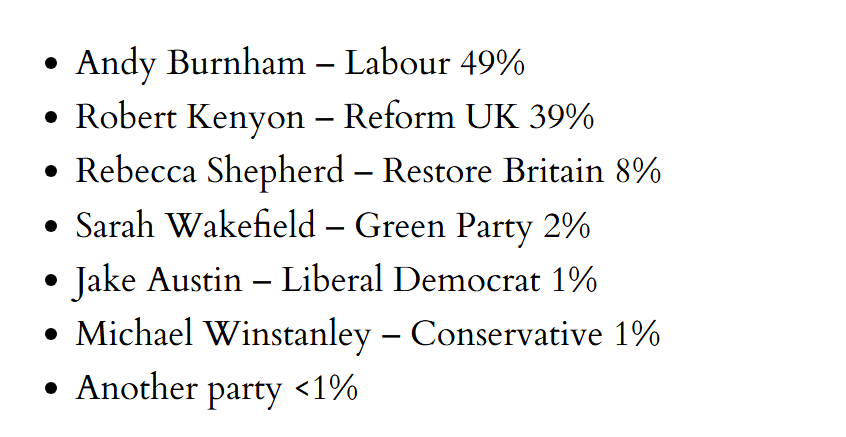
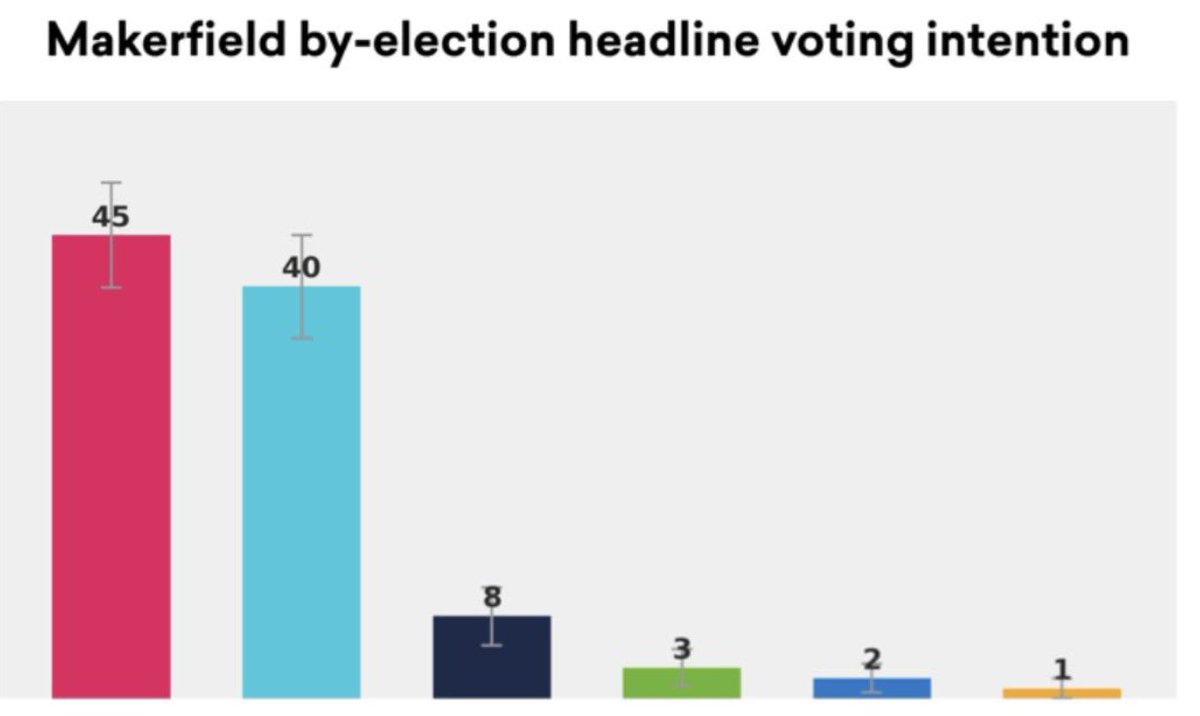
4 Makerfield polls highlight little vote share movement - indeed the poll which puts Burnham on 49% was a poll of around 400 and liable to significant error.
Ignore that one and official polls literally have not moved in the entire campaign
The leaked internal poll - not listed as unofficial, had Reform down to 34% and Restore on 13% with Labour still on 45%
7
8
24
2,619
Socialist Opera Singer retweeted

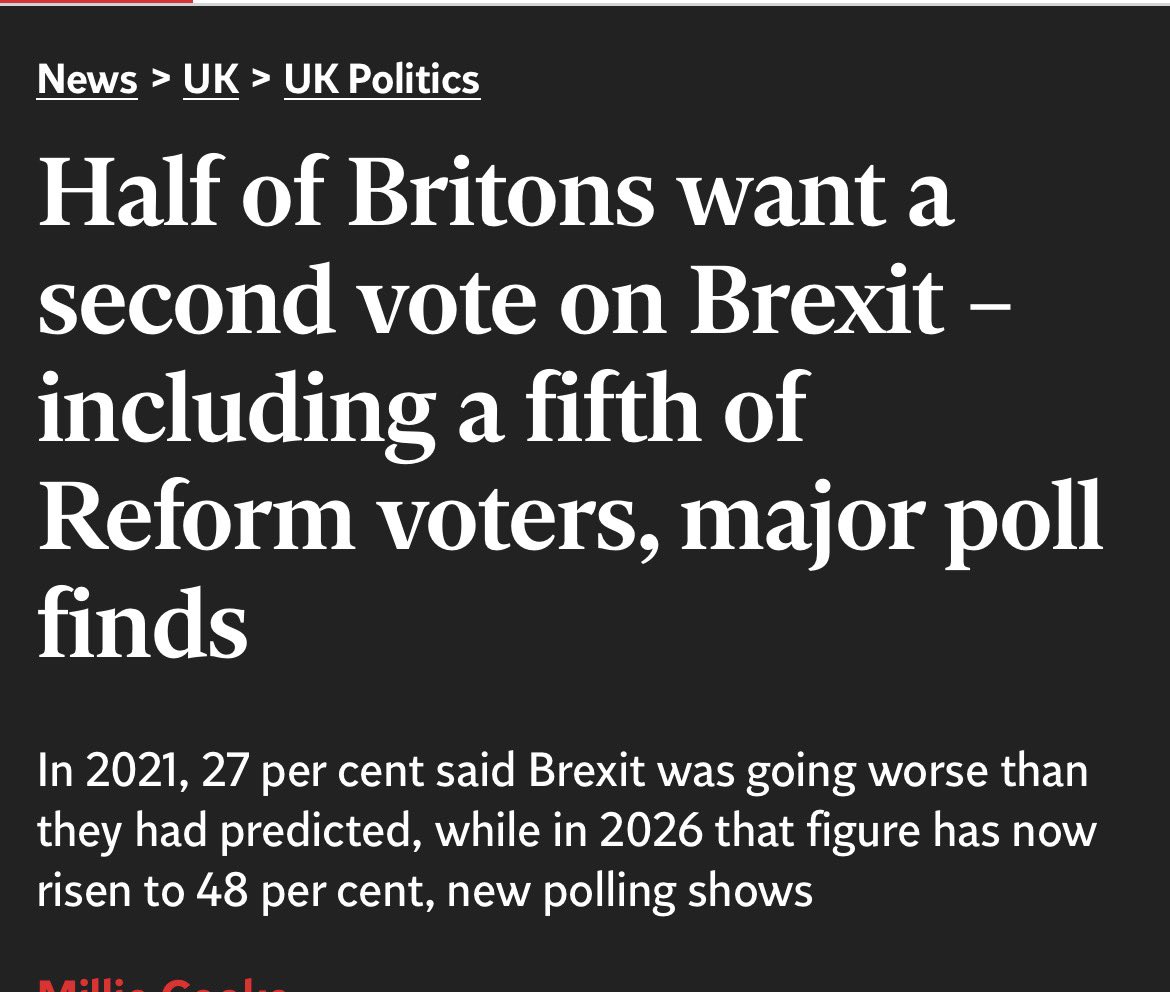
The government must stop listening to and appeasing the small minority of halfwits, racists, and flag-shaggers who still support Brexit.
Brexit was a disaster and it’s time as a nation we accepted this fact.
15
93
216
1,987
Socialist Opera Singer retweeted

this is absolutely mystifying theguardian.com/media/2026/j…
4
8
14
5,129
Socialist Opera Singer retweeted

🎯
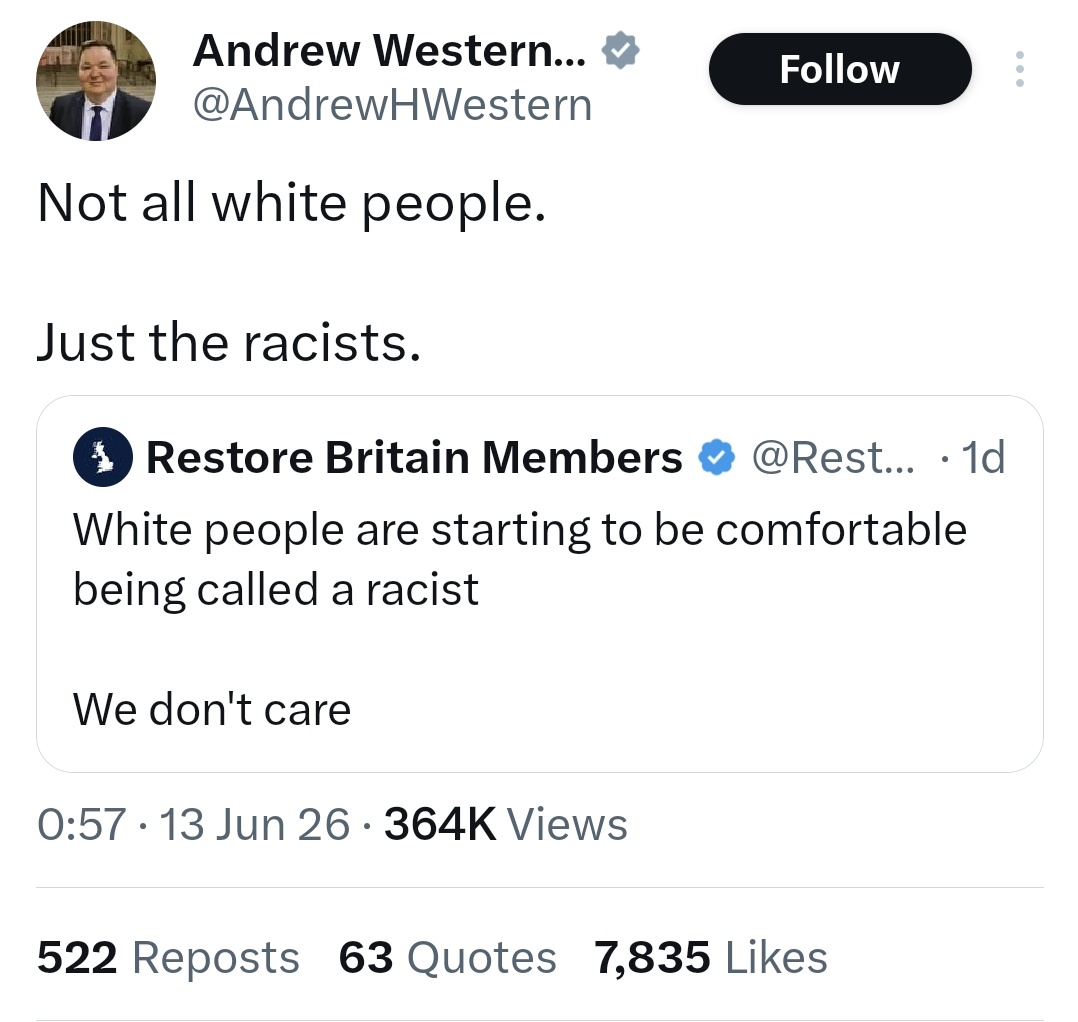

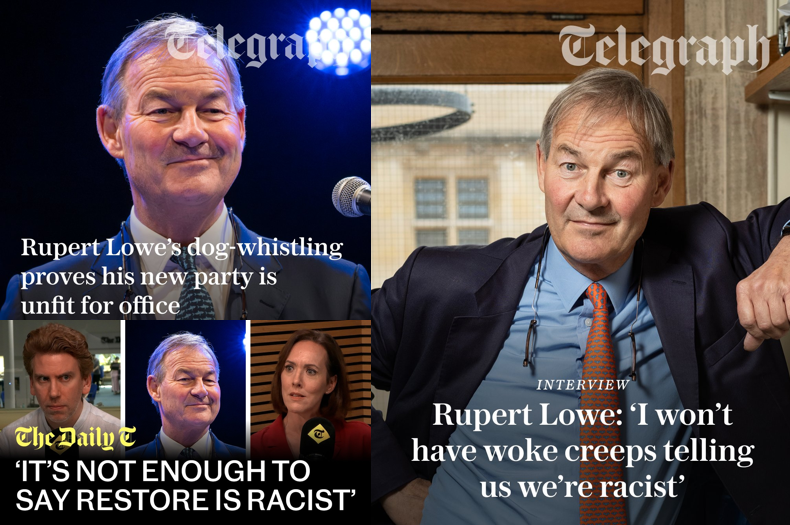
Rupert Lowe’s rhetorical strategy, particularly his repeated use of terms such as “savages,” “third world savages,” “barbarians,” and “animals” to describe migrants from certain countries, alongside calls for the deportation of “millions and millions,” exemplifies a deeply flawed and politically counterproductive approach to discussing migration, crime, and social cohesion.
While Lowe presents himself as a truth-teller confronting realities others are unwilling to acknowledge, his rhetoric frequently substitutes visceral outrage and civilization caricature for careful, evidence-based analysis. The result is a style of political communication that dehumanises broad categories of people, exploits strategic ambiguity, and weakens the intellectual and political foundations of the reforms it claims to advance.
A defining feature of Lowe’s rhetoric is its calculated imprecision. References to “dangerous third world savages” being placed in British communities are rarely confined to clearly defined categories such as convicted violent offenders or failed asylum seekers. Instead, they are embedded within a broader discourse that encompasses those who allegedly fail to integrate, depend on welfare, occupy social housing, or originate from countries associated with large-scale migration.
This rhetorical elasticity allows him to move seamlessly between specific criminal acts and much wider populations. By embracing accusations of racism with remarks such as “If that makes me a racist, so be it,” while avoiding precise definitions, he cultivates the appearance of fearless candour while preserving plausible deniability. The effect is to transfer the stigma attached to the most serious offenders onto far larger groups who share only nationality, ethnicity, religion, or migrant status.
The significance of this ambiguity extends beyond questions of tone or precision. It reflects a broader process of essentialisation, whereby complex social phenomena are reduced to supposedly inherent characteristics of groups. Individual crimes, criminal networks, or integration failures become evidence not merely of specific social problems but of deeper national, religious, or civilizational deficiencies.
Terms such as “invasion,” “savages,” and “barbarians” do more than express anger; they establish a moral framework in which Britain is cast as a civilised society under siege from alien and inferior forces. Such language erases individuality, flattens complexity, and encourages audiences to interpret social tensions through the lens of collective threat rather than institutional failure, policy design, socioeconomic conditions, or individual responsibility.
The dehumanising character of this rhetoric is not incidental but central to its persuasive force. Labels such as “animals” and “savages” symbolically place their targets outside the boundaries of ordinary moral consideration. This is a well-established feature of dehumanising language in political communication, which frequently employs animalistic imagery to erode moral constraints and make exclusion or harsh treatment more publicly acceptable. History teaches us where it can lead. Lowe’s language implies that the pathologies associated with particular offenders are characteristic of the groups from which those offenders emerge.
Even when Lowe invokes genuine horrors, for example the grooming gang scandals in Rotherham, Rochdale, Telford, and elsewhere, where men of predominantly Pakistani heritage perpetrated systematic abuse amid institutional failures and documented reluctance by some officials to act for fear of racism, the framing encourages audiences to treat these crimes as representative of broader populations rather than particular offenders in specific contexts. In doing so, it amplifies perceptions of collective danger and blurs crucial distinctions between perpetrators and the vastly larger groups with whom they are associated.
This dynamic is reinforced by Lowe’s tendency to collapse a range of distinct issues into a single narrative of national decline and external threat. Grooming scandals, asylum policy, migration through irregular routes, violent crime, demographic change, welfare dependency, housing pressures, and integration failures are repeatedly woven into one simplistic overarching story of a country being overwhelmed by outsiders. The truth is that these phenomena have multiple different causes and require different responses. The language of “millions” who must leave Britain discourages differentiation and promotes sweeping attributions to broadly defined out-groups.
This tendency functions as a form of moral amplification. Highly salient crimes become symbolic representations of entire populations, while exceptional cases are elevated into evidence of broader civilization dysfunction. The emotional power of such rhetoric comes from compressing complexity into a simple story of civilisation vs barbarism, “us” vs “them.” However, the same simplification that makes it potent also makes it analytically weak and, at best, liable to generate policy responses that are poorly aligned with the complexity of the underlying problems.
Politically, Lowe’s rhetorical style is as self-defeating as it is inflammatory. His dismissive attitude towards labels such as racist, xenophobe, or Islamophobe may energise a committed base, but it ensures that debate centres on his language rather than the substantive issues.
Many voters who support tighter controls still recoil from rhetoric that evokes collective guilt or civilizational hierarchy, which some audiences associate with narratives of white supremacy. As a result, language designed to demonstrate uncompromising conviction often narrows the coalition needed for real change.
None of this requires denying cultural differences, integration challenges, or institutional failures. Serious discussion must confront uncomfortable realities, including patterns of offending in particular cohorts and institutional reluctance to address sensitive issues. But it depends on maintaining careful distinctions between individuals and groups, statistical patterns and moral judgements, and policy failures and personal responsibility. Lowe’s rhetoric repeatedly collapses those distinctions, sacrificing analytical precision for emotional force.
Ultimately, a significant problem with Lowe’s approach is not that it addresses difficult subjects but that it does so through dehumanisation, essentialisation, and deliberate overbreadth, when Britain needs a debate grounded in specificity, proportionality, and human dignity.
Rhetoric that relies on caricature, ambiguity, and collective stigma may generate outrage effectively, but it obscures the problems it claims to illuminate, makes constructive solutions harder to achieve, and distorts rather than illuminates public understanding.
1
15
34
717

Nigel Farage has accused the media misrepresent what he says so let’s look at his history of flip- flopping, breaking promises, denying things has said and even flip-flopping on his flip-flops.
Nigel Farage and Reform can not be trusted.
#makerfield
12
167
401
18,838
Socialist Opera Singer retweeted

🚨 NEW: A fourth Makerfield by-election poll has been released
🔴 LAB - 49%
➡️ REF - 37%
🟣 RES - 5%
🟢 GRN - 5%
🔵 CON - 3%
🟠 LD - 1%
⚪️ OTHER - 1%
Via Convergent, 525 sample, 2 June - 12 June
257
93
1,263
138,323
Socialist Opera Singer retweeted

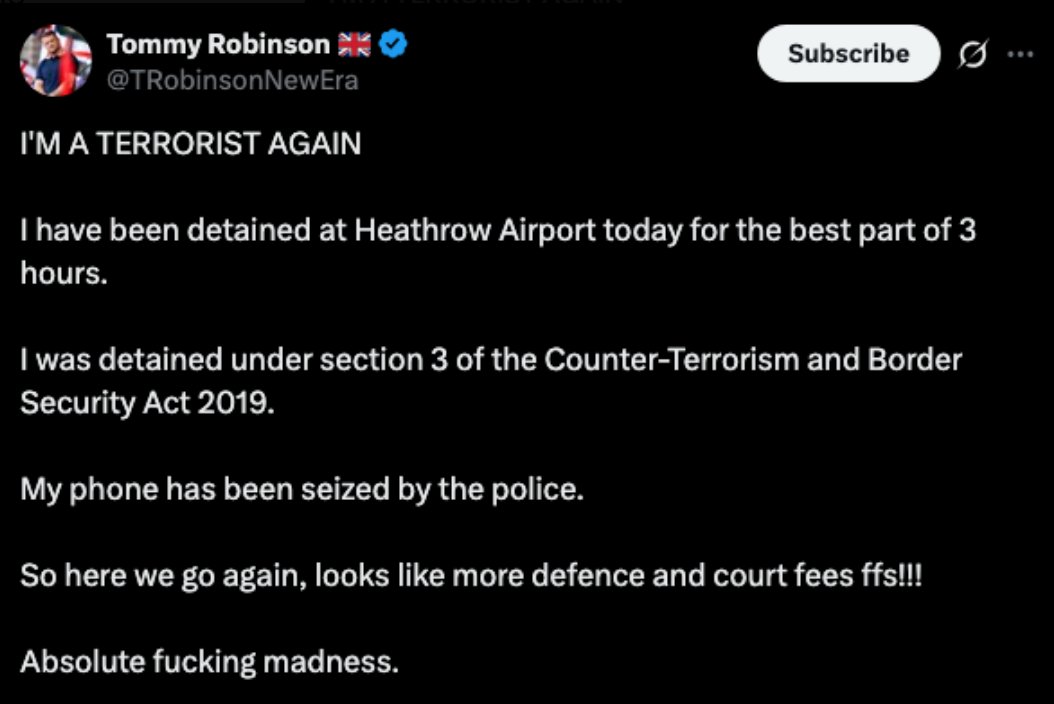
Far-right activist Tommy Robinson detained under terrorism legislation ft.trib.al/74FBIzF
392
383
2,213
295,831
Socialist Opera Singer retweeted

17h
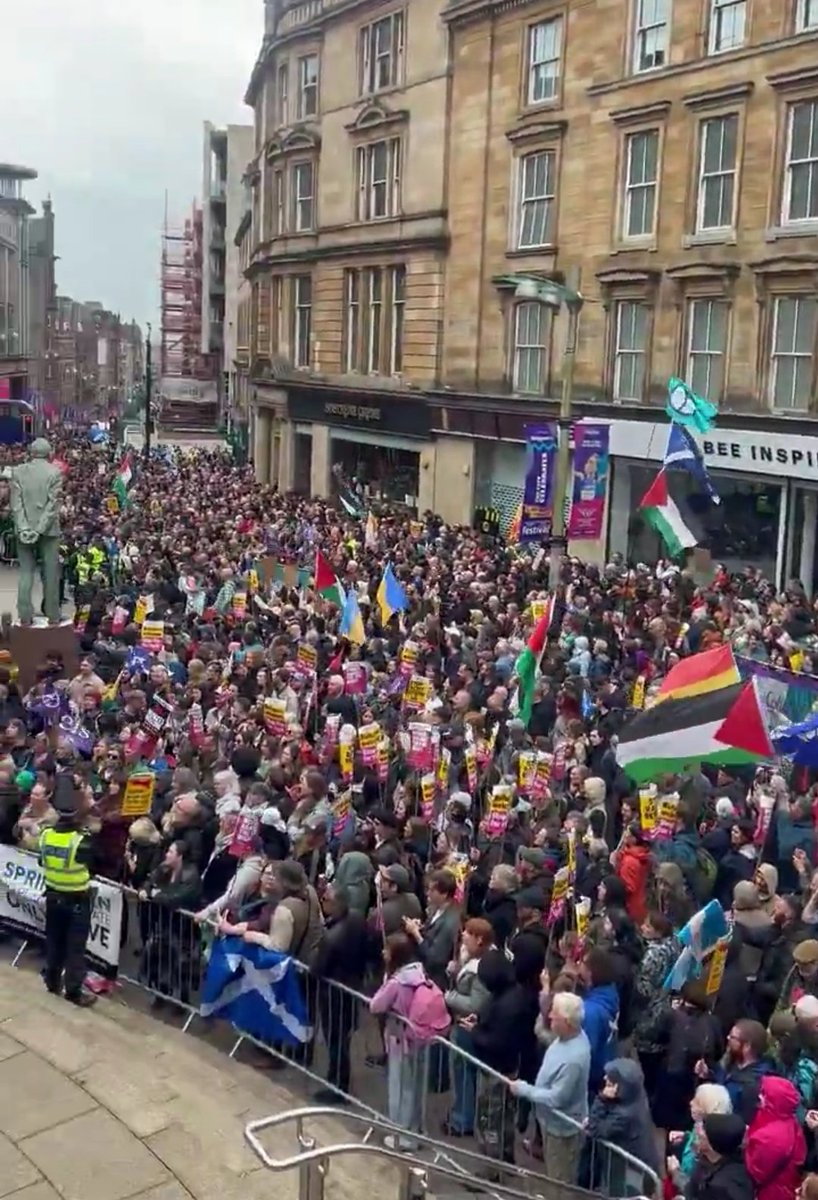
Thousands of people are out in force in Glasgow for the anti-racist demonstration.
The far-right are outnumbered in multiple cities.
681
569
2,929
108,736
RT @peterjukes: Obviously Yaxley Lennon f*cked up by jumping on a riot while hanging out in Moscow with far right influencers
Now check hi…
459
RT @LucyMPowell: Our whole movement has come together in Makerfield. Great to join @labourunionsuk, activists and PLP colleagues on this cr…
34
Socialist Opera Singer retweeted

Reform want to take us to a grim place.
They've been in their right wing echo chamber for far too long.
The vast majority of people in this country don't denigrate difference - we celebrate it.
2,299
606
2,898
180,329
Socialist Opera Singer retweeted

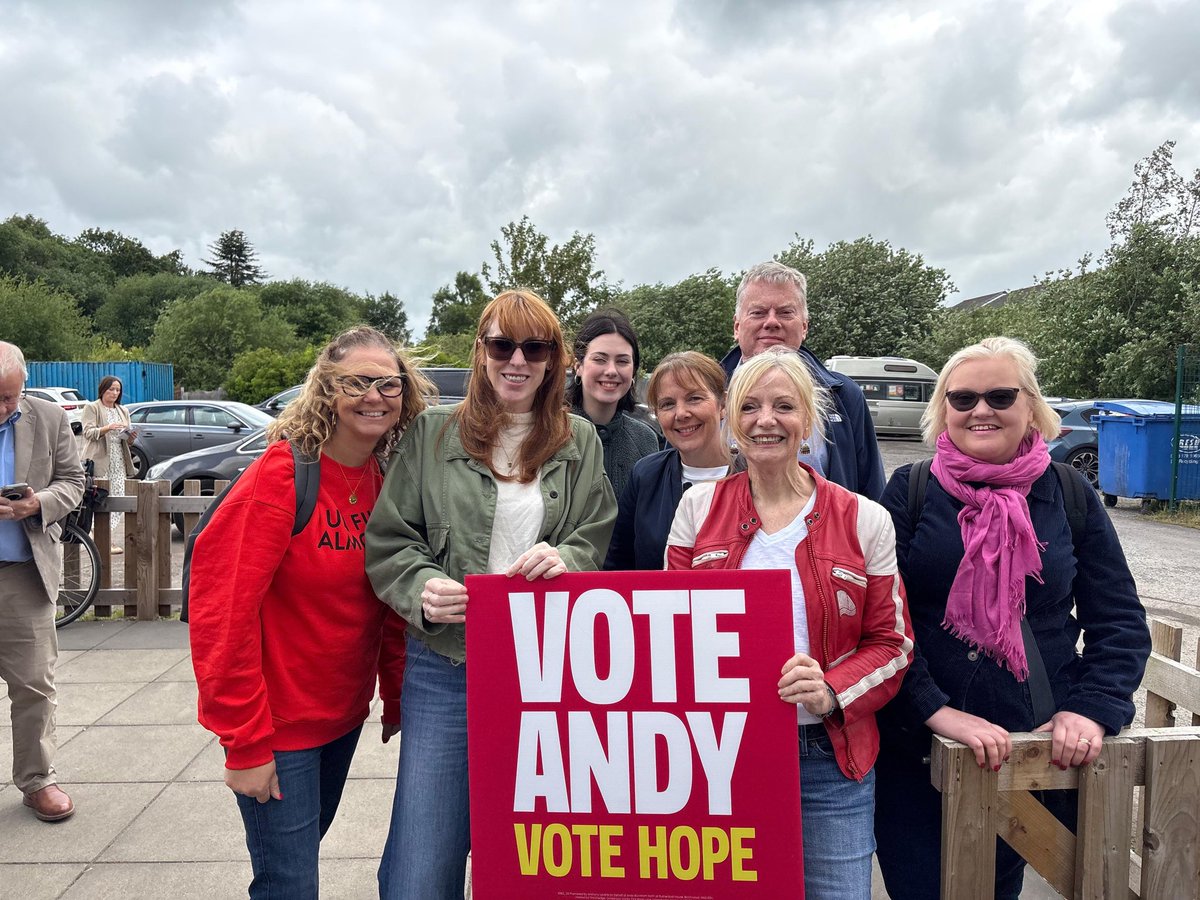
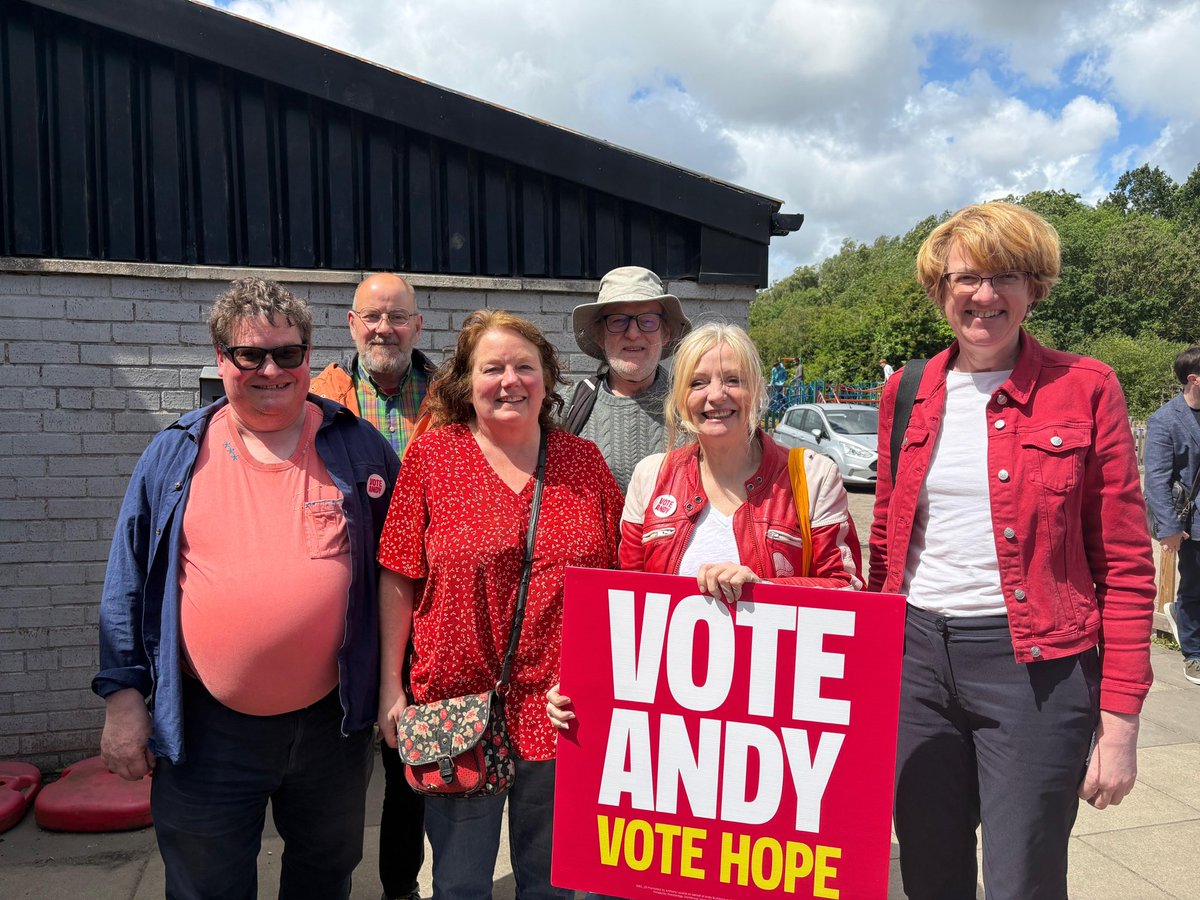
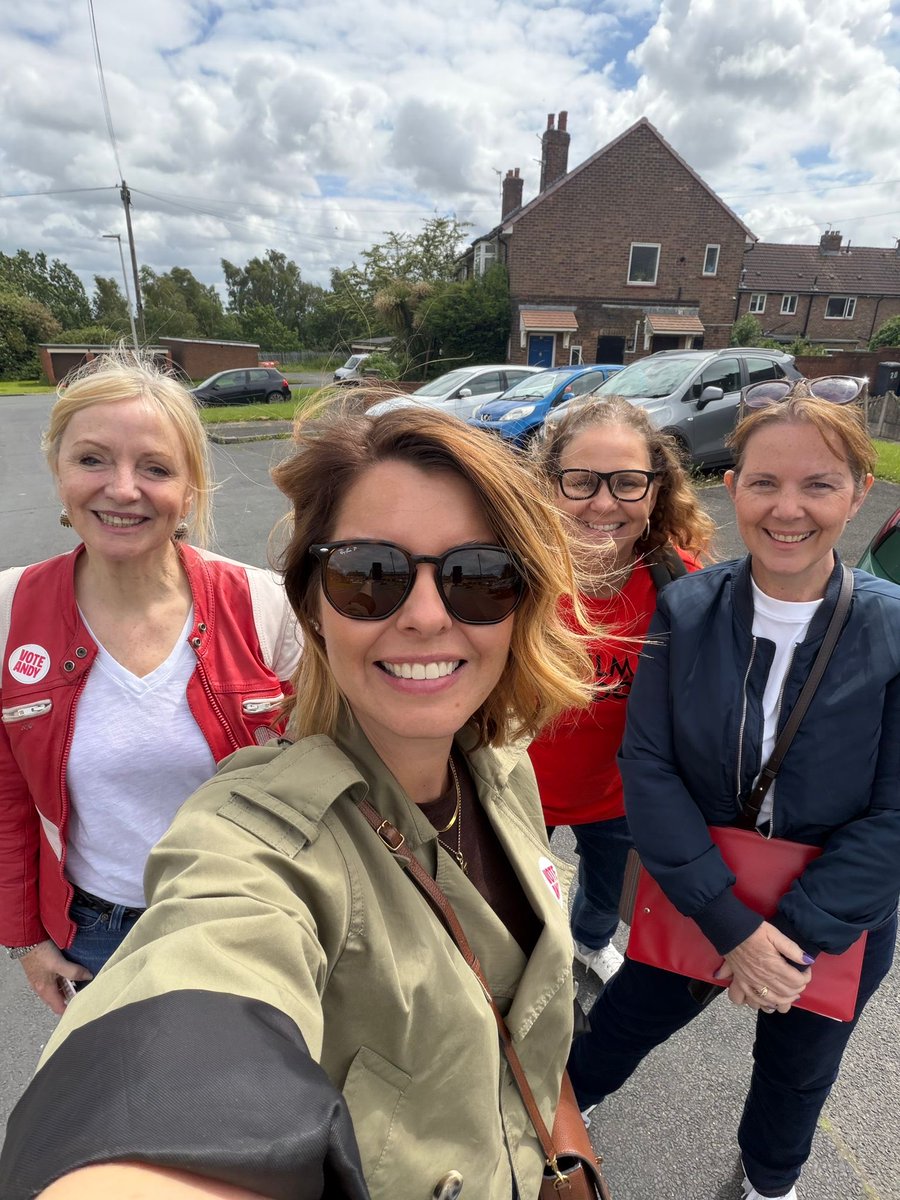
Mayors trip to #makerfield to support @AndyBurnhamGM 🌹
Always great to spend time with Helen Godwin, @KiMcGuinness and @ClaireWard4EM🫶
Wonderful to bump into so many Labour friends along the way including @AngelaRayner
39
19
62
3,935