
45 Photos and videos






Taucro 🌐 retweeted

Jun 12
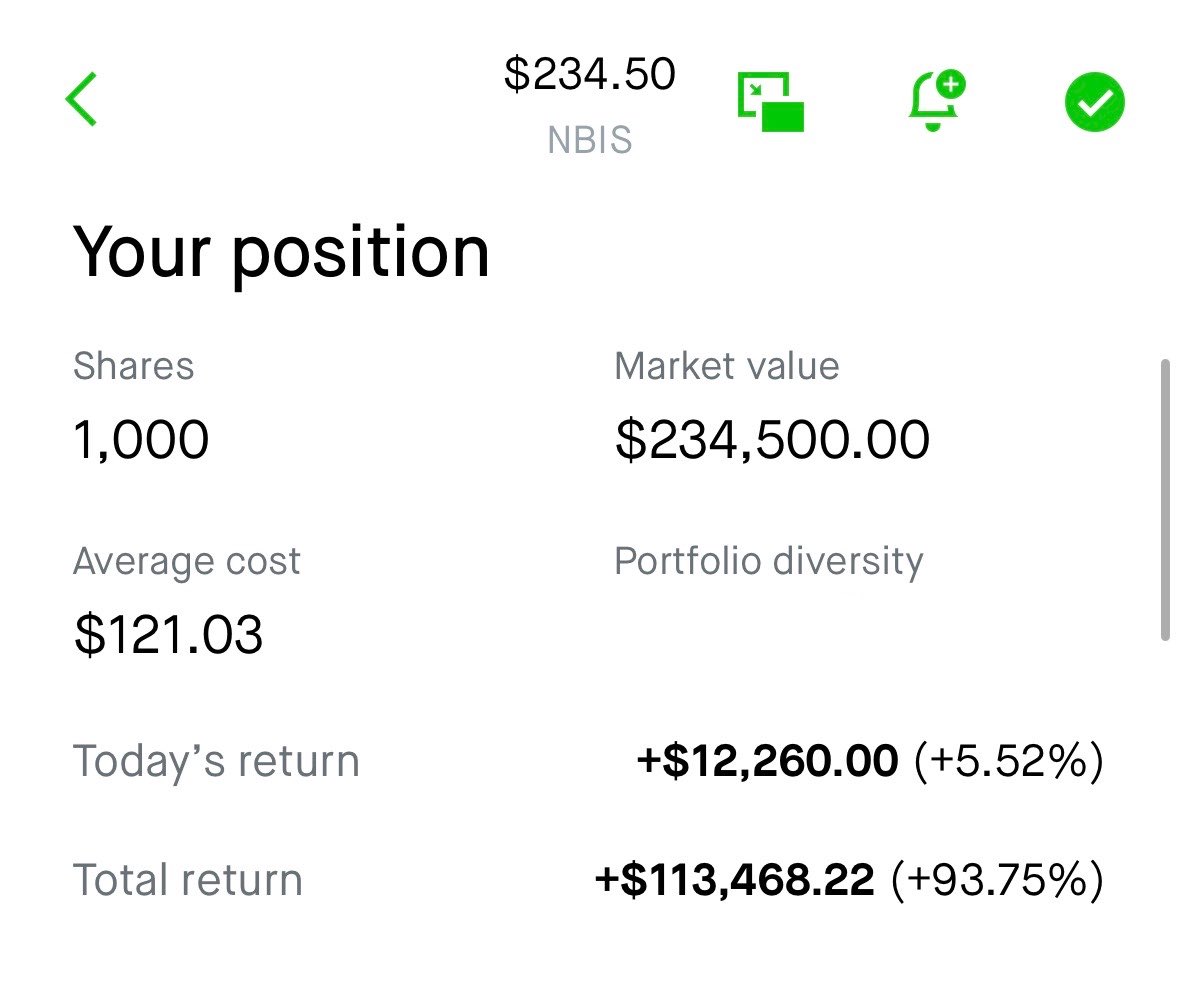
$NBIS will one day, in the very near future, join AWS, Azure, and Google as the fourth hyperscaler.
Mark my words.
63
18
732
44,052
Taucro 🌐 retweeted

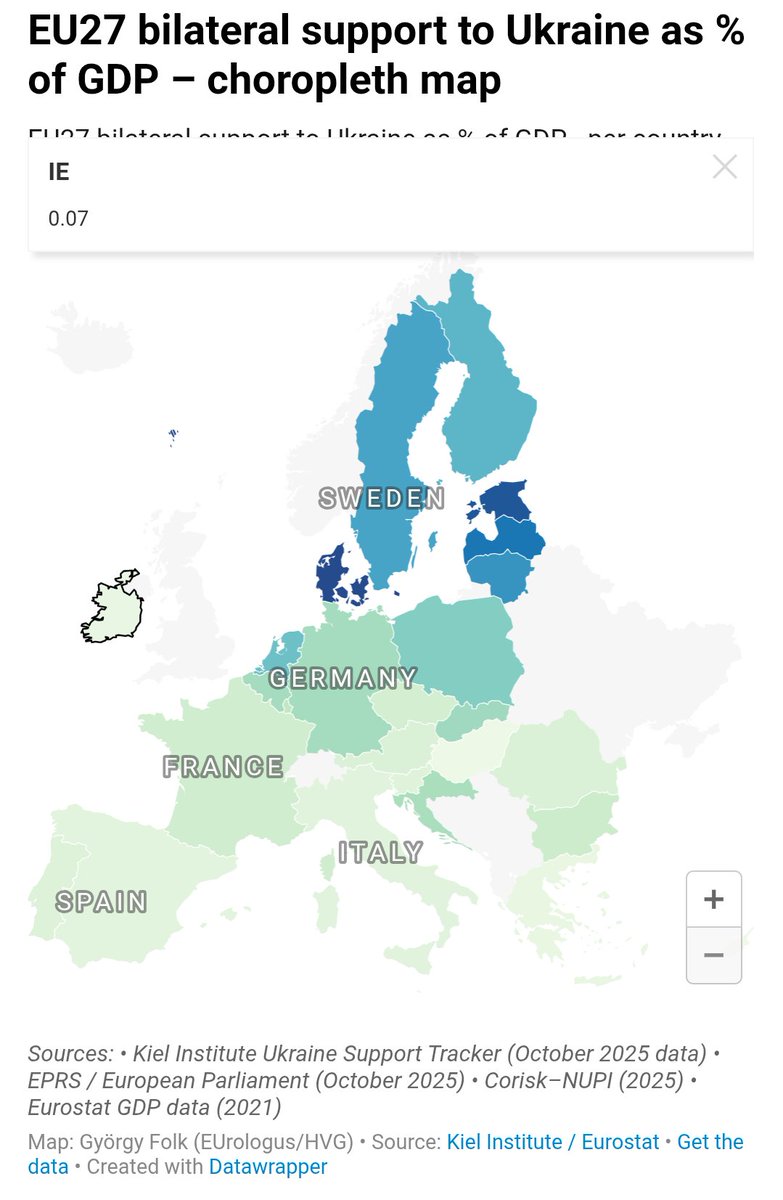
Can we agree the EU has failed economically? It’s a great political project with jaunty moral high grounds and lots of cultural enrichment and the EC has great Climate and Green Commissioners and they are all a credit to their races… but Europe’s economic model is a failure
38
13
214
15,483
Taucro 🌐 retweeted

Jun 13
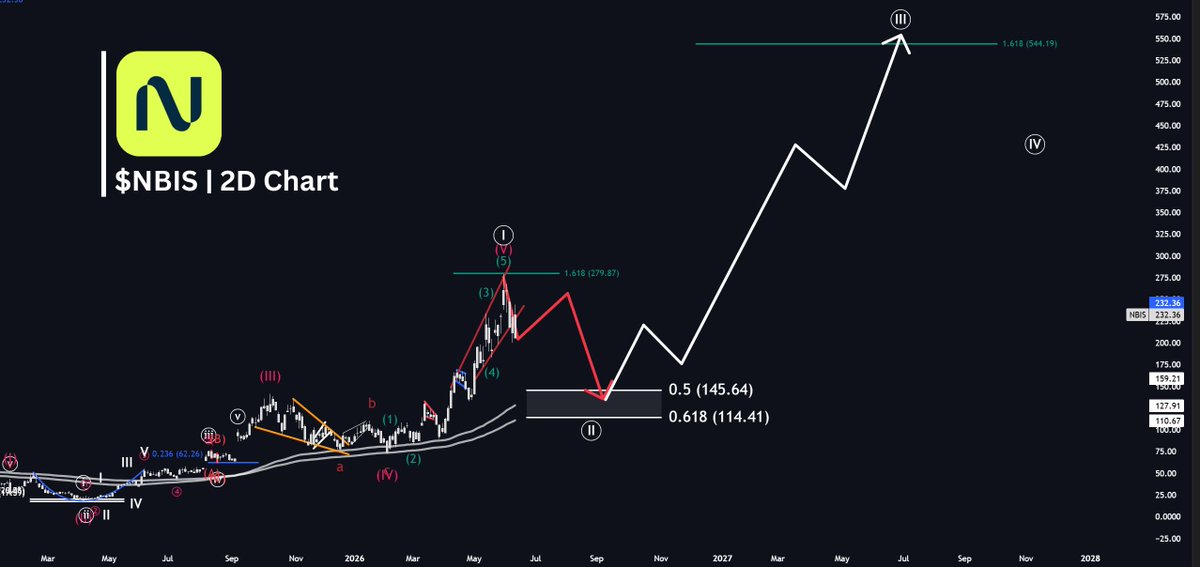
$NBIS Long-term projection.
I've already trimmed this position twice, and it's still my biggest one.
And I will definitely add to it again on this drop.
Wave 2 should take us below $150 in the short-term.
This is where I'm aiming to buy.
Long-term target is $544 for wave 3.
The alternative:
This is a wave 4 instead of 2, then the bottom would be a lot higher.
However, this also reduces the upside potential in the near future.
This remains my highest conviction stock amongst AI-Infrastructure stocks.
Subs will be the first to know when I buy again.
58
43
439
69,290
Taucro 🌐 retweeted

Jun 13
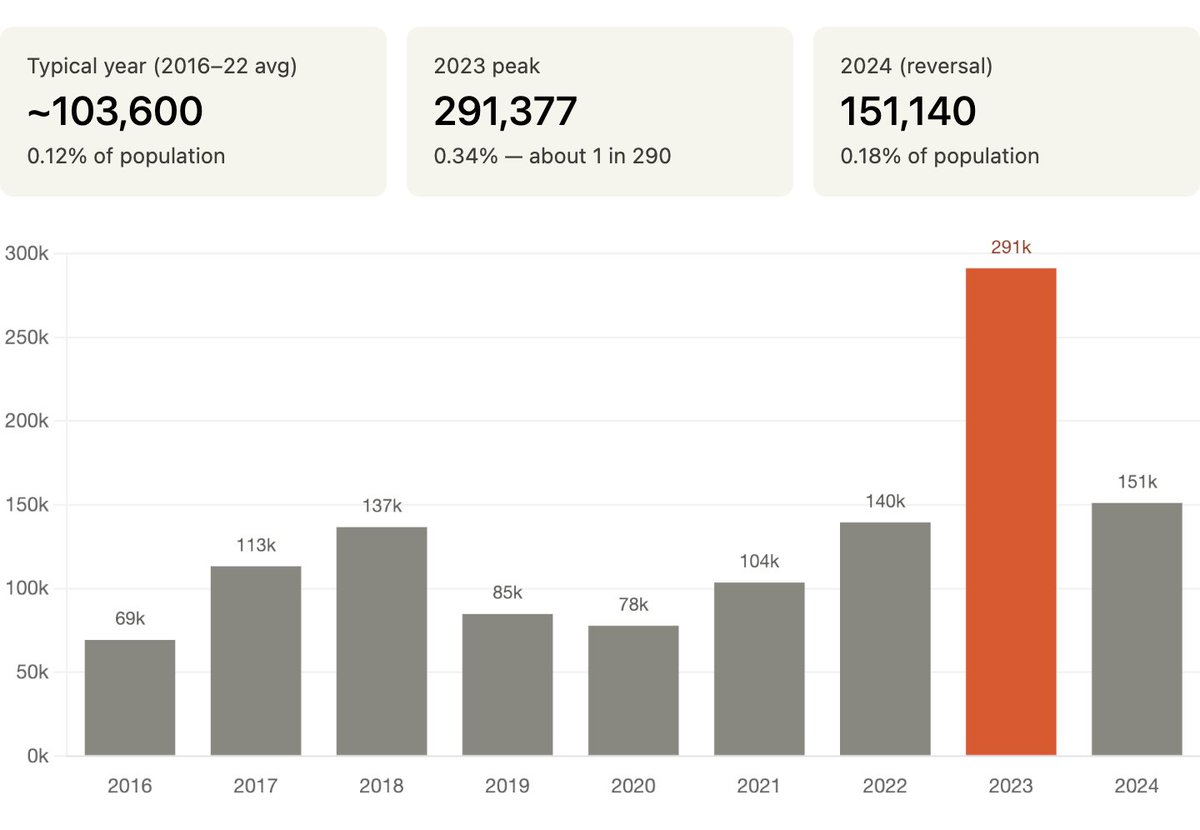
I wrote about emigration from Turkey. Everyone's talking about it, but the numbers are fairly calm: in a country of 86 million, a couple hundred thousand leave per year.
No great exodus.
It's much more about who's leaving.
10
45
263
41,427
Taucro 🌐 retweeted

Jun 13
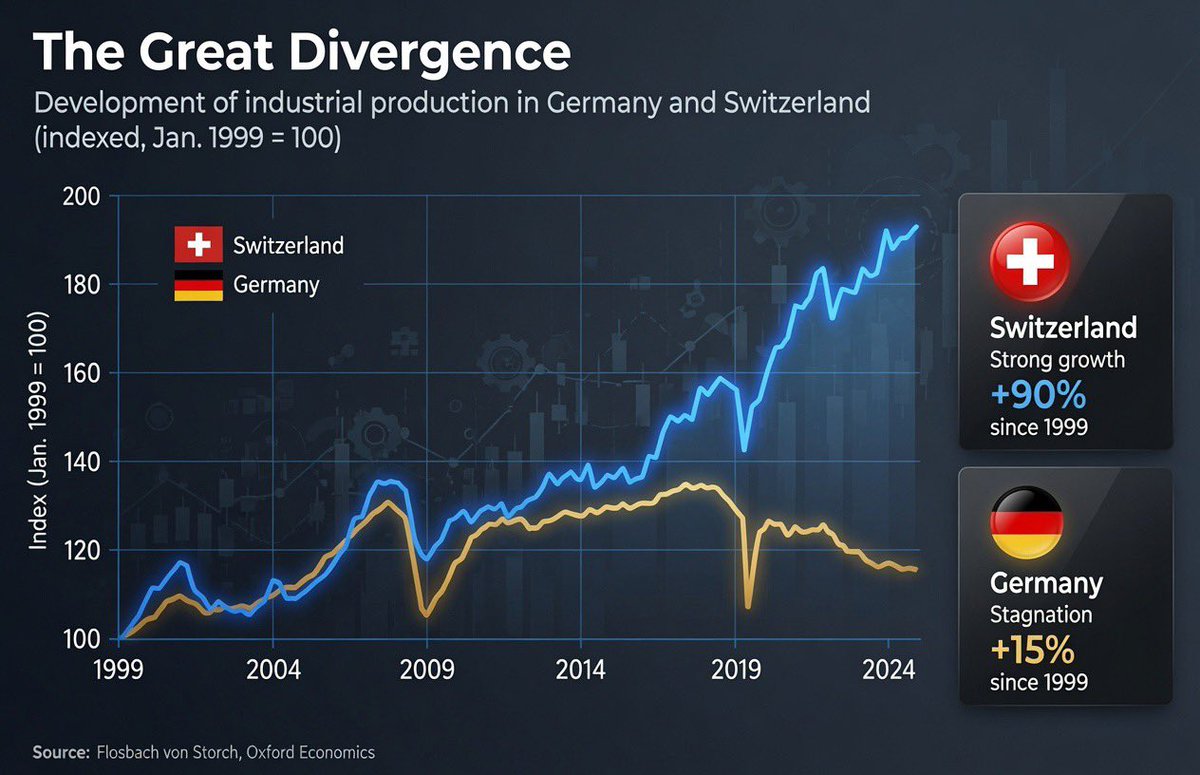
Germany spent decades building the world’s industrial powerhouse. Now it’s testing how fast you can dismantle one.
High energy costs, overregulation, overtaxation and investment flight aren’t accidents, they’re policy outcomes.
What needs to happen for Germany to thrive again?
Jun 12

This is eye-opening. Even the weak Euro didn’t prevent the self-inflicted collapse of German industry.
All the bad policies will one day be seen as the largest self-sabotage of an advanced economy ever.
If the left can ruin Germany, imagine what they could do to your country.
36
77
302
25,141
Taucro 🌐 retweeted

Jun 13
As a result of a US government directive, we are suspending access to Claude Fable 5 for all users. You can continue to use all other Claude models.
Here’s what this means for you:
Across Claude products, new sessions will run on your selected default model or Opus 4.8, and existing Fable 5 sessions will end with an error.
On the Claude Platform, requests to Fable 5 will also return an error. Please update your integrations to other Claude models.
We know this is a disruption to your workflows; we appreciate your patience and support.
Jun 13

The US government, citing national security authorities, has issued an export control directive to suspend all access to Fable 5 and Mythos 5 by any foreign national, whether inside or outside the United States, including foreign national Anthropic employees.
The net effect of this order is that we must abruptly disable Fable 5 and Mythos 5 for all our customers to ensure compliance.
Access to all other Claude models is not affected.
We apologize for this disruption to our customers. We believe this is a misunderstanding and are working to restore access as soon as possible.
Read our full statement: anthropic.com/news/fable-myt…
3,586
7,223
44,270
12,458,670

Taucro 🌐 retweeted

Jun 12
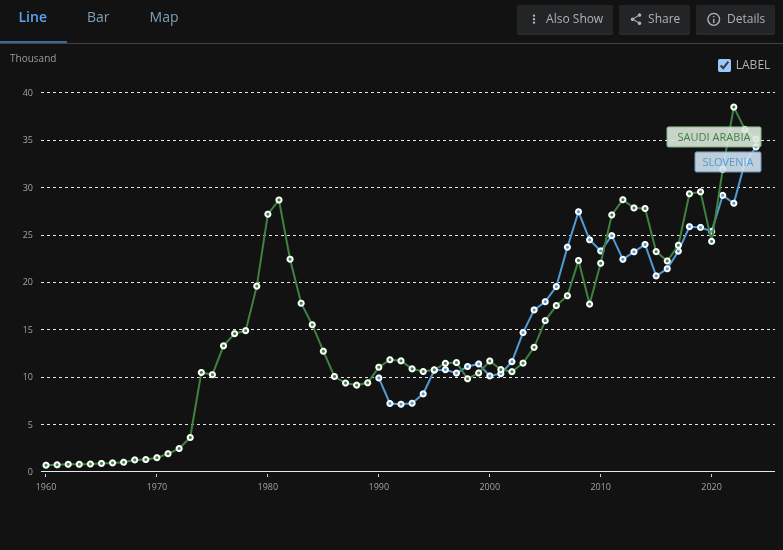
Slovenia has roughly:
• 700k private-sector workers
• 260k public-sector workers
• 680k pension recipients
That’s 1 private-sector worker for every 1.3 people paid by the state or pension system.
And that’s before counting children, students, roads, healthcare, defense, and everything else...
Let that sink in.
69
91
724
100,611
Taucro 🌐 retweeted

Jun 12
This will go down as one of the largest rug pulls of mankind. The only people winning are the 1%.
Jun 12

Peter Thiel’s Founders Fund invested around $600 million into SpaceX.
At the IPO valuation, that stake is now worth over $50 BILLION.


2
2
12
1,644

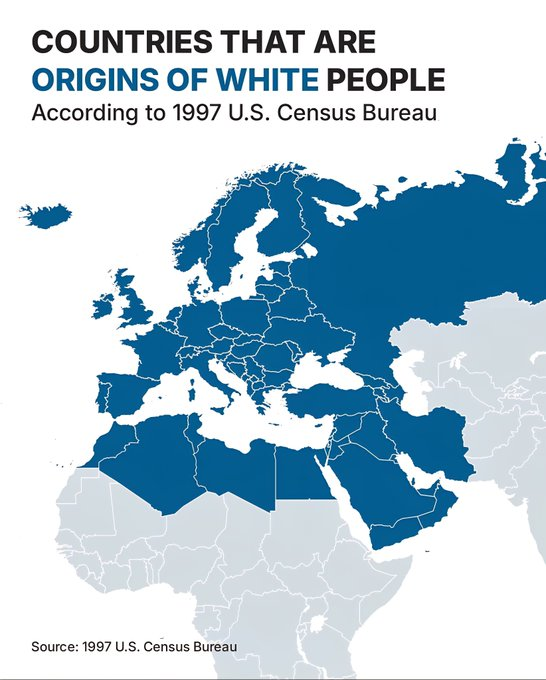
Genetically almost the same groups but oK
Jun 10

You are not coptic Egyptian, you are an Arab whos ancestors arrived and replaced the indigenous population in the 7th century
62
Taucro 🌐 retweeted

Jun 11
Investing in 2026 is deciding which cartoon character you trust more

106
119
3,191
204,708
Taucro 🌐 retweeted

Jun 10
Yes there will be a 2x SHORT 🔴 SpaceX ETF which will trade under the ticker $SSPC
Jun 10

2X SHORT SPACEX ETF COMING SOON
Leverage Shares just confirmed that its 2x Short SpaceX ETF will trade under the ticker $SSPC
Disclosure: Leverage Shares is a WOLF Partner. This is just for informational purposes not investment advice

42
70
1,005
370,878
Taucro 🌐 retweeted

🇪🇺🏦 ECB Temporarily Restricts Revolut’s New Product Launches in Europe
The ECB has temporarily restricted Revolut from launching new financial products in Europe due to concerns over the speed of its service approvals and rollouts
Source: FT

95
40
520
605,741
Taucro 🌐 retweeted

Jun 10
Genuinely wondering if the drop in tech share prices yesterday was because all the generate gamblers are liquidating stock to put into the SpaceX IPO.
7
1
15
1,114
Taucro 🌐 retweeted

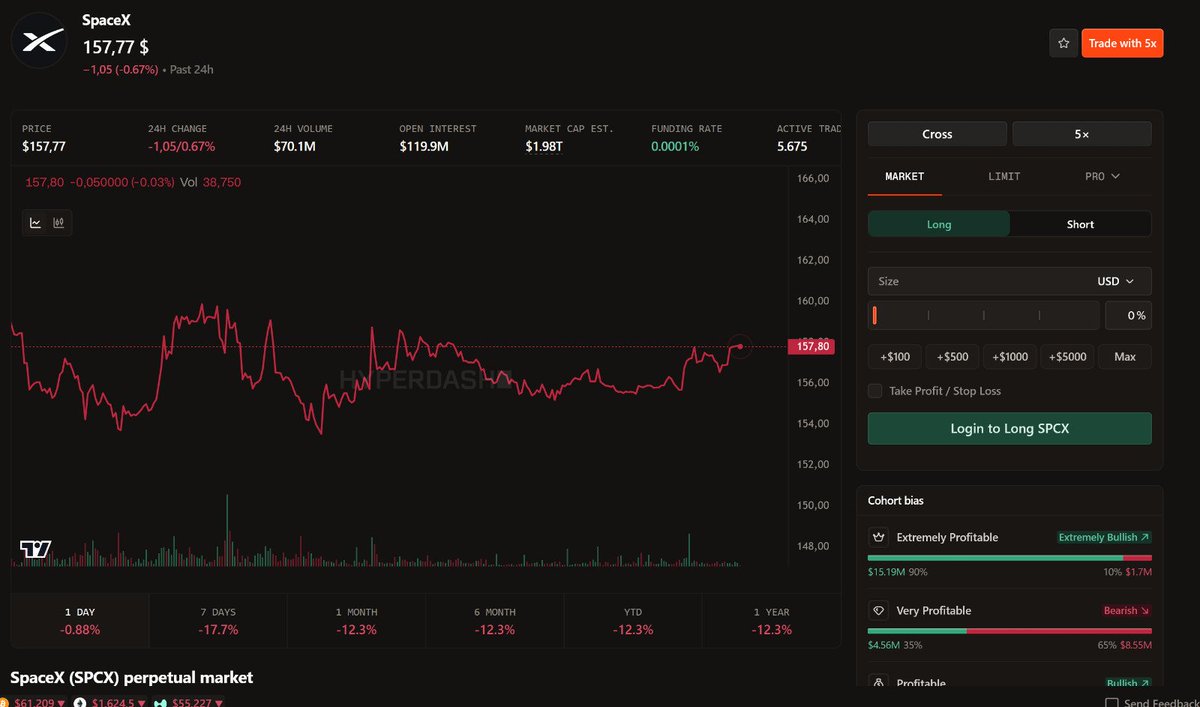
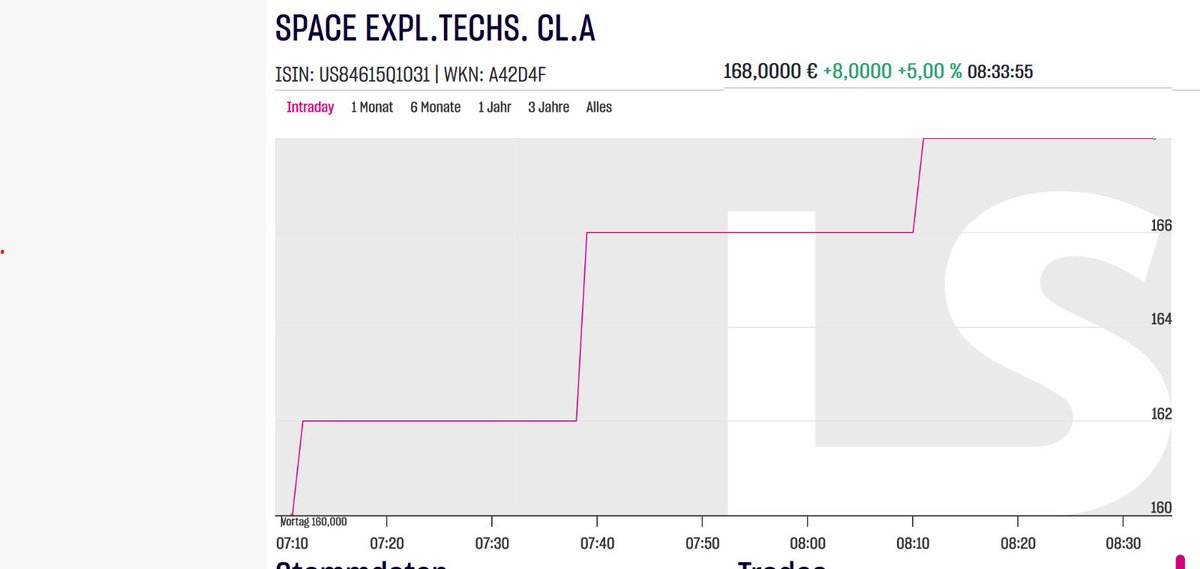
SpaceX is already trading in Germany on the "L&S" market place at around 170 EUR or 197 USD.
On Hyperliquid, the adjusted price is 142 USD or 122 EUR.
Elmo was clearly smart to invite "Tschörmän retail".
12
4
90
18,923

SpaceX’s IPO has attracted demand from institutional investors for multiple times the available shares, according to people familiar with the matter bloomberg.com/news/articles/…
18
28
173
36,570



Taucro 🌐 retweeted

Jun 9
JUST IN: THE SPACEX $SPCX IPO IS REPORTEDLY APPROACHING 4X OVERSUBSCRIBED
Investor demand has topped $250B for what's set to be the largest IPO in history, as per Reuters.
And it may be moving the entire market:
- Demand: $250B ($75B target)
- Oversubscription rate: 3.5x-4x
- Long-only funds submitting sizable orders
- Pricing expected Thursday afternoon
- SpaceX execs hosting 300 institutional investors at a Morgan Stanley lunch today
- Musk briefly joined some investor Zoom meetings during the roadshow
Some analysts are speculating the broader market retreat (Nasdaq lower, BTC 37% below its January high) is partly driven by SpaceX buyers selling assets to participate.

79
170
1,305
299,218
Taucro 🌐 retweeted

Jun 9
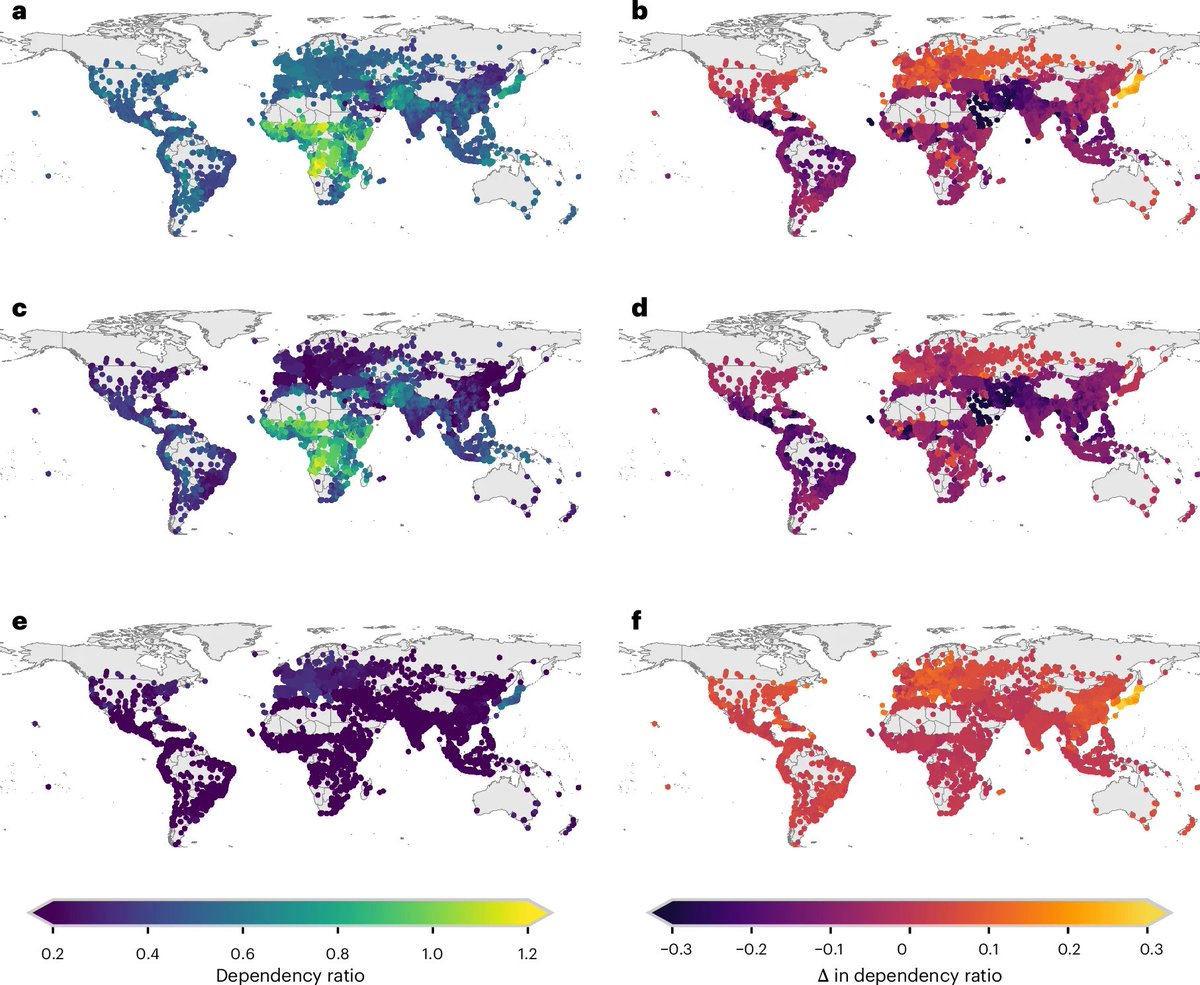
From 2000 to 2020, 10,727 cities added 785 million people. Migration explains 354 million. Births explain 432 million.
A new studies in Nature Cities find that Urban growth is actually actually several different demographic engines running at once.
The researchers used annual WorldPop age and sex population grids, matched them to consistent global city boundaries, and reconstructed how more than 10,000 cities changed over two decades.
That lets them look inside the national average.
A country can look young overall while its largest city is full of working-age migrants. Another city in the same country can be dominated by children. A third can be ageing. Once those differences are averaged together, the planning problem disappears from view.
The first big finding is that cities became more working-age.
Globally, the ratio of children and older people to working-age adults fell from 0.87 in 2000 to 0.59 in 2020. In simple terms, there were fewer dependants for every working-age adult.
That sounds like a demographic dividend. More workers, fewer dependants, more economic potential. But city-level data shows how uneven that dividend is.
Nigeria is a pretty good example. In 2020, Kano had a young dependency ratio of 0.83. Lagos was 0.47. It's the same country, but it has very different urban age structures.
Kano has a much larger share of children relative to working-age adults. Lagos has a much larger working-age population. One city faces heavier pressure on schools, childcare, vaccination and basic services. The other has more of the age structure that can support near-term economic growth.
Ethiopia shows an even sharper contrast. Bore had the highest urban dependency ratio in the dataset in 2020, at 1.26, while Addis Ababa was 0.34.
The second finding is that city size matters.
Smaller cities, especially in Africa, are much younger than larger cities. In African cities below 50,000 people, the median young dependency ratio approaches 0.9. In cities above 300,000, it is closer to 0.4.
That is a large gap in who cities are actually built for.
The explanation is intuitive. Smaller cities are often closer to rural economies, where fertility remains higher. Larger cities pull in working-age adults looking for jobs. The result is a kind of demographic sorting.
Workers concentrate in larger cities, and children make up a bigger share of smaller cities.
That creates a hard planning problem. Smaller cities often have less money, weaker infrastructure and thinner institutions. They may also have larger future needs, because they have more children to educate, transport, vaccinate and protect from heat, flooding and food shocks.
The third finding is about sex ratios.
Across the dataset, cities are male-dominated on average, with around 120 males for every 100 females. But again, the global average hides the real pattern.
In parts of the Middle East and North Africa, some working-age sex ratios exceed 2. That means more than two working-age men for every working-age woman.
That is the demographic signature of labour migration.
Men move for construction, logistics, infrastructure and urban service work. Some cities absorb that workforce at huge scale. The result is an urban population that looks very different from the country around it.
That affects housing demand. It affects labour markets. It affects heat exposure. It affects occupational safety. It affects who is actually present in a city when a crisis hits.
An interesting part of the study is that it basically gives urbanisation a balance sheet.
• A city growing through migration needs housing, jobs, transport links and labour protections.
• A city growing through natural increase needs schools, clinics, childcare, vaccination systems and long-term infrastructure for a young population.
• A city ageing into higher dependency needs healthcare, accessible transport, heat protection and social support.
• A city with a large male migrant workforce needs worker housing, occupational safety, heat rules and services for people who may sit outside formal systems.
So planning is basically not just whether a city is growing, but what is actually driving the growth.
4
22
60
4,778
Taucro 🌐 retweeted

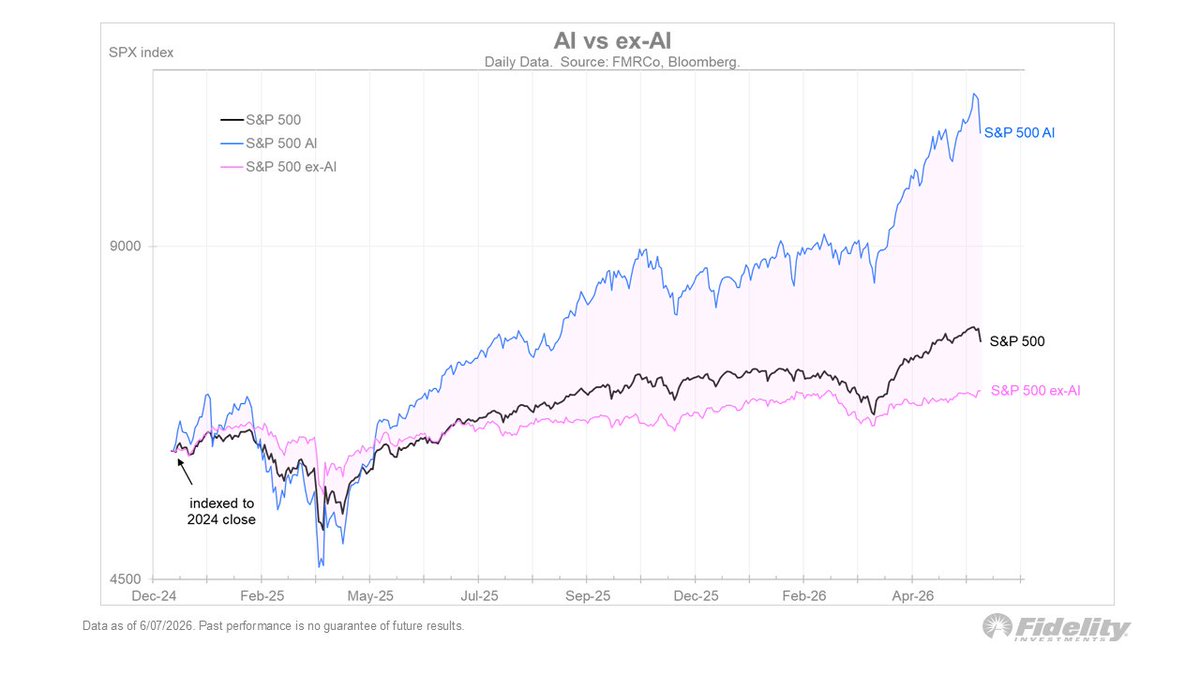
We can see that the narrowing or broadening is really just an AI vs ex-AI dynamic. Excluding AI, the market has not even taken out the pre-Iran highs, although in recent days it has come close. On Friday when the SPX was down 2.6%, the Goldman Sachs ex-AI basket was flat. It’s a good reminder to remain diversified.
12
36
159
18,679