Neurologist specialising in neuropsychiatry, cognition and epilepsy. Systems neuroscientist interested especially in prediction and language.
Joined December 2017
- Tweets 172
- Following 82
- Followers 276
- Likes 145
Photos and videos

28 May 2025
I was delighted to be asked to write for Practical Neurology on treating and depression in people with epilepsy. Hopefully useful, practical advice to help all neurologists feel confident that this is within their competence: pn.bmj.com/cgi/content/full/…. With @eosimo and @PaulPcf22
2
8
463
22 Mar 2025
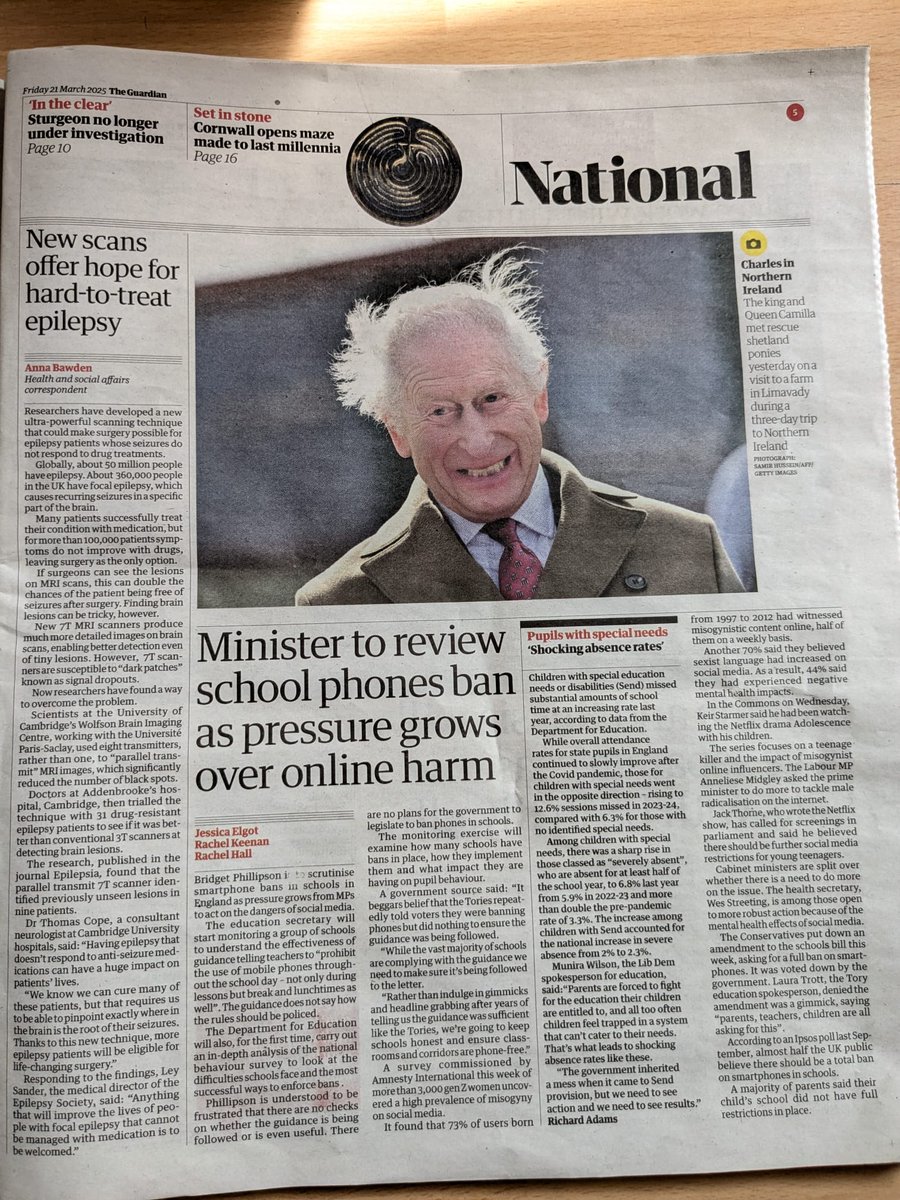
I am pleased @guardian showed the King's delight at our study of parallel transmit 7T MRI in Epilepsy. I am similarly delighted that it enabled a third of patients with negative conventional imaging to be offered a curative surgical treatment onlinelibrary.wiley.com/doi/…
1
3
11
413
26 Feb 2025
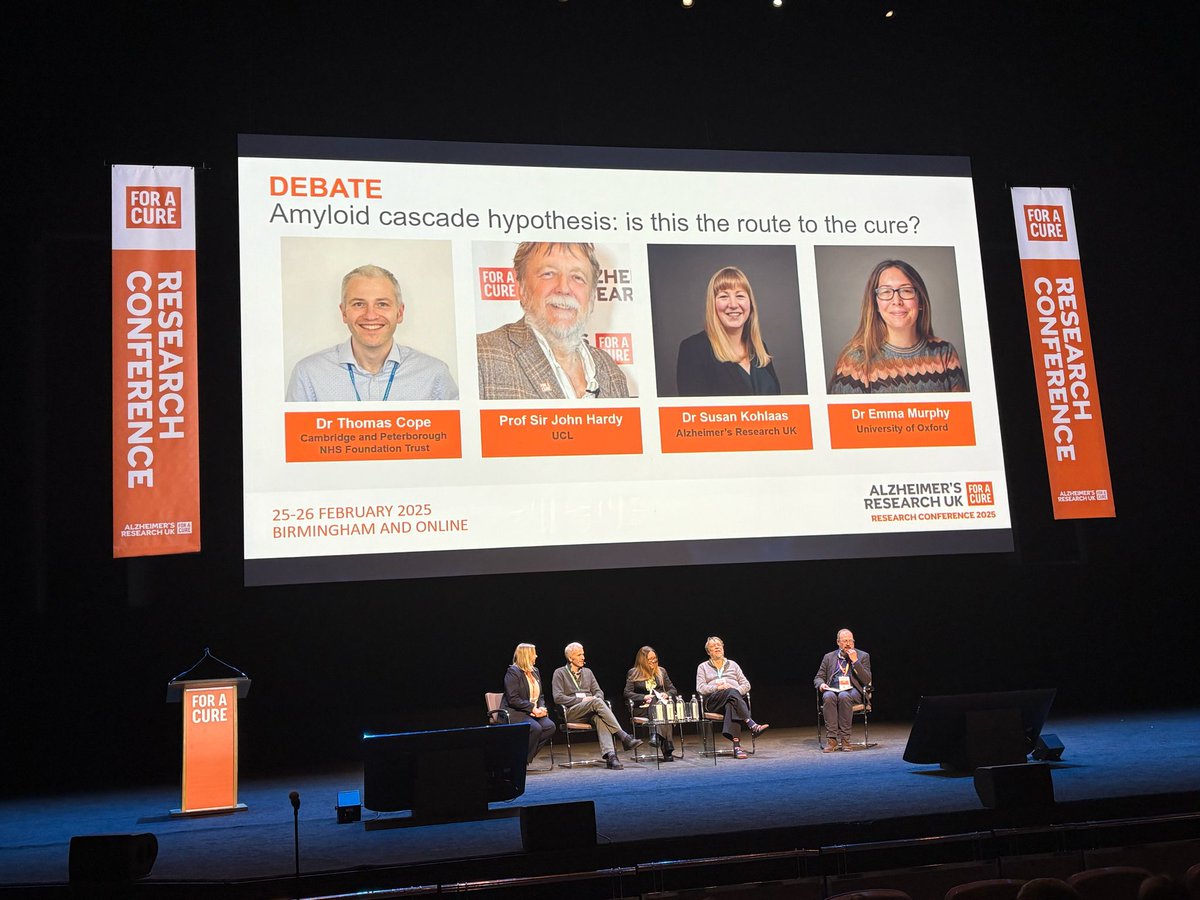
A huge privilege to participate in the @ARUKscientist debate, discussing hope for future treatments for devastating dementias but also practical barriers to delivering current therapies both in NHS @CPFT_NHS and privately @spirehealthcare that need to be overcome for a true cure
25 Feb 2025

🔥 Burning debate incoming! Expect a lively discussion on the most pressing issues in dementia research. What’s your take on today’s big topics? #ARUKConf25
5
14
1,180
7 Sep 2024
Patients with epilepsy often complain bitterly about poor memory, but what can we say about how different types of memory are affected by different types of epilepsy? Kirsty Phillips' excellent review will be core reading for clinicians and neuroscientists doi.org/10.1016/j.seizure.20…
2
6
380
22 May 2024
What does it look like to lose your understanding of the world? Drawings from patients with semantic dementia reveal a transmodal graded loss of concept knowledge: doi.org/10.3758/s13421-024-0… with @CambridgeFTD
8
23
8,014
Thomas Cope retweeted

21 Mar 2024
Thrilled to share my latest paper, a culmination from my prior career chapter.
Special thanks to my fellow co-authors @tccambs, @ccbrainlab , @CambridgeFTD.
Immense gratitude to the patients and their families for their invaluable help. 🙏
academic.oup.com/braincomms/…
6
14
1,109
Thomas Cope retweeted

2 Feb 2024
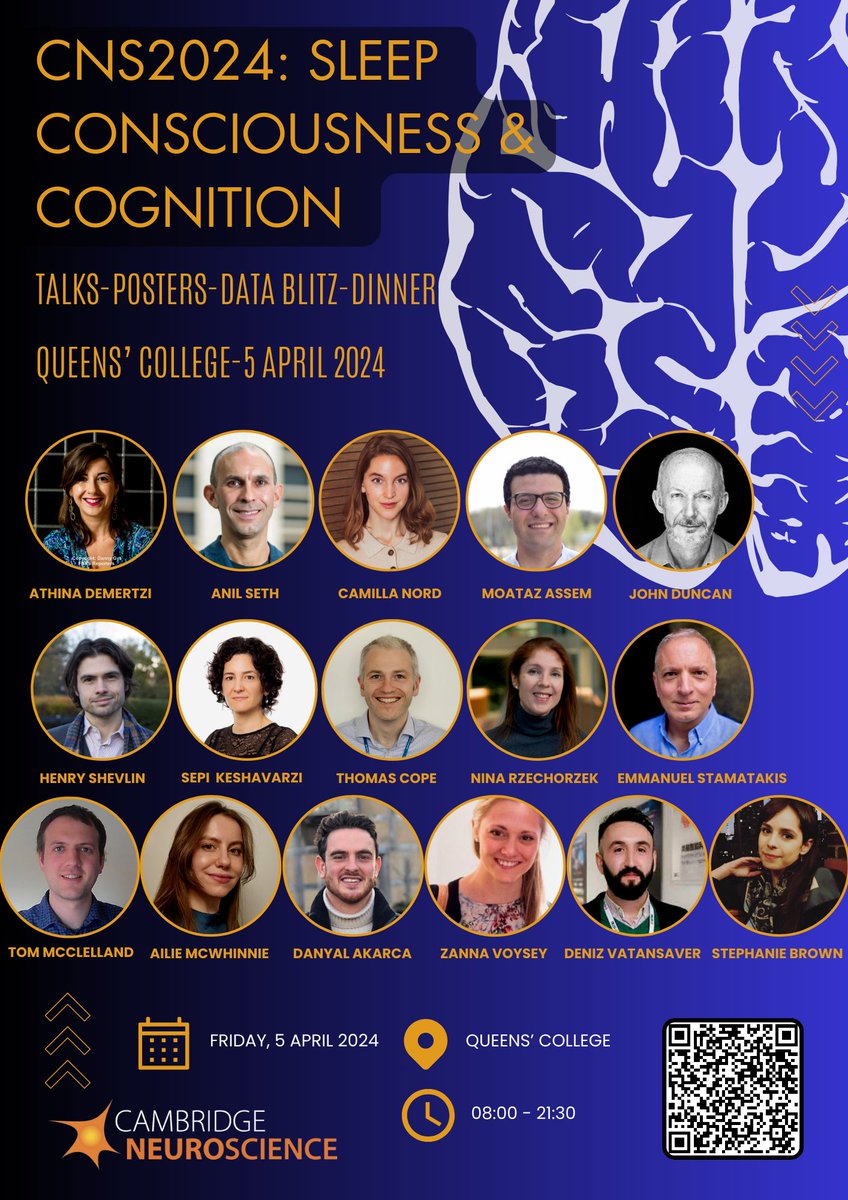
📢 CNS2024: Sleep, Consciousness & Cognition is live and open for registration
🌍Queens' College | April 5th 2024
🌟Incredible line up🌟
🔬Data blitz | Poster Exhibit | Industry Exhibit
🥂Dinner, Drinks & Networking
🎙️🌟Plenaries @anilkseth & @ADemertzi
🖱️neuroscience.cam.ac.uk/camne…
1
23
59
19,990
28 Apr 2023
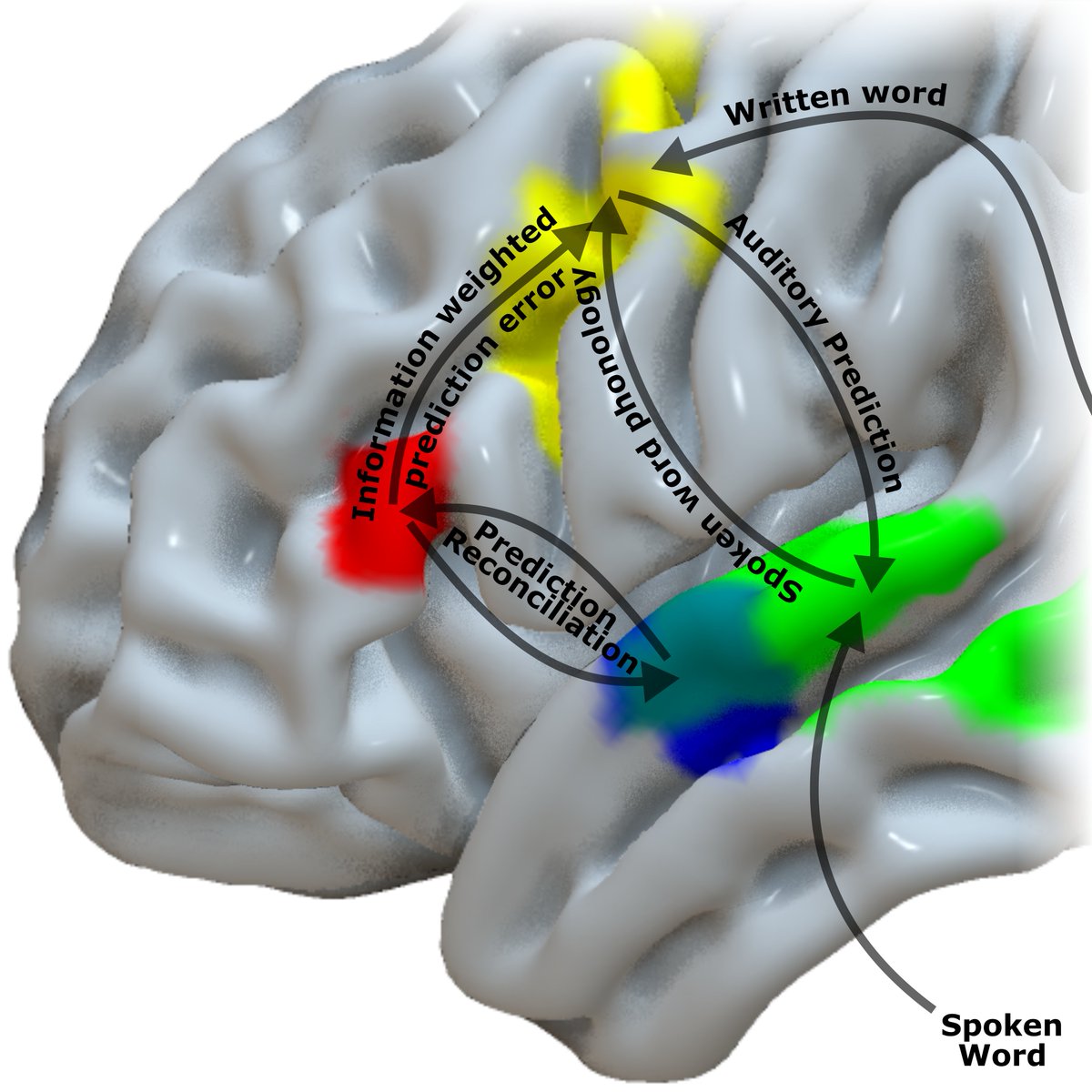
I am delighted to share a major collaborative study between Cambridge, Oxford, London and Newcastle that has really changed my understanding of how the brain predicts and perceives speech, and how this can go wrong in non-fluent aphasia [a thread]
sciencedirect.com/science/ar…
8
69
196
32,101
28 Apr 2023
Overall, we propose a tripartite speech perception network in which inferior frontal gyrus supports prediction reconciliation in echoic memory, and precentral gyrus invokes a motor model to instantiate and refine perceptual predictions for speech.
1
11
638
28 Apr 2023
I am extremely grateful to the patients, their families, and the healthy volunteers . To my collaborators, including @DrMattDavis @MasudHusain @AuditoryGroup @chrisrbutler @CambridgeFTD and others. And to the funders who made it possible, especially @acmedsci @theABN_Info
1
10
598
2 Mar 2023
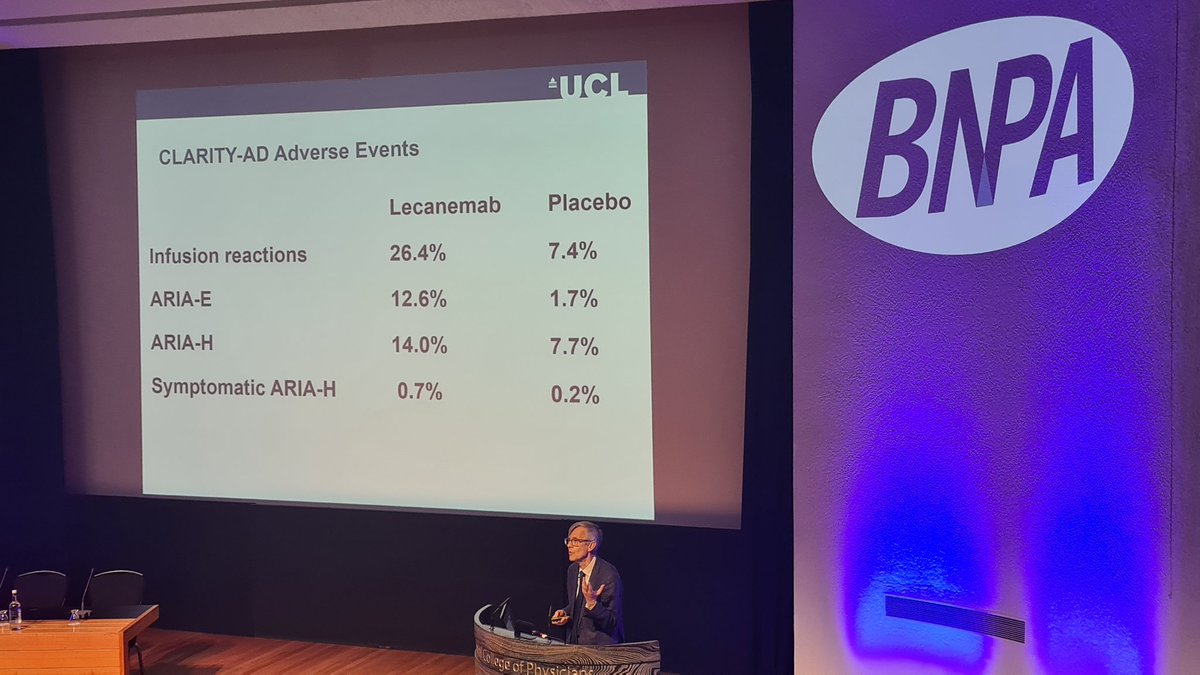
The fantastic @ProfRobHoward again highlighting something I hadn't considered. The potential for infusion reactions unblinding patients and relatives during the lecanemab trial, perhaps contributing to very small clinical effects. @The_BNPA fantastic conference.
6
21
1,959
Thomas Cope retweeted

7 Nov 2022
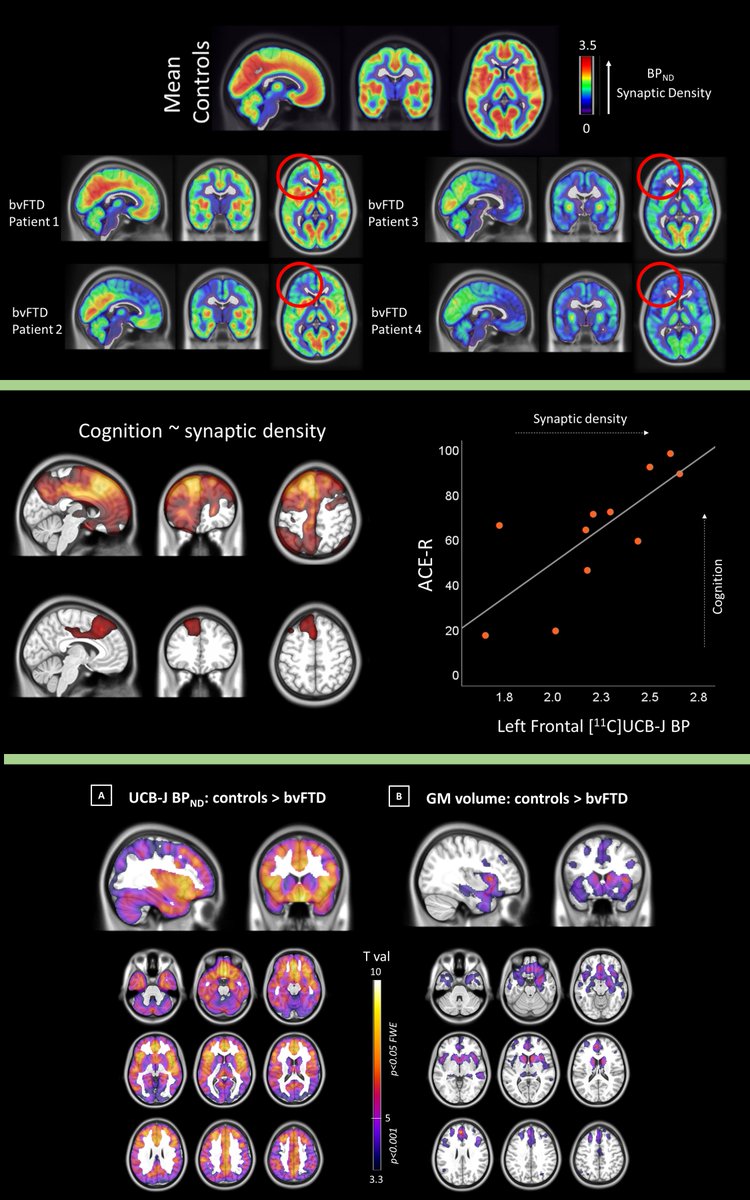
Our work on synaptic PET in FTD is online on @ANA_journals - I couldn't be prouder of the wonderful teamwork (during a pandemic)! Huge thanks to all incredible volunteers and families, @CambridgeFTD & @wbic_cam, @racingdementia @wellcometrust @CambridgeBRC
doi.org/10.1002/ana.26543
6
20
91
8 Mar 2022
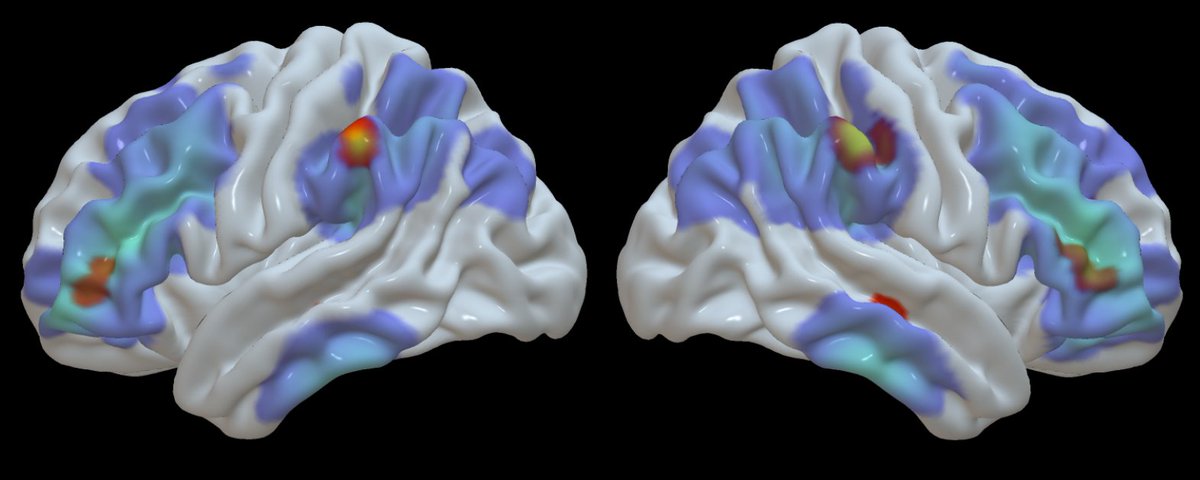
New research! Why do people with dementia have difficulty reacting to unexpected events? Here we demonstrate that the ‘multiple demand’ network for general intelligence co-ordinates the response of sensory brain regions when the environment changes: dx.doi.org/10.1523/JNEUROSCI…
2
20
53
8 Mar 2022
This in turn helps us to explain the problem in clinic, to emphasise the importance of signposting changes and providing extra time to deal with new situations.
1
3
8 Mar 2022
Thank you to @mrccbu for hosting the research, to @CambridgeFTD for making it all possible by recruiting patients over many years, and to my collaborators Laura Hughes, Tallie Adams, @MoatazAssem, @AlexWoolgar, John Duncan and many others, who made this work better.
4