
Joined March 2011
- Tweets 68,840
- Following 908
- Followers 668
- Likes 23,911
908 Photos and videos


.@newheightshow - for people outside LA are you going to be streaming live or recording to show on Wednesday? @Brandon_Borders @jchat85
22

I was told nobody cares about charts other than swifties, then why am I seeing copylivia stans popping veins over chart positions?

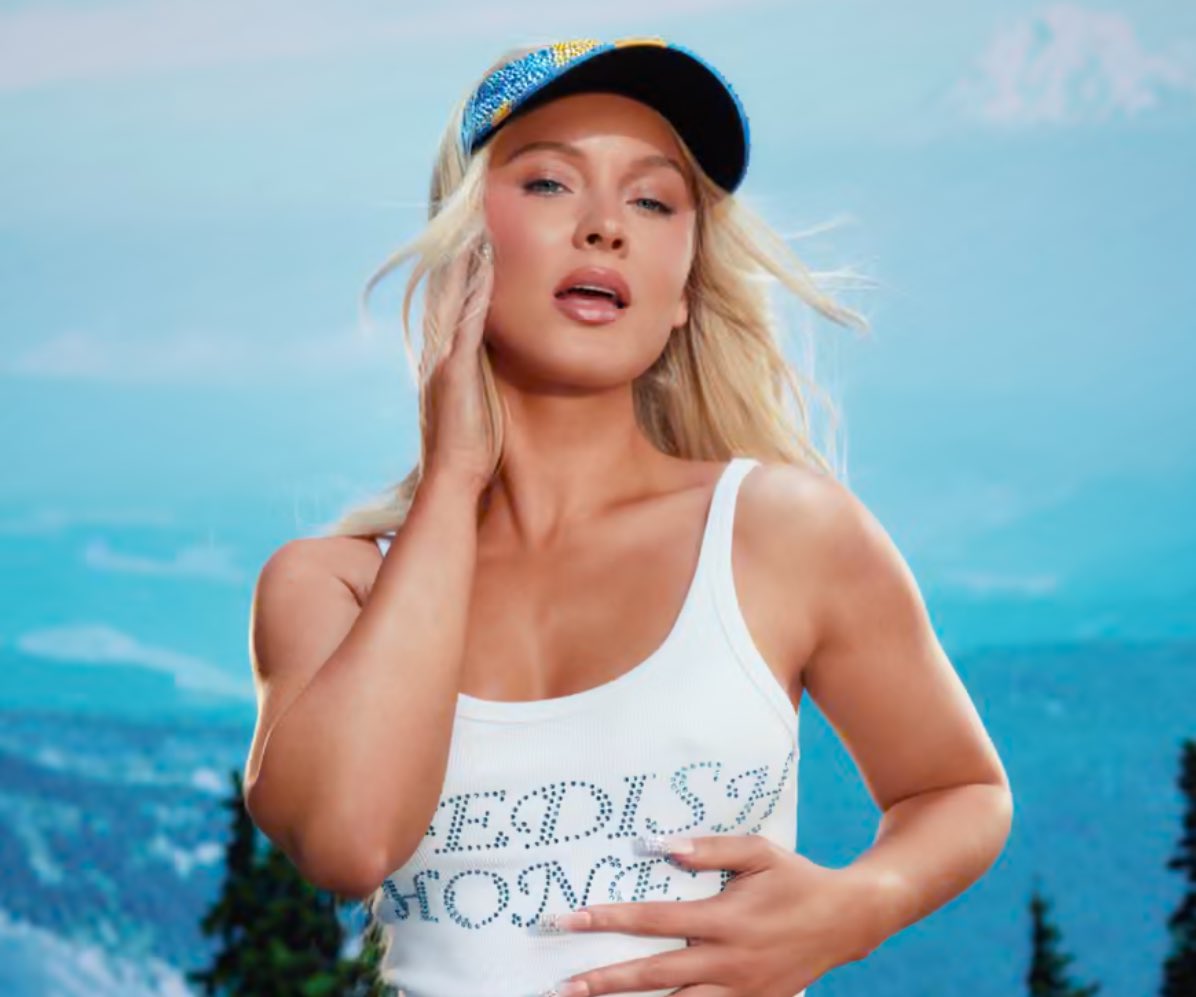
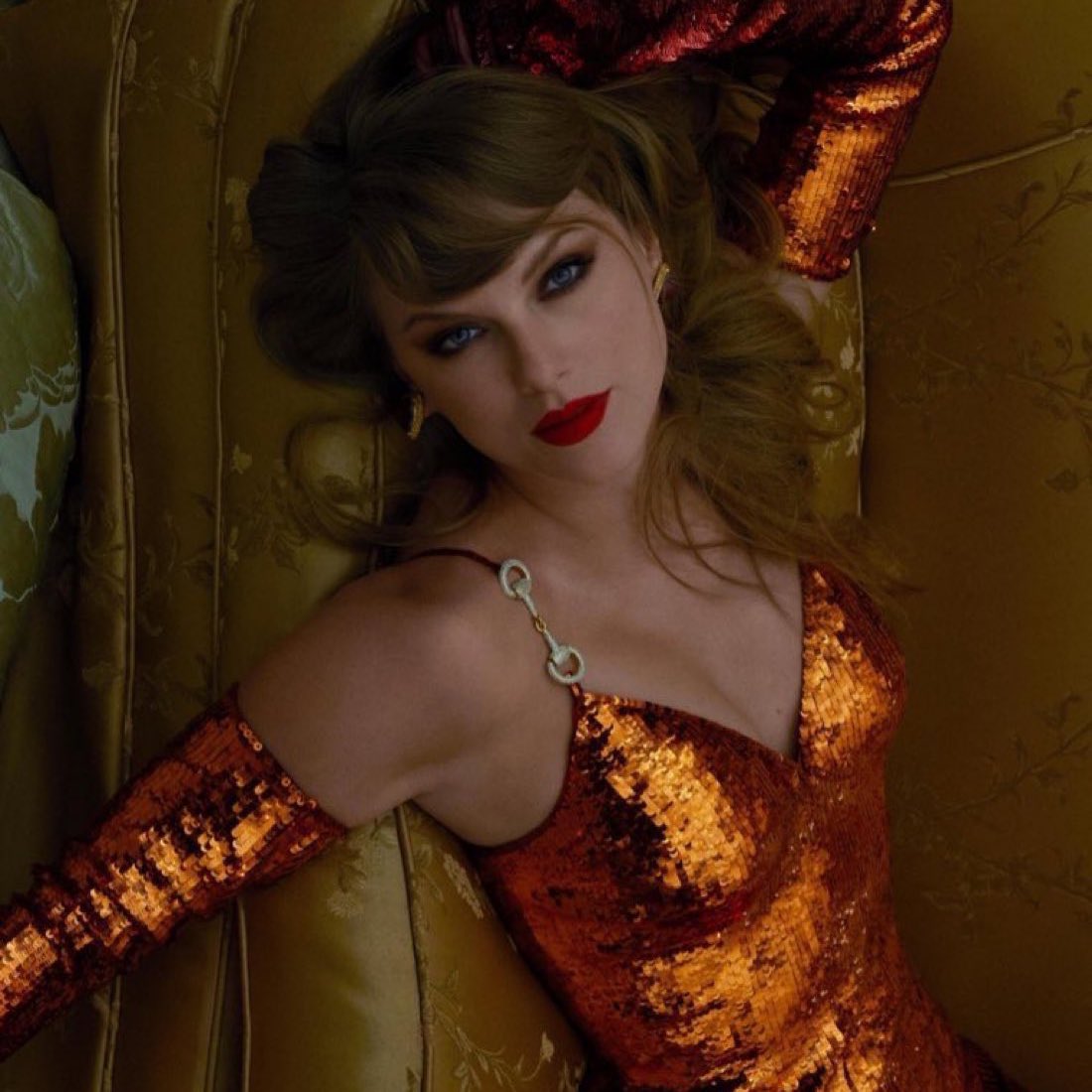
Zara Larsson tells The Guardian she doesn't want to play “the chart game”:
“No one’s looking at the charts but industry people and maybe Taylor Swift fans.”
11
123
2,004
35,715
Terry Banet retweeted

Jun 11
NEVER. DOUBT. TAYVOODOO.
Jun 11

Tayvoodoo I have seen what you’ve done for others 🙏
118
1,804
21,865
419,834

Jun 11
.@brianstelter Sure there’s been no pressure within @CNN. What a farce.
Jun 11

CNN's resident fact-checker Daniel Dale hasn't conducted an on-air fact check of Trump in more than three months, a stretch that coincidentally began around the same time Paramount announced its merger with WBD
status.news/p/daniel-dale-cn…
1
1
252
Terry Banet retweeted

Jun 9
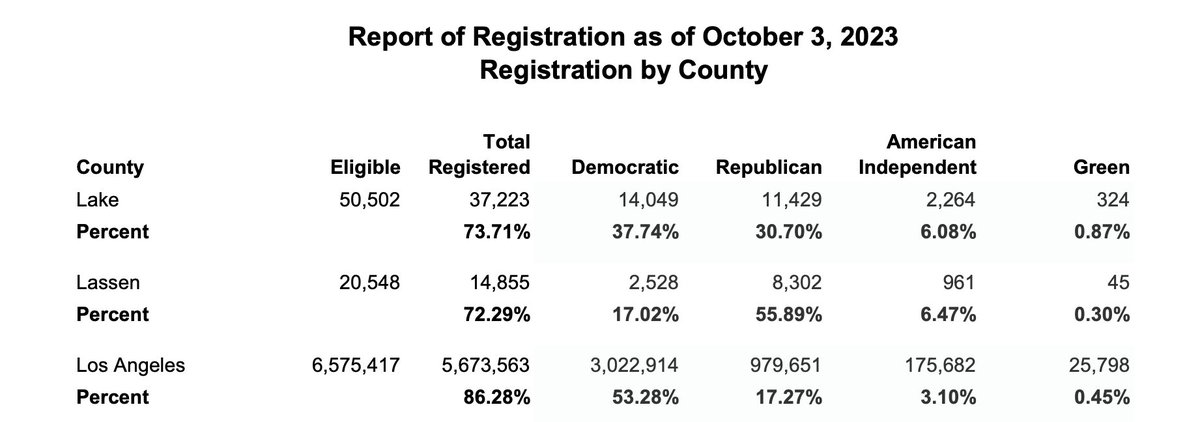
I find it incredibly easy to believe. Pratt basically performed at his poll numbers, in a city that is bluer than the county and in a county that is bluer than a very blue state. Bass is establishment Dem (not by her resume but by virtue of her incumbency) at a time of surging leftwing populism. The idea that either of the Democrat candidates wouldn’t have preferred to run against Pratt is preposterous. So the conspiracy to tank Pratt would have to be against the wishes of both candidates who benefitted from this conspiracy. Also, the forces that tanked Pratt were fine with letting the Trump backed Republican gubernatorial candidate make it to the general? Really? Also the demographics of Raman voters are perfectly consonant with the habits of young voters. Last, California’s incompetence at counting votes has yielded GOP wins in the past. Assuming that the same delays now “prove” anything other than consistently lethargic counting is a giant logical error.
Meanwhile, the fact that a lot of low information people think it was obviously stolen means nothing to me in terms of how to think about the facts, but you’re right that it matters politically and culturally. That people who should know better are letting their motivated reasoning get the better of them and are stoking this belief matters more.
162
324
3,606
187,532
Terry Banet retweeted

Jun 8
EVERYONE TALKING ABOUT TAYLORS NEW SONG
1
37
584
9,958
Terry Banet retweeted

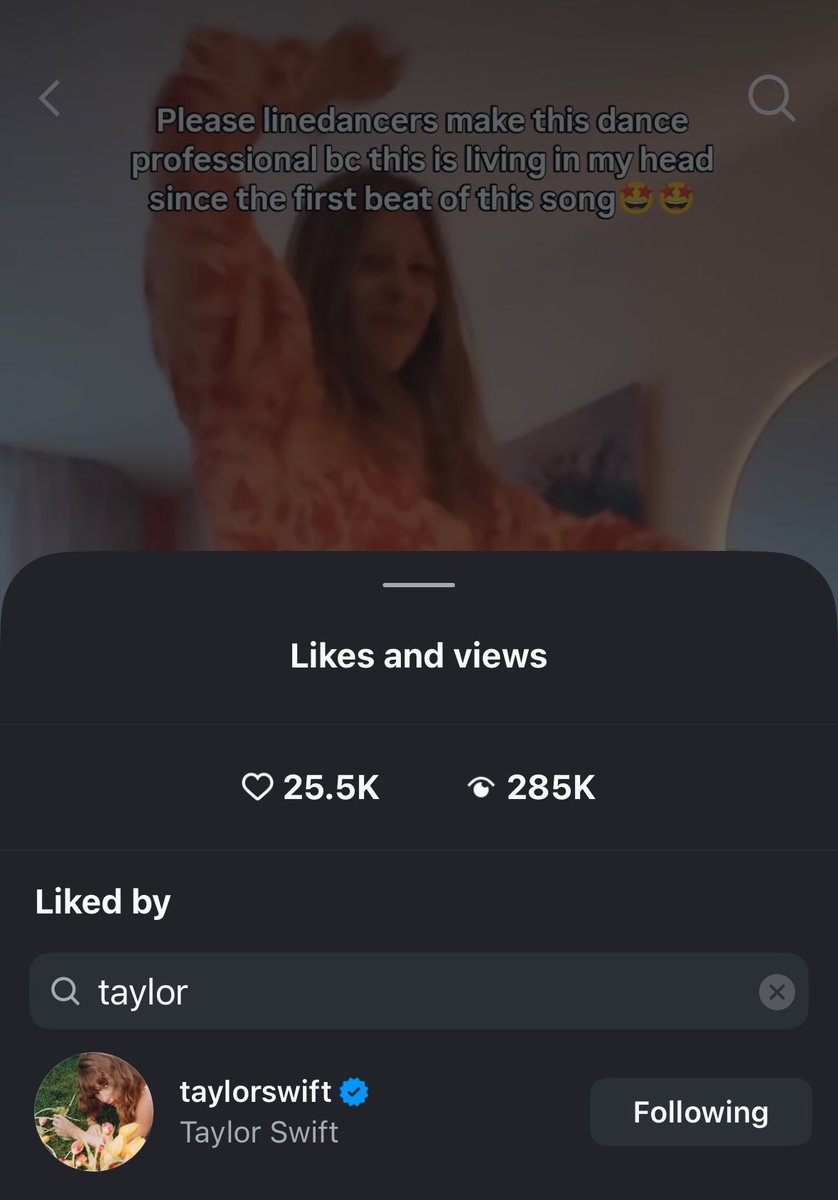
Plot twist Jessie AND Taylor want that line dance #IKnewItIKnewYou
1
13
309
10,774
Jun 7
This is such a good song….The accoustic and piano versions are also insanely good and worth buying. open.spotify.com/track/5uPaq…
2
3
52


Terry Banet retweeted

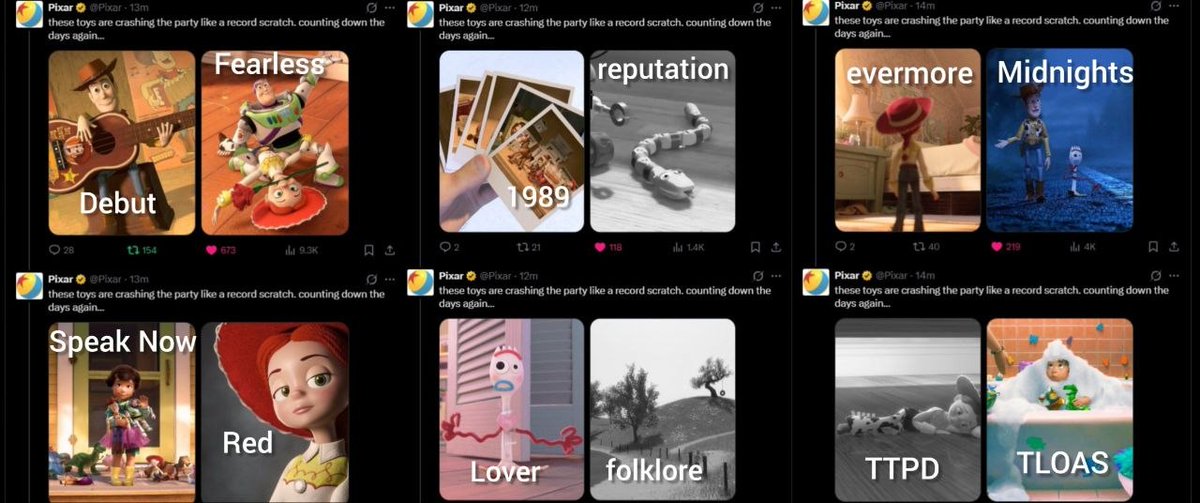
we can see what you did here👀
3
66
1,033
21,453
Jun 2
No need to worry. They are sold out within an hour and the number was limited....also the streams will be more impactful for any sort of charting.
2
83

Terry Banet retweeted

May 20
AMERICA COULD HAVE HAD STUDENT LOAN FORGIVENESS BUT INSTEAD THEY HAVE INSURRECTIONIST FORGIVENESS
709
22,379
115,009
963,002

Terry Banet retweeted

Apr 30
Part 2. Taylor Swift was 15 when she signed the contract that handed over the rights to every song she would record for 13 years. She was 28 when she signed the next one. Same person, two very different deals. The reason the second deal looks the way it does is because she lived through the first.
In 2005, Swift signed with Big Machine Records, a brand-new Nashville label. Six albums over 13 years. Her father picked up a 3% stake in the label as part of the agreement. Big Machine owned every recording she made. Her debut album, then Fearless, Speak Now, Red, 1989, and Reputation. All of it owned by someone else.
When that contract ended in November 2018, Big Machine was already up for sale. Swift tried to buy back her old recordings. According to her, the only deal on offer required her to record one new album for every old one she wanted back. She refused.
That same month, with her old recordings about to go to the highest bidder, she signed with Universal Music's Republic Records. She insisted on three things. She would own the recordings of every album going forward. Her share of every sale roughly tripled, from a reported 10-15% to over 50%. And the Spotify clause: any money Universal made from selling Spotify shares had to be paid to every Universal artist, in cash, even artists who owed money back to the label.
The first two clauses were for her. The third one, she could have kept just for herself. She didn't.
Seven months later, music manager Scooter Braun bought Big Machine for around $300 million. Swift's old recordings made up roughly 80% of the label's revenue. She had no say. A year and a half after that, Braun sold her recordings to an investment firm called Shamrock Capital for around $405 million. She had no say in that sale either.
So she did the only thing she could. She started re-recording her old albums. Fearless (Taylor's Version) came out in April 2021, then Red, then Speak Now, then 1989. The Eras Tour, built around the re-recordings, grossed roughly $2.2 billion. In May 2025, Shamrock Capital finally sold the original recordings back to her for $360 million. It had taken 20 years.
This week, the clause she fought for in 2018 finally pays out. Hundreds of millions of dollars are landing in Universal artists' bank accounts. Most of those artists never had to take on a label the way Swift did. She did it for them eight years ago, while her own catalog was being sold out from under her.
2
33
270
13,530
Apr 29
I forget if it was Jack or Aaron who said she comes to the table with pretty much fully formed song that they tweak.
Apr 29

She uses one or 2 writers not 25 and she writes every single one of her songs dumb ass…know the difference.
1
310
Apr 29
Isn't that like saying she should have given Ice Spice a writing credit on Karma?
Apr 29

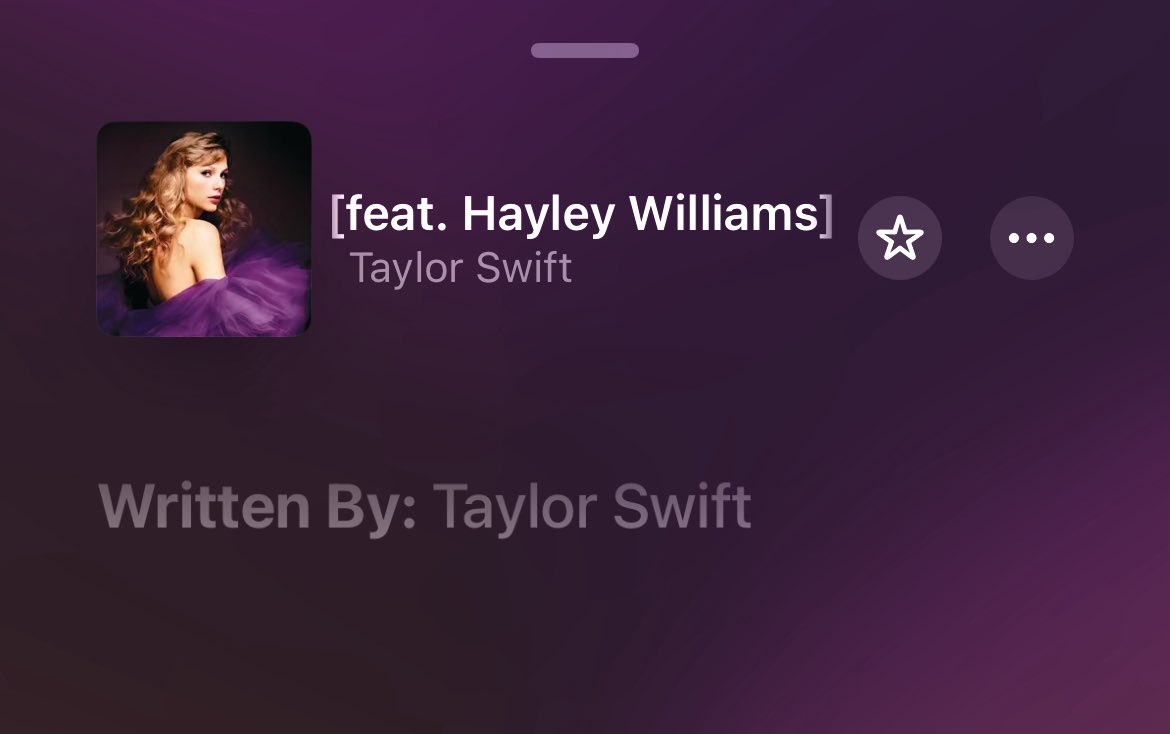
i love Taylor but you’re 100% correct. she has a song with Hayley Williams but Hayley was never credited because Taylor wanted to be the only songwriter on her album 😭
Community note
Hayley Williams is credited as featured vocalist on Taylor Swift's "Castles Crumbling" (Speak Now (Taylor's Version)). Swift is the sole credited songwriter; Williams received the completed track and contributed only vocals.
genius.com/Taylor-swift-c…
en.wikipedia.org/wiki/Castles_C…
capitalfm.com/artists/taylor…
288
Apr 29
I feel like between the podcast, the blurbs about every Showgirl song, this interview and eventually what she says at the SHOF we will have gotten plenty from her in the space of a year. I will be happy if she continues to enjoy the engagement and upcoming wedding.
Apr 28

I think Taylor should do more interviews and speak her minds on certain things. Like I don't need her to go crazy when but when you think about the showgirl interviews, it's very telling that certain ppl do not like it when Taylor talks. It ruins their perception of her for them
1
120