ᛇᛊᚢᚠᛏᚢ ᛞⰮᛚᚠᛏᚢᛜᛈ ᛇᚾ ᚦ ᛒᚠᚢᚦᛃᛁᛃᚦᛉᛇᚾᚕ ᛚ M.D┊suoıuıdo pǝsɐıq┊( -_•)▄︻デ══━一💥 ⁍
Joined November 2021
- Tweets 654
- Following 7,447
- Followers 399
- Likes 15,453
54 Photos and videos

Pinned Tweet

13 May 2024
28
11
40
3,925
Moroccan.sats| ◉⚛︎▣ retweeted

May 30
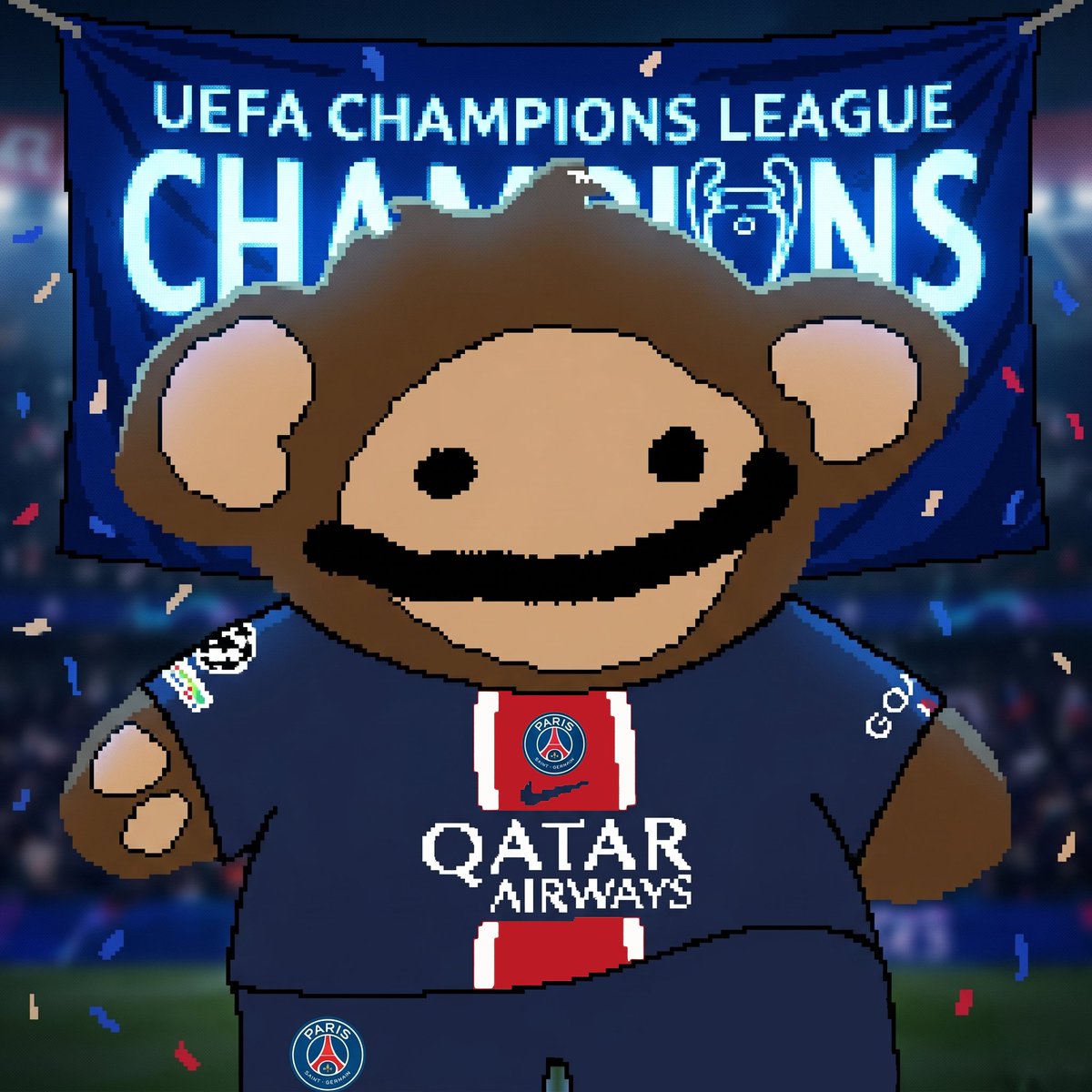
Do puppets even play soccer?⚽
Congrats PSG on winning the UEFA Champions League! 🏆
5
7
52
868
Moroccan.sats| ◉⚛︎▣ retweeted
Feb 28
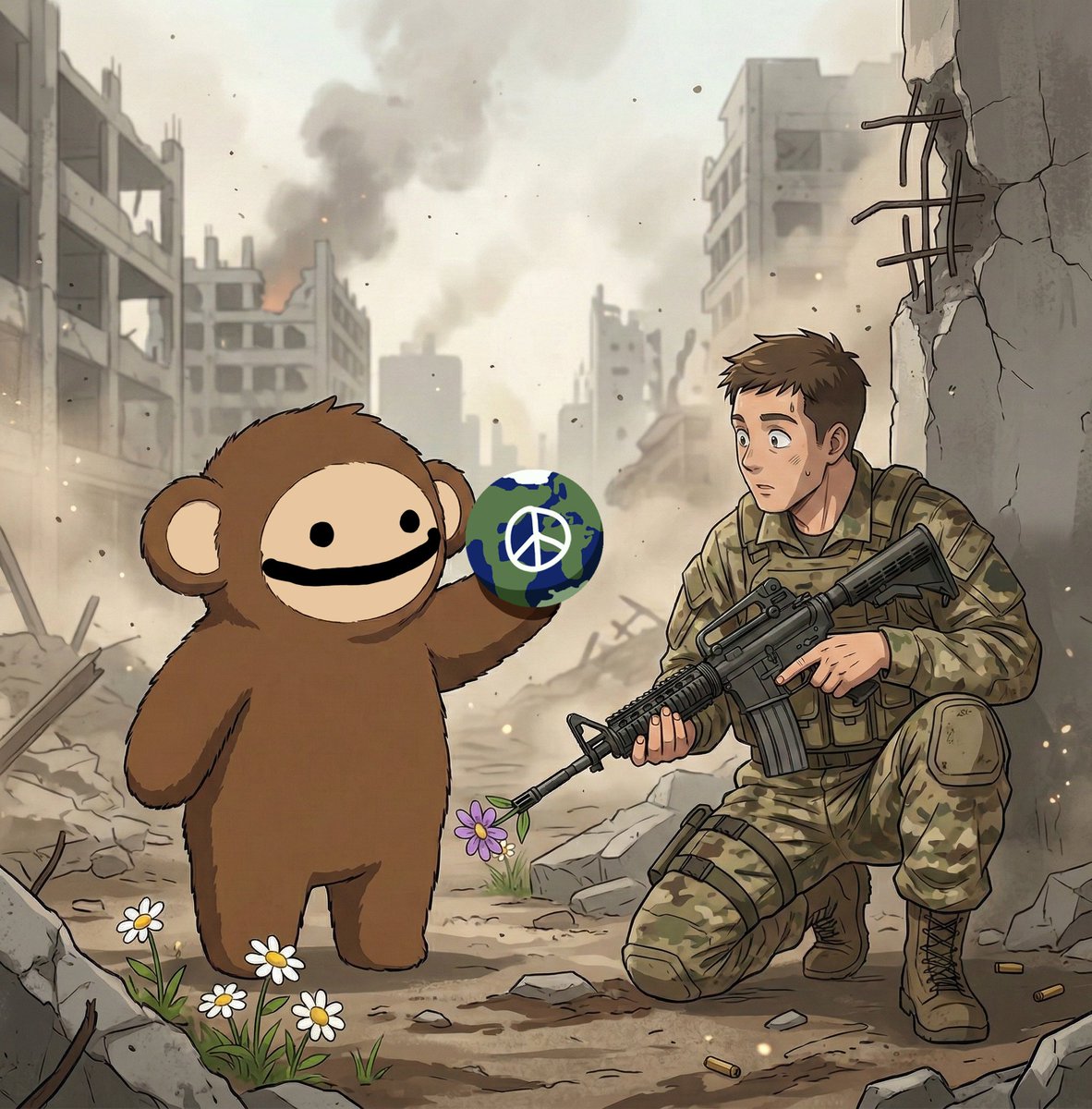
We all should strive for world peace
19
28
130
9,498
Moroccan.sats| ◉⚛︎▣ retweeted
Jan 19
Join me on Aave App to start earning 6,00% APY on your savings! Enter the referral code F082CF during sign up to move up the waitlist. aave.com/r/F082CF
1
1
39
Moroccan.sats| ◉⚛︎▣ retweeted
Feb 17

BREAKING: Runes memecoin transactions accounted for 48.6% of all Bitcoin transactions in the past week
4
12
49
1,205
Moroccan.sats| ◉⚛︎▣ retweeted
Feb 17
The year of the Fire Horse!
新年快乐!
8
10
54
1,473
Moroccan.sats| ◉⚛︎▣ retweeted
Hello, community! As @coloredbitcoin,
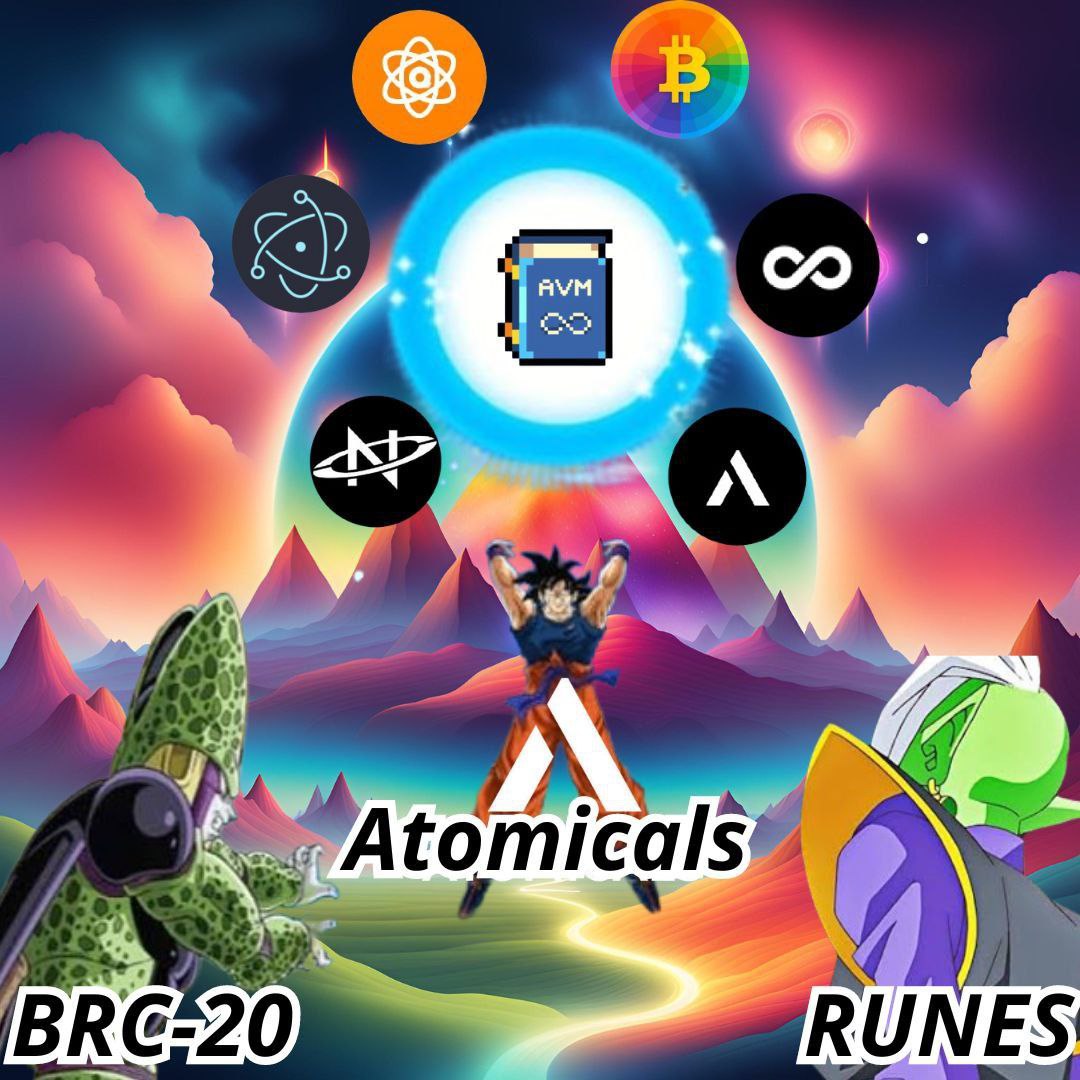
I'm always exploring how Bitcoin can evolve without losing its decentralized essence. Today, I want to share a detailed thread on why Atomicals is the most native Layer 1 (L1) protocol on Bitcoin. Forget the myths: not all protocols on BTC are created equal. Let's break it down step by step, based on technical facts and the current state in 2026.
The Rise of L1 Protocols on Bitcoin: Bitcoin isn't just "digital gold." Since the Taproot upgrade in 2021, we've seen an explosion of protocols that allow you to create digital assets directly on the main chain (L1). This includes NFTs, fungible tokens, and more, all grounded in Bitcoin's unbeatable security. Key Players: Ordinals: Encode data (like JSON or images) into individual satoshis.
BRC-20 and Runes: Standards for fungible tokens, inspired by Ethereum's ERC-20.
Atomicals (and ARC-20): A purer approach, treating satoshis as verifiable "atomic" units.
In 2026, according to reports from KuCoin and Grayscale Research, the Bitcoin ecosystem grew to a TVL of over $1.1 trillion in L1 and L2 tokens. But not all tokens are "native" in the same way. Atomicals stands out for its deep integration with Bitcoin's UTXO model.
What are Ordinals and why aren't they so "native"? Ordinals, launched in 2023 by Casey Rodarmor, allows arbitrary data to be "enrolled" in satoshis using Taproot's witness data. It's innovative: it converts satoshis into unique assets (like NFTs) or metadata for tokens (BRC-20). Pros: Facilitates atomic swaps in L1 without intermediaries.
It has boosted BTCFi (Bitcoin DeFi), with Ordinals trading volumes exceeding $596 million in 2023 and projected to reach $5 billion by 2025 (Galaxy Digital).
Cons: They rely on off-chain indexers to track statuses and balances. Without them, purely on-chain ownership verification is difficult.
Assets are more like "JSON files attached" to satoshis, not natively integrated. This generates "garbage" UTXOs and congestion (remember the 2024 sign-up boom that drove up fees).
In 2026, Ordinals remain popular for NFTs (with integrations in L2s like Stacks), but critics see them as an "overlay" that doesn't fully respect Bitcoin's minimalist design.
Ordinals are great for creativity, but they aren't the most "native L1" because they require external tools to function fully.
2
14
32
467
Moroccan.sats| ◉⚛︎▣ retweeted
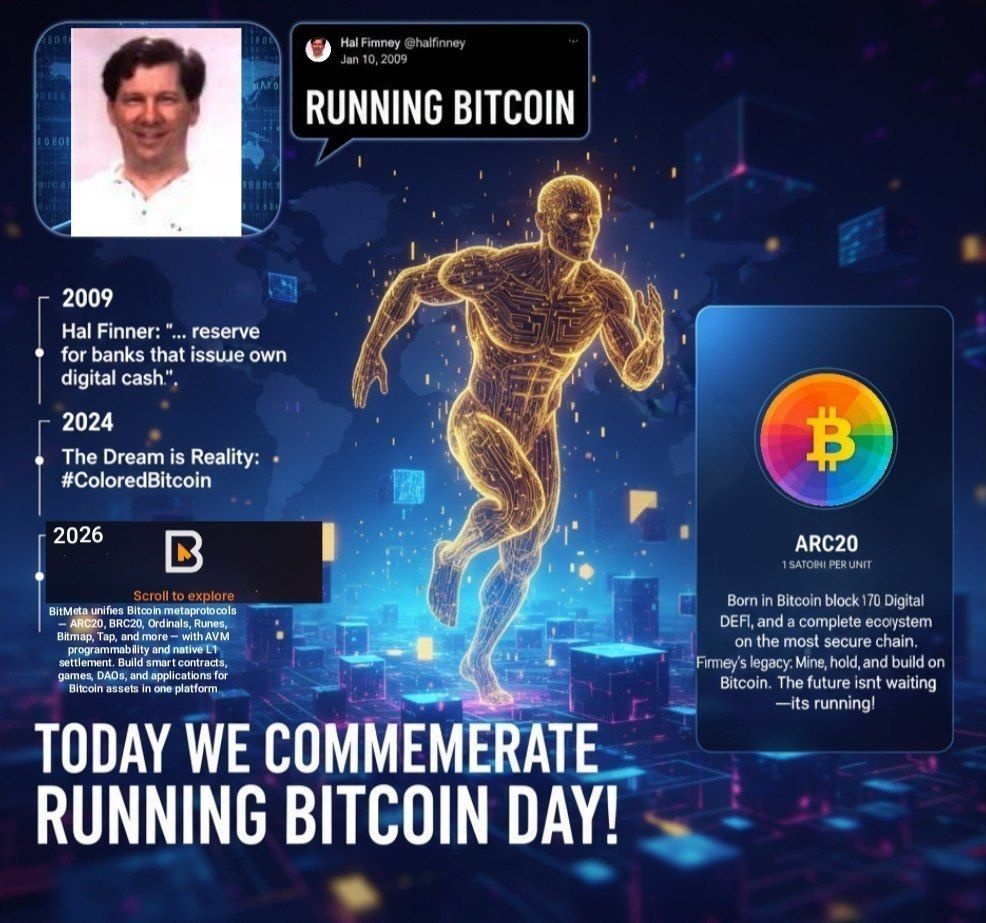
Today we commemorate "Running Bitcoin" Day!
17 years ago, the legendary Hal Finney tweeted: "Running bitcoin"
the first public announcement of someone running the Bitcoin network. It wasn't just an experiment; it was the birth of a revolution.
Hal always saw Bitcoin as more than a store of value: an extensible ecosystem, with secondary layers for efficient payments and digital banks backed by its unshakeable power. In his words: "Bitcoin will be the 'high-powered currency' that serves as a reserve for banks issuing their own digital cash."
Visionary, right? He dreamed of extensions like colored coins to add real value to every satoshi.
And today, that dream is a reality with #ColoredBitcoin! An ARC20 token mineable by Proof-of-Work, backed FOREVER by 1 satoshi per unit. Born in Bitcoin block 170, it represents digital assets, DeFi, and a complete ecosystem without leaving the most secure chain.
Join Finney's legacy: Mine, hold, and build on Bitcoin. The future isn't waiting—it's running! #RunningBitcoin #HalFinney #ColoredBitcoin #Atomicals #BitcoinEcosystem #RunningBitmeta
2
10
27
427
Moroccan.sats| ◉⚛︎▣ retweeted
30 Dec 2025
A call to #ColoredBitcoin holders:
Keep showing up.
Keep posting.
1
3
10
98
Moroccan.sats| ◉⚛︎▣ retweeted

Jan 5
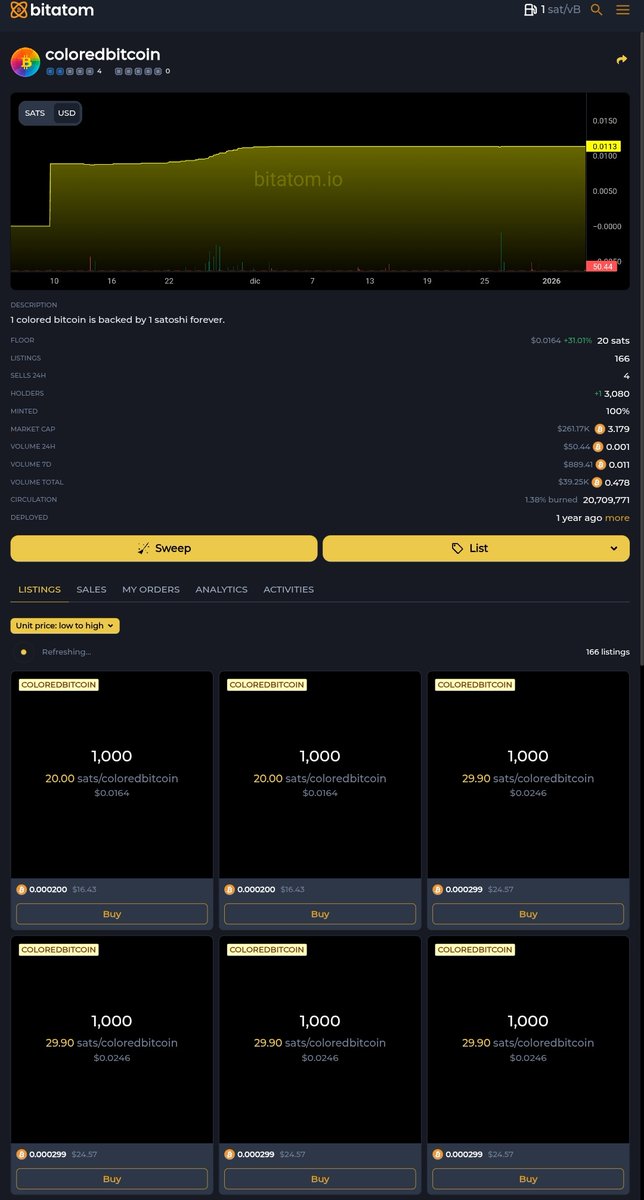
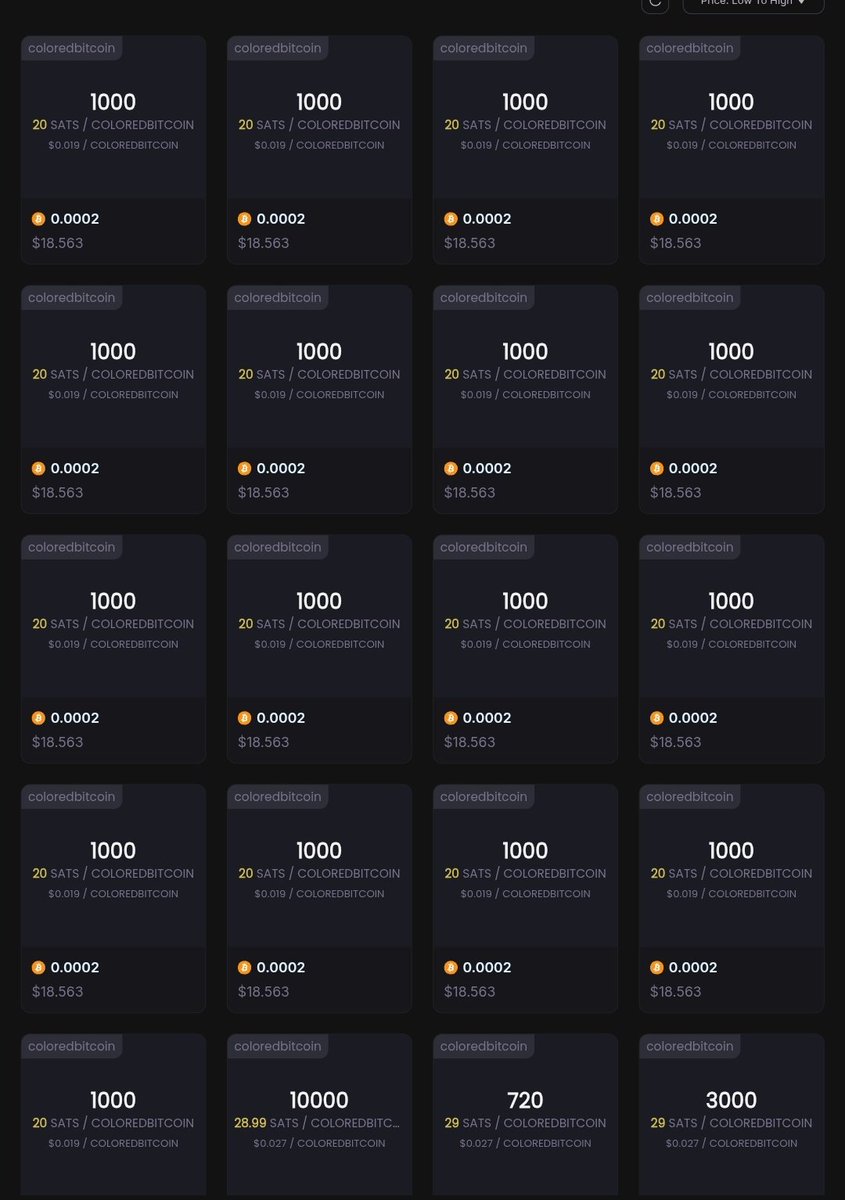
@coloredbitcoin, 15 days before the launch of @bitmetabtc, has already reached price parity in the markets. What awaits the CBTC community in 2026?
bitatom.io/token/coloredbitc…
atomicalmarket.com/market/to…
9
17
374
Moroccan.sats| ◉⚛︎▣ retweeted

30 Dec 2025
Colored Bitcoin is real and will forever remain a legacy in Bitcoin history. Colored coins forever ❤️
#yoniassia #coloredcoins #ARC20
30 Dec 2025

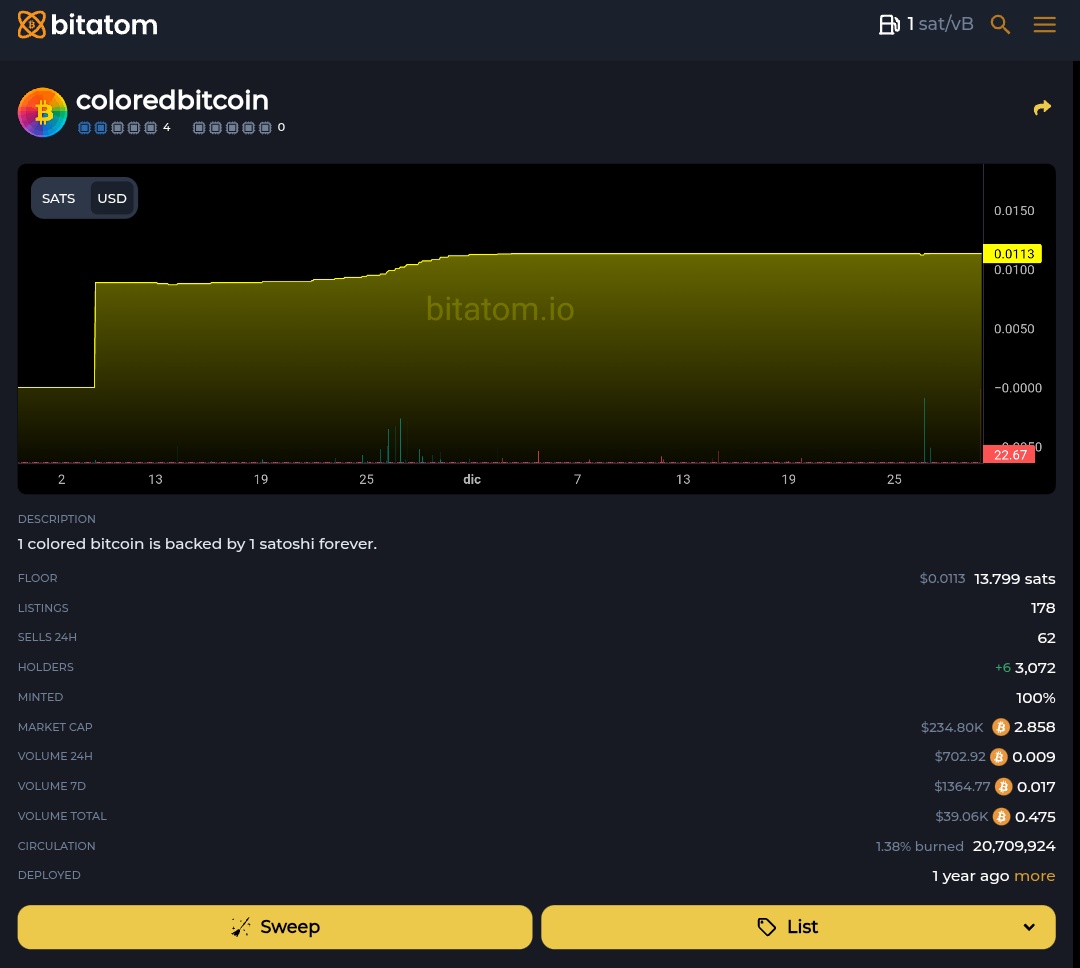
Check this out, Bitcoin community! The ColoredBitcoin ($CBTC) token on ARC20 is exploding: over 6 new holders and a surge in purchases in recent weeks! On bitatom.io, the 24-hour volume is over $700, with listings on sats continuing to climb. 🫡💯
1
7
16
21,161
Moroccan.sats| ◉⚛︎▣ retweeted
30 Dec 2025
Check this out, Bitcoin community! The ColoredBitcoin ($CBTC) token on ARC20 is exploding: over 6 new holders and a surge in purchases in recent weeks! On bitatom.io, the 24-hour volume is over $700, with listings on sats continuing to climb. 🫡💯
3
7
19
19,383
Moroccan.sats| ◉⚛︎▣ retweeted
22 Nov 2024
$PUPS : spreading world peace
Unlock and amplify the signal: one coin, one mission, on Bitcoin—PUPS is world peace.
🌎☮️
BTC - PUPS•WORLD•PEACE
SOL - 2oGLxYuNBJRcepT1mEV6KnETaLD7Bf6qq3CM6skasBfe
Moonshot - moonshot.money/mb932KE1Bvrf5…
x.com/PupsToken/status/18595…
73
846
1,299
128,573
Moroccan.sats| ◉⚛︎▣ retweeted
2 Dec 2025
BitMeta Update #6: NATIVE PRIVACY IN BITCOIN L1
100% private transactions on the main chain
Hidden amounts and no link between sender and receiver
Multiple privacy levels (you choose)
Fully auditable (no hidden inflation)
No sidechains or external mixers.
1
12
38
4,682
Moroccan.sats| ◉⚛︎▣ retweeted
3 Dec 2025
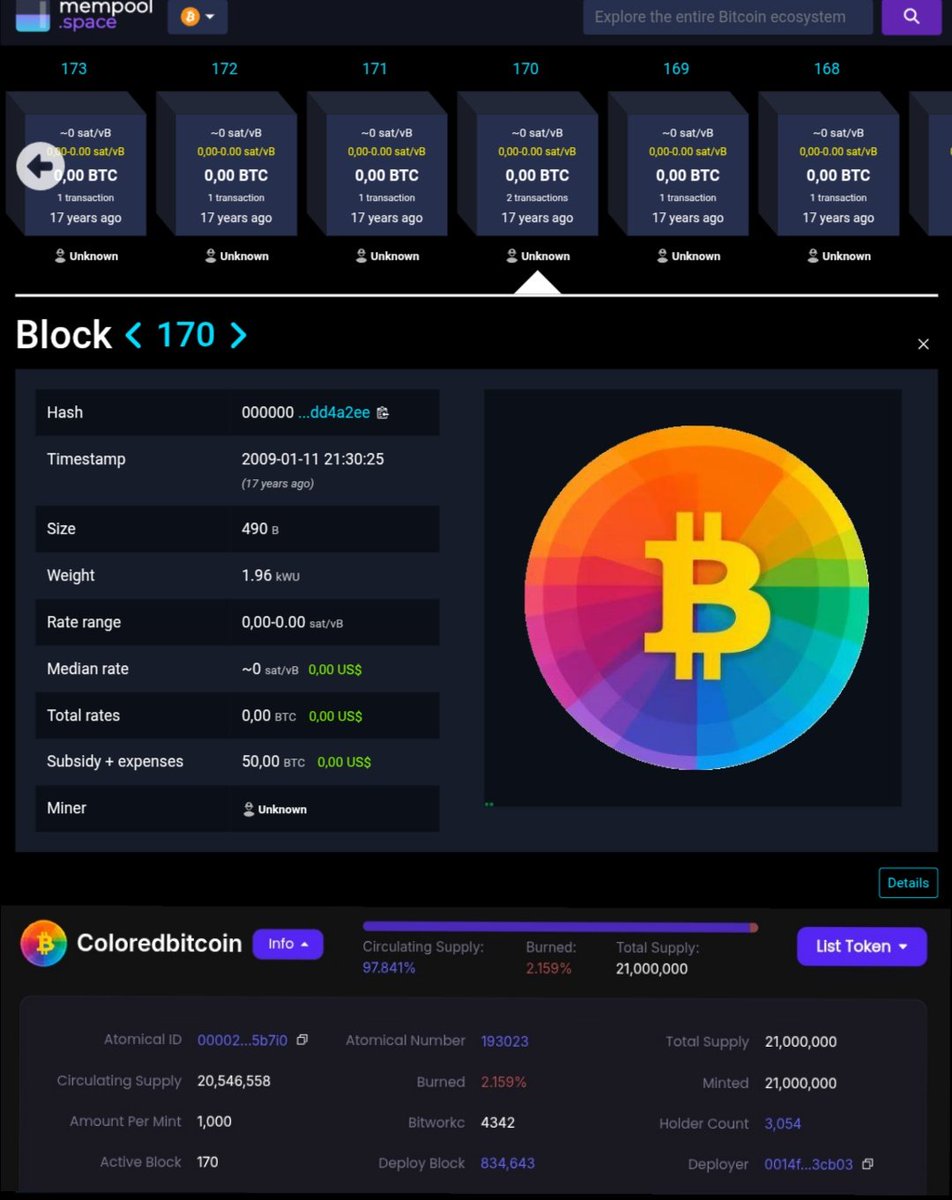
Block 170
January 3, 2009, 02:54 UTC
#Satoshi → hal finney 10 BTC
The first real heartbeat of Bitcoin.
17 years later, someone returned to that same block
and left there, forever, 21,000,000 ColoredBitcoins.
It's not a token.
It's the same chain, the same fire, now in color.
4
12
28
1,988
Moroccan.sats| ◉⚛︎▣ retweeted
3 Dec 2025
🚀 #bitmeta Core: A BTC node on Rust that supports Atomicals, Ordinals, and Runes.
impact: A more secure mempool, more decentralized mining, and direct subsidies for miners when rewards decrease.
This is the evolution Bitcoin needs to stay alive and strong for the next 10 years
1
8
29
14,977
Moroccan.sats| ◉⚛︎▣ retweeted
5 Dec 2025
Stay humble and stack @coloredbitcoin
Buy a little and keep it for a few years
“It might make sense just to get some in case it catches on. If enough people think the same way, that becomes a self-fulfilling prophecy.”
#Yoniassia #coloredcoins #Atomicals
2
10
29
8,108