I seek the truth and I like pineapples
Joined February 2013
- Tweets 8,528
- Following 374
- Followers 551
- Likes 6,726
Photos and videos


Jun 12
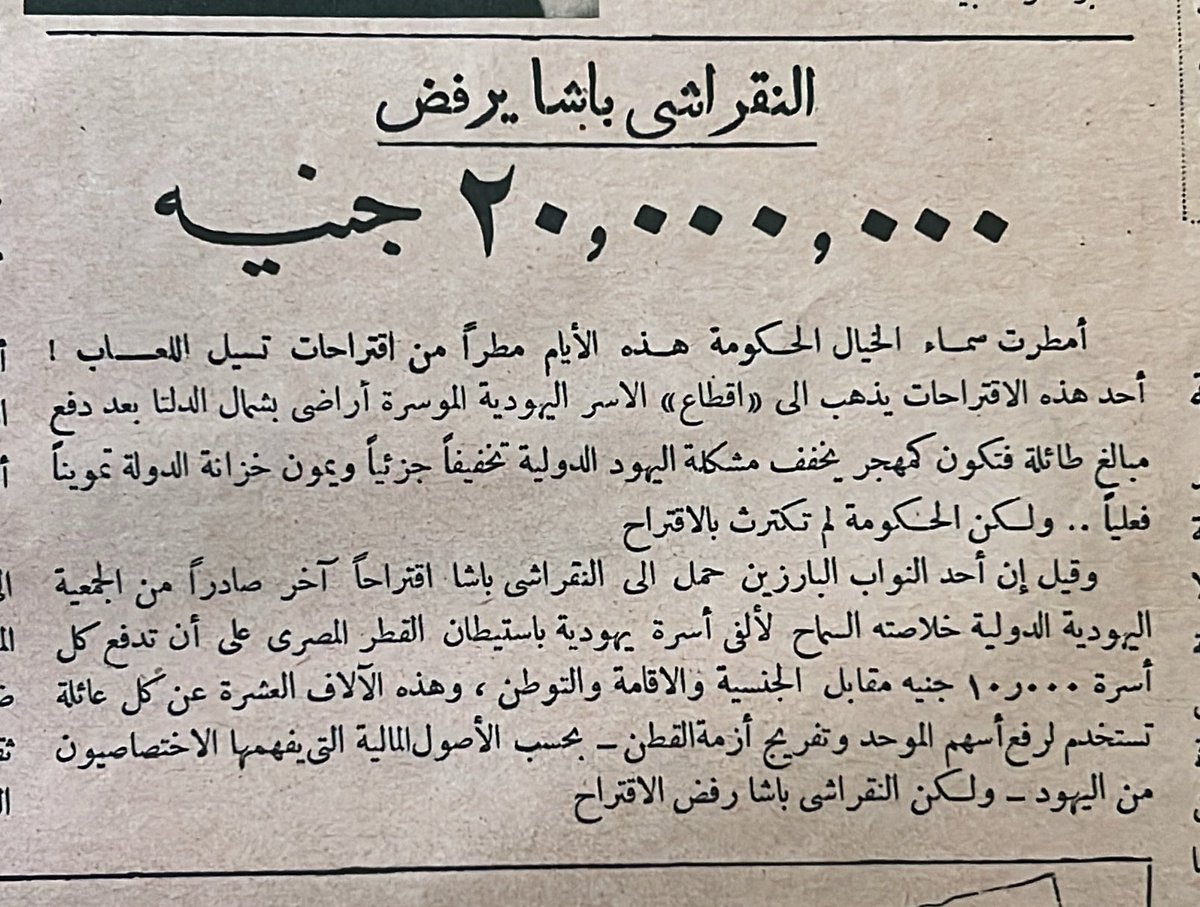
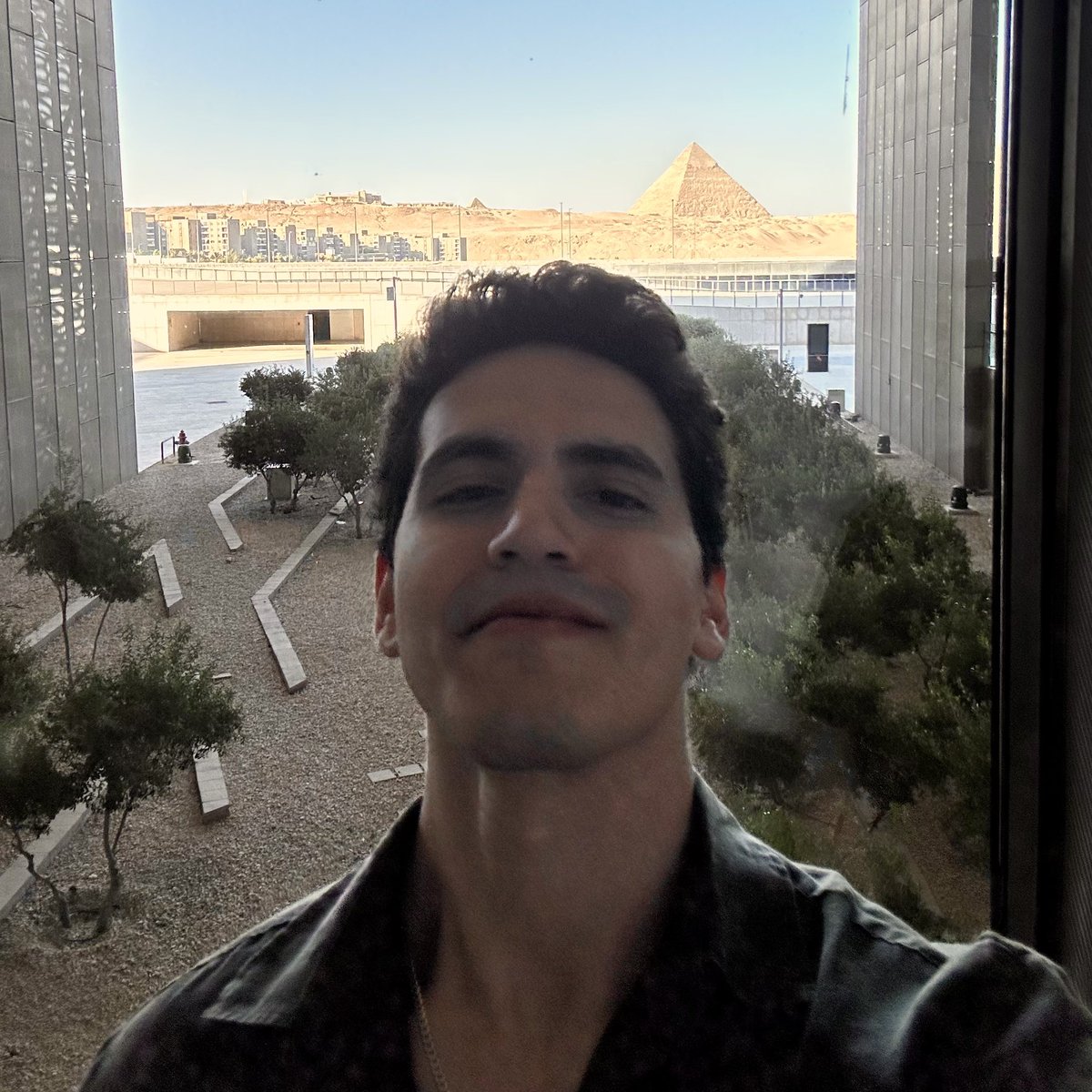
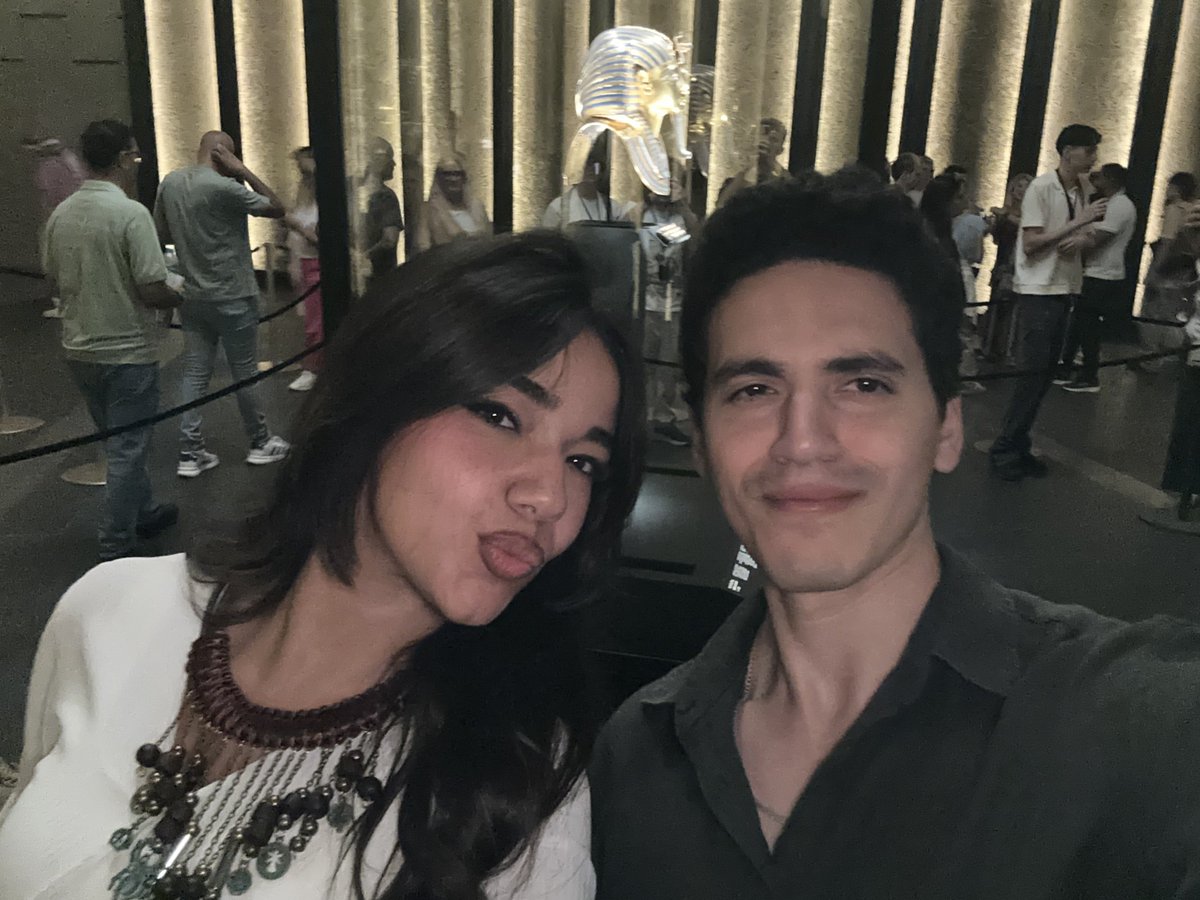
My ancestors built some cool stuff 🇪🇬




16
31
833
36,284
Jun 12
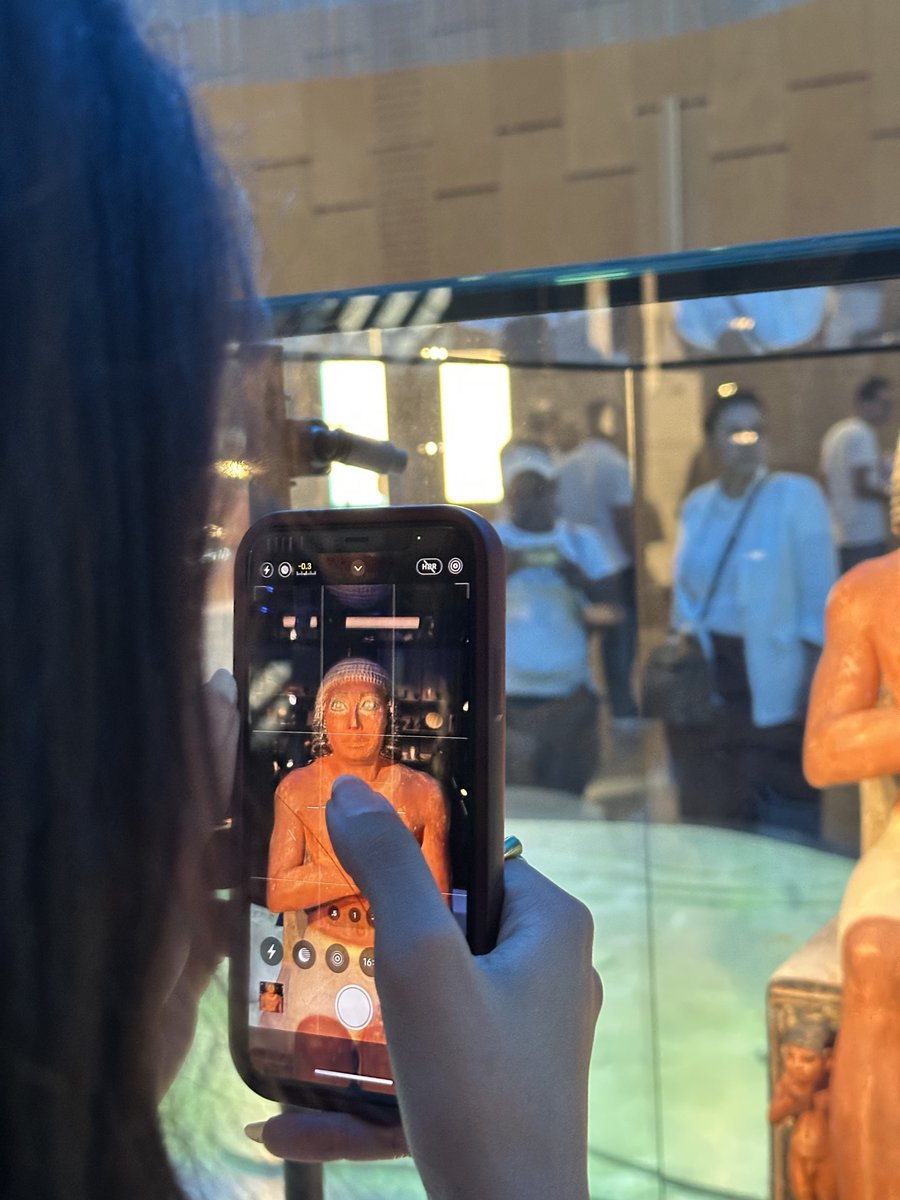
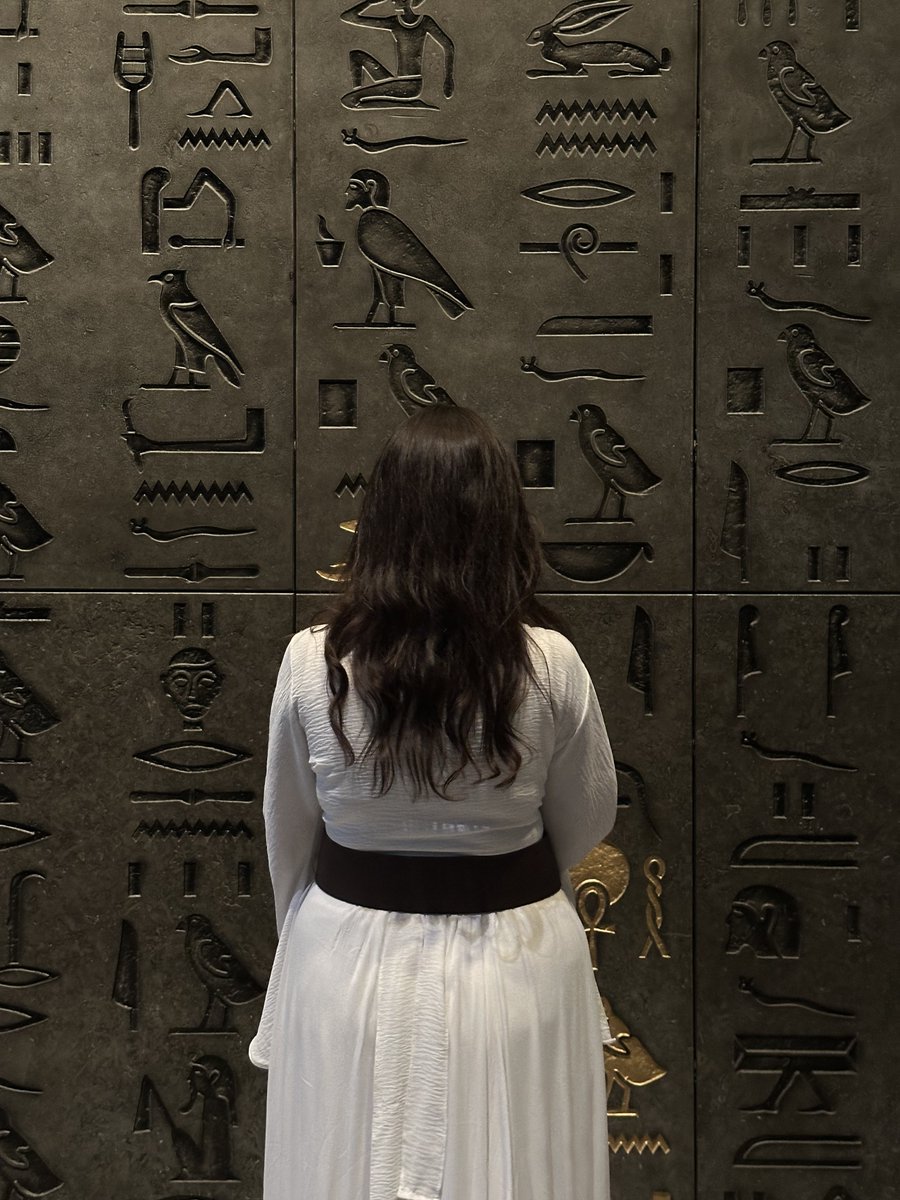
Featuring my beautiful lady, an Egyptian queen all by herself!


1
42
1,266
Jun 12
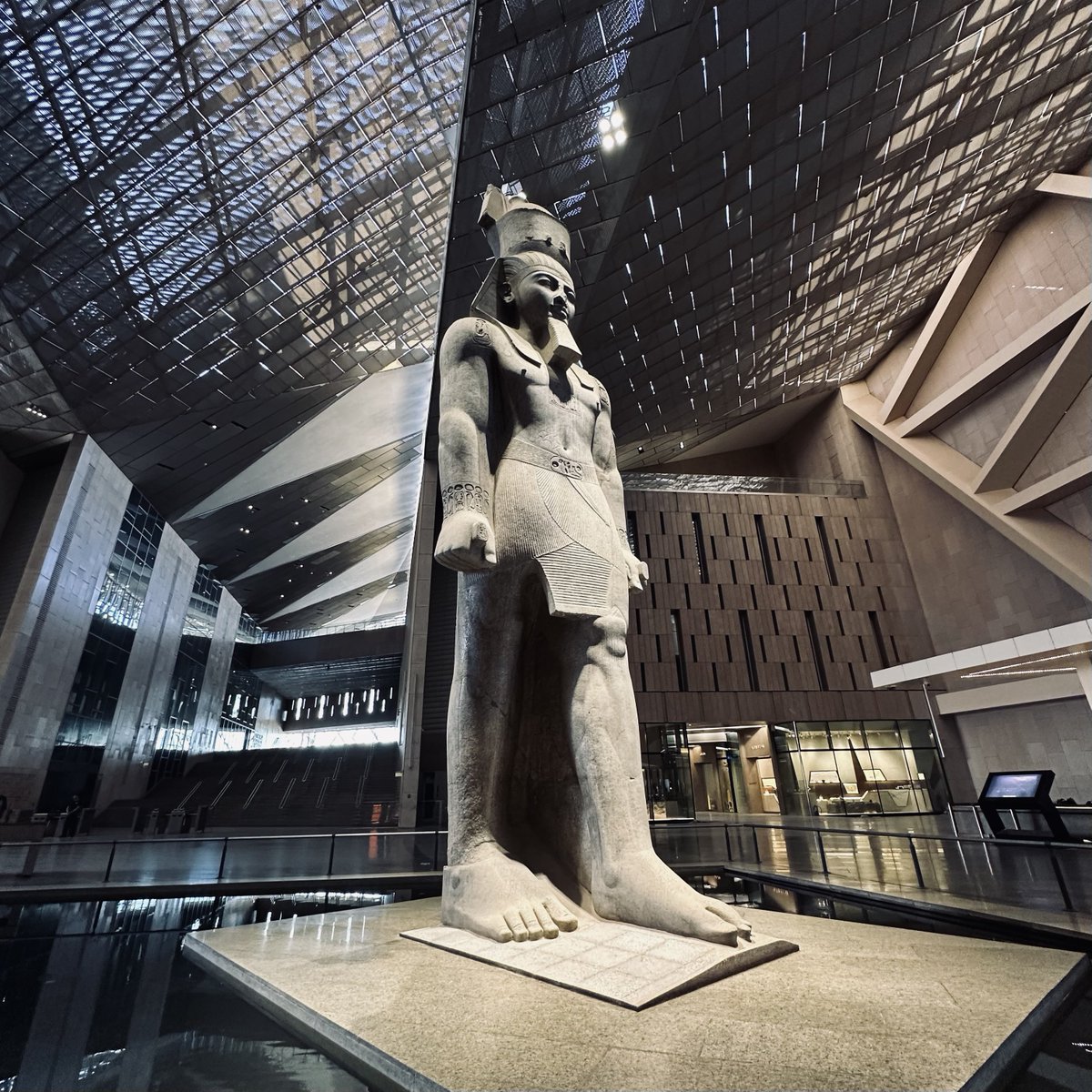
The history afrocentrist LARPers wish they had, and are desperately attempting to steal.



4
32
1,151
RT @Pashmori: عزيزي الأدمن البصمجي..
مفيش حد في العالم كله -أيوه في العالم كله- بيسدد ديون، انت بتسدد دين بدين وبتحافظ على إنك تدفع خدمة ا…
22
qassas (steakholder) retweeted

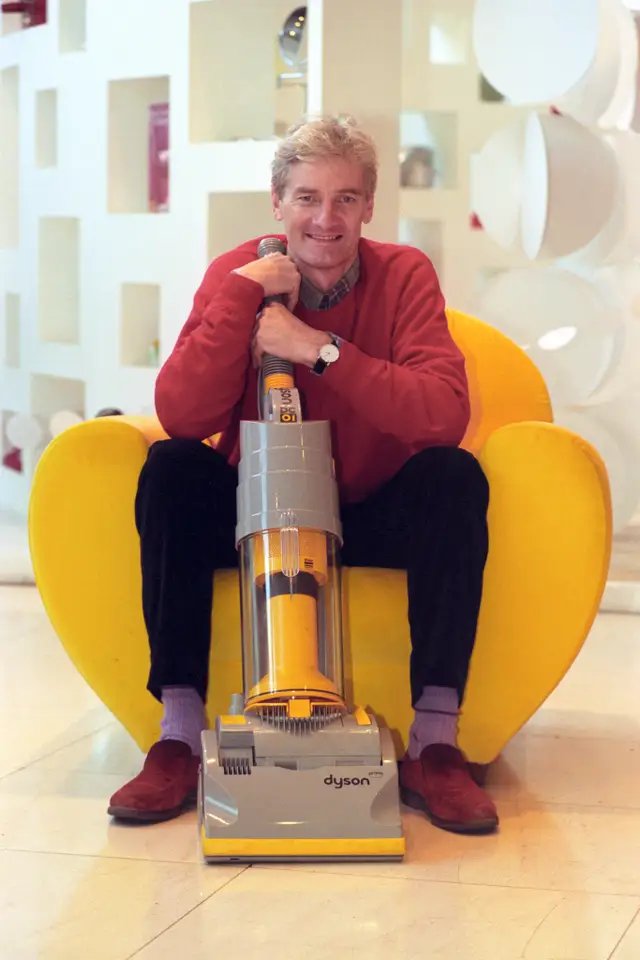
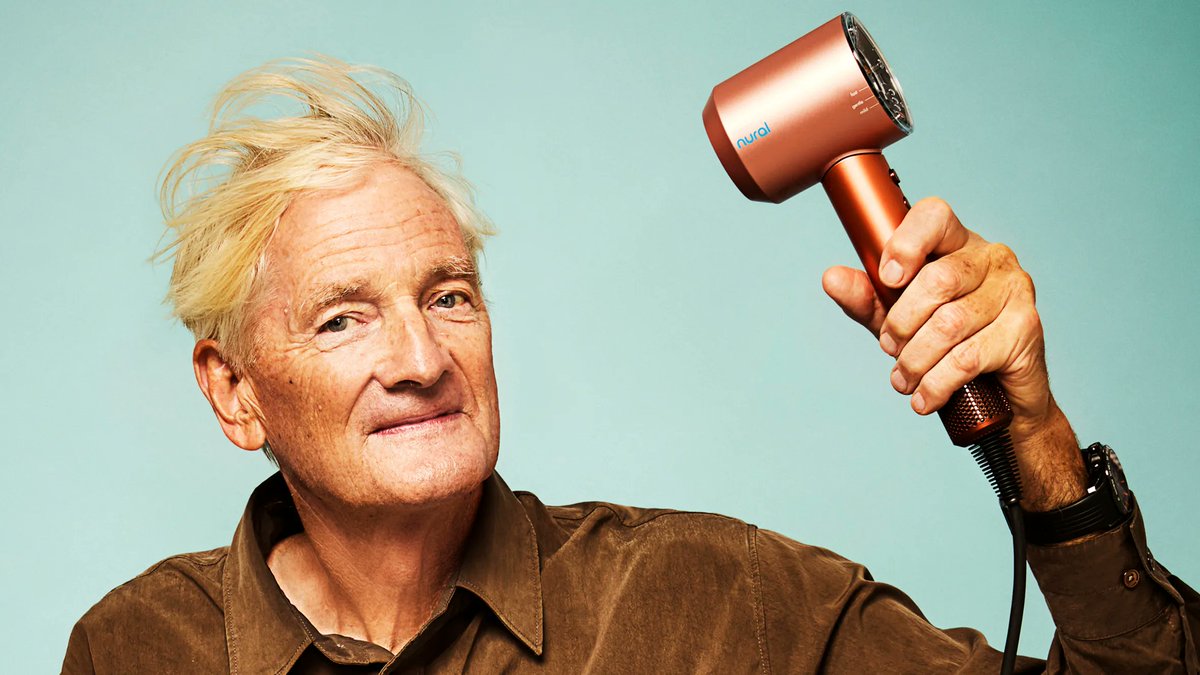
Dyson is a $25 billion company.
It is 100% owned by James Dyson.
No investors. No venture capital. No public shareholders.
But there was a time when he had no job and his wife was working to keep the house running.
In 1974, James Dyson left a steady engineering job at a company called Rotork to start his own business. He'd spent four years there designing boats. Stable salary. Respected employer. He walked away from all of it to make a better wheelbarrow.
That company eventually failed. By 1978, he was running a workshop on borrowed time and that's when a broken vacuum cleaner changed everything.
He was vacuuming his house when the suction died mid-clean. He opened the bag clogged with fine dust. The machine lost power every time the bag filled more than a third of the way. He was paying for something that failed at its only job.
At his factory, he'd seen an industrial cyclone, a cone that spun air at high speed to separate paint particles from the air. No bag. No filter. Just centrifugal force and a clean exhaust.
He thought: what if you did that to a vacuum cleaner.
He didn't know it would take five years and 5,126 prototypes to find out.
His wife Deirdre taught art to keep the family going. They remortgaged the house to fund his experiments. Then again. Then a third time. Every prototype got a number. Every failure got documented, not just that it failed, but exactly how, and exactly what he'd change next.
5,126 times he built something that didn't work.
5,126 times he went back to the workshop.
By prototype 5,127, the cyclone geometry was right. Constant suction. No bag. No power loss. It picked up what every other vacuum left behind.
He was 32. He had a working prototype and no idea what to do next.
He went to every major manufacturer. Hoover. Electrolux. Every big name.
They all said no.
One Hoover executive later admitted they'd looked at it, understood exactly what it was, and passed because it would kill their replacement bag revenue. The vacuum cleaner bag market was worth over $500 million in Europe alone at the time. They knew his machine worked. That was precisely why they declined.
He spent years being rejected. Banks wouldn't lend. Investors wouldn't back a product the entire industry had already reviewed and passed on.
Then a Japanese company licensed it. Sold it for the equivalent of £3,500 a unit. It appeared in design galleries. Won awards. It made him just enough to keep going.
In 1993, the Dyson DC01 went on sale in Britain. By early 1995, it was the best-selling vacuum cleaner in the country.
He was 46 years old.
Here's what the story is actually about.
He built a $25 billion company without giving away a single share to an outsider. No VC round. No IPO. No co-founder dilution. Just a remortgaged house, a wife's teaching salary, and 5,126 failed experiments.
Most founders at his level had given away 60-70% of their company long before reaching scale. Dyson gave away nothing because he had nothing anyone wanted to invest in. The rejection that looked like a curse was the thing that kept him whole.
Since 2018 alone, the Dyson family has collected £5 billion in dividends. Not from selling the company. From never selling it.
In 1999, Dyson sued Hoover for copying his cyclone technology with their Triple Vortex vacuum. The High Court ruled that Hoover had deliberately copied a fundamental part of his patented design. Hoover agreed to pay £4 million in damages.
He said it wasn't about the money.
It was about the executives who'd looked at his machine, understood exactly what it was, and chosen bag revenue over building something better.
Dyson wanted them to know he remembered.
50
347
1,845
207,327
qassas (steakholder) retweeted

Jun 1
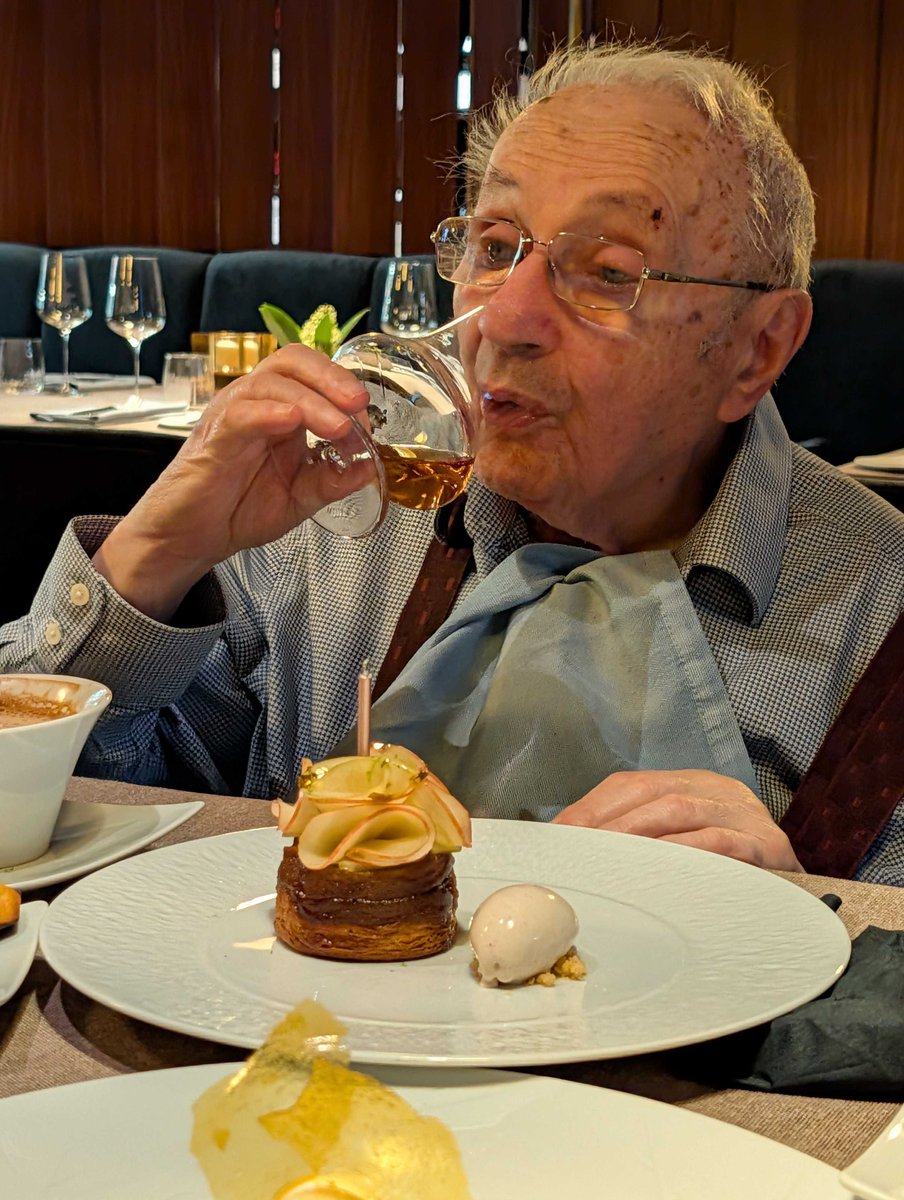
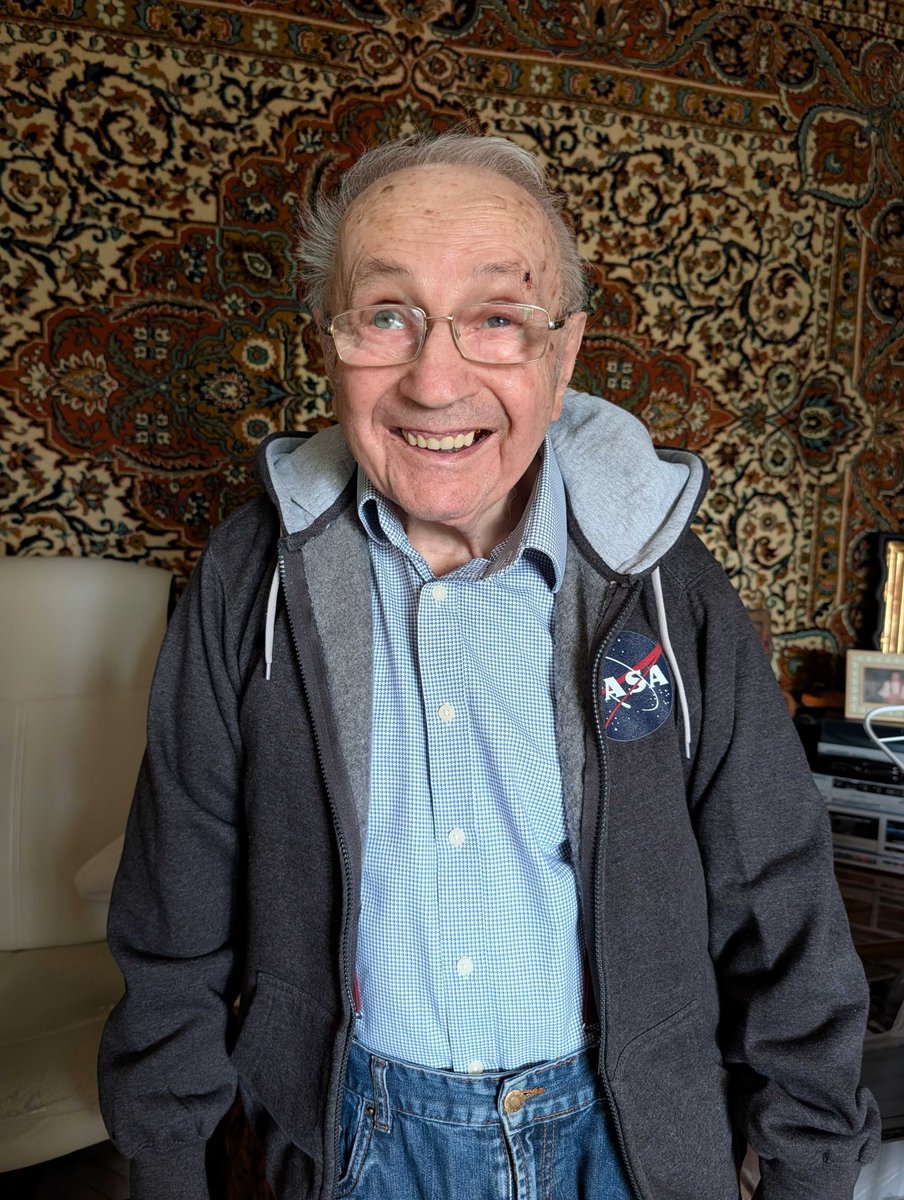
My granddad is the best person i know
At 11, he tried a cig and didn't like it and never smoked since
At 18, he was on the verge of death from sepsis when his mom's friend's husband, a long haul Aeroflot pilot, brought penicillin back from the US. When the antibiotics started working, the doc told his mom - don't cry, he might even live up to 40
At 21, he got a degree in nuclear physics, but wasn't allowed to work in the industry due to weakened health. He found himself in the Soviet space programme
At 26, he sent Sputnik to space, a few weeks before he had his first child
At 32, he made the discovery of the Earth's plasmasphere
At 60, he learnt English because the iron curtain had fallen and he could travel to the international space conferences. He needed to write and present in English
At 70, he would fight me for the dial-up internet as I wanted to chat to online friends, while he needed to send some work emails from home
At 85, he visited me in London and went to the British Museum five days in a row. One of the days we were having afternoon tea, and he exclaimed: "I'm so lucky! Had I not lived to this age, I would not have seen Amenkhotep III statue and had these wonderful scones at the Ritz"
At 90, he was the only person in my family who said I must absolutely take the opportunity to work in crypto
At 94, he still was still co-authoring scientific papers. And this hasn't stopped yet
Yesterday, he turned 95
Happy birthday granddad 😊
630
1,641
24,934
599,687
qassas (steakholder) retweeted

May 27
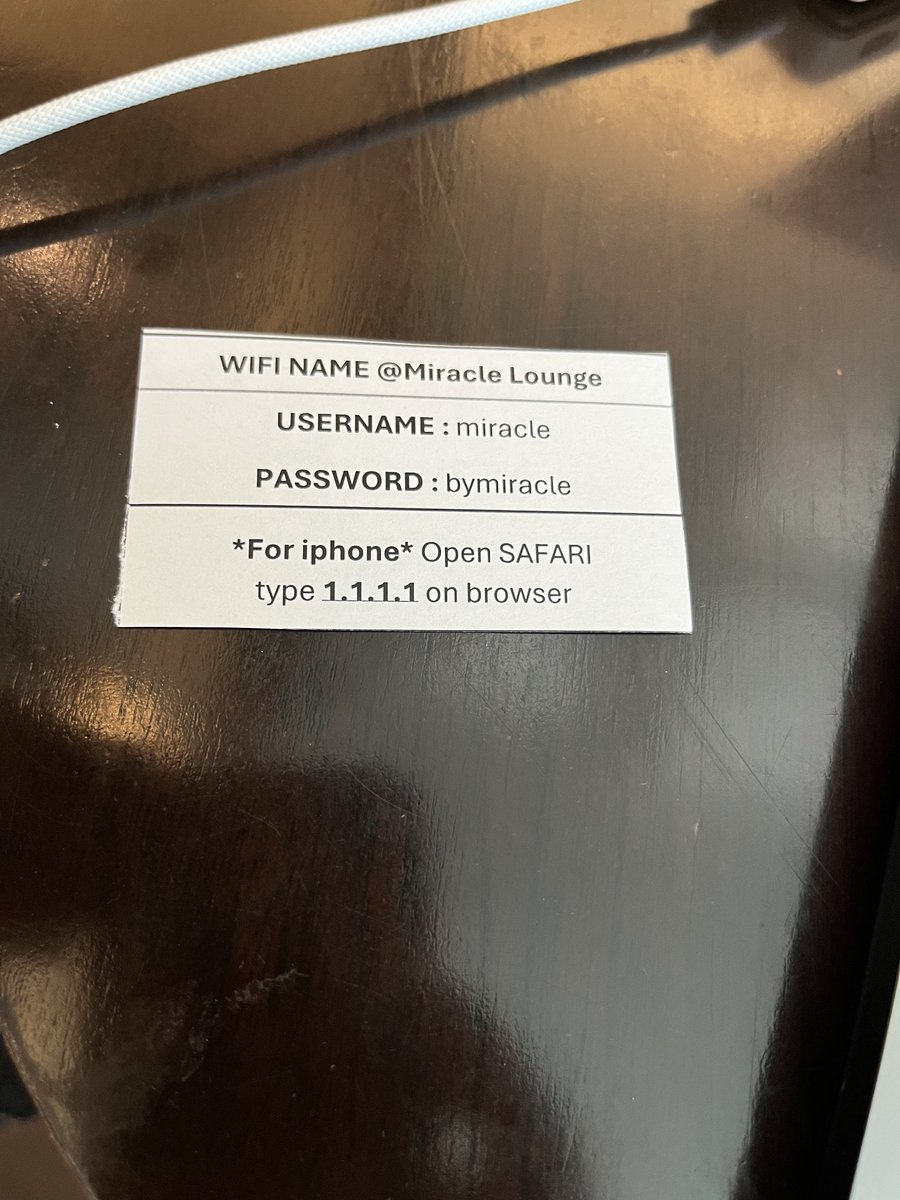
Typing 1.1.1.1 is an easy way to get around public WiFi login systems, also known as captive portals. When you connect to one of these networks, you are not actually online yet. The network intercepts your connection and sends you to a login page where you enter your username and password. Most devices try to detect this and show the login screen for you.
The problem is that newer devices, especially iPhones, do not always show the login popup when needed. They run background checks to see if you are online, but if these checks fail or do not work right, the login page does not appear. This is why you might be connected to WiFi but still cannot open any websites.
When you type 1.1.1.1 into your browser, you are making a direct request to an IP address instead of a website name. This skips the need for DNS and, more importantly, creates a request that the captive portal can catch and redirect. This way, you make the network show you the login page.
It may seem like you are trying to reach Cloudflare’s DNS service, but that is not the point. You are just triggering the network’s interception system. This works because it gets around your device’s sometimes unreliable automatic detection and creates a request the portal can handle.
There is also a security side to think about. Networks that need manual fixes like this are often not set up well. Before you log in, they can still see some types of traffic, especially DNS and unencrypted requests, and may block or mess with others.

44
134
2,697
715,130


qassas (steakholder) retweeted

May 23
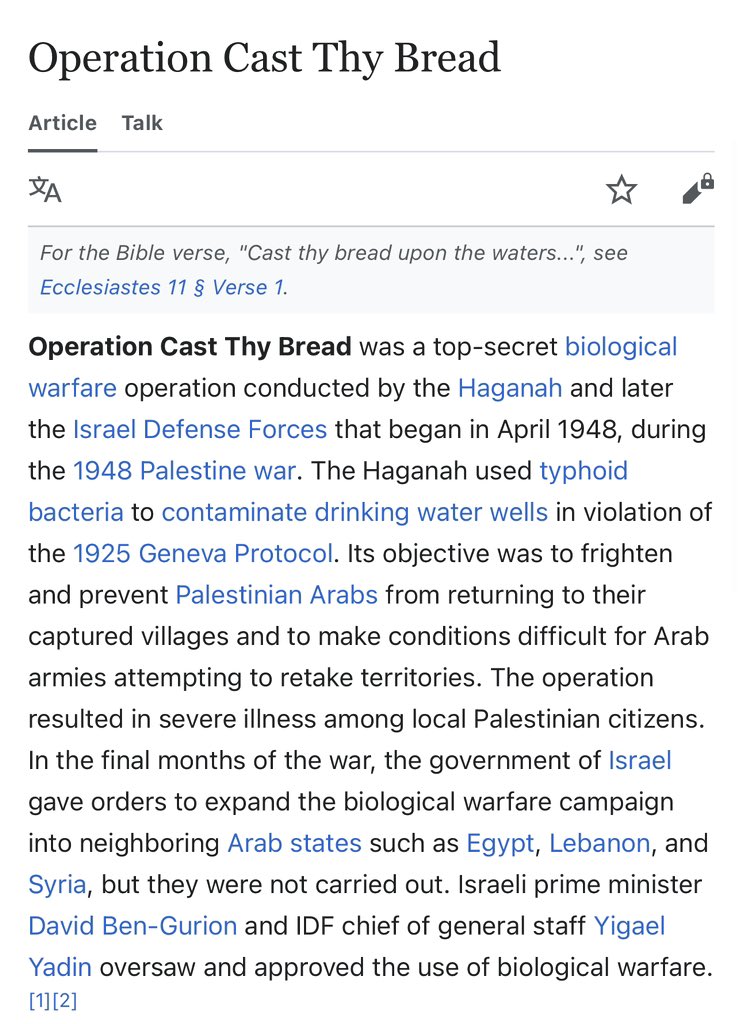

The more Israeli history you know
The more pro Israel you will be.
🇮🇱🇮🇱🇮🇱
186
17,781
79,541
1,346,597
May 18
دكتور ضياء العوضي لم يمت ولم يصلب ولكن رفعه الله وسيعود في آخر الزمان
419


qassas (steakholder) retweeted

May 15
Your brain is built to forget almost everything that happens to you. It makes one exception, and you're looking at it.
Carole Peterson at Memorial University has spent over 25 years studying our earliest memories. She found that the first one most adults can recall comes from age 2.5, not 3.5 as the old textbooks said. The early memories that survive share three things: a strong feeling, a new experience, and a physical sensation. A wave, a dad's grip, and the weird feeling of riding a board check every box.
The mechanism lives in the amygdala. It's the brain's emotion sensor, sitting right next to the hippocampus, the part that files memories. When something big happens, the amygdala triggers a flood of stress hormones like cortisol. That's the signal to the hippocampus to file this one extra deep. James McGaugh at UC Irvine spent his career showing this works for happy moments too. The amygdala fires for pleasure the same way it fires for fear. What matters is how loud the feeling is.
Dads play a particular role here. Daniel Paquette, a developmental psychologist in Montreal, has spent 20 years researching what he calls the "activation relationship." Moms tend to be the safe base kids come back to. Dads tend to be the door to the outside world. They push kids into new and slightly scary situations, and stand right there as the safety net. Kids who grow up with this kind of dad end up more confident, less anxious, and more comfortable around strangers.
A 2017 review pulled together 16 studies covering 1,521 father-child pairs. Quality rough-and-tumble play, which means the wrestling and tossing and chasing kind, was linked to lower aggression, better emotion regulation, and stronger self-control. In rats, baby animals that don't get to play-fight grow up with an under-developed prefrontal cortex, which handles planning and impulse control.
Christina Bethell's 2019 study in JAMA Pediatrics took the long view. Her team at Johns Hopkins surveyed 6,188 Wisconsin adults about their positive childhood experiences. Adults reporting six or seven of those had 72 percent lower odds of adult depression than those reporting zero to two. The effect held even for people with serious childhood trauma. Good moments keep paying out for decades.
The original tweet is right. The moments that burn in are the ones with big feelings, new physical sensations, and an adult who is the bridge between safe and scary. Twenty years from now, the grip is what he'll remember.
May 14

The son will carry this with him for the rest of his life and he will never forget this moment.
50
655
7,145
1,653,830