
Joined May 2010
- Tweets 142,209
- Following 1,598
- Followers 1,114
- Likes 101,991
22,348 Photos and videos



Pinned Tweet

May 30
6
252

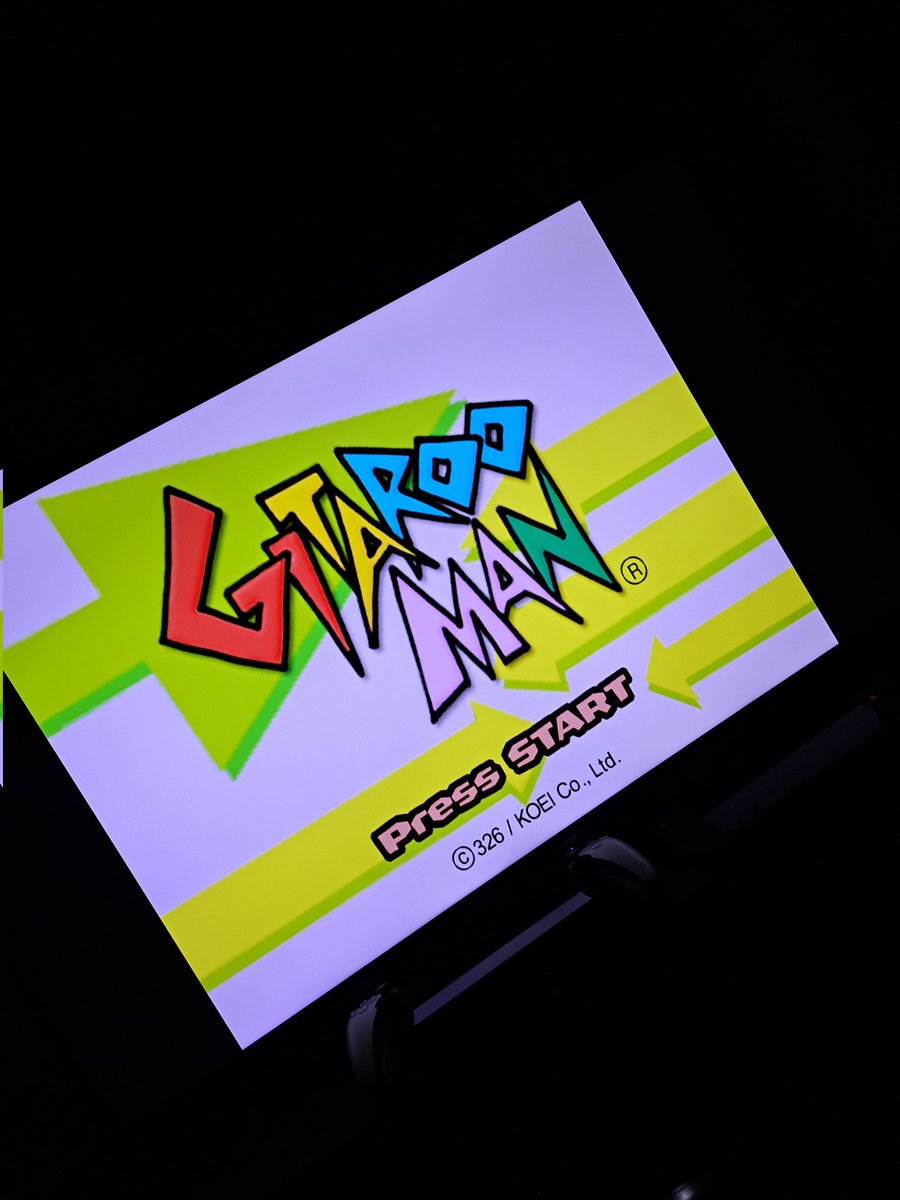


ray n. retweeted

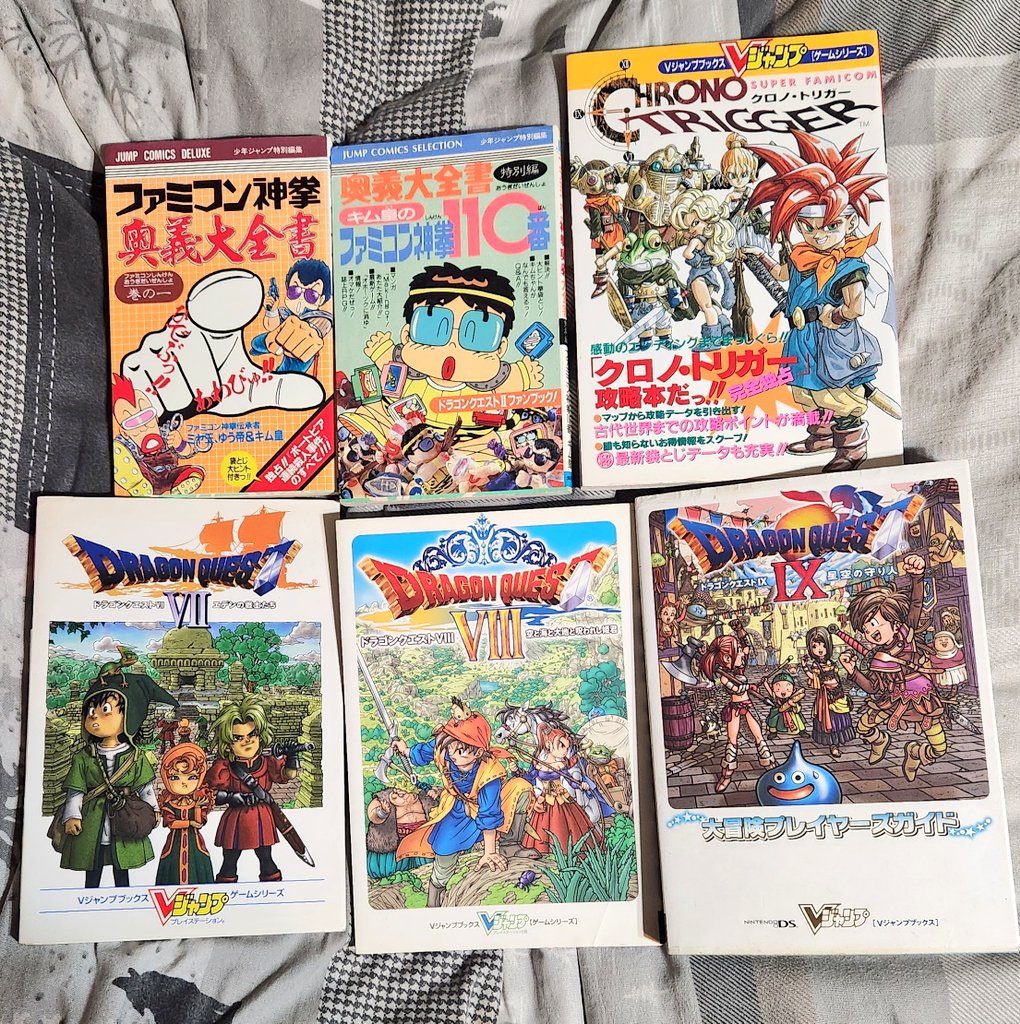
Akira Toriyama Dragon Quest Illustrations 30th📚🐉
Akira Toriyama, 2009 (4K scans)

3
68
569
8,166
ray n. retweeted

Let me talk about the final subject of “poverty”—real poverty.
There is actually no such thing as “fake poverty.”
People in countries with a GDP per capita in the $30,000 range still struggle in their own way, even if clean running water is readily available.
In countries with a GDP per capita of around $60,000, such as the United States, the middle class also struggles, even if their cars are extremely large.
The standards are simply different.
There are many definitions of hardship.
In some cases, even eating cup ramen noodles can feel like a sign of wealth, while in others, life can feel extremely difficult despite outward stability.
However, there are also people who are truly poor by any global standard.
I know a wonderful Japanese person who volunteered in parts of Africa where there is no electricity or running water.
She lived there for several years and taught children in those communities.
Those children do not have smartphones, of course, which means they have almost no way to access manga at all.
(Of course, this is a simplified description. Reality is always more complex, and I hope to talk about it in more detail another time.)
I have no problem if those children were to read my manga for free.
If I could, I would even want to teach them manga myself.
But in reality, they do not need manga education in the first place—they simply have no access to it.
There are no manga readers, and no aspiring manga artists there yet.
Yeah... this is an important point when we talk about poverty and manga.
I believe that a country can begin developing a manga industry once it reaches around $2,000 in GDP per capita.
It can already become an important market, and eventually a major comics-producing nation.
Around $10,000 per capita, which was roughly South Korea’s economic level when I made my debut, a strong manhwa industry is already possible—and indeed, South Korea had already become a major manhwa-producing country by then.
Manga also has the power to help transform a developing nation into a cultural powerhouse over time.
That is one of its true strengths.
I have mentioned two key ideas about manga before:
First is diversity is one of manga’s greatest strengths.
Second is manga gives opportunity to children in poorer countries, and through them, the culture and soft power itself grows and becomes stronger.
The baseline here is roughly $2,000 GDP per capita and access to basic infrastructure such as running water.
When a country cannot even build basic infrastructure, manga cannot easily become part of daily life—because there is no access to it in the first place.
No smartphones, no internet connection, sometimes not even basic tools for reading or writing.
But I do not give up on this idea.
In fact, I have long been thinking about how manga could still reach those people as a form of hope.
Individually, manga only requires very simple tools—paper, a calendar, a pen or pencil.
But what is truly needed is a system.
Yes, a system.
There is no more affordable art form than manga when it comes to learning and education.
But it requires infrastructure.
And ideally, that system should allow children to access it for free.
This is where “poverty” and “free access” must meet in a positive way.
In the end, real poverty is exactly this kind of situation: a world without phones, without social media, without running water, and therefore without access to manga at all.
For those people, manga must move forward—not as a paid product, but as something supported by systems, education, and infrastructure.
And later, when value is created, global long-term investors and industries can recover that value in sustainable ways.
Of course—not through piracy.
To be continued...
18
188
1,156
28,358
ray n. retweeted

It seems Viz's treatment of this series will never fail to disappoint me. Please fix the typo. The name should have been changed to Taiyo Yozakura multiple volumes ago, just like the Japanese version. I refuse to buy the new volumes until this is corrected.
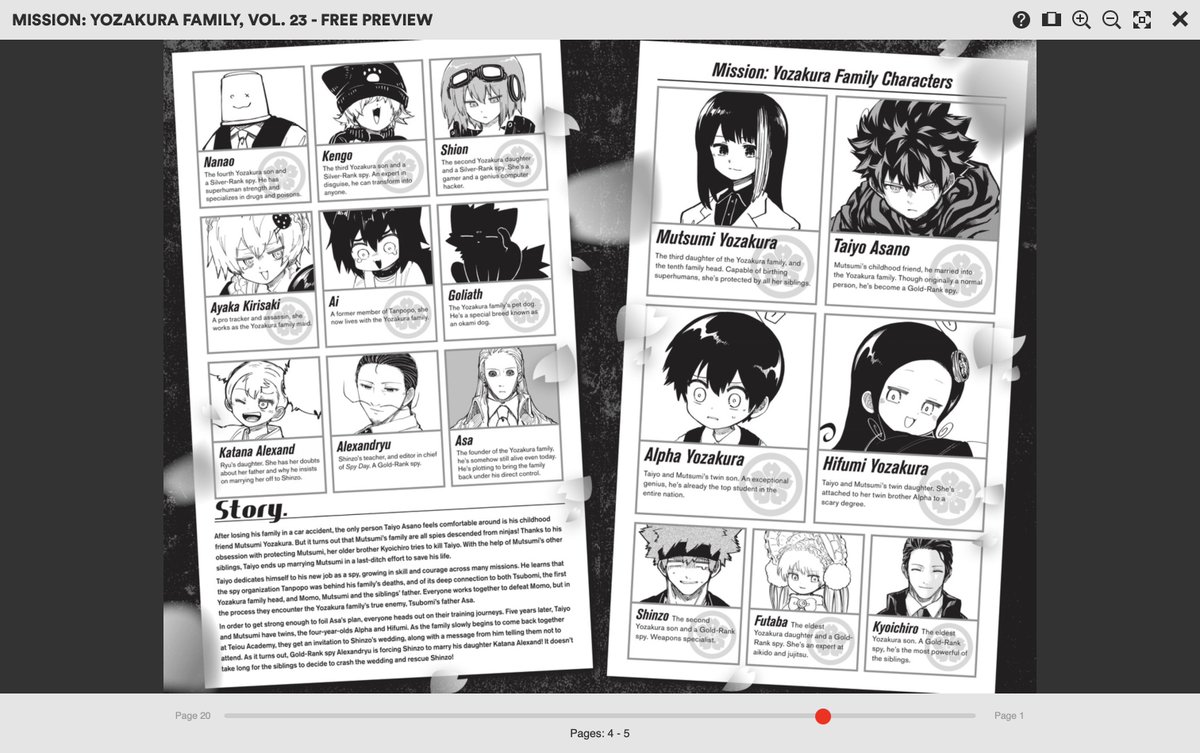

New from Shonen Jump! Mission: Yozakura Family, Vol. 23 is now available in print and digital!
Read a free preview: bit.ly/4mEil4E

1
5
22
1,098
ray n. retweeted

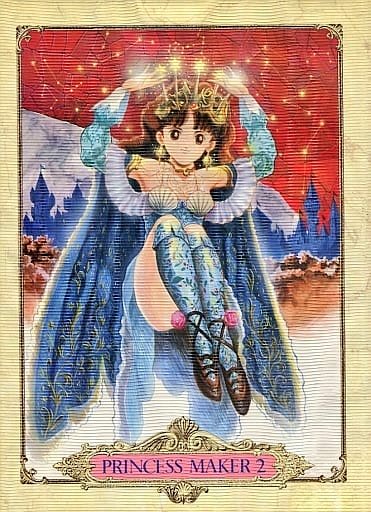
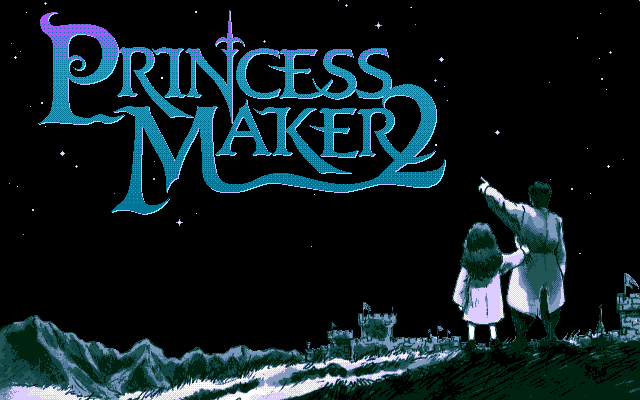
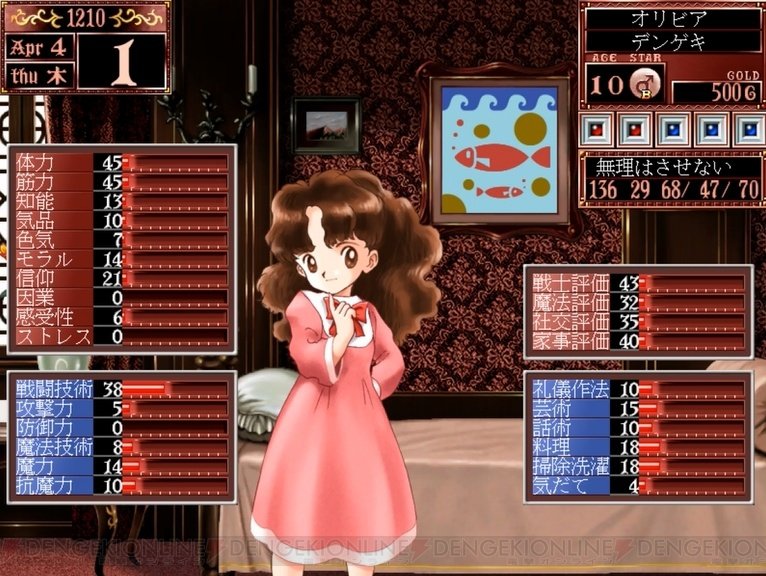
【#プリンセスメーカー2/PC98/1993年6月15日.ガイナックス】カワイらしい少女を育成できる人気シミュレーションゲームの第2弾。娘のパラメータや行動コマンドの回数などによってエンディングが変化する。
#レトロゲーム #PC98 #ギャルゲー

6
29
294
ray n. retweeted

Jun 15
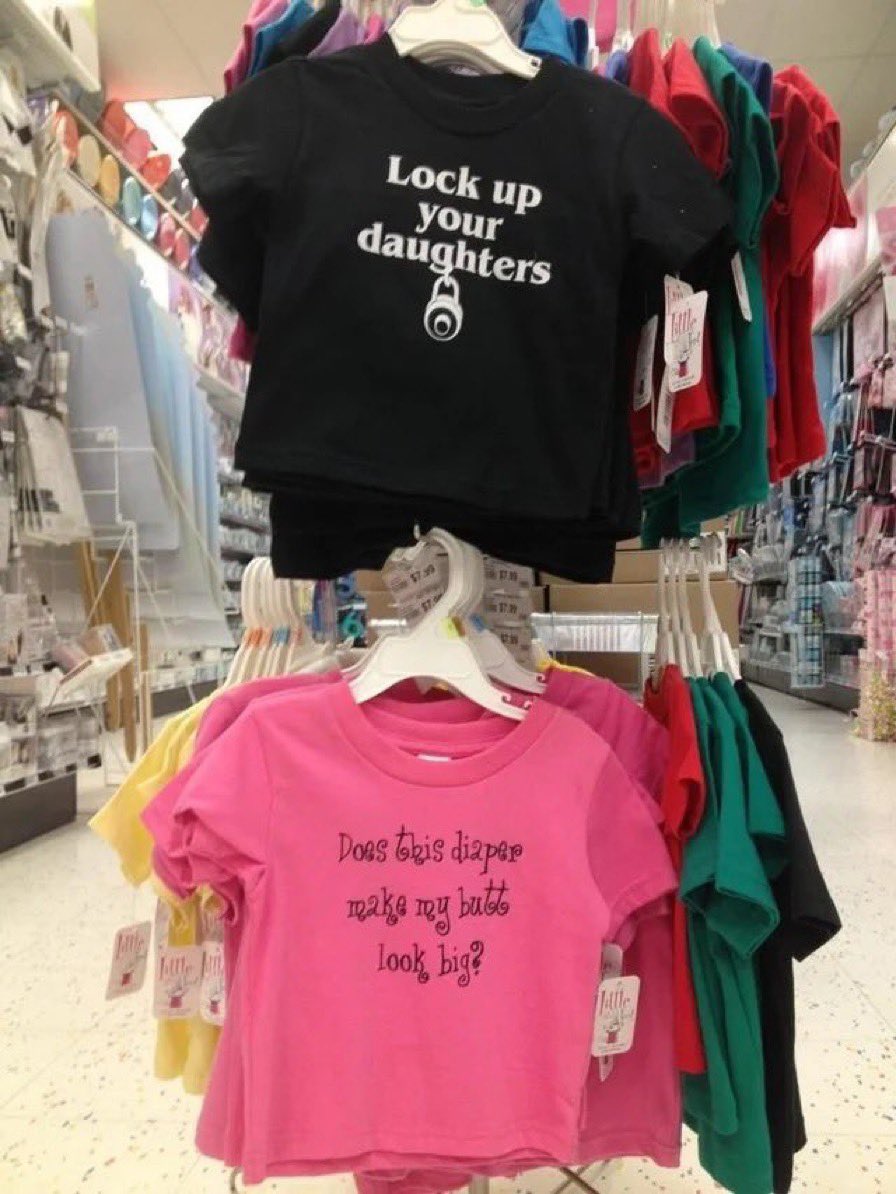
the whitest westerner u know just fell to their knees in their moms basement

Japan is set to roll out nationwide LGBTQIA education programs in schools, universities, and workplaces.
The goal is for more people in Japan to understand sexual orientation and gender identity outside of cisgender, heterosexual norms.


167
12,315
158,310
2,965,055


ray n. retweeted

Jun 15
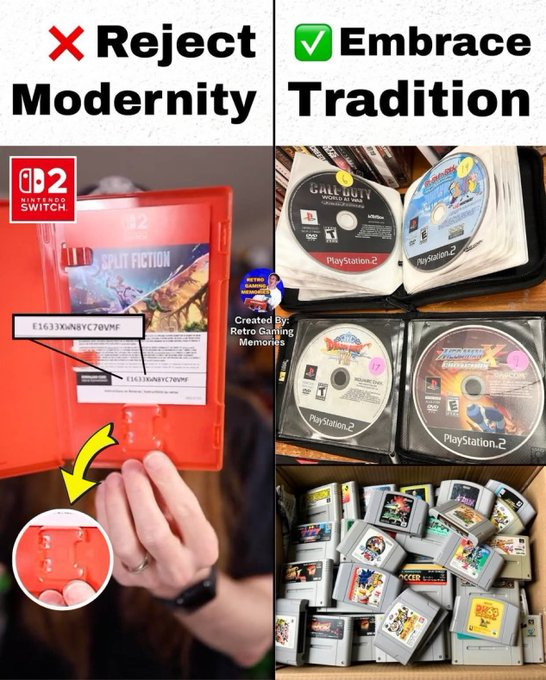
People who store games in those CD binders and throw away the cases are not normal.

177
1,385
24,232
514,102
ray n. retweeted

Jun 14
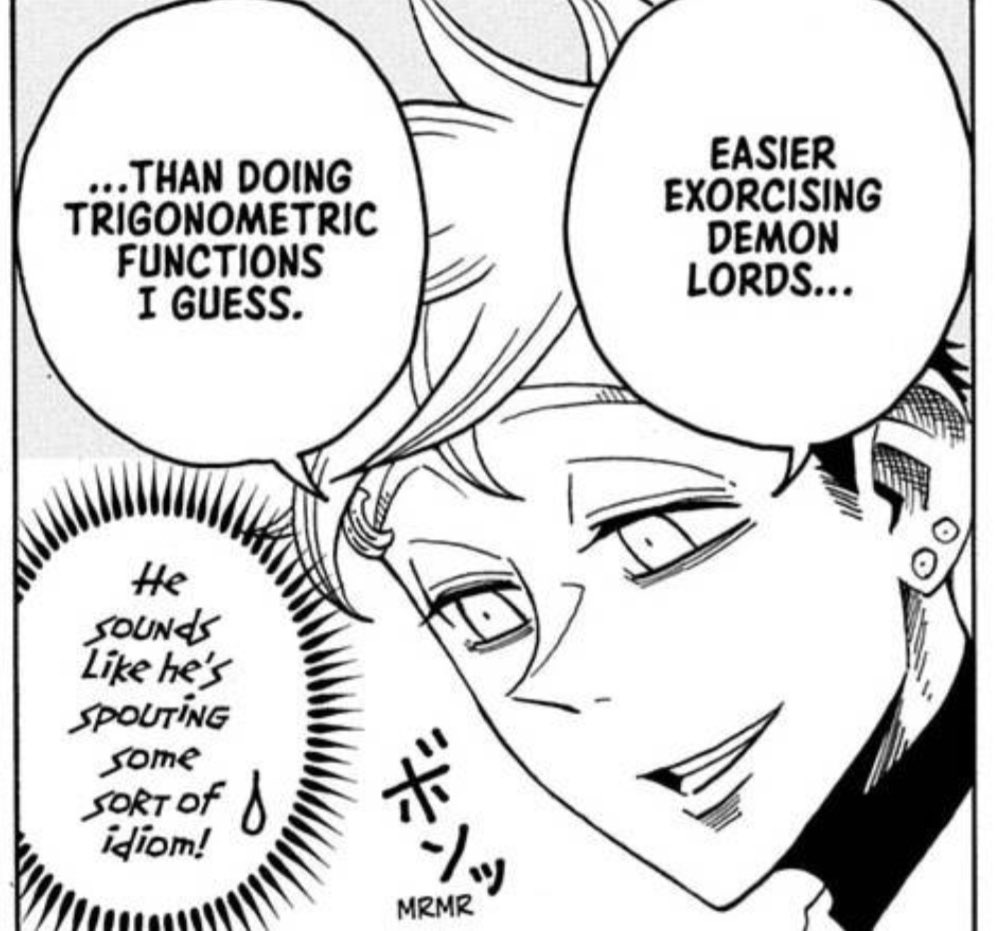
Ultimate Exorcist Kiyoshi: I would rather deal with final boss than final exam
2
6
16
289
ray n. retweeted

Jun 15
the biggest chud you know just fell to his knees reading this
Japan is set to roll out nationwide LGBTQIA education programs in schools, universities, and workplaces.
The goal is for more people in Japan to understand sexual orientation and gender identity outside of cisgender, heterosexual norms.
22
737
8,412
391,937
ray n. retweeted

Jun 15
Oh look another good thing Ronald Reagan destroyed. You don't hate him enough for the shit that's going on today. The vast majority can be traced back to him and his administration.
Jun 15

Fred Rogers met with a child psychologist every week for 22 years to build his show. She shaped everything: every script, prop, and song. The whole point was to give a child's nervous system time to slow down. In 1984, a single regulatory decision ended all of it.
The psychologist was Dr. Margaret McFarland, who co-founded the Arsenal Family and Children's Center alongside Benjamin Spock and Erik Erikson. She and Rogers understood that the prefrontal cortex in children, the part of the brain that controls impulse, emotion, and attention, takes decades to fully develop. At the start of every episode, Rogers tied his sneakers and changed his sweater while children settled in. Those pauses were intentional, designed to help a child's nervous system shift into a calmer, more focused state.
What ended it had nothing to do with child development science. In 1984, Reagan's FCC chairman Mark Fowler abolished the advertising limits that had protected children's programming from commercial pressure. Toy companies moved within months. Between 1984 and 1985, cartoons tied to toy lines increased by 300%, from a handful of shows to more than 40 animated series. In almost every case, the toy was designed first. The cartoon was built to sell it.
Researchers later put numbers to what parents were already noticing. A 2011 study in Pediatrics from the University of Virginia tested 60 four-year-olds across three groups: one watching SpongeBob, which cuts scene every 11 seconds; one watching a slow PBS show, which cuts scene every 34 seconds; and one drawing. Nine minutes later, all three took tests on attention, impulse control, short-term memory, and problem-solving. The SpongeBob group scored significantly worse across every measure.
In the 1970s, children began watching television around age 4. Research from pediatrician Dimitri Christakis found that by 2009, the average age of first screen exposure had dropped to 4 months, as the content got faster and the audience got younger. Researchers separately found that each additional hour of daily screen time at ages 1 or 3 raised the risk of attention problems at age 7 by 9%.
3
16
412


ray n. retweeted

“They don’t leave room for a personal life” is an insane thing for a gas station employee to say. The economy is fucked.


8
398
7,455
85,086

ray n. retweeted

Jun 15
Momo Ayase 👽
Thanks to the follower who gifted me this cosplay. I will definitely wear this at my next con.

1
1
26
425
ray n. retweeted

Jun 14
We are all suffering the effects of how much YouTubers love watching YouTube videos. Everything they make is incestuously polluted by the influence of every other YouTube video, infinitely forever
Jun 14

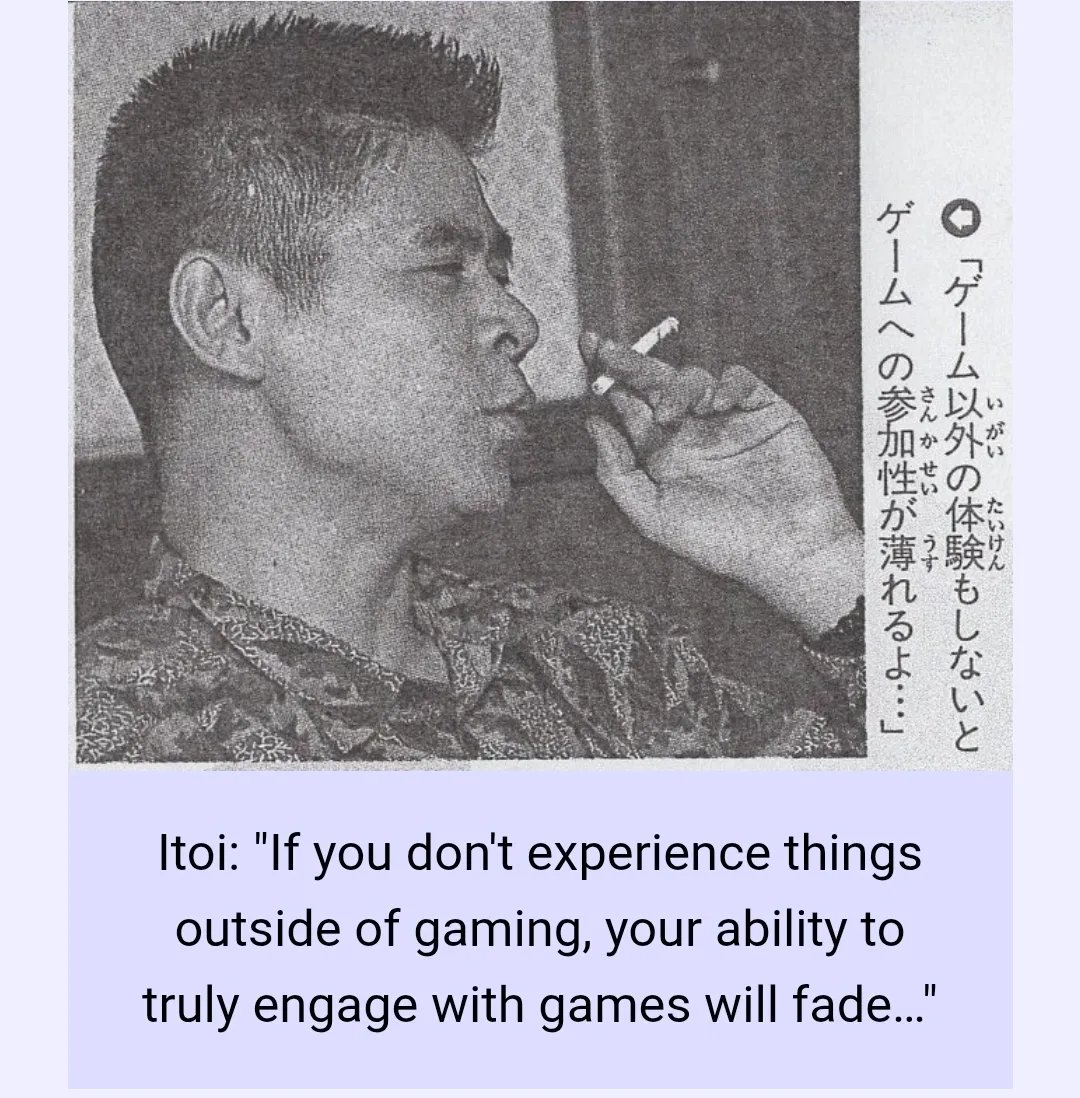
ALT Shigesato Itoi: "If you don't experience things outside of gaming, your ability to truly engage with games will fade..." いがいたいけん 「ゲーム以外の体験もしないと さんかせい うすゲームへの参加性が薄れるよ・・・」
27
577
7,219
154,328
Jun 14
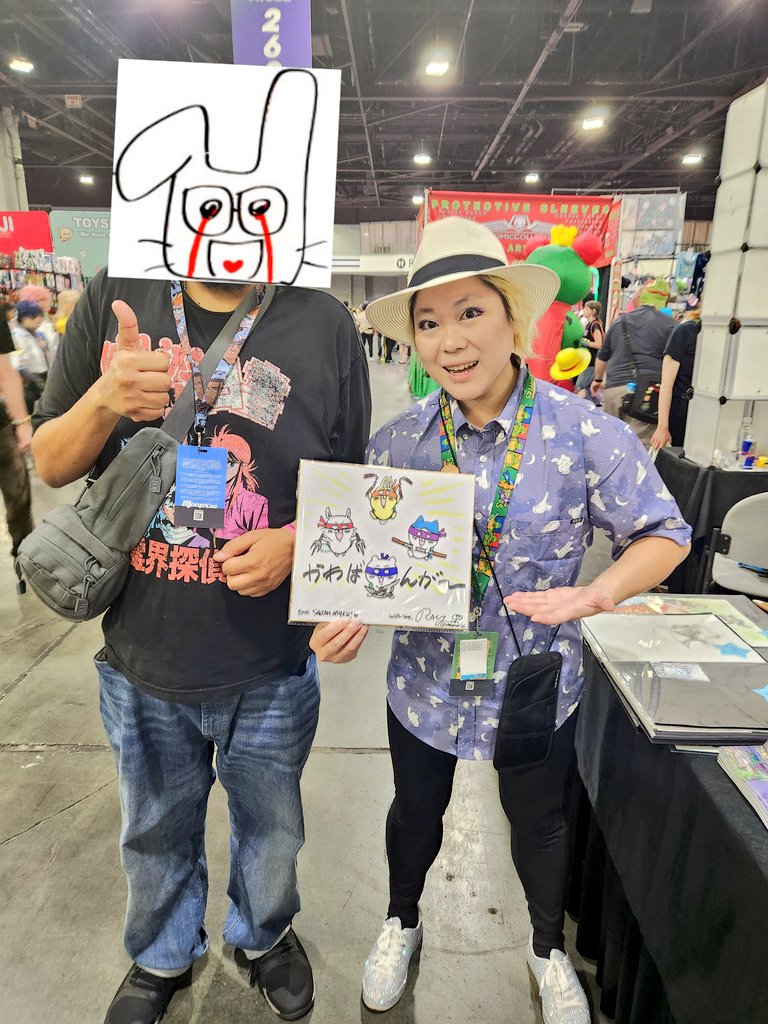
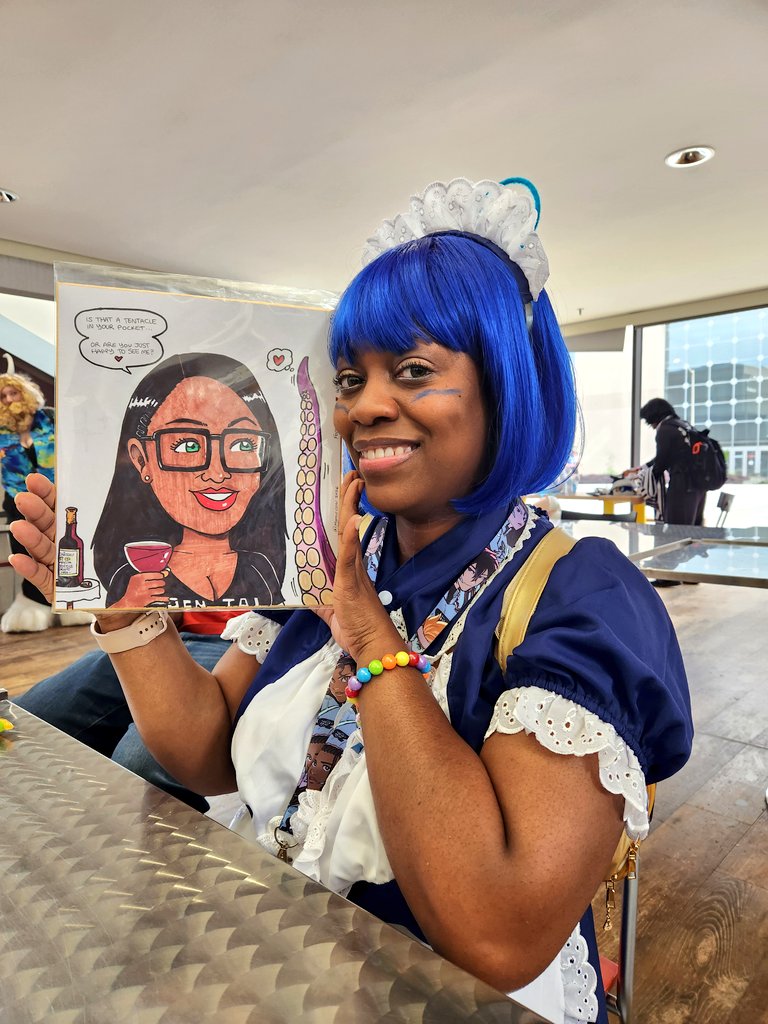
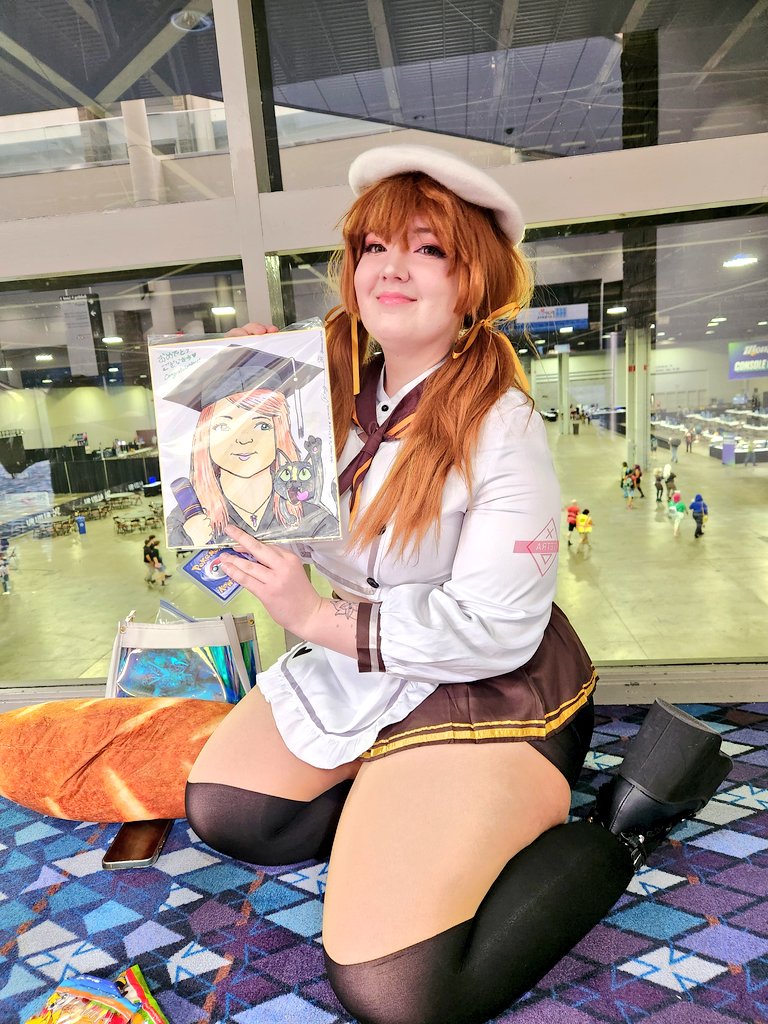
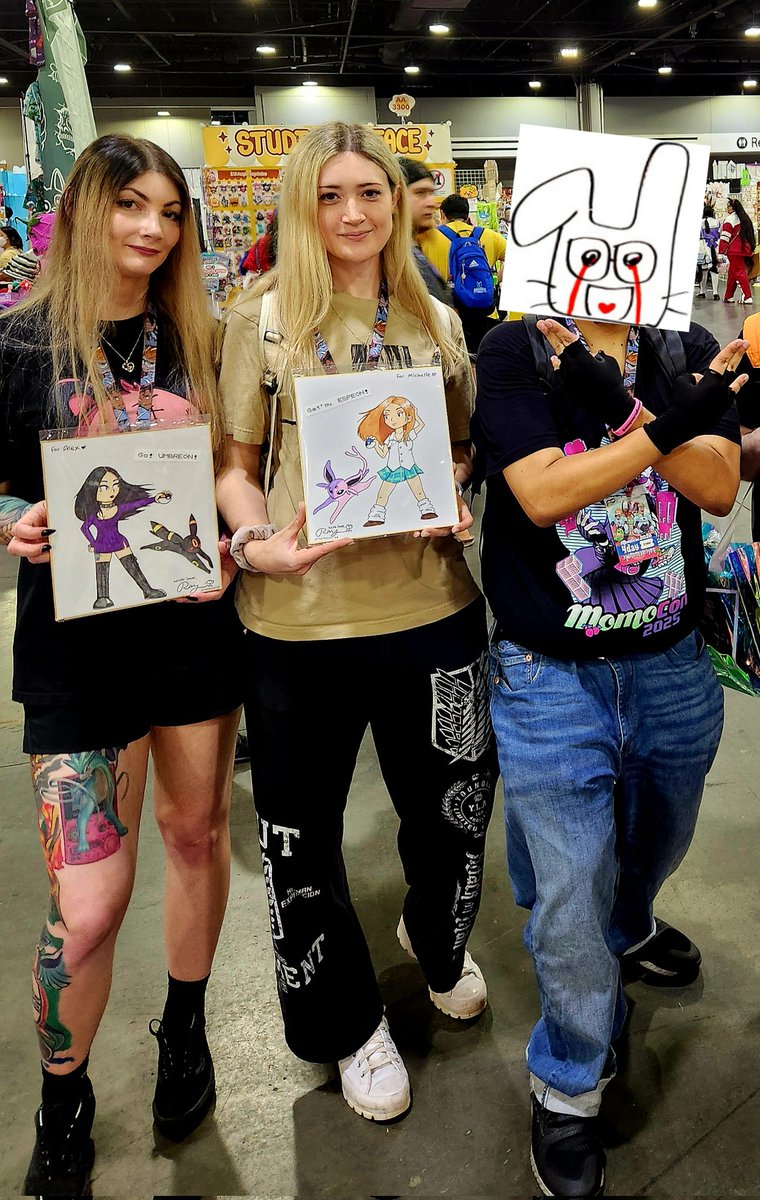
I know this is a very late post but I'm grateful I got to see my pals again at MomoCon this year. I'd be grateful to see y'all again in the future.
2
10
115
Jun 14
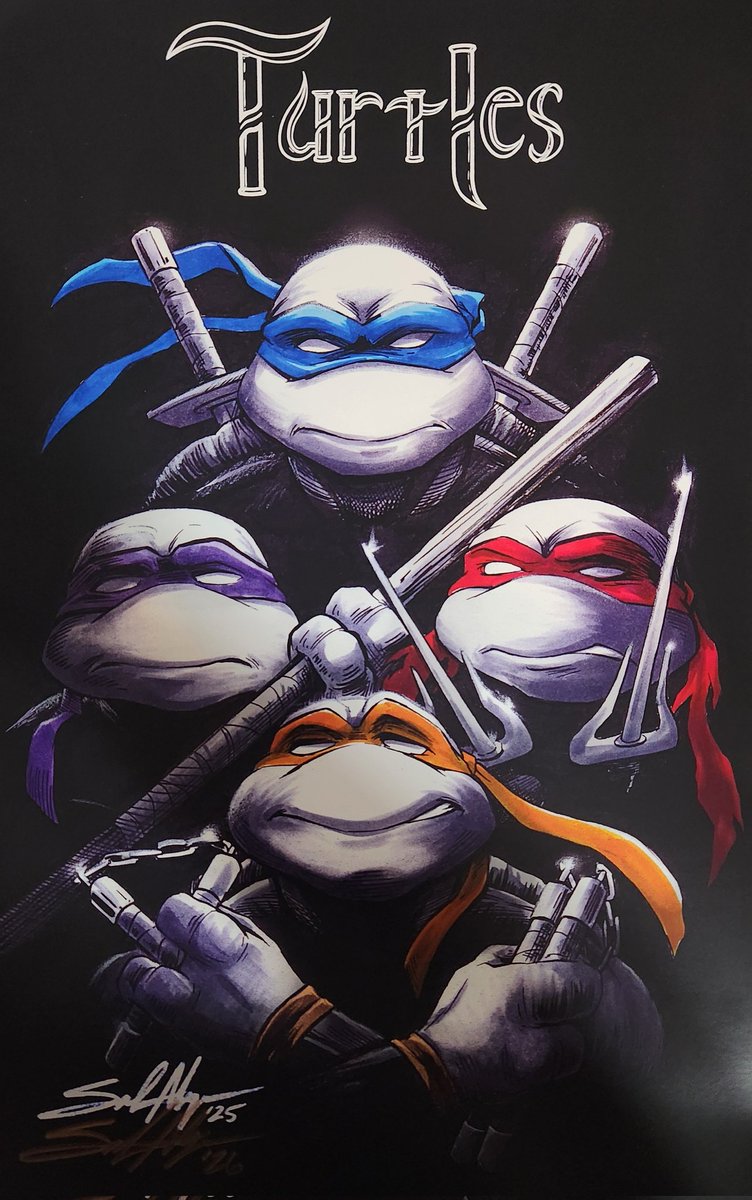
I also got to make new friends at MomoCon, too. One of them is another artist in particular, Sarah Myer.
I really dig their TMNT art and we also got to talk about Chiikawa for a while. (I'm still a newbie fan)
I hope to see you again sometime.
3
57
ray n. retweeted

Japan being the reason Michael beats Oppenheimer is a level of irony I didn’t even know existed

MICHAEL is now tracking to hit $940M-$950M at the global box office this weekend after a superb #1 debut in Japan.
It’ll soon beat OPPENHEIMER ($975M) to become the biggest biopic of all time.


99
5,176
51,527
1,315,082