
Sovereign AI for enterprises. Build AI you own on infrastructure you control. Private, specialized models that run where your data lives.
Joined May 2022
- Tweets 480
- Following 27
- Followers 5,670
- Likes 724
136 Photos and videos











AI policy should not be defined only by what frontier labs, cloud platforms, and centralized model providers believe is best.
webAI has a different view: ownership, local control, distributed intelligence, practical deployment, and a focus on the people and institutions AI is meant to serve.
Here’s what we think AI policy should stand for:
– Empowerment over extraction
– Control belongs with the user
– The strongest intelligence is distributed and specialized
– AI should be a utility for everyday work and life
– AI policy should reward practical, broadly shared value
Read the full piece: webai.com/blog/what-webai-st…
1
4
9
227
webAI retweeted

AI data centers bring environmental & security concerns.
Jason Rathje, president of public sector, @thewebAI and former director, DoD Office of Strategic Capital: Anytime you centralize power, data, and now artificial intelligence, you create an acute threat for our adversaries."
3
3
813
Intelligence is getting smaller.
Our CEO @Davidstout was featured in @theinformation on why the data center boom is a mistake and where AI is actually headed.
"Data centers won't disappear, but the majority of work will happen at the edge. Apple made the bet correctly there."
Read the full article: theinformation.com/articles/…
1
2
123
"Any time you centralize power, data, and now artificial intelligence, you create an acute threat for our adversaries."
Our President of Public Sector Jason Rathje was on @CNN This Morning talking about AI data centers, the strain they're putting on communities, and what a real alternative looks like.
3
1
8
272
HUGE thanks to every builder who shipped. Already planning the next one.
Join our community to get in on the next challenge: community.webai.com/
#YOLOMLX
1
1
47
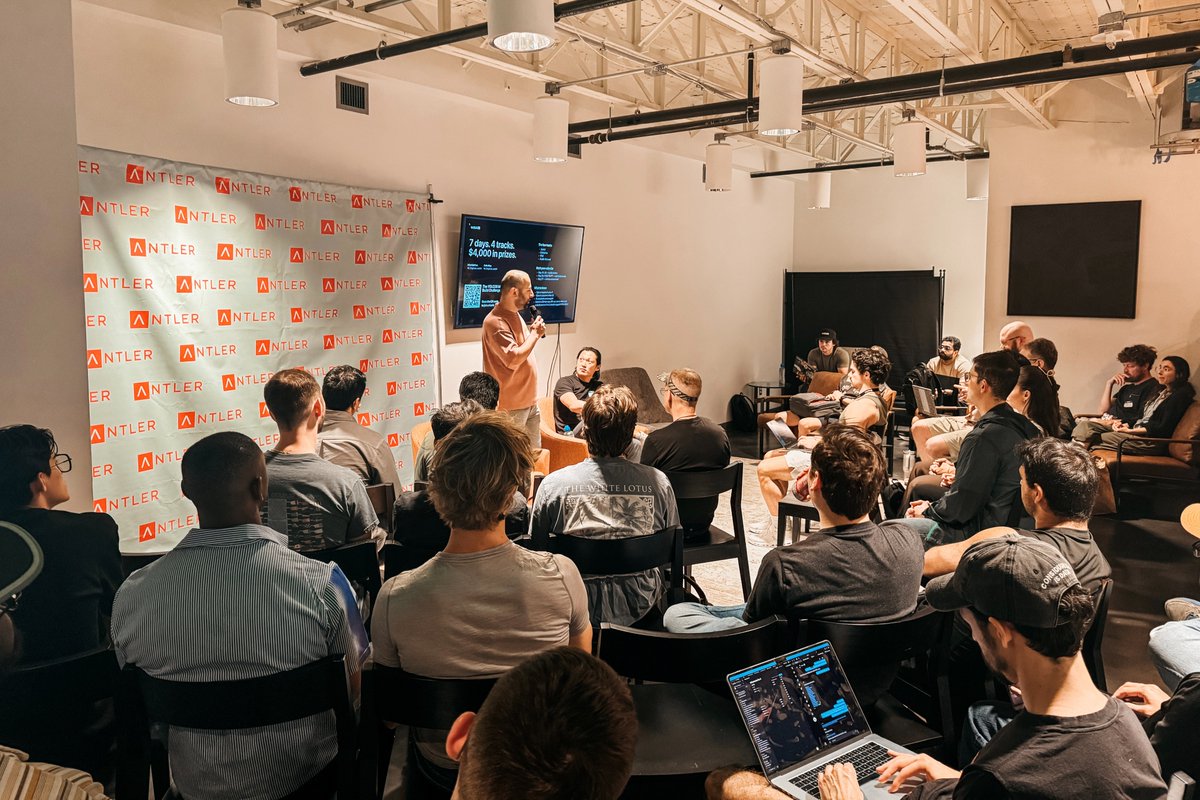
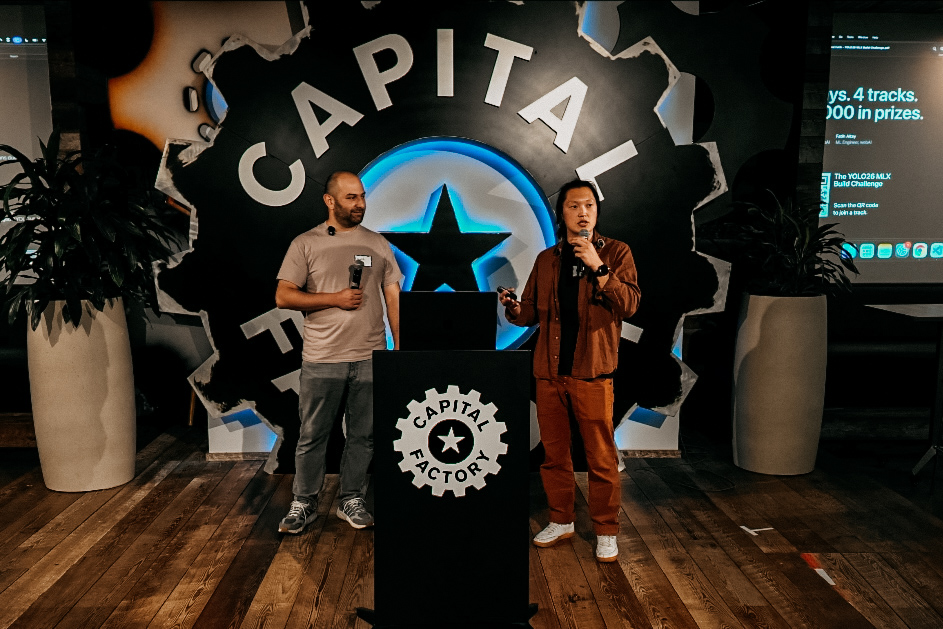
Our YOLO26 MLX Build Challenge kicked off this week.
Thanks to our co-hosts HackAI, AITX, and Antler for hosting us in Austin.
7 days. 4 tracks. $4,000 in prizes. Open to anyone in the US.
Submissions due Sunday May 24.
Full brief and how to enter: community.webai.com/t/the-yo…
1
6
160
webAI retweeted

May 20
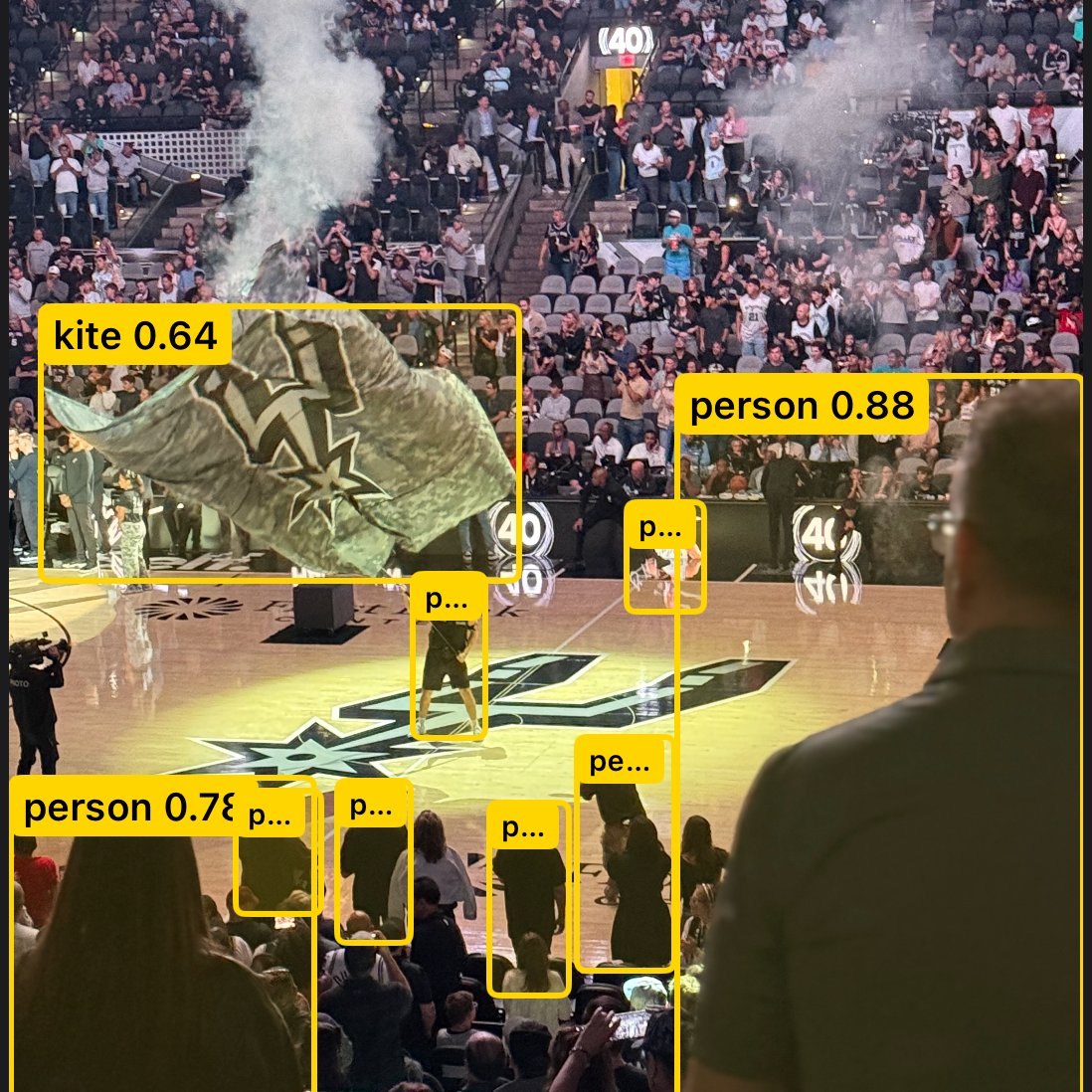
Side Quest: building/testing a Swift MLX iOS implementation for the @Webai YOLO26 MLX Challenge
iPhone 16 Pro Max live test:
- Live camera tracking overlays✅
- Still-image object detection✅
- On-device inference✅
- Early physical-device validation✅
Write-up coming soon
1
2
4
254
Our first open source build challenge starts Monday.
7 days. 4 tracks. $4K in prizes. Build something with YOLO26 MLX, our open source object detection model built for Apple Silicon.
Two kickoff events in Austin:
🗓 Mon 5/18 with Hack AI (Capital Factory): luma.com/io3nuky7
🗓 Tue 5/19 with @aitxcommunity @AntlerGlobal: luma.com/webai-yolo
Full brief and how to join: webai.discourse.group/t/the-…
1
2
8
263
Our President of Public Sector, Jason Rathje, was on CNBC's Morning Call this morning talking about the US/China AI arms race and what it's going to take for America to stay ahead.
He made the point that distributed AI and reducing dependence on centralized cloud infrastructure is not just a technical decision. It is a national security one.
Watch the full segment on CNBC: cnbc.com/video/2026/05/14/ja…
1
106


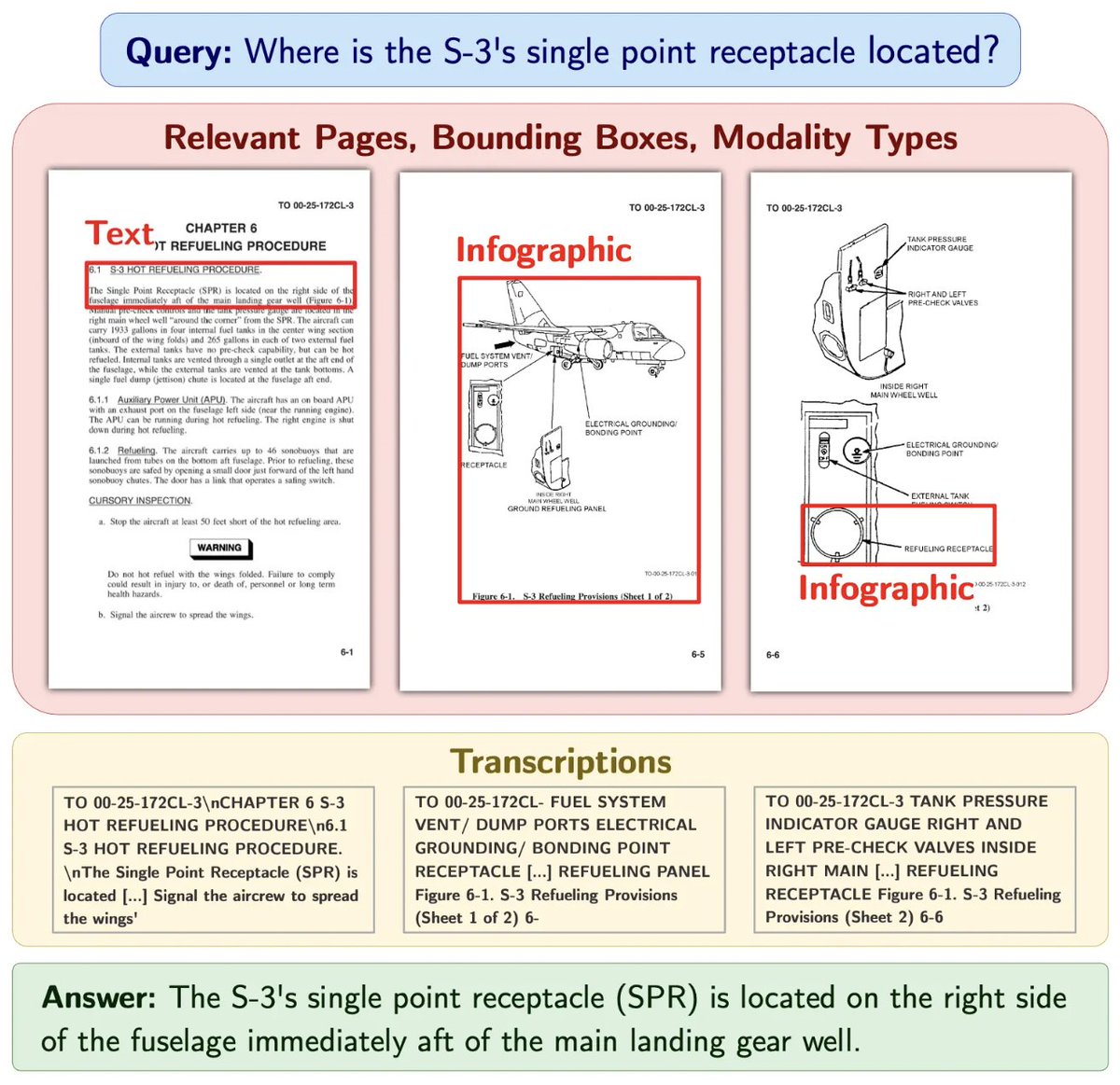
9/ That approach earned two of the top three spots on ViDoRe V3: heterogeneous data, targeted rebalancing, efficient adaptation, and an objective built for ranking quality.
We're open sourcing both models so anyone can build with them.
Blog: webai.com/blog/webai-colvec1…
Try both models on Hugging Face:
ColVec1-9B: huggingface.co/webAI-Officia…
ColVec1-4B: huggingface.co/webAI-Officia…
1
2
134
6/ For adaptation, we used LoRA (rank 32, alpha 32, dropout 0.1) on the Qwen 3.5 backbone plus a retrieval projection layer on top.
This gives us a lightweight way to specialize the model for retrieval without full fine-tuning. Trained on 8 A100s with an effective batch size of 512.
2
1
111
7/ Why batch size matters here: we use in-batch negatives.
For every query, its matched page is the positive. Every other page in the batch is a negative. With an effective batch size of 512, each query is learning against 511 competing document pages per step.
Larger batch = more negatives = stronger contrastive signal.
1
1
86