The Hague Initiative for International Co-operation
Joined January 2019
- Tweets 400
- Following 87
- Followers 236
- Likes 80
240 Photos and videos
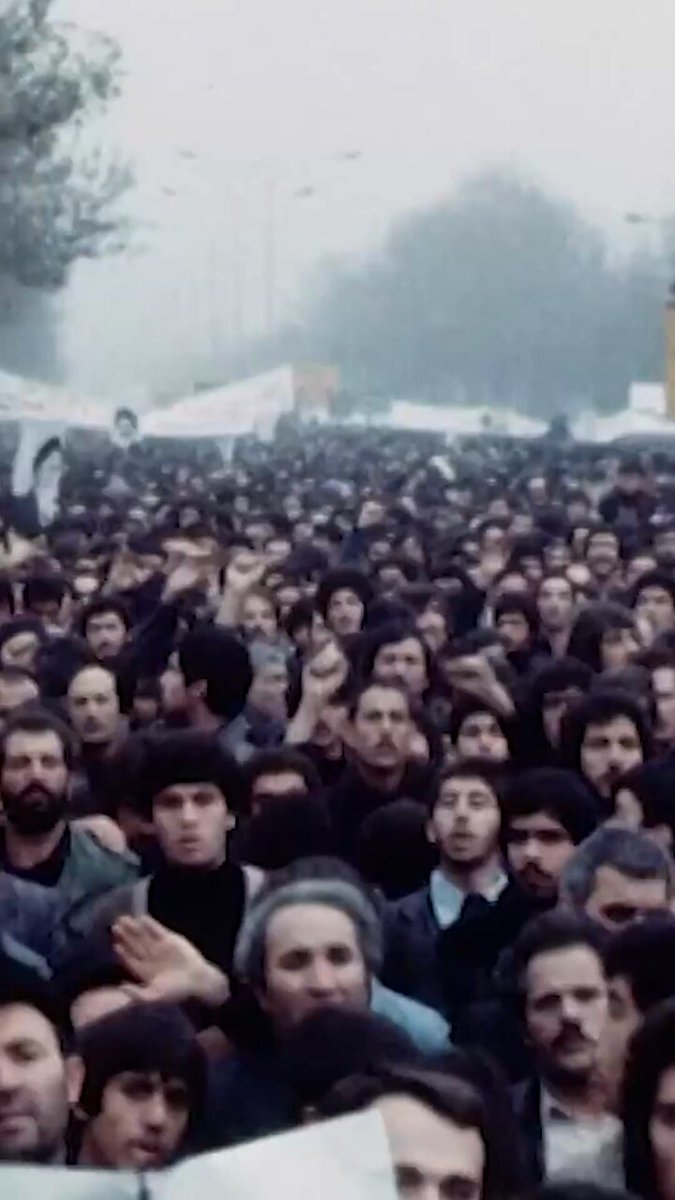
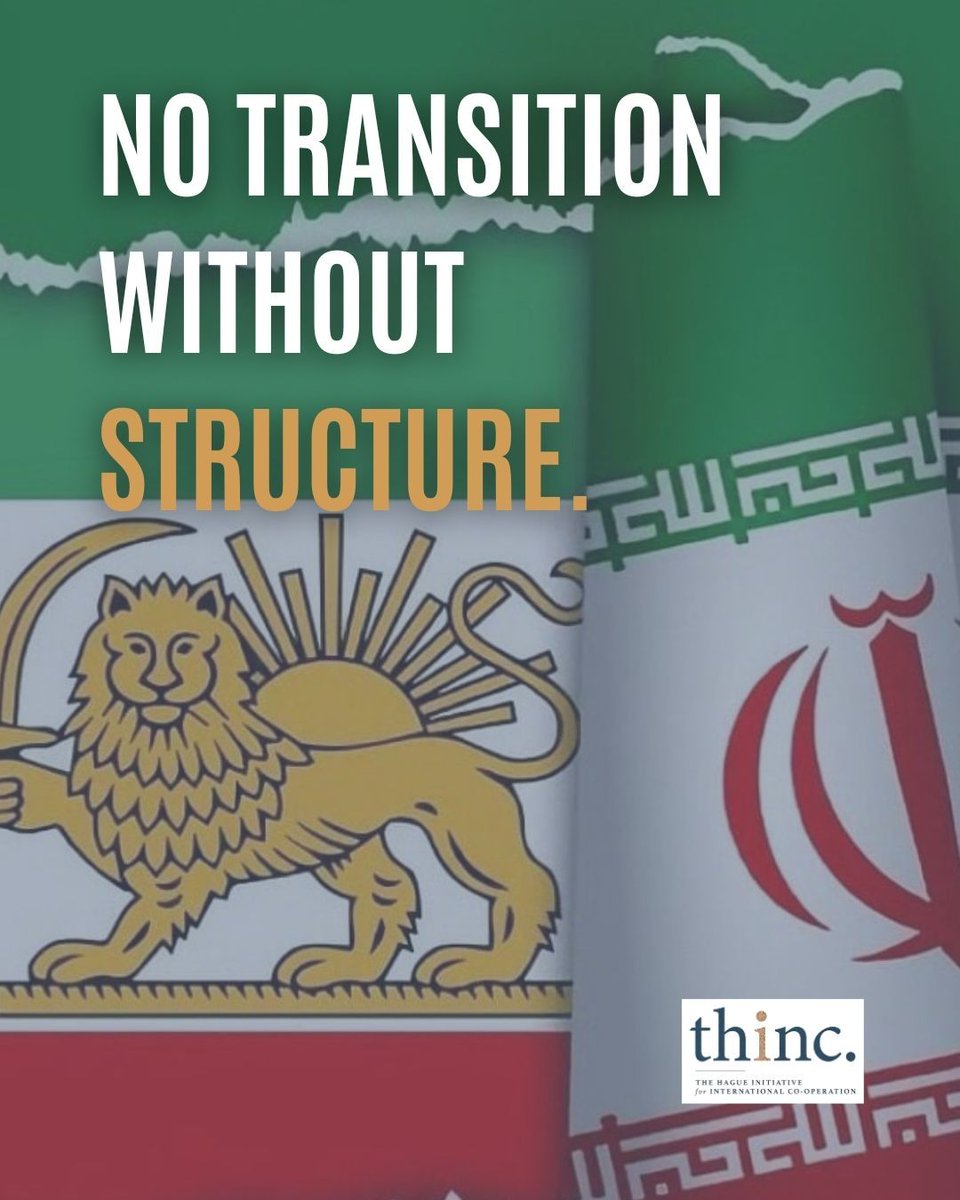


Iran’s transition must not become Iran’s collapse. The path to freedom must also protect national stability.
1
1
6

Jun 12
A democratic transition must be built before it begins. Read our brief on the future of Iran’s democracy at the following link: thinc-law.org/briefing-repor…
4
Jun 10
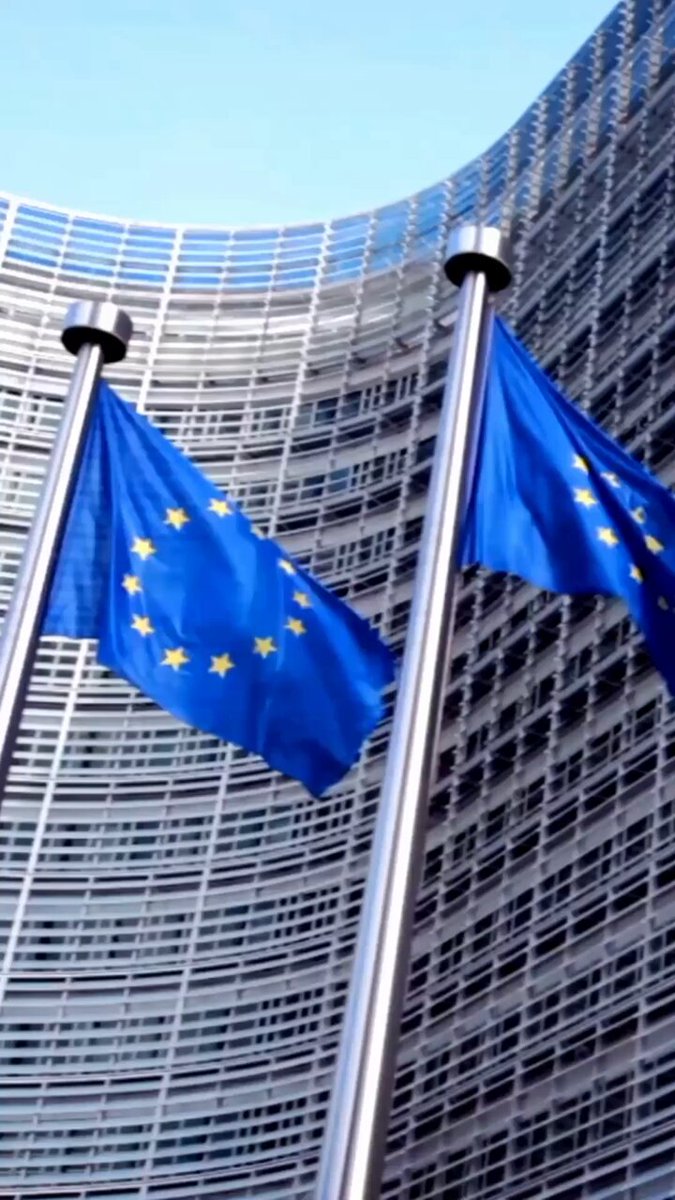
A political decision wearing legal clothing. Read more about the controversy surrounding the EU-Israel Association Agreement at the following link:
thinc-law.org/articles/suspe…
11
thinc.Hague retweeted

Antisemitism is an ancient viral hate - that mutates & creates ‘modern’ strains by latching onto the guiding social construct of each time.
Watch our CEO @CotlerWunsh at @thinchague's “Challenges to International Law in the Grey Zone" conference last month.
1
9
20
15,954
Jun 8
What happens when international law is applied selectively? As pressure grows around the EU-Israel Association Agreement, questions of consistency, credibility, and equal standards in EU trade policy are becoming harder to ignore. Read more: thinc-law.org/articles/suspe…
1
25
thinc.Hague retweeted

May 11
This whole episode reveals a much deeper problem. The leaders of Dutch universities have allowed their institutions to become places where those who do not share the keffiyeh-clad ideology of vocal antisemitic or anti-Zionist factions are silenced. When they try to speak, they are vilified, threatened and abused. This is the antithesis of scientific inquiry and academic freedom. It is time for the universities to protect adequately and equally the academic freedom and the physical and emotional safety of all their staff and students – including Jewish staff and students.
1
2
70
thinc.Hague retweeted
May 11
This event has been criticised as one-sided. It is definitely true that three of the speakers - Maj. Andrew Fox, Prof. Danny Orbach and Anne Herzberg - were presenting perspectives that challenge the mainstream view that already prejudges the outcome of the cases currently before the ICJ. Two of the speakers (Orbach and Herzberg) are Israeli. Nevertheless, each speaker was tasked with presenting his/her case from a rigourous academic perspective, and in our view they did so. In our view they did so. At the same time, the charged atmosphere had the result that some comments were made by some speakers that were emotive and subjective. That is unfortunate, but they can hardly be criticised for this given the aggressive atmosphere that was created by the university‘s own staff at this event. They were, quite simply, ambushed and attacked. That, and not their emotive reaction reactions, should be condemned. And that is exactly what the mainstream media so far (Parool, AD, NRC) have failed to do.
1
1
97
thinc.Hague retweeted
May 11
During the symposium a physical altercation occurred between professor de Boer and a visiting international law professor seated next to him. While the three agitators wearing keffiyehs and holding Palestinian flags, continued to interrupt the speaker and ignored the repeated pleas of the meeting chair to desist, the visiting professor turned to film them with his mobile phone. Dr Boer violently snatched the phone from the visiting professor’s hands. In pulling his phone back, the visiting professor accidentally knocked de Boer’s glasses from his face. The allegations in the Dutch media that he deliberately hit de Boer is manifestly false and malicious, as witnesses have confirmed.
1
1
70
thinc.Hague retweeted
May 11
These four VU academics had no intention of entering into a reasoned debate on these important issues. Rather, their goal was (in the case of the three keffiyeh-wearing academics) to disrupt the discussion and (in the case of de Boer) to verbally attack and physically intimidate the speakers.
1
1
60
thinc.Hague retweeted
May 11
At one point, Prof. Johannes de Boer got out of his seat and walked in an aggressive manner toward Major Fox during his presentation. He refused to sit down when asked to do so by the chair. His language and physical attitude towards Major Fox were violent and aggressive, contrary to professional academic standards. In a verbal tirade he challenged Fox’s evidence of the brutal atrocities committed by Hamas on 7 October.
1
1
50
thinc.Hague retweeted
May 11
The conduct of these four academics during the symposium was highly unprofessional and inappropriate. Three faculty members, including @JoramPach , wore Kafiyehs and displayed Palestinian flags in the lecture room and during the breaks in the coffee area. They were constantly and contemptuously mocking the speakers, making comments, rolling their eyes, smirking, etc. One of them displayed a Palestinian flag during Major Fox's presentation.
1
1
42
thinc.Hague retweeted
May 11
We understand that several non-invited VU academics – none of them experts in international law – contacted the Dean and expressed opposition to this “one-sided” event, insisting that they be allowed to attend. The Dean of the Faculty subsequently requested that the conference organisers invite them. Accordingly, they were invited to attend.
1
1
47
thinc.Hague retweeted
May 11
This was to be a legal, not a political, event. To that end, invitations were extended to a wide range of academics, primarily from the legal field, many of whom were known to hold opposing views. This included academics at the host university, the VU. Many invitees did not respond or declined to attend.
1
1
42
thinc.Hague retweeted
May 11
The purpose of the event was that the speakers would engage in a critical discussion of these important legal issues with their Dutch academic colleagues.
1
1
33
thinc.Hague retweeted
May 11
As organisers, we decided to focus on the following topics: the legal framework governing these ICJ cases; the need for the Court to take adequate cognisance of the challenges facing armies fighting terrorism in dense urban warfare; and the probative weight to be given to UN and NGO reports. The speakers were selected because they are international experts on these topics. Two of them were non-Israeli; the other two were Israeli. Their nationalities should be no barrier to the legitimacy of their views.
1
1
32
thinc.Hague retweeted
May 11
As an organisation specialising in this field, we considered this an excellent initiative and gladly agreed to assist the organisers to identify and engage appropriate speakers.
1
1
33
thinc.Hague retweeted
May 11
In all previous genocide cases at the ICJ, the Court was able to rely on the factual findings of other tribunals and focused instead on whether the relevant states had complied with their obligations to prevent and punish genocide. The ICJ was not established to function as a trial court, and arguably does not have the mechanisms in place in order to make findings of fact in complex armed conflict situations. The novelty of the cases currently before the Court raises important international legal and policy issues which, in our view, potentially have wide-reaching consequences for many states engaged in counter-terrorism operations and therefore require serious analysis by legal academics. As one of those cases concerns South Africa v Israel, it is inevitable that this case plays a central role in the analysis.
1
1
37
thinc.Hague retweeted
May 11
This is, of course, a highly relevant topic, given that two cases under the Convention are currently pending before the Court. Moreover, these cases raise legal and practical challenges with which the Court has never previously been confronted. For example, for the first time in its history, the highest UN court is being asked to make a factual and legal finding that a genocide has taken place.
1
1
36
thinc.Hague retweeted
May 11
Several months ago we were approached by a group of Jewish academics in the Netherlands who feel deeply hurt by their marginalisation at Dutch universities. They wished to organise an academic event at the Vrije Universiteit (VU) in Amsterdam addressing the role of the International Court of Justice under the 1948 Genocide Convention.
1
1
67
thinc.Hague retweeted
May 11
This is highly problematic in any country, but it is especially poignant in the Netherlands, where, under Nazi occupation, the Jewish population was almost entirely eradicated only eighty years ago, with the explicit or tacit support of many Dutch institutions, including universities.
1
1
53