
political economy (ecology) of various things.
Joined September 2008
- Tweets 7,054
- Following 1,393
- Followers 1,639
- Likes 5,072
311 Photos and videos


Pinned Tweet
I spent the last few weeks reading the emerging literature on LLM use in higher education and reviewing AI policies from universities across the world.
Based on that exercise, I outline six principles that could help universities develop more effective and educationally meaningful AI policies.
#ArtificialIntelligence #HigherEducation #AIPolicy #GenerativeAI #Universities
1
1
636
Rohith Jyothish retweeted

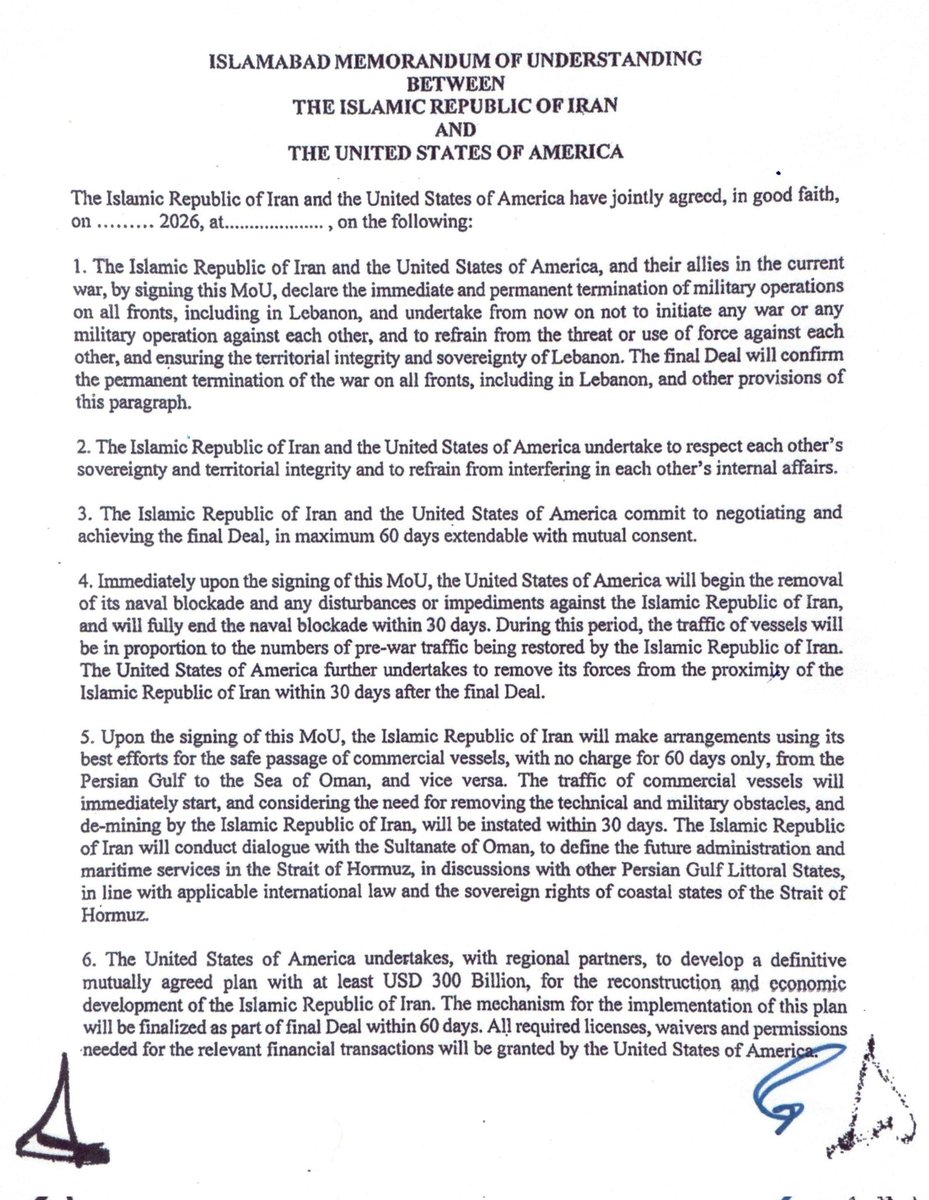
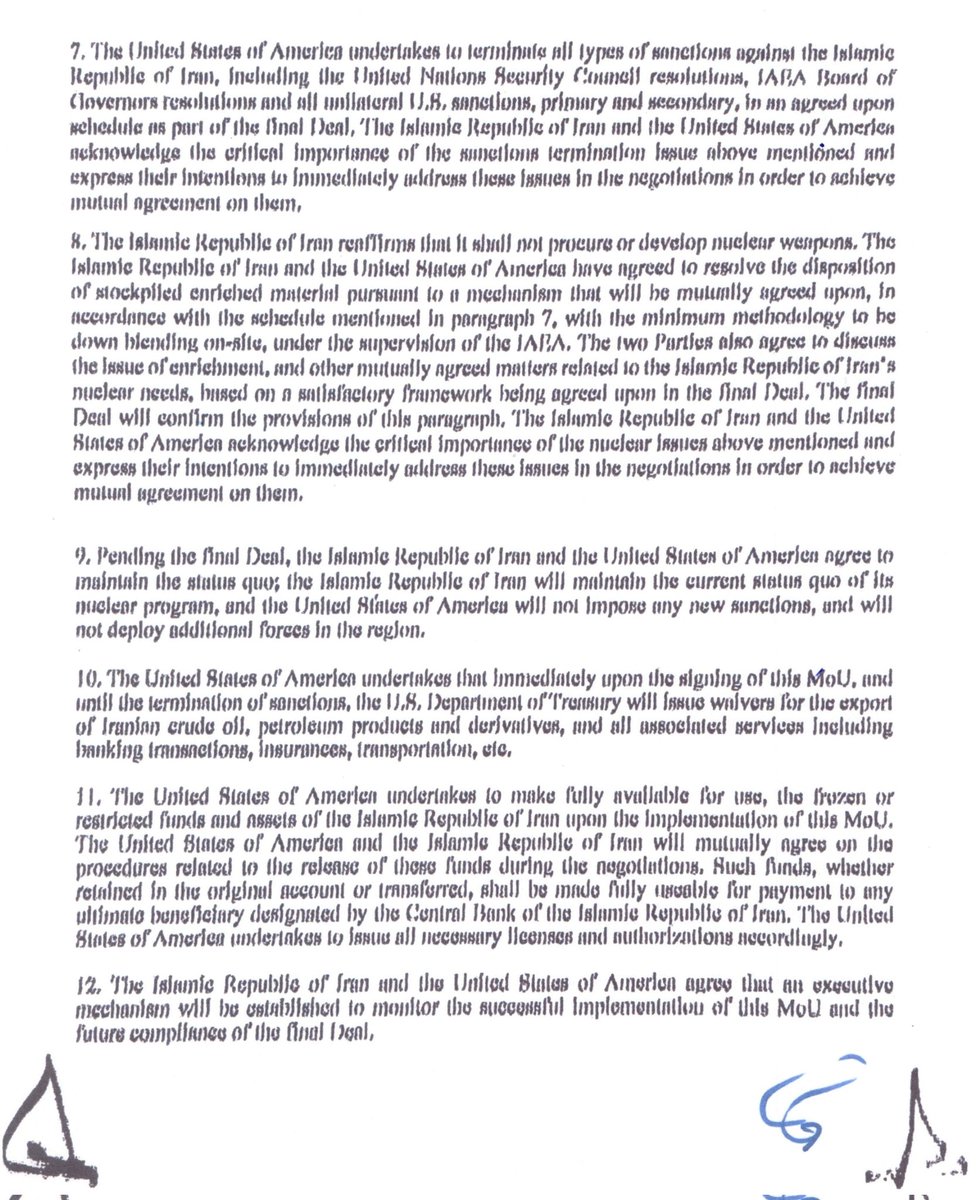
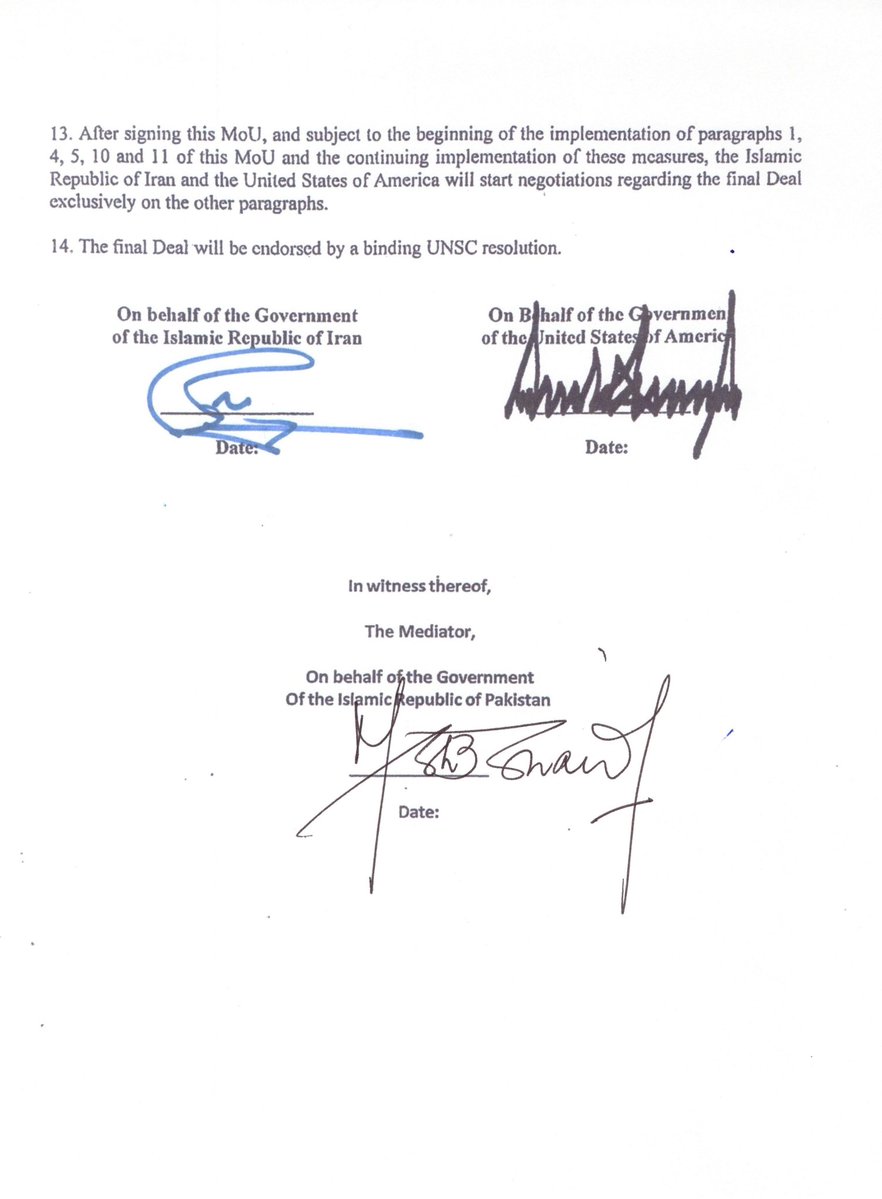
Iranian side releases the Iran, US MoU. Sanctions on Iran oil to be removed.
43
284
1,809
149,778
Rohith Jyothish retweeted

10h
White phosphorus.
Cluster bombs.
Cancer-causing toxic chemicals.
Israel is not only bombing and killing civilians in South Lebanon and Gaza — it is deliberately poisoning the land itself, making it unsafe for generations to come.
5
76
178
5,244
Rohith Jyothish retweeted

Jun 17
breaking: the university of chicago to start executing graduate students in the humanities
47
255
4,107
178,972
Rohith Jyothish retweeted

Jun 17
There’s also nothing about Israel or the US’s ballistic missiles, support for proxy forces or nuclear energy programs. Why do nominal liberals insist upon scandalizing routine things western countries have when it’s Iran that has them? Why is everyone a strategist for empire?
Jun 17

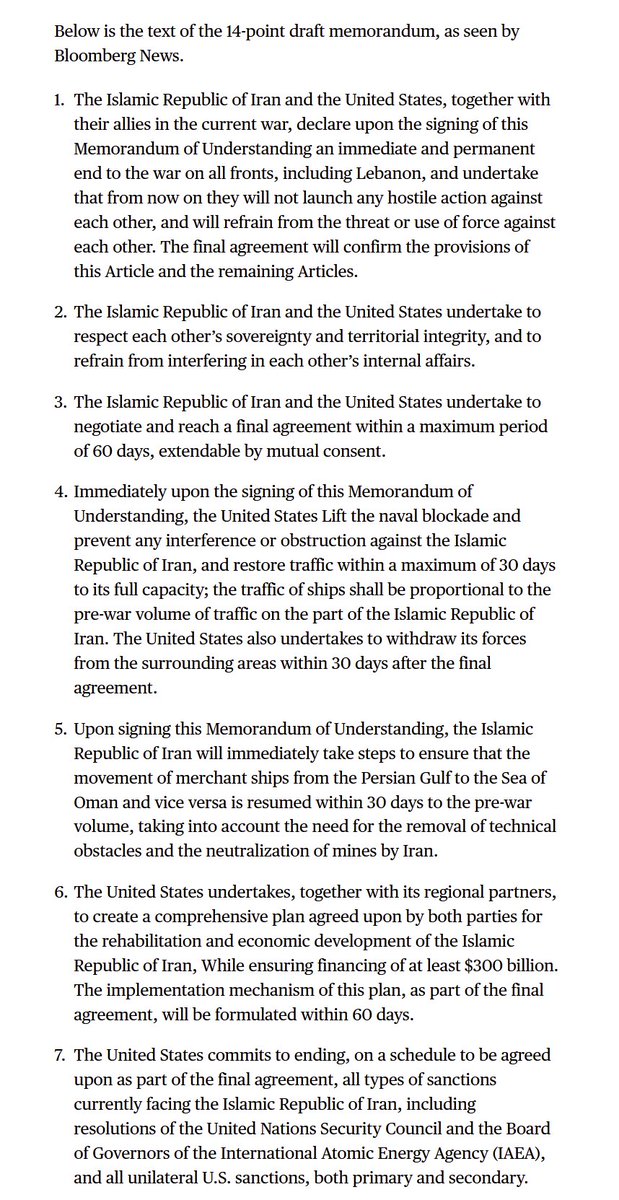
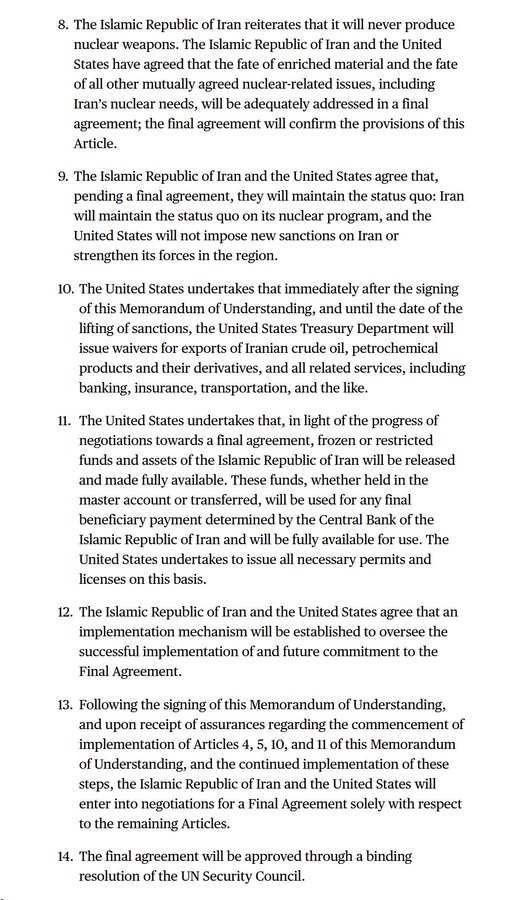
The apparent text of Trump's deal with Iran reflects his weak negotiating position after his counterproductive war of choice -- nothing barring fees for ships passing through the Strait of Hormuz, key nuclear issues kicked down the road for later negotiations, nothing on Iran's ballistic missiles or its support for proxy forces, immediate lifting of US restrictions on Iran oil exports, no clear conditions on Iran's access to its frozen funds.
10
87
504
17,316
RT @mayamikdashi: Every time Trump states that Israel is killing too many people & destroying too much in Lebanon I can't help but think ho…
58
Rohith Jyothish retweeted

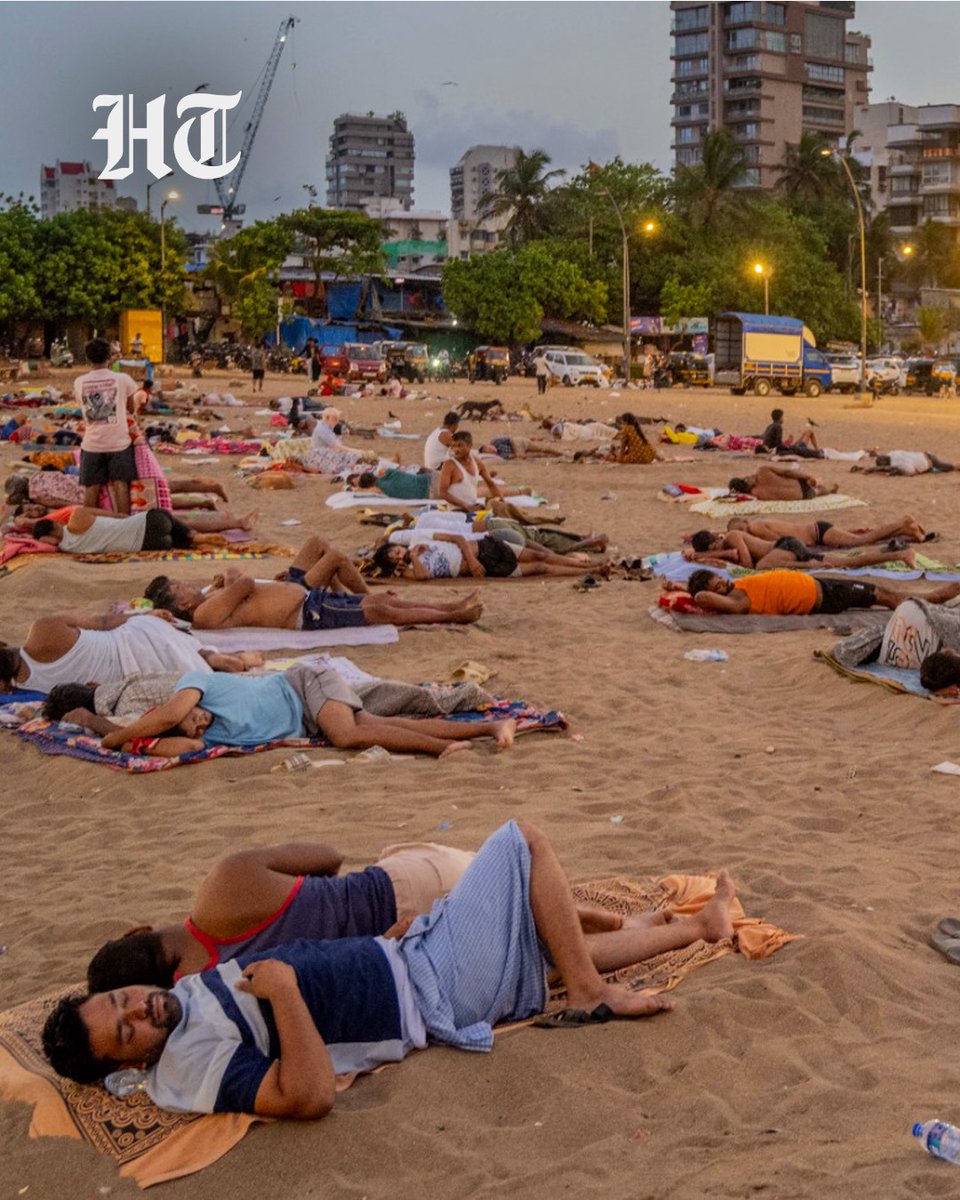
These photos truly capture Maharashtra's current development model.
Unprecedented heat levels forcing citizens to sleep on beaches. No State intervention. But in the backdrop, you can see a coastal road being constructed for 20,000 crores, after chopping off 45,000 mangroves.
Jun 17

#InPhotos: Residents from slum settlements near the Versova coastline spend the night on Versova Beach in Mumbai to escape intense heat and frequent power outages, returning home the next morning.
Stay updated with all the stories that matter — download the Hindustan Times App
(Photos: Satish Bate/HT)

61
797
2,427
75,654
Rohith Jyothish retweeted

Unfortunately, much of the Indian media treated the joke as a solemn U.S. pledge to defend India. No wonder American leaders have become skilled at stroking India’s collective ego — or that of its prime minister.

WATCH: President Trump cracks a joke about America's commitment to defending India as long as Prime Minister Narendra Modi is still leading the country:
REPORTER: "Can you speak to the defense relationship between India and the United States?"
TRUMP: "If anybody attacks that man, we're going to be there. Now if there's a new leader, I'm not sure about it."
"If they're attacked and he's the leader, we're going to be there to help."
184
582
1,931
102,372
Rohith Jyothish retweeted

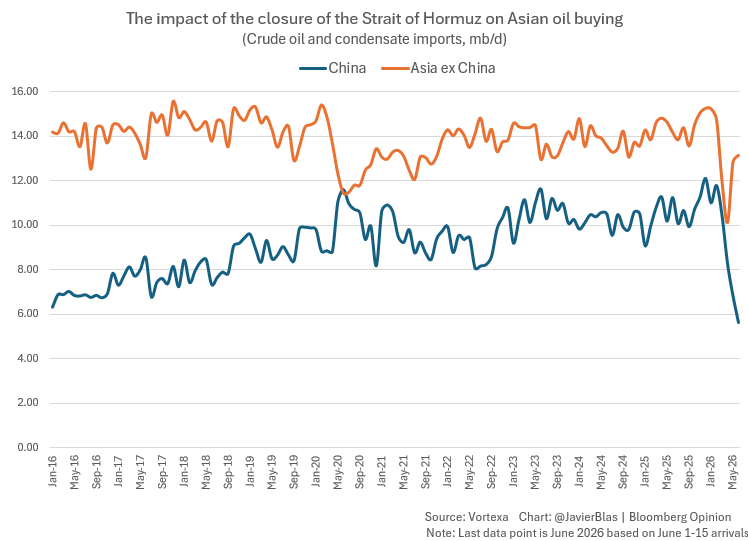
The most common critique to my view that Beijing played a fundamental role in stabilizing the oil market says China’s oil imports simply fell along with imports by every other country in Asia because Hormuz was closed. I disagree. The critique appears to be based on import data up to April, which misses the huge recovery in Asia ex-China oil imports in May (and accelerating in June-to-date data). One example: after a large drop in March and April, India's crude imports in May 2026 were HIGHER than in May 2025.
Yes, initially oil imports everywhere in Asia – including China - fell, but most countries actively sought to replace SoH barrels, reversing the trend (May, June-to-date). China, for whatever reason, decided not to bid up the market to replace the barrels it lost at all. Actually, Beijing did the opposite: it re-sold large amounts of West Africa and Latam barrels it had procured in Mar and early Apr, rather than importing them itself in May and Jun. Below is my chart/analysis based on Vortexa data. I’m not saying that China was benevolent; we don’t know the reasons why Beijing did what it did, and many of the potential explanations are far from benevolent. But the data clearly shows that from mid-April onward, China played a big role in stabilizing the global oil market.
(Note that if rather than using actual June 1-15 arrivals, I had used the estimate for the full month, based on tanker arrivals expectations, Chinese import volume would be even lower, and Asia ex-China would be higher at >14m b/d. I preferred to use the most conservative -- and negative to my own view -- data available).
Jun 16

Disagree on this. China's oil imports fell because the Strait of Hormuz was closed. China's imports fell along with imports by every other country in Asia. This is a total red herring and it's important to be clear on that. China did not play some benevolent stabilizing role...
28
82
353
88,417
Rohith Jyothish retweeted

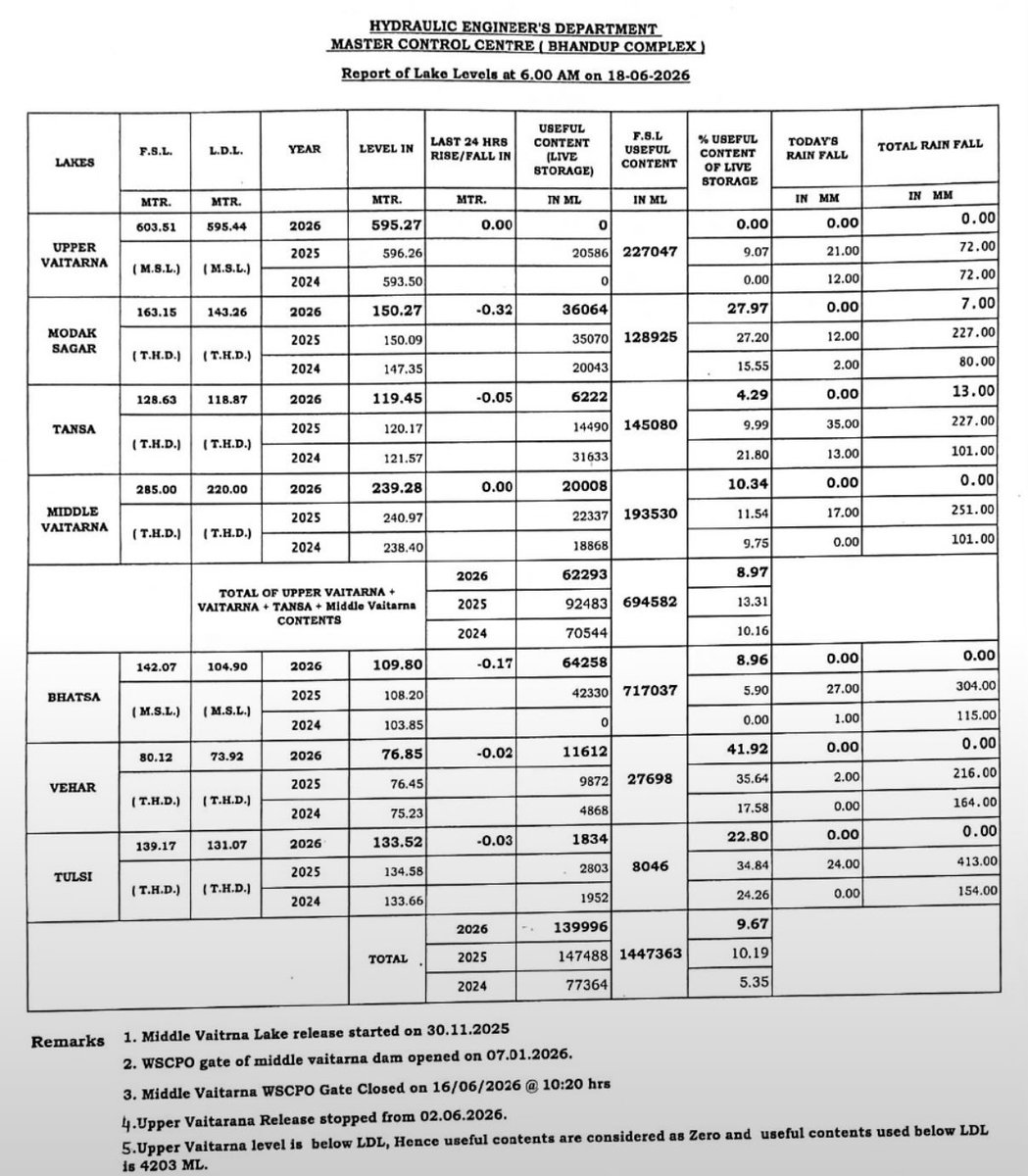
Water stocks in lakes supplying to Mumbai have dropped below 10%.
12
52
157
8,233
Rohith Jyothish retweeted

LOP @RahulGandhi asks the right questions at the Kota Rally: why do the competitive exams set us up for failure? Why has public education declined so sharply and why is private education so expensive?
Jun 17

भारत की शिक्षा व्यवस्था आज सिर्फ़ एक वसूली तंत्र बन गई है।
ज़रा सोचिए - देशभर के परिवार जितना पैसा सिर्फ़ NEET की तैयारी पर ख़र्च करते हैं, वो भारत सरकार के पूरे शिक्षा बजट के बराबर है।
आज कोटा से, और देश के हर कोने से, लाखों युवा एक सुर में कह रहे हैं - इस व्यवस्था ने हमारे साथ अन्याय किया है।
हर युवा अलग है, पर सबकी कहानी एक - या तो सपने देखने नहीं दिए गए, या देखे हुए सपने तोड़ दिए गए।
‘छात्रों की गूंज’ सिर्फ़ अभियान नहीं - एक क्रांति है। हमें एक ऐसी व्यवस्था बनानी है जो आपको बड़े सपने देखने का हक़ दे और आपकी ज़िंदगी गिरवी रखे बिना, उन्हें पूरा करने में आपका साथ दे।
#ChhatronKiGoonj
2
3
169
Rohith Jyothish retweeted

Journalist @AnantGuptaAG spoke to the lawyers behind a campaign to get IDF soldiers, accused of war crimes in Gaza, arrested, in other countries. The complaint is legally sound, they do not expect GoI to act on it, given the warm ties b/w Delhi & Tel Aviv| scroll.in/article/1093627/ho…
7
4
654



Jun 17
Croatia are technically winning because set piece goals don’t count
1
43

Jun 17
In the absence of the Nigeria green, might have to consider DR Congo blue.
1
98
Rohith Jyothish retweeted

Jun 17
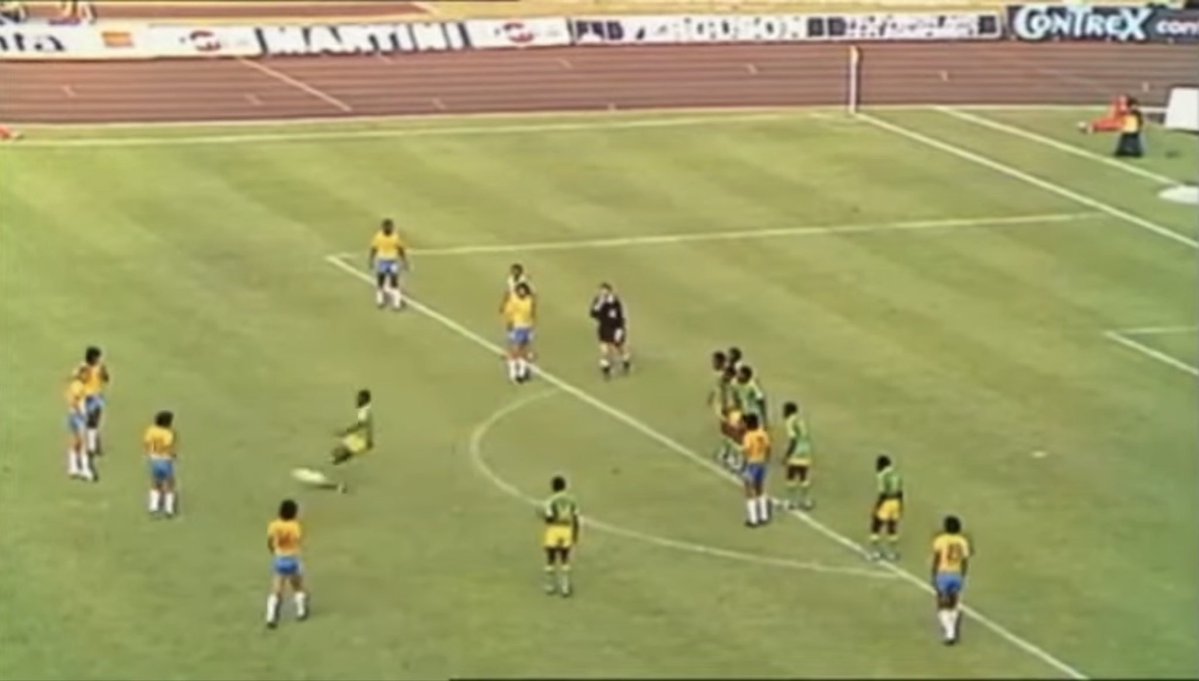
The World Cup’s previous memory of DR Congo/Zaire is Mwepu Ilunga booting the ball away in 1974.
The real reason he did it depends on when you asked him.
It was a protest, or frustration, or trying to get sent off, or an attempt to avoid getting killed.
nytimes.com/athletic/7345338…
5
30
16,754