Currency Trader / Coach/ Mentor Here to help you be better at what you do. 15 yrs Experience.
Joined November 2011
- Tweets 16,738
- Following 73
- Followers 8,461
- Likes 10,823
3,359 Photos and videos
Pinned Tweet

Jun 12
"Come to the market looking for your trade.
Don't come to the market looking for a trade."
Only one word is different. Do you understand?
5
277
Jun 13
Well deserved.
Jun 12

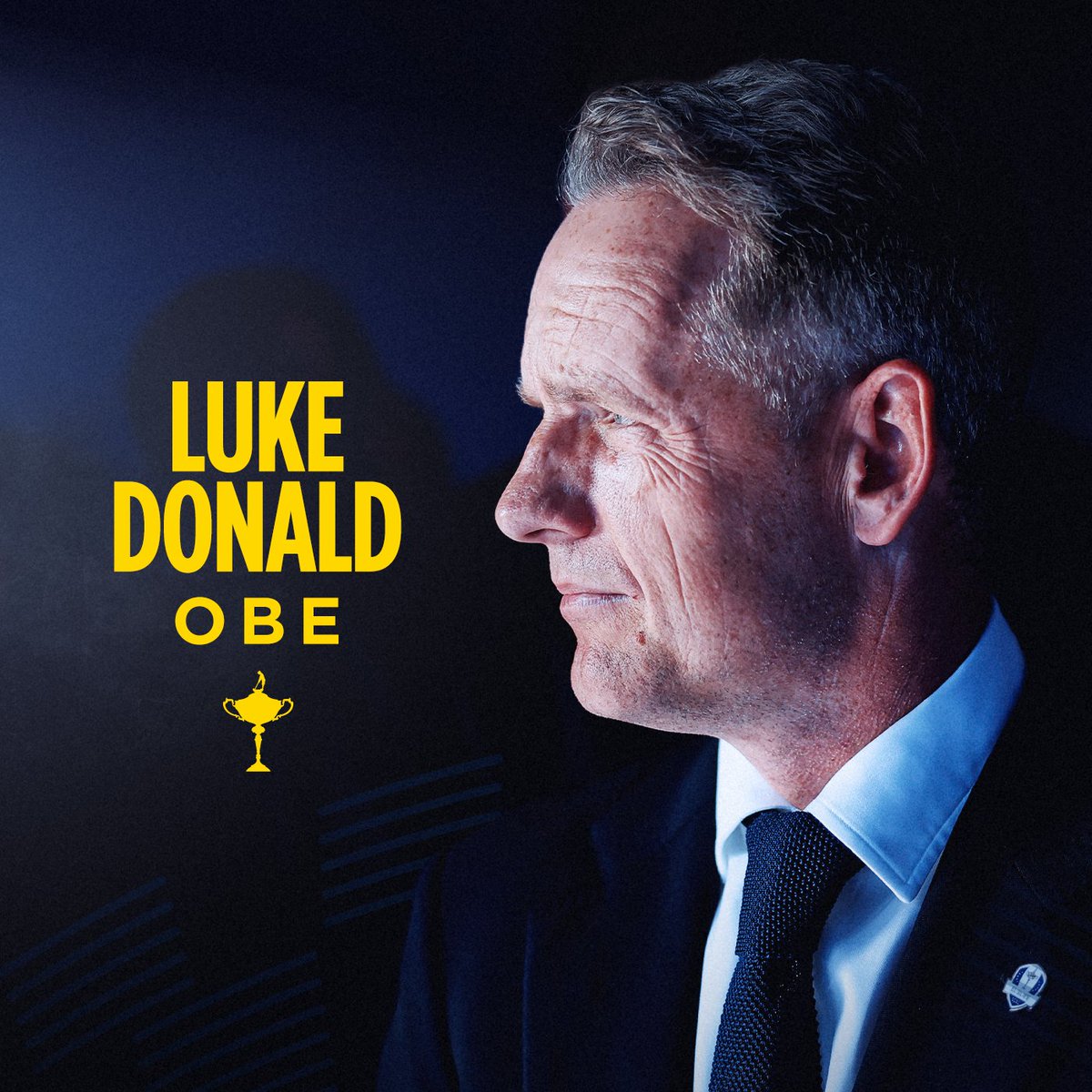
Luke Campbell Donald OBE 🎖️
Our Captain has been made an Officer of the Order of the British Empire in the King's Birthday Honours List for services to golf 👏
1
228
Jun 12
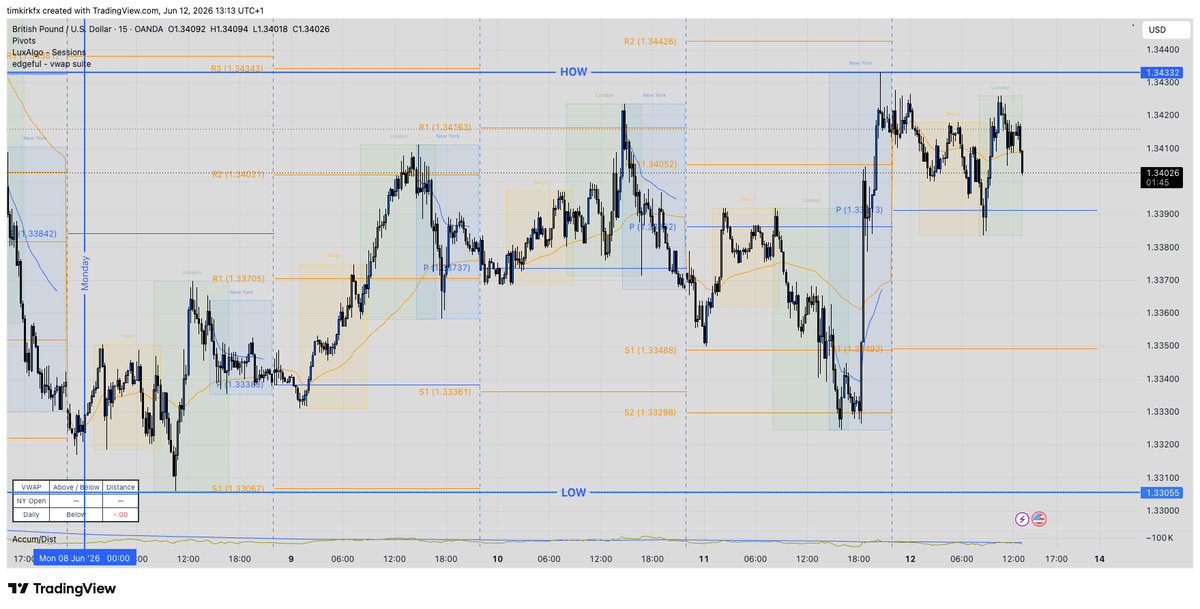
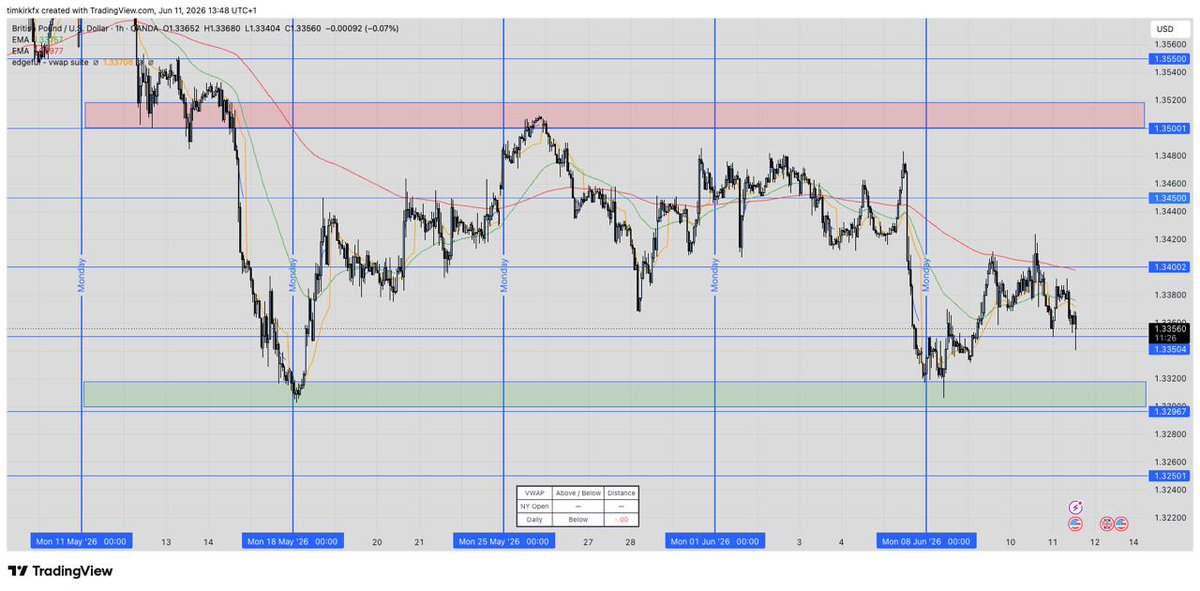
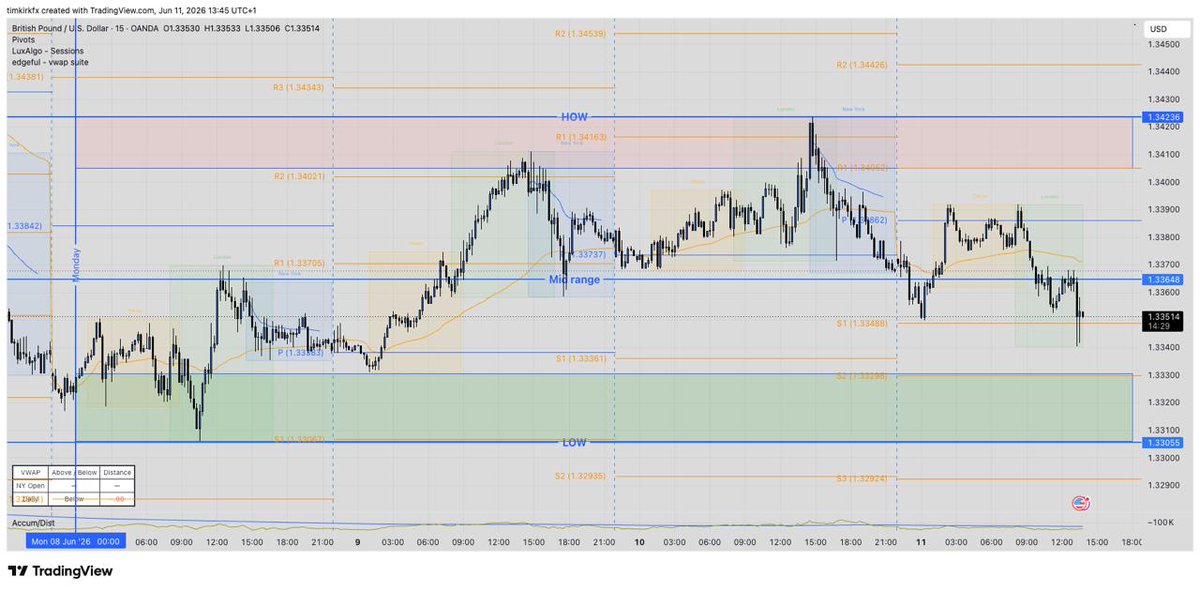
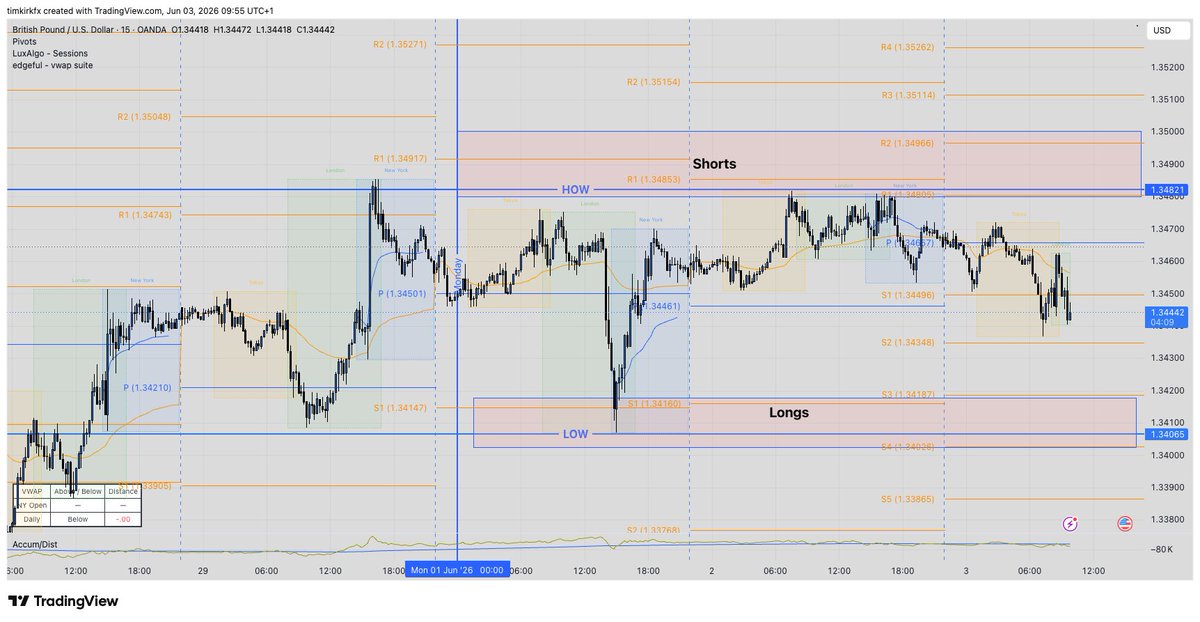
#cable - price back up at highs, sells here for now.
I don't see Trump getting up early to tweet, seeing as he's already made his announcement to move his trades in the right direction.
Oh, PS, there are other intruments to trade other than Bitcoin 😃
229
Jun 11
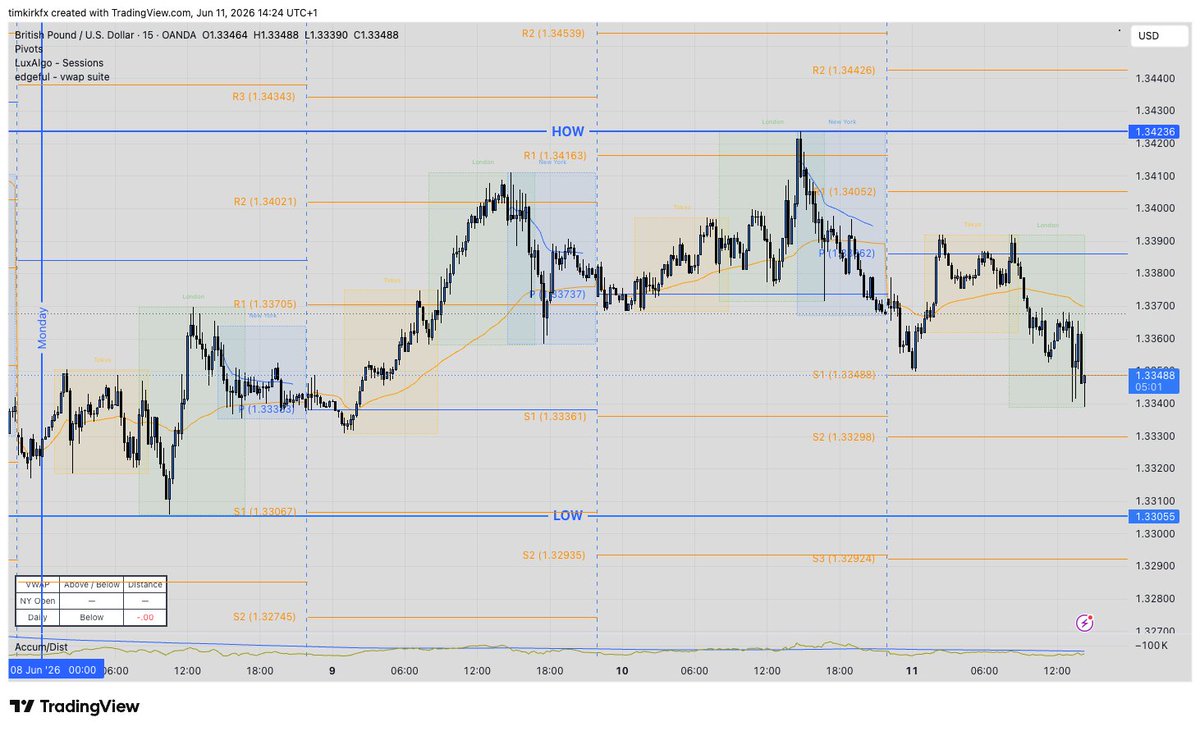
Look left - gives you the evidence.
Swing trades you may get a few misses along the way, but soon enough you'll get a move....
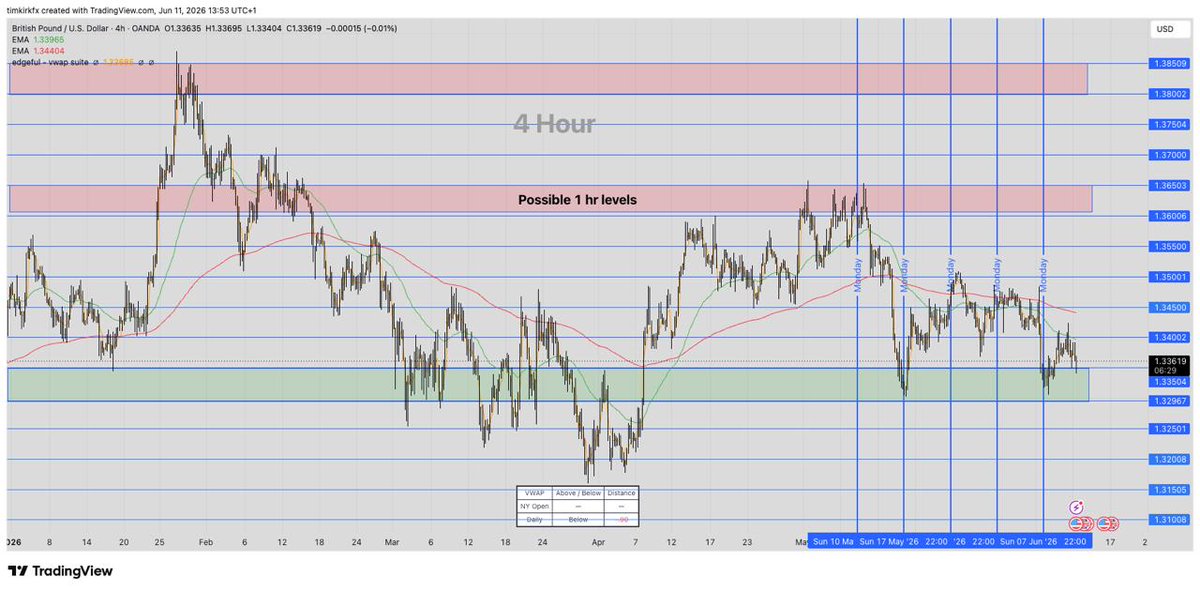
4 Hr
1
221
Jun 11
Any time frame - if you want to wait, price will get there eventually, ride it with managed SL
1 Hour
156
Jun 11
This is a great post. Read all of it. Interesting point, and one I agree. Once you've got your edge, and discipline in check as best you can, then move forward. Starting with your own live account, will pay dividends in the long run

I often get asked by prospective clients whether they should be learning trading at online proper firms, and taking their challenges.
My response is to try and steer them away from these routes.
Whilst I accept that these are valid businesses, and become an opportunity to learn trading 'on the cheap' relatively speaking, I have my issues with them.
The first concert is the pass rate reality:
Most estimates suggest that somewhere between 5% and 15% of people who attempt prop firm challenges actually pass and get funded, and of those, a significant proportion either blow the funded account or get cut off before making meaningful withdrawals. - Independent researchers and journalists who' ve looked at the payout data from some of the larger firms suggest that the vast majority of revenue comes from challenge fees, not from paying out profitable traders. - That is a red flag.
Nonetheless the question becomes are they a good place to learn?
In my view, mostly no: The challenge format creates a very specific psychological distortion. You are not learning to trade well over time, you are learning to pass a test. - And the test has very clearly defined criteria that they specify. This doesnt allow you to evolve as a trader to what suits you best, and warps your behaviour. It often also encourages traders to be either overly cautious early on, then take outsized risk near a deadline. It also forced them to run a strategy optimised for the rules rather than for real and evolving market conditions. - Neither of those habits transfers well to genuine trading.
Then there is the gamification problem!
The challenge format, the leaderboards, the "get funded fast" messaging, the social media culture around it, all of that does 'gamify the experience'. This attracts people drawn to the idea of trading more than to the idea of building a practice which builds the sort of discipline need to thrive and survive, within the realities and practicalities of a rapidly evolve ng and emergent situations and contexts. - There is not one size fits all in trading. - And the business model, when examined closely, relies on that. If most participants passed and got paid, the model would collapse.
Do they have some legitimate value!
There are a few things that can be useful. Having real rules around drawdown forces some traders to confront risk management in a way they might avoid with their own small account. And for someone who genuinely cannot access capital any other way, a well-structured funded account from a 'reputable firm' is at least something, as opposed to nothing.
What about those who succeed and become well known?
There are some, but form what I know of these, they did not learn trading on the prop firm systems, they were people who had already learned trading and were competent, and were essentially using the structure as a capital source rather than a training ground. Playing lots of different firms and finding the ones that best worked for them.
In addition there is a lottery aspect. - There are always a few winners, this is the same with the online props firms. The winners get vast publicity and vicinity as they become marketing and PR tools for the firms. -But these are outliers, lottery ticket winners, extremely rare and their success distorts the reality.
The bottom line - my view.
They are not a substitute for learning and developing as a trader through trial and experience in the real markets. - This is a process which takes many years beyond the learning the baseline technical aspects. - Trading is a highly a performance skill, as with all performance type activities, such as sport, music, drama, the learning and the the time to success is measured in years not months. - For most people online prop firms are an expensive lesson where they are likely to burn through challenge fees and reinforce bad habits under pressure.
2
307
Jun 9
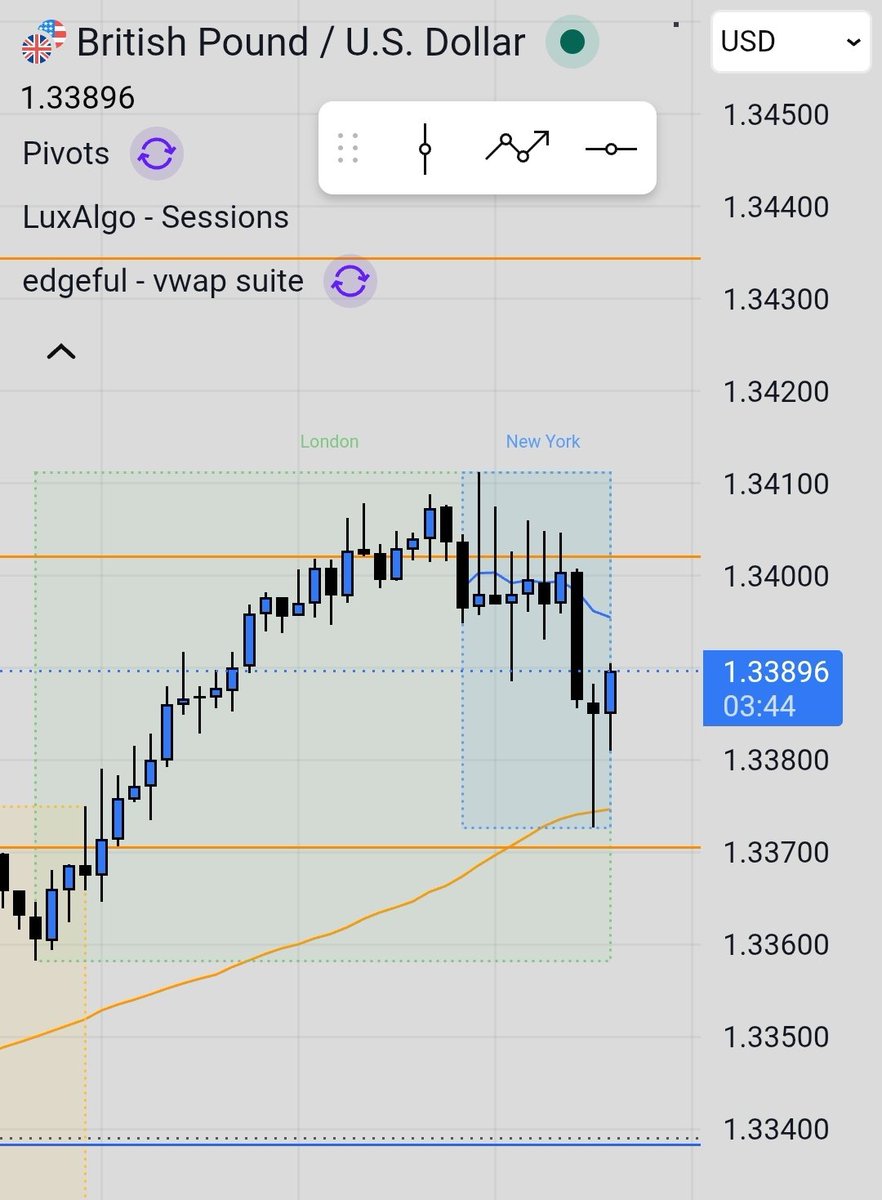
Been on coaching calls last three hrs.
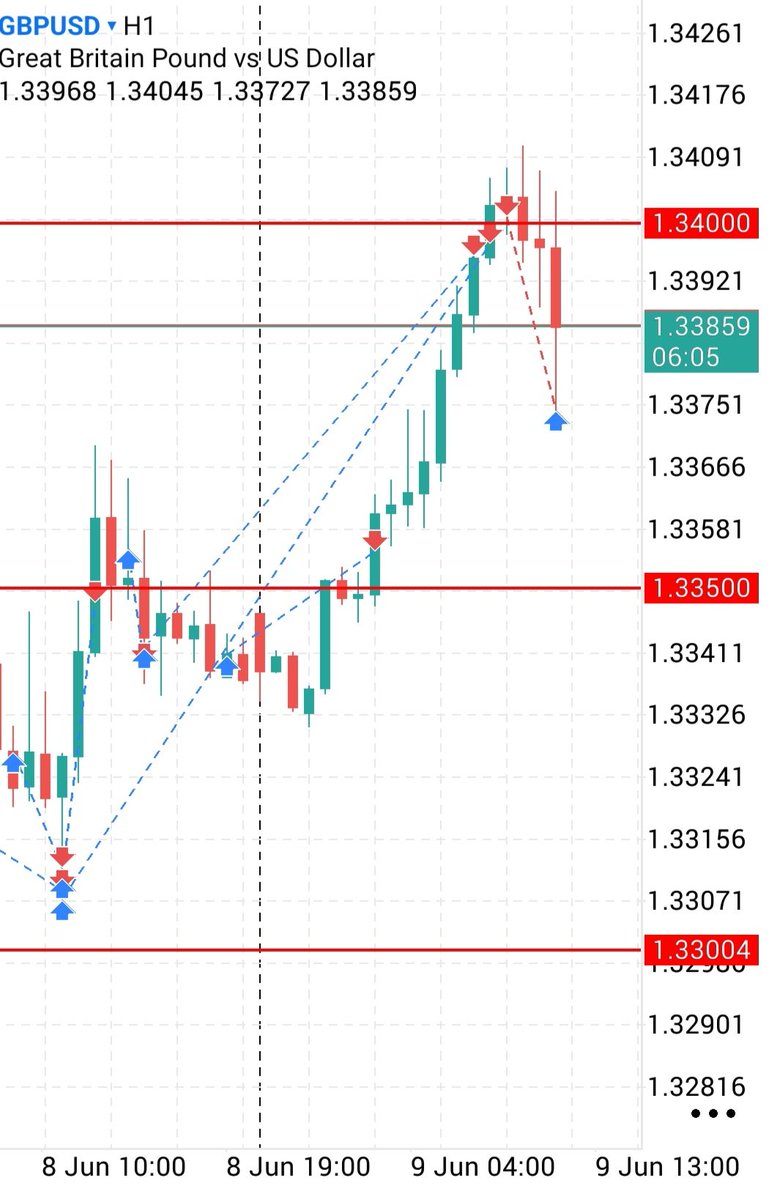
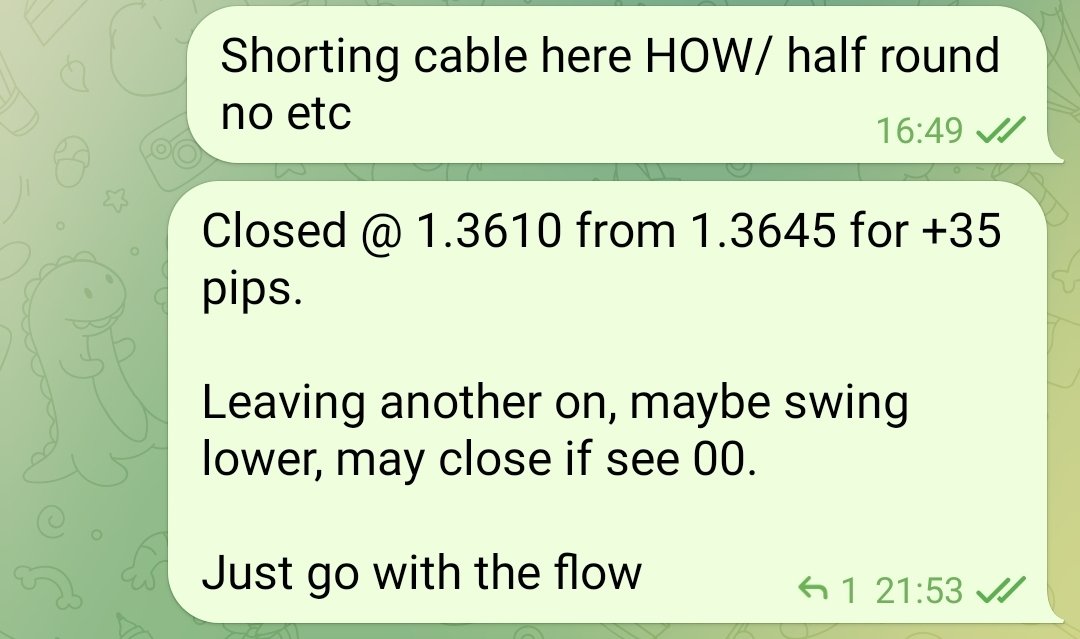
1hr showed us short entry, round No.
Didn't see an overshoot like I'd have liked but after a nice collection of indecision candles price dropped. Looks like it wants higher. So closed at pivot
1
219
Jun 9
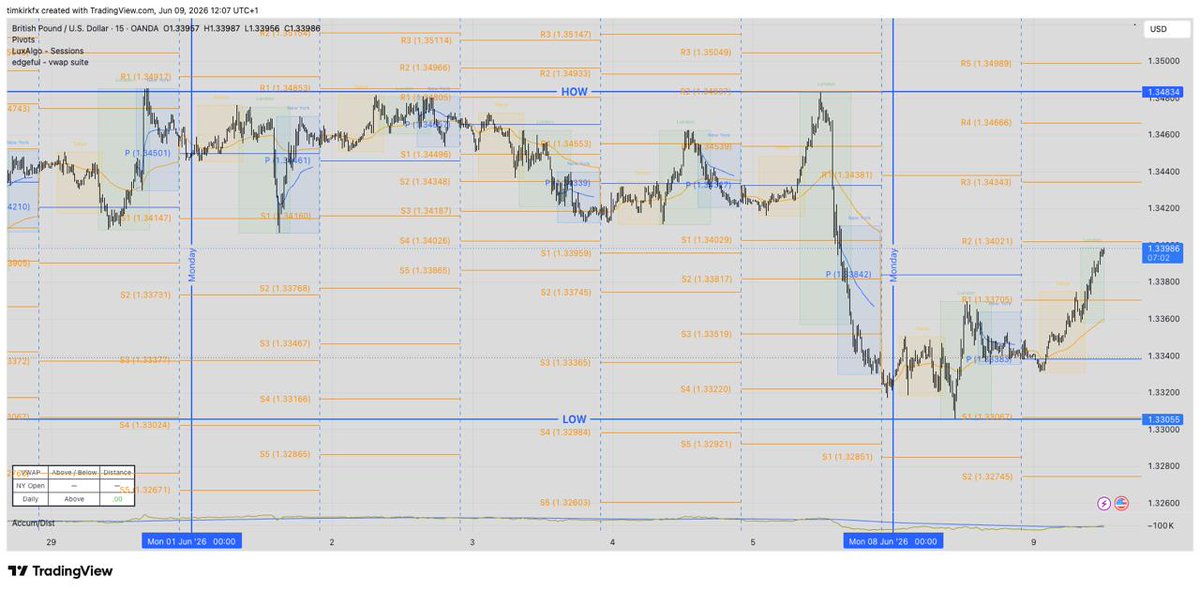
#Cable - Mixed time frames - longs were taken from last week lows in the group, currently midrange, so price really could go either way. Also cognitive bias is in play for me right now - which is always a hazard
If I was going to short I'd want to see an over shoot of round number, a clear change in sentiment with candle formations, also incorporating higher time frames for conf
7
282
Jun 5
"there's no reason why it shouldn't keep adjusting up"
Thats the quote of the week that!!! ⬇️⬇️⬇️
Jun 4

MICHAEL SAYLOR SAID, “WE’RE BUYING IT TO HOLD IT 100 YEARS. THAT $66K TO $16K CRASH…THAT SHOOK OUT THE TOURISTS. THAT SHOOK OUT THE NON-BELIEVERS.’’
‘‘WHEN BITCOIN WAS 16K, WE WERE ALL READY TO RIDE IT TO ZERO.”
LEGEND
1
2
350
Jun 4
Remember.
Focus on your own game. What others do or say is non of your business. Stick to your plan, and work each and every day.
If your plan isn't working, ask for help, could save you years in the long run.
1
2
280
Jun 3
Keep it simple. honestly, its as simple as that
Took shorts beginning of week, now we see what happens more news later and other hot air to mix it up,
So lets wait - can you do that?
3
260
Jun 1
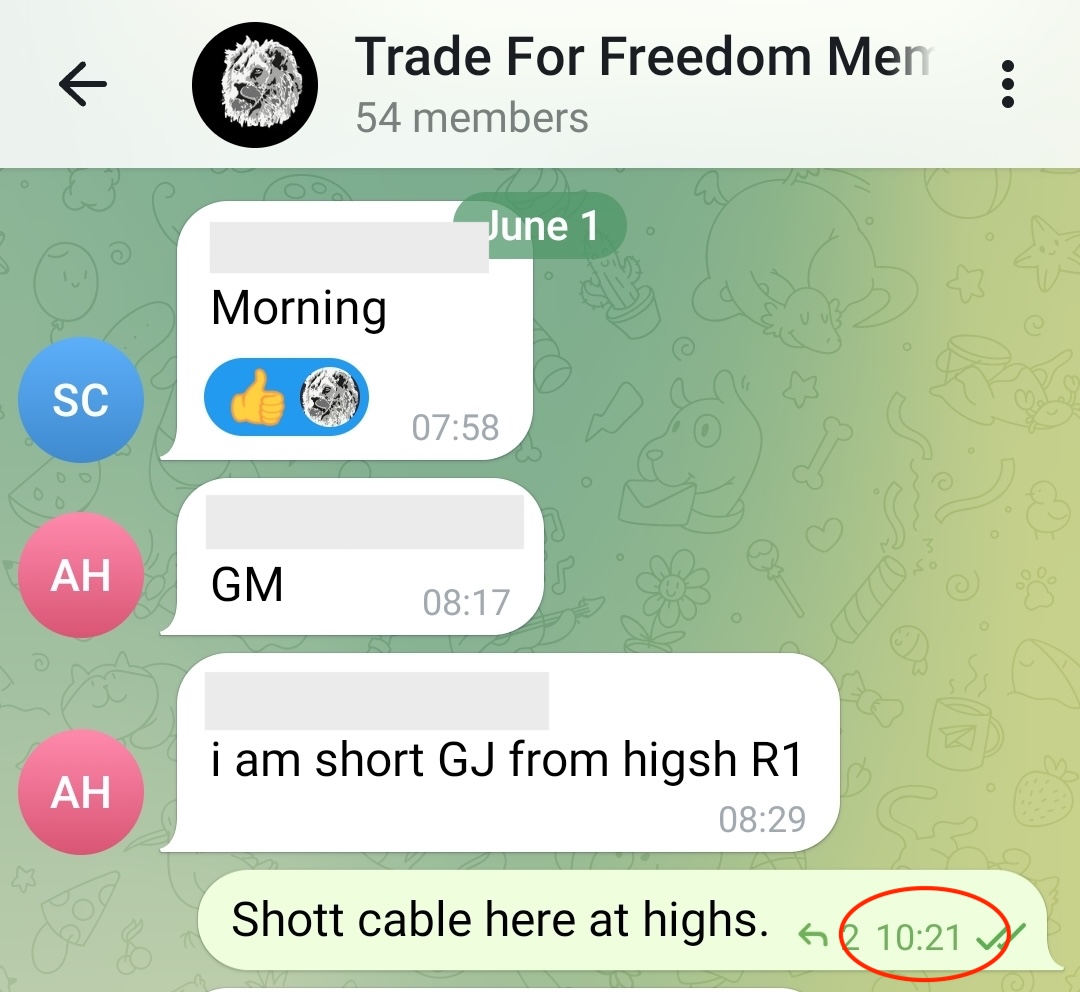
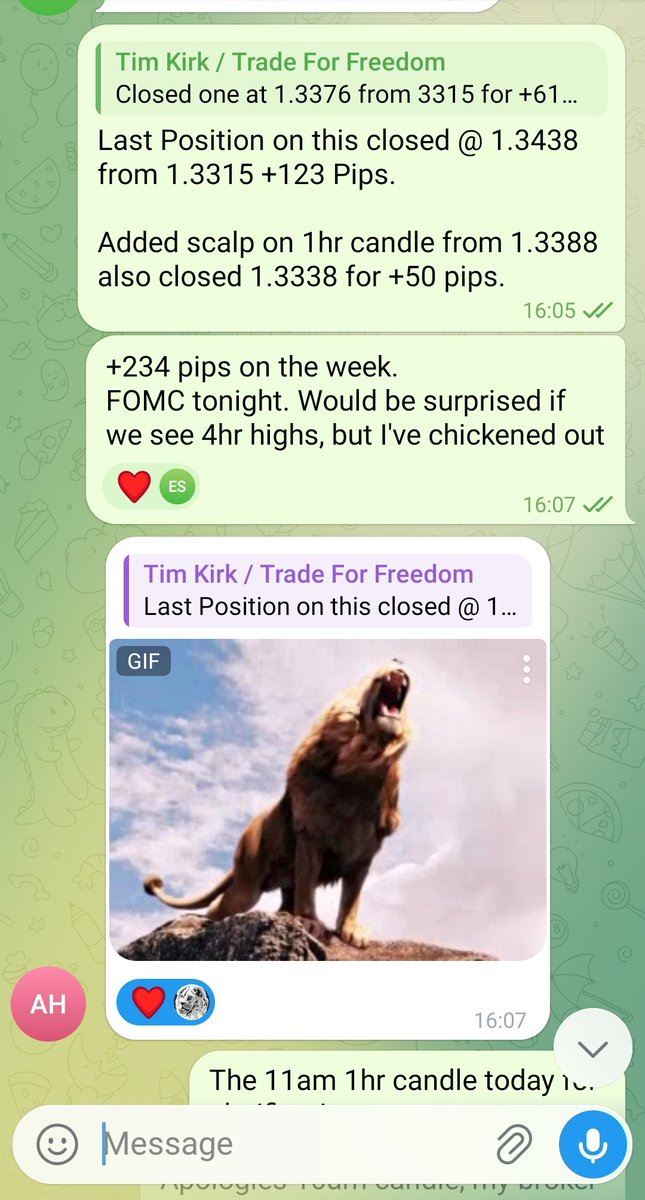
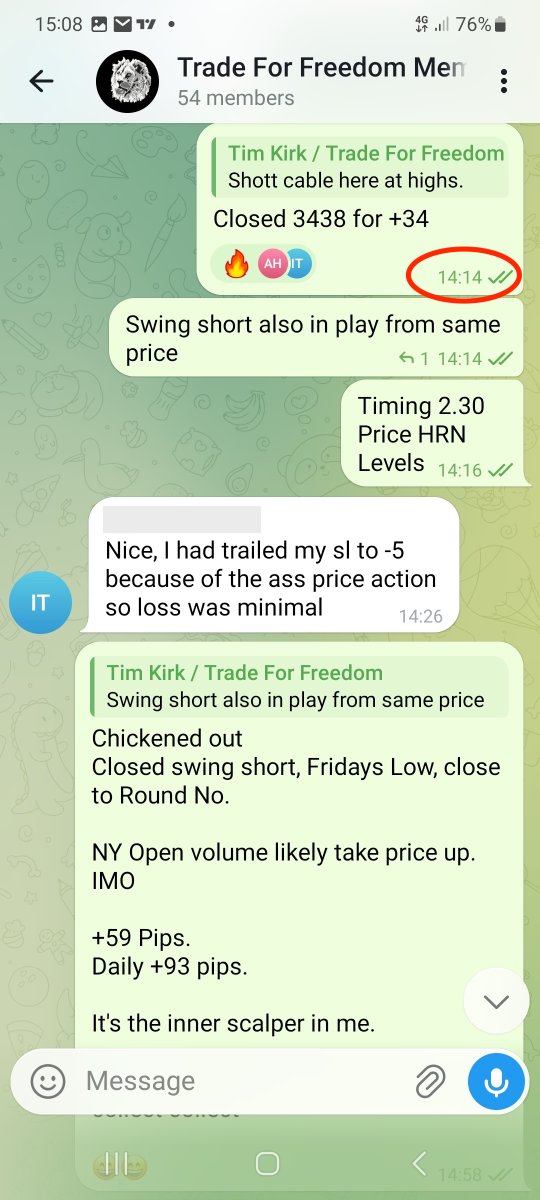
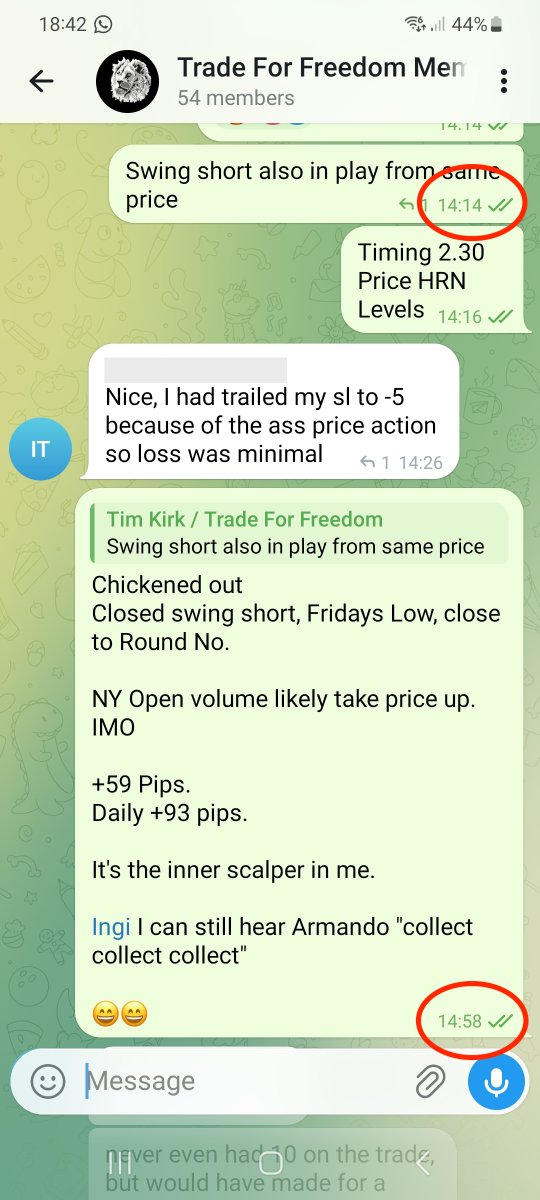
Always trying to keep it simple. did fancy a swing short, but it's early in the week, so decided to "chicken out"
Telegram members get to trade everyday in the group, I'm there each day.
Telegram invite comes complimentary with coaching sessions. 👀
Have a good week - Day 1 done.....
2
329
May 30
"If you can learn to create a state of mind that is not affected by the markets behaviour, the struggle will cease to exist."
Mark Douglas.
1
1
437
May 24
Fascinating listen. Experience cannot be bought or learnt, you have to have time in the mkt, no short cuts.
Interesting point around 8 minutes in, about the herd....
Why I believe you need to find your own way to "see" the market, and your opportunity...
May 23

Rick Rieder manages $2.7T at BlackRock and was a finalist for US Federal Reserve Chair - here's his warning to every trader
20 years at Lehman Brothers. Fixed Income Hall of Fame 2013. Now CIO of Global Fixed Income at the world's largest asset manager
In this 19-min interview he reveals the one rule that survived 2008, Lehman's collapse, and every crash since
Markets go down 5x faster than they go up ⮕ You make money slowly ⮕ You lose it in days
Be right 60-65% of the time, diversify like a casino, and always have an escape hatch before you open a position
Never let one bad trade ruin your career
Bookmark - burn rate hits Polymarket contracts the same way. The edge is in the exit, not the entry ↓
1
2
588
May 23
And THAT is how a flash crash happens. Thankfully there are humans to pull the plug!!
This was years ago BTW

This is who you're trading against.
Yeah... and this was 12 years ago, by the way.
1
3
846
May 20
Great post. Basic stuff you'd say when you read it, but you can be damned sure most throw it all out the window as soon as the pressures on

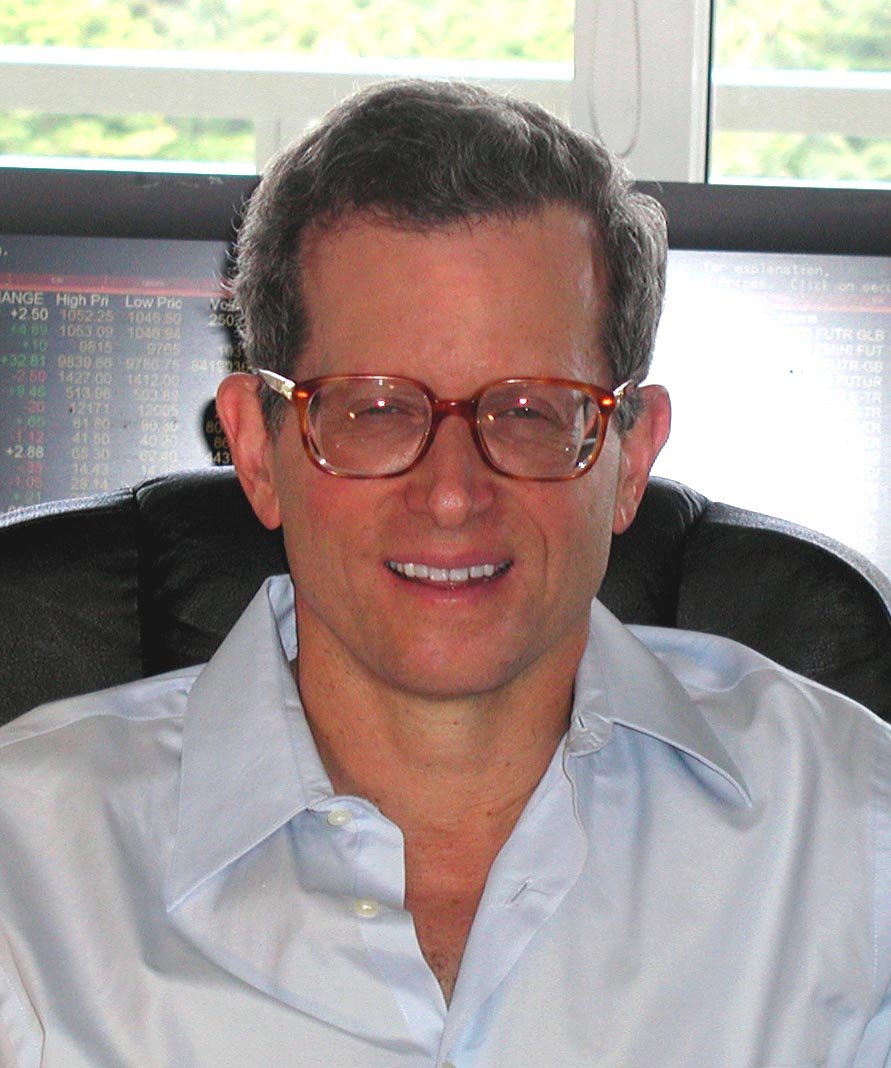
This is Michael Marcus.
He turned $30,000 into $80 million trading futures and currencies.
Here's his trading philosophy
1
2
400