
📣 Director of Marketing & Innovation @animalzco | ⏳ Productivity @getSaent | 🇳🇱
Joined July 2007
- Tweets 5,867
- Following 390
- Followers 1,376
- Likes 1,879
963 Photos and videos


Mar 28
.@nbaschez Awesome to hear you in the shout outs of the Formula 1 episode of Acquired!
1
2
162
Mar 27
.@SlackHQ Where did this screen go? I had it yesterday and I already love it and now it's gone again?? 😿
54
Feb 18
.@danshipper I'd like a little button next to the file name at the top that allows me to copy the full path to the file. Helpful if I want to reference the exact file in a chat.
1
61
Feb 18
Would also like the ability to exclude certain types of files from triggering Proof. E.g., don't open for Claude Code plan files. Not for commands. etc.
1
25
Feb 18
Would also like (sorry, I'll keep going as things come up): the ability to open a file in Finder (Show in Finder).
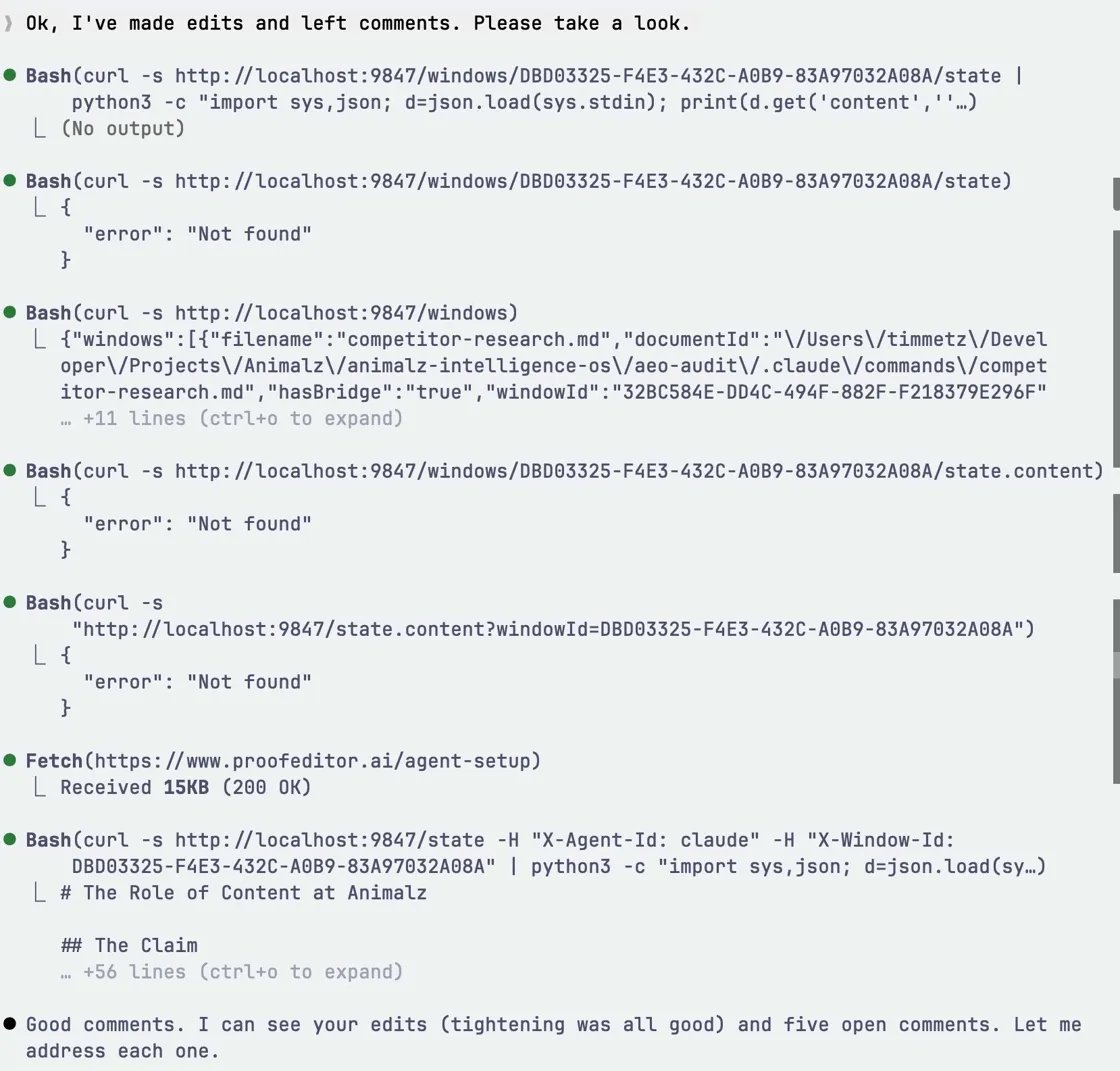
Also, every time I ask Claude Code to check out my edits, it seems to have to go through a series of tool calls and research to figure out how to read them.
21
Jan 15
Jan 15

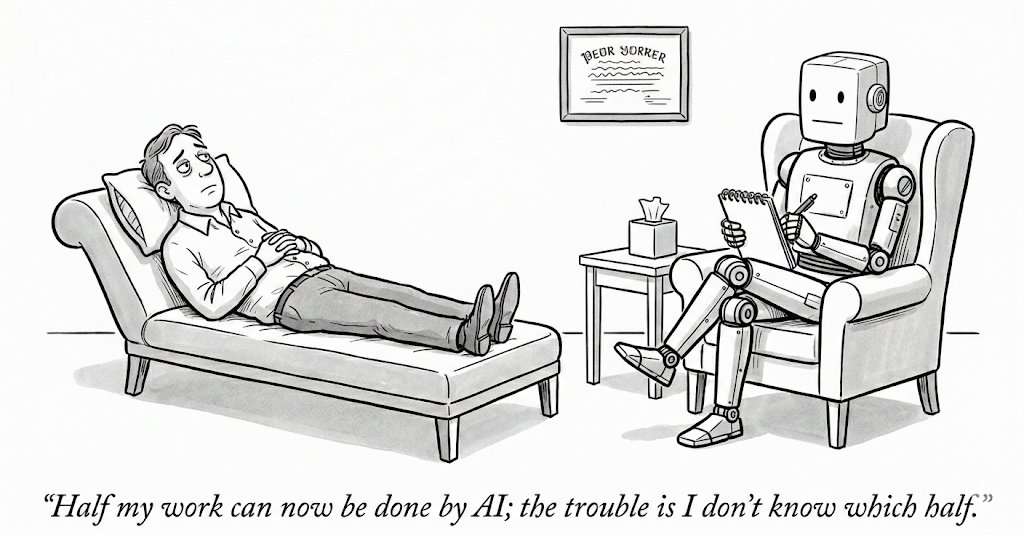
Half my work can now be done by AI; the trouble is I don't know which half.
28
Jan 15
Half my work can now be done by AI; the trouble is I don't know which half.
52
6 Nov 2025
Still blows my mind that this is really a thing you can just do now by describing an idea in plain English.
46
4 Nov 2025
A day well lived is one with no #claudecode sessions open at the end of it. (But they're rare.)
47
18 Oct 2025
Yeah, absolutely loving this.

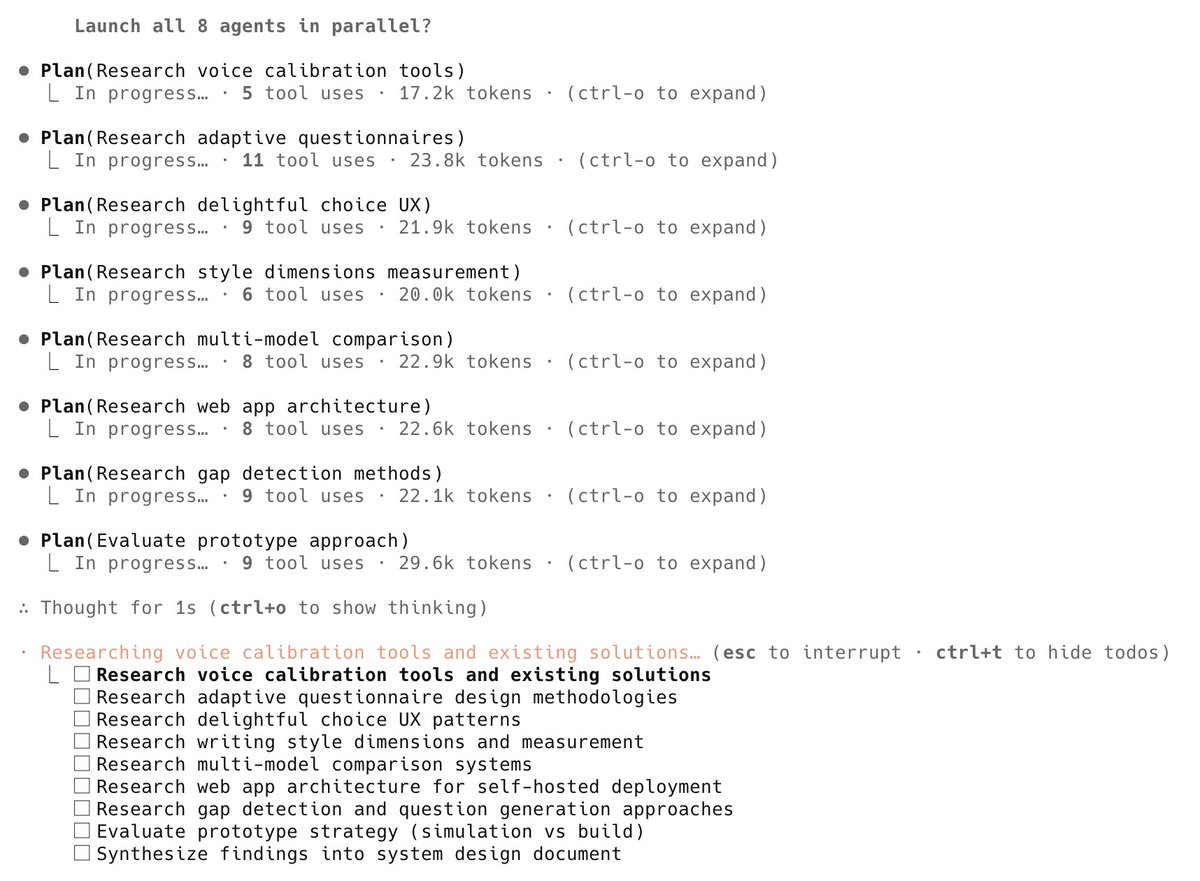
Claude Code can now ask you interactive questions when it needs more information or when there are multiple paths forward.
58
17 Sep 2025
These days, having a meeting without your AI note-taker feels like having a run without your smart watch.
53
16 Sep 2025
😃 iOS 26 made my iPhone 16 noticeably faster.
😢 macOS Tahoe made my MacBook Pro M1 noticeably slower.
283
12 Sep 2025
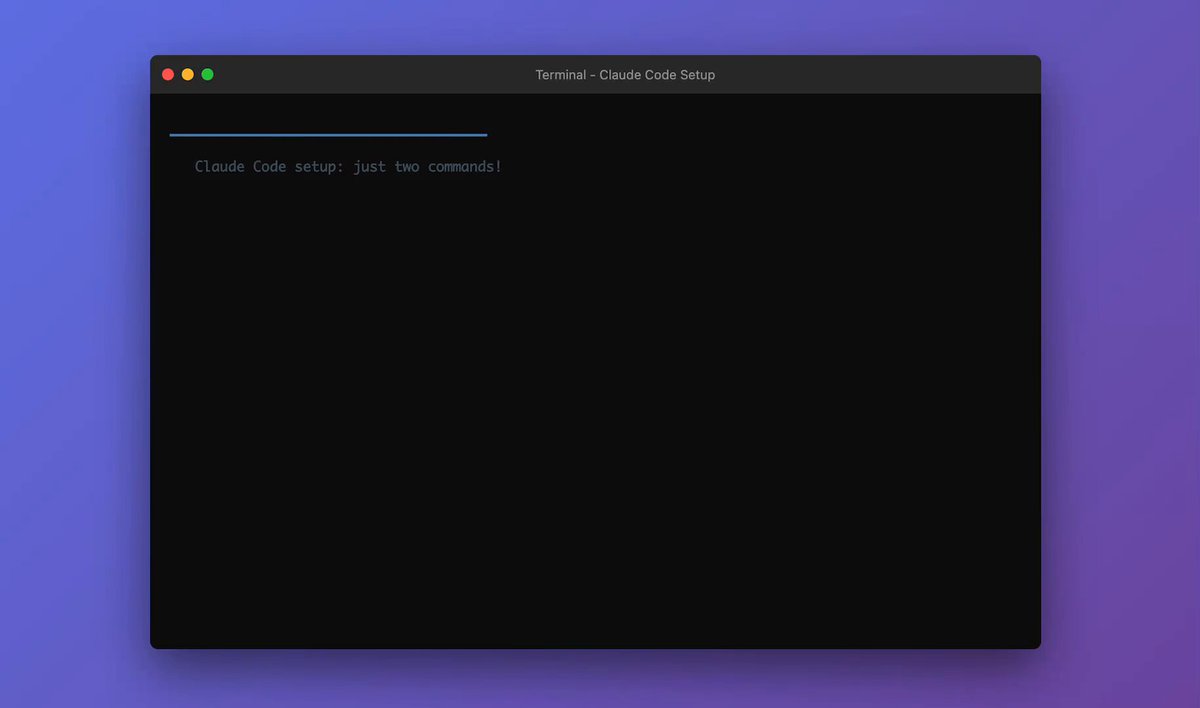
I recommend every marketer (and I mean every single one of you) to play around with Claude Code. It's super powerful AND super simple to get started; today I'll show you how.
Once you've run through the steps below, you can chat with Claude Code in the same way you'd chat with normal Claude, in plain English, for the same kinds of requests.
⚠️ You need to have a paid Claude account to use Claude Code, and for this tutorial, I'm assuming you have one. I'm also using macOS, but it should work very similar on Windows.
1️⃣ You'll need Node.js (don't worry, it's just like installing any other app):
- Go to nodejs.org
- Click the big green download button
- Open the installer and click through (all defaults are fine)
2️⃣ Now for the actual Claude Code setup:
- Open Terminal (I know, scary, but you got this!) and copy-paste this command:
npm install -g @anthropic/claude-code
This installs Claude Code. Once finished, type:
claude code
Since it's the first time, you'll be prompted to open claude.ai in your browser to authenticate your Claude account (you only do this once).
3️⃣ Try your first command:
analyze my desktop and downloads folders and suggest how to organize them
⚠️ Heads up: You'll see some permission prompts: macOS will ask about folder access, and Claude will confirm before moving files. This is totally normal and keeps you in control!
You now have your first taste of one of Claude Code’s superpowers: it can actually SEE and work with your local files.
Give it a try and let me know what you think. More next week!
93
11 Sep 2025
.@kplikethebird @every brilliantly describes a problem I’ve also encountered: working with AI encourages maddening multitasking. She even gives great tips for dealing with it — but still it’s a losing game.
Over the years, I’ve pretty much read every article, book, and study there is about multitasking and how it undermines your productivity. (I ran a productivity hardware software startup in a previous life.)
There’s a huge cost in switching between tasks paid in fatigue, stress, and time.
The most important facts:
> 3% of people thrive when multitasking, everyone else’s performance suffers.
> The more you multitask, the more you BELIEVE you’re being more productive, but you’re not.
> This effect applies to deep work but also smaller tasks. Even glancing at a notification on your phone is essentially multitasking and costs you. So it’s not just creatives; managers also do much better when they work in 10 or 15 or 20 min. intervals vs. switching every few minutes or seconds.
> There can be a benefit in switching when you’re really stuck with something, but this is much later (hours) than how often most people switch throughout the day (seconds / minutes).
In “It Doesn’t Have to Be Crazy at Work,” @jasonfried and @dhh beautifully capture this idea: 1 x 60 doesn’t equal 2 x 30 or 4 x 15 when it comes to work.
Now, why does AI encourage this behavior?
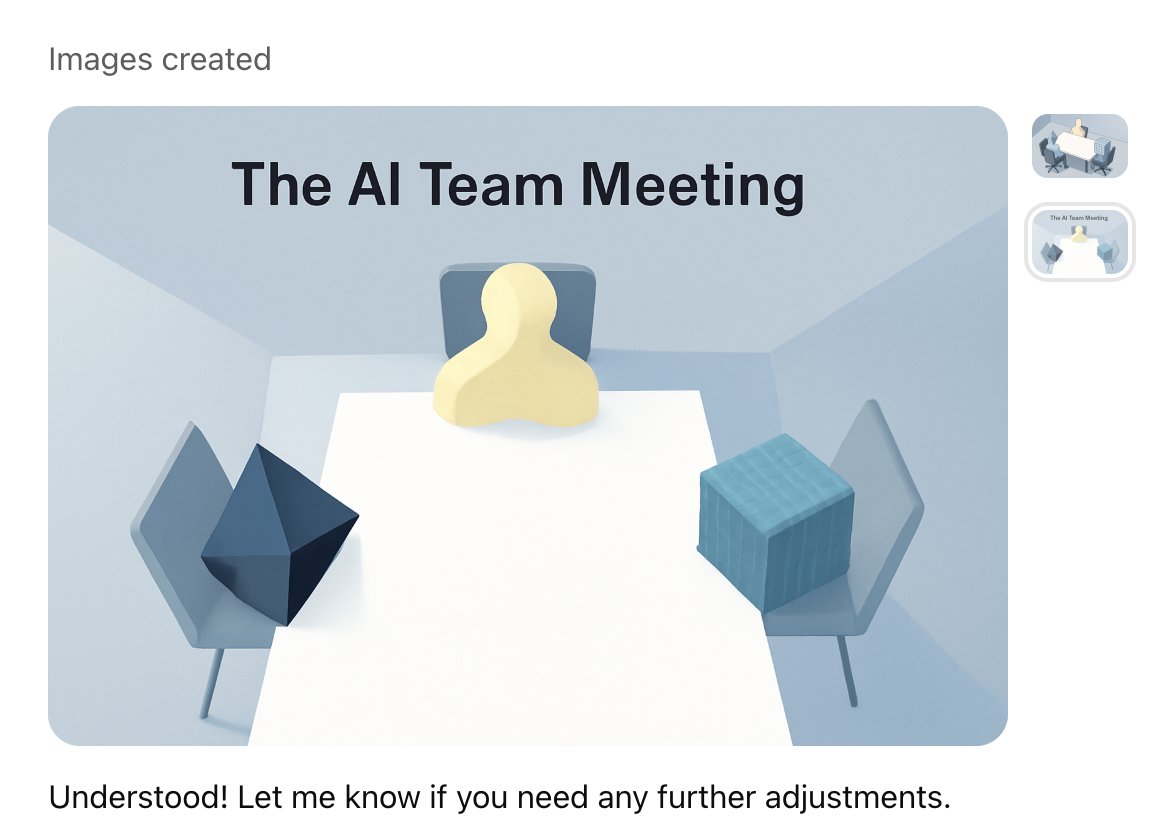
You can give tasks to multiple AI models/agents, and they take time to complete their assignments. You get one started, then the next, and then a 3rd. Then you return to the 1st to check its work, then the 2nd, etc.
Katie compares this to the work of a manager, which is true, but with a big difference: managers usually wait for hours or days to get back results. They don’t have to chunk up their time in seconds or minutes (though many do.)
With AI, the feedback loop is usually minutes. Herein lies the real problem: minutes are too long to wait around and do nothing, but they’re too short to avoid the averse effects of hyper-multitasking.
And so you get what Katie describes: on a good day, you feel productive (but that might still be an illusion, and you still feel worn-out). On other days everything is messy and you feel hangover.
My hope is that this is a temporary problem: AI will get faster and more sophisticated. Most tasks will take seconds, while on the other end of the spectrum, AIs will work on assignments for hours or days.
Those timelines will allow us to go back to a rhythm that fits our human brains: working on one thing at a time, or at least breaking up our tasks in 10 minutes, the minimum chunk that in my experience prevents the worse effects of multitasking.
P.S. I’ll link to two resources below that show the effects of multitasking. One is a brilliant presentation by @henrikkniberg , the other a simple exercise I recorded in my previous life. You can do it in a few minutes and you’ll experience exactly what happens when you multitask.
--
Katie's article: every.to/working-overtime/ho…
Henrik's presentation: youtu.be/Yqi9Gwt-OEA?si=yNMT…
My multitasking test: youtube.com/watch?v=Xup2ePrj…
76
26 Aug 2025
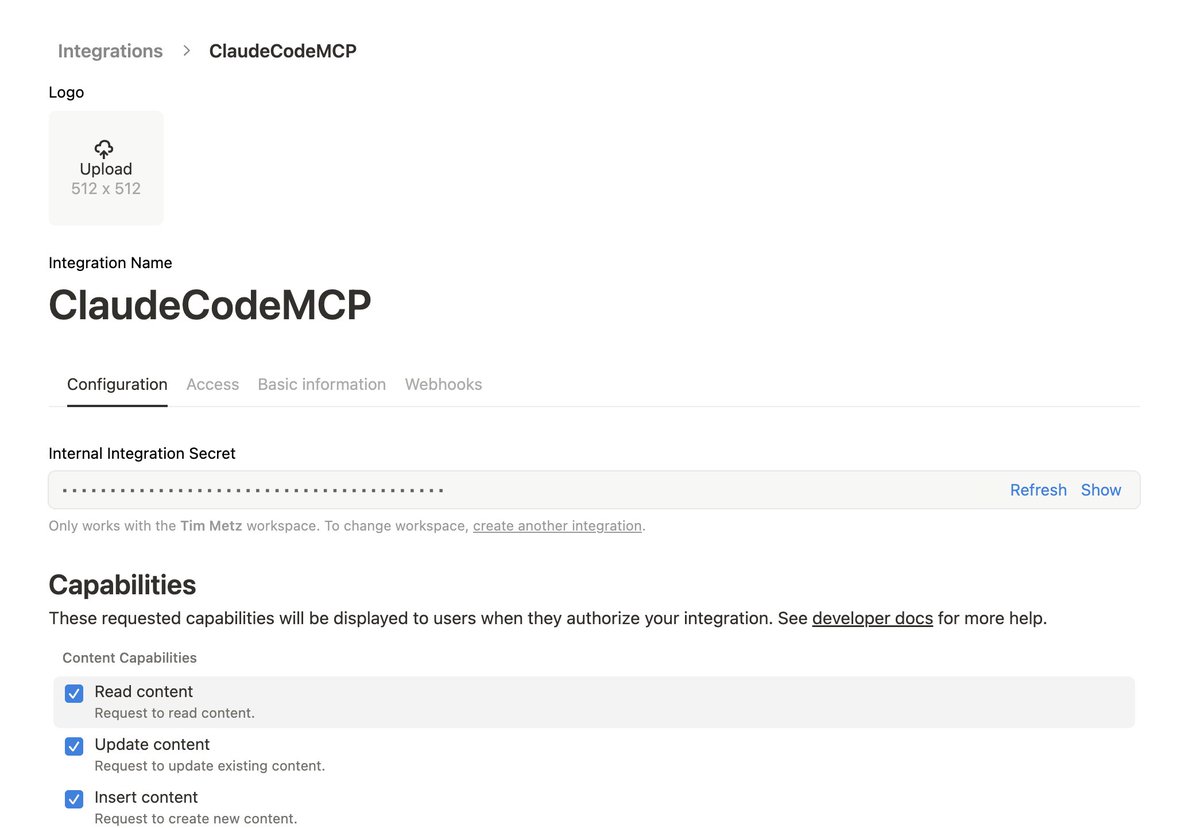
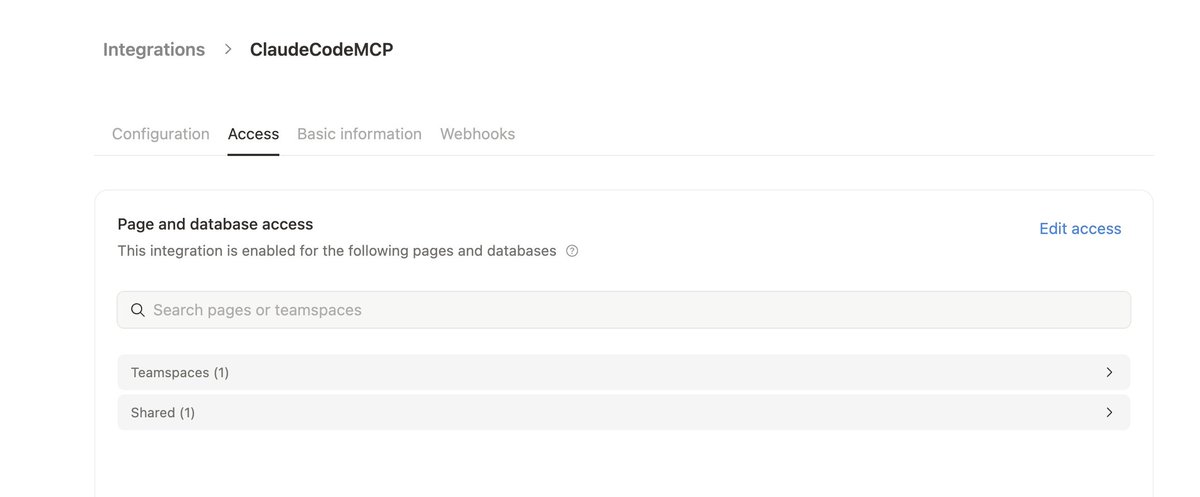
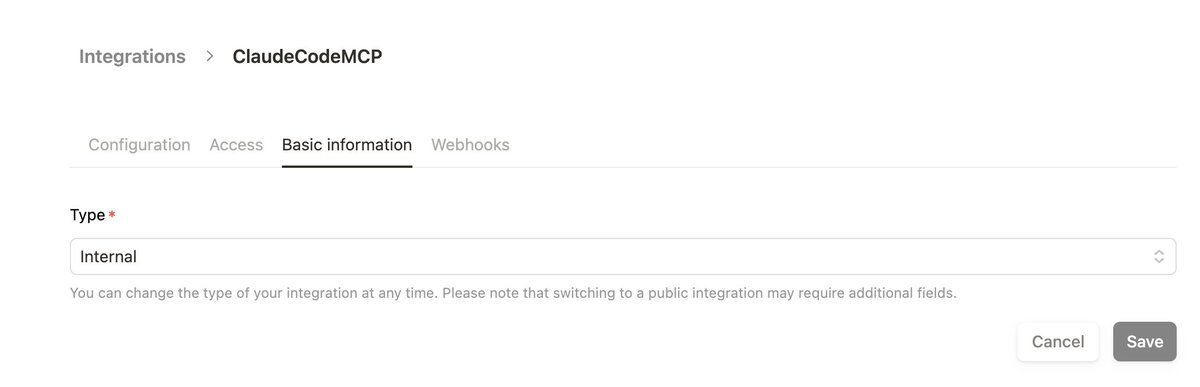
Has anyone successfully connected @NotionHQ to @AnthropicAI's #claudecode through #MCP? I've tried everything I can think of and can't get it to work.
Keep getting the below even though I'm sure the token is valid and correctly setup.
First search attempt (searching for "Readwise"):
{
"status": 401,
"object": "error",
"code": "unauthorized",
"message": "API token is invalid.",
"request_id": "***"
}
Second search attempt (searching for "reading"):
{
"status": 401,
"object": "error",
"code": "unauthorized",
"message": "API token is invalid.",
"request_id": "***"
}
Any help greatly appreciated!
368