
Tokenized Collectibles Markets
Joined December 2020
- Tweets 1,639
- Following 99
- Followers 142,216
- Likes 2,194
250 Photos and videos

May 14
This is exactly why we are building tokenized collectibles:
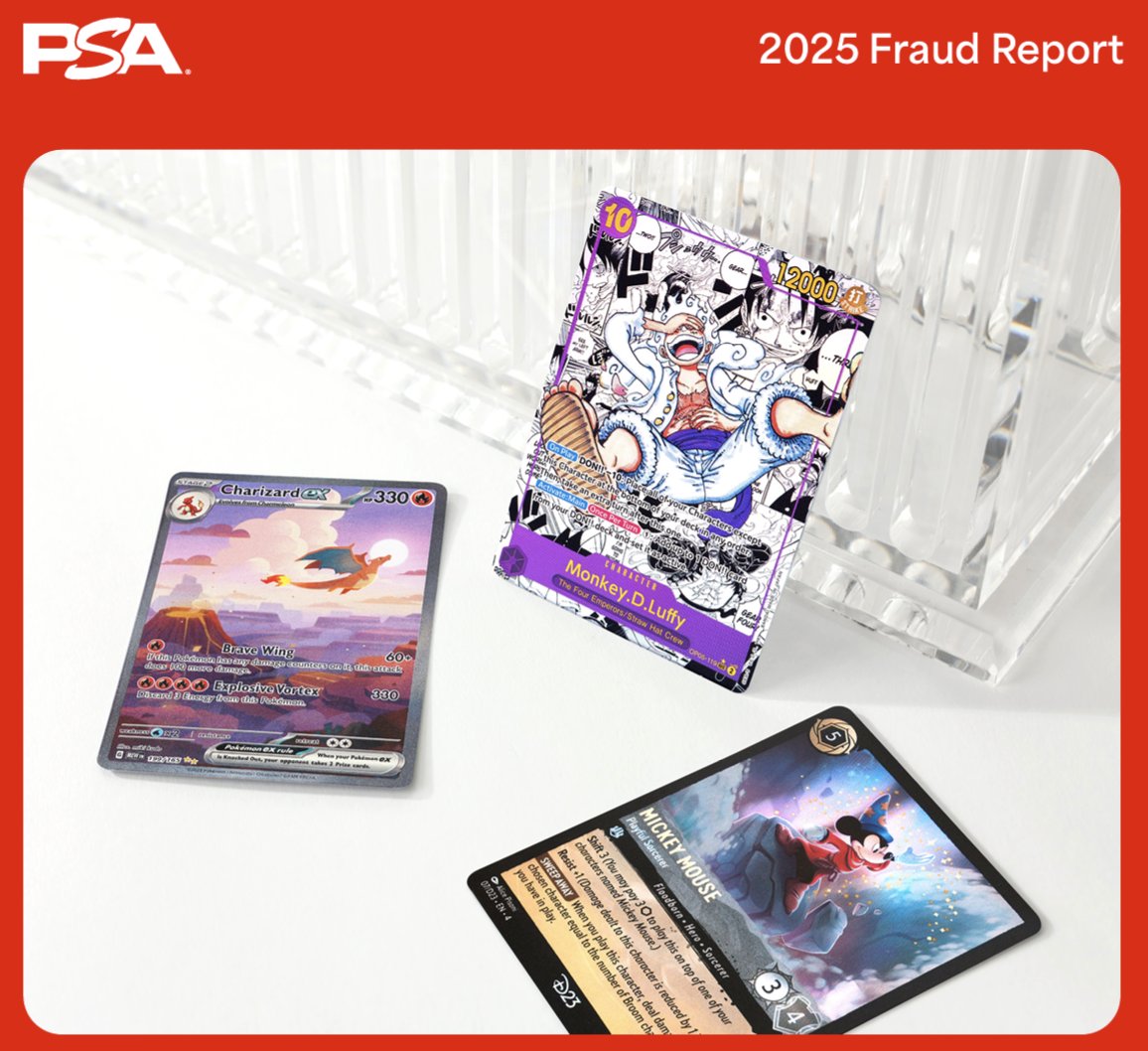
PSA REPORT ON COLLECTIBLES FRAUD
PSA intercepted $200 million worth of fraudulent collectibles in 2025
Counterfeit Pokémon cards surged 125% year-over-year — overall card fraud up 45.3%
92.3% of T206 Honus Wagner cards submitted in 2025 were FAKE (12 out of 13)
1 in 4 of the iconic 1986 Fleer Michael Jordan rookies submitted were counterfeit — 821 fakes flagged
Mickey Mantle is the #1 most-forged autograph in the hobby, ahead of Jordan and Kobe
The 2014 Pokémon M Gengar EX saw counterfeit submissions explode 656% YoY
Counterfeiters are no longer chasing only grails — they're hitting $20 cards, betting volume beats scrutiny
Link to report: downloads.ctfassets.net/l40e…
2
1
3
445
May 6
1
1
3
612
May 4
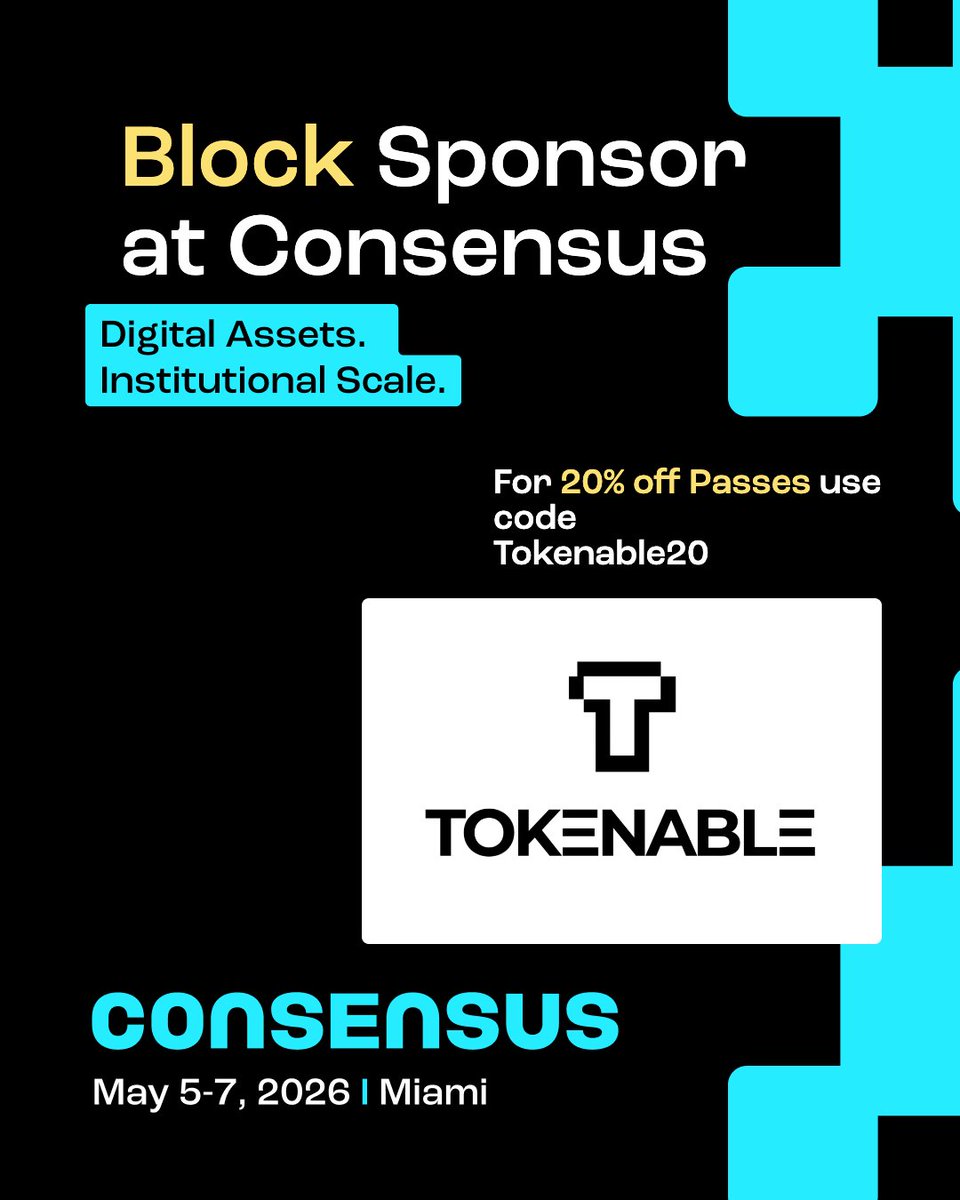
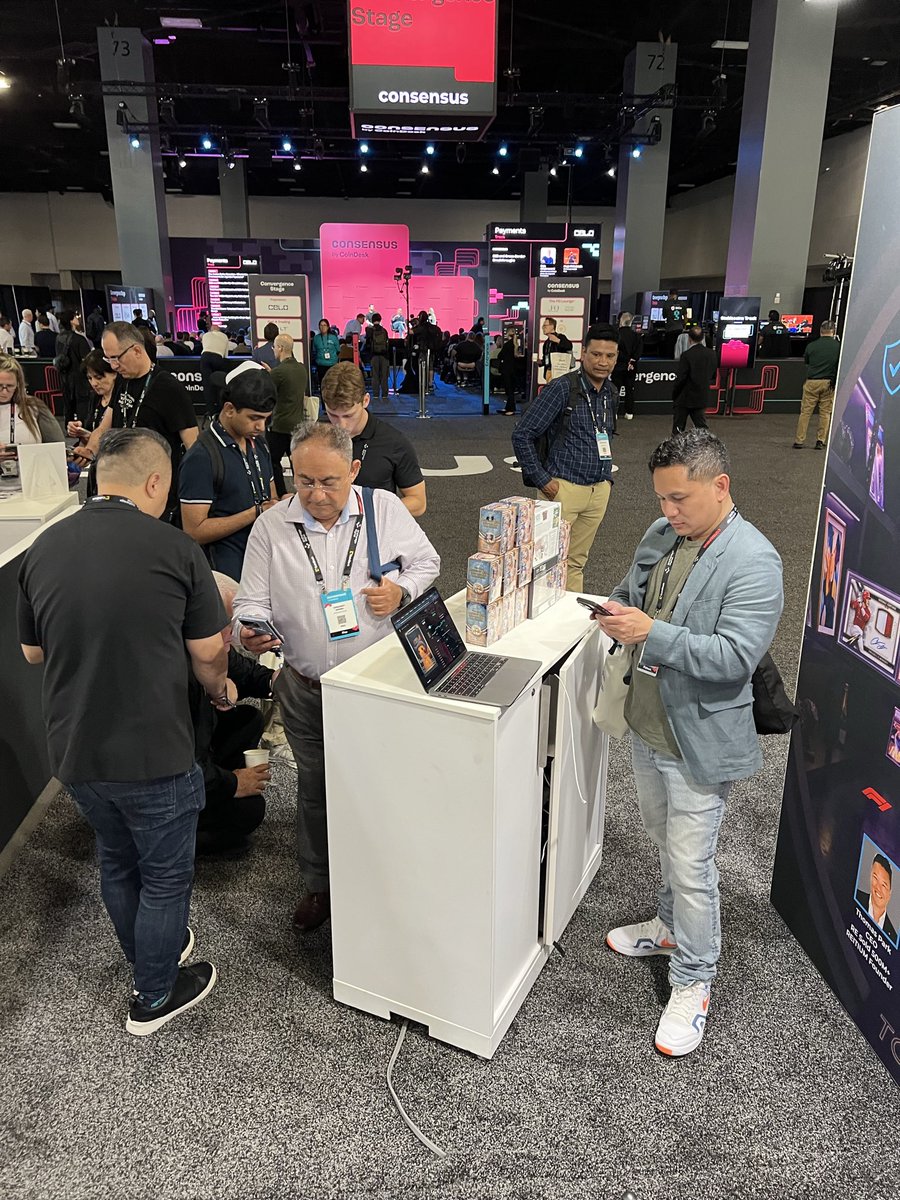
We have extra tickets for #Consensus selling for $250 each up to 5 only #consensus2026
1
1
469
Apr 29
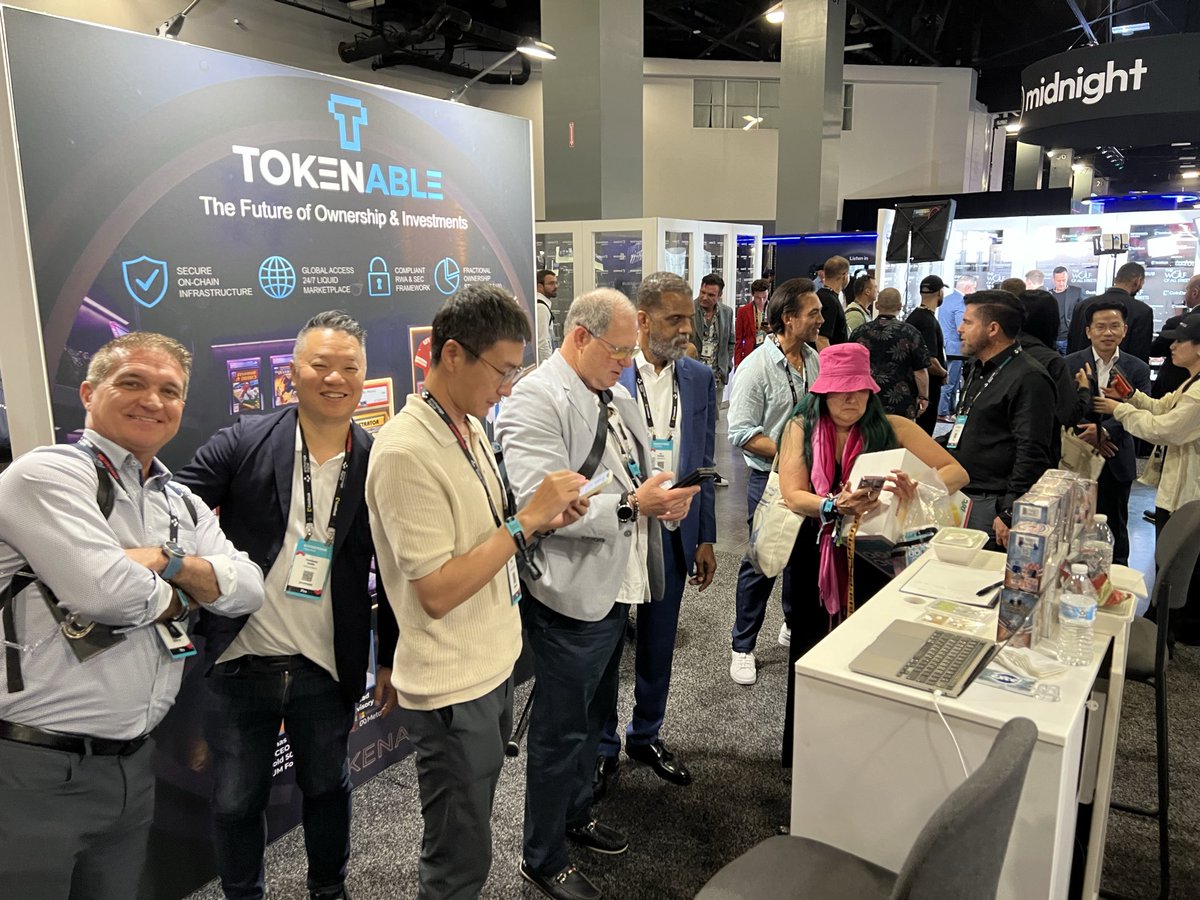
Come meet the tokenable team at Consensus 2026 in Miami. Use this Consensus discount code: Tokenable20 #tokenization #rwa #defi
5
416
Apr 8
The U.S. Securities and Exchange Commission (SEC) is finalizing "Reg Crypto," a new regulatory framework proposed by Chair Paul Atkins to create fundraising exemptions under the Securities Act of 1933. This initiative aims to provide a "safe harbor" for crypto projects to raise funds and decentralize without immediate registration, running parallel to congressional efforts like the Clarity Act.
Key Aspects of "Reg Crypto" & Recent SEC Actions
million) and distribute tokens while working toward decentralization, likely over a set period.Fundraising Exemption: The proposal aims to allow developers to raise capital (potentially up to $75 million) and distribute tokens while working toward decentralization, likely over a set period.
"Safe Harbor" Concept: Similar to proposed safe harbors, the SEC is exploring ways to allow projects a "runway" to mature without being immediately treated as securities, provided they offer certain disclosures.
Distinguishing Securities: The SEC is actively working to clarify which transactions are securities and which are not, aiming to reduce, rather than replace, reliance on the traditional Howey test for digital assets.
Focus on Decentralization: The framework seeks to help projects move from centralized control to decentralized, non-security status.
Timing: The proposal is currently under final review by the Office of Management and Budget (OMB) before being released for public comment.
Recent Regulatory Developments (March/April 2026)
Interpretive Release (March 17, 2026): The SEC, alongside the CFTC, issued guidance on how securities laws apply to crypto, acknowledging that certain assets (e.g., decentralized digital commodities) may not be securities.
Focus on Utility: The SEC has begun differentiating digital commodities, tools, and collectibles as non-securities when they possess functional utility rather than acting as investment contracts.
Independent Action: The SEC is moving forward with its own rulemaking ("Reg Crypto") to create, regardless of the pace of congressional legislation like the Clarity Act.
10
533

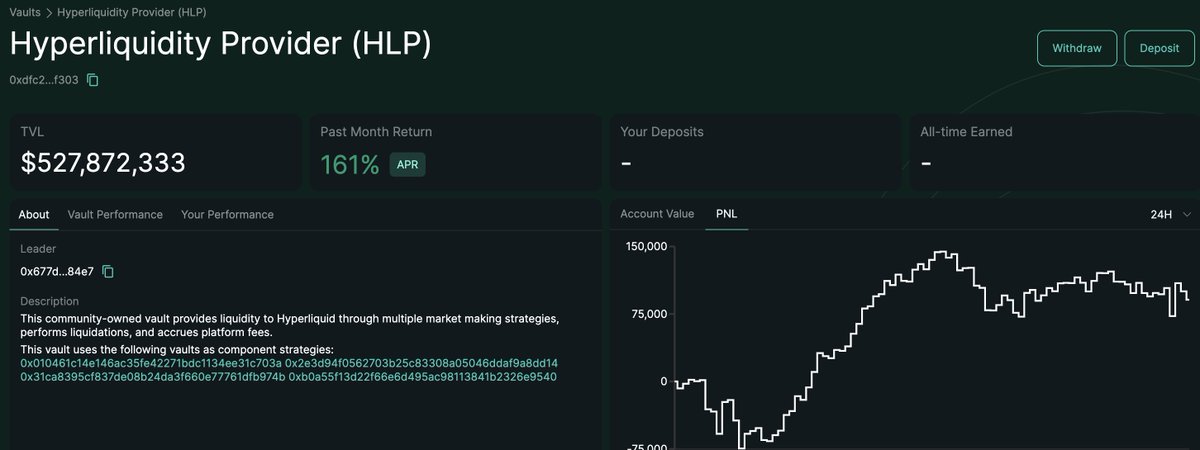
Crypto traders flocked to the Hyperliquid exchange to hedge commodities as the conflict between the US, Israel and Iran erupted bloomberg.com/news/articles/…
244
418
1,665
524,355

JUNE 2028.
The S&P is down 38% from its highs. Unemployment just printed 10.2%. Private credit is unraveling. Prime mortgages are cracking. AI didn’t disappoint. It exceeded every expectation.
What happened?
citriniresearch.com/p/2028gi…
1,846
4,188
27,641
28,710,469





Tokenable retweeted

Feb 19
.@Securitize now supports assets in four lending protocols.
These are projects that reconfigured their protocol architecture to list NATIVELY tokenized securities.
I expect this list to grow exponentially by EOY.
- @aave ✅
- @eulerfinance ✅
- @Loopscale ✅
- @Zharta ✅
18
13
82
5,834
Tokenable retweeted

Feb 21
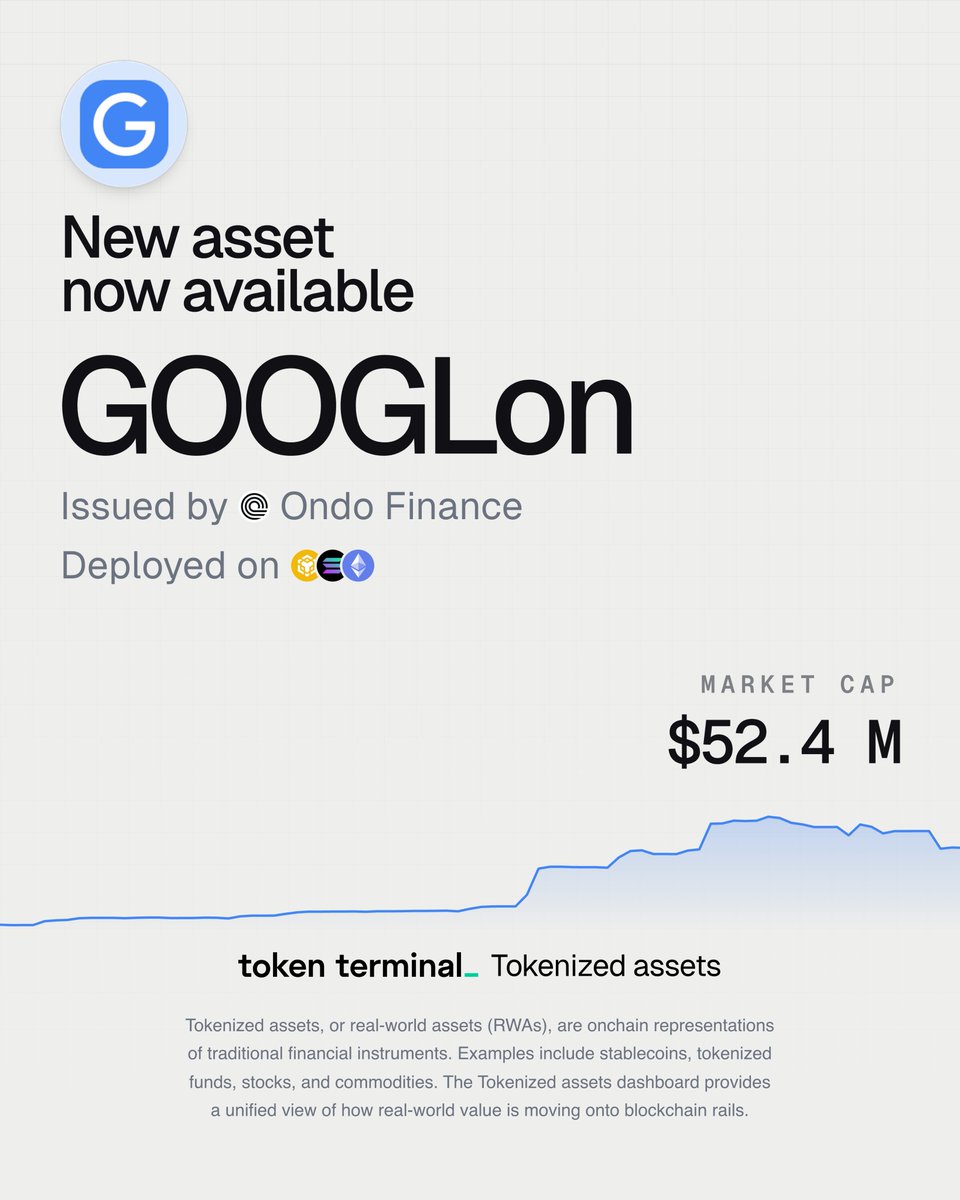
Benefits of RWAs:
1) crypto product quality goes up: tokens compete for investor attention vs. equities.
2) onchain traffic goes up: high-quality RWAs draw more ppl to transact onchain.
3) crypto value prop becomes widely known: more ppl experience 24/7/365 global markets.
8
6
47
3,683
Tokenable retweeted
Feb 18
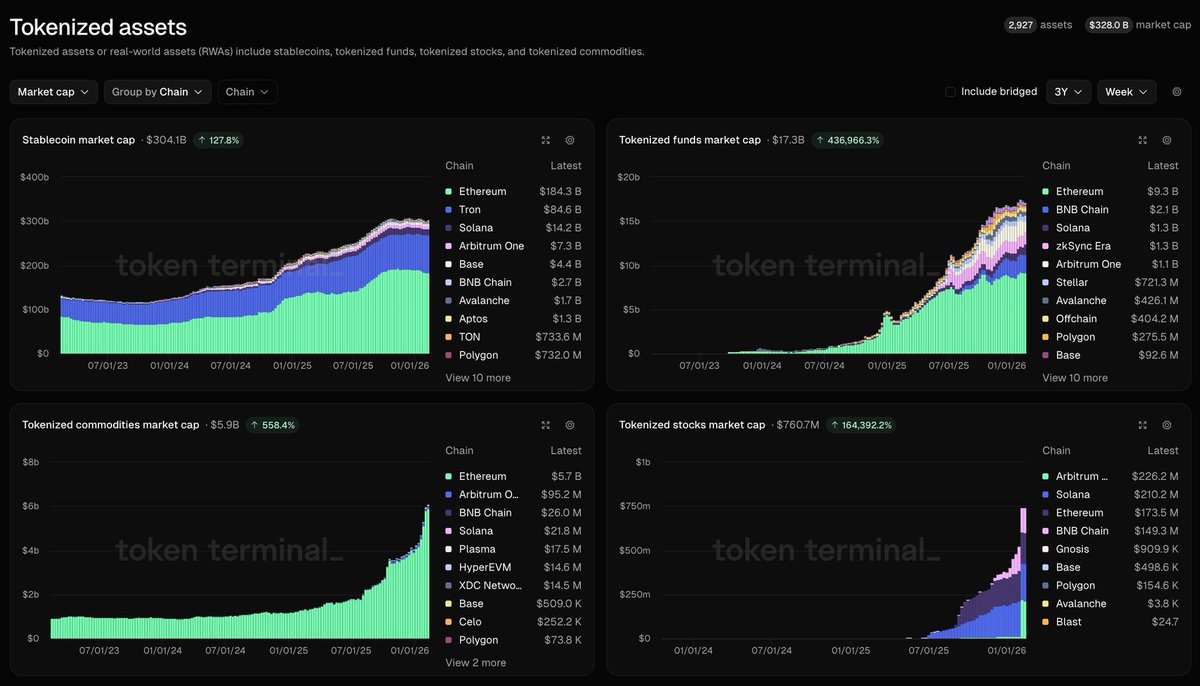
Tokenized asset market leaders by category:
• Stablecoins → @ethereum
• Tokenized funds → Ethereum
• Commodities → Ethereum
• Stocks → @arbitrum
Ethereum leads in 3 of 4 sectors by market cap.
As real-world assets migrate onchain, the Ethereum ecosystem is well positioned to benefit from their continued growth.
41
52
231
50,377
Tokenable retweeted

Feb 19
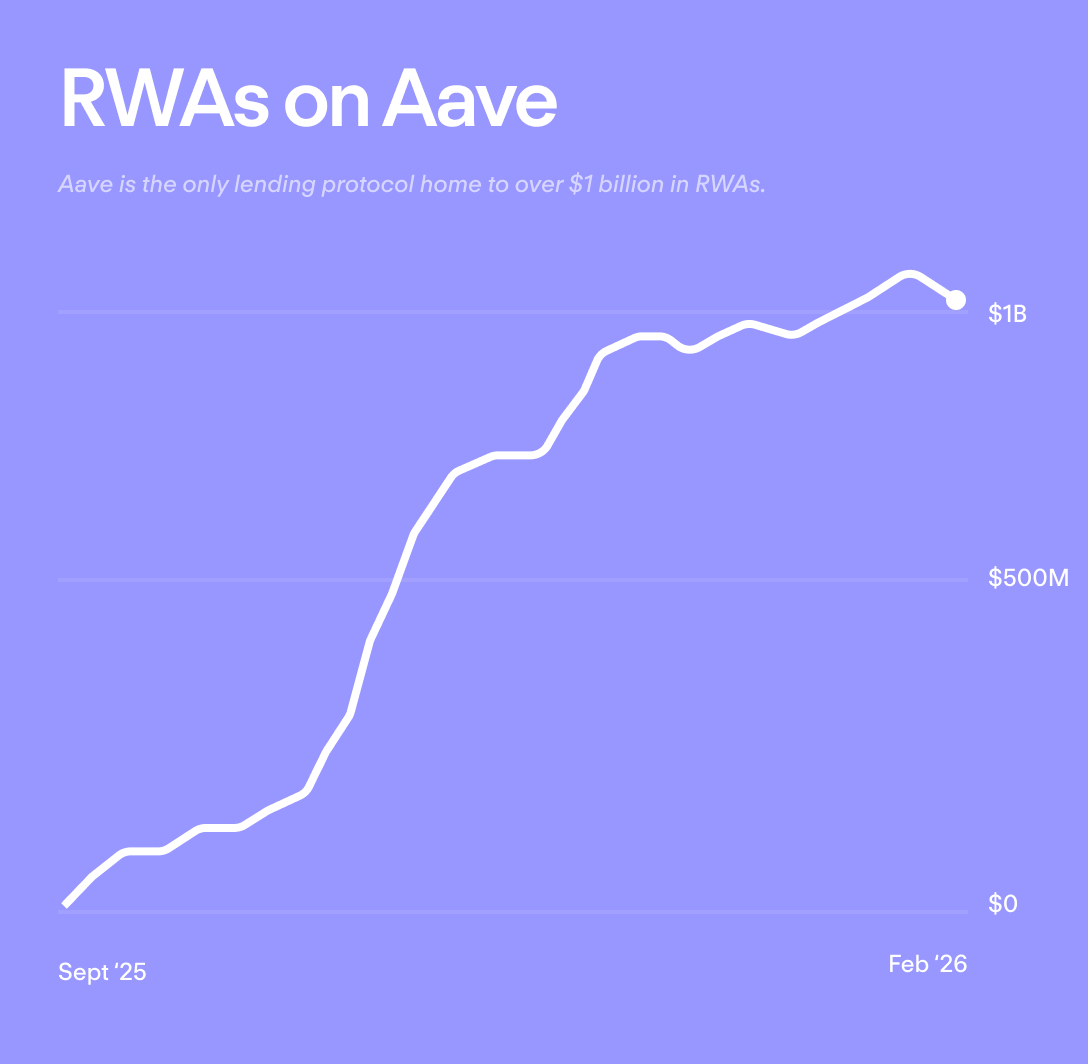
Aave has reached $1 billion in RWA deposits.

46
31
390
31,028
Tokenable retweeted

Feb 17
A $200 million bank in Northern Italy is backed by Parmesan cheese.
Credito Emiliano holds around 430,000 wheels of Parmesan worth roughly $200 million — treating it like gold.
Because real Parmesan takes two to three years to age, farmers are left sitting on valuable inventory they can’t yet sell while still needing cash to run their businesses.
So the bank lends against the young cheese, providing up to 80% of its value upfront.
The wheels are stored in secure vaults during the loan period. If a farmer defaults, the bank simply sells the fully aged cheese.
27
48
349
30,415