
Staff Research Scientist @instadeepai
Joined October 2020
- Tweets 123
- Following 166
- Followers 174
- Likes 309
17 Photos and videos
Tom Barrett retweeted

May 25
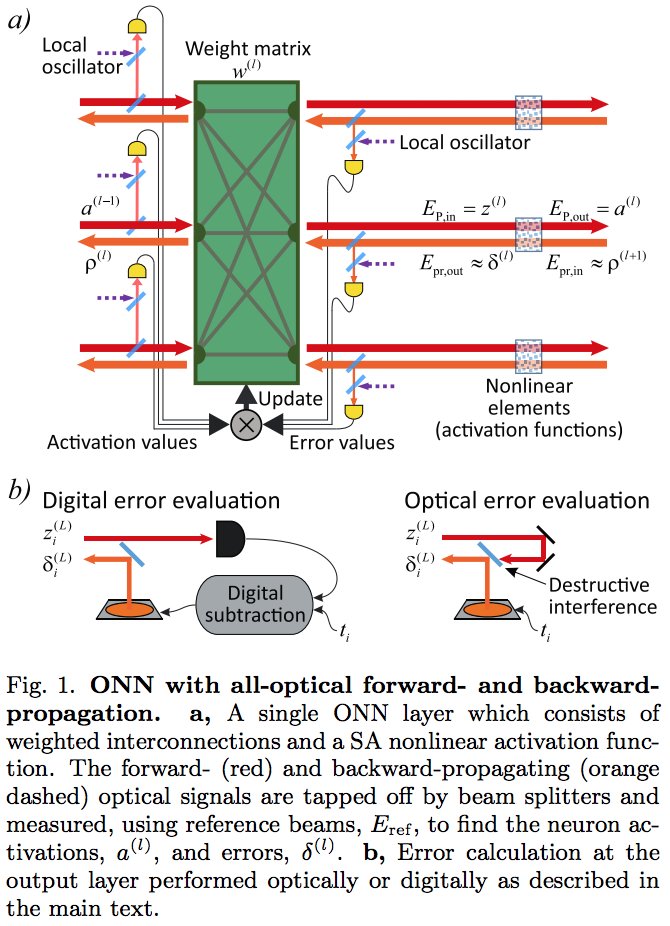
The British company that might break the AI energy trade.
Two weeks ago, I watched its CEO make the most aggressive claim I've heard in British deep-tech this year. 90% less energy than the hardware the entire industry currently runs on.
Light, not electrons. Free weekly.

30
51
362
740,897
Tom Barrett retweeted

23 Dec 2025
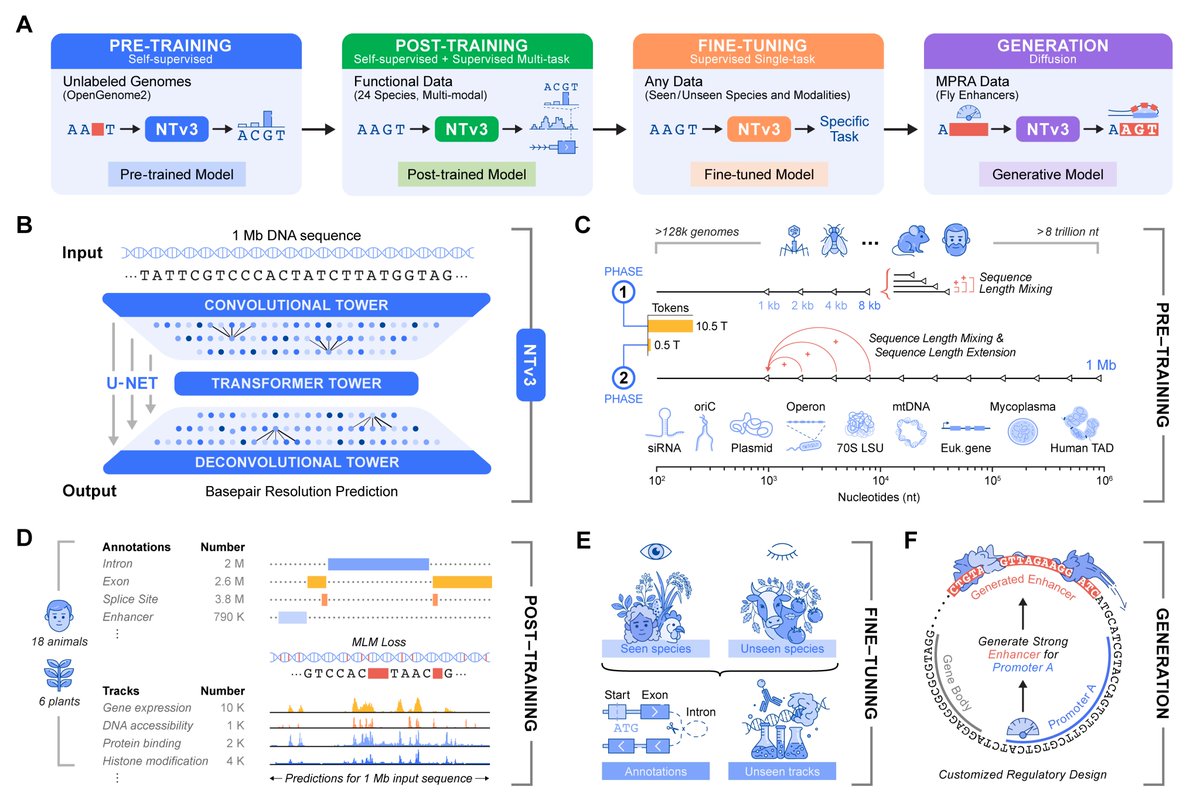
🚀 Introducing Nucleotide Transformer v3 (NTv3)
Today, we are very excited to share our latest foundation model for biology - Nucleotide Transformer v3 (NTv3).
NTv3 is @instadeepai new multi-species genomics foundation model, designed for 1 Mb, single-nucleotide-resolution prediction, and for bridging representation learning, sequence-to-function modeling, and generative regulatory design within a single framework 🧬
This work was developed in close collaboration with @AlexanderStark8 , @volokuleshov , and @pkoo562 , and reflects several years of joint effort at the intersection of machine learning and regulatory genomics.
10
104
494
56,931
Tom Barrett retweeted

2 Oct 2025
This is huge!
A UCLA team managed to build an optical generative model that runs on light instead of GPUs.
In their demo, a shallow encoder maps noise into phase patterns, which a free-space optical decoder then transforms into images—digits, fashion, butterflies, faces, even Van Gogh–style art—without any computation during synthesis.
⚡ The results rival digital diffusion models, pointing to ultra-fast, energy-efficient AI powered by photonics.
Optical generative models | Nature
Paper: nature.com/articles/s41586-0…
53
373
2,519
173,509
Tom Barrett retweeted

29 Sep 2025
Solving the many-electron Schrödinger equation with Transformers
Every material property, in principle, comes from solving the many-electron Schrödinger equation. But the math is brutal: the Hilbert space grows exponentially, and even the best methods—DFT, coupled-cluster, DMRG—hit hard limits when strong electron correlation or large active spaces appear.
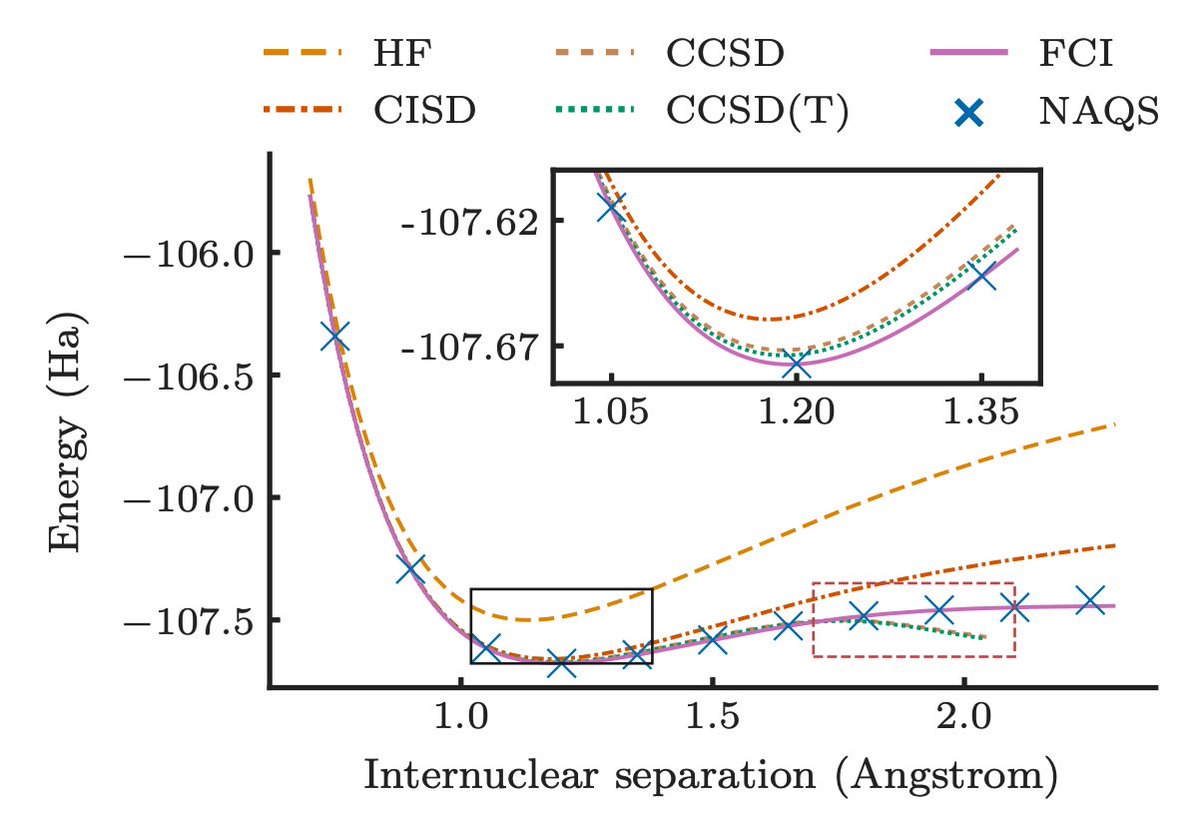
Honghui Shang and coauthors present QiankunNet, a neural-network quantum state inspired by large language models. At its core is a Transformer wavefunction ansatz, where attention captures long-range electron correlations directly. Instead of slow Markov chains, it uses autoregressive sampling—generating uncorrelated electron configurations one by one, guided by Monte Carlo tree search. Physics-informed initialization from truncated CI keeps the model close to physical reality from the start.
The result is striking: QiankunNet recovers 99.9% of FCI correlation energy for molecules up to 30 spin orbitals, handles N₂/cc-pVDZ (56 qubits, 14 e⁻) within 3.3 mHa of a DMRG reference, and even tackles the Fenton reaction with a CAS(46e,26o) active space—capturing complex multi-reference chemistry around Fe(II)/Fe(III) oxidation. Compared to previous NNQS, it is both faster (∼10× at 30 orbitals) and more accurate.
This points toward a future where attention models don’t just process words, but represent quantum wavefunctions—bringing LLM-inspired architectures into the heart of quantum chemistry.
Paper: nature.com/articles/s41467-0…
7
33
194
15,022
Tom Barrett retweeted

6 May 2025
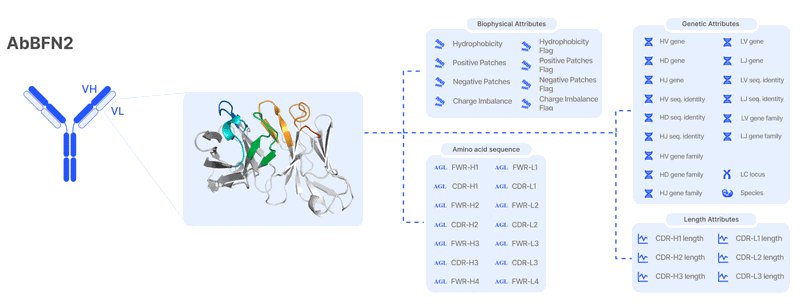
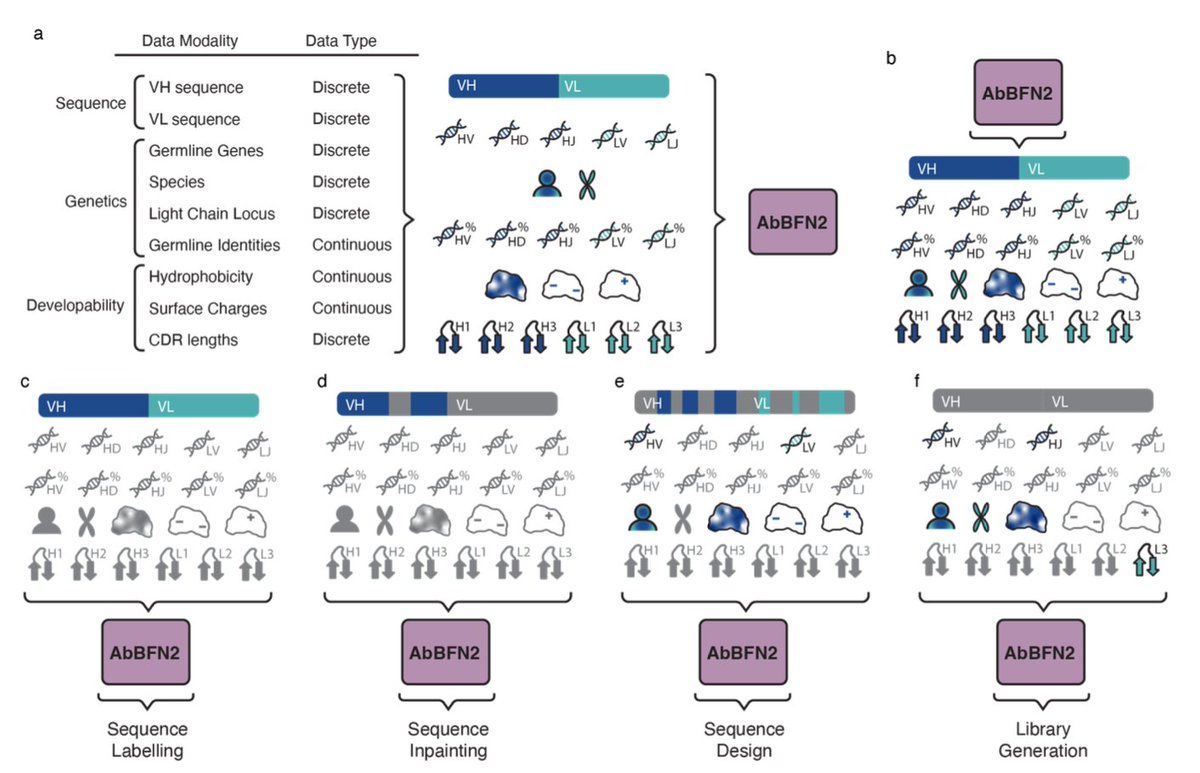
🔧 Introducing AbBFN2: our multi-modal antibody foundation model.
AbBFN2 jointly models 45 data modes spanning sequences, genetic information and developability attributes to provide a rich framework with which to define conditional generation tasks.
Join Research Scientist Bora Guloglu as they explore AbBFN2's integrated approach to antibody design— using a unified generative model to potentially enhance scientific efficiency.
7
20
1,648
Tom Barrett retweeted

6 May 2025
🧬Introducing AbBFN2, our latest generative AI model for multi-objective antibody design!✨
Built on our BFN work published in @NatureComms, AbBFN2 masters the dependencies between sequence, genetic attributes, and developability, taking antibody design to the next level! 🧵
3
5
33
2,120

6 May 2025
Excited to announce our latest work: AbBFN2, a generative antibody model co-modelling sequences, genetic origins, and developability attributes across 45 diverse data modalities! 🧬🔬
🧵 Thread to follow, including links to the paper 📄 , code 💻, blog ✒️ and web app 🌐!
1
1
11
279
6 May 2025
AbBFN2 highlights how Bayesian Flow Networks enable "condition anywhere, generate anywhere," transforming antibody design workflows from annotation and prediction to complex optimisation tasks.
1
1
78
6 May 2025
Explore the details further:
📄 Preprint: biorxiv.org/content/10.1101/…
🌐 Try the web app and test-drive AbBFN2 yourself: abbfn2.labs.deepchain.bio
💻 Code: github.com/instadeepai/AbBFN…
✒️ Blog: bit.ly/4jNW9my
1
55
Tom Barrett retweeted

5 May 2025
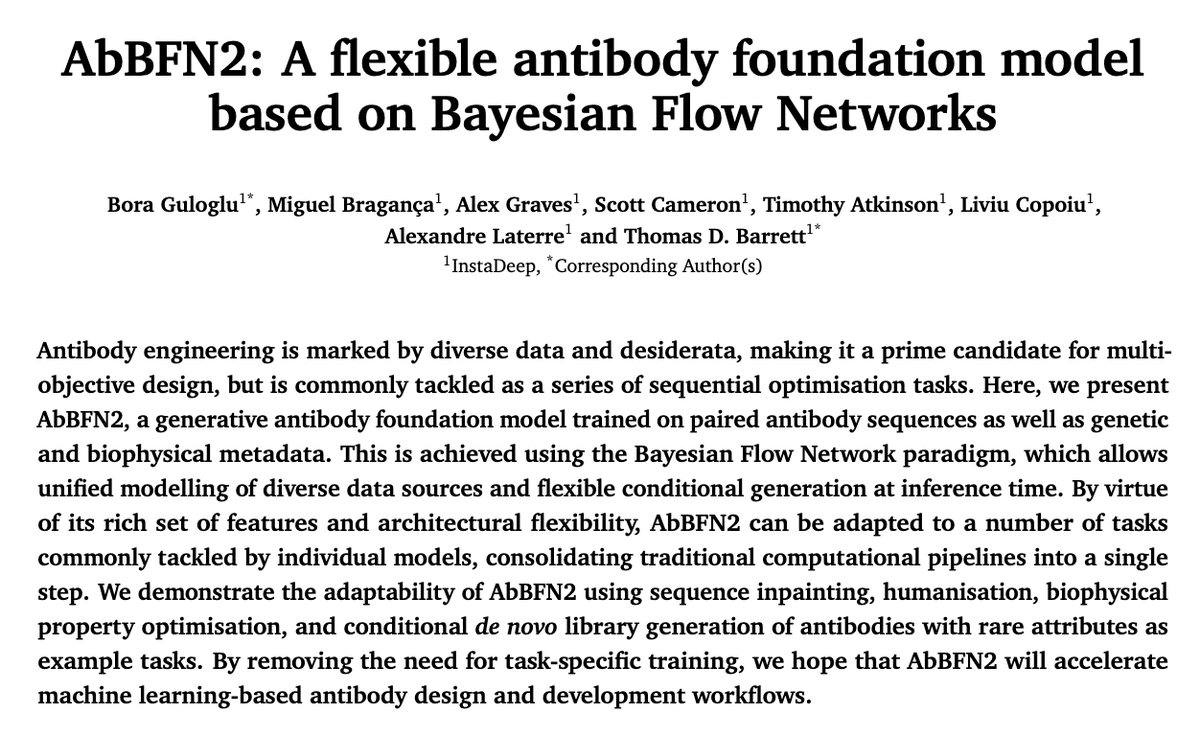
AbBFN2: A flexible antibody foundation model based on Bayesian Flow Networks
1. AbBFN2 is a generative foundation model for antibodies built on the Bayesian Flow Network (BFN) paradigm, allowing conditional generation across 45 sequence, genetic, and biophysical data modes without task-specific training.
2. Unlike typical models trained for one specific task, AbBFN2 consolidates multiple design tasks—such as sequence inpainting, humanisation, biophysical property optimisation, and de novo library generation—into a unified, flexible framework.
3. The model is trained on over 2M paired human, mouse, and rat antibody sequences from the OAS database, annotated with species, germline gene identity, CDR lengths, and TAP-derived developability metrics.
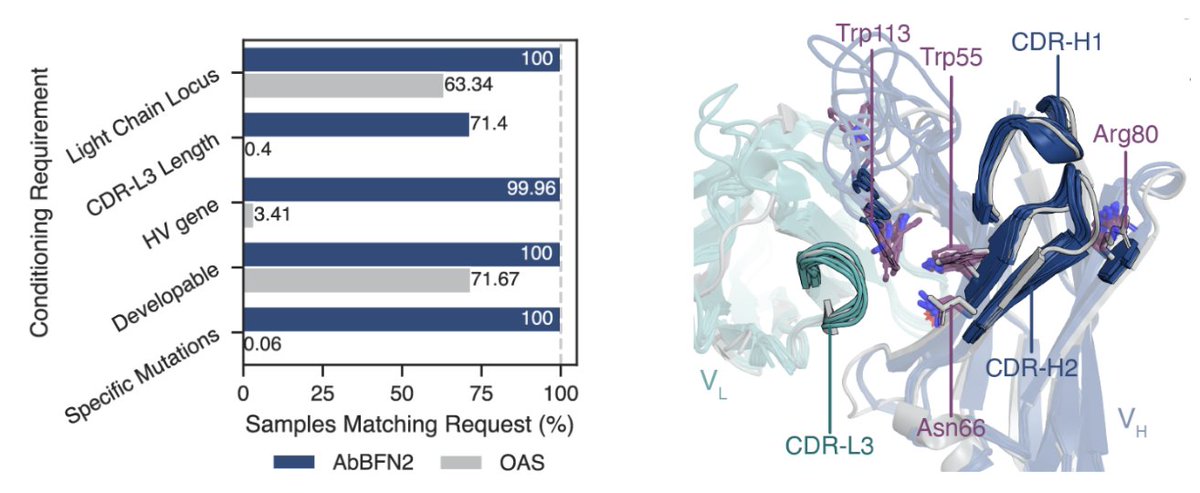
4. AbBFN2 learns the joint distribution of these diverse data modes, enabling concurrent generation of antibody sequences and associated labels that faithfully reflect natural antibodies across sequence, structural, and genetic properties.
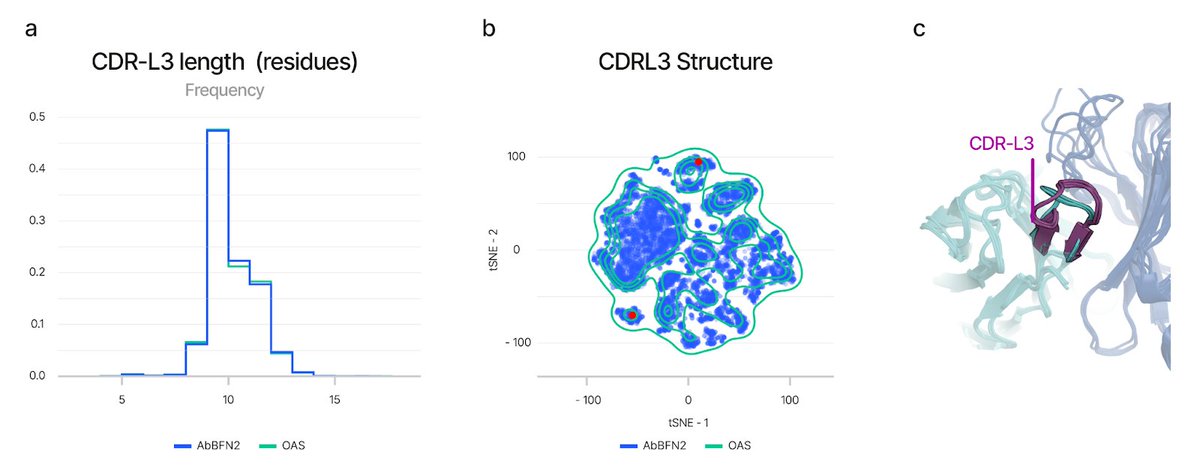
5. Generated sequences from AbBFN2 match held-out data in CDR loop lengths, amino acid frequencies, and structural conformations, as validated by dynamic time warping and t-SNE embedding of loop structures.
6. Germline gene usage patterns learned by the model match natural V(D)J recombination biases, indicating its understanding of antibody genetics even though it operates on amino acid sequences.
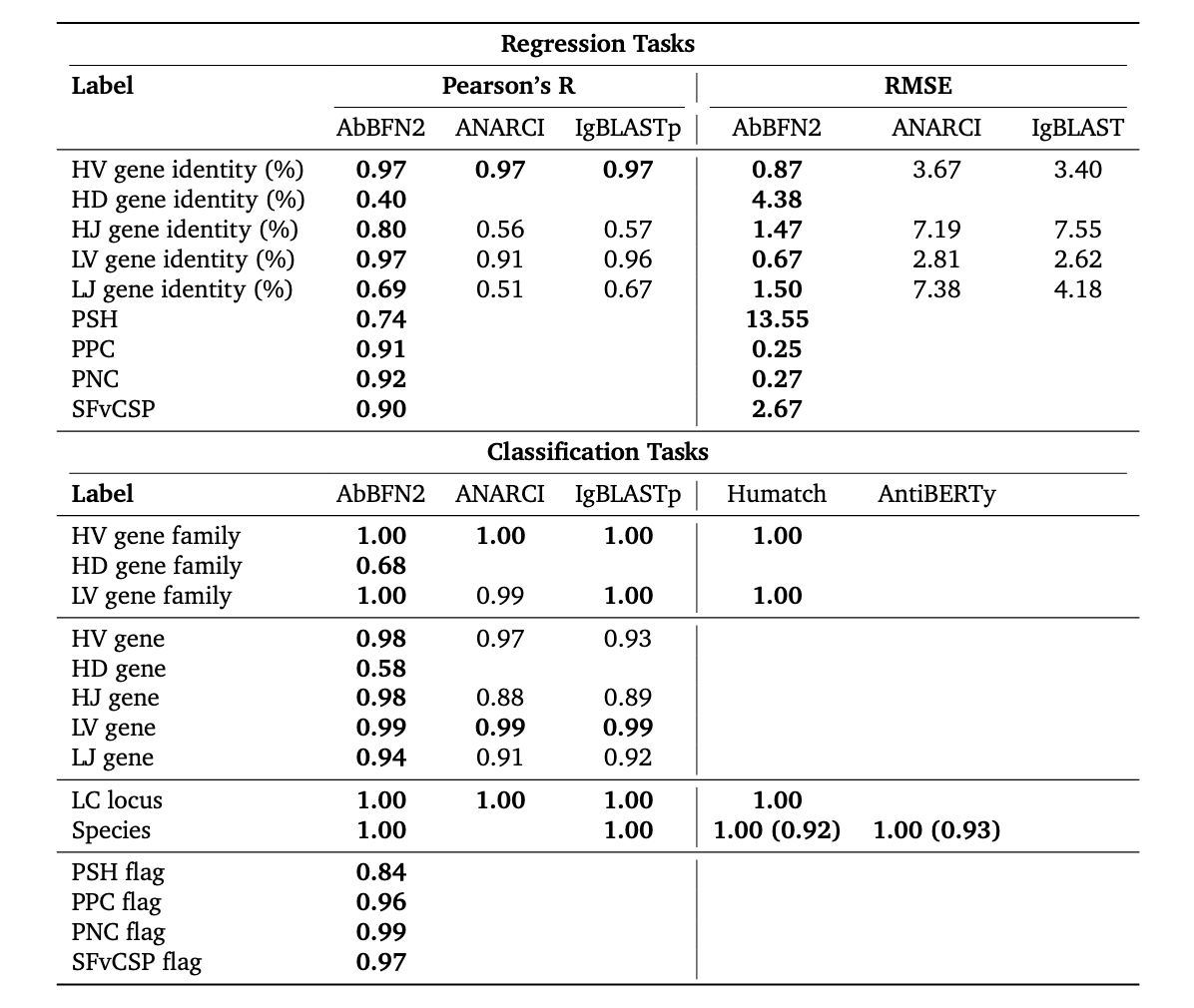
7. AbBFN2 achieves state-of-the-art performance in sequence annotation, outperforming tools like ANARCI and IgBLASTp in predicting germline gene identities and biophysical properties from sequences.
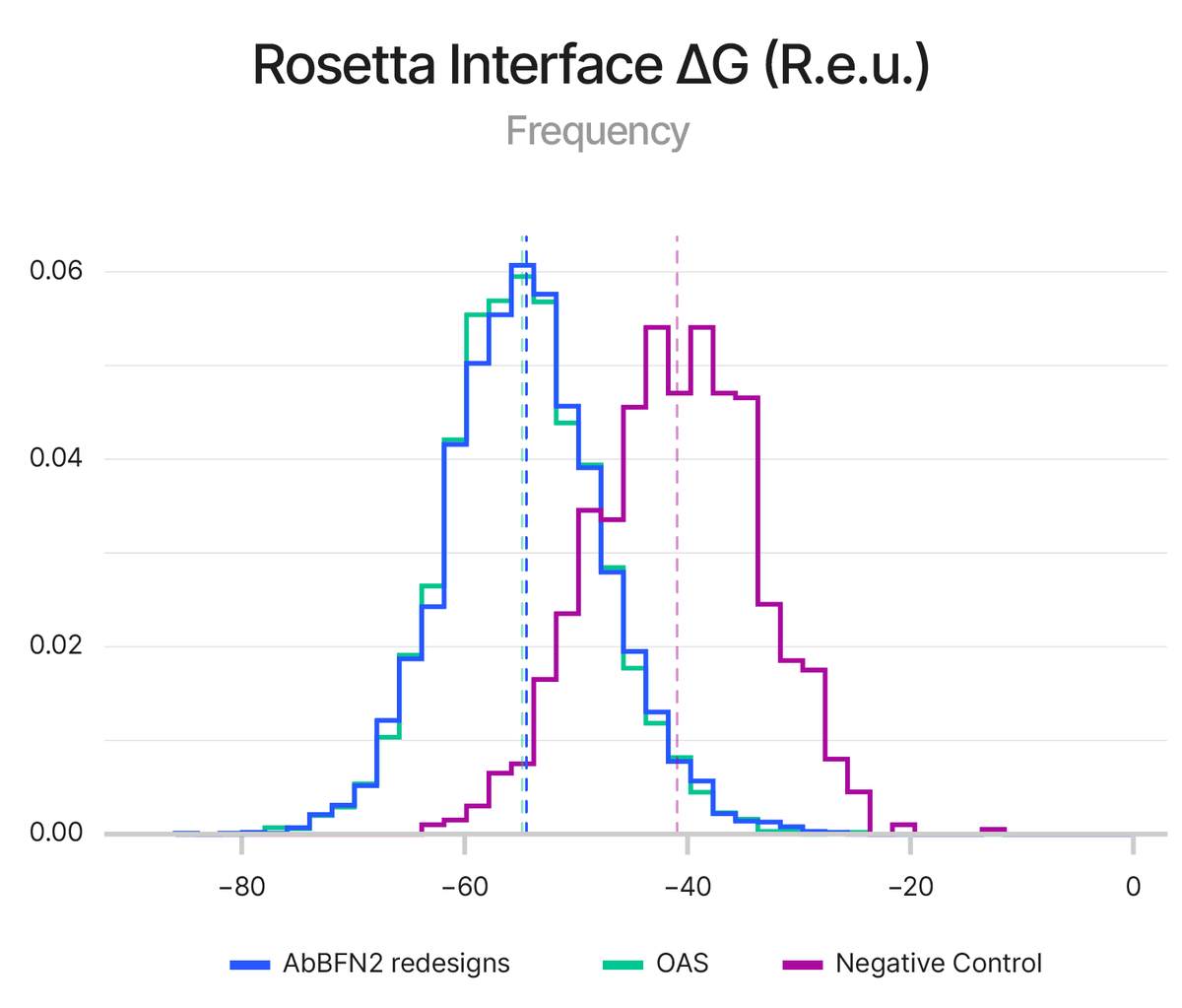
8. In sequence inpainting tasks, AbBFN2 accurately recovers framework and CDR residues, with Rosetta-predicted VH-VL interface stabilities indistinguishable from real antibodies, suggesting functional plausibility.
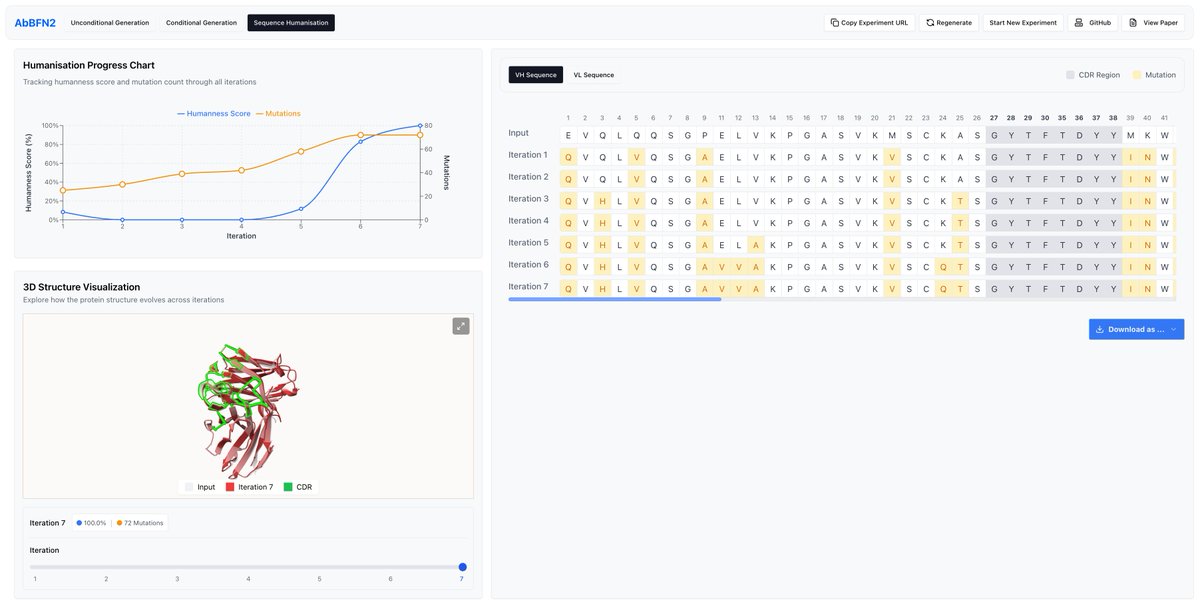
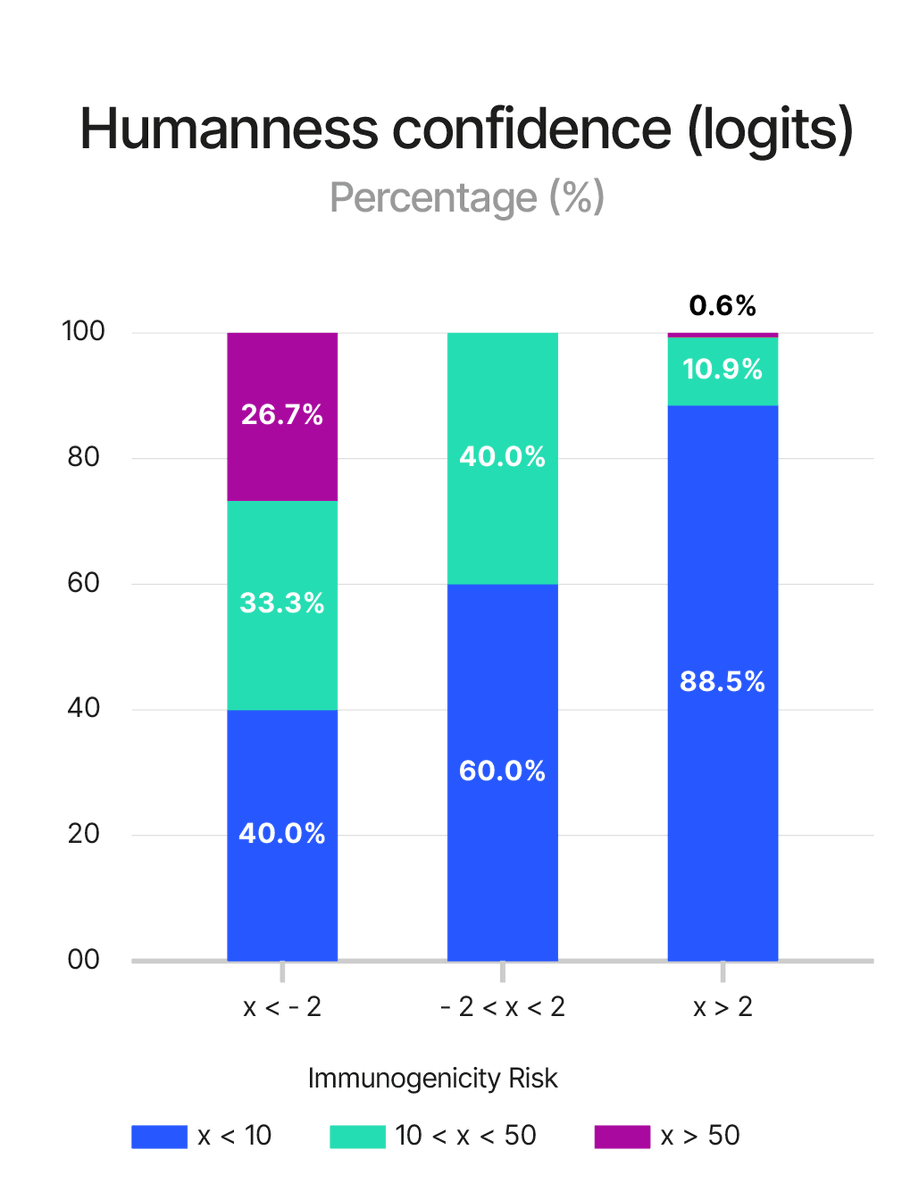
9. For sequence humanisation, AbBFN2 performs iterative masked sampling guided by species logits, achieving >95% human confidence across 25 precursor antibodies while preserving structural similarity (mean CDR RMSD \~0.7Å).
10. The model's species classification logits correlate with clinical anti-drug antibody (ADA) response rates (R = –0.52), matching results from p-IgGen and supporting its use in immunogenicity risk assessment.
11. In a multi-objective optimisation task, AbBFN2 successfully humanised 91 non-human antibodies while removing TAP liabilities, generating diverse candidates with developable biophysical profiles in a single-step workflow.
12. AbBFN2 can generate rare antibody types conditionally—e.g., 1715 VRC01-like antibodies with rare germline, CDR loop length, and developability constraints—demonstrating its ability to explore highly specific regions of sequence space.
13. By merging multiple antibody design objectives into a single generative pass, AbBFN2 minimizes the inefficiencies of sequential pipelines and provides a practical, tunable platform for next-gen therapeutic antibody design.
💻Code: github.com/instadeepai/AbBFN…
📜Paper: biorxiv.org/content/10.1101/…
#AntibodyDesign #ProteinEngineering #MachineLearning #FoundationModels #Bioinformatics #Therapeutics #AntibodyEngineering #BayesianFlowNetwork #GenerativeAI #Biotech
6
29
2,410
Tom Barrett retweeted

4 May 2025
AbBFN2: A flexible antibody foundation model based on Bayesian Flow Networks biorxiv.org/content/10.1101/… #biorxiv_bioinfo
2
17
1,485
7 Apr 2025
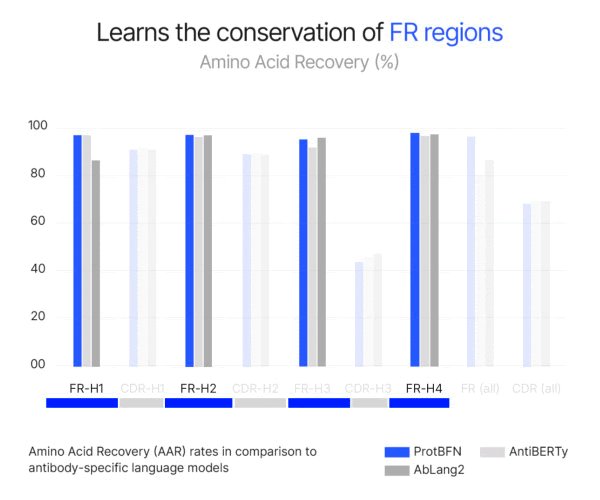
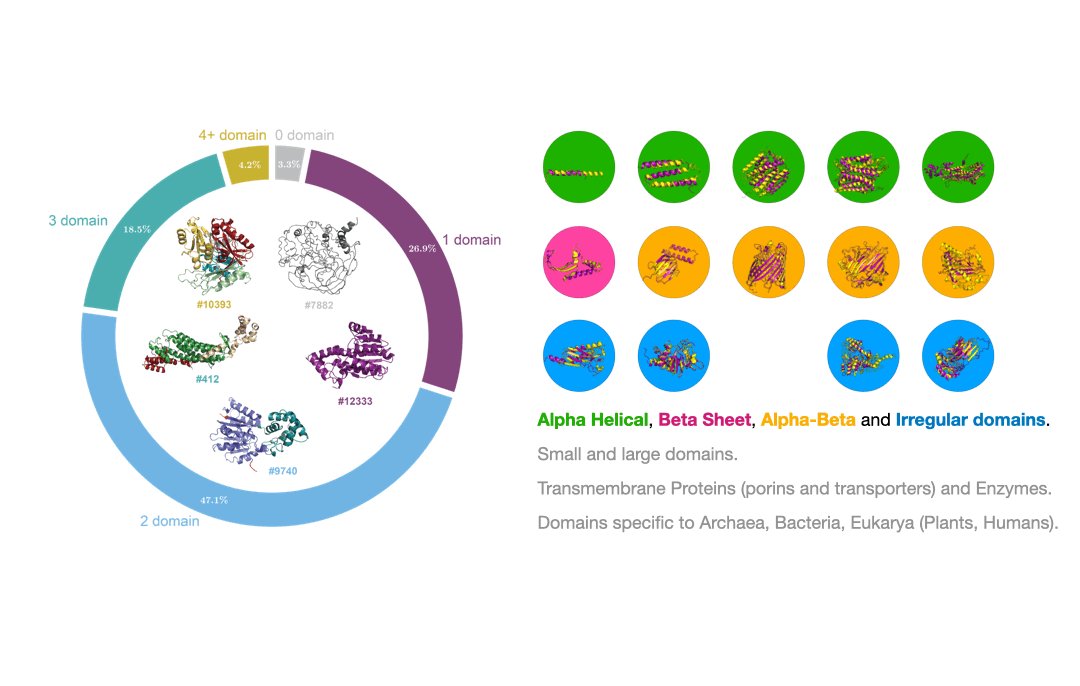
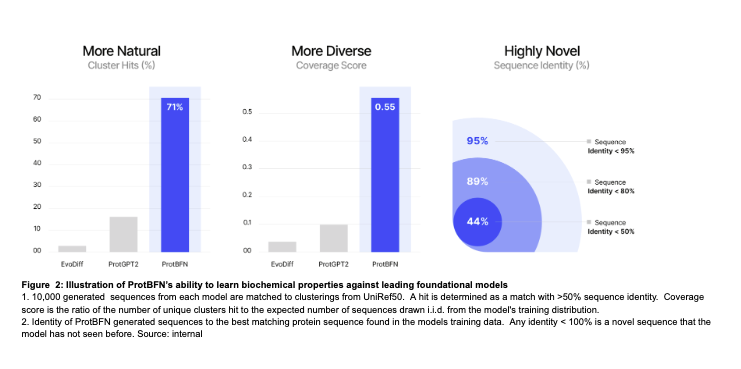
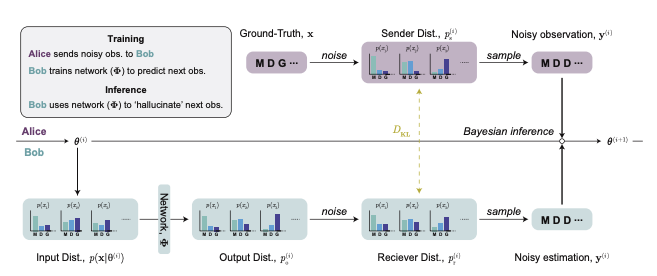
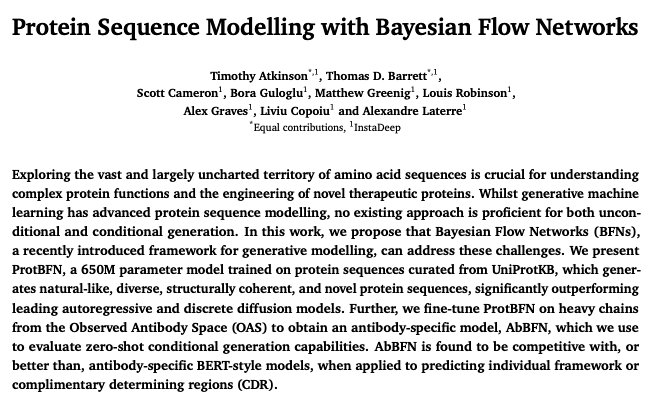
Our work "Protein Sequence Modelling with Bayesian Flow Networks" is now published in @NatureComms! 🎉
🧵 For a breakdown, see my original thread.
📄 Paper rdcu.be/egh3i
6 Mar 2025

Excited to share our latest work applying Bayesian Flow Networks (BFNs) to proteomics!
We show how BFNs can outperform leading autoregressive, discrete diffusion, and BERT models in protein sequence modeling. 🧵
1
9
197