
Biotech, AI, DeSci, Longevity, Crypto, all things tech... My creative expression is Photography
Joined April 2021
- Tweets 1,900
- Following 1,545
- Followers 190
- Likes 43,579
52 Photos and videos



tycomp (Train Your Computer) retweeted

Jun 16
The reason large AI companies with virtually unlimited capital, compute, and computer science talent have not transformed biology is very simple.
They do not understand biology.
In biology, the hardest problem is not accessing information. We already have enormous amounts of publicly available data, papers, databases, omics datasets, and experimental results. Much of it remains underutilized. Most of it can be converted into computable formats straightforwardly.
The difficult part is knowing which questions matter.
What do we actually understand? What don’t we understand? Which hypotheses are worth testing? Which experiments would meaningfully reduce uncertainty? Where are the conceptual bottlenecks preventing progress?
These are scientific judgment problems, not database problems.
What biology lacks is not data. It lacks enough biologists with strong quantitative and computational skills who can identify important questions and use available tools to answer them.
Biology is different from coding. The challenge is not retrieving information. The challenge is deciding what information is worth generating in the first place.
Once AI companies recruit enough biologists who know how to identify important questions and how to use quantitative tools to address them, the opportunities will be enormous.
The bottleneck is not the databases. The bottleneck is biological insight.
Jun 8

New Science Blog: Why has AI advanced faster in coding than in biology?
To agents, bio databases are like cities built before cars—maddening to drive in because they're designed for different traffic.
How do we build infrastructure agents can use?
anthropic.com/research/agent…
27
35
221
26,310
tycomp (Train Your Computer) retweeted

Mar 15
If you’re any good at picking the targets & getting sufficiently strong responses to them then the process would have a detectable survival benefit at scale.
And if that doesn’t happen, process needs improvement (which is where the field is at right now)
1
18
997
The first dog vaccine in the US, by Merial, was against canine melanoma and received conditional licensure in 2007 and full licensure in 2010. It uses the sequence for human tyrosinase, which results in targeting cancer cells that overexpress tyrosinase.
105
tycomp (Train Your Computer) retweeted

Mar 15
Models have the default consensus view of everything.
Your edge is anywhere you can identify that the default consensus view is wrong.

15
20
190
14,271
This approach requires the existence of Tcell clones in the patient that target the mutated protein but are insufficiently stimulated by the tumor cells, but for some reason are by vax.
@PalliThordarson provides some good insights RE the work done.
Mar 15

Proud with @UNSWRNA to have been involved & making the mRNA-LNP for Rosie. There are nuances here that the thread below misses but nevertheless, the intersection of RNA technology, genomic & AI poses an opportunity to change the way do medicine and make access more equitable 1/8
1
99
How the vax stimulates clones that arent stimulated already is a key question I would want hypotheses for when designing a treatment.
1
26
tycomp (Train Your Computer) retweeted

10 Apr 2025
If a grey wolf engineered to have white fur and another 15 edits copying (part of) dire wolf genes = a dire wolf, then is a pig engineered to have several human genes with a total of 69 genomic edits = a human?
hms.harvard.edu/news/first-g…
18
32
181
9,420
tycomp (Train Your Computer) retweeted

6 Dec 2024
Yup
5 Dec 2024

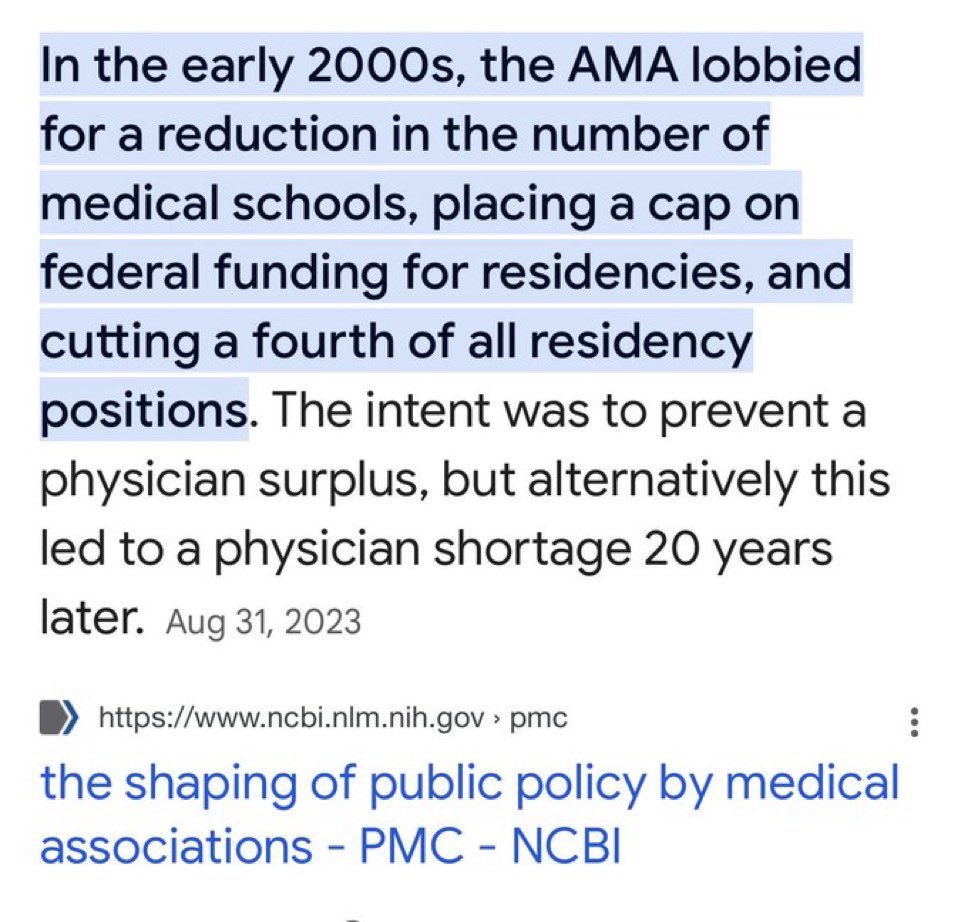
ever since I learned the American Medical Association actively fought for and won a restriction on the supply of doctors because they said we’d have a “surplus” I’ve become instinctively suspicious of all doctor guilds
89
2,020
10,596
434,153
tycomp (Train Your Computer) retweeted

26 Feb 2023
I need everyone’s help please
We need 1000 views on this new $tsoi video by midnight so that it ranks on YouTube
Please be so kind to help
m.youtube.com/watch?v=EJLNRZ…
18
27
72
7,397
tycomp (Train Your Computer) retweeted

23 Dec 2022
Social media vacillates between hype and hostility.
But books are a steady source of clarity and common sense.
The 12 SMARTEST BOOKS I read in 2022:
18
63
267
153,678
tycomp (Train Your Computer) retweeted
19 Dec 2022
3
6
40
2,530

15 Dec 2022
The other 20% are bots. Of course a sentient bot might lie about this.

Ran polls on insta & was SHOCKED by results.
PLS VOTE: Do you have an internal monologue?
(You can talk to yourself internally)
1/n
3
288
tycomp (Train Your Computer) retweeted
8 Dec 2022
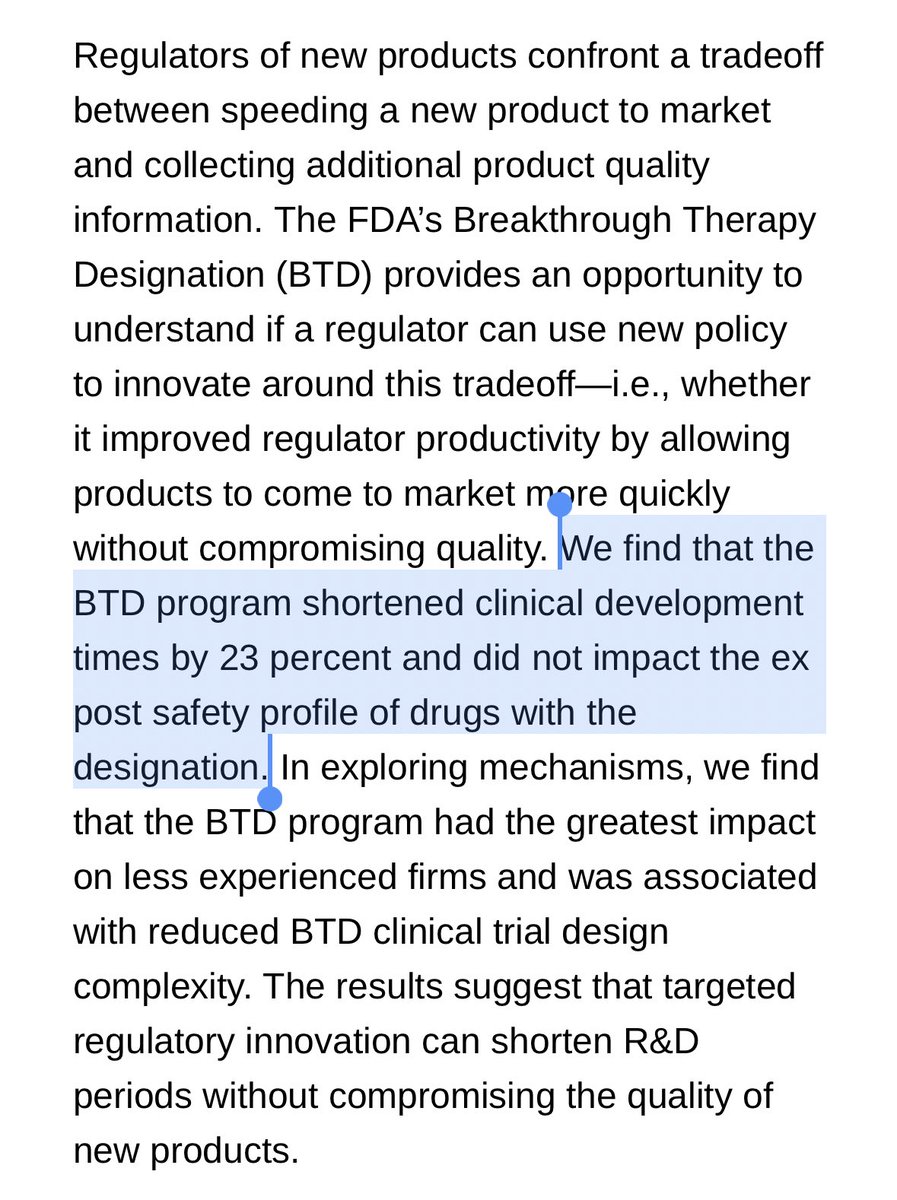
New research shows that the FDA’s Breakthrough Therapy Designation program reduced clinical development time by 23% without impacting drug safety.
Going faster does not require being unsafe!
4
11
84
30 Nov 2022
OpenVax is a really cool idea. People interested in immunology, cancer, and ML should check it out.
29 Nov 2022

Tidying up @OpenVax packages as prep for writing a new neoantigen vaccine pipeline.
Goals:
* only indels, splice variants, & SVs as neoAg sources (optional: SNVs & expression antigens like C/TAgs & hERVs)
* default sequencing tech: PacBio CCS WGS IsoSeq (optional: ILMN & ONT)
1
2
tycomp (Train Your Computer) retweeted

19 Nov 2022
Posted before but this is really a good step as we move toward personalization
Neoantigen TCR T-cell Therapy Shows Early Proof-of-Concept in Solid Tumors onclive.com/view/neoantigen-…
1
7
tycomp (Train Your Computer) retweeted
16 Nov 2022
The oncogene bcr-abl can protect leukemic cells from #chemotherapy but cannot protect them from killing by natural killer cells...this is why we love these guys...and this is why $fate is so heavily invested.
sciencedirect.com/science/ar…
1
1
3
tycomp (Train Your Computer) retweeted
13 Nov 2022
Twitter is a great media for discussing #immunology #cancer #immunotherapy #stemcells and #regenerativemedicine
2
2
6
tycomp (Train Your Computer) retweeted
2 Nov 2022
mTOR inhibition kills #cancer derived immune suppressive exosomes which have PD-L1 on their surface
mdpi.com/2072-6694/14/17/408…
2
4
tycomp (Train Your Computer) retweeted
28 Oct 2022
Chicken and the egg in type 1 diabetes???
Seems like islets start to die before onset of autoimmunity
jci.org/articles/view/162123
2
2
4